Sociolinguistics

“Get Ready With Me: Blog Post Edition”: How Influencers Self-Brand on TikTok

Emerson Howard, Kaira Edwards, Kat Balchunas, Kylee Bourbon, Nicole Hernandez

“Ok storytime.” “Get ready with me to go to class.” “Doing my makeup for literally no reason.” We can’t get enough.

Why are “get ready with me” videos so captivating? Are the communicative methods used what contributes to flop or fame…. a like or dislike…a slay or a nay?

In recent years, a new wave of social media “influencing” has emerged. The phenomenon of self-branding, the continuous action of establishing an image or identity of oneself, is most relevant in such an industry. We sought to investigate how influencers’ slang and body language used in “Get Ready With Me (GRWM)” videos conveys or does not convey a sense of perceived authenticity from followers. Our study focuses on three popular lifestyle influencers and their GRWM videos on the platform TikTok. We sought to identify patterns of body language, speech, and audience perception within GRWM videos that allow our subjects to establish and maintain an authentic relationship with their audiences. We hypothesized the intimate and casual nature of GRWM videos allow creators to establish a more personal connection with their audience if accompanied by a positive tone of voice, use of inside slang, as well as high levels of engagement.

[expander_maker id=”1″ more=”Read more” less=”Read less”]

Introduction and Background

TikTok is a rapidly growing social media platform which revolves around the creation and sharing of short, user-generated videos (Montag et. al, 2021). The app launched in 2016 and since then has provided an outlet for social media influencers, who are users that obtain a large following through posts, engagement, and advertising (Abidin, 2015). Our study looks specifically at white, female lifestyle influencers aged 18-30 who are recognized for documenting seemingly inconsequential and mundane elements of everyday life such as putting on makeup, getting dressed, etc. These influencers communicate personal information about themselves to create a sense of intimacy between them and their followers, emphasizing their realness and relatability (Abidin, 2015). Like any other social media influencer, lifestyle influencers create a “brand” for themselves by developing a consistent theme and style for their account through patterns of language, images, and content in order to create a certain expectation for how people should perceive them (Marshall).

To provide a basis for our understanding of how TikTok influencers create a ‘brand’ for themselves, we apply Erving Goffman’s dramaturgical approach to the digital media space to explain how influencers put on a performance through self-branding. Goffman’s dramaturgical theory proposes that everyday interactions are like a play in which humans put on a performance. This phenomenon is often displayed on social media in which influencers curate their posts and profiles to express an idealized presentation of self. Influencers employ impression management by being selective with what to post publicly, in order to preserve the identity they have curated for themselves—their “brand.” We feel that GRWM videos uniquely blur the line between Goffman’s concepts of backstage and frontstage, since these videos are predicated on providing followers with a sense of intimacy, seeing the ‘backstage’ of an influencer’s daily life. These videos commodify intimacy by providing the audience with the impression they are privy to intimate and generally inaccessible aspects of the influencer’s lives—this is what makes lifestyle influencer branding successful (Abidin, 2015).

Methods

For our data, we gathered and analyzed the three most recent “GRWM” videos from February 17th to March 1st, from the selected lifestyle influencers: Alix Earle, Darcy McQueeny, and Mikyla Nogueira, to investigate how they create a persona through language and behavior patterns. We gathered our data via the TikTok social media platform and the data was collected in two separate categories: video content and audience response. To observe video content, we looked at their patterns of communication including their body language, as well as their use of “inside slang.” We then observed audience response by focusing on the top seven comments to investigate whether there was a more positive or negative reception, as well as the number of likes per comment. This allowed us to measure each influencer’s level of audience engagement, level of influencer engagement, and engagement sentiment. We then took into account any differences and similarities that may exist amongst the influencers and how those aspects account for the way they’re perceived.
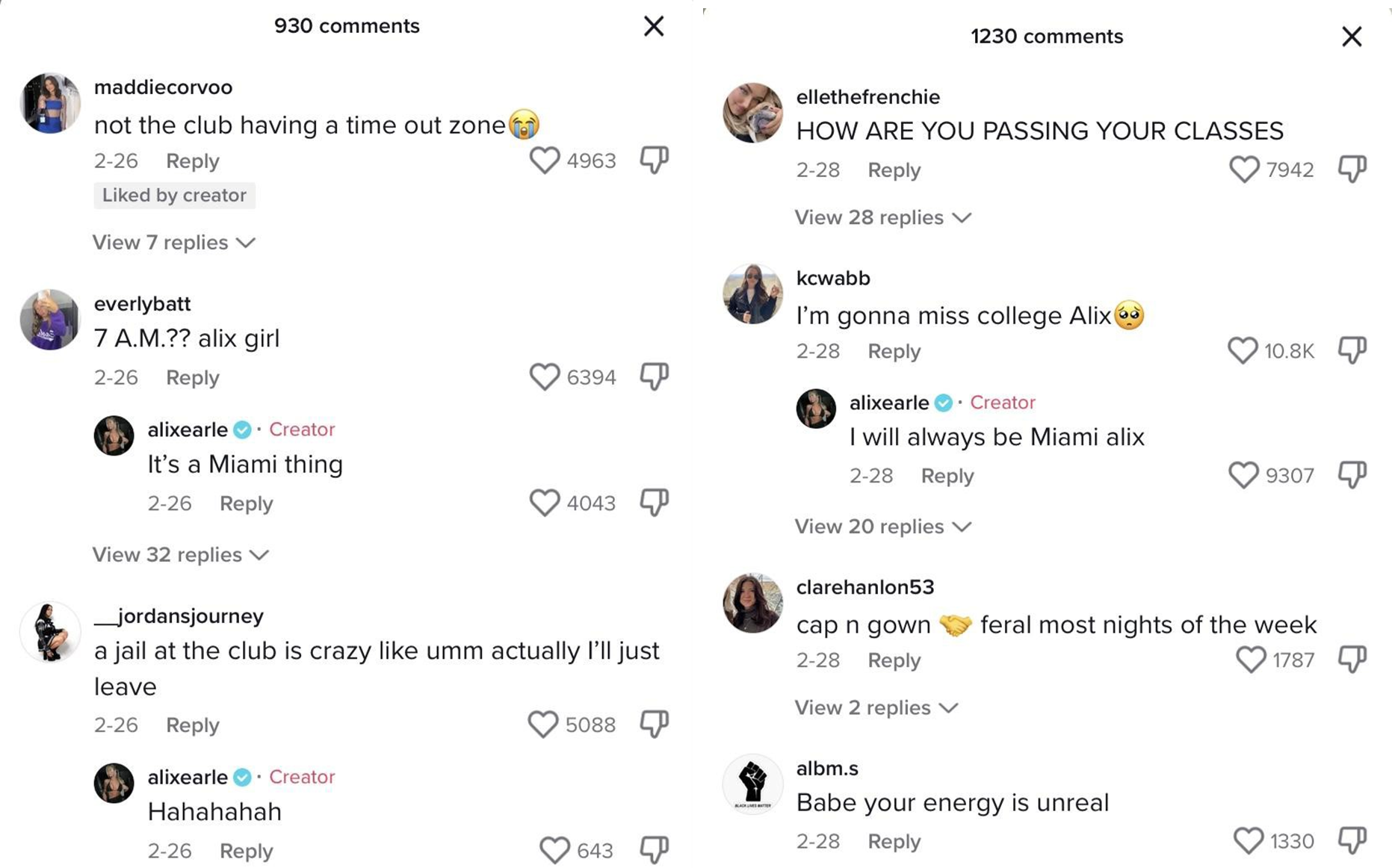
Screenshots of TikTok comments on influencer Alix Earle’s posts

Results and Analysis

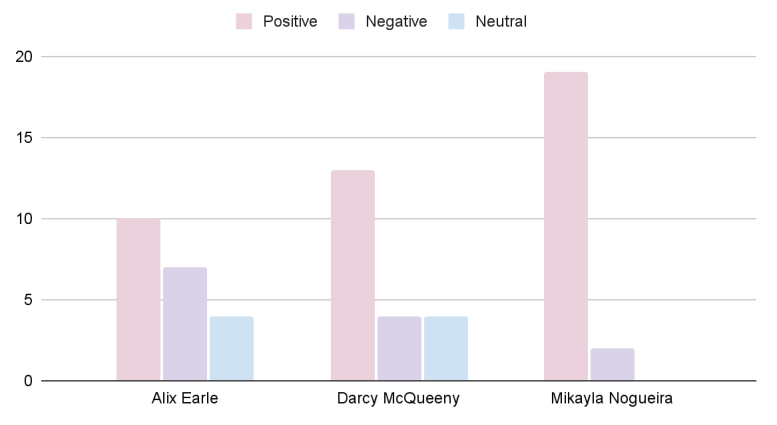
Our research both confirmed and rejected aspects of our hypothesis that GRWM videos allow creators to establish a more personal connection with their audience if accompanied by a positive tone of voice, use of inside slang, as well as high levels of engagement. After measuring the creator response rates within their comment sections, we noticed that Mikayla Nogueira had the highest level of engagement with viewers (see Figure 6).
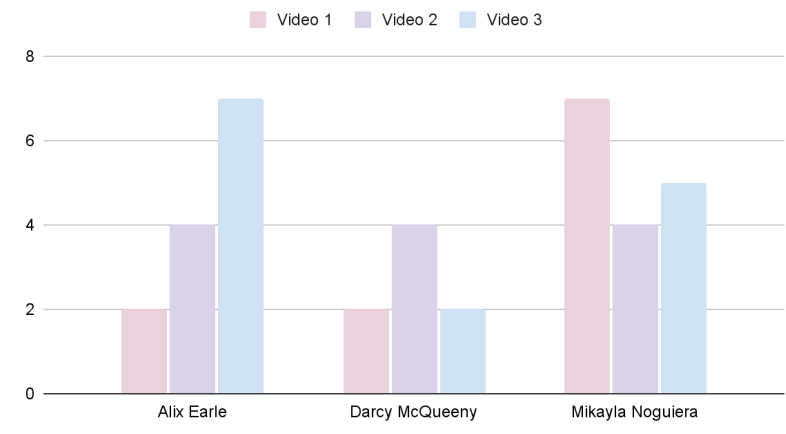
Figure 6: Number of Responses to Top 7 Comments

She not only responded to comments more frequently than other creators but also in a variety of ways: liking, messaging, and video responding. However, Alix appeared to have more audience engagement (see Figures 3 and 5) of all influencers we investigated despite her not interacting with them as much as Mikayla.

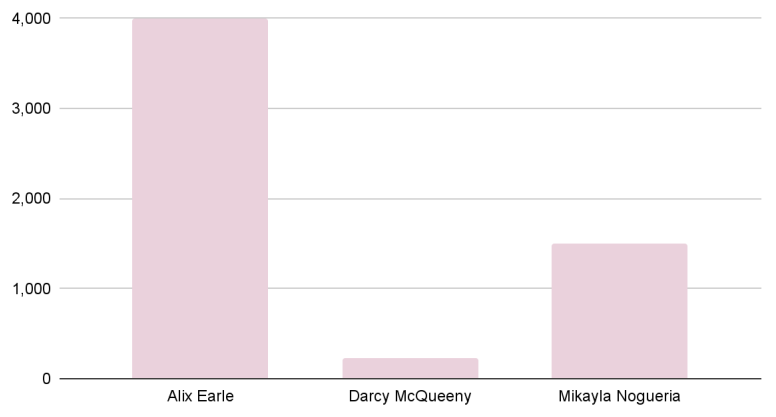
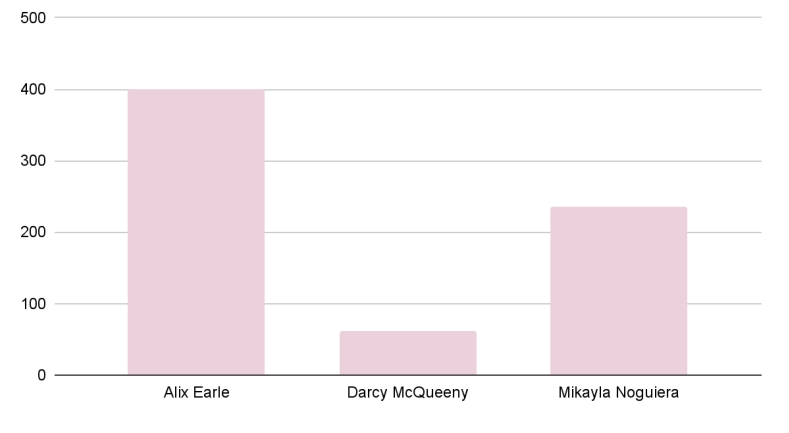
Despite having greater creator engagement, followers (see Figures 1 and 2) and the most positive engagement sentiments (see Figure 4), Mikayla Nogueira received less likes per GRWM video (see Figure 5) and likes on the top 7 comments (see Figure 3) per GRWM video (236.4k / 1,506), than Alix Earle (400.9k / 3,996). Darcy McQueeny received the least likes per video and comments (61.8k / 227).
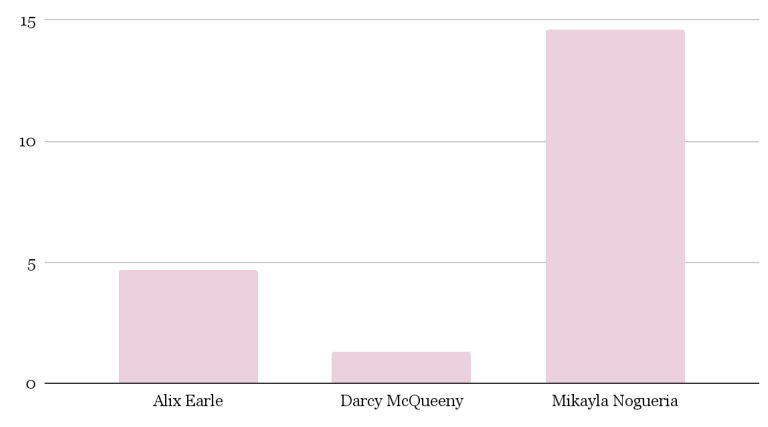
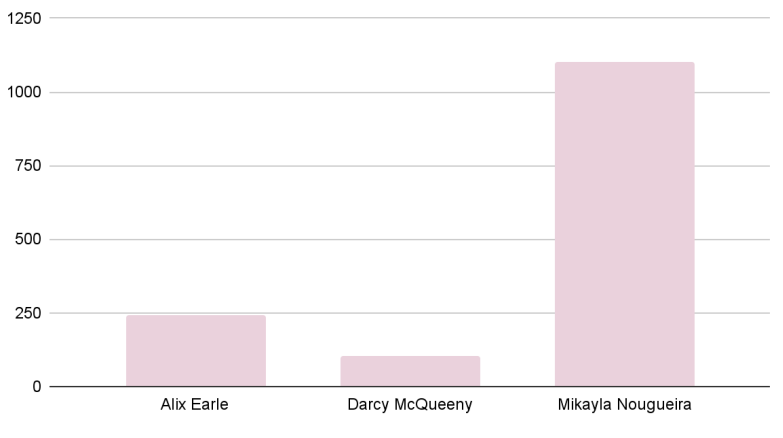
Figure 1: Follower Count (in Millions)
Figure 2: Total Likes on All Videos (in Millions)
Figure 3: Average Likes on Top 7 Comments (in Thousands)
Figure 4: Connotations of Top 7 Comments on 3 Observed Videos
Figure 5: Average Likes on 3 Observed Videos (in Thousands)

Through our analysis of this data we established that, as opposed to our hypothesis, it is a “laid-back” neutral tone of voice, use of inside slang, and moderate levels of engagement that is most popular within GRWM videos and most effective in garnering audience engagement.

We observed that Alix is a very good storyteller, creating a more laid-back demeanor and anecdotal style of GRWM videos that is more relatable amongst audiences. Mikayla can seem too enthusiastic, as if she is trying too hard to be liked and seen as a positive person (i.e. “Thank you!!! [exuding love face emoji]”); while Alix interacts just like a friend would on Facetime and responds to comments similar to how friends respond to texts; in a more neutral and moderate manner (i.e. “Hahahahah,” “No”). Mikayla expresses herself very openly and her outgoing personality may be a bit overwhelming for some. Additionally, her high level of engagement with her comment section may appear to some as trying too hard. Contrastingly, Alix exudes a more relaxed persona, talking about her friends as if the audience knows them personally, to solidify this ‘friend-like’ relationship, and utilizing slang such as “it’s not giving” throughout various videos and “losers,” which she notes is used by her own friend group, allowing the audience to feel included. We found that Darcy McQueeny utilizes a monotone/unengaging tone of voice and scarcely engages with comments, resulting in her low levels of likes, audience engagement, and negative engagement sentiments.

Discussion and Conclusions

In relevance to class, this course is centered around social communication and how our everyday speech and interactions are revealing of identity and character. We are able to better understand tone in internet gestures the more we partake in them. Additionally, verbal variation, in that influencers are distinguished on TikTok by speech variation. We also suspect that the successful influencers don’t switch from their normal and internet personality. If we had more time, we would be interested in conducting more research about this.

With self-branding on social media having an ever-growing prominence in modern social communication, especially among our age group, we thought this topic was relevant and crucial to study. Now when we navigate our social media presence, we are keener on how the language and the level of formality we use affects those viewing us.

The limitations in our research included the use of interpretive/qualitative data, restricted data (3 videos, 3 creators), and a narrow demographic (young, white, girls).

References

Abidin, C., (2015). Communicative Intimacies: Influencers and Perceived Interconnectedness. Ada: A Journal of Gender, New Media, & Technology, 8, 1-16: http://adanewmedia.org/2015/11/issue8-abidin/

BBC Radio 4. (2015, April 15). Erving Goffman and the Performed Self [Video]. YouTube. https://youtu.be/6Z0XS-QLDWM

Goffman, E. (1959). The Presentation of Self in Everyday Life. New York: Anchor Books.

Hogan, B. (2010). The Presentation of Self in the Age of Social Media: Distinguishing Performances and Exhibitions Online. Bulletin of Science, Technology & Society, 30(6), 377–386. https://doi.org/10.1177/0270467610385893

Jennings, R. (2018). What Is TikTok? The App That Used to Be Musical.ly, Explained. Vox, www.vox.com/culture/2018/12/10/18129126/tiktok-app-musically-meme-cringe.

Marshall, S. (n.d.). An introduction to brand building through social media – learn. Canva. https://www.canva.com/learn/introduction-brand-building-social-media/

Montag, C., Yang, H., & Elhai, J. D. (2021). On the psychology of TikTok use: A first glimpse from empirical findings. Frontiers in Public Health, 9, https://doi.org/10.3389/fpubh.2021.641673

Pulse Advertising. (2021, September 1). What Is an Influencer? | Influencer Marketing Explained [Video]. YouTube. https://youtu.be/JLiKXW82tjE

TikTok Videos

[/expander_maker]
, , , ,

You’re Just Somebody That I Used to Know

Audrey Edwards, Hung-Yi (Henry) Chen, Laksha Chhaddva, Sarah Manwani

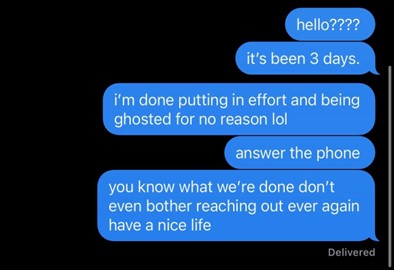
Figure 1. A text message screenshot sent in by a Gen-Zer demonstrating breakup practices over text

Let’s face it, ghosting sucks. Some may comment on the exchange above and say no response is a response, but does that provide effective closure in breakups? Although most people feel indirect breakups are outright disrespectful, the reality is that many of us are guilty of engaging in unhealthy breakup practices. However, has the rise of the Digital Age made this problem worse than before? Our study investigates how breakup practices differ amongst the two generations, Millennials, and Gen Z. Through our exploration of dating differences between these two generations using surveys and interviews, we found that tech use is more common in romantic relationships and breakups amongst Gen Z and indirect breakups are more common amongst Millennials. Ultimately, while the fact that indirect breakups wear is different, it seems like our tendency to do so is little changed by the prevalence of digital technology, one way or the other.

[expander_maker id=”1″ more=”Read more” less=”Read less”]

Introduction and Background

Our study intended to assess the effect of technology on relationship practices between Gen-Zers (born between 1997 and 2012, according to Dimock (2019)) and Millennials (born between 1981 and 1996, according to Dimock). We know that technology has impacted both Gen Z and Millennial romantic relationships, but the impact of tech use on romantic relationships is contested. Christenson’s (2018) study found that heavy social media users experience a severe decline in the quality of interpersonal relationships. On the other hand, Nicolas (2020) found that relationships formed on social media achieve similar self-disclosure and companionship as in-person relationships. More generally, Seemiller and Grace (2018) contended that Millennials were self-absorbed and ill-equipped to deal with meaningful relationships, while McGuire (2015) finds that Millennials still learn proper romantic expectations. The emergence of ghosting (the sudden cessation of communication over digital platforms) as a breakup method has further increased academic alarm, with LeFebvre and her colleagues (2019) finding that 96% of the college students they interviewed had been a part of ghosting interactions in some capacity. With this disagreement in scholarly assessments of technology and the younger generations in general, we feel that the healthiness of relationships experienced by these generations is worthwhile to study, with breakup methods as a good proxy. Baxter (1984) found that indirect breakups (without telling the partner directly, as in ghosting) were associated with self-centered breakups, prolonged the breakup process, and were a source of regret for breakups. Therefore, we expected that Gen-Zers were more likely than Millennials to use indirect breakup methods and to use technology in their breakups. If this hypothesis is true, then it demonstrates that tech use is likely to have a negative impact on breakup methods, since the biggest difference between Millennials and Gen-Zers is their exposure to tech use (as a consequence of their respective birth years).

Methods

To study the effects of technology on break-up methods, we sent a survey to Gen-Zers and Millennials that we knew and asked them to send it on to other Gen-Zers and Millennials that they knew as well. The survey was conducted through an anonymous Google Form to enable honest responses to sensitive questions. Ultimately, 27 Gen-Zers and 20 Millennials responded to the survey. The survey asked respondents how much they agreed with statements about the prevalence of technology use in their romantic relationships and their experience with breakups. The questions used the Likert scale, with respondents stating their agreement from “strongly agree” to “strongly disagree,” and binary (Yes-or-No) questions concerning whether they had encountered or engaged in specific break-up strategies described in Baxter’s (1984) study.

To complement the survey, we also conducted anonymous interviews with three Gen-Zers and two Millennials that we knew. Each interview proceeded with a set of interview questions that covered the same topics as the survey, but in an open-ended way. The interviewees were encouraged to go into detail on their experiences that relate to the questions, such as by describing the break-up experience in narrative form rather than merely categorizing it. Since the survey’s responses relied on the Likert scale and binary questions, which included no way to explain the answers, we needed a way of discovering more nuance in the relationship between technology use and healthy break-up methods. The interviews, which were fewer in number but far more detailed, provided a way to get into the details.

Results

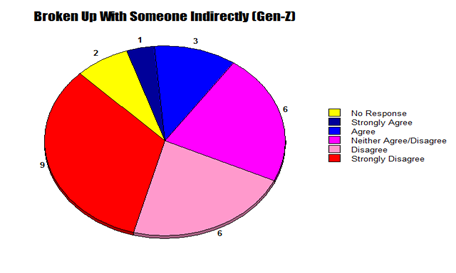
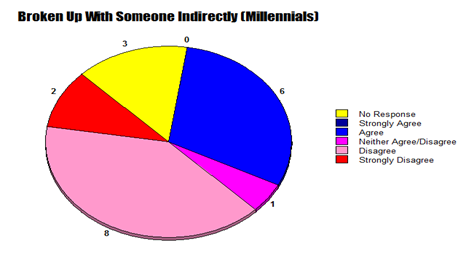
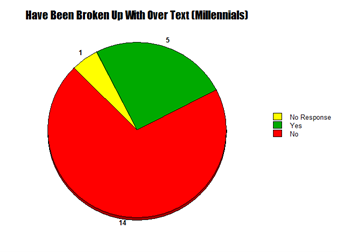
The survey results show that indirect breakup methods are less preferred by both Gen-Zers and Millennials compared with direct breakup methods.  However, Millennials are more likely to have used indirect breakup methods than Gen-Zers. 30% of Millennials report having broken up with someone indirectly, versus 15% of Gen-Zers.  The results illustrate that Gen-Zers have been broken up over text more often than Millennials, with 44% of Gen-Zers having experienced this versus 25% of Millennials. The key takeaways that we acquired from the interview questions were that both Gen-Zers and Millennials predominantly prefer direct break-ups rather than indirect breakup methods.  On the other hand, one of our Gen-Zer interviewees preferred to break up indirectly, especially if they were not in a serious relationship with their partner.  This somewhat contrasted our findings, but our interviewees still largely preferred direct over indirect breakups, and they were generally of the opinion that indirect breakups are messy and disrespectful.

Figure 2: This pie chart indicates that Generation-Z individuals most likely Strongly Disagree (9 people) or Disagree (6 people) with the statement “When terminating a relationship, you ended the relationship without ever directly stating your intention”.
Figure 3: This pie chart illustrates that Millennials disagree more than they agree with the statement “When terminating a relationship, you ended the relationship without ever directly stating your intention”.
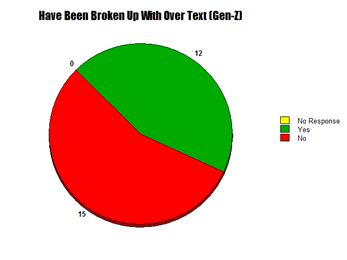
The results illustrate that Gen-Zers have been broken up over text more often than Millennials, with 44% of Gen-Zers having experienced this versus 25% of Millennials.

Analysis

According to the results, Millennials tend to break up in person, whereas Gen-Zers break up less in person and more over text than Millennials. This confirms our hypothesis that tech use is more common among Gen-Zers for breakups. On the other hand, Gen-Zers are actually less likely than Millennials to break up indirectly, which contradicts our hypothesis. While this does not necessarily indicate that tech use leads to healthier breakup methods, it does put a wrench in the scholarly speculation that they render younger generations actively unprepared for romantic relationships.

Figure 4: This pie chart shows that a vast majority of Millennials have not been broken up with over text.
Figure 5: This pie chart shows that 44% of Gen-Zers have been broken up over text.
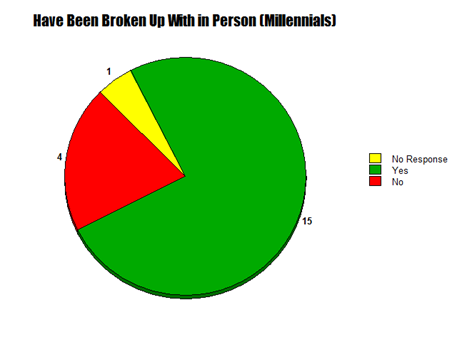
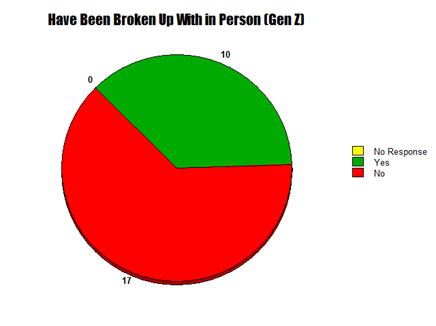
However, Millennials are more likely to have been broken up with in-person than Gen-Zers, with 75% of Millennials having experienced this versus 37% of Gen-Zers.
Figure 6: This pie chart indicates that Millennials are more likely than not to have been broken up with in person.
Figure 7: In the pie chart above, this chart illustrates that Generation-Z individuals are less likely than not to have been broken up with in person.

Discussion and Conclusion

Our hypothesis that Gen-Zers would engage in more indirect breakup methods than Millennials was incorrect. Contrary to our expectations, it doesn’t seem like Gen-Zers are less equipped than Millennials to deal with breakups. However, we found that technology was more extensively used in Gen-Zer breakups compared to Millennial break-ups. This verified our hypothesis that Gen-Zers use technology in romantic relationships more than Millennials and suggests that there was no correlation between being exposed to technology and the tendency to use indirect breakup methods. This is important because it suggests the rise of technology use by Generation Z doesn’t affect their relationship readiness as negatively as scholars fear. Moreover, neither of these two generations exhibited any special tendency towards indirect breakups compared with other generations. Baxter’s (1984) study found that 49% of the relationships examined were broken up through indirect means. This rate is much higher than the 30% of Millennials and the 15% of Generation Z who had engaged in at least one indirect breakup in our study. While the numbers are not fully convertible and the Baxter study involved more interviewees, one could reasonably conclude that Millennials and Generation Z are not more likely, and are quite possibly less likely, to use indirect breakup methods than Baxter’s Baby Boomer subjects. Of course, break-up methods are only a small part of the overall process of a relationship, but this finding supports the opinion of scholars who feel that the younger generations are as capable of healthy relationship practices as the older ones. 

References

Baxter, L. A. (1984). Trajectories of Relationship Disengagement. Journal of Social and Personal Relationships, 1(1), 29–48. https://doi.org/10.1177/0265407584011003

Christensen, S. P. (2018). Social Media Use and Its Impact on Relationships and Emotions (Order No. 28107583). Available from ProQuest Dissertations & Theses A&I; ProQuest Dissertations & Theses Global. (2442249267). https://www.proquest.com/dissertations- theses/social-media-use-impact-on-relationships-emotions/docview/2442249267/se-2

Dimock, Michael (2019). Defining Generations: Where Millennials End and Generation Z Begins. Pew Research Organization. https://www.pewresearch.org/fact-tank/2019/01/17/ where-millennials-end-and-generation-z-begins/

Krafchick, Julie and Yue Xu. (2020, March 10). Millennial vs. Gen Z Dating (No. S10E5) [Audio podcast episode]. Dateable. Drank Production. https://www.dateablepodcast. com/episode/s10e5-millennial-vs-gen-z-dating

LeFebvre, L. E., Allen, M., Rasner, R. D., Garstad, S., Wilms, A., & Parrish, C. (2019). Ghosting in Emerging Adults’ Romantic Relationships: The Digital Dissolution Disappearance Strategy. Imagination, Cognition and Personality, 39(2), 125–150. https://doi.org/10.1177/0276236618820519

Mateo, Ashley. (2019). How to Break Up With Someone Without Hurting Them. Oprah Daily LLC. https://www.oprahdaily.com/life/relationships-love/a27865922/how-to-break-up -with-someone/

McGuire, Kate, “Millennials’ perceptions of how their capacity for romantic love developed and manifests” (2015). Masters Thesis, Smith College, Northampton, MA. https://scholarworks.smith.edu/theses/659

Nicolas, É. M. (2020). The Impact of Social Media on Adolescent Attachment Style for Generation Z (Order No. 27737202). Available from ProQuest Dissertations & Theses A&I; ProQuest Dissertations & Theses Global. (2348090364). https://www.proquest.com/dissertations-theses/impact-social-media-on-adolescent-attachment/docview/2348090364/se-2

Seemiller, C., & Grace, M. (2018). Generation Z: A Century in the Making (1st ed.). Routledge. https://doi.org/10.4324/9780429442476

Further Reading and Listening

[/expander_maker]
, , , , ,

Click, Swipe, Connect: Flirting Directly and Indirectly through Online Mediums and In-Person Interactions

Natasha Motamed, Sasha Bok, Angelica Limoanco, Ashley Lopez

Does the medium in which you flirt with someone change your flirting style? Are you more likely to use direct language such as complimenting when trying to flirt online versus in-person, or are you more likely to use a pick-up line? The following research project will investigate how individuals flirt online via private messaging on dating apps such as Hinge, Bumble, and Tinder, and text messages versus in-person interactions and whether they use direct or indirect language in their flirting practices. Based on previous findings, we hypothesized that flirting on various online mediums will employ greater directness, whereas in-person flirting would consist of more indirect language. To test these hypotheses, we compared screenshots of online flirting interactions with flirting scenes between contestants on The Bachelor and Bachelor in Paradise.

Our main finding was that flirting on online mediums consisted of both direct and indirect communication through the usage of compliments and pick-up lines, respectively. Therefore, our hypothesis was partly true in predicting that online mediums would at least employ direct communication. On the other hand, we were surprised to discover that in-person flirting employed direct communication rather than indirect communication, which was what we had initially predicted.

[expander_maker id=”1″ more=”Read more” less=”Read less”]

Introduction and Background

How exactly do you interpret what flirting is? According to Wade (2018), flirting refers to words or nonverbal actions that include any semblance of romantic and sexual relations between individuals. Moreover, when communicating face-to-face, flirtatious speech is also often used with laughter and animated speech (Whitty, 2016). With flirting, it is prevalent within our society today both in-person as well as on online mediums. Regardless of whether someone uses pick-up lines or compliments to flirt, people tend to communicate differently depending on the modality they are using, i.e. online or in-person.

For our research, we investigated how people flirt differently depending if it is in-person or online. We researched and observed the similarities and differences of flirting indirectly or directly between in-person interactions of The Bachelor and Bachelor in Paradise contestants and online private messages on various dating mediums, direct messages, and texts, which were obtained from 18-29-year-old UCLA students. When looking at the linguistics of flirting, indirect communication can be defined as nonverbal choices such as pauses and bouts of silence, where the recipient must contextualize the situation in order to more accurately discern the speaker’s implied message (Joyce, 2012). Pick-up lines are a perfect example when it comes to indirect flirting since there might be hidden messages beyond what is actually being said. A popular example of this would be the infamous saying “Netflix and Chill,” which requires contextual clues in order to decipher the sexual innuendo being implied.

On the other hand, direct communication means there is no hidden meaning in what is being said, so the speaker will use exact words for their intended meaning (Joyce, 2012). An example of direct communication while flirting is a compliment, such as “I think you are gorgeous.” We had hypothesized that flirting on various online mediums will utilize greater directness, whereas in-person flirting will use more indirect language and word choice. Whether it was a Bachelor franchise contestant flirting in-person or a UCLA student flirting online, they had all found different methods of flirting depending on where they communicated from (see below in Results).

Methods

To investigate these hypotheses, we observed two target populations –– the first consisted of male, female, and non-binary/non-conforming UCLA students, ages 18 to 29, from any ethnic or socioeconomic background. While people of all ages and demographics use the internet, according to Smith (2014), the majority of internet users are actually between the ages of 18 to 29. Additionally, it has also been noted that they utilize technology to start romantic relationships (Meenagh, 2015). Therefore, we analyzed their online communication through various online platforms such as dating apps (Hinge, Bumble, and Tinder) and private text messaging. Our second target population included cisgender male and female contestants, ages 21-35 years old, from any ethnic background and socioeconomic status, on the television shows The Bachelor and Bachelor in Paradise. We observed their in-person communication through their methods of flirting shown on-screen.

The communicative/language aspects our project looked at included directness versus indirectness which is observed through word choice and specifically manifested through pick-up lines versus straightforward phrases and complimenting. These practices are used as a means to flirt in both in-person and online contexts.

We recruited the participants for our first target population and collected their screenshots by posting a Google Form on various platforms that UCLA students use such as GroupMe chats from various classes, Instagram stories, and Slack groups. Participants were asked to submit one or more screenshots where they used flirting on the following platforms: Hinge, Bumble, Tinder, or private messaging.

Our total data set included 33 screenshots of conversations on various online platforms as well as 21 in-person interactions observed from The Bachelor franchise shows. Throughout the analysis process, we highlighted and noted which interactions utilized indirect and direct communication by analyzing word choice in addition to the use of compliments and pick-up lines.

 Results and Analysis

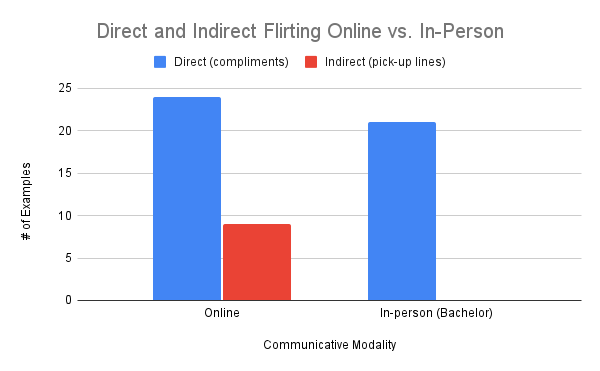
Figure 1: Bar graph comparison of direct and indirect communication in in-person vs online interactions

As a result, in Figure 1 we see a comparison of direct and indirect communication within in-person and online interactions. Direct communication like compliments were seen the most in online mediums as well as in in-person interactions. Indirect communication such as pick-up lines were only seen in online interactions.

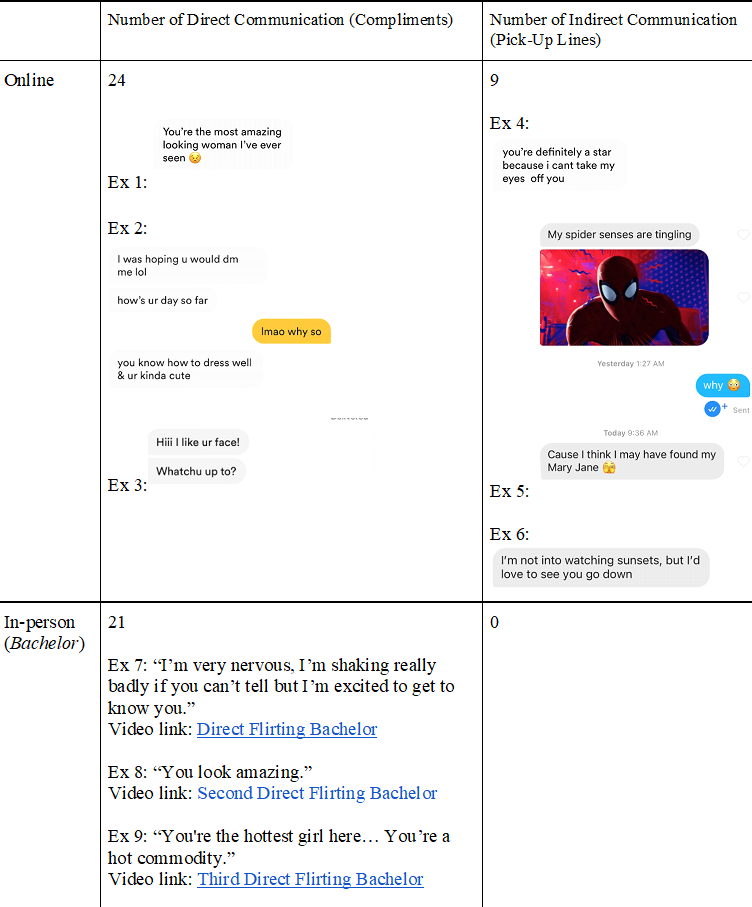
Figure 2: Breakdown of the number of direct and indirect communication within online and in-person interactions and examples of each type of communication.

After collecting our empirical evidence, we observed that out of 33 online flirting interactions, 24 of them contained direct communication manifested through compliments whereas only 9 interactions contained indirect communication through the use of pick-up lines. Examples of direct and indirect communication observed are shown in Figure 2 above. This shows that although both direct and indirect communication are utilized on online platforms, the majority of online interactions use direct communication. In contrast, out of a total of 21 in-person flirting interactions, all of them contained direct communication and none of them contained any indirect communication or the usage of pick-up lines. Examples of direct communication in in-person interactions are linked in Figure 2 above.

After observing 33 screenshots and 21 in-person interactions, we found that pickup lines were very prominent in online mediums and were used indirectly compared to in-person interactions. Participants in The Bachelor franchise were more direct in their conversations while pursuing a romantic relationship. They did not utilize any indirect communication such as through pick-up lines in person. But in both mediums, compliments were utilized. For example, the following compliments were used on online mediums: “you know how to dress well and ur kinda cute”, “I like ur face”, “I think you’re gorgeous”, “you really fine”, and “that smile won me over”. The following compliments were used in in-person interactions: “I’m very nervous, I’m shaking really badly if you can’t tell but I’m excited to get to know you,” “you look amazing,” “you’re the hottest girl here,” and “you’re a hot commodity.” In online mediums, it is much more common to see someone use direct language when they ask if someone is free when compared to in-person interactions. Individuals will use direct language such as “Are you free this Tuesday” or “U free later tn tho?” We found that people online were more indirect through their usage of pickup lines and it was rare to see pickup lines like “you’re definitely a star because I can’t take my eyes off you” used in person. Both online and in-person interactions used direct and explicit word choices in the form of compliments in order to get their meanings across. However, in the in-person interactions, our observations found that the flirting did not result in any individual asking out another person. Overall, we found that flirting online utilizes both direct and indirect communication through the use of complimenting and pick-up lines, respectively, whereas in-person interactions solely use direct communication as a means to show romantic interest.

Discussion and Conclusion

For our Post Data Collection Analysis, we concluded that word choice can result in either direct or indirect communication, for example through compliments or pick-up lines, respectively. We observed both the screenshots and Bachelor scenes through the lens of explicit and implicit word choice, and ultimately placed them into their respective categories, as seen in the chart and graph above.

Based on these findings alone, we could predict that flirting on online mediums could potentially lead to higher or more frequent usage of direct and indirect communication through the employment of pick-up lines and compliments. We attribute this trend possibly to people feeling more confident or comfortable when there is a physical distance between the parties involved and also due to the anonymity veil provided by device screens.

In regards to the validity of our observations and findings, we do acknowledge that there are limitations in having The Bachelor represent in-person flirting practices due to the possibility of it being scripted. Therefore, it’s important to note potential differences between our samples from the reality show and what actually happens within everyday life.

That being said, we believe that our observational results can benefit anyone who communicates online or would like to explore the benefits of talking to and meeting new people online, especially in the romance department. As daily users of technology and online communication yourselves, you can definitely utilize our findings to improve your methods of obtaining the best romantic partner ever! We want you to succeed romantically as much as possible, so take our results into consideration when looking for your future partner in crime!

For future purposes, it’s also important that we research and examine any new and upcoming trends and patterns that arise from our behaviors within these online modalities, especially since we live in this technological age where the majority of society is now heavily reliant on social media as a primary means of communication.

References

Joyce, C. (2012). The impact of direct and indirect communication. Journal of the International Ombudsman Association.

Meenagh, J. (2015). Flirting, dating, and breaking up within new media environments. Sex Education, 15(5), 458–471. https://doi.org/10.1080/14681811.2015.1033516

Smith, J. (2014). The Perceived Impact of Online Versus Offline Flirting on Romantic Relationships [Master’s thesis, University of Dayton]. OhioLINK Electronic Theses and Dissertations Center.

‌Wade J. A. (2018). (I Think) You Are Pretty: a Behavior Analytic Conceptualization of Flirtation. Perspectives on behavior science, 41(2), 615–636. https://doi.org/10.1007/s40614-018-0136-y

Whitty, M. T. (2004). Cyber-flirting: An examination of men’s and women’s flirting behaviour both offline and on the Internet. Behaviour Change, 21(2), 115-126. https://doi.org/10.1375/bech.21.2.115.55423

 [/expander_maker]
, , , , ,

From Slay to On Fleek: Linguistic Features of Millennial and Gen Z Internet Communication

Aileen Dieu, Makenna Kumlue, Nicholas Litt, Jazmine Pineda, Rafael Santos

The social media community is truly that, a community. Groups of people gather based on common interests to share ideas, offer support, and even criticize opposing views, for better or worse. Millennials were the first generation to create an online community, and through that, a whole new array of lingo, trends, and even celebrities arose. Then, Gen Z entered social media and created their online community filled with their interpretations of millennial slang, as well as bringing a whole new batch of slang to the mix. However, the interactions between both groups yield confusion, amusement towards popular trends in either community, and even irritation due to a lack of comprehension of new terms. In our research, we observed the specific tokens and behavior displayed by both groups individually and in interactions with one another across varying social media platforms. We found varied sentence structure, emoji use, and critical attitudes of Millennials towards Gen Z slang. Yet, for the most part, Millennials and Gen Z communities interact fairly effectively across some parts of the internet.

[expander_maker id=”1″ more=”Read more” less=”Read less”]

Background

Digital communication plays a crucial role daily. Regardless of occupation, race, gender, or class, social media is a form of communication with others and provides a place to express opinions to a targeted audience. Social media usage began around 1997 with a website called “Six Degrees” where people could communicate with close contacts. This was popular among the Millennial generation (1981-1996), and the emergence of another application called “MySpace” in 2004 was another big hit (Ortiz-Ospina, 2019). Fast forward a decade later, Generation Z (1997-2012) has evolved to also use multiple social media platforms at once (not as much as Millennials). Recent studies showed that Millennials use 5 to 6 social media platforms at once while Generation Z use around 2 to 3 social media platforms (Vacalares et al., 2023). The advancement of technology along with the comfort of being more expressive in an online setting was appealing to Generation Z, as we see them use more current social media apps than millennials today. As a result, they have created their forms of communication and language styles that are derived from digital trends (Jeresano et al., 2022).

The types of slang used are also motivated by a sense of social conformity. Depending on the app, the social norms differ greatly based on the demographics of users as well as the app’s intended purpose. If anyone were to talk outside the “social norms” of the app, it would lead to negative feedback, loss of followers, and a negative social media presence (Taber et al., 2023). Generation Z also utilizes social media apps for various purposes such as education, shopping, entertainment, and socializing (Mude, 2023). We hope to explore more on the types of linguistic features seen across various apps like TikTok, Instagram, X, and Facebook among Millennials and Generation Z individuals. How would these differences reflect evolving cultural and technological influences?

Methods

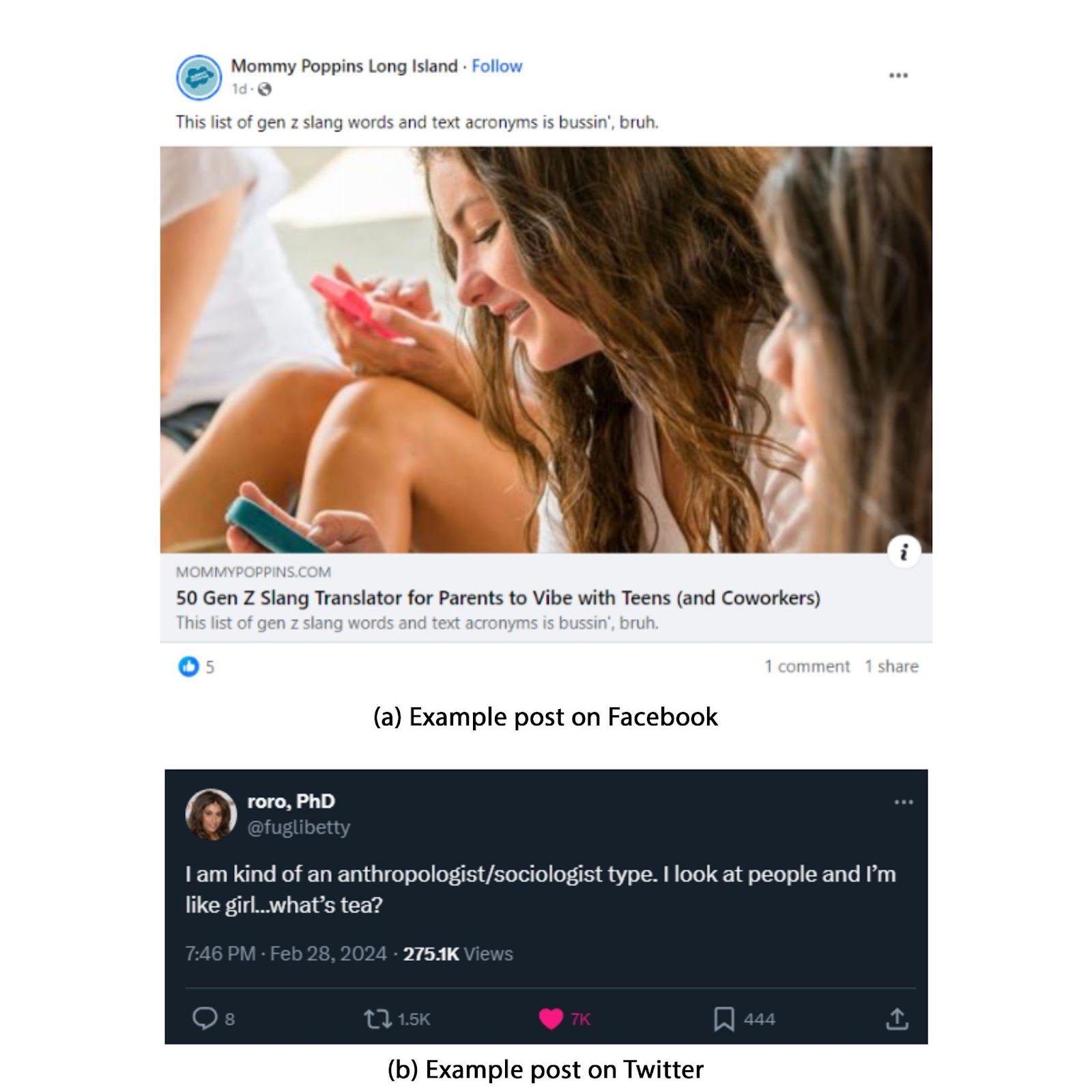
Data for this article was acquired through observation and analysis of different word usage on various social media platforms such as TikTok, Instagram, X, and Facebook, based on usage and popularity. Observations were then assigned to team members by platform and instances of slang were captured as screenshots (See Figure 1) and then analyzed by individuals. Instances of slang, word choice, tone, and sentence structure were assigned a rating of Gen Z or Millennial based on prior perception and/or investigation of user age. Perceptions of Gen Z versus Millennial word usage and choice were based on a consensus around Gen Z’s abbreviation usage and knowledge of contemporary media culture (Jeresano et al., 2022), in comparison to the Millennial generation’s lower intelligibility for newer slang (Taber et al., 2023). The team then convened and analyzed for further patterns of linguistic choice and feature. Lack of or inaccurate user information was addressed to the best of our ability.

Figure 1. Sample posts with instances of slang usage.

Results and Analysis

There were some semantic communication barriers between those we identified as Millennials and Generation Z. Both generations demonstrated similar morphological features within their slang, namely, acronyms and euphemisms (Which may be due to the platform’s format, like character limits and censorship). However, the resemblances begin to deviate when examining specific slang words and phrases. Our data exhibits the referential and ironic nature of Generation Z’s coined words and phrases rapidly generated and circulated across each platform. These coined words and phrases, derived from internet culture and AAVE (African American Vernacular English), contain a level of specificity within them that, to use properly, one must know the original to some extent. Accordingly, our collected data suggests that Millennials tend to use outdated or misused slang or are entirely oblivious to the terms.

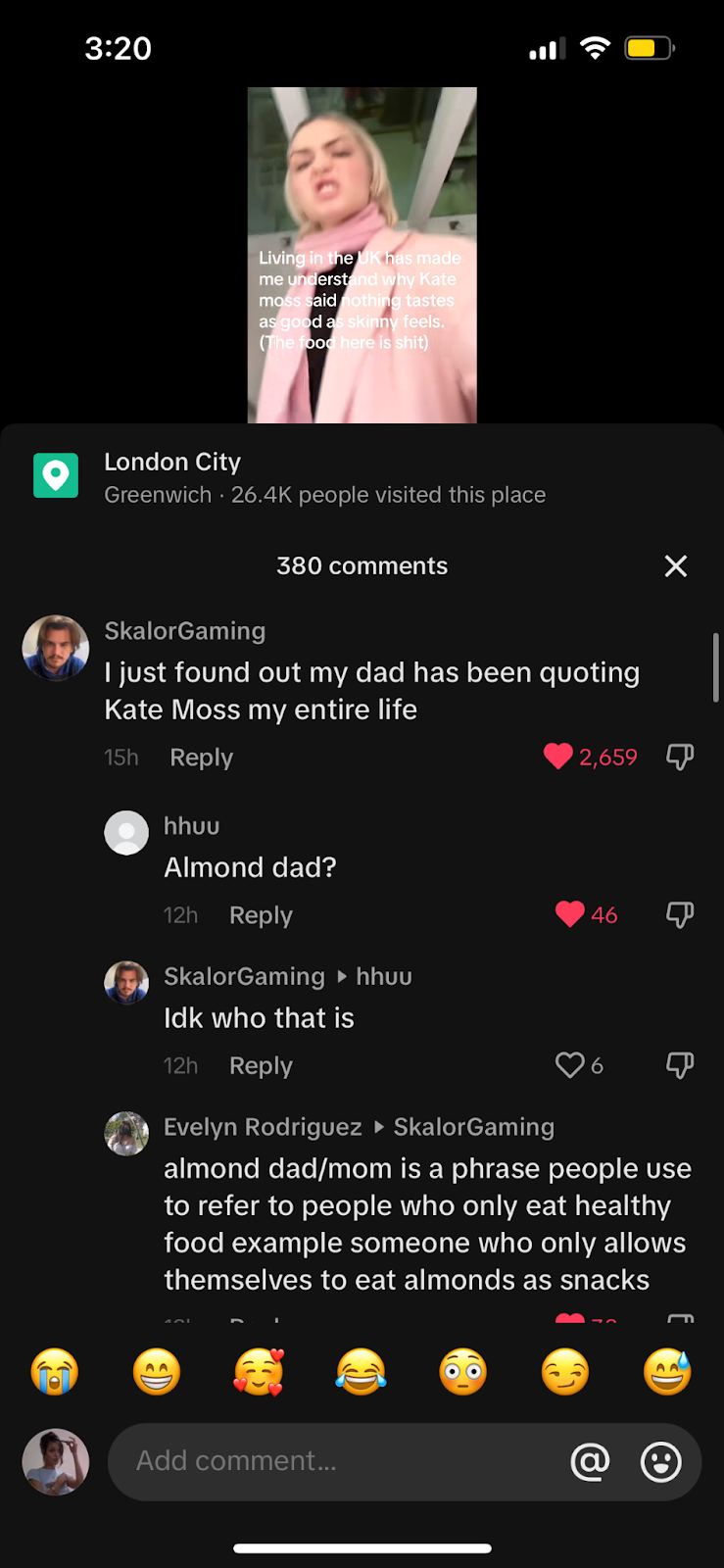
Therefore, there appears to be frustration and confusion between Millennial and Generation Z interactions, primarily exhibited on the Millennial side. In Generation Z-dominated media, like TikTok, the cross-generational interactions are question-oriented. Our data includes numerous accounts of deemed Millennials seeking meaning and context behind creators’ and commenters’ posts to better understand the jokes and discourse occurring (See Figure 2). However, apps containing older demographics tend to display rejection, ridicule, or misunderstanding of Generation Z’s communication style. Additionally, these apps depict Millennials attempting to increase their engagement and flaunt their relevance through overcompensation, i.e., frequently using slang and emojis. Thus, generating derision from members of Generation Z who come across their content. 

Figure 2. A Millennial TikTok user obtaining an understanding of a popular culture reference from the video content and learning Generation Z coined slang through user-to-user engagement within the comment section.

However, it is essential to note that the gap between generational differences in slang is shortening due to high social media exposure and interactions across generations. With the growing demographics of Generation Z-dominated apps, there tends to be more exposure to viral content from which these terms are derived. Additionally, personal interactions between each generation further the understanding and adoption of coined words and phrases. While our data exhibits the semantic communication barriers between Millennials and Generation Z, we question whether this issue will remain prevalent in the foreseeable future.

Discussion

Our results provide insights into the linguistic differences and communication trends between Millennials and Generation Z individuals in social media. Through observation of various social media platforms such as TikTok, Instagram, X (formerly Twitter), and Facebook, our research highlights distinct linguistic features and communication practices exhibited by each generation.​ Millennials tend to use “outdated” slang words and phrases, while Gen Z incorporates slang derived from abbreviations and references to other viral trends. ​This reflects the evolving cultural and technological influences on language use, with Gen Z being more influenced by internet culture and current trends. The demographics of each social media platform also play a role in the linguistic practices observed, which suggests that the linguistic features seen on these platforms may be influenced by the dominant generation using them. ​

TikTok demonstrates semantic barriers in communication between Millennials and Gen Z. Gen Z individuals on TikTok use coined words and phrases derived from internet culture and AAVE (African American Vernacular English), heavy acronym usage, and euphemisms. On Instagram, Gen Z users use informal slang with abbreviations and unique vocabulary from internet culture. At the same time, Millennials exhibit a more formal writing style with complete sentences, positive affirmations, and subtle humor. ​Both Millennials and Gen Z individuals use X, but there are some differences in their linguistic practices. ​Gen Z shows strong use of irony, informality, and word choice derived from current internet culture and technology. ​Millennials, on the other hand, use outdated terms and references, specific to their periodical upbringing, and have a more formal sentence structure.

Conclusion

In conclusion, the linguistic differences and communication trends observed between Millennials and Generation Z in social media reflect the evolving cultural and technological influences on language use. ​ Each generation exhibits distinct linguistic features and practices, influenced by their respective demographics and exposure to internet culture. ​ The interactions between Millennials and Gen Z online highlight both generational differences and a willingness to engage in a compromised social bubble. ​ Further research in this area can provide a deeper understanding of how language evolves in the digital age and its impact on intergenerational communication.

References

Taber, L., Dominguez, S., & Whittaker, S. (2023). Ignore the Affordances; It’s the Social Norms: How Millennials and Gen-Z Think About Where to Make a Post on Social Media. Proceedings of the ACM on Human-Computer Interaction, 7(CSCW2), 1–26. doi.org/10.1145/3610102

Jeresano, E. M., & Carretero, M. D. (2022). Digital Culture and Social Media Slang of Gen Z. United International Journal for Research & Technology, 3(4), 11-25. 

Vacalares, S. T., Salas, A. F. R., Babac, B. J. S., Cagalawan, A. L., & Calimpong, C. D. (2023, June 11). The Intelligibility of Internet Slangs Between Millennials and Gen Zers: A Comparative Study. International Journal of Science and Research Archive. doi.org/10.30574/ijsra.2023.9.1.0456

Mude, G., & Undale, S. (2023). Social Media Usage: A Comparison Between Generation Y and Generation Z in India. International Journal of E-Business Research, 19(1), 1–20. doi.org/10.4018/ijebr.317889

Ortiz-Ospina, E. (2019) “The Rise of Social Media” Our World In Data ourworldindata.org/rise-of-social-media. [/expander_maker]
, , ,

The Enigma of Everyday Speech: Why some casual language might be nearly impossible to translate

Eden Amsellem, Anaïs Clancy, Emily MacDonald, Jennifer Padilla Villegas, Summer Xia

Communication in casual contexts appears to be less directly translatable between languages than communication in formal contexts. Several of our group members are bilingual and have experienced difficulties when translating between the different languages they speak. Based on their personal experiences, we wanted to determine whether language in casual or formal contexts tended to be more untranslatable. To do this, we analyzed texts that had been translated between English and French, Spanish, or Mandarin. Our bilingual group members searched each text for instances where the translation was noticeably inconsistent with the original meaning. These inconsistencies came from a variety of language aspects including tone, connotations, idioms, and slang. The translators recorded these inconsistencies as our data. From that data, we found that the casual texts had more instances of untranslatability than the formal texts. We discuss why this might be and why the greater degree of untranslatability in casual language might suggest it carries more cultural meaning.

[expander_maker id=”1″ more=”Read more” less=”Read less”]

Introduction and Background

We are building our research first on a foundation of literature that defines untranslatability along with its many different variations. Untranslatability is a phenomenon in which the full meaning of some communication does not have an equivalent in another language (Lomas, 2018). There are different types of untranslatability, distinguished by the reason why translation is not possible. One way of dividing untranslatability is into linguistic untranslatability and cultural untranslatability (Cui, 2012). Linguistic untranslatability occurs when two languages do not share the linguistic features necessary to convey meaning in quite the same way (further explanation of one type of linguistic untranslatability). Cultural untranslatability occurs when there is a cultural gap between two language communities that makes it impossible to convey the same meaning in both languages.

Lomas (2018) and Özgen (2004) discuss how language influences a person’s perception of the world by dictating the ways they are able to categorize ideas and conceptualize their experiences through the language available to them, an idea known as the Sapir-Whorf Hypothesis. From this perspective, untranslatability indicates not only barriers in available words but barriers in entire frameworks of understanding. Additional literature also explores the importance of cultural differences as a major factor that contributes to untranslatability (Cui, 2012; Lomas, 2016; Talukder, 2020; Witherspoon, 1980). Related to this, Talukder (2020) even points to untranslatability as important to cultural identity, reasoning that the inability to translate parts of a language can keep certain information and practices exclusive to the cultural in-group.

Originally, we planned to examine untranslatability more generally, but as we read through previous studies, we realized that there was no research we could find that touched on the differences between translating formal language and translating casual language. The bilingual members of our group thought that this was an important topic because in their experience, translating casual language is very different from translating standard or formal language. Because of that, we decided that we should fill that research gap and narrow our focus to comparing untranslatability in formal and casual texts.

We approached our research asking the question: How effective are cross-cultural translations in conveying meaning in language in casual contexts compared to language in formal contexts? In response, we hypothesized that more meaning would be lost when translating casual communication compared to formal communication.

Methods

In order to find instances of untranslatability, we collected data in the form of inconsistencies in translations of texts. We analyzed texts that had been translated from French, Spanish, and Mandarin into English or from English into any of those three languages. We included these languages in our research because three of our group members are fluent in each of them. Because we wanted to explore the differences between untranslatability in formal and casual contexts, we included texts which had contexts of differing levels of formality ranging from governmental speeches (Guterres, 2023; 特朗普就职演讲完整版, 2017), which were the most formal, to conversations between highschoolers in television shows (Andem, 2018; Ipartment, 2014), which were the least formal. In the middle was Martin Luther King Jr.’s “I Have a Dream” speech (Mali, 2008; 马丁·路德·金, n.d.), as it is somewhat formal while also intended to be accessible to the average person.

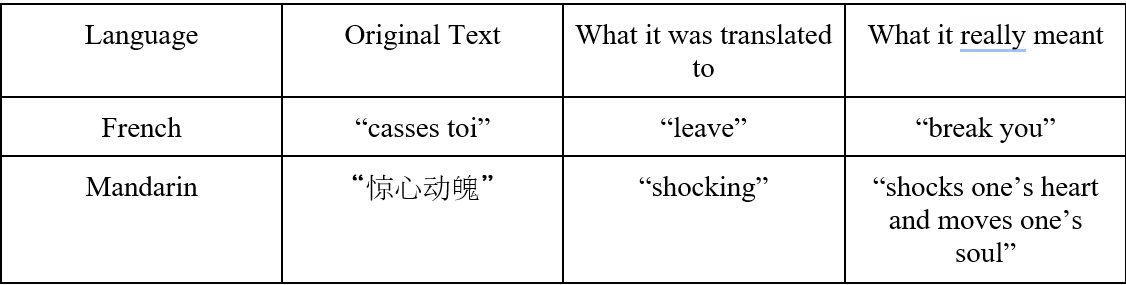
Our translators recorded any inconsistencies they encountered between the original texts and their translations in a table (examples of potential inconsistencies in translation) They noted what aspect of language caused the inconsistency and how it changed the meaning. This allowed us to compare the frequency and causes of untranslatability between the different contexts and between the different languages.

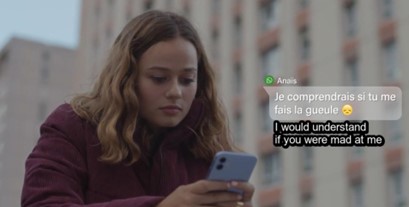
Figure 1: An example of an inconsistency in translation in a casual context. The text is translated “I would understand if you were mad at me” despite the original French text having more aggressive connotations that do not translate. Andem, J. (2018). Skam France. Season 7. Episode 3.

Results and Analysis

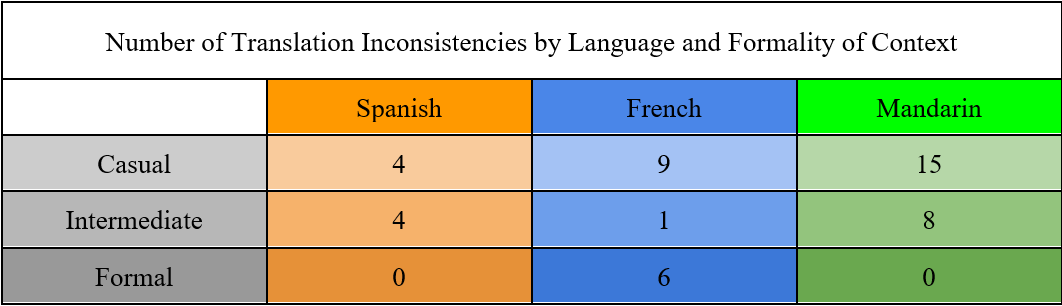
Our results support our hypothesis, as we found more inconsistencies in the translations of casual contexts than we did in translations of formal contexts. In all of the languages we looked at, there were more inconsistencies in the translation of the casual speech from the television show than there were in the translations of the formal governmental speeches. In Spanish, our translator found four inconsistencies in the translation of the casual text, four in the translation of the intermediate text, and none in the translation of the formal text. In French, our translator found nine inconsistencies in the translation of the casual text, one in the translation of the intermediate text, and six in the translation of the formal text. Lastly, in Mandarin, our translator found fifteen inconsistencies in the translation of the casual text, eight in the translation of the intermediate text, and none in the translation of the formal text.

Figure 2: Number of translation inconsistencies by language and formality of context
Figure 3: Two examples of strong emotional connotations being lost in translation (Andem, 2018; Ipartment, 2014)

The two types of untranslatability discussed by Cui (2012) are cultural untranslatability and linguistic untranslatability. If the greater degree of untranslatability within casual contexts of speech is caused by cultural untranslatability, that would suggest that there are more concepts discussed in casual speech that are culture-specific. Talukder (2020) proposes the idea that untranslatability corresponds with cultural identity, while Cui (2012), Lomas (2016), Talukder (2020), and Witherspoon (1980) cite cultural knowledge as one of the main causes of untranslatability. If cultural meaning is correlated with greater untranslatability as the background research suggests, and our results show that casual speech has more instances of untranslatability, then that might suggest that casual speech tends to carry more culturally specific meaning than formal speech. Talukder (2020) also explains the importance of untranslatability as a mechanism that keeps certain aspects of a culture exclusive to those who belong to that culture. If casual language is less translatable than formal language, it could also be a way of indexing oneself as part of a cultural group and ensuring that the full meaning of what one is talking about is only understood by other cultural insiders. It is also possible, however, that the greater degree of untranslatability we observed within casual speech is due to linguistic untranslatability. In that case, it may suggest that linguistic construction is more standardized, even between languages, in formal contexts.

Another reason why casual contexts hold more meaning than standard contexts of a language can be explained by the Sapir-Whorf Hypothesis. As described by Lomas (2018), the Sapir-Whorf hypothesis argues that “language plays a constitutive role in the way people experience and understand life” (p. 478). As we previously stated, standard contexts of a language have a universal aspect to them in that they can be easily translated from one language to another as it is more formal and don’t require too many culture-specific references or words. However, in casual contexts, it is not made to be universally translated and is instead very culture-specific as it holds more untranslatable words or phrases like idioms or slang.

More than formal contexts, casual contexts illustrate people’s perspectives and understandings of life who speak a certain language because it is so unique to that specific culture or language. Indeed, Özgen (2004) researched language and color perception and stated that “Berinmo, a language spoken in Papua New Guinea… has just five basic color terms,” additionally, “these terms seem to have unusual referents, such as the color of dead leaves” (p. 96). If one were to translate colors from Berinmo to English word for word, the meaning would not be understood by an English speaker. Even if the word was translated for the color that it is referring to, significant meaning would be lost as the English speaker would not be aware that the word was translated from a word that does not directly mean the color that it is referring to. Therefore, certain words in certain languages are often hard to translate because they provide a different perspective or insight about the world that itself isn’t easily conveyed to someone who has not grown seeing the world through that perspective.

Discussion and Conclusions

Our research is helpful in that it points to a possible pattern in untranslatability, namely that formal language appears to be easier to translate while casual language presents more instances of untranslatability. This opens the door to possible future research and could help readers and translators be aware of where potential inconsistencies in translation are likely to be found. When people read or listen to a translation, they should be aware that cultural differences might impede their understanding of the original meaning, especially when the translation they are reading is of language in a casual context.

Though our research is an interesting starting point, it is limited by our time and resources. We only looked at three languages, only had one translator per language, and our sample size of texts is small. More research is needed to elaborate on these ideas or to prove or disprove our findings.

References

Andem, J. (2018). Skam France. Season 7. Episode 3.

Cui, J. (2012). Untranslatability and the method of compensation. Theory and Practice in Language Studies, 2(4), 826–830. https://doi.org/10.4304/tpls.2.4.826-830

Guterres, A. (2023). UN secretary-general’s remarks to the 52nd session of the Human Rights Council secretary-general. United Nations. Retrieved March 23, 2023, from https://www.un.org/sg/en/content/sg/speeches/2023-02-27/un-secretary-generals-remarks-the-52nd-session-of-the-human-rights-council

https://Agendamagna.wordpress.com/2009/01/20/Discurso-De-Toma-De-Posesion-De-Barack-Obama/, El Comercio Website, 20 Jan. 2009, http://obamaspeeches.com/.

Ipartment. (2014). YouTube. Retrieved March 23, 2023, from https://youtu.be/goQzSuBwBa4

King, M. L. (2023). Martin Luther King, Jr. I Have a Dream. Martin Luther King Jr. I Have a Dream speech – American Rhetoric. Retrieved March 23, 2023, from https://www.americanrhetoric.com/speeches/mlkihaveadream.htm

Lomas, T. (2016). Towards a positive cross-cultural lexicography: Enriching our emotional landscape through 216 ‘untranslatable’ words pertaining to well-being. The Journal of Positive Psychology, 11(5), 546–558. https://doi.org/10.1080/17439760.2015.1127993

Lomas, T. (2018). Experiential cartography and the significance of “untranslatable” words. Theory & Psychology, 28(4), 476–495. https://doi.org/10.1177/0959354318772914

Mali, U. S. M. (2018, February 8). ” I have a dream ” : Le texte intégral en français du discours de martin luther king. Ambassade des Etats-Unis au Mali. Retrieved March 23, 2023, from https://ml.usembassy.gov/fr/dream-le-texte-integral-en-francais-du-discours-de-martin-luther-king/

Özgen, E. (2004). Language, Learning, and Color Perception. Current Directions in Psychological Science, 13(3), 95–98. http://www.jstor.org/stable/20182921

Talukder, B. (2020). Matijaner Meyera in Translation: Cultural Identity Construction Through Untranslatability of Language. Advances in Language and Literary Studies, 10(6), 36-40. https://doi.org/10.7575/aiac.alls.v.10n.6p.36

“The Complete Text Transcripts of over 100 Barack Obama Speeches.” The Complete Text Transcripts of Over 100 Barack Obama Speeches, http://obamaspeeches.com/.

Witherspoon, G. (1980). Language in Culture and Culture in Language. International Journal of American Linguistics, 46(1), 1–13. http://www.jstor.org/stable/1264442

特朗普就职演讲完整版. (2017). 哔哩哔哩_bilibili. Retrieved March 23, 2023, from http://b23.tv/ZEZpQA6

马丁·路德·金《我有一个梦想》伟大演讲全文(中英文对照)-随笔. 【姚从刚】. (n.d.). Retrieved March 23, 2023, from http://www.yaoconggang.com/post96/96.html

[/expander_maker]
, , ,

Nature vs. Nurture: Do Our Cultural Backgrounds or Personal Preferences More Heavily Affect the Way We Verbally Affirm Our Romantic Partners?

Tina Festekdjian, Krunali Mehta, Mark Keosian, Tatiana Akopyan

Do you ever wonder why people belonging to different cultures express love differently in their romantic relationships? Are they accustomed to verbal or nonverbal forms of affirmation, and does this carry on throughout generations? This study explores why and how second-generation college students living in Los Angeles who identify as Latin American, Asian American, or American verbally affirm their partners, as we were curious to see if culture may cause communicative differences in relationships. Whether words of affirmation can be attributed to the way people were raised, their cultural habits, or their personal preferences, the population we studied displayed an interesting trend: individuals are less heavily influenced by their culture, and the majority (66.7%) are more likely to follow their personal preferences when expressing love. While the minority (33.3%) displayed cultural allegiance, we generally noticed that one’s culture is not the leading contributor to how they express love – possibly due to the generational shift that embodies independence, socialization, and even Americanization. We can conclude that our target population is perhaps more open-minded, individualistic, and willing to break cultural barriers for love to embody their own preferences. Breaking barriers can make students more comfortable to approach others, adapt to new love languages, and better learn how to express love verbally.

[expander_maker id=”1″ more=”Read more” less=”Read less”]

Introduction and Background

 Do second-generation college students living in Los Angeles prefer to follow cultural guidelines or personal preferences when expressing verbal love in romantic relationships?

We hypothesize that particular people will be influenced by their culture if they abide by cultural norms, but that this most likely does not separate people – especially in a younger generation of college students who may be more willing to branch out. The motivation for our research was to explore what role culture plays in verbal affirmation in romantic relationships for second-generation college students, and whether social norms, family life, or personal feelings are the leading contributors. The problem is, based on the way we were raised, or based on our own preferences, we show love differently, which can cause miscommunication. By investigating different forms of linguistic communication among Latin American, Asian American, and American college students in Los Angeles, we can deduce how intimacy is present through verbal communication in their relationships. Some specific aspects of communication that we will look at include words of affirmation, romanticism in conversations, tone, and context of affection. For example, in a cross-cultural context, this means: the specific words people use to address their partner and whether it comes from their own language/culture, if someone is more expressive verbally or uses nonverbal communication, and in what situations they will be verbally affectionate. Virtual communication like text-messaging will also be studied to develop a deeper understanding of day-to-day interactions and what exactly is said in these relationships. Above personal experience, relevant literature tells us what we know so far. Brinton (1886) displays how many tribal and modern languages of Latin America tie the sentiments of love to verbal expression. The Nauahtl and Aztec tongue, for example, indicate higher levels of emotional strength with words of origin that hold deeper meanings and cultural values. These lexical attributes can provide evidence as to why Latin America is the home to many “romance languages”. Lindholm (2006) explores the Western (American) vs. Eastern scope of view, delineating how Western linguistic expression is often romanticized in the media and verbal expression of gratitude and admiration is common. On the other hand, Bello et. al. (2010) provides evidence for how in some Asian cultures, communicative patterns like verbal affirmation are less likely to be expressed. Allendorf (2013) provides context on how romantic relationships have evolved from arranged marriages to love marriages in many parts of Asia. Ultimately, we were able to bridge this gap by bringing generational evolution to the table. Because our population is second-generation college students, and most of our literature is broadly culturally based, we were able to understand that the evidence for our trend generally lay in the people, rather than what cultural group they belong to. Being in college in Los Angeles leads to Americanization, socialization, and the added element of independence that our literature did not address.

Methods

Through the use of a clear and straightforward 4 question questionnaire and student-submitted text message screenshots, we gathered responses from 27 second-generation college students about which form of love expression they prefer to use when expressing love to a romantic partner, along with the social and cultural norms of love expression they are familiar with. Finally, we had the students answer whether they prefer to use their chosen personal preferences or the social and cultural norms they are familiar with when expressing love and affection to a romantic partner in order to see which influences students’ communication and verbal affirmation to a greater degree. These methods allowed us to analyze the specific words and tones being used by students to express affection to a partner, along with the conversational structures and atmosphere. We compared these results with the social and cultural norms of love expression the students responded they were familiar with in order to see if their personal preferences were or were not being influenced by social or cultural norms. While a student’s personal preference for verbal affirmation or love expression and the social and cultural norms they are familiar with may overlap, this may be attributed to strong cultural roots or identity. By looking at which words, verbal affirmations, and other forms of love expression second-generation college students preferred to use when expressing love or affection to their romantic partners, we hoped to find whether culture played a significant role in the specific words, affirmations, or actions being used by these students or whether the personal preferences these students have just simply outweigh the social and cultural norms in their lives.

Results and Analysis

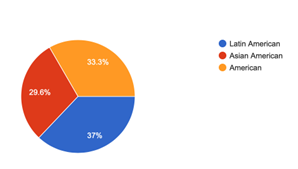
In regards to our results from Table 1: Culture, we collected information from 3 different cultural groups: 37% being Latin American college students, 33.3% American college students and 29.6% Asian American.  We collected a fairly good range of responses from our intended cultural groups to get a fair representation of second-generation college students.

Table 1: Cultures of Respondents

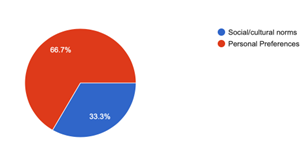
When asked about their preference on personal preferences or social/cultural norms shown in Table 2: Norms, 66.7% chose personal preferences while 33.3% chose social/cultural norms. 

Table 2: Preference for sociocultural norms or personal preferences in a relationship

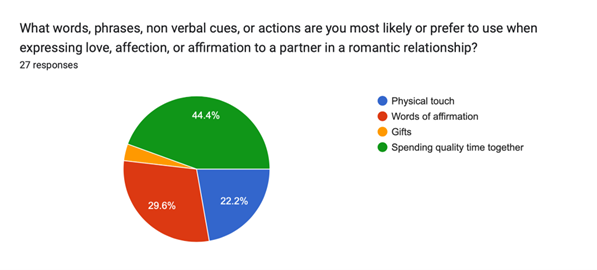
These students were then asked what words/actions were their preference in romantic relationships shown in Table 3: Preferences, from choices of spending quality time together (44.4%), words of affirmation (29.6%),  physical touch (22.2%), and gifts (3.7%). 

Table 3: Preference for words/actions in romantic relationships

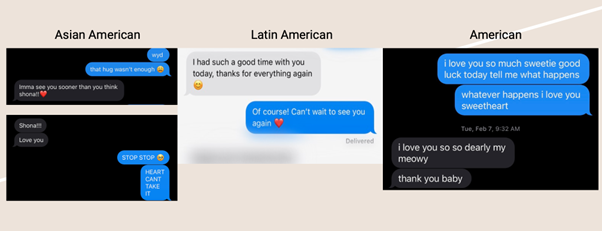
We were able to collect examples of text messages in Table 4: Cross Cultural Text Messages from each cultural group. We found Asian American college students to be showing love through using words like “shona” that embodies their cultural background where Latin American college students show love by saying thank you and words of appreciation. The difference we found in American college students shows love through constant repetition of words of affection and reassurance.

Table 4: Cross-Cultural Text Messages

Discussion, Conclusion, and Contributions

Through conducting our research, we concluded that our findings are truly impactful as we found that college students are more likely to use their own personal preferences during verbal affirmation in a romantic relationship rather than their known social and cultural norms. This is important to recognize because it highlights that students aren’t restricted or limited by their cultural upbringing and actually care more about their own personal preferences when expressing verbal affirmation to a romantic partner. Another finding to recognize is the bias when students are asked if they follow social norms or their own personal preferences. They might not answer truthfully or not even realize that social norms have become their personal preference overtime.  For generations to come, we may find that students have become more approachable or sociable as culture may not play as big of a role in verbal affirmation and love expression as we may thought. Ultimately, our findings could definitely benefit students who are in existing romantic relationships or are interested in finding a romantic partner as it can help break social barriers and make students more comfortable when communicating romantically and approaching those of different cultures. We were able to analyze various findings through code-switching from Hindi to English in the Asian American text message and how emotions/feelings are shown through the usage of emojis in online communication to further understand how society and cultural factors have contributed to various forms of communication.  Although some students still prefer to follow their known social and cultural norms in verbal affirmation with a partner, our findings show that students are more open minded to adapting to one another’s love languages and potentially learning how to better communicate and express love verbally, as they are not being tightly confined by social and cultural norms.

References

Allendorf, K. (2013). Schemas of Marital Change: From Arranged Marriages to Eloping for Love. Journall of Marriage and Family, 75(2), 453–469. http://www.jstor.org/stable/23440792  

Bello, Brandau-Brown, F. E., Zhang, S., & Ragsdale, J. D. (2010). Verbal and nonverbal methods for expressing appreciation in friendships and romantic relationships: A cross-cultural comparison. International Journal of Intercultural Relations, 34(3), 294–302. https://www.sciencedirect.com/science/article/abs/pii/S0147176710000118?via%3Dihub

Brinton, D. G. (1886). The Conception of Love in Some American Languages. Proceedings of the American Philosophical Society, 23(124), 546–561. http://www.jstor.org/stable/983335

Gumperz, J. J. (1962). Types of Linguistic Communities. Anthropological Linguistics, 4(1), 28–40. http://www.jstor.org/stable/30022343

Lindholm, C. (2006). Romantic Love and Anthropology. Etnofoor, 19(1). 5–21. http://www.jstor.org/stable/25758107

Sergeyevna Kim. (2021). EXPRESSION OF LOVE AS LINGVOCULTURAL AND GENDER LINGUISTIC CONCEPT AND ITS REFLECTION IN DIFFERENT CULTURES. CURRENT RESEARCH JOURNAL OF PHILOLOGICAL SCIENCES, 2(5), 48–54. https://masterjournals.com/index.php/crjps/article/view/89/77

[/expander_maker]
, , , ,

Job Settings and Body Language

Ashley Aghavian, Polina Yasmeh, Raquel Barrera, Orit Monesa

Have you ever considered how much your body language impacts how other individuals perceive you in the workplace? Are you mindful that nonverbal cues can make or break your chances of career success? This research proposal aims to explore how nonverbal cues, particularly body language, hand gestures, eye contact, and posture, affect the way an individual is viewed at work. Through the application of both qualitative and quantitative data gathering and analysis, the study will be carried out using a mixed-methods approach. The movie “The Devil Wears Prada” will be utilized as a case study for the research, with an analysis of the character’s body language and nonverbal communication. This investigation will shed light on how nonverbal cues can influence interpersonal relationships at work and how they can either have a favorable or negative effect on perception and job performance. The study will involve distributing a questionnaire to a wide range of professionals from various industries to gauge how they view nonverbal communication in the workplace. The results of this study will advance our knowledge of nonverbal communication’s function in the workplace and how it can affect relationships, job success, and interpersonal interactions. The study’s findings will ultimately help workplace communication training and treatments to boost interpersonal communication and job satisfaction.

[expander_maker id=”1″ more=”Read more” less=”Read less”]

Introduction and Background

According to Tiedens and Fragale (2003), nonverbal conduct, particularly body language, has a significant impact on how people perceive others at work. Negative body language, such as slouching, avoiding eye contact, and fidgeting, can result in feelings of doubt, unease, and lack of confidence. On the other hand, positive nonverbal conduct, such as standing straight, making eye contact, and using expansive movements, have been associated with views of competence, trustworthiness, and success. Recent studies have demonstrated that body language also affects how well individuals accomplish their jobs, assisting them in recognizing truth from deception, projecting a more distinct and authoritative presence, and building trust (Carney, Cuddy, & Yap, 2010). This study aims to analyze the effects of hand gestures, eye contact, and posture on how an individual is regarded at work in order to understand the connection between body language and workplace perception. According to research, those with authoritative and persuasive body language are perceived as more competent and successful in negotiations, sales, and leadership roles (Reiman, 2007). As a result, the following is the research question for this proposal: How do body language, hand gestures, eye contact, and posture affect how an individual is perceived in the workplace? At Harvard University, Cuddy and her colleagues discovered that assuming a confident stance can increase success rates in stressful situations like job interviews (Capps, et al., 2012). The value of confidence in the workplace is effectively demonstrated by the movie “The Devil Wears Prada.” Andrea Sachs, played by Anne Hathaway, transforms from a timid and hesitant assistant to a forceful and confident professional by using confident body language, such as good posture, direct eye contact, and assertive hand gestures. Even so, it is important to consider how the study’s use of video excerpts from a fictional film as its stimuli presents potential flaws. Although The Devil Wears Prada is a well-known movie that depicts a workplace, it might not be an accurate representation of all workplaces. As a result, not all work environments or people may be affected by the study’s conclusions. At the end of the day, body language is a strong instrument that can significantly affect job performance. People can build relationships with people and accomplish their professional goals by displaying expertise and confidence through their body language. By examining Anne Hathaway’s character in “The Devil Wears Prada” and conducting a questionnaire, this study tries to understand the relationship between body language and professional achievement.

Methods

The study used a video-based approach to examine the effect of confident versus unconfident body language on the perception of professional competence. Two brief video clips from The Devil Wears Prada were used in the study, depicting Anne Hathaway’s character in distinct contexts, one with confident body language and the other with unconfident body language.

Video Clip 1

Figure 1: Anne Hathaway’s character here is shown to be nervous and avoiding eye contact with her boss.

Video: THE DEVIL WEARS PRADA Clip – “Personal Assistant” (2006)

Video Clip 2

Figure 2: The character finds her confidence when she changes her style and is able to answer calls with confidence and communicate with the clients well.

Video:  THE DEVIL WEARS PRADA Clip – “Andy Gets A Makeover” (2006)

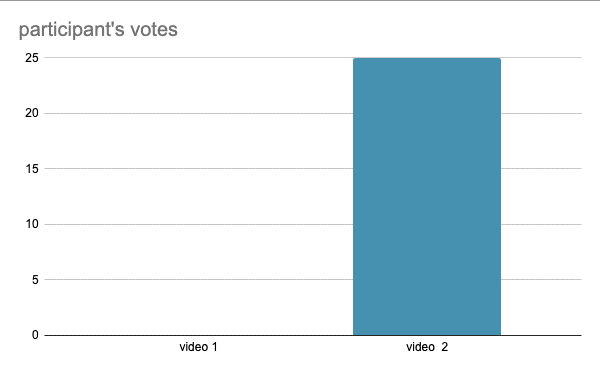
Upon seeing both videos, participants were asked to answer a set of questions about the character’s conduct and body language. The study’s goal was to discover trends and themes related to workplace confidence, competence, and success. There was no need for participants to be from a certain profession or sector. They should, however, have prior employment experience or exposure to a professional work situation. The people examined ranged in age from 18 to 30 years old. A questionnaire was utilized to collect data from participants in the research. The questionnaire’s questions were designed to elicit specific information, such as differences in the character’s behavior and body language between the two clips, the character’s perceived competence, and the specific activities or body language cues that contributed to the character’s confidence or competent appearance. We recruited individuals for this study who routinely attend a med-spa, are between the ages of 18 and 30, and are currently employed. This age group was chosen because it represents working persons who were picked to guarantee they had some professional experience and have been exposed to office situations. We intended to collect data that is typical of a certain group and draw more focused insights about their experiences and views about the med-spa sector by choosing participants with specified features. Our hypothesis of the outcome of the data we will collect is that the majority of the participants will side with the video of Anne having confident body language as opposed to the other video where she is not. As more people would rather have a confident coworker or friend who is organized, not someone who is unkempt and not put together. Overall, the video-based method enabled the researchers to get insight into the impact of confident vs. unconfident body language on professional competence perceptions, as well as identify particular acts and signals that contribute to these impressions.

Results and Analysis

The study’s findings demonstrated that confident body language had a substantial influence on professional competence perceptions. In a job environment, all 25 participants between the ages of 18 and 30, who had prior job experience or exposure to a professional work setting, voted in favor of the confident Anne Hathaway over the unconfident Anne Hathaway. Participants assessed that confident Anne seemed more engaged, attentive, and aggressive, whereas unconfident Anne appeared hesitant, indecisive, and uncertain in answer to the question, “What differences in the character’s behavior did you perceive between the two clips?” Participants also stated that confident Anne looked to be more organized, well-prepared, and competent than unconfident Anne, who appeared unprepared and unorganized. In answer to the question, “What variations in the character’s body language did you detect between the two clips?” Participants noted significant distinctions between the two clips. Confident Anne, for example, was described as standing tall, keeping eye contact, and speaking clearly and steadily. Unconfident Anne, on the other hand, was described as slouching, avoiding eye contact, and speaking softly and cautiously. Confident Anne had more expansive motions and facial expressions that indicated power and assertiveness, whereas unconfident Anne displayed more withdrawn and tense body language that conveyed fear and uncertainty. In response to the question, “In your opinion, which clip presents the character as more capable, and why?” Participants generally preferred the footage of confident Anne as depicting her as more capable. They stated that confident Anne looked to be more informed, organized, and prepared, whereas unconfident Anne appeared to be unprepared and indecisive. Participants indicated various activities and body language cues that contribute to a more confident and competent look in answer to the question, “What particular activities or body language hints do you feel give the character a more confident or competent appearance?” They included keeping eye contact, maintaining an erect stance, speaking clearly and steadily, employing expansive gestures, and exhibiting assertiveness. In response to the question, “What advice would you provide to the character to help her thrive in the workplace?” participants suggested that the character concentrate on strengthening her confidence, expressing herself more, and keeping excellent eye contact with others.

According to the findings of this study, confident body language is a crucial element in the perception of professional competence. When compared to the unconfident Anne Hathaway, all 25 participants who had prior job experience or exposure to a professional work setting voted in favor of the confident Anne Hathaway as someone they would trust and employ more in a workplace context. There were many variations in behavior and body language between the two videos, with confident Anne seeming more involved, attentive, and forceful than unconfident Anne. Participants also recognized various behaviors and body language signals that contribute to a more confident and competent image, such as keeping eye contact, standing tall, speaking clearly and steadily, making expansive gestures, and exhibiting assertiveness. These findings may be valuable for both people attempting to increase their professional competence and companies looking to hire and assess employees based on their levels of confidence and competence.

Figure 3: Participants’ votes between video 1 (unconfident Anne) and video 2 (confident Anne)

The graph above depicts our results from the data we retrieved from the participants who voted for the first video of Anne not presenting confidence and having ideal body language, as opposed to the second video of Anne exhibiting a confident persona and fixing her posture to show she is fit for the job.

Discussion and Conclusion

Our study sought to better understand how perceptions of professional competence are affected by confident versus unconfident body language. According to our findings, people between the ages of 18 and 30 who have had prior work experience or exposure to a professional work environment choose confident body language in a professional situation. In particular, when asked which Anne Hathaway they would choose to work for them, 100% of participants preferred the self-assured Anne Hathaway over the insecure Anne Hathaway. For those wishing to be successful in the workplace, these findings have practical applications. A person’s capacity to connect with others and establish trust, which are crucial elements of professional success, can be improved by displaying confident body language. Furthermore, our findings suggest that professional ability may be judged by one’s body language, which may have an impact on hiring practices. It is significant to mention that there are some restrictions on our study. The fact that we only used two brief video snippets from The Devil Wears Prada may restrict how broadly we generalize our findings. Furthermore, our sample size was modest and might not accurately reflect the general population. Future studies could overcome these drawbacks by examining the effects of confident body language in various industries and work roles, as well as by using a larger and more diverse sample. Future studies can also look into the mechanisms that underlie how perceptions of professional competence are influenced by confident body language. Our study concludes by highlighting the significance of confident body language in the workplace and by suggesting that people with confident body language may be perceived as more capable and reliable. These findings have practical ramifications for people trying to succeed in the workplace as well as for companies trying to make educated hiring choices and give a glance at what personal changes can be implemented.

References

Carney, D. R., Cuddy, A. J. C., & Yap, A. J. (2010). Power Posing: Brief Nonverbal Displays Affect Neuroendocrine Levels and Risk Tolerance. Psychological Science, 21(10), 1363–1368. https://doi.org/10.1177/0956797610383437

Capps, Rob. “First Impressions: The Science of Meeting People.” Wired, Conde Nast, 20 Nov.                2012, www.wired.com/2012/11/amy-cuddy-first-impressions/.

Gallo, C. (2007, February 14). Body Language: A Key to Success in the Workplace. Inspired Leadership Now. https://www.inspiredleadershipnow.com/pdf/Article–Body-Language–A-Key-to-Success-in-the-Workplace.pdf

Goman, C. K. (2019, January 24). How to use body language to boost your credibility and your career. AMA. Retrieved February 21, 2023, from https://www.amanet.org/articles/how-to-use-body-language-to-boost-your-credibility-and-your-career/

Rane, D. B., Effective Body Language for Organizational Success (February 11, 2011). The IUP Journal of Soft Skills, Vol. IV, No. 4, pp. 17-26, December 2010, Available at SSRN: https://ssrn.com/abstract=1759718

Reiman, T. (2007). The power of body language: How to succeed in every business and Social Encounter. Recorded Books.

Tiedens, L. Z., & Fragale, A. R. (2003). Power moves: Complementarity in dominant and submissive nonverbal behavior. Journal of Personality and Social Psychology, 84(3), 558–568. https://doi.org/10.1037/0022-3514.84.3.558

​​Van Swol, L.M., Braun, M.T. Communicating Deception: Differences in Language Use, Justifications, and Questions for Lies, Omissions, and Truths. Group Decis Negot 23, 1343–1367 (2014). https://doi.org/10.1007/s10726-013-9373-3

Zhou. (2008). Body language in Business Negotiation. International Journal of Business and Management, 3(2). https://doi.org/10.5539/ijbm.v3n2p90

Appendix

Ted Talk: Amy Cuddy: Your body language may shape who you are | TED Talk

[/expander_maker]
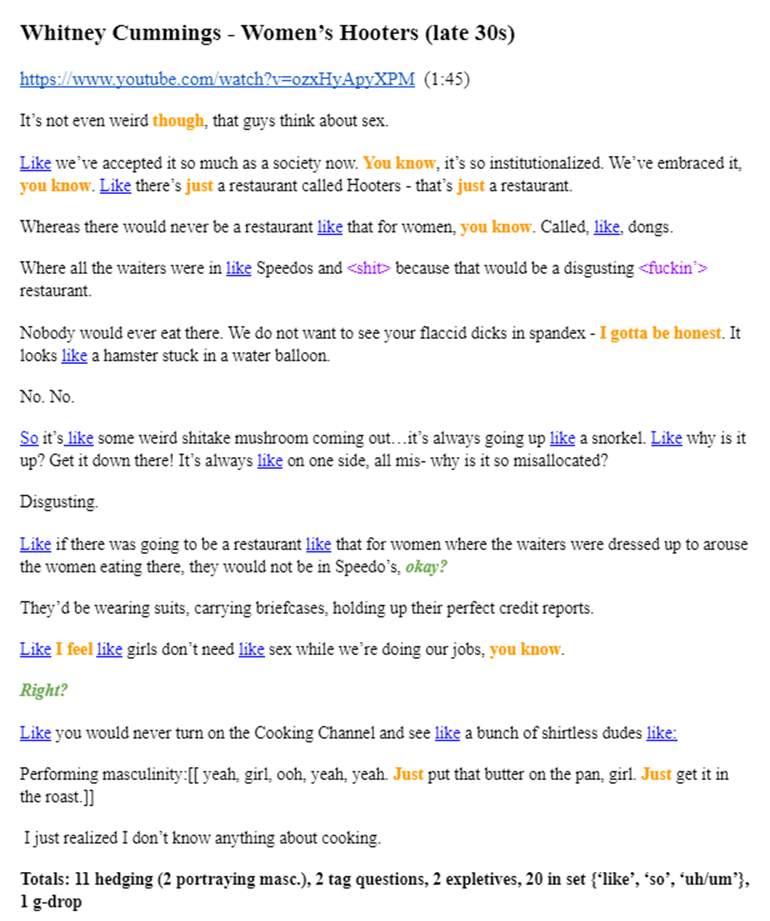
, ,

Differences In Sociolinguistics Among Genders In College

Kevin Adelpour, Shaylee Omrani, Ronnen Mizrahi,  Justin Azizian

Studies in sociolinguistics have revealed that there are many ways in which the relationship between language and gender varies, including the relationship between politeness and language style. Without looking deeper into the facts, members of society can draw the conclusion that it is more common for masculine people to express their affection by including their friends in activities and exchanging favors. The way that men often interact is shoulder to shoulder (such as watching television together or playing sports). Women, on the other hand, are more prone to convey weakness and vulnerability. An instance of this is how women cry to one another and confide in their feelings. We are aware of these aspects but rarely completely comprehend their importance or significance. Understanding the rationales underlying these common elements can help us better comprehend the social environment in which we live, while ultimately improving and enhancing our communications with speaking to others in everyday social interactions.

[expander_maker id=”1″ more=”Read more” less=”Read less”]

Introduction and Background

Today we are seeing many differences in communication styles and tones between men and women, especially when it comes to college students. Our goal is to deepen our understanding of the miscommunication of misconstruction of the gender system between men and women. A study by Merchant (2012) has shown that men’s and women’s communication styles have been part of the discrimination inequalities that women have faced, specifically in the workplace, which is also true in an academic setting. So, we investigated 40 male students and 40 female students and tried to confirm that men would use more direct gestures and women would use a more passive and less dominant tone than males. Since language is such an integral part of our face-to-face communication, we want to see how these communication differences would play out in language use among students at UCLA. Our research question is what are the sociolinguistic differences between men and women when communicating in a face-to-face setting at UCLA and how does that create different speech patterns in intersex conversations?

We have found that with a different look from those of males, females’ social interactions and activities would be more communicative and less information-seeking than men (Guadagno 2018). Women would use their communication style as a tool to create friendships and to have social connections, while men would use their communication style to seem dominant and assertive when communicating with people (Merchant 2012). For college students, the main way that they would communicate with each other in face-to-face communication would be based on their appearance and how they would present themselves (Gillen et al., 2006). This would include the types of symbols and body gestures that college students would have while communicating with each other. College women would tend to use more backchanneling the men when communicating, which is the attentiveness of listeners without any interruptive comments (Helweg- Larsen et.al 2004). There is a report on younger males and females especially having more of a difference in use of intensifiers where women would have a change in the sense that they would have a more innovative form more frequently (Fuchs 2017). A study has shown that women would have a less direct way of speaking because they would use directives which would minimize their status by not having so much demand involved (Netshitangani 2008).

Methods

We looked at the interactions between UCLA students with each other on campus and events happening at UCLA. We looked at forty men and forty women that are currently enrolled in UCLA and observed the ways of communication based on speech and symbols in face-to-face communication. Specifically, we looked at tone, articulation, body language, and body movements such as hand gestures and facial expressions. In addition, we also looked at the aggressive and passive ways an individual was within being confrontational, directly forceful, shy, less direct, and so on. Five diverse social contexts, and forty different students from each setting, on the school campus will be used to conduct the research. Setting affects the narrative by adding to the story, character development, mood, and theme. By enabling us, the researchers, to more clearly visualize the events and context of the encounter, it also has an impact on the conversation’s result. It’s also significant since it helps us grasp the storyline and make predictions about what will happen in the interaction.

Character development is presented in the setting of an event as part of creating the mood. In these ways, setting is significant for giving characters a real sense of presence in the real world as well as for communicating what is happening in their lives. Within our research studies, we were able to identify studies that discover gender differences in speech patterns. Men use more abstract language, whereas women focus on the details. The researchers concluded that this tendency is due to power dynamics that can be altered. In addition to having different looks from those of males, female’s social interactions and activities are more communicative and less information-seeking than males (Guadagno, 2018). One may argue that the establishment and maintenance of relationships with others are the most important aspects of female communication. Other feminine communication styles include establishing equality, promoting participation, responsiveness, being personal and disclosing information, and trepidation (Fisher, 2005). Another distinction we were able to identify with their speech, is the commonality of women speaking in clear and complete sentences, while it was more commonly found to see men using words such as “runnin” instead of “running,” and “gonna,” instead of “going to.” All in all, peer relationships are crucial in the development of this concept and have a significant impact on how outsiders perceive the roles of men and women in our society.

Gender biases and stereotypes are always being reinforced in common settings of everyday lives in social interactions. By taking into account how it can enable a person to exhibit rage and related emotions without explicitly communicating these feelings, passive aggression plays a significant role in this. Individuals that exhibit passive aggressiveness frequently maintain the capacity to deny that they meant to act aggressively, which is most frequently observed in the speaking characteristics of men. According to studies, this is because of how individuals are raised starting in their early years, which eventually shapes who they are as a person. In the long run, this fits with how people perceive us and becomes a part of our identity (Gillen 2006). With the gathering of data from college students, peers are precisely examined by their approaches between various encounters and conversations. Approaching Bruin students and monitoring the linguistic distinctions between the two sexes within their expressive dialect help conclude the ultimate understanding of how we express our feelings and needs in order to socialize in common everyday interactions.

Results and Analysis

We gathered about 180 minutes of raw hands-on data which came in the form of in-person interactions and language compositions in 80 men and women at UCLA. The interactions observed were in casual social settings and we noticed precise communicative elements down to individual words used by both genders. In our observations, we found that a ratio of 6 in 10 men would often use more slang and abbreviations in their conversations with the opposite sex while disregarding formal interaction habits (table 1). Similarly, we also found that 70 percent of men used direct gestures when speaking to women which included hand signals, head motions, and facial expressions to exemplify the meanings in their conversations (chart 1). On the other hand, we also noticed that a ratio of 8 in 10 women exhibited a more passive and less dominant tone which was evident through their slower dialect and lower tone of voice in comparison to their male counterparts (chart 2). Overall, men on average were more highly likely to show forms of indirect, concise, and dominant forms of language while women showed more formal and passive habits when speaking which is evident in our data and charts below that reflect the differences in gender peer interactions between intersex conversations on campus.

Chart 1: Men’s Usage of Direct Hand Signals and Gestures
Chart 2: Women Speaking With a Quiet and Passive Tone
Table 1: Men vs Women In Abbreviations and Direct Language Habits

Discussion and Conclusions

In our research, we discovered that females communicate in a more implicit, intricate, and sentimental manner that can reflect ambiguity, cautiousness, and a lack of power, while males are perceived to have a direct, concise, and situational communication style, ultimately influencing and impacting how outsiders perceive the roles of men and women in our society. The research highlights that there are gender differences when examining communication styles. We found that females tend to place a greater emphasis on expressing emotions and building relationships through conversation, whereas males tend to focus more on information exchange and problem-solving. Nonverbal cues are also prominent when examining gender differences in communication. Females tend to be more expressive with their facial expressions and body language, while males may be more reserved in their gestures and facial expressions.

The results above underline the need of understanding various communication styles in various settings. For instance, recognizing that females frequently prioritize developing relationships through dialogue helps promote more effective teamwork and workplace communication. Recognizing that males are typically more problem-focused might also help to improve communication during the decision-making process. We may also understand and react to others’ communication more precisely and appropriately if we are aware of how males and females use nonverbal cues differently. The results add to our knowledge of how gender affects communication and can improve our ability to communicate in a variety of settings. Gender dynamics in communication highlight the ways that gender influences the way individuals communicate with one another. It is crucial to shed more light on these dynamics because gender is a vital component of identity that impacts how people interact with each other.

References

Fuchs, Robert. “Do women (still) use more intensifiers than men?: Recent change in the sociolinguistics of intensifiers in British English.” International Journal of Corpus Linguistics 22.3 (2017): 345-374.

Merchant, K. (2012). How men and women differ: Gender differences in communication styles, influence tactics, and leadership styles.

Gillen, Meghan M., and Eva S. Lefkowitz. “Gender role development and body image among male and female first year college students.” Sex roles 55 (2006): 25-37.

Helweg-Larsen, M., Cunningham, S. J., Carrico, A., & Pergram, A. M. (2004). To nod or not to nod: An observational study of nonverbal communication and status in female and male college students. Psychology of Women Quarterly, 28(4), 358-361.

Netshitangani, T. (2008). Gender differences in communication styles: The impact on the managerial work of a woman school principal. In Comunicación presentada en ANZCA08 Conference: Power and Place. Wellington, Nueva Zelanda. Recuperado el (Vol. 20).

[/expander_maker]
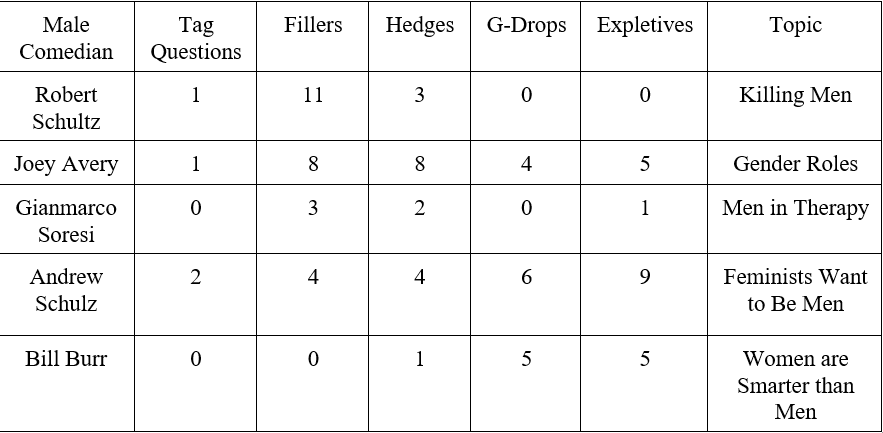
, , ,

“Speaking of women’s comedy…”: An Analysis of Linguistic Traits by Male and Female Standup Comedians

Samuel Alsup, Eden Moyal, Jinwen (Wiwi) Shi, Yitian (Riley) Shi

The question of whether women can be funny is long outdated and has, thankfully, been answered in the affirmative. This project investigates how funny people – namely, stand-up comedians – perform (or don’t perform) their womanhood in speech. Studies conducted by 20th-century scholars highlighted multiple facets of language that are characteristic of women’s conversation, such as tag questions, hedges, and excessively specific use of color terms. This study attempts to answer the question: do 20th-century conclusions regarding “women’s language” in conversation hold up in the context of contemporary stand-up comedy (Lakoff 1998)? Transcriptions of live stand-up acts by White North American men and women indicated that certain features associated with women are indeed more salient in women’s standup, while others seem to be equally used by men and women. This points to a decreased divide over recent decades in what is traditionally seen as acceptable ways of being a man or a woman, and a trend toward accepting the vast spectra of gender identity and gender performance.

[expander_maker id=”1″ more=”Read more” less=”Read less”]

Introduction and Background

Research into “women’s language” in the 1970s and 1980s pointed to proposed differences in speech between men and women (Men, women and language — a story of human speech), including certain features of conversational speech that are more salient among, and characteristic of, women. Researchers such as Lakoff (1998), Tannen (1990), and Cameron (1997) codified these differences, noting the response to a society that taught women to be polite and therefore unimposing. A few of the features of “women’s language” include hedging, tag questions, and filler words. On the other hand, men use more expletives and are more likely to drop the “g” sound at the end of a word (Bailey and Timm, 1976, cited in Guvendir 2015; Fischer 1958).

We examined the following phenomena: tag questions, filler words, hedging, g-dropping, and expletives. Definitions and examples of each can be found in the below table.

Table 1: Explanation and examples of linguistic features examined

Since these observations were made last century, we examined whether they would hold up in contemporary times. In recent years, society has witnessed a trend of greater gender equality, including breaking down traditional gender expectations (Solbes-Canales, Valverde-Montesino, & Herranz-Hernández, 2020). Therefore, it occurred to us that it might be necessary to re-examine gender-associated language. If men and women are slowly creeping closer to each other in fields like business, sports, politics, and more, could language be among those fields as well?

Our initial hypothesis was that established linguistic gender differences would hold up over time, since we expected that linguistic norms shift more slowly than political trends and social issues.

We looked at stand-up comedy in particular for a number of reasons:

  1. Stand-up is one of those historically-male careers, where women are considered the outlier. With women making inroads in this field, we thought to examine if language has shifted also.
  2. Comedy, like gender and language, is a performance. Because comedy is explicit in its performance, it allows for sensitive topics to come to light in a humorous, non-threatening way.
  3. Stand-up comedy is a version of communication in which the speaker does not end their turn or wait for a response. Because there is no verbal interaction from the audience for both men and women, we can surmise that the playing field is relatively level and the only changing factor would be the comedian’s performance.

Methods

We theorize that when speaking about gender, it seems likely that the speaker would indicate a particular stance, either in solidarity with or opposition to the demographic they’re talking about. A total of ten White, North American comedians were analyzed, each in the context of stand-up comedy. We examined sets/parts of sets where the comedian was speaking on the topic of gender or feminism, for a total of eleven minutes (639 seconds) for all comics combined. We counted instances of tag questions, filler words and phrases, hedging, g-dropping, and expletives.

 To help minimize variability, we ensured that the data was from stand-up comedy performances from the past five years. We noted each time that each linguistic feature was used in each act and kept a tally per comedian. We also recorded a general topic for each clip, so as to give slightly more specific context as to the content of the act. We then quantitatively analyzed the number of various gender-associated markers that were used in the clips, which ranged from thirty seconds to two minutes, using an average use of each feature per gender alongside the totals of each performer. We compared the five masculine-presenting comedians to the five feminine-presenting comedians to see if either of the genders we examined fit the conclusions discussed in the existing literature. In order to make sure that longer clips wouldn’t hold more weight, we set our evaluation to a per-30-second rate.

Results & Analysis

We found that the average usage of the relevant linguistic features per 30 seconds for males in our data set was: 0.31 tag questions, 2.73 filler words, 1.62 hedges, 0.98 g-drops, and 1.42 expletives. In contrast, the average usage per 30 seconds for females was: 0.11 tag questions, 3.51 filler words, 2.64 hedges, 0.23 g-drops, and 0.11 expletives. The figures below show a comparison between male and female comedians for the linguistic features mentioned.

Fig. 1: Bar graph showing average feature use for men and women comedians

Our most “classic” exemplifiers of masculine and feminine speech were Bill Burr and Whitney Cummings, respectively. Bill Burr used many expletives and g-drops, and very few hedges and fillers. In contrast, Whitney Cummings used many hedges and fillers, and very few g-drops and expletives. We will relate each linguistic feature to them for context but note that they are the extreme ends of the spectrum. Transcripts from each comic’s set, as well as our summarized dataset, can be found below.

Fig. 2: Transcript of Clip by Bill Burr
Fig. 3: Transcript of Clip by Whitney Cummings
Table 2 Breakdown of Linguistic Features in Men’s Sets
Table 3: Breakdown of Linguistic Features in Women’s Sets

First, we found that there wasn’t a big difference in the usage of tag questions between male and female comedians. Tag questions weren’t used very frequently regardless of gender; less than one time per minute on average, with half of our comedians not using any at all.

Fig. 4: Scatter Plot of Men and Women’s Tag Question Use

Bill Burr didn’t use any tag questions, while Whitney Cummings utilized tag questions twice. This difference does not appear significant across the rest of our comedians.

We saw that our female comedians used fillers more often than their male counterparts, by about one or two every 30 seconds. The graph below does show one male outlier, who was one of the younger men on stage. This will be touched on in the discussion.

Fig. 5: Scatter Plot of Men and Women’s Filler Use

Bill Burr didn’t use any fillers, whereas Whitney Cummings used an average of six filler words per thirty seconds. However, the results were more marginal over the full dataset, with an average difference of just one filler per minute between men and women.

Our female comedians tended to hedge at least once more per 30 seconds than our male comedians. The figure below shows that three out of five female comedians hedged more than the top-hedging male.

Fig. 6: Scatter Plot of Men and Women’s Hedge Use

Bill Burr accordingly hedged one time, whereas Whitney Cummings utilized hedging eleven times in a similar timeframe. While there appears to be a correlation between hedging and feminine speech in our dataset, it’s not conclusive according to our statistical analysis.

G-dropping results appeared to be much more correlated to gender than any previous linguistic feature we measured: the average female used it four times less than the average male comedian. While three female comedians and two male comedians didn’t use any g-dropping, among those who used it, the men did so much more frequently, as seen in the graph below.

Fig. 7: Scatter Plot of Men and Women’s G-Drop Use

Bill Burr and Whitney Cumming utilized g-dropping five times and one time, respectively. Though there appeared to be a correlation, with a 124% difference between the average usage of g-dropping between males and females, there wasn’t statistical significance in our small dataset.

One linguistic feature that proved to have statistical significance was the usage of expletives. Four out of five female comedians didn’t use expletives at all, while only one male comedian didn’t use them. The males that used them did so at a rate ranging from two per minute to more than five per minute, as seen in the graph below.

Fig. 8: Scatter Plot of Men and Women’s Expletive Use

Bill Burr used expletives five times compared to Whitney Cummings’ two uses. Interestingly enough, Whitney Cummings was the only female comedian who used any expletives at all, even though she tended to (otherwise) stick to what previous research deemed feminine speech.

Overall, the biggest differences between males and females in our data are in hedging (47.9%), which was slightly more common in females, g-drops (124.0%), and expletives (171.2%), which were both more common in males. Tag questions were rarely used by any of the comedians, so even the 95% differential between the sexes is statistically meaningless. Filler phrases had a slight correlation with being more common in feminine speech, but not a very significant one (25.0% differential).

Discussion

An overall examination of the results of our data shows several things.

First, some linguistic features thought to be more characteristic of women have indeed held up in a stand-up context as well as over several decades. For example, we saw that women did indeed hedge more frequently, and used much fewer expletives and g-drops than men on stage. It’s important to note that the difference between men and women for hedging wasn’t large enough to be significant. However, we can say that there might be some correlation between gender and frequency of hedge use. The results were similar for g-dropping and fillers, as they both appeared to have a correlation in our data, however, not enough to be statistically significant. As an example, female comic Taylor Tomlinson hedged twice with one g-drop and three fillers in a 35-second clip, while male comic Gianmarco Soresi hedged twice as well, with no g-drops and three fillers, in a 32-second clip. This comparison shows very little difference between them, pointing to placement somewhere in the middle of the spectrum of gender performance.

For expletive use, though, the difference between men and women was statistically significant – that is, large enough to make generalizations. This conclusion does stem from research showing that men are more casual in conversation than women, allowing for less formal speech.

However, plenty of linguistic features thought to be more characteristic of men or women in the past don’t hold up as well anymore. This could be due to simply the passage of time, the shift to allowing for more fluid gender identities in contemporary times, or potentially because of standup being a different kind of linguistic environment in that it is non-conversational. While we expected to find a more significant gap between men and women in their use of linguistic features, in reality, speech was a lot more ambiguous and closer rather than disparate.

We can look at the use of filler words for an example of this ambiguity. Though there can be exemplified differences between male and female performance, such as what we see between Whitney Cummings and Bill Burr, in today’s age it is much less common to exert these drastically different performances. Instead, we see more use of fillers somewhere in the middle of the spectrum, with most comedians closer to the center than to either traditionally gendered pattern. Thus, we end up with our dataset showing a very marginal difference.

Some other observations that we made revolved around the differences within the group of male comedians. The two male comedians who displayed the most classically ‘male’ use of the features we examined were the two oldest, being born in the 1980s or earlier. The younger ones, born in the early 1990s or later, were much more likely to use features traditionally associated with women. That is, younger men were more comfortable using hedges and filler words especially. This observation might indicate that younger men are becoming more comfortable with performing certain aspects of femininity, which reflects a greater trend in playing with gender in the last few years. Alternatively, it could reflect the increasing acceptance of traditionally female features of speech – its dissociation from femininity and increased generality.

Conclusion

An analysis of contemporary stand-up comics for features of speech marked feminine or masculine showed that conclusions made in 20th-century literature no longer hold up. Features that were characteristic of ‘women’s language’ in 1990 are, thirty years later, more general and practiced by male speakers as well as females – especially by younger men who grew up in less rigid society than their older counterparts. This difference between younger and older men may indicate that younger men are becoming more comfortable performing certain aspects of femininity. This perhaps reflects a greater trend towards playing with gender and comfort in gender-expansiveness or perhaps reflects women’s speech becoming less associated with women and more acceptable in general society as time passes.

It is important also to recognize that stand-up comedy is unique among linguistic discourse contexts, as there is no back-and-forth. Since stand-up language is monologuing rather than conversational, this may factor into how speakers perform gender, and it sets this study apart from earlier studies like Lakoff’s.

Looking forward, there are multiple ways to expand this study to include a more diverse group of comedians. One way to do this would be to examine how supposed ‘gender’ differences look when race is accounted for. Lakoff and other researchers focused their observations on white women – therefore, women (and men) who aren’t white may actually display very different expressions of language, with different characteristics and perhaps at different frequencies.

Another forward-looking study could include comedians of a gender-expansive experience. Comedians who are not locked to an identity as either ‘man’ or ‘woman’ may display yet even more different expressions of gender in their language. It’s important to include not just individuals who fit a binary definition of gender. Though this concept was much less spoken about during the original studies conducted in the 1970s-1990s, society more willingly recognizes the expansive nature of gender and performance now, and linguistic study should not only reflect that sentiment but set out to describe how it fits in with language and linguistic study.

With ever-persistent debates about whether language will ever really be as egalitarian, as gender-neutral, as inclusive as we want it to be (“Women are witches, men are studs”), it is our job as linguists to catalog, describe, and advocate for change on the linguistic level so that it can influence and be influenced by the social level.

References

Cameron, D. (1997). Performing gender identity: Young men’s talk and the construction of heterosexual masculinity. In On Language and Sexual Politics (1st ed., pp. 47-64). Taylor & Francis Group.

Fischer, J. L. (1958). Social influences on the choice of a linguistic variant, WORD, 14:1, pp. 47-56, DOI: 10.1080/00437956.1958.11659655

Gordon, Mo. (2023, April 13). ‘Women are witches, men are studs.’ Universiteit Leiden, www.leidenlanguageblog.nl/articles/women-are-witches-men-are-studs-blog-mo-gordon.

Güvendir, E. (2015). Why are males inclined to use strong swear words more than females? An evolutionary explanation based on male intergroup aggressiveness. Language Sciences, vol. 50, pp. 133-139. https://doi.org/10.1016/j.langsci.2015.02.003

Lakoff, R. (1998). Extract from Language and woman’s place. In D. Cameron (Ed.), The Feminist critique of language: A reader (2nd ed.) (pp. 242-252). London, England: Routledge, Taylor and Francis Group.

Solbes-Canales, I., S. Valverde-Montesino, & P. Herranz-Hernández. (2020). Socialization of gender stereotypes related to attributes and professions among young Spanish school-aged children. Frontiers, www.frontiersin.org/articles/10.3389/fpsyg.2020.00609/full.

Tannen, D. (1990). You just don’t understand: Women and men in conversation. Ballantine Publishing Group.

TED. (2014, July 31). Men, women and language — a story of human speech | Sophie Scott | TEDxUCLWomen.  YouTube. https://www.youtube.com/watch?v=iteK4P0nDO8

Appendix

Video Links:

Men in Therapy – Gianmarco Soresi

Women are Smarter than Men – Bill Burr

Feminists Want to be Men – Andrew Schulz

Gender Roles – Joey Avery

Feminism and Womanhood – Taylor Tomlinson

Men’s Interpretation of Feminism Now – Erica Rhodes

Women’s Hooters – Whitney Cummings

Feminists – Michelle Wolf

Feminist About Paying – Bonnie McFarlane

Killing Men – Robert Schultz

Transcripts:

Transcripts Repository

[/expander_maker]
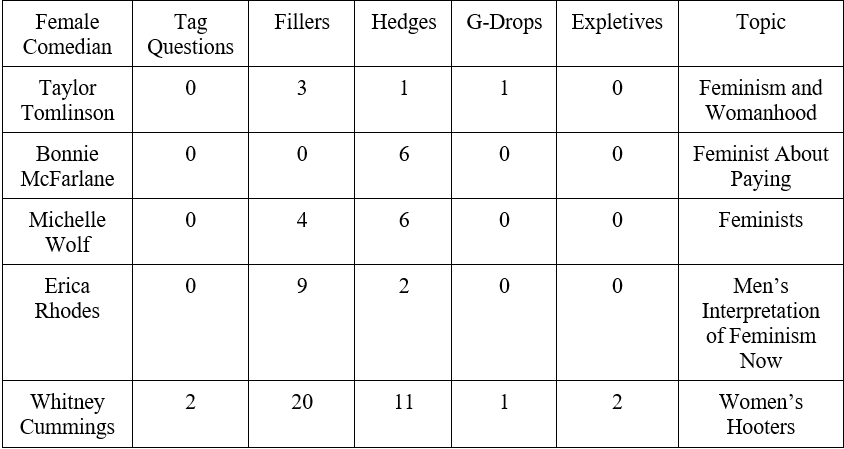
, , , , , ,

Unraveling Mean Length Utterances in Romantic Scenes: Action Versus Romance Films

Britney Lam, Iris Lin, Alice Wang, Julia Zhou

Romance is a common element across all genres of film. Whether it is an action movie, a comedy, adventure, or drama, romance is often included within the main plot. Films are created with a target audience, such as age or gender. Our research question emerged: how is romance portrayed differently in movies that are intended to cater to different audiences? Specifically, what linguistic differences can be observed between the romantic scenes? Through the analysis of 10 total films, we found that MLUs in action and romance movies did not significantly differ from each other, though MLU in dialogue succeeding romantic scenes are indeed longer in romance movies.

[expander_maker id=”1″ more=”Read more” less=”Read less”]

Introduction and Background

Stereotypically, romantic and action movies are catered towards the female and male genders, respectively. Although a lot of people, regardless of their gender identification, watch both action and romance movies, such gendered catering may still continue to exist, and characters may still exhibit different behavioral and linguistic patterns across the two genres. One specific type of scene may be the most affected by the genre of the movie — romantic scenes. If the language of romance scenes is indeed different between action and romance films, these stereotypes may affect the audience’s perception of different genres of movies, which in turn intensifies the stereotypical association between certain behaviors with one specific gender. Consequently, our research intends to observe whether the language used in romantic scenes is indeed different between romantic and action movies.

 Previous literature had tackled language style and non-linguistic elements (eye contact, body language) in romance and action movies respectively, but none had compared romance to action films in terms of dialogue length (Dewi et al., 2020; Burns et al., 2009). In a study done by Dewi et al. (2020), the word choice of characters in action films was examined to identify linguistic style patterns; their methods largely inspired our research design to study character dialogue. In research done by Burns et al. (2009), action movies were found to significantly differ from other genres in terms of actors’ behavior (e.g. fewer smiling); this made us wonder how linguistic elements may differ as well.

Thus, we chose to focus on the romance and action genres given that, stereotypically, action movies are catered more to the male audience and romance movies are catered more to the female audience (Brandenburg et al., 2004). Furthermore, building off of research done by Grant et al. (2001) that found males and females are portrayed to behave stereotypically in films, we sought to address the gap among these individual research studies by examining the linguistic features of both romance and action films, then comparing the two to identify differences between the dialogue in romantic scenes catered to different audiences, and whether or not they align with male and female stereotypes.

We set out to answer this by examining how Mean Length Utterance (MLU), a tool used to judge meaningful dialogue length, would differ before, after, and during romantic scenes between action and romance films. MLU is mainly utilized in previous research to study toddlers’ speech, but our research decided to utilize this novel measurement for our linguistic analysis, as it provides insight into the amount of information-rich utterances (Brown, 1973).

We hypothesized that romantic scenes in action films will have shorter MLUs that precede, succeed, or occur during intimate behavior, while romantic scenes in romance films will have longer MLUs that precede, succeed, or occur during intimate behavior. By examining linguistic differences between films catered to males versus females, we hoped to identify and address the stereotypical use of language in movies of action and romance genres, and subsequently propose changes to filmmaking that discourage reinforcing such stereotypes.

Methods Design

We analyzed the dialogue between heterosexual couples in 10 English-language films released between 1980 and the present (see Table 1). These films were chosen because they were high-grossing films that have accessible scripts. In our chosen romance and action films, we investigated romantic scenes that included direct or indirect displays of affection between two characters.

Direct examples included verbal confessional acts of love, including the explicit usage of the words “love” or “like.” 

Indirect examples included verbal acts without “love” or “like” and behavioral displays of intimacy, which included sharing personal thoughts and emotions, as well as hugging, holding hands, and kissing. For example, in this scene in Avatar (2009), the main characters indirectly stated their affections towards each other:

Neytiri: You are Omaticaya now. You may make your own bow from the wood of Hometree. (she looks away) And you may choose a woman.

The Amazon warrior trying so hard to sound casual. Jake suppresses a smile.

Neytiri: We have many fine women. Ninat is the best singer —

Jake: I don’t want Ninat.

Neytiri: There is Beyral — she is a good hunter —

Jake puts his fingers on her lips to stop her.

Jake: I’ve already chosen. But this woman must also choose me.

She takes his hands and their fingers intertwine, moving gently over each other.

Neytiri: She already has.

Three variables, dialogue preceding the romantic scene (“MLU Preceding”), during the romantic scene (“MLU Love”), and succeeding the romantic scene (“MLU Succeeding”), were taken from film transcripts and analyzed for their MLUs. In our research, we calculated MLU by the number of morphemes divided by the number of utterances in speech.

For example, we took this preceding statement before the romantic scene from Crazy Rich Asians. This was the dialogue before the intimate behavior of a marriage proposal.

Nick: Rachel Chu. Will you marry me and make me the happiest man in this world?

(16 morphemes and 2 utterances)

16/2 = 8 MLU

We defined utterance as speech without pause. For example, Nick speaks, pauses, and then speaks again after saying Rachel’s name – this would be considered two utterances. The word “happiest” would be counted as two morphemes, split between “happy” and the suffix “-est.” Consequently, there are 2 utterances in total, with 16 morphemes, resulting in a MLU of 8.

Additionally, another variable, “Love Presence”, was recorded for every scene we analyzed, which indicated whether a direct display of affection was present in the scene.

We repeated this process for all 10 of our films (5 romantic, 5 action) by examining the transcripts and counting the number of occurrences the words “like” and “love” were explicitly used.

Table 1: List of movies included in our analyses, with their genres and number of scenes listed.

Results and Analysis

Firstly, we can look at the descriptives of our data (see Table 2) — The average number of MLU Preceding, MLU Love, MLU Succeeding, and Love Presence in both action and romance movies.

Table 2: Descriptives of our data.

As can be seen in Table 2, notable variables that show a difference are MLU Succeeding and Love Presence. Romance movies seem to have more MLU Succeeding than action movies, which means that after the main characters confess their love for each other, romance movies seem to have longer and more meaningful utterances. Moreover, action movies seem to have a higher frequency of Love Presence than romance movies, meaning that characters in action movies may more often state their love directly.

Subsequently, four separate independent samples t-tests, with a 95% confidence interval for the mean difference, were conducted to compare if the two genres significantly differ from each other in their MLUs. All four tests revealed non-significant results, showing that in romance and action movies, MLU Preceding (t(9) = -.11, p = .915), MLU Love (t(5) = .30, p = .777), MLU Succeeding (t(4) = -1.72, p = .161), and Love Presence (t(11) = .75, p = .471) all do not significantly differ from each other. Figures 1-4 below visualize the results of the four t-tests.

Fig 1. MLU Preceding for action and romance movies.
Fig 2. MLU Love for action and romance movies.
Fig 3. MLU Succeeding for action and romance movies.
Fig 4. Love Presence for action and romance movies.

Discussion

Contrary to our hypotheses, our results showed that romance and action movies did not differ significantly in their lengths of utterances. There is a trend towards significance for MLU Succeeding, which indicates that romance movies may contain more information after the confession of love. As for the reason why there may be such a trend, maybe romance movies tend to describe what happens after the characters state their affections towards each other, while action movies tend to view the confession of love as an ending for the romance elements and focus on the “main plot” afterwards. For example, in the action movie Guardians of the Galaxy Vol. 2 (2017), one romantic scene ended as soon as the main character Quill’s affection towards the other character, Gamora, was revealed by another character, causing that the scene did not have any morphemes for MLU Succeeding (see Fig.5). This specific absence of any utterances after the MLU Love might be due to that a) the focus of the movie was not on the romance, but rather the main characters defeating the villains; b) Quill tries to deny his affections, and the scene quickly ended to express his embarrassment. In contrast, in the romance movie Crazy Rich Asians (2018), the main characters continued to express their excitement and happiness after accepting the marriage proposal, causing the MLU Succeeding to be particularly long (see Figure 6). Still, this trend can only be applied to our sample, and cannot be generalized to all the romance and action movies in general because of our limited sample size.

Fig 5. Script for Guardians of the Galaxy Vol.2, after the main character Quill’s affection is revealed.
Fig. 6 Script for Crazy Rich Asians, after the main character Rachel accepts the marriage proposal.

Because of time and resource constraints, our study has several limitations. Firstly, our sample size (10 movies and 13 scenes in total) may have limited the power of our data, having more scenes and more movies may have yielded more statistically significant results. Secondly, because we selected romantic scenes where the main characters’ affections were revealed, the linguistic variables were sometimes missing. For example, the scene from Guardians of the Galaxy Vol.2, as we mentioned before, did not contain any MLU Succeeding. These partially incomplete datasets may have further limited our statistical power. To solve this flaw in data collection, we would recommend future studies to collect more data to remedy the fact that some romantic scenes do not contain any utterances for succeeding statements of love. Alternatively, future studies can define and select romantic scenes differently, so they can control and ensure every scene will contain utterances for all three variables. Despite these limitations, our methods of investigating the MLUs of scenes are novel, as no previous research directly compared romantic scenes in romance and action movies, and little, if any, research on linguistic analyses of movies selected MLU as their method.

Given that our results showed no significant difference between how romance and action movies depicted romance, it will be interesting to look at how the two genres may have converged and become more similar over time. Comparing romance and action movies chronologically based on their release date may reveal a pattern or trend of change. In fact, our results may hint such chronological changes, as newer action movies (Guardians of the Galaxy Vol. 2 (2017) and Spiderman: Far From Home (2019)) contained more statements of love than compared to older action movies (Star Wars: The Empire Strikes Back (1980)). This difference we observed can be further explored by creating a study focused on collecting love statements from romance and action movies across time, and then comparing word choice or MLU.

Additionally, MLU is only one way of investigating the length of utterances. Future studies can use different methods. For example, linguistically, future studies can look deeper into a) how main characters explain their reasons for loving the other character; b) if main characters express their hopes of moving forward in their relationship; (c phonetically, their intonation when confessing their love. Non-linguistically, future studies can look into the main characters’ body language and eye movements when they are confessing their love. Behavior before, after, and during romantic scenes can be analyzed, as well as the setting and time of day.

Finally, recent literature has observed recent efforts by films to depict less stereotypical portrayals of romance (Brandenburg et al., 2014). There may be an emerging trend of combatting traditional narratives, which would be an interesting area of study to explore. In line with the idea of studying films chronologically across time, future research can aim to examine differences between romance and action films released in recent years and compare them to one another or to older films. If romance and action films are stereotypically catered towards female and male audiences, then it is entirely possible that films have changed over time to cater to changing societal standards. For example, if there is more demand for a female lead that is portrayed as independent and strong-willed, movies with romantic scenes may adapt linguistically to that. It will be an interesting field of study to identify these emerging patterns and trends.

References

Brandenburg, J. D., Dodds, L. A., Harris, R. J., Hoekstra, S. J., Sanborn, F. W., & Scott, C. L. (2004). Autobiographical memories for seeing romantic movies on a date: romance is not just for women. Media Psychology, 6 (3), 257-284.

Brown, R. (1973). Development of the first language in the human species. American Psychologist, 28(2), 97-106. https://doi.org/10.1037/h0034209

Burns, A. C. (2009). Action, romance, or science fiction: your favorite movie genre may affect your communication. American Communication Journal, 11(4), 1-17.

Cameron, J. (1997). (Director). (1997). Titanic [Film]. 20th Century Fox; Lightstorm Entertainment; Paramount Pictures.

Chu, John. M. (Director). (2018). Crazy Rich Asians [Film]. Color Force; Electric Somewhere; Ivanhoe Pictures; SK Global; Starlight Culture; Warner Bros. Pictures.

Dewi, N. M. A. J., Ediwan, I. N. T., & Suastra, I. M. (2020). Language style in romantic movies. Humanis: Journal of Arts and Humanities, 24(2), 109-117.

Grant, B. K. (2001). Strange days: gender and ideology in new genre film. In M. Pomerance (Ed.), Ladies and gentlemen, boys and girls: Gender in film at the end of the twentieth century (pp. 184-199). State University of New York Press.

Gunn, J. (2017). Guardians of the Galaxy Vol. 2 [Film]. Marvel Studios.

Kershner, I. (1980). Star Wars: The Empire Strikes Back [Film]. Lucasfilm Ltd.

[/expander_maker]
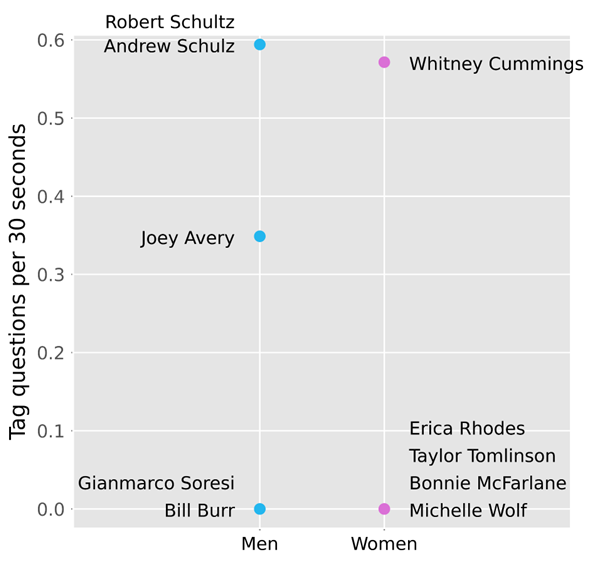
, ,
Scroll to Top