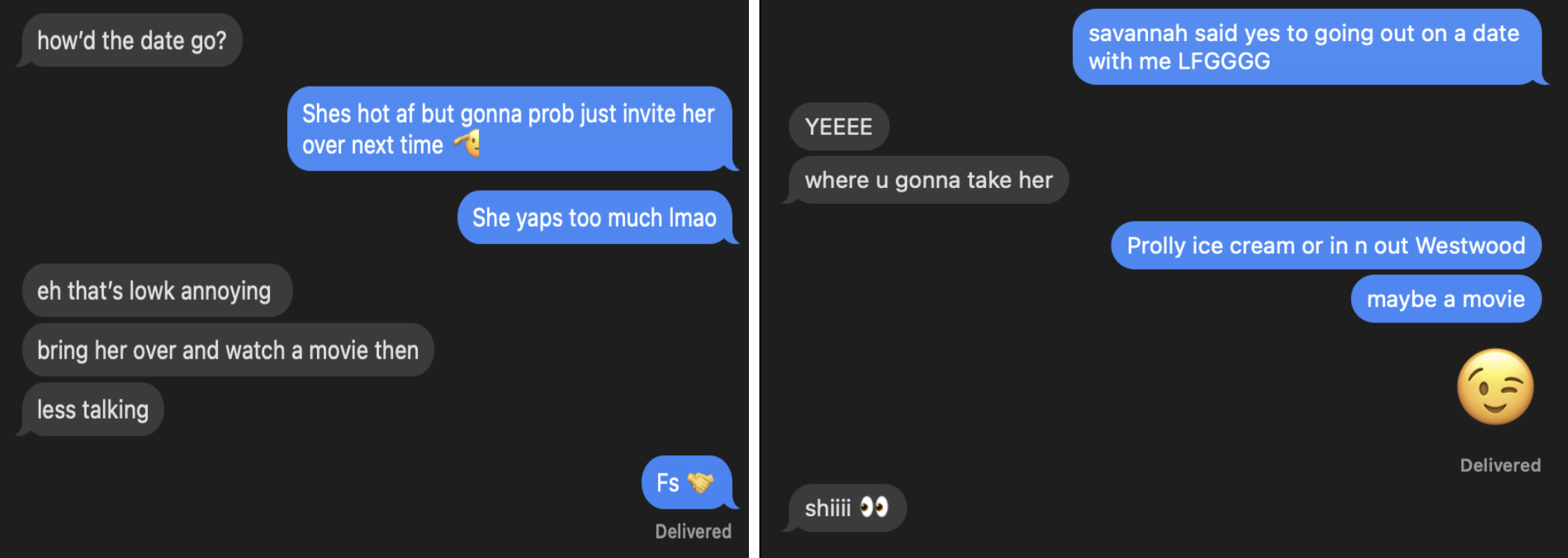
emojis

In-Person vs. Digital Communication Styles Among Classmates

Megu Kondo, Devina Harminto, Yixing Wang, Yinlin Xie, Batool Al Yousif

In the rapidly evolving landscape of communication, the distinction between in-person and digital communication has become a focal point of linguistic and sociocultural studies. This project delves into the nuanced differences in language use, expression, and understanding across these two modes of communication. The purpose of this study is to investigate how individuals adapt language styles, tones, and dialects between in-person and digital communication. Additionally, our study aims to explore these preferences specifically among classmates, shedding light on the nuances of their communication choices. By examining various linguistic features such as informality, use of emojis, turn-taking, and the adaptation to the absence of non-verbal cues in digital platforms, this study illuminates how digital communication often necessitates a shift from traditional language norms observed in face-to-face interactions. We designed a survey using Google Forms for accessibility and ease of distribution and collected data from 30 college students (18-22 years old) who engage in both in-person and digital communication.

[expander_maker id=”1″ more=”Read more” less=”Read less”]

Introduction and Background

In the evolving landscape of communication, the distinction between in-person and digital interaction has become a key area of sociolinguistic study. This project investigates how language styles, expressions, and understandings are adapted between these two modes of communication, particularly among college students. The study examines linguistic features such as informality, emoji usage, and turn-taking, shedding light on the nuances of their communication choices.

Traditionally, in-person communication has been valued for its richness and immediacy. This mode allows for a wealth of non-verbal cues such as gestures, facial expressions, and tone of voice, all of which enrich the communication experience and help in accurately conveying emotions. Face-to-face interactions also foster a sense of connection and immediacy, which are often crucial for forming strong interpersonal relationships. On the other hand, digital communication offers unparalleled convenience and flexibility. Platforms like Snapchat, Instagram, and WeChat have revolutionized how we interact, making it possible to maintain relationships over long distances with ease. The digital transformation of communication has brought about significant changes in the linguistic practices of individuals, particularly young adults. The incorporation of multimedia elements such as images, videos, and emojis attempts to bridge the gap in emotional expression that the lack of physical presence creates. However, these elements, while helpful, often fall short of fully replicating the subtleties conveyed through face-to-face interactions. The gap highlights the potential for misunderstanding and the need for enhanced digital literacy in order to navigate the complexities of modern communication.

The primary focus of this study is to assess the preferences of college students (aged 18-22) who regularly engage in both in-person and digital communication. It aims to document their perceived advantages and drawbacks of each mode, particularly in terms of emotional expressiveness and the potential for misunderstandings. Additionally, the study delves into the phenomenon of code-switching — altering one’s language, tone, or style according to the communication platform — which reflects broader cultural identities and adaptability in digital spaces.

Methodology

To examine the differences in communication styles between in-person and digital interactions among college students, we conducted a thorough survey of students aged 18-22. Our methodology ensured that we collected data from a diverse and representative sample, which is critical for drawing meaningful conclusions.

The survey was created with Google Forms, leveraging its accessibility and ease of use to reach a large audience. We divided the survey into three major sections: demographics, communication preferences, and emoji usage. The demographics section gathered basic data such as age, nationality, and primary languages spoken. The communication preferences section explored the participants’ preferred modes of communication, the differences in word and phrase usage between these modes, the ease of conveying emotions, and their awareness of changing language styles or tones. The final section focused on emoji usage, asking about frequency, meanings, and emoji-related misunderstandings. We ensured a diverse participant pool by distributing the survey through social media platforms and student groups, which reached students from a variety of cultural backgrounds and academic disciplines. 
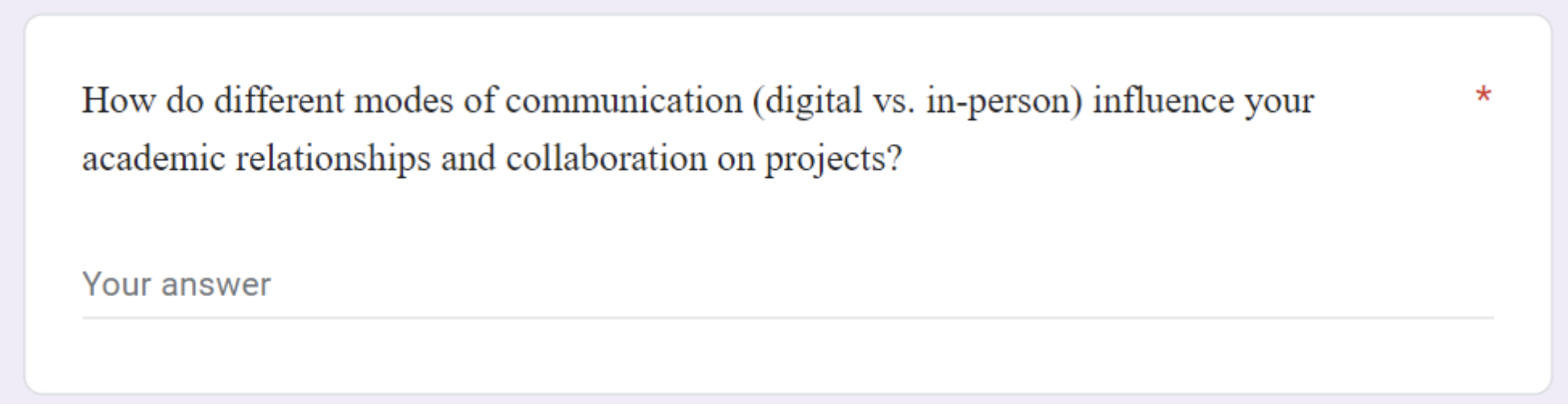
Figure 1. Example of a survey question from the section on communication preferences.

The survey responses were automatically compiled into a Google Sheets spreadsheet, allowing for efficient organization and preliminary analysis. We calculated frequencies, percentages, and averages for the quantitative data to summarize demographic information and communication preferences, giving us a clear picture of the data’s major trends and patterns. We used thematic analysis to examine qualitative data, particularly open-ended responses about emoji usage and communication preferences. This process involved coding the responses and identifying common themes, which allowed us to gain a better understanding of the participants’ experiences and perceptions. We used this methodology to gain a thorough and nuanced understanding of how college students navigate the complexities of in-person and digital communication. By analyzing both quantitative and qualitative data, we were able to identify key trends and patterns in communication styles, providing valuable insights into the changing landscape of digital communication. The use of advanced data analysis tools and rigorous thematic procedures ensured that our findings were robust and reflective of the diverse experiences within our sample. This methodology not only provided a strong framework for our research, but it also ensured that our findings were based on a diverse and representative sample, adding to the larger conversation about language use and social interaction among young adults.

Analysis and Results

We were able to attain a total of 30 participants, whose ages were between 19 to 26. Figure 2 shows that the majority of participants were Asians at 73.3%, and the other 26.7% of the participants were American. The results of the survey garnered a better understanding of how college students prefer in-person communication over online conversation.
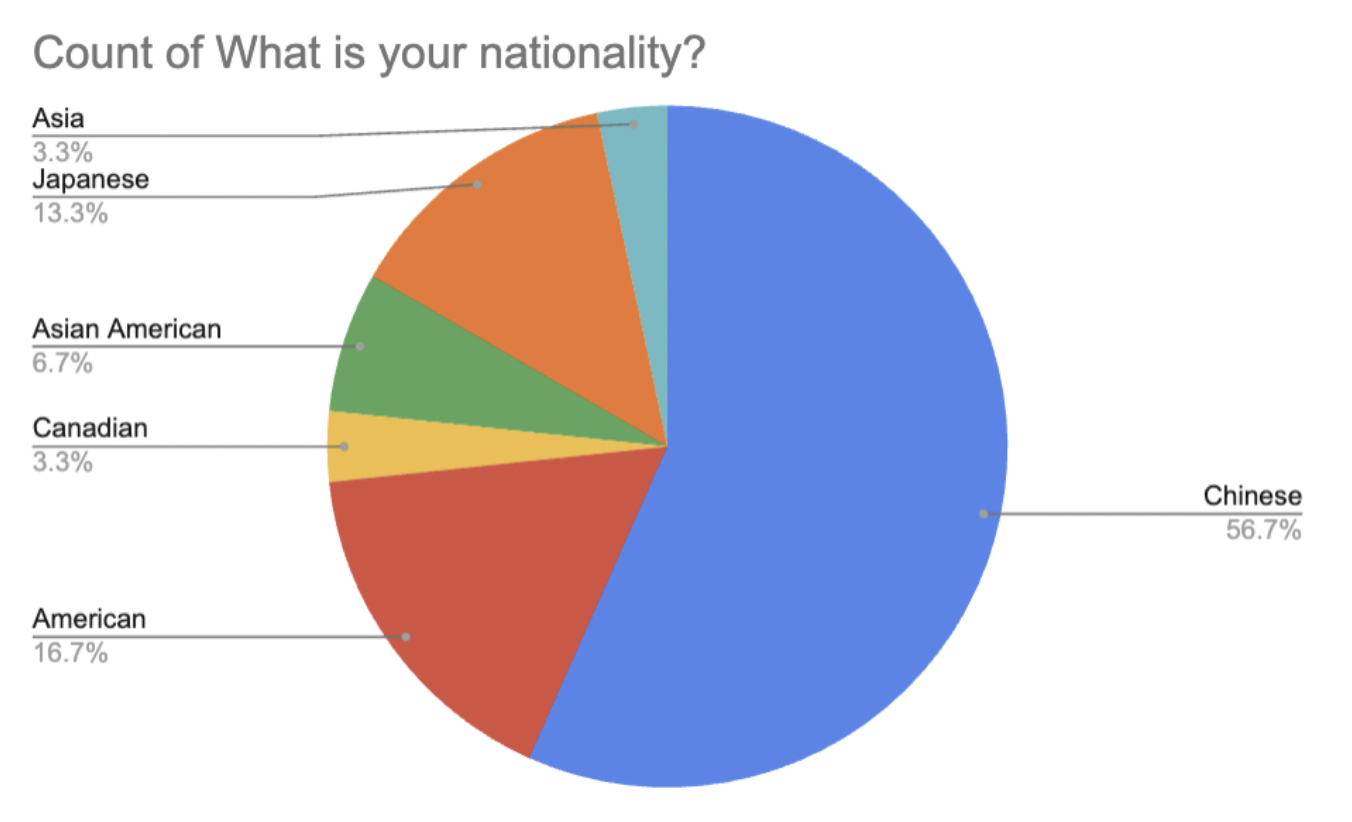
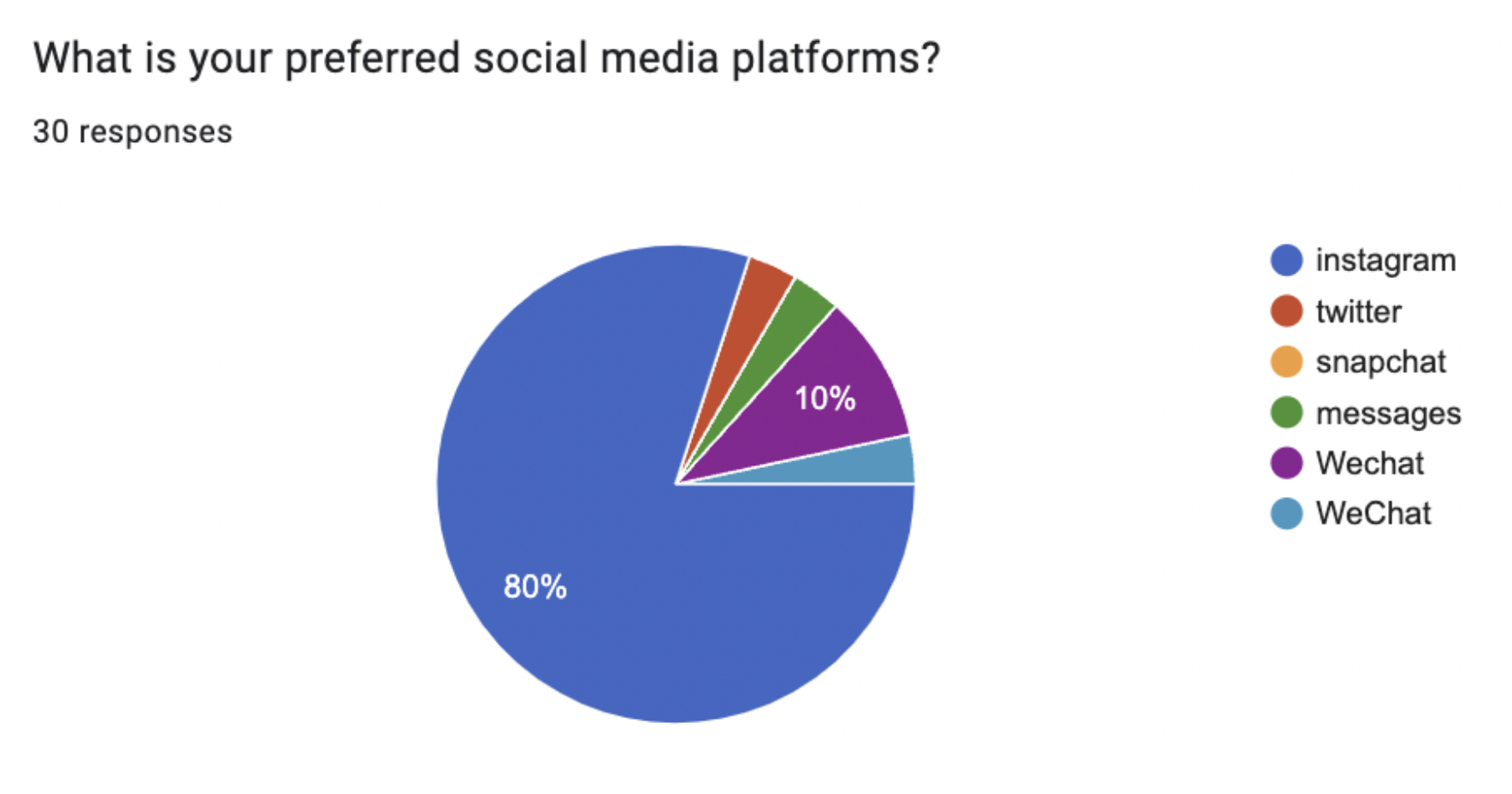
Figure 2. Chart detailing answers to the question “What is your nationality?”
Figure 3. Chart detailing the responses to the question “What are your preferred social media platforms?”

Figure 3 shows that Instagram is the most popular social media platform among college students with 80%. 24 participants use Instagram to communicate with others since Instagram is very common among the younger generation; people can post pictures and send each other direct messages. 13.3% of the participants like to use WeChat, which is because some of them are international students who can easily communicate with their friends in China through the platform.
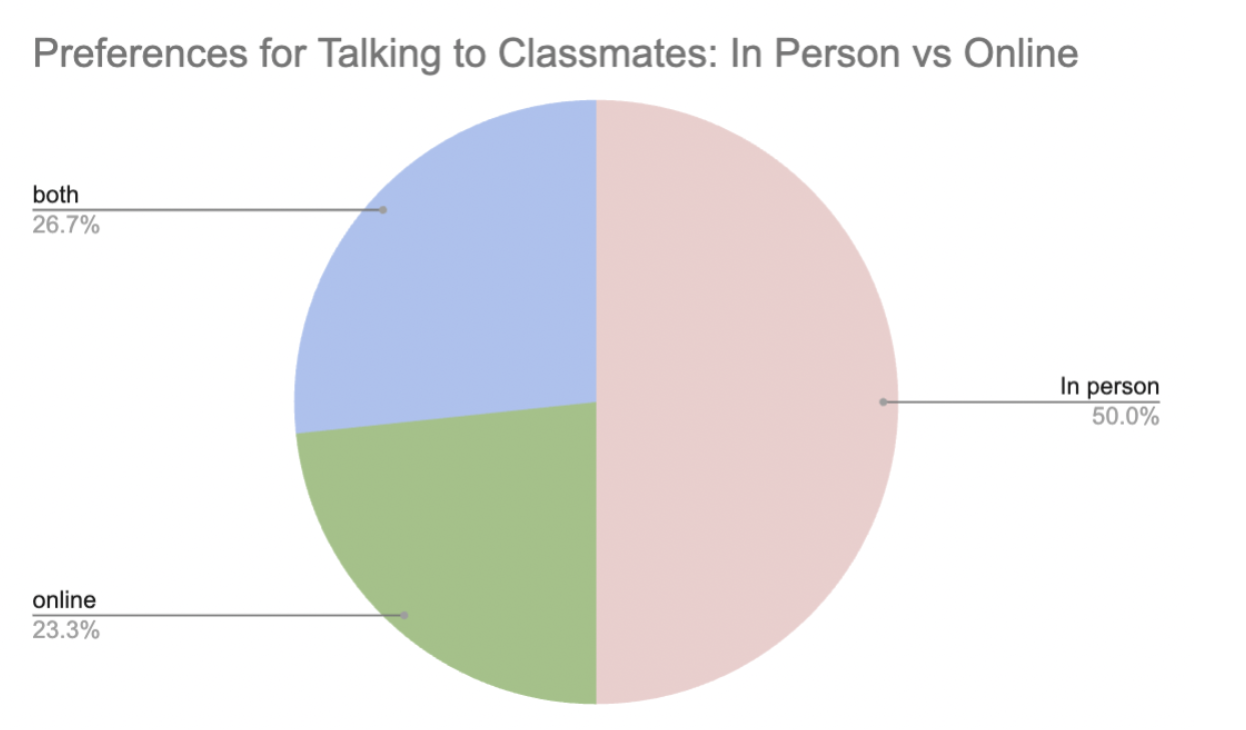
Figure 4. Chart displaying whether respondents prefer to talk to classmates online, in person, or either/both.

The data from Figure 4 shows a strong preference for in-person communication among participants, with 50% favoring this way over online interactions or a combination of both because they feel more productive communicating in person. On the other side, 23.3% prefer online communication, reflecting a significant proportion that values the convenience and accessibility of digital platforms. Meanwhile, 26.7% of participants are comfortable with both ways, suggesting a flexible communication preference that could be influenced by situational factors.
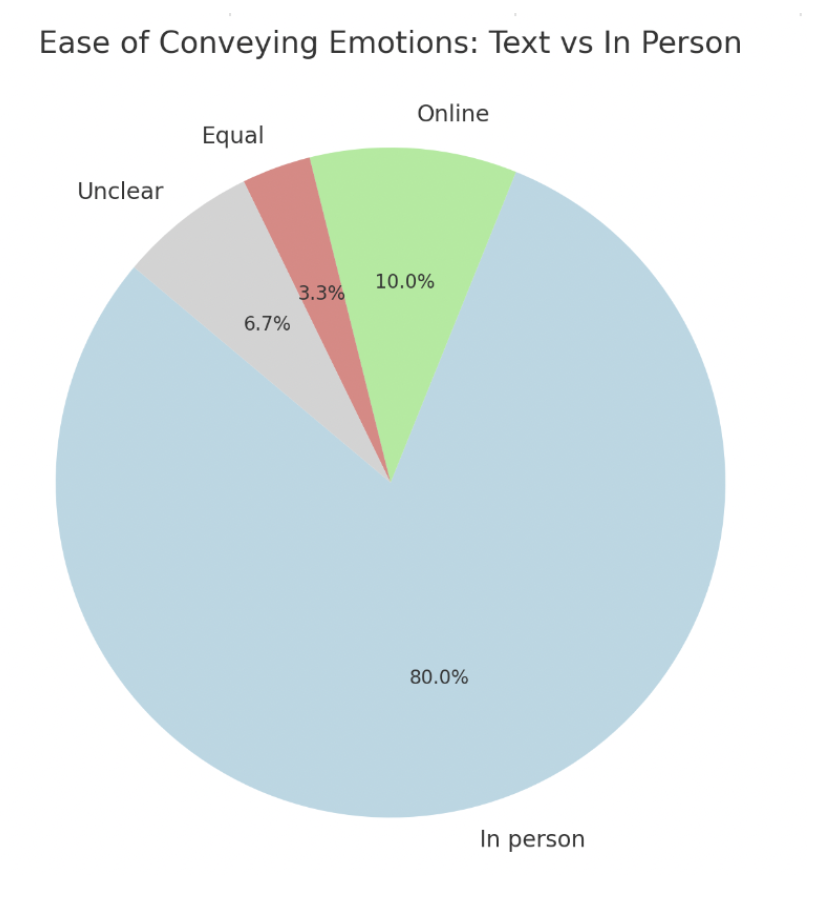
Figure 5. Chart displaying respondents’ feelings about how easy it is to convey emotion through text vs. in person.

In-person communication is generally considered to be more effective in conveying emotions than text-based communication, with 80% of respondents preferring face-to-face communication. Only 10% of respondents believe that online platforms are effective in conveying emotions, and online platforms are likely to use GIFs and emojis. This suggests that digital interactions are not perceived to be enough to express emotional states, which may lead to a lack of empathy in conversations. Face-to-face interactions remain crucial for a deeper emotional connection, underscoring the limitations of digital platforms in replicating the richness of in-person exchanges.
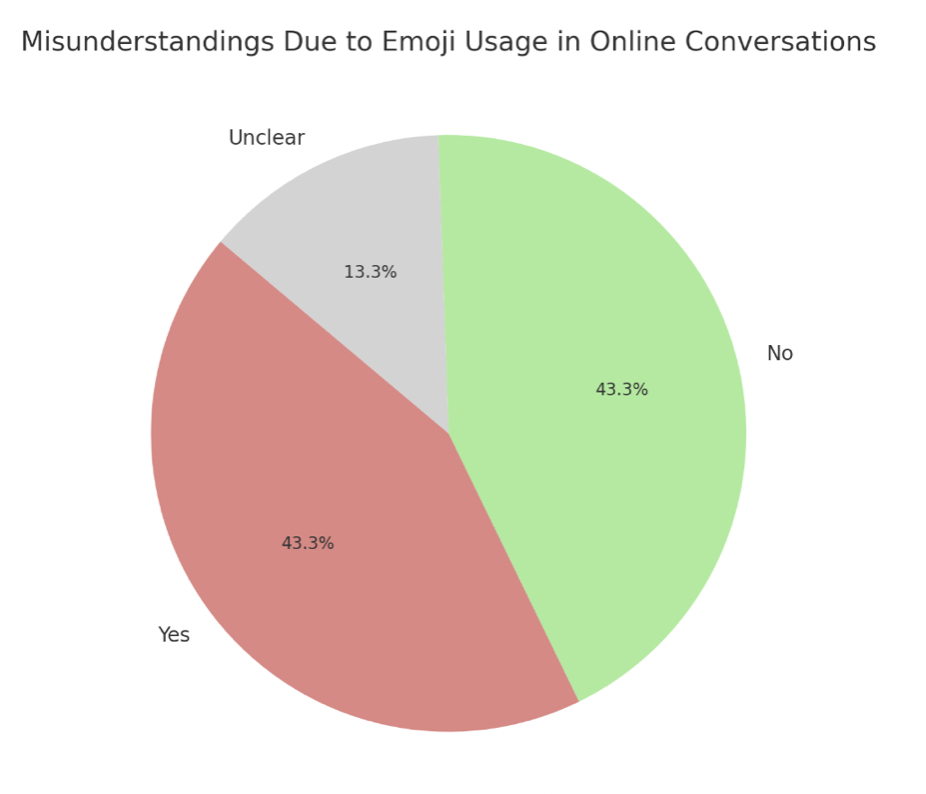
Figure 6. Chart representing whether respondents believe emojis can lead to misunderstandings.

43.3% of respondents believe that emojis can lead to misunderstandings, while the same percentage of respondents said they do not. This polarization highlights the ambiguity of emojis, which may be interpreted differently depending on individual circumstances and cultural backgrounds. The remaining 13.3% respondents were unsure of their impact. 
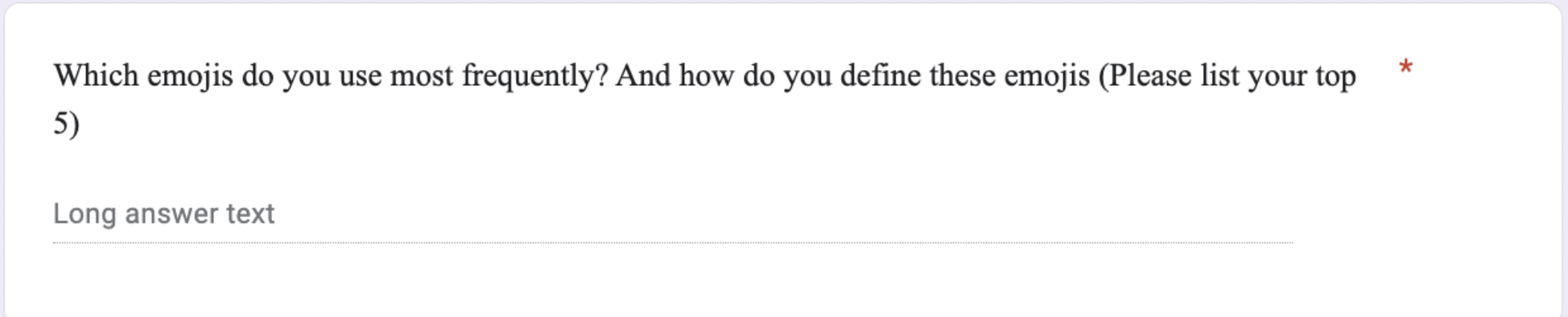
Figure 7. Question from emoji usage portion of survey.

Based on the data collected from our survey, it is evident that emoji interpretations vary significantly among users. An analysis of the responses revealed divergent interpretations of several emojis. For instance, the smiley emoji 😃, conventionally associated with happiness and positivity, was perceived by some participants as conveying creepiness. The skull emoji 💀, which typically signifies extreme laughter, frustration, or affection according to Apple’s official description, was interpreted by respondents as representing extreme fatigue or exhaustion, akin to the expression “I am so tired, I am dying.” Moreover, it was also seen as indicating laughter, albeit more intense and devoid of any undertones, compared to 😭. Notably, the 😭emoji has lead to the most misunderstanding in their online conversation compare to others. 😭, which Apple describes as depicting a face with an open mouth, wailing, and shedding streams of heavy tears, symbolizing inconsolable grief or intense emotions such as uncontrollable laughter or overwhelming joy, was commonly misinterpreted. Participants reported using it in adverse situations, with connotations such as “yikes” or “can’t believe my bad luck,” “need help,” and some even perceived it as laughter accompanied by a sense of embarrassment. The findings from our survey underscore the complexity and variability in emoji interpretations among users, which can be quite different from what they are officially meant to represent. This can sometimes lead to confusion in online conversations. It’s important to remember these differences when using emojis, suggesting a need for greater awareness of contextual differences in emoji usage to avoid misunderstandings and make sure our messages are clear.

For additional insights and nuances, the context of the communication also appears to play a critical role in the preferred mode. For instance, for quick updates or logistical arrangements, digital communication is often favored for its efficiency. However, for more complex discussions or sensitive topics, in-person interactions are preferred due to the richer, more nuanced exchange they enable. It is also worth noting that some students reported a gradual shift in their preferences towards digital communication as they adapted to the constraints imposed by recent global events such as the pandemic. This adaptation process reflects the dynamic nature of communication preferences in response to external changes.

Based on the data, the majority of college students still prefer and find it more effective to communicate in person, particularly for emotional interactions. The findings indicate that although some students recognize the advantages of online communication, most still believe that in-person contact is more beneficial, especially when it comes to expressing emotions, and students feel more productive since people can get through everything right away. This outcome contradicts our hypothesis, highlighting the complexity of communication preferences among college students. Further analysis shows that communication preferences may vary significantly based on factors like the student’s academic major, cultural background, and prior exposure to diverse communication platforms.

Discussion

Our findings contradict the idea that generation Z is used to being on online communication platforms. In the article by Janssen (2021), generation Z is often referred to as “digital natives.” They are considered the first generation to grow up entirely in the digital age, influencing their communication habits significantly. They are described as “native speakers” of the digital language of computers, video games, and the internet. Texting and instant messaging are preferred over traditional communication methods like phone calls and emails. Generation Z uses smartphones heavily for personal communication, often choosing texting or messaging apps over voice communication. Despite their preference for texting, generation Z adapts to professional communication norms. For example, they use email extensively at work, despite rarely using it in personal contexts. This indicates flexibility in their communication styles, adapting to different linguistic expectations based on context. Surprisingly, our findings are totally opposite from this perspective of generation Z.

For the limitations of the study, while our study focused on college students aged 18-22, this demographic may not fully represent the broader population’s communication preferences. The age group and educational environment might influence communication styles more specific to this demographic, such as familiarity with digital platforms or developmental aspects related to social interactions. Additionally, the study relies heavily on self-reported data, which can introduce bias. Participants might respond in ways they perceive as socially acceptable or based on their aspirational self-image rather than their actual behavior. This can affect the accuracy of data concerning preferred communication modes and the effectiveness of emoji usage in conveying emotions.

The phenomenon of code-switching, where individuals adapt their language based on the audience’s cultural and linguistic background, further illustrates the adaptability required in digital communication and highlights the ongoing evolution of language use on these platforms. “Another study conducted by Alfaifi (2013) on intrasentential CS in Facebook comments written by 10 Saudi Arabic-English bilinguals found that intrasentential CS was used with gossip and humor, English was used for academic and technical terms, and Arabic was used for religious topics” (Elhija 357). Digital communication often sees a higher incidence of code-switching, where bilingual or multilingual speakers switch between languages or dialects depending on the audience, topic, or platform. While this can showcase linguistic flexibility, it also highlights the challenges of maintaining cultural nuances in digital communication, which may not always provide the contextual cues necessary for appropriate language use. This underscores the persistent value of traditional communication methods in an increasingly digital world and suggests that digital platforms still need to evolve to support the subtleties of human emotion and expression fully.

Conclusion

Our study began with the hypothesis that college students would prefer online communication over in-person interactions, primarily due to the flexibility and reduced social anxiety that digital platforms are presumed to offer. This hypothesis was rooted in the belief that the modern digital environment, with its asynchronous communication and absence of physical presence, might alleviate the pressures associated with face-to-face interaction. The data, however, painted a different picture. Contrary to our expectations, 50% of the participants clearly preferred to communicate with their classmates in person, appreciating the depth of emotion and clarity that comes with real-time, face-to-face interactions. Only 23.3% expressed a preference for online communication. This finding suggests that despite the convenience of digital platforms, they are insufficient for fulfilling all communicative needs, especially those that involve emotional depth and nuance.

The results of our study provide a nuanced understanding of how college students navigate the complexities of digital and in-person communication. While digital platforms offer undeniable convenience and flexibility, our findings suggest that they do not fully replicate the emotional richness and immediacy of face-to-face interactions. Half of the participants expressed a preference for in-person communication, particularly valuing its effectiveness in conveying emotions — a fundamental aspect of human interaction that digital platforms have yet to fully capture. Moreover, our investigation into emoji use revealed a balanced scenario: emojis enhance textual communication by adding emotional depth, yet they also lead to misunderstandings in nearly half of the cases reported. This indicates a significant gap in how emotional nuances are perceived and understood in digital contexts. By realistically assessing these results, we acknowledge that while digital communication technologies have transformed how we connect and interact, they are not a complete substitute for in-person interactions. Instead, they are a complementary medium that requires further refinement to meet the emotional and contextual needs of users fully. Future research should focus on developing and testing new technologies that can better accommodate the complex dynamics of human communication, bridging the gap between the efficiency of digital communication and the emotional depth of face-to-face interactions. As a result, this study not only challenges previous assumptions about digital communication preferences but also enriches our understanding of how young adults toggle between digital and real-world interactions, shaping their social identities and relationships in the process.

References

Brenda Danet, Susan C. Herring, Introduction: the Multilingual Internet, Journal of Computer-Mediated Communication, Volume 9, Issue 1, 1 November 2003, JCMC9110, https://doi.org/10.1111/j.1083-6101.2003.tb00354.x.

Defede, N., Magdaraog, N. M., Thakkar, S. C., & Bizel, G. (2021). Understanding How Social Media Is Influencing the Way People Communicate: Verbally and Written. International Journal of Marketing Studies, 13(2), 1-. https://doi.org/10.5539/ijms.v13n2p1.

Ehrensberger-Dow, M., & Granger, S. (2019). “English as a Lingua Franca in Digital Communication: Diverse Voices, Similar Scripts?” Lexis Journal in English Lexicology, 14, 193-217. https://doi.org/10.4000/lexis.1831.

Elhija, D. A. (2023). Code Switching in Digital Communication. Open Journal of Modern Linguistics, 13, 355-372. https://doi.org/10.4236/ojml.2023.133021.

Psych Minds. (n.d.). Communication: Online vs. Face-to-Face Interactions. Retrieved from https://psychminds.com/communication-online-vs-face-to-face-interactions/.

Schroeder, J. (2019). Two Social Lives: How Differences Between Online and Offline Interaction Influence Social Outcomes. https://escholarship.org/content/qt94n9w8b9/qt94n9w8b9_noSplash_293949a5e051fffc8e1fdcc9ffc168c4.pdf?t=qdtezb.

Zhao, Y. (2021). The Impact of Digital Media on Language Styles and Communication Methods Based on Text, Image, and Video Forms. ResearchGate. https://www.researchgate.net/publication/378739166_The_Impact_of_Digital_Media_on_Language_Styles_and_Communication_Methods_Based_on_Text_Image_and_Video_Forms.

D. Janssen and S. Carradini, “Generation Z Workplace Communication Habits and Expectations,” in IEEE Transactions on Professional Communication, vol. 64, no. 2, pp. 137-153, June 2021, doi: 10.1109/TPC.2021.3069288.

Appendix

Our survey link: https://docs.google.com/forms/d/e/1FAIpQLScCFoDiKMbxxYVWXmxPAEwQIKfTjg8mx1qtZFL9oA55R9WpPg/viewform?usp=sf_link

[/expander_maker]
, , , , ,

Decoding Text Messages: Gender Differences in Communication at UCLA

Chloe Novinbakht, Kayla Broukim, Donna Yadidi, Shannon Broman, Gabriel Ebrami-Homayun

When it comes to understanding the textual differences between men and women, it can often be difficult to compare the two genders and their similarities and differences. You might be asking yourself if our research proves or contradicts general stereotypes about textual communications between genders. Our study dives into the nuances of texting habits among male and female students aged 18-23 specifically on UCLA campuses. Our research question, “How do men and women at UCLA differ in their text communication?” is answered by our research through analyzing text messages and social media interactions. We uncovered distinctive patterns in emotional expressivity, directness, and language use. This research sheds light on how gender influences digital communication, providing a deeper understanding of the social dynamics at play.

[expander_maker id=”1″ more=”Read more” less=”Read less”]

Introduction

In today’s digital age, text messaging has become a primary mode of communication, especially among university students. But do men and women text differently? This question forms the core of our investigation at UCLA, where we explore gender-associated distinctions in textual communication patterns among students. Understanding the way men and women communicate through text can provide significant insights into broader social dynamics. Our study focuses on several key aspects, including emotional expressivity, directness, and language use. Emotional expressivity examines whether women use more emojis and expressive language than men. Directness assesses if men are more straightforward in their communication compared to women. Language use looks at how vocabulary and grammatical structures differ between genders.

Background

This research will examine our research question: What gender-associated distinctions exist in textual communication patterns between men and women at UCLA? We collected text messages and social media interactions from 10 male and 10 female UCLA students aged 18-23. Our data collection included text samples from ingroup messages (female-to-female, male-to-male) and friend-to-friend text communication between men and women. Additionally, we conducted surveys through Google Forms to assess communication preferences and perceived effectiveness. We analyzed the data using content analysis to uncover patterns in language use, emotional expressivity, and directness.
Methods/ Theories

Our findings contribute to the broader understanding of gendered communication by highlighting how men and women differ in their digital interactions. These differences are influenced by societal norms and expectations, as outlined in Gender Schema Theory and Social Role Theory. Understanding these patterns can help improve communication strategies in educational settings, social interactions, and professional environments.

Gender Schema Theory suggests that societal norms and cultural expectations play a crucial role in shaping gendered communication patterns. For example, women’s use of more expressive and elaborate language may be a reflection of societal expectations for women to be more emotionally attuned and nurturing. Conversely, men’s more direct and less emotionally expressive communication style may reflect societal expectations for men to be more assertive and less emotionally expressive. For example, women might be trained to speak with more qualifiers and hedges, which would be seen in a courteous and accommodating manner. Conversely, men may be urged to speak in a more authoritative and forceful manner, in keeping with stereotypical ideas of what it means to be a man. The way that each gender speaks is perceived through the prism of cultural expectations, which can cause misunderstandings and strengthen gender stereotypes. These behaviors are ultimately sustained by socialization processes.

Social Role Theory provides a useful framework for understanding these differences. According to this theory, the roles individuals occupy within society influence their communication behaviors. Women, who are often socialized into nurturing roles, may use language that is more emotionally expressive and relational. Men who are often socialized into more dominant roles may use language that is more direct and task-oriented. While women may use more expressive language and emojis in casual conversations, they may adopt a more direct and concise communication style in professional or academic contexts. Similarly, men may use more expressive language in certain contexts, such as when communicating with close friends or family members.

Contradiction and Connection

With the former concentrating on cognitive frameworks and the latter on social roles, gender schema theory and social role theory offer complementary viewpoints on how cultural norms impact gendered communication. These may appear to be at odds with one another because social role theory emphasizes external social roles while gender schema theory emphasizes internalized cognitive patterns. In addition, gender schema theory postulates intrinsic cognitive differences while social role theory concentrates on behavior influenced by social positions. The benefit of combining these theories is that they provide a more comprehensive understanding of communication patterns by taking into account the roles played by both internal cognitive processes and external social influences.

Results and Analysis

Understanding these patterns can have practical applications in various settings. In educational contexts, for example, educators can use these insights to develop communication strategies that are more inclusive and effective for all students. In professional settings, understanding gendered communication patterns can help improve team dynamics and communication effectiveness. In social interactions, being aware of these differences can help individuals communicate more effectively with friends, family members, and colleagues. Our findings raise important questions for future research. For example, how do these gendered communication patterns develop over time? Are they influenced more by societal norms and expectations, or by individual personality traits? How do they vary across different cultural contexts? Answering these questions could provide insights into the complex dynamics of gendered communication.

Our analysis revealed several notable differences between male and female texting behaviors. Women were more likely to use emojis, particularly those expressing positive emotions. Men, on the other hand, used fewer emojis and tended to express emotions through words rather than symbols. For example, women frequently used heart emojis when sharing good news, whereas men often used simple phrases like “That’s great!”The difference in emotional expressivity extends beyond emojis. Women’s texts often included more adjectives and exclamations, enhancing the emotional tone of their messages. Men’s messages were generally more direct and concise, while women tended to use more elaborate language, providing context and additional details. For instance, in response to a good grade, a man might text, “Got an A in math,” while a woman might say, “I’m so happy! Just got an A in math after all that studying!” This difference in directness can be attributed to social norms that often associate masculinity with straightforwardness and femininity with a more detailed and context-rich style of communication.

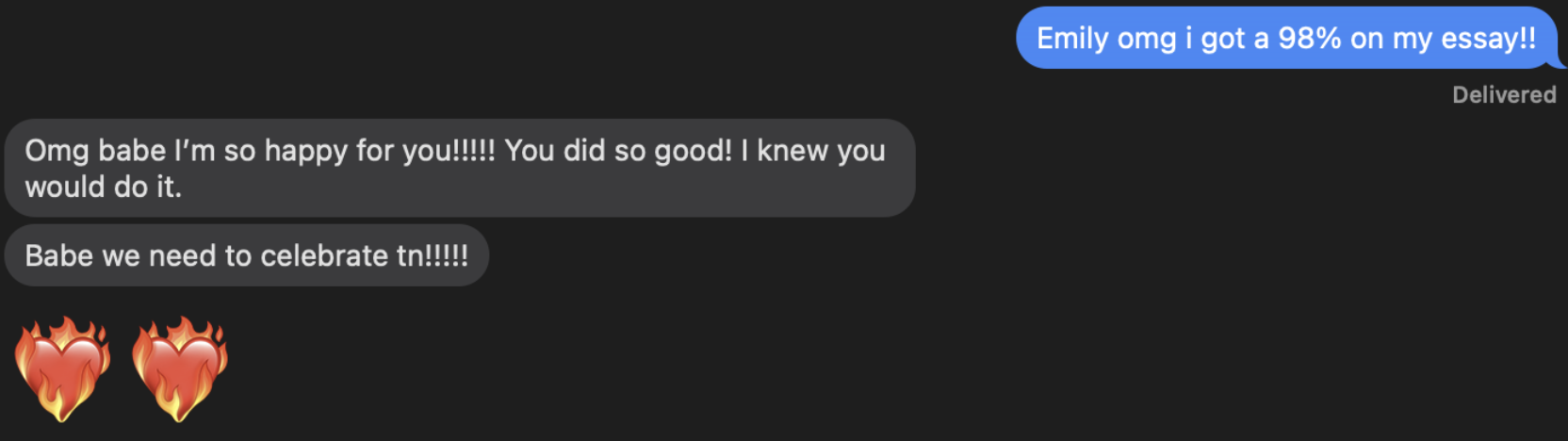
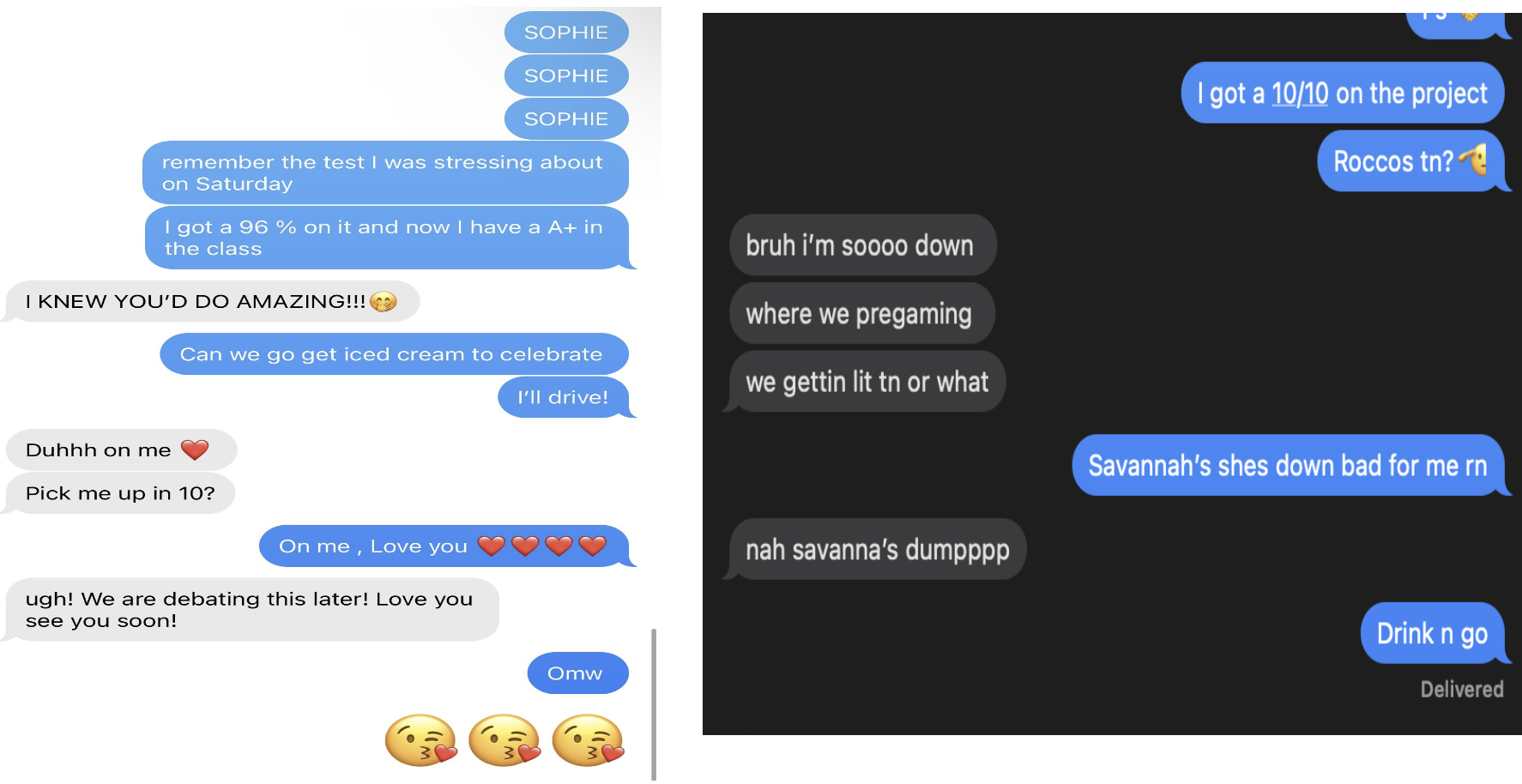
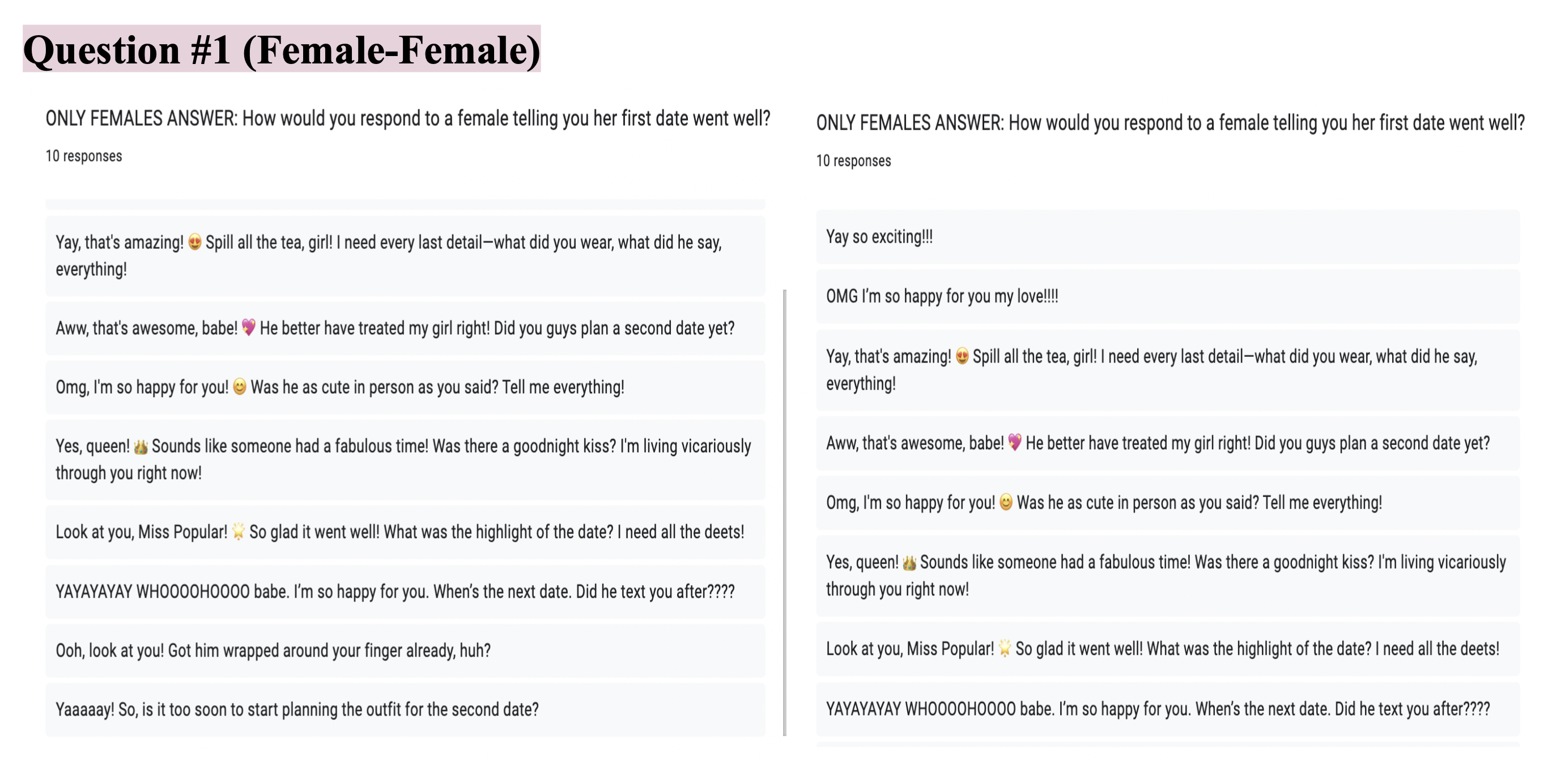
Image-1: Female-to-female contact regarding their responses in image 1 revealed several notable differences between male and female texting behaviors. Emoji usage was higher among women, especially for those representing happy feelings. When communicating positive news, men commonly use straightforward comments like “That’s great!” whereas women more often utilize emojis. Beyond emojis, there is a gap in emotional expressivity. Women tended to use more exclamations and adjectives in their texts, which elevated the emotional content of their writing. This inclination is a reflection of larger societal norms and expectations around gender and emotional expressiveness, where women are typically encouraged to express themselves more and show more care.

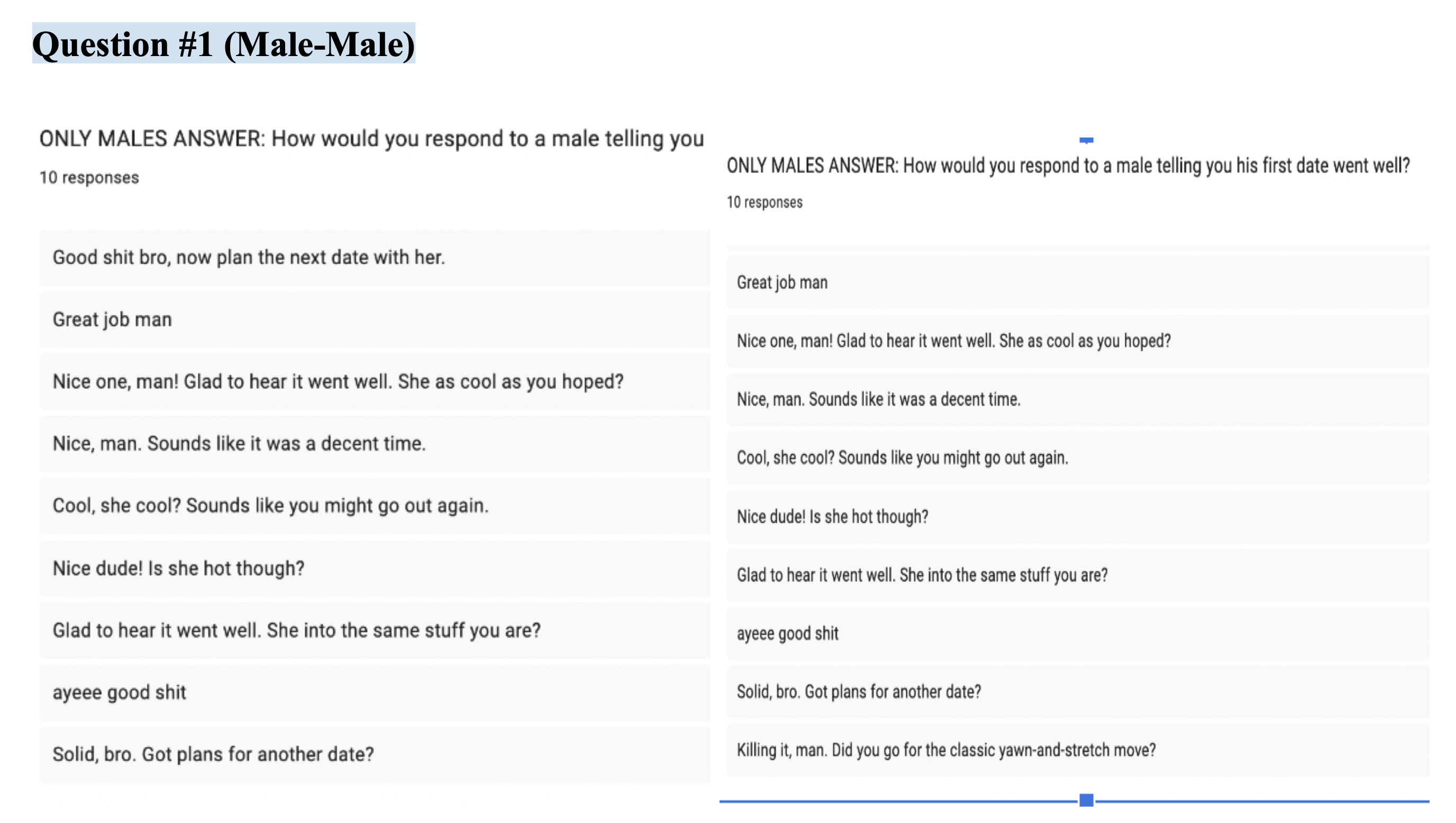
Image-2: Male-to-male contact about their responses in image 2 revealed men used fewer emojis and tended to express emotions through words rather than symbols. Texts from men tended to be more direct and information-focused rather than emotionally charged. Women tended to add more context and extra information, while men were typically more direct in their remarks.

The analysis of texting behaviors between genders reveals quantitative insights:

  1. Emoji Usage:

    ○  Women: More likely to use emojis, particularly those expressing positive

    emotions such as heart emojis.

    ○  Men: Used fewer emojis and preferred to express emotions through words.

  2. Textual Expressivity:

    ○  Women: Used more adjectives and exclamations, enhancing the emotional tone of their messages.○  Men: Texts were more straightforward, focusing on the informational content rather than the emotional.

Emotional Expression:

●  Women: Frequently used heart emojis when sharing good news.

●  Men: Often used simple phrases like “That’s great!” to convey similar sentiments.

Societal Norms Reflection:

●  Women: Their texting behavior reflects broader social expectations for women to be more emotionally expressive and nurturing.

●  Men: Their texting behavior reflects societal norms that encourage men to be more assertive and less emotionally expressive.

Data Collected Via SMS/Text Message:

Female-Female: Positive news about getting a grade

Male-Male: Positive news about getting a grade

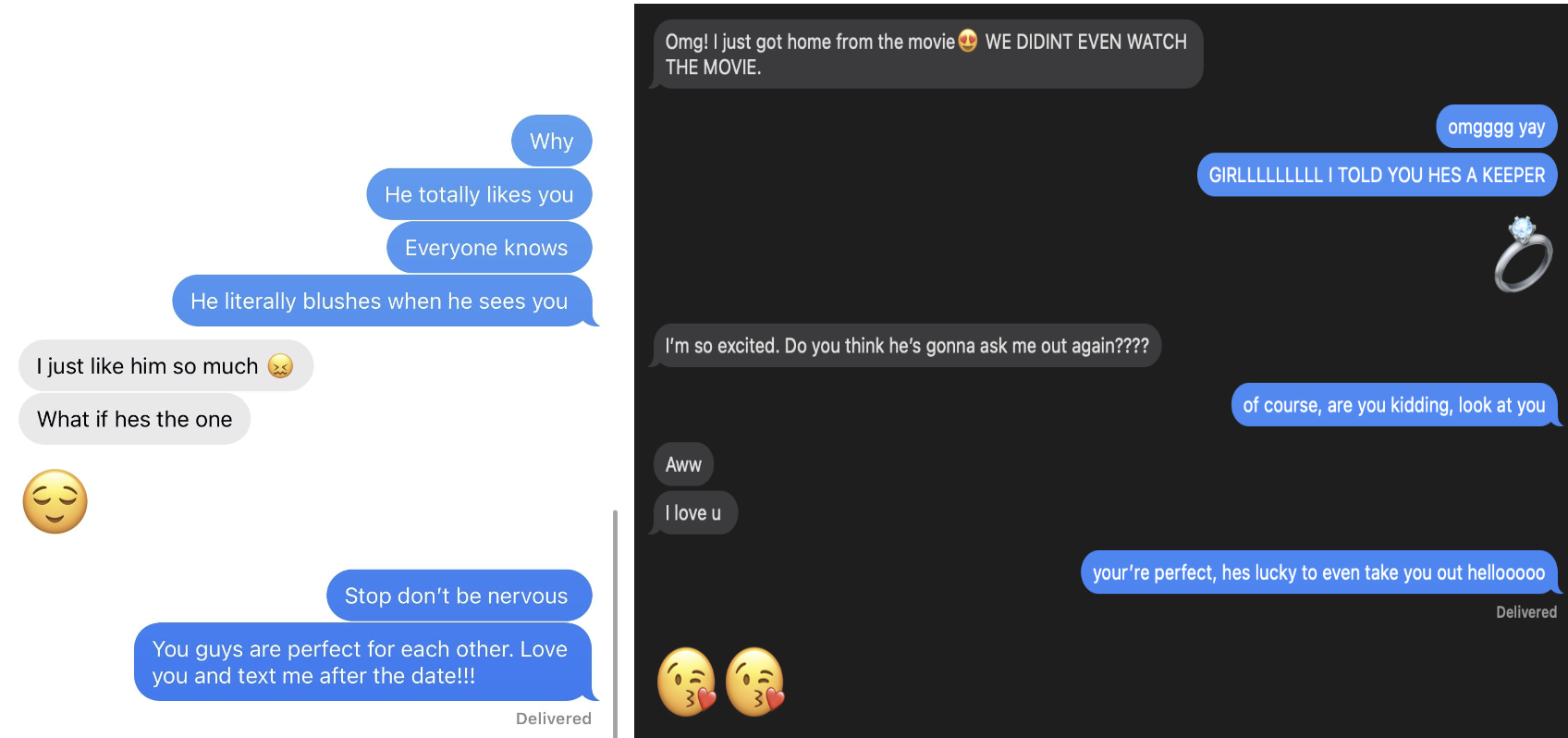
Female-Female: First Date

Male-Male: First date

Discussion and Conclusions

Our findings contribute to the broader understanding of gendered communication by highlighting how men and women differ in their digital interactions. These differences are influenced by societal norms and expectations, as outlined in Gender Schema Theory and Social Role Theory. In educational contexts, recognizing these differences can guide educators in fostering more inclusive classroom discussions and encouraging balanced participation. For instance, instructors might use these insights to create communication exercises that address both directness and expressiveness, ensuring all students feel comfortable and understood.

In professional settings, understanding gendered communication patterns can enhance team dynamics and improve workplace interactions. For example, training programs that highlight these differences can help team members appreciate diverse communication styles, leading to more effective collaboration and reduced misunderstandings. By recognizing how men and women express themselves, people can tailor their communication to better support and connect with friends, family members, and partners.

Conclusion

In conclusion, our study reveals significant gender differences in text communication among UCLA students. Women tend to use more expressive language and emojis, while men’s communication is more direct and concise. These differences are influenced by societal norms and expectations, as well as the roles individuals occupy within society. Understanding these patterns can help improve communication strategies in settings and provide an understanding of the social dynamics at play.

Ethics Declaration: All participants provided written consent for their text messages to be used in this study.

References

Ceccucci, W., Peslak, A., Kruck, S. E., & Sendall, P. (2013). Does Gender Play A Role In Text Messaging? Issues in Information Systems, 14(2), 186-194. Retrieved from https://doi.org/10.48009/2_iis_2013_186-194

Lewis, M., & Lupyan, G. (2019). Gender Stereotypes Are Reflected in the Distributional Structure of 25 Languages. https://doi.org/10.31234/osf.io/7qd3g

Muscanell, N. L., & Guadagno, R. E. (2012). Make new friends or keep the old: Gender and personality differences in social networking use. Computers in Human Behavior, 28(1), 107–112. https://doi.org/10.1016/j.chb.2011.08.016

Rubin, D. L., & Greene, K. (1992). Gender-Typical Style in Written Language. Research in the Teaching of English, 26(1), 7–40. https://doi.org/10.58680/rte199215447

Ogletree, S. M., Fancher, J., & Gill, S. (2014). Gender and texting: Masculinity, femininity, and gender role ideology. Computers in Human Behavior, 37, 49-55. https://doi.org/10.1016/j.chb.2014.04.021

, , , , , ,

Formality in the UCLA Community: Communication and Self-Expression in the Digital Age

Online communication has undoubtedly brought on more opportunities for misunderstanding. However, the use of linguistic elements such as internet slang and emojis represent the myriad ways that humans expand our linguistic toolbox. Through our research, collected through online surveys and interviews with several members of the UCLA community, we found that formality is shaped by many complex factors, including similarity or difference in age, gender, and power dynamics between interlocutors. The prevalence of concepts such as mirroring suggests that maintaining appropriate levels of formality in these evolving communication mediums is an intuitive process which calls upon participants to be more attentive and creative communicators. Additionally, we found that these processes reveal that, although traditional notions of formality and politeness continue to shape our ways of interacting, the very definitions of these concepts are ever-changing.

[expander_maker id=”1″ more=”Read more” less=”Read less”]

Introduction

The rapid evolution of virtual communication technology is changing the way language is used, allowing interlocutors to use a vast range of tools such as visual elements and online slang, changing the way we come to know language. This results in the creation of a new set of language practices specific to online interactions. Naomi Baron delves into the pervasive influence of digital communication has led to a shift in language structure from traditional, standardized language to one that is more fluid and de-standardized (Baron, 2012), which is what we are aiming to look at. In our research, we investigate the nuances of formality and politeness through surveys and interviews with members of the UCLA community, allowing them to explain the nuances of their own communication habits – calling into question how concepts of formality and politeness may change over time.

Kadar and Mills discuss this in their work where they delve into politeness theory; culture is sometimes treated as rigid rules, potentially portraying individuals as passive recipients. The alternative perspective views culture as “embodied practices,” emphasizing the dynamic manifestations in individuals’ daily lives. (Kader & Mills, 2011.) We seek to understand how UCLA students navigate the world of virtual communication in an academic setting. Furthermore, we aim to gain a stronger grasp on our focus group’s subjective views regarding notions of formality and politeness. Our hypothesis suggests that UCLA students adopt more formal language when communicating with authority figures, such as older individuals or those in higher positions. This implies a tendency to avoid informal tools like slang or emojis. Despite evolving social norms, traditional notions of formality and politeness continue to influence how students speak.

Our focus group, members of the UCLA community, depend heavily on digital mediums for most interactions. When it comes to messaging, emails, and social media, students’ attitudes toward formality have a large impact on their interactions. In essence, our research looks at the variety of linguistic behaviors at UCLA, the opportunities and challenges presented by digital communication, and the effects these may have on academic connections and social relationships.

Methods

We employed a combination of qualitative and quantitative methodologies to gather data across the diverse sprawl of the UCLA community. This included participants ranging from professors and students to teaching assistants and other faculty members. The data collection process was executed through in-person interviews as well as a Google Form Survey. Our dataset consisted of 10 in-person interviews and 42 survey responses, providing a comprehensive basis for an in-depth analysis of participant responses.

The in-person interviews were approximately 15-30 minutes, while the 8-question survey was designed with efficient qualitative analysis in mind. Furthermore, the in-person interviews consisted of open-ended queries addressing a range of themes related to informal vs. formal communication and touched on aspects including abbreviations, emojis, non-verbal cues, body language, tone, familiarity, time sensitivity, and slang. The online survey consisted of predetermined response options, whereas the interviews were designed to facilitate open responses. After data collection, interview transcriptions were analyzed to identify patterns of similarity and difference between the interviews and the survey responses.

Throughout the data acquisition phase, our project encountered a few challenges. One notable limitation: our data exclusively relied on self-reported behaviors, perhaps resulting in a lack of impartiality that an observation-based method, such as conversational analysis, may have provided. (Meredith, 2020.) Moreover, the authenticity of responses generated from both interviews and the survey responses were contingent upon the honesty of the interviewee or respondent. However, the online survey was anonymous, which may have generated more genuine results from the respondents, as the perceived risk of judgment is mitigated. Lastly, the data was thoroughly analyzed to identify patterns of evidence that would either support or deny our hypothesis.

Results and Analysis

The findings suggest that in most forms of communication, people tend to mirror the habits of those they interact with. There was a tendency to adapt levels of formality based on context, such as being more formal in professional or educational settings, and less formal in casual conversations or on social media. This was also influenced by the medium of communication as well as the relationship with the individual, with more formal language used in emails and with superiors, while informal language is reserved for friends or family. Many interviewees stated that they often “mirror,” or match the communication style of the person they are addressing. This could involve adopting similar speech patterns, gestures, or even body language. Furthermore, “matching energy” involves adjusting one’s approach, such as using emojis or punctuation, to align with the other person’s formality level.

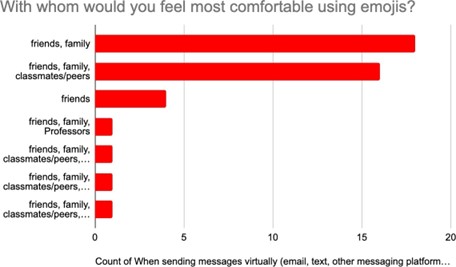
Emojis and abbreviations are more common in informal settings and less in professional contexts. Frequency of communication and level of familiarity also influence language choice, with increased informal language aligning with an increase in familiarity. Our findings suggest that non-verbal cues such as body language and eye contact allow for easier communication because they create a “live feedback loop,” a term used by several interviewees. A “live feedback loop” occurs when one concentrates on another’s non-verbal cues during an interaction as a signal for understanding their unspoken thoughts and general disposition. This represents a certain level of intuitiveness and a strong attention to detail. In online communication, where non-verbal cues are absent, looking for these cues in word choice. Individuals tend to carefully proofread emails, especially those addressed to professors. In time-sensitive scenarios, certain interviewees default to casual language, while others prefer formal expressions. Additionally, the flexibility to switch between formal and informal language within the same conversation is deemed appropriate depending on the context and relationship with the interlocutor.

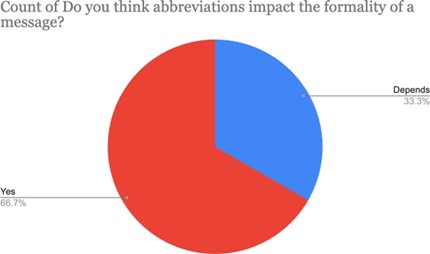
We hypothesized that UCLA students adjust the formality of their linguistic patterns when interacting with individuals of superior authority, such as older individuals or those in higher positions. Our findings indicated that people tend to mirror the communication habits of those they engage with, adjusting their level of formality based on context and relationship dynamics. In professional or educational settings, where a higher degree of formality is expected, individuals typically employ formal language. In casual conversations or on social media, a more relaxed tone is used. The utilization of emojis and abbreviations, common in informal settings, diminishes in professional contexts, reflecting the hypothesis that normative ideas of formality continue to influence linguistic behaviors.

Figure 1: Responses to survey question “Do you think abbreviations impact the formality of a message?”
Figure 2: Responses to survey question: “With whom would you feel most comfortable using emojis?”

Conclusion

In conclusion, our research on the formality of linguistic patterns in virtual communication among UCLA students and faculty reveals that individuals adapt their language based on the context, medium, and relationship with the interlocutor. The findings confirm our hypothesis that students increase the formality of their linguistic patterns when communicating with authority figures, such as older individuals or those in higher positions. Emojis and abbreviations, common in informal settings, are used less frequently in professional contexts, indicating a clear distinction in language use based on the perceived formality of the situation. The concept of a “live feedback loop” in face-to-face interactions aids in understanding and adjusting communication, a feature lacking in online exchanges, where careful word choice and proofreading become essential.

Overall, this research provides valuable insights into the dynamics of virtual communication among UCLA students, emphasizing the influence of formality and politeness in linguistic patterns. Furthermore, our results reveal the delicate cooperation and reciprocity which online communication demands from its participants. Future studies could explore the impact of cultural differences on communication styles and the evolving nature of language in the digital age.

References

Baron, Naomi S., (2012). The impact of electronically-mediated communication on language standards and style’, in Terttu Nevalainen, and Elizabeth Closs Traugott (eds), The Oxford Handbook of the History of English, Oxford Academic, 6

Lorenzo-Dus, N., & Bou-Franch, P. (2013). A Cross-Cultural Investigation of Email Communication in Peninsular Spanish and British English: The Role of (In)Formality and (In)Directness. Pragmatics and Society, 4(1), 1–25. https://doi.org/10.1075/ps.4.1.01lor

Kádár, D. Z., & Mills, S. (2011). Politeness in East Asia: Chapter 2, “Politeness and culture” Cambridge University Press

O’Reilly-Shah, V. N., Lynde, G. C., & Jabaley, C. S. (2018). Is it time to start using the emoji in biomedical literature? BMJ: British Medical Journal, 363. https://www.jstor.org/stable/26964183

Meredith, Joanne. (2020). Conversation analysis, cyberpsychology, and online interaction. Social and Personality Psychology Compass, Volume 14, Issue 5.

[/expander_maker]

, , , ,

Expressions of Love and Satisfaction in Long-Distance vs. In-Person Relationships

Shadi Shans, Eleanor Moheban, Rishika Mehta, David Saidian, Monica Sargsyann

As internet relationships become more widespread in the modern world, people are relying on creative methods to display their love digitally. The objective of this study was to investigate which of the two, online or in-person couples, enjoy a stronger sense of relationship satisfaction given the means available to communicate affection. Our target group included 20 college students who were in relationships. Emojis, FaceTime calls, voice messages, as well as physical touch, and quality time are among the linguistic and communicative norms frequently used by our target audience. In general, internet communication can be useful and provide opportunities for asynchronous interaction. However, our hypothesis, which proposed that in-person communication provides a more personalized and intimate experience, leading to greater satisfaction, was confirmed.

[expander_maker id=”1″ more=”Read more” less=”Read less”]

Introduction and Background

It is well acknowledged that effectively showing affection to one’s partner leads to increased relationship satisfaction. Online and in-person relationships both rely on different resources to communicate their love for their partner. Some findings suggest that frequent internet communication cannot accurately predict the quality of a relationship due to its limitations such as misinterpretation, and lack of meaningful conversation. Conversely, face-to-face couples predict greater satisfaction, suggesting that engaging in meaningful experiences in person fosters connection in a relationship, (Lee, 2011, pg. 378). Another study by Kaitlyn Goldsmith suggested that long-distance couples use more diverse, and frequent methods of communication on text, but geographically close relationships report greater satisfaction, due to physical proximity ensuring fulfilling interpersonal interactions, (Goldsmith, 2020, pg. 300). Individuals may now enter long-distance relationships more easily thanks to technological advancements. These online partnerships rely on internet technologies such as Facetime and texting to communicate their affection. On the other hand, physical touch and quality time are the most frequently utilized resources used to express love to one’s partner in person. Through the distribution of questionnaires and two interviews with college couples, it was discovered that most couples felt that communicating affection in person allowed them to strengthen their relationship satisfaction. Yet, it was shown that long-distance relationships can still be reasonably fulfilling, only if resources like Facetime call emojis are utilized.

Methods

We administered a survey online to 20 college students, 19 males and 1 female, aged between 18-25 years old. The students were from any local university in California, 10 being in a long-distance relationship, 10 being in an in-person one. The survey included questions about basic demographic information, relationship satisfaction measures, the methods of communication that long-distance couples used to compensate for lack of physical touch, and the most common forms of communication for in-person relationships. There were also questions about the frequency of resources such as phone calls, text messages, and Facetime. The participants in virtual relationships were asked to send optional screenshots of the text messages, to show examples of certain emojis or words used that may increase love or relationship satisfaction. The results of the participants were statistically analyzed after a week, and the survey was followed up with more concrete interviews of two of the participants, one being in a long-distance relationship, the other in an in-person one. The participants were both 19-year-old females dating their significant other for over a year. The semi-structured interview was conducted on Zoom, and lasted around 12 minutes. The interview guide was developed based on results that required further analysis from the survey. The interview guide consisted of questions asking the long-distance couples about how often they feel fulfilled in their relationships, despite the challenges of long-distance such as lack of physical closeness, shared experiences, and communication difficulties during conflict. They were also asked about the means of communication they employed to compensate for lack of quality time. The in-person relationships were asked more in-depth questions about how often they express appreciation, gratitude, and love to their partner in person, and how it impacts their relationship satisfaction.

Results and Analysis

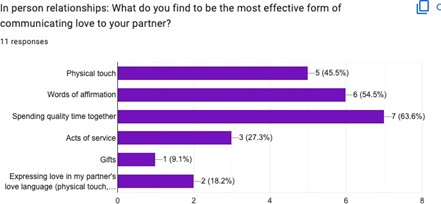
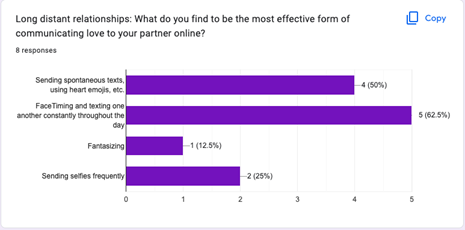
Upon review of the results of our data sampling, where women made up 60% of the sample, 90% of subjects identified as heterosexual, while one identified as bisexual. The sample was evenly divided with 50% long-distance partners and 50% in-person couples. 37.5% of participants dated their significant other for longer than a year. Facetime emerged as the most preferred method of contact for long-distance relationships, as well as the most efficient. In-person couples found quality time to be the most effective form of expressing love to their partner. Emoji-filled text messages, voice note messages, and FaceTime calls were used in long-distance relationships to compensate for the absence of physical contact. 76.9% of face-to-face relationships reported using Facetime once a day. Contradictorily, the long-distance couples used Facetime multiple times a day. They discovered that the best way to express their affection to their partners was through Facetime and constant texting throughout the day. Long-distance relationships are, on the whole, “somewhat satisfied” with their relationships. In contrast, our findings suggest that in-person relationships are highly satisfied, as Lee anticipated in her study, owing to the capacity to engage in meaningful in-person encounters. (Lee, 2011, pg. 378). Among analysis of the interview participants, it was revealed that the long-distance couples utilized Facetime and voice notes on text messages as a way to engage in deep and meaningful interpersonal conversation, whereas the in-person couples primarily utilized Facetime, and text messages to stay informed about their partners’ activities. The long-distance partner articulated that quality of communication is more valuable than the frequency, noting that having one in-depth conversation on Facetime is more efficacious than timing multiple times a day for a short period of time. The long-distance partner reported conflict in their relationship, conveying that the lack of quality time led to a sense of longing for physical touch, leading to arguments about trivial issues. The in-person partner reported that relationship satisfaction was greatest when the couple traveled together and shared enjoyable and meaningful experiences, and explained that online methods of communication were not as correlated to relationship satisfaction. Overall, the in-person partner felt increased levels of satisfaction, as the long-distance relationship wished there were more creative ways to maintain love and connection with their partner, even from a distance.

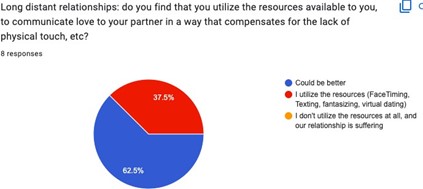
Figure 1: Results from Question 7
Figure 2: Results from Question 8
Figure 3: Results from Question 12

Discussion and Conclusions

Our study allowed us to explore what factors, and resources predict positive, or negative relationship satisfaction in both in-person and long-distance relationships. Our study illuminates the importance of addressing these individual preferences, and suggests that physical closeness, and intimacy are key components of feeling fulfilled, and satisfied in a relationship. Overall, our results benefit platform creators, as well as mental health counselors because it allows them to be aware of the areas that long-distance couples may need accommodation and find ways to increase their satisfaction. Our results highlight how necessary it is for technology creators and mental health professionals to develop effective strategies in order to ensure long-distance couples are as satisfied as in-person couples. In an article by Ann Kegley, it was mentioned that interventions from platform creators are necessary to enhance the closeness of long-distance relationships such as online date ideas including virtual escape rooms, or even services that offer personalized gift packages, that can allow couples to feel just as connected as in-person couples, regardless of the distance, (Kegley, 2018, pg. 379-381). Additionally, our results provide insight to counselors who can create intervention methods that address the complicated obstacles that come with expressing love in a distance. Psychologists may help their clients have realistic expectations, while also enabling them to brainstorm unique methods of online communication that can promote love and bond. Goldsmith suggests in a Maintaining Long Distance Relationships study, that therapists can intervene by developing a treatment focusing specifically on conflict resolution, using the principles of emotionally focused therapy to allow clients to be aware of their attachment styles, helping long-distance couples develop activities to foster a strong sense of commitment with their partner, (Goldsmith, 2020, pg.340-346). There should be further studies that address the long-term effects of long-distance and in-person relationships, and whether or not physical closeness increases the overall duration of a relationship, while exploring these patterns across various different genders, ages, and geographical locations.

References

Goldsmith, K., & Byers, E. S. (2020). Maintaining long-distance relationships: Comparison to geographically close relationships. Sexual & Relationship Therapy, 35(3), 338–361. https://doi.org/10.1080/14681994.2019.1645549https://doi-org.libdb.smc.edu/10.1080/14681994.2 018.1527027.

Kegley, J. A. (2018). Royce on self and relationships: Speaking to the digital and texting self of today. The Journal of Speculative Philosophy, 32(2), 285-303.

https://doi.org/10.5325/jspecphil.32.2.0285

Lee, P. S. N., Leung, L., Lo, V., Xiong, C., & Wu, T. (2011). Internet Communication Versus Face-to-face Interaction in Quality of Life. Social Indicators Research, 100 (3), 375–389. http://www.jstor.org/stable/41476404

 [/expander_maker]

, , , , ,

Love Across Cultures: A Comparative Study of Verbal and Nonverbal Communication of Affection in Text Messages Among American and East Asian College Students

Yoonhye Kim, Yuka Tanaka, Asaka Minami, Eugene Jo, Zivana Ongko

Have you ever wondered why a simple text message can be interpreted differently by people from different cultures? We were curious about how cultural differences affect communication in romantic relationships and identify the causes of miscommunication among people from different cultural backgrounds. This study compares how college students from East Asian and American cultures express love through text messages and explores the cultural factors that contribute to these differences. The study surveyed 30 college students between 18-24 years old, consisting of 15 American students and 15 East Asian international students from China, Japan, and South Korea. Participants provided demographic information, self-reported love languages, and text message screenshots, and their language was analyzed as direct or indirect speech. Results showed that American students tend to express love through more direct language, using terms of endearment and direct declarations of love, whereas East Asian students use more indirect and implicit expressions of affection. The study highlights the cultural differences in the understanding of love and expressions of affection, shaped by norms, values, individualism, and collectivism. The findings suggest that cultural factors play a significant role in shaping linguistic expressions of love and the use of nonverbal cues in text messages.

[expander_maker id=”1″ more=”Read more” less=”Read less”]

Introduction

Love comes in many forms, and the means of communicating love vary across countries and cultures. This study aims to compare how college students from East Asian and American cultures express love through linguistic expression, specifically in text messages. The focus is on the directness of verbal expressions of affection and the contextual meaning of indirective expressions. Our research question is: “What are the differences in verbal (text) and nonverbal (emoji) communication in expressing love through text messages between college students in America and East Asian countries who have been in a romantic relationship for more than one month, and what cultural factors contribute to these differences?” We hypothesize that American students tend to express love through a more romantic language characterized by directness and expressiveness in their verbal expressions of love, whereas East Asian students may also be more hesitant to express their feelings directly (e.g., these students tend to respect cultural norms that value modesty and reserve in emotional expression). The use of nonverbal cues like emojis in text messages may be more prevalent in East Asian cultures due to their tendency to utilize an indirect style of language.

Background

Cultural differences in the understanding of love are shaped by norms, values, and expressions of love are influenced by individualism and collectivism (Kline and Zhang, 2008). American cultures are more passionate and erotic, while East Asian cultures tend to be more pragmatic. Individualistic cultures, like those found in America, tend to place a higher value on individual autonomy and self-expression, leading to a more open and expressive approach to love and relationships (Seki et al., 2002). In America, college students often use terms of endearment, pet names (e.g., sweetie, baby, babe, honey), and direct declarations of love in their text messages (e.g., “I love you,” “I miss you,” “Thinking of you,” “Can’t wait to see you,” “You mean everything to me”). In contrast, the collectivist cultures of many Asian countries prioritize interdependence and social harmony, leading to a more reserved and indirect approach. Students from East Asian countries tend to express love through a pragmatic love language, using more indirect and implicit expressions, such as indirect compliments or expressions of concern (e.g., “Did you eat,” “I will pick you up,” “How’s your day”).

East Asians tend to use emojis more frequently as a subtle way to express affection or interest, rather than relying on explicit statements. (Togans et al., 2021). Additionally, East Asians were “more careful in which emojis they used in situations, being more sensitive to show their concerns for others” (Johnson, 2021). Love is represented more directly in Western cultures which emphasize sexual communication and passion, while Eastern Asian cultures emphasize care and pragmatism. Gesselman et al. ‘s (2019) study found that emojis express complex feelings with a single symbol, enhancing successful intimate relationships. Frequent use of emojis is linked to stronger interpersonal connections and facilitates emotional expression in romantic relationships (Gesselman et al., 2019).

Methods

We aim to conduct a study on 30 college students between the ages of 18 and 24, comprising 15 American students and 15 East Asian international students from China, Japan, and South Korea. Our research will examine how these two groups differ in their use of verbal language, with regard to directness, as well as the use of emojis, in expressing affection through text messages. American students tend to express their emotions using direct language like “I love you” or “I miss you,” whereas East Asian students tend to use implicit expressions of affection like “Did you eat?” or “You must be tired today” and more emojis to convey their concern for their partner. Participants will complete a Google Form, providing demographic information and self-reported love languages used in text messages with their partners. They will have the option to submit text message screenshots and participate in a follow-up interview to give more context about their mood and situation when sending specific messages. We will inform participants that their responses will remain anonymous, and they can select the text message segments they wish to share, as well as delete or hide particular segments of their screenshots. For analysis purposes, we’ll sort the Google Form responses into two groups: American and East Asian students, then analyze their language to categorize it as direct or indirect speech. We had difficulty finding previous studies that offer clear-cut criteria for distinguishing between direct and indirect expressions of affection in verbal communication, so we developed our own. We define direct expressions of affection as those that convey affection even when the words are taken as they are, such as “I love you” or “I care about you,” while indirective expressions of affection are those that are less explicit in their phrasing yet manage to convey feelings of love through their tone or context, such as “Are you eating and sleeping well?”

Results and Analysis

Utilizing the data from our survey, we were able to generate the following figures that summarize results to key questions.

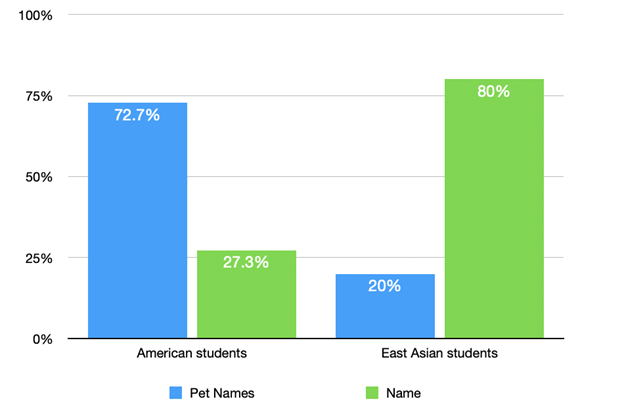
Figure 1: What do you call your partner?

As seen in Figure 1, about 72.7 % of American students tend to use direct language and terms of endearment like “baby” or “sweetie,” while 80% of East Asian students use names to refer to their partners rather than pet names. Cultural differences can be observed in the way people refer to their partners, as evident from the varying practices between American and East Asian students.

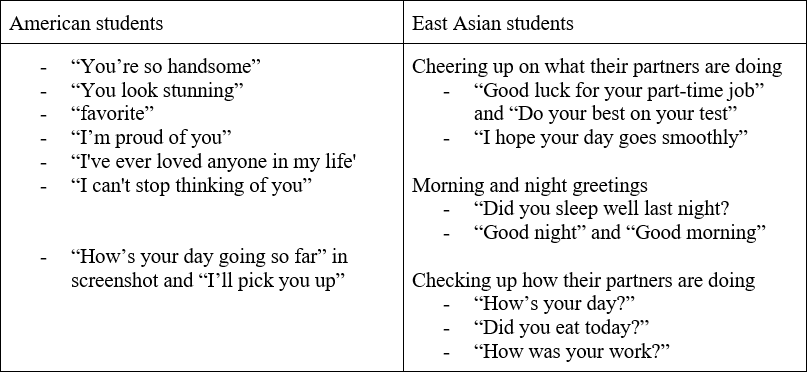
Figure 2: Verbal expressions used by American students vs. East Asian students

Using Figure 2’s data, we analyzed direct and indirect expressions of love in caring for one’s partner, and found that both groups show care and concern, albeit with different approaches. While Americans tend to use more explicit direct language, as we anticipated, such as expressing their love and thoughts toward their partners through direct compliments, Asians tend to use more indirect language, such as offering encouragement, sending morning and night greetings, and checking on their partners’ well-being daily. Interestingly, however, the expressions “I love you” and “I miss you” are frequently present in both American and Asian cultures. Additionally, Americans tend to employ more direct language, such as “looking forward to meeting you soon,” while Asians tend to use more indirect language, such as “I want the weekend to come already.” The use of different subjects in their messages also accentuates the contrast in directness. 

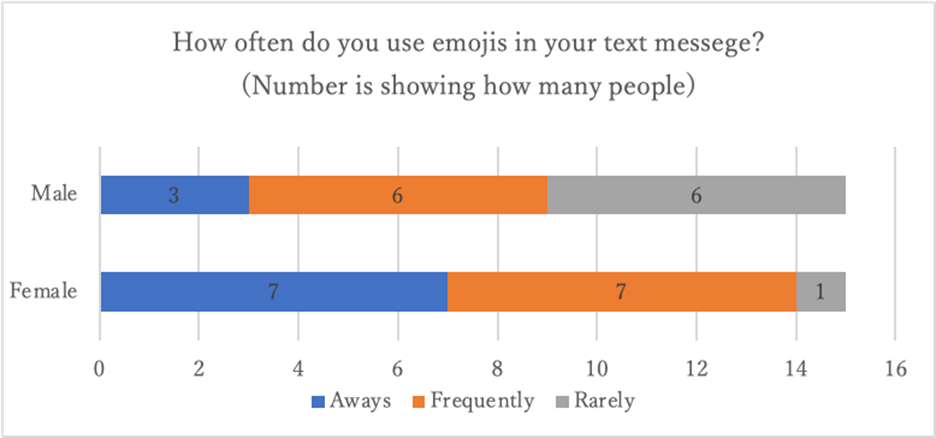
Figure 3: How often do you use emojis in your text message? (The chart displays the numerical values that correspond to the quantity of individuals)

Lastly, we examined the differences in emoji usage between East Asian and American students, and the results were unexpected. Contrary to our initial hypothesis, cultural background had little effect on emoji usage, while gender and personality traits had more dominant factors. Additionally, we analyzed the use of emojis by gender, and Figure 3 illustrates that females used emojis more frequently and explicitly, often with a literal heart, while males used heart emojis combined with other images, such as 😍 and 😘. Interestingly, despite their tendency to use indirect verbal language, Asian students were not hesitant to use direct emojis like ❤️or 🫶to express love.

Discussion and Conclusions

The present study sheds light on the cultural differences in the expression of romantic love between American and East Asian students. Our results confirm that American students tend to use more direct language and pet names when referring to their partners, reflecting the culture’s emphasis on individualism and direct communication. These expressions allow individuals to convey their personal feelings and affection directly. Interestingly, both groups frequently use the expressions “I love you” and “I miss you,” indicating that these phrases hold universal significance in expressing romantic love. We also found that American students tend to employ more explicit direct language, while East Asian students use more indirect language, such as offering encouragement and checking on their partners’ well-being daily. In contrast to our initial hypothesis, we found that cultural background had little effect on emoji usage, while gender and personality traits had a bigger impact on the use of emoji.

Moreover, our study highlights the seeming balance of indirectness with words and more direct emojis used by East Asian students, challenging the common stereotype of East Asians as being overly indirect in communication. While it is challenging to draw a definitive conclusion, we have proposed several possible explanations for this phenomenon based on cultural and linguistic factors. Indirectness is often considered polite in East Asian cultures, while emojis can effectively convey emotions and meanings that are difficult to express in words. Even shy individuals may use emojis to express their affection and maintain a balance of love in text conversations. Understanding the nuances of both direct and indirect expressions of affection can help bridge communication gaps in these situations. The practical implications of this research extend to education and counseling, providing strategies to support students from diverse cultural backgrounds in their relationships.

References

Caldwell-Harris, Kronrod, A., & Yang, J. (2013). Do More, Say Less: Saying “I Love You” in Chinese and American Cultures. Intercultural Pragmatics, 10(1), 41–69. https://doi.org/10.1515/ip-2013-0002

Gesselman, Ta, V. P., & Garcia, J. R. (2019). Worth a thousand interpersonal words: Emoji as affective signals for relationship-oriented digital communication. PLoS ONE, 14(8), e0221297–e0221297. https://doi.org/10.1371/journal.pone.0221297

Johnson, C. (2021, November 2). New research shows that where we come from can influence our use of Emojis. Miami University. Retrieved February 16, 2023, from https://miamioh.edu/news/2021/11/new-research-shows-that-where-we-come-from-can-influence-our-use-of-emojis.html

Kline, Horton, B., & Zhang, S. (2008). Communicating love: Comparisons between American and East Asian university students. International Journal of Intercultural Relations, 32(3), 200–214. https://doi.org/10.1016/j.ijintrel.2008.01.006

Laursen, Furman, W., & Mooney, K. S. (2006). Predicting Interpersonal Competence and Self-Worth From Adolescent Relationships and Relationship Networks: Variable-Centered and Person-Centered Perspectives. Merrill-Palmer Quarterly, 52(3), 572–600. https://doi.org/10.1353/mpq.2006.0030

SEDIKIDES, OLIVER, M. B., & CAMPBELL, W. K. (1994). Perceived benefits and costs of romantic relationships for women and men: Implications for exchange theory. Personal Relationships, 1(1), 5–21. https://doi.org/10.1111/j.1475-6811.1994.tb00052.x

Seki, Matsumoto, D., & Imahori, T. T. (2002). The Conceptualization and Expression of Intimacy in Japan and the United States. Journal of Cross-Cultural Psychology, 33(3), 303–319. https://doi.org/10.1177/0022022102033003006

SPRECHER, & TORO-MORN, M. (2002). A study of men and women from different sides of Earth to determine if men are from Mars and women are from Venus in their beliefs about love and romantic relationships. Sex Roles, 46(5-6), 131–147. https://doi.org/10.1023/A:1019780801500

Togans, Holtgraves, T., Kwon, G., & Morales Zelaya, T. E. (2021). Digitally saving face: An experimental investigation of cross-cultural differences in the use of emoticons and emoji. Journal of Pragmatics, 186, 277–288. https://doi.org/10.1016/j.pragma.2021.09.016

Wilkins, & Gareis, E. (2006). Emotion expression and the locution “I love you”: A cross-cultural study. International Journal of Intercultural Relations, 30(1), 51–75. https://doi.org/10.1016/j.ijintrel.2005.07.003

 [/expander_maker]

, , , , ,

Why it’s Really Not You, It’s Them. Hook Up Culture, Explained

Have you ever wondered why participants of hook-up culture have a hard time communicating with one another? Whether it’s differences in intentions or the usage of different communication styles, it’s likely that they’re not on the same page. As a result of our extensive research, this paper will highlight the reality of hook-up culture and the big question that haunts the community: How do participants of hook-up culture communicate differently than the ingrained standards we see within long-term relationships? Our hypothesis specifically focused on the idea that communication within hook-up culture will differ between genders and communication styles, ultimately creating a larger gap between methods of communication in short-term and long-term relationships. With the help of our studies, we were able to identify the use of code-switching through emojis and slang, common communication themes (vernaculars and communicative traits), and overall motivations! Overall, we hope to help many be able to overcome communication barriers within hook-up culture in order to see some healthy change within our social dynamics and communication!

[expander_maker id=”1″ more=”Read more” less=”Read less”]

Introduction and Background

The goal of our paper was to research the intricacies of a prevalent communication topic in our generation: “hook-up culture”. More specifically, we chose to focus on the motivations behind each gender’s experiences or participation in hook-up culture, ultimately allowing us to analyze the different communication patterns exhibited as well. Hook-ups within “hook-up culture” are defined as, “… activities [that] may include a wide range of sexual behaviors, such as kissing, oral sex, and penetrative intercourse …. these encounters often transpire without any promise of, or desire for, a more traditional romantic relationship…” (Garcia/Merriwether, 2012).  With this definition, the rise of hookup culture is then marked by the phenomenon of, “…increasingly normative among adolescents in North America, representing a marked shift in openness and uncommitted sex…” (Garcia/Merriwether, 2012). As a result, our research was conducted on the basis that hook-up culture is prevalent within our society. However, given the constraints of our research project, we had research gaps that prevented us from reaching further conclusions, including the short amount of time we had to conduct our research (given more time we would research a larger group). Another limitation was due to the lack of empirical research on hook-up culture due to the prominence of the topic only flourishing within this past decade.

Our last limitation came as a result of the demographic in which we focused on. Obviously, our demographic was catered to college students, but there may be different results if our demographic was different– so that most definitely should be noted. However, our research, as shown throughout this blog post, will illustrate that our hypothesis is mostly supported by our conducted research. Our research highlights different modes of communication, varying personal intentions, and the popularity of hook-up culture amongst college-aged students.

Methods

Within our method, we looked at different sources of information such as scholarly articles, scholarly speeches (TedTalk), and our own research conducted through the usage of Google Forms. Our scholarly references ranged from communicating commitment in a romantic relationship to communication in the modern hook-up culture, but we made sure to organize an array of valuable sources that would not only prove our hypothesis but also explain our results within our conducted survey. We distributed a survey (through GroupMe chats, Instagram stories, and professors showcasing it at the beginning of class) to our wide demographic of students at UCLA who have knowledge or a basic understanding of hook-up culture, ultimately granting us valuable responses that could help us with our research on how communication differs within hook-up culture through studying gender imbalances/differences in viewpoints and styles. Through our survey, we politely asked our respondents to share their experiences with hook-up culture and answer our specific questions to the best of their abilities. Additionally, there were no incentives and we made sure to inform them that their responses would be anonymous and removable at any point in time. We asked 10 specific questions in connection to our research and our own personal wonderings alongside an entry method for attachments of physical experiences with hook-up culture. Some examples of our questions were: check off boxes of emojis you’ve used when communicating with a prospective partner or how to communicate your intentions to a prospective partner, therefore giving us a deep understanding and a specific answer to the ideas that our research would mention but not specifically answer for us. Within our research, we analyzed communication styles such as emojis or slang, collective gender differences within communication patterns and beliefs, and overall values within personal communication styles and methods such as direct vs. passive communication. For more information on our exact survey, here is a direct link to it: https://forms.gle/cGUqi9sAmSsGQoNX8.   

Results and Analysis

In summary, our hypothesis focused on how romantic communication differs between types of connections/relationships (hook-up partners vs long-term relationships), and how each gender engaged with each category differently. Through our extensive research methods, we found that there were factual differences between male and female ideologies. For example, there were similarities within our target audience such as age, education status, and lifestyles – which played a role in the situations these individuals would imagine and partake in throughout their experiences with or without hook-up culture. Our respondents were 50% male and 50% female, mostly aged at 21 to 23 years old by 87.5%. Now, the differences range from gender perceptions/mindset, communication styles, and personal values/needs.

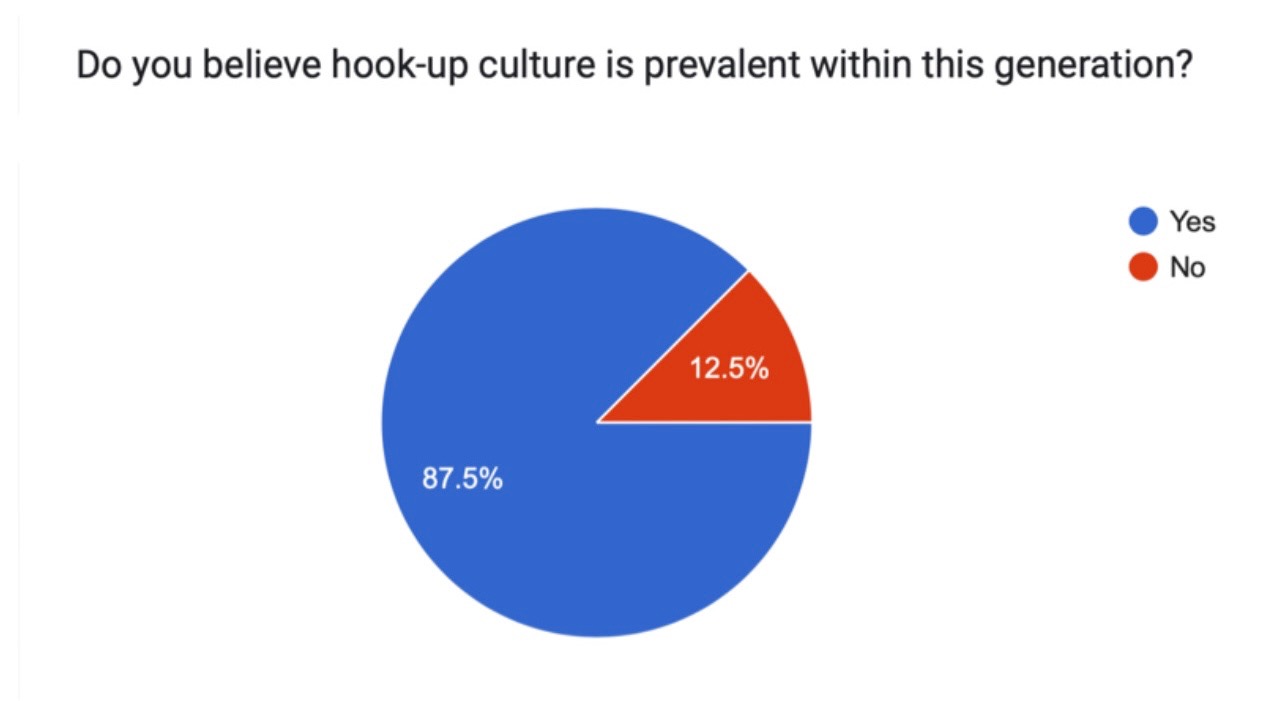
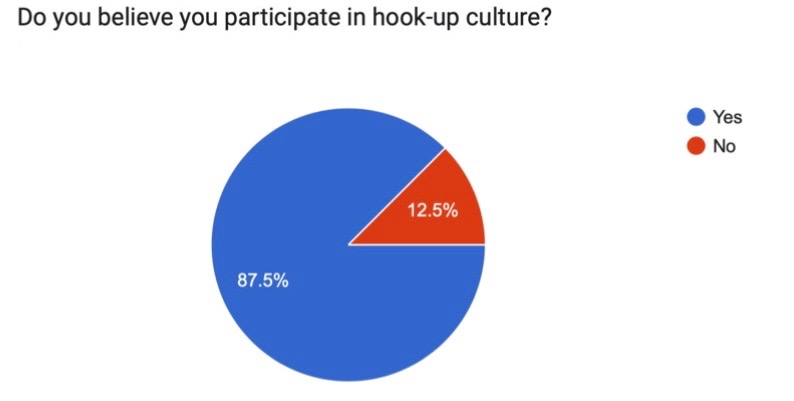
Our survey questions were able to support our hypothesis. For further context, here are some of the most important pieces of information gained from our studies. When asked about hook-up culture in our generation and if they (respondents) participate in hook-up culture, 87.5% answered yes (Figures 1 and 2). 

Figure 1: Do you believe hook-up culture is prevalent within this generation?
Figure 2: Do you believe you participate in hookup culture?

With most of our respondents knowing about or experiencing hook-up culture, the results of our survey would most definitely help us understand the reality of hookup-culture whether it proved or disproved our hypothesis. Now, our questions became more specific in order to curate a representative sample of patterns within hook-up culture. Furthermore, these two questions below provided the most valuable information within our survey research.

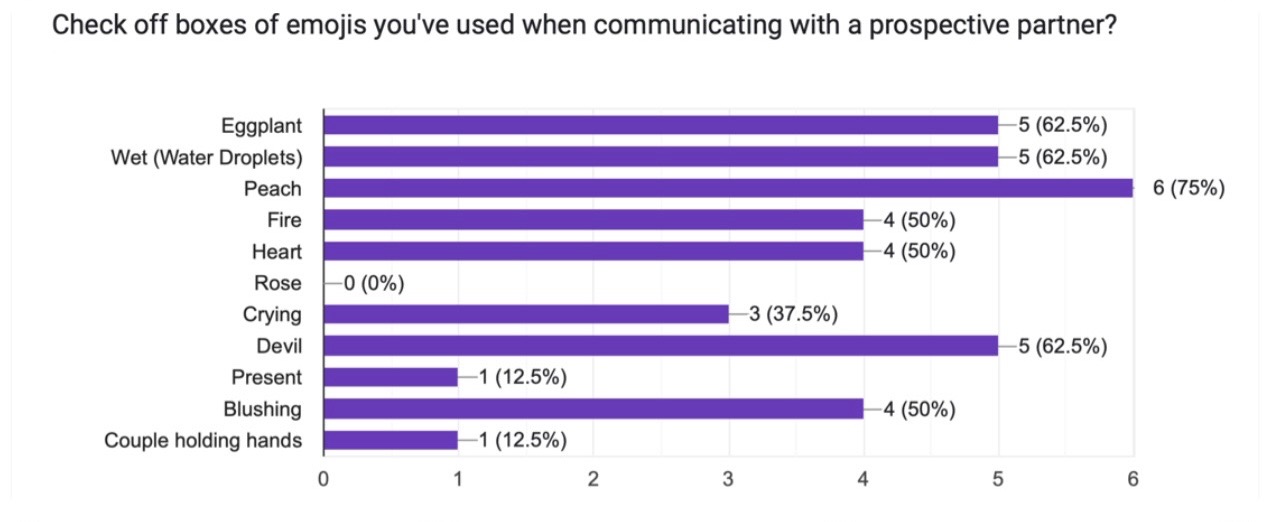
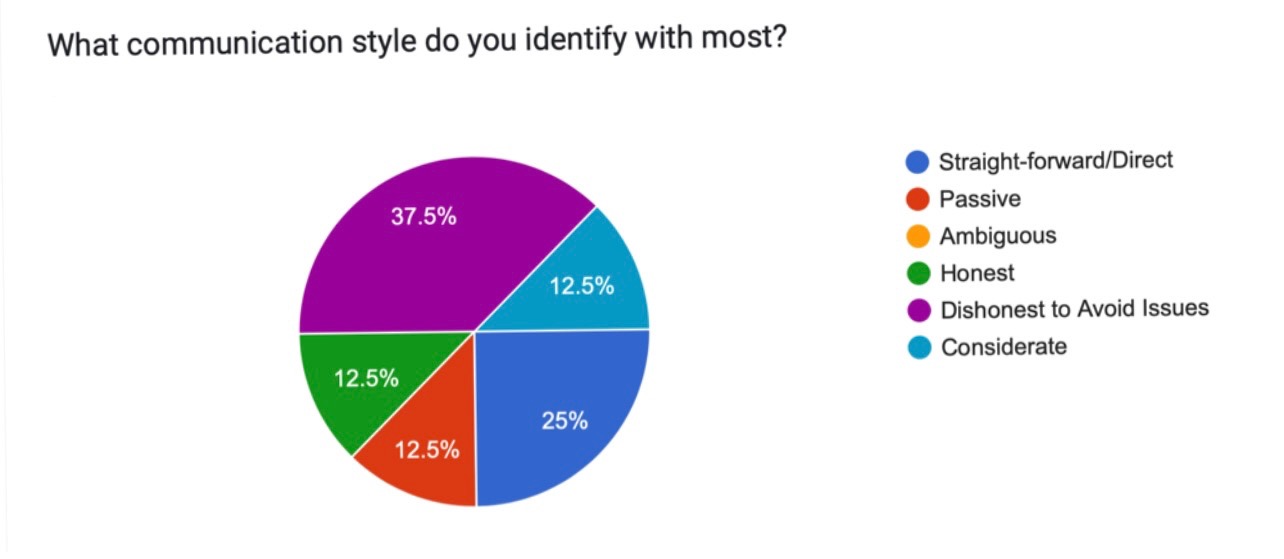
Within our hypothesis, we predicted that there would be a difference between communication styles and methods. So, with our own experience with hook-up culture, and our learnings from Amanda N. Gesselmen’s research article on “Emoji as affective signals for relationship-oriented digital communication”, we were able to create our question about the influence of emojis on romantic communication and how different ones convey different meanings (casual hook-up vs long-term love). As can be seen, a majority of respondents affiliated with emojis were deemed to be used for “sexting” within hook-up culture communication (Figure 3). For further support, on our side, we can see that most of our respondents that used those emojis are also the same individuals who announced their participation in hook-up culture as well. Next, Figure 4 provided us with the different communication styles we noted through romantic communication in general, but we mentally sorted them into different categories that would analyze different perspectives. For example, those who answered that their communication style was direct and dishonest were usually men (remember: one can be directly dishonest– they are not mutually exclusive). On the other hand, those who answered that their communication style was more honest, considerate, and passive were women. Through these results, we were able to see that there IS a difference of communication styles between genders AND relationship/partner status (hook-up vs long-term). Furthermore, we were able to conclude that men’s expectations are more short-term and casual while female expectations are more long-term and exclusive, ultimately impacting their different communication styles that portray most men as direct, dishonest, dominant, selfish, and confident while portraying most women as passive, considerate, committed, and honest.

Figure 3: Emojis used when communicating with a prospective partner
Figure 4: Communication styles of survey respondents

Discussion and Conclusions

As discussed at the beginning of the paper, ‘hook-up culture’ has gained high levels of popularity, and more recently amongst younger generations. With influential communication-based platforms and media, such as TikTok, “…. popular culture is simultaneously representing aspects of actual contemporary sexual behavior and providing sexual scripts for emerging adults…”, which has potentially played a role in why we concluded the results from our research as we did (Garcia / Merriwether, 2012). Our results suggest a few common themes within the communication patterns of ‘hookup culture’. As seen in the data above, our results suggest that there is a correlation between men’s motivations for just wanting to participate in casual sexual intercourse, whereas women want to participate in sexual intercourse more so in the pursuit of a serious partner, thus suggesting genders do in fact have different motivations when participating in hookup culture. Additionally, our results show a form of ‘code-switching’ that occurs when individuals use emojis and slang to communicate within hook-up culture. Furthermore, code-switching is defined as, “…the practice of selecting or altering linguistic elements so as to contextualize talk in interaction…”, which we see has occurred when individuals interchanged emoji’s arbitrary meanings with more sexual notions only in the context of hook-up culture communication (Nilep, 2006).  Additionally, we saw that the most popular ages amongst participants who take part in hookup culture range from 21-23. Given these results, and the inferences we’ve made from our research, our paper concludes that communication with hookup culture has a unique nature to it that involves various tactics in order to achieve that ‘hook-up goal’, and that there are many mechanical and analytical parts involved in the motivations behind hook up culture. However, depending on who you are, it’s highly likely that if you aren’t achieving that dream ‘hook up’ it really isn’t you, it’s them.

References

Ackerman, J. M., Griskevicius, V., & Li, N. P. (2009). Let’s get serious: Communicating commitment in romantic relationships. PsycEXTRA Dataset. https://doi.org/10.1037/e615882011-144

Garcia, J. R., Reiber, C., Massey, S. G., & Merriwether, A. M. (2012). Sexual Hookup Culture: A Review. Review of General Psychology, 16(2), 161–176. https://doi.org/10.1037/a0027911

Gesselman, A. N., Ta, V. P., & Garcia, J. R. (2019). Worth a thousand interpersonal words: Emoji as affective signals for relationship-oriented digital communication. PLOS ONE, 14(8). https://doi.org/10.1371/journal.pone.0221297

Klinger, L. (n.d.). Hookup Culture on College Campuses: Centering College Women, Communication Barriers, and Negative Outcomes. https://doi.org/https://scholarworks.gvsu.edu/csal/vol3/iss2/5/

Lundquist, J. H., & Curington, C. V. (2019). Love me Tinder, love me sweet. Contexts, 18(4), 22–27. https://doi.org/10.1177/1536504219883848

Nilep, C. (2006). “Code Switching” in Sociocultural Linguistics. Colorado Research in Linguistics, 19. https://doi.org/10.25810/hnq4-jv62

Pham, J. M. (2017). Beyond hookup culture: Current trends in the study of college student sex and where to next. Sociology Compass, 11(8). https://doi.org/10.1111/soc4.12499

Tom Tong, S., & Walther, J. B. (2010). Just say ‘‘no thanks’’: Romantic rejection in computer-mediated communication. Journal of Social and Personal Relationships, 28(4), 488–506. https://doi.org/10.1177/0265407510384895

Webb, S. (n.d.). Communication in the Modern Hookup Culture: A Literature Review. https://doi.org/https://commons.lib.jmu.edu/lexia/vol4/iss1/3/

Wood, M. (n.d.). Addressing Context with Hymes’s SPEAKING Model. https://doi.org/https://the-ofla-cardinal.org/2018/01/14/addressing-context-with-hymess-speaking-model/

Appendix

NPR Podcast – Hook-up Culture: The Unspoken Rules of Sex on College Campuses https://www.npr.org/transcripts/552582404

TedTalk – Stripping Down the Hook-up Culture: The Need for Emotional Visibility https://youtu.be/EhzOohyAZjs

 [/expander_maker]

, , , , ,
Scroll to Top