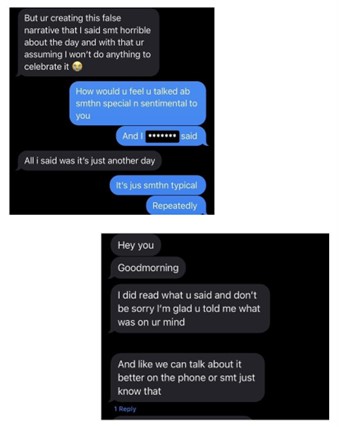
texting

In-Person vs. Digital Communication Styles Among Classmates

Megu Kondo, Devina Harminto, Yixing Wang, Yinlin Xie, Batool Al Yousif

In the rapidly evolving landscape of communication, the distinction between in-person and digital communication has become a focal point of linguistic and sociocultural studies. This project delves into the nuanced differences in language use, expression, and understanding across these two modes of communication. The purpose of this study is to investigate how individuals adapt language styles, tones, and dialects between in-person and digital communication. Additionally, our study aims to explore these preferences specifically among classmates, shedding light on the nuances of their communication choices. By examining various linguistic features such as informality, use of emojis, turn-taking, and the adaptation to the absence of non-verbal cues in digital platforms, this study illuminates how digital communication often necessitates a shift from traditional language norms observed in face-to-face interactions. We designed a survey using Google Forms for accessibility and ease of distribution and collected data from 30 college students (18-22 years old) who engage in both in-person and digital communication.

[expander_maker id=”1″ more=”Read more” less=”Read less”]

Introduction and Background

In the evolving landscape of communication, the distinction between in-person and digital interaction has become a key area of sociolinguistic study. This project investigates how language styles, expressions, and understandings are adapted between these two modes of communication, particularly among college students. The study examines linguistic features such as informality, emoji usage, and turn-taking, shedding light on the nuances of their communication choices.

Traditionally, in-person communication has been valued for its richness and immediacy. This mode allows for a wealth of non-verbal cues such as gestures, facial expressions, and tone of voice, all of which enrich the communication experience and help in accurately conveying emotions. Face-to-face interactions also foster a sense of connection and immediacy, which are often crucial for forming strong interpersonal relationships. On the other hand, digital communication offers unparalleled convenience and flexibility. Platforms like Snapchat, Instagram, and WeChat have revolutionized how we interact, making it possible to maintain relationships over long distances with ease. The digital transformation of communication has brought about significant changes in the linguistic practices of individuals, particularly young adults. The incorporation of multimedia elements such as images, videos, and emojis attempts to bridge the gap in emotional expression that the lack of physical presence creates. However, these elements, while helpful, often fall short of fully replicating the subtleties conveyed through face-to-face interactions. The gap highlights the potential for misunderstanding and the need for enhanced digital literacy in order to navigate the complexities of modern communication.

The primary focus of this study is to assess the preferences of college students (aged 18-22) who regularly engage in both in-person and digital communication. It aims to document their perceived advantages and drawbacks of each mode, particularly in terms of emotional expressiveness and the potential for misunderstandings. Additionally, the study delves into the phenomenon of code-switching — altering one’s language, tone, or style according to the communication platform — which reflects broader cultural identities and adaptability in digital spaces.

Methodology

To examine the differences in communication styles between in-person and digital interactions among college students, we conducted a thorough survey of students aged 18-22. Our methodology ensured that we collected data from a diverse and representative sample, which is critical for drawing meaningful conclusions.

The survey was created with Google Forms, leveraging its accessibility and ease of use to reach a large audience. We divided the survey into three major sections: demographics, communication preferences, and emoji usage. The demographics section gathered basic data such as age, nationality, and primary languages spoken. The communication preferences section explored the participants’ preferred modes of communication, the differences in word and phrase usage between these modes, the ease of conveying emotions, and their awareness of changing language styles or tones. The final section focused on emoji usage, asking about frequency, meanings, and emoji-related misunderstandings. We ensured a diverse participant pool by distributing the survey through social media platforms and student groups, which reached students from a variety of cultural backgrounds and academic disciplines. 
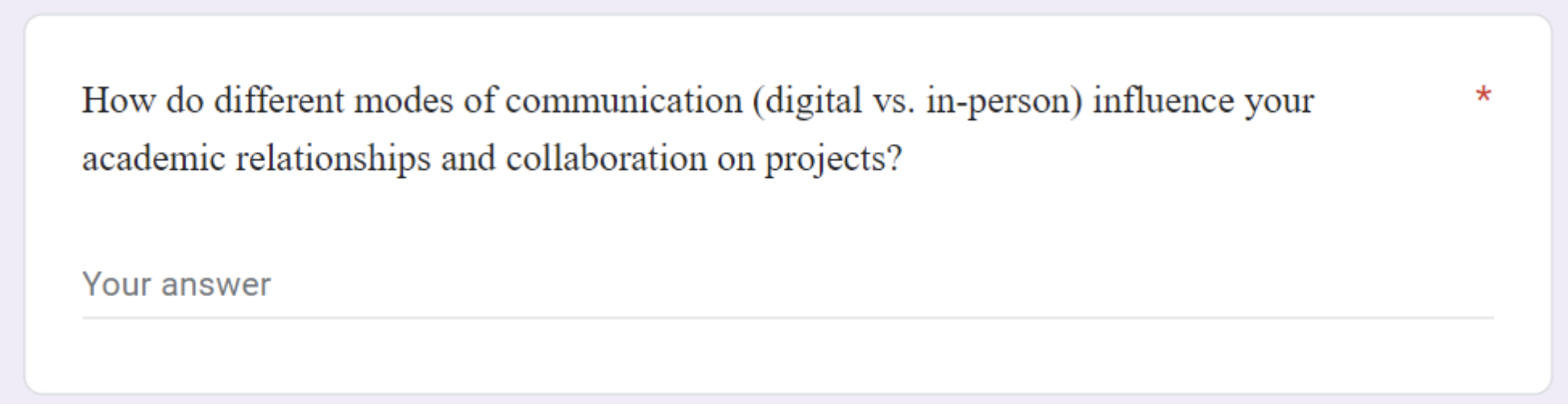
Figure 1. Example of a survey question from the section on communication preferences.

The survey responses were automatically compiled into a Google Sheets spreadsheet, allowing for efficient organization and preliminary analysis. We calculated frequencies, percentages, and averages for the quantitative data to summarize demographic information and communication preferences, giving us a clear picture of the data’s major trends and patterns. We used thematic analysis to examine qualitative data, particularly open-ended responses about emoji usage and communication preferences. This process involved coding the responses and identifying common themes, which allowed us to gain a better understanding of the participants’ experiences and perceptions. We used this methodology to gain a thorough and nuanced understanding of how college students navigate the complexities of in-person and digital communication. By analyzing both quantitative and qualitative data, we were able to identify key trends and patterns in communication styles, providing valuable insights into the changing landscape of digital communication. The use of advanced data analysis tools and rigorous thematic procedures ensured that our findings were robust and reflective of the diverse experiences within our sample. This methodology not only provided a strong framework for our research, but it also ensured that our findings were based on a diverse and representative sample, adding to the larger conversation about language use and social interaction among young adults.

Analysis and Results

We were able to attain a total of 30 participants, whose ages were between 19 to 26. Figure 2 shows that the majority of participants were Asians at 73.3%, and the other 26.7% of the participants were American. The results of the survey garnered a better understanding of how college students prefer in-person communication over online conversation.
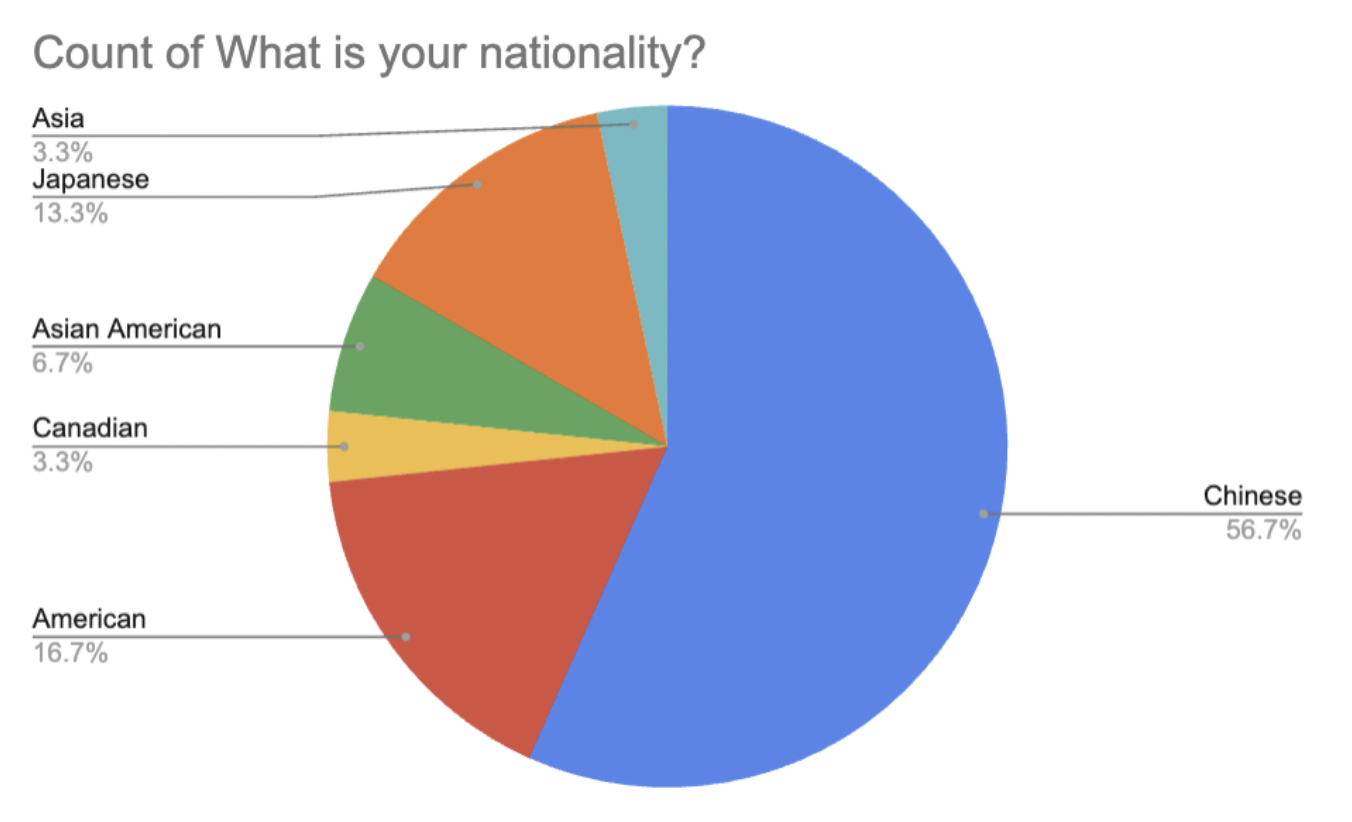
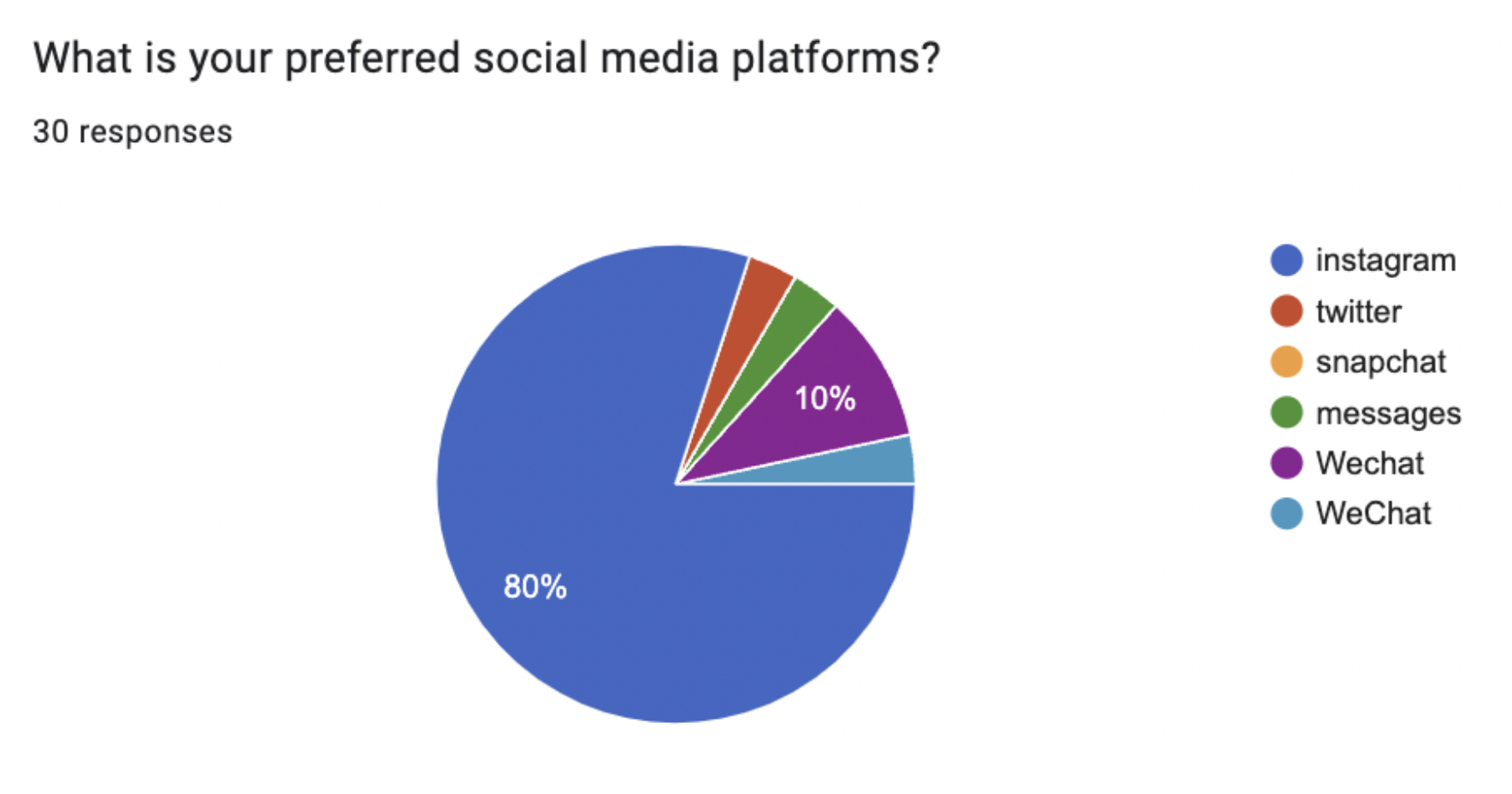
Figure 2. Chart detailing answers to the question “What is your nationality?”
Figure 3. Chart detailing the responses to the question “What are your preferred social media platforms?”

Figure 3 shows that Instagram is the most popular social media platform among college students with 80%. 24 participants use Instagram to communicate with others since Instagram is very common among the younger generation; people can post pictures and send each other direct messages. 13.3% of the participants like to use WeChat, which is because some of them are international students who can easily communicate with their friends in China through the platform.
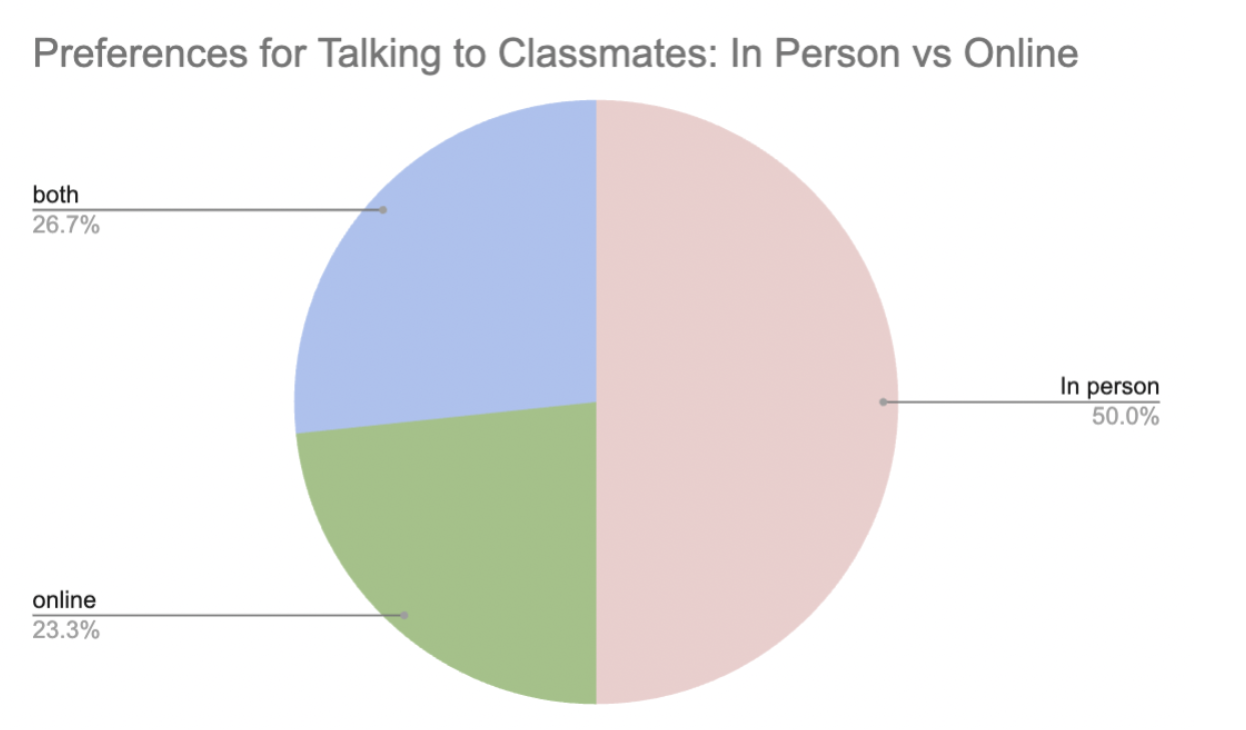
Figure 4. Chart displaying whether respondents prefer to talk to classmates online, in person, or either/both.

The data from Figure 4 shows a strong preference for in-person communication among participants, with 50% favoring this way over online interactions or a combination of both because they feel more productive communicating in person. On the other side, 23.3% prefer online communication, reflecting a significant proportion that values the convenience and accessibility of digital platforms. Meanwhile, 26.7% of participants are comfortable with both ways, suggesting a flexible communication preference that could be influenced by situational factors.
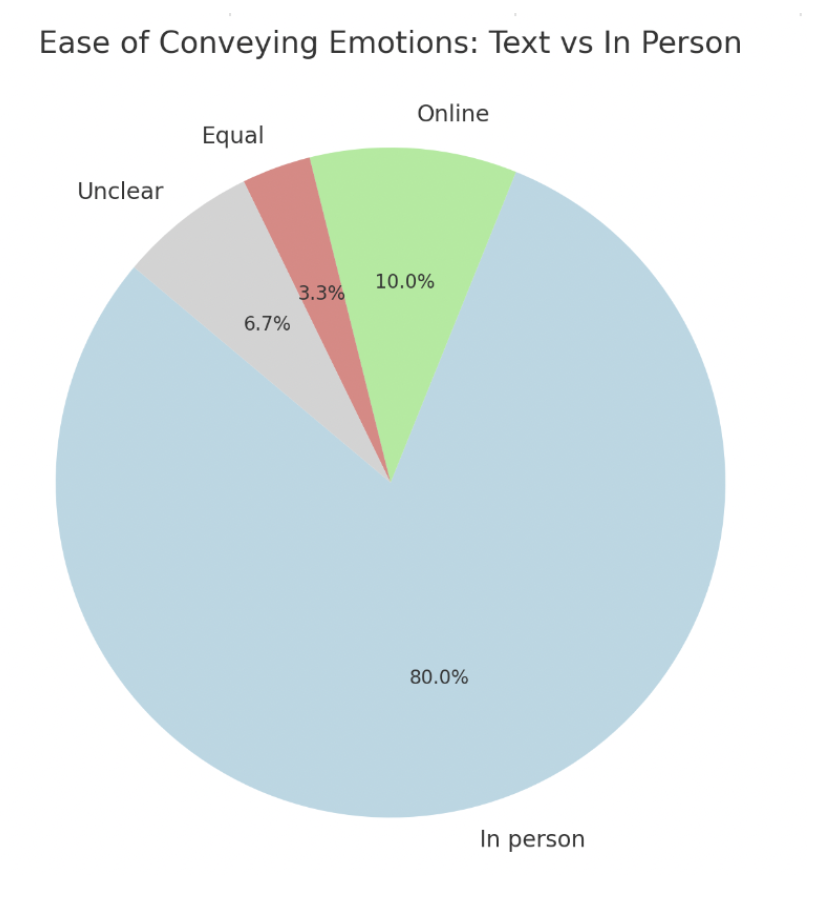
Figure 5. Chart displaying respondents’ feelings about how easy it is to convey emotion through text vs. in person.

In-person communication is generally considered to be more effective in conveying emotions than text-based communication, with 80% of respondents preferring face-to-face communication. Only 10% of respondents believe that online platforms are effective in conveying emotions, and online platforms are likely to use GIFs and emojis. This suggests that digital interactions are not perceived to be enough to express emotional states, which may lead to a lack of empathy in conversations. Face-to-face interactions remain crucial for a deeper emotional connection, underscoring the limitations of digital platforms in replicating the richness of in-person exchanges.
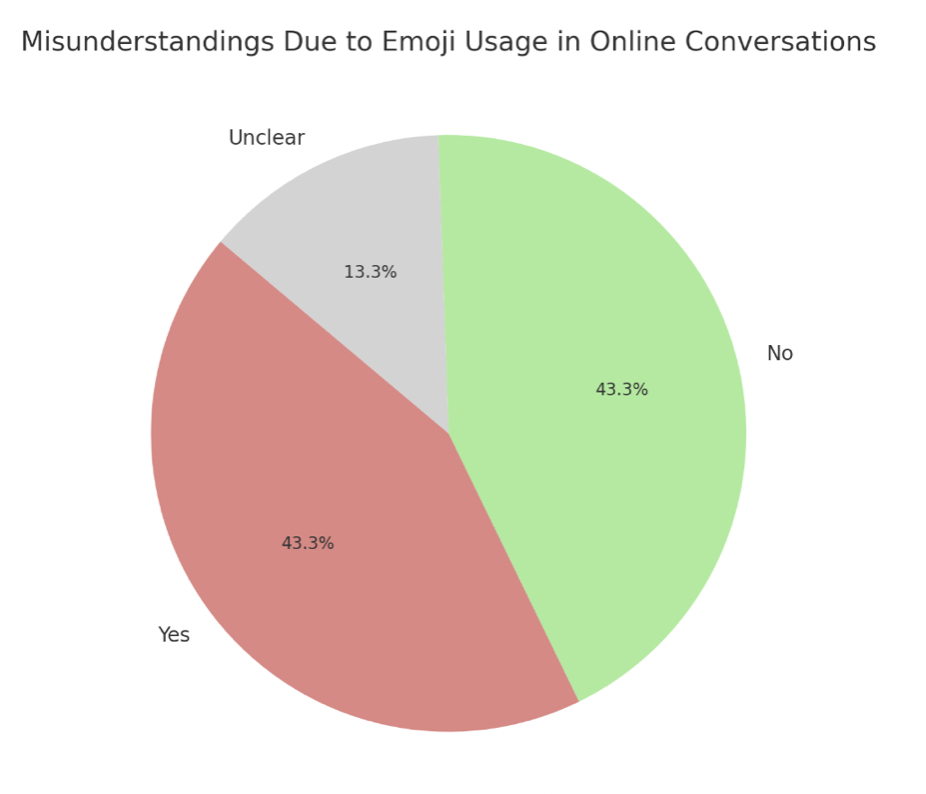
Figure 6. Chart representing whether respondents believe emojis can lead to misunderstandings.

43.3% of respondents believe that emojis can lead to misunderstandings, while the same percentage of respondents said they do not. This polarization highlights the ambiguity of emojis, which may be interpreted differently depending on individual circumstances and cultural backgrounds. The remaining 13.3% respondents were unsure of their impact. 
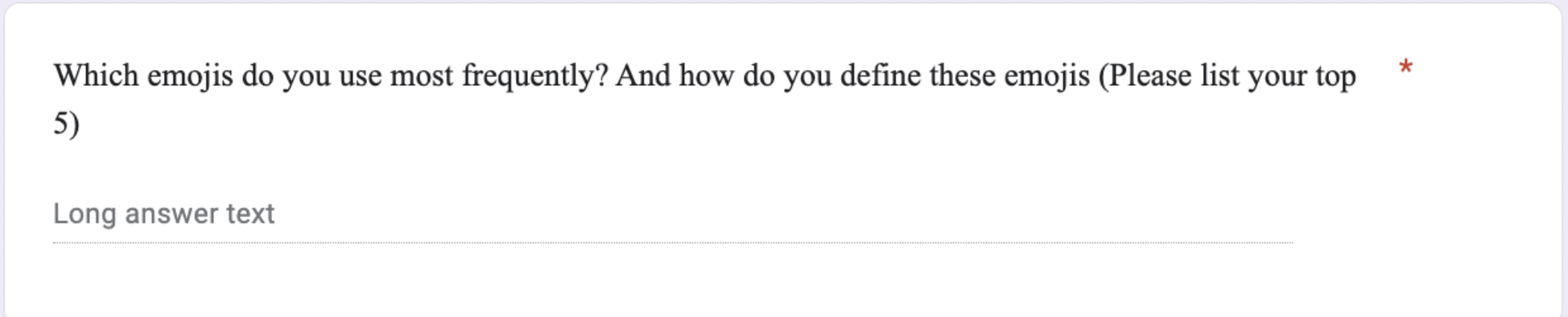
Figure 7. Question from emoji usage portion of survey.

Based on the data collected from our survey, it is evident that emoji interpretations vary significantly among users. An analysis of the responses revealed divergent interpretations of several emojis. For instance, the smiley emoji 😃, conventionally associated with happiness and positivity, was perceived by some participants as conveying creepiness. The skull emoji 💀, which typically signifies extreme laughter, frustration, or affection according to Apple’s official description, was interpreted by respondents as representing extreme fatigue or exhaustion, akin to the expression “I am so tired, I am dying.” Moreover, it was also seen as indicating laughter, albeit more intense and devoid of any undertones, compared to 😭. Notably, the 😭emoji has lead to the most misunderstanding in their online conversation compare to others. 😭, which Apple describes as depicting a face with an open mouth, wailing, and shedding streams of heavy tears, symbolizing inconsolable grief or intense emotions such as uncontrollable laughter or overwhelming joy, was commonly misinterpreted. Participants reported using it in adverse situations, with connotations such as “yikes” or “can’t believe my bad luck,” “need help,” and some even perceived it as laughter accompanied by a sense of embarrassment. The findings from our survey underscore the complexity and variability in emoji interpretations among users, which can be quite different from what they are officially meant to represent. This can sometimes lead to confusion in online conversations. It’s important to remember these differences when using emojis, suggesting a need for greater awareness of contextual differences in emoji usage to avoid misunderstandings and make sure our messages are clear.

For additional insights and nuances, the context of the communication also appears to play a critical role in the preferred mode. For instance, for quick updates or logistical arrangements, digital communication is often favored for its efficiency. However, for more complex discussions or sensitive topics, in-person interactions are preferred due to the richer, more nuanced exchange they enable. It is also worth noting that some students reported a gradual shift in their preferences towards digital communication as they adapted to the constraints imposed by recent global events such as the pandemic. This adaptation process reflects the dynamic nature of communication preferences in response to external changes.

Based on the data, the majority of college students still prefer and find it more effective to communicate in person, particularly for emotional interactions. The findings indicate that although some students recognize the advantages of online communication, most still believe that in-person contact is more beneficial, especially when it comes to expressing emotions, and students feel more productive since people can get through everything right away. This outcome contradicts our hypothesis, highlighting the complexity of communication preferences among college students. Further analysis shows that communication preferences may vary significantly based on factors like the student’s academic major, cultural background, and prior exposure to diverse communication platforms.

Discussion

Our findings contradict the idea that generation Z is used to being on online communication platforms. In the article by Janssen (2021), generation Z is often referred to as “digital natives.” They are considered the first generation to grow up entirely in the digital age, influencing their communication habits significantly. They are described as “native speakers” of the digital language of computers, video games, and the internet. Texting and instant messaging are preferred over traditional communication methods like phone calls and emails. Generation Z uses smartphones heavily for personal communication, often choosing texting or messaging apps over voice communication. Despite their preference for texting, generation Z adapts to professional communication norms. For example, they use email extensively at work, despite rarely using it in personal contexts. This indicates flexibility in their communication styles, adapting to different linguistic expectations based on context. Surprisingly, our findings are totally opposite from this perspective of generation Z.

For the limitations of the study, while our study focused on college students aged 18-22, this demographic may not fully represent the broader population’s communication preferences. The age group and educational environment might influence communication styles more specific to this demographic, such as familiarity with digital platforms or developmental aspects related to social interactions. Additionally, the study relies heavily on self-reported data, which can introduce bias. Participants might respond in ways they perceive as socially acceptable or based on their aspirational self-image rather than their actual behavior. This can affect the accuracy of data concerning preferred communication modes and the effectiveness of emoji usage in conveying emotions.

The phenomenon of code-switching, where individuals adapt their language based on the audience’s cultural and linguistic background, further illustrates the adaptability required in digital communication and highlights the ongoing evolution of language use on these platforms. “Another study conducted by Alfaifi (2013) on intrasentential CS in Facebook comments written by 10 Saudi Arabic-English bilinguals found that intrasentential CS was used with gossip and humor, English was used for academic and technical terms, and Arabic was used for religious topics” (Elhija 357). Digital communication often sees a higher incidence of code-switching, where bilingual or multilingual speakers switch between languages or dialects depending on the audience, topic, or platform. While this can showcase linguistic flexibility, it also highlights the challenges of maintaining cultural nuances in digital communication, which may not always provide the contextual cues necessary for appropriate language use. This underscores the persistent value of traditional communication methods in an increasingly digital world and suggests that digital platforms still need to evolve to support the subtleties of human emotion and expression fully.

Conclusion

Our study began with the hypothesis that college students would prefer online communication over in-person interactions, primarily due to the flexibility and reduced social anxiety that digital platforms are presumed to offer. This hypothesis was rooted in the belief that the modern digital environment, with its asynchronous communication and absence of physical presence, might alleviate the pressures associated with face-to-face interaction. The data, however, painted a different picture. Contrary to our expectations, 50% of the participants clearly preferred to communicate with their classmates in person, appreciating the depth of emotion and clarity that comes with real-time, face-to-face interactions. Only 23.3% expressed a preference for online communication. This finding suggests that despite the convenience of digital platforms, they are insufficient for fulfilling all communicative needs, especially those that involve emotional depth and nuance.

The results of our study provide a nuanced understanding of how college students navigate the complexities of digital and in-person communication. While digital platforms offer undeniable convenience and flexibility, our findings suggest that they do not fully replicate the emotional richness and immediacy of face-to-face interactions. Half of the participants expressed a preference for in-person communication, particularly valuing its effectiveness in conveying emotions — a fundamental aspect of human interaction that digital platforms have yet to fully capture. Moreover, our investigation into emoji use revealed a balanced scenario: emojis enhance textual communication by adding emotional depth, yet they also lead to misunderstandings in nearly half of the cases reported. This indicates a significant gap in how emotional nuances are perceived and understood in digital contexts. By realistically assessing these results, we acknowledge that while digital communication technologies have transformed how we connect and interact, they are not a complete substitute for in-person interactions. Instead, they are a complementary medium that requires further refinement to meet the emotional and contextual needs of users fully. Future research should focus on developing and testing new technologies that can better accommodate the complex dynamics of human communication, bridging the gap between the efficiency of digital communication and the emotional depth of face-to-face interactions. As a result, this study not only challenges previous assumptions about digital communication preferences but also enriches our understanding of how young adults toggle between digital and real-world interactions, shaping their social identities and relationships in the process.

References

Brenda Danet, Susan C. Herring, Introduction: the Multilingual Internet, Journal of Computer-Mediated Communication, Volume 9, Issue 1, 1 November 2003, JCMC9110, https://doi.org/10.1111/j.1083-6101.2003.tb00354.x.

Defede, N., Magdaraog, N. M., Thakkar, S. C., & Bizel, G. (2021). Understanding How Social Media Is Influencing the Way People Communicate: Verbally and Written. International Journal of Marketing Studies, 13(2), 1-. https://doi.org/10.5539/ijms.v13n2p1.

Ehrensberger-Dow, M., & Granger, S. (2019). “English as a Lingua Franca in Digital Communication: Diverse Voices, Similar Scripts?” Lexis Journal in English Lexicology, 14, 193-217. https://doi.org/10.4000/lexis.1831.

Elhija, D. A. (2023). Code Switching in Digital Communication. Open Journal of Modern Linguistics, 13, 355-372. https://doi.org/10.4236/ojml.2023.133021.

Psych Minds. (n.d.). Communication: Online vs. Face-to-Face Interactions. Retrieved from https://psychminds.com/communication-online-vs-face-to-face-interactions/.

Schroeder, J. (2019). Two Social Lives: How Differences Between Online and Offline Interaction Influence Social Outcomes. https://escholarship.org/content/qt94n9w8b9/qt94n9w8b9_noSplash_293949a5e051fffc8e1fdcc9ffc168c4.pdf?t=qdtezb.

Zhao, Y. (2021). The Impact of Digital Media on Language Styles and Communication Methods Based on Text, Image, and Video Forms. ResearchGate. https://www.researchgate.net/publication/378739166_The_Impact_of_Digital_Media_on_Language_Styles_and_Communication_Methods_Based_on_Text_Image_and_Video_Forms.

D. Janssen and S. Carradini, “Generation Z Workplace Communication Habits and Expectations,” in IEEE Transactions on Professional Communication, vol. 64, no. 2, pp. 137-153, June 2021, doi: 10.1109/TPC.2021.3069288.

Appendix

Our survey link: https://docs.google.com/forms/d/e/1FAIpQLScCFoDiKMbxxYVWXmxPAEwQIKfTjg8mx1qtZFL9oA55R9WpPg/viewform?usp=sf_link

[/expander_maker]
, , , , ,

Analyzing Miscommunication and Preferences in Face-to-Face vs. Texting Among College Students

Adam Bouaricha, Emily Haddad, Ryan Kimura, Usuhe Maston, Natalia Adomaitis

Reportedly, 97% of young adults aged 18 to 24 are actively engaged in texting (Smith, 2011). Central to our inquiry is exploring how college students adeptly navigate misunderstandings and mend communication breakdowns within their text-based interactions with peers, friends, and romantic partners. Specifically focusing on the demographic of college students aged 18 to 22, our study delves into the myriad factors contributing to miscommunication within this cohort. Using a comprehensive mixed-method approach, we integrate surveys with picture-based evidence for enhanced analysis. Drawing upon the framework of multimodal conversational analysis, our research endeavors to unravel the intricacies of repair mechanisms, encompassing trouble sources, repair initiation, and ensuing solutions in text-based interactions. Analysis of our diverse sample of college students unveils that critical trouble sources, such as the absence of tone and social cues, substantially influence the occurrence of misunderstandings. Participants demonstrate a keen awareness of communication breakdowns, prompting proactive engagement in repair solutions to rectify discrepancies. Through rigorous thematic analysis of survey responses, we discern prevalent patterns and adaptive strategies individuals employ to navigate the complexities of miscommunication within text-based interactions. Ultimately, this study enriches our understanding of the nuanced challenges inherent in digital communication practices among college students, contributing valuable insights to the broader discourse on effective communication in the digital age.

[expander_maker id=”1″ more=”Read more” less=”Read less”]

Introduction and Background

The main problem we wanted to investigate was what factors contribute to miscommunication in our target population of college students ages 18-22, since texting (computer mediated communication) is so prevalent in our observed demographic. Our project design observed whether college students preferred texting or live conversations (face-to-face) as a means of communication. While somewhat scarce, previous research on this topic has allowed us to form a basic understanding of miscommunication over text. Studies have shown that the lack of cues, ubiquity, and brevity of interactions during CMC provide a disadvantage compared to FTF communication. Previously, students have felt that texting has both its advantages and disadvantages, and did not indicate a strong preference for CMC or FTF (Kelly et al 2012). Another study found that emojis can serve as speech acts. Emojis possess meaning and intent behind their usage, but their ambiguity over CMC is where miscommunication arises. It was shown that senders and receivers of texts both significantly overestimate the effectiveness of an emoji in conveying meaning, which can lead to miscommunication (Holtgraves 2024). Our research aims to fill the gap left by previous research, especially because much of the research on this topic is over ten years old. We also hope to narrow the scope of such a topic, focusing on a more specific group (college students), rather than a wider range of demographics. Similarly, many studies emphasize emojis and their ability to perform speech acts (Holtgraves 2024). While we do not deny the role emojis play in communication or miscommunication, we also observed the use of acronyms and slang, as well as the lack of FTF multimodal communication such as tone, gesture, and facial expression. Our paper builds on prior research to answer why online miscommunication occurs and whether CMC or FTF is preferred amongst college students ages 18-22 when communicating.

Methods

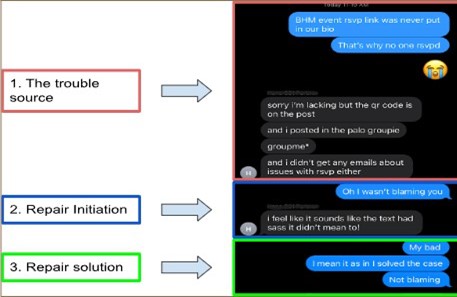
The method we used to analyze the results of our data was multimodal conversational analysis. One of the factors we mainly focused on was repair. Three components involved in analyzing repair in our data are: 1. The trouble source, or what’s causing the miscommunication, 2. Repair initiation, how the problem is being addressed, and 3. Repair solution, how do the participants solve the problem (Hoey & Kendrick, 2017). In observing instances of miscommunication from our observed community of college students ages 18-22, trouble sources such as lack of tone, social cues, body language, and other multimodal factors, contributed to miscommunication over text or as one respondent stated, “ a common issue between me and my partner is that I’m a blunt texter (no punctuation or emojis) and he’s the opposite. So my texts make him feel like I’m upset at him when in reality I’m just trying to respond as quickly as possible” (anonymous participant). While further analyzing our responses from the Google Form we sent to our participants, repair initiation typically occurred when the people involved in the conversation realized a mishap occurred. Repair solutions transpired as senders and receivers addressed what was miscommunicated and what was actually intended. As in Figure 1, an apology was used and deemed honest because one person admitted the error and explained the problem. Here is another example from our data where these three components of repair can be observed in Figure 1:

Figure 1: Example from our data of using repair in conversational analysis as researched (Hoey & Kendrick, 2017).

Results and Analysis 

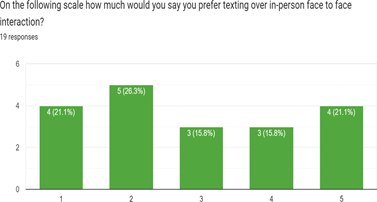
Figure 2: Responses to survey question: “How much would you say you prefer texting over in-person interaction?”
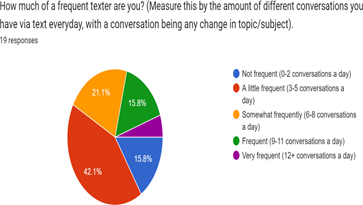
Figure 3: Responses to survey question: “How much of a frequent texter are you?”

Our sample population fit our target population, with over 50% of participants being upperclassmen with all having a variety of majors encompassing STEM, the humanities, and social sciences. Figure 2 shows that 52.6% of respondents claimed that they preferred CMC over face-to-face interaction, and figure 3 shows that 42.1% text a little frequently, with 3-5 text conversations occurring a day. All but 2 respondents had listed English as their primary language, at 89% of the responses, the two outliers had put Spanish as their primary language; however, all the examples we received from participants were wholly in English. Participants were prompted to provide an example, either as a screenshot of a CMC conversation or to type out an example. The following question asked respondents to identify the miscommunication, which allowed us to better analyze and understand how they occurred. The majority of participants listed that they were close to their communication partner in their provided example, with 57.8% of respondents identifying their partner as either a friend, significant other, or family member. However, despite this closeness and increased familiarity much of the self-identified reasons for miscommunication arose from a lack of tone, or being too blunt while writing. Some wrote that their communication “[felt] like [it] had sass”, that their blunt texting style makes their significant other believe that they’re “upset at him”, and one respondent wrote that “I can never tell if they’re being sarcastic or genuine”. Other than lack of tone, the second most common misunderstanding was simply one party not being familiar with a word/phrase/acronym being used by their conversation partner.

Discussion and Conclusions

As we examine our results, we can conclude that, based on the demonstrated sample size (initially influenced by previously conducted studies citing technological relevance in effective age groups (Hemmer, Heidi 2009), there is a noticeable preference for in-person, face-to-face communication over computer-mediated conversation. As we had begun to hypothesize how the significance of multimodality comes into play in regard to the interpretation of language through CMC, contextual research, in addition to our data, has allowed us to develop a means of identifying the conditions that allow for the total utility multimodal communication, or a lack thereof within the identified samples. We attempt to examine the aspect of repair within our use of multimodal conversation analysis; recognizing the lack of physical indicators that help to form comprehendible, precise conversations within CMC, followed up with the identification of said misinterpretation of communication acknowledged by both parties, and finally, resolution of both parties being reached upon clarification. When examining the submitted data from a phenomenological lens, we identify the occurrence of these criteria from an individual yet quantified perspective.

References

Hemmer, Heidi (2009) “Impact of Text Messaging on Communication,” Journal of Undergraduate Research at Minnesota State University, Mankato: Vol. 9, Article 5. DOI: https://doi.org/10.56816/2378-6949.1058 Available at: https://cornerstone.lib.mnsu.edu/jur/vol9/iss1/5

Hoey, E.M., & Kendrick, K.H. (2017). Conversational Analysis. Research Methods in Psycholinguistics and the Neurobiology of Language https://pure.mpg.de/rest/items/item_2328034_8/component/file_3513001/content

Holtgraves, T. (2024). Emoji, Speech Acts, and Perceived Communicative Success. Journal of Language and Social Psychology, 43(1), 83-103. https://doi.org/10.1177/0261927X231200450

Kelly, L., Keaten, J. A., Becker, B., Cole, J., Littleford, L., & Rothe, B. (2012). “It’s the american lifestyle! ”: An investigation of text messaging by college students. Qualitative Research Reports in Communication, 13(1), 1–9. https://doi.org/10.1080/17459435.2012.719203

Smith, A. (2011). How Americans Use Text Messaging. Pew Research Center: Internet, Science & Tech; Pew Research Center: Internet, Science & Tech. https://www.pewresearch.org/internet/2011/09/19/how-americans-use-text-messaging/.

[/expander_maker]
, , ,

Expressions of Love and Satisfaction in Long-Distance vs. In-Person Relationships

Shadi Shans, Eleanor Moheban, Rishika Mehta, David Saidian, Monica Sargsyann

As internet relationships become more widespread in the modern world, people are relying on creative methods to display their love digitally. The objective of this study was to investigate which of the two, online or in-person couples, enjoy a stronger sense of relationship satisfaction given the means available to communicate affection. Our target group included 20 college students who were in relationships. Emojis, FaceTime calls, voice messages, as well as physical touch, and quality time are among the linguistic and communicative norms frequently used by our target audience. In general, internet communication can be useful and provide opportunities for asynchronous interaction. However, our hypothesis, which proposed that in-person communication provides a more personalized and intimate experience, leading to greater satisfaction, was confirmed.

[expander_maker id=”1″ more=”Read more” less=”Read less”]

Introduction and Background

It is well acknowledged that effectively showing affection to one’s partner leads to increased relationship satisfaction. Online and in-person relationships both rely on different resources to communicate their love for their partner. Some findings suggest that frequent internet communication cannot accurately predict the quality of a relationship due to its limitations such as misinterpretation, and lack of meaningful conversation. Conversely, face-to-face couples predict greater satisfaction, suggesting that engaging in meaningful experiences in person fosters connection in a relationship, (Lee, 2011, pg. 378). Another study by Kaitlyn Goldsmith suggested that long-distance couples use more diverse, and frequent methods of communication on text, but geographically close relationships report greater satisfaction, due to physical proximity ensuring fulfilling interpersonal interactions, (Goldsmith, 2020, pg. 300). Individuals may now enter long-distance relationships more easily thanks to technological advancements. These online partnerships rely on internet technologies such as Facetime and texting to communicate their affection. On the other hand, physical touch and quality time are the most frequently utilized resources used to express love to one’s partner in person. Through the distribution of questionnaires and two interviews with college couples, it was discovered that most couples felt that communicating affection in person allowed them to strengthen their relationship satisfaction. Yet, it was shown that long-distance relationships can still be reasonably fulfilling, only if resources like Facetime call emojis are utilized.

Methods

We administered a survey online to 20 college students, 19 males and 1 female, aged between 18-25 years old. The students were from any local university in California, 10 being in a long-distance relationship, 10 being in an in-person one. The survey included questions about basic demographic information, relationship satisfaction measures, the methods of communication that long-distance couples used to compensate for lack of physical touch, and the most common forms of communication for in-person relationships. There were also questions about the frequency of resources such as phone calls, text messages, and Facetime. The participants in virtual relationships were asked to send optional screenshots of the text messages, to show examples of certain emojis or words used that may increase love or relationship satisfaction. The results of the participants were statistically analyzed after a week, and the survey was followed up with more concrete interviews of two of the participants, one being in a long-distance relationship, the other in an in-person one. The participants were both 19-year-old females dating their significant other for over a year. The semi-structured interview was conducted on Zoom, and lasted around 12 minutes. The interview guide was developed based on results that required further analysis from the survey. The interview guide consisted of questions asking the long-distance couples about how often they feel fulfilled in their relationships, despite the challenges of long-distance such as lack of physical closeness, shared experiences, and communication difficulties during conflict. They were also asked about the means of communication they employed to compensate for lack of quality time. The in-person relationships were asked more in-depth questions about how often they express appreciation, gratitude, and love to their partner in person, and how it impacts their relationship satisfaction.

Results and Analysis

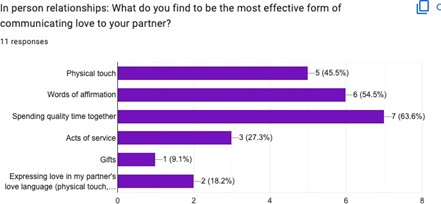
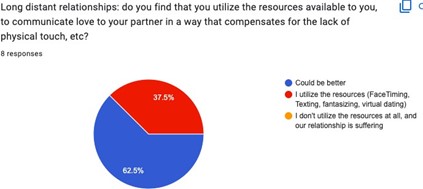
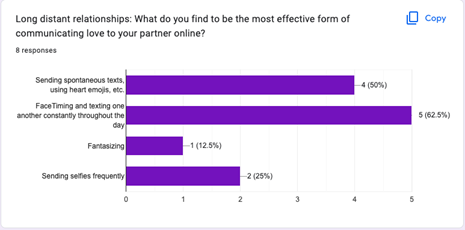
Upon review of the results of our data sampling, where women made up 60% of the sample, 90% of subjects identified as heterosexual, while one identified as bisexual. The sample was evenly divided with 50% long-distance partners and 50% in-person couples. 37.5% of participants dated their significant other for longer than a year. Facetime emerged as the most preferred method of contact for long-distance relationships, as well as the most efficient. In-person couples found quality time to be the most effective form of expressing love to their partner. Emoji-filled text messages, voice note messages, and FaceTime calls were used in long-distance relationships to compensate for the absence of physical contact. 76.9% of face-to-face relationships reported using Facetime once a day. Contradictorily, the long-distance couples used Facetime multiple times a day. They discovered that the best way to express their affection to their partners was through Facetime and constant texting throughout the day. Long-distance relationships are, on the whole, “somewhat satisfied” with their relationships. In contrast, our findings suggest that in-person relationships are highly satisfied, as Lee anticipated in her study, owing to the capacity to engage in meaningful in-person encounters. (Lee, 2011, pg. 378). Among analysis of the interview participants, it was revealed that the long-distance couples utilized Facetime and voice notes on text messages as a way to engage in deep and meaningful interpersonal conversation, whereas the in-person couples primarily utilized Facetime, and text messages to stay informed about their partners’ activities. The long-distance partner articulated that quality of communication is more valuable than the frequency, noting that having one in-depth conversation on Facetime is more efficacious than timing multiple times a day for a short period of time. The long-distance partner reported conflict in their relationship, conveying that the lack of quality time led to a sense of longing for physical touch, leading to arguments about trivial issues. The in-person partner reported that relationship satisfaction was greatest when the couple traveled together and shared enjoyable and meaningful experiences, and explained that online methods of communication were not as correlated to relationship satisfaction. Overall, the in-person partner felt increased levels of satisfaction, as the long-distance relationship wished there were more creative ways to maintain love and connection with their partner, even from a distance.

Figure 1: Results from Question 7
Figure 2: Results from Question 8
Figure 3: Results from Question 12

Discussion and Conclusions

Our study allowed us to explore what factors, and resources predict positive, or negative relationship satisfaction in both in-person and long-distance relationships. Our study illuminates the importance of addressing these individual preferences, and suggests that physical closeness, and intimacy are key components of feeling fulfilled, and satisfied in a relationship. Overall, our results benefit platform creators, as well as mental health counselors because it allows them to be aware of the areas that long-distance couples may need accommodation and find ways to increase their satisfaction. Our results highlight how necessary it is for technology creators and mental health professionals to develop effective strategies in order to ensure long-distance couples are as satisfied as in-person couples. In an article by Ann Kegley, it was mentioned that interventions from platform creators are necessary to enhance the closeness of long-distance relationships such as online date ideas including virtual escape rooms, or even services that offer personalized gift packages, that can allow couples to feel just as connected as in-person couples, regardless of the distance, (Kegley, 2018, pg. 379-381). Additionally, our results provide insight to counselors who can create intervention methods that address the complicated obstacles that come with expressing love in a distance. Psychologists may help their clients have realistic expectations, while also enabling them to brainstorm unique methods of online communication that can promote love and bond. Goldsmith suggests in a Maintaining Long Distance Relationships study, that therapists can intervene by developing a treatment focusing specifically on conflict resolution, using the principles of emotionally focused therapy to allow clients to be aware of their attachment styles, helping long-distance couples develop activities to foster a strong sense of commitment with their partner, (Goldsmith, 2020, pg.340-346). There should be further studies that address the long-term effects of long-distance and in-person relationships, and whether or not physical closeness increases the overall duration of a relationship, while exploring these patterns across various different genders, ages, and geographical locations.

References

Goldsmith, K., & Byers, E. S. (2020). Maintaining long-distance relationships: Comparison to geographically close relationships. Sexual & Relationship Therapy, 35(3), 338–361. https://doi.org/10.1080/14681994.2019.1645549https://doi-org.libdb.smc.edu/10.1080/14681994.2 018.1527027.

Kegley, J. A. (2018). Royce on self and relationships: Speaking to the digital and texting self of today. The Journal of Speculative Philosophy, 32(2), 285-303.

https://doi.org/10.5325/jspecphil.32.2.0285

Lee, P. S. N., Leung, L., Lo, V., Xiong, C., & Wu, T. (2011). Internet Communication Versus Face-to-face Interaction in Quality of Life. Social Indicators Research, 100 (3), 375–389. http://www.jstor.org/stable/41476404

 [/expander_maker]
, , , , ,

Love Across Cultures: A Comparative Study of Verbal and Nonverbal Communication of Affection in Text Messages Among American and East Asian College Students

Yoonhye Kim, Yuka Tanaka, Asaka Minami, Eugene Jo, Zivana Ongko

Have you ever wondered why a simple text message can be interpreted differently by people from different cultures? We were curious about how cultural differences affect communication in romantic relationships and identify the causes of miscommunication among people from different cultural backgrounds. This study compares how college students from East Asian and American cultures express love through text messages and explores the cultural factors that contribute to these differences. The study surveyed 30 college students between 18-24 years old, consisting of 15 American students and 15 East Asian international students from China, Japan, and South Korea. Participants provided demographic information, self-reported love languages, and text message screenshots, and their language was analyzed as direct or indirect speech. Results showed that American students tend to express love through more direct language, using terms of endearment and direct declarations of love, whereas East Asian students use more indirect and implicit expressions of affection. The study highlights the cultural differences in the understanding of love and expressions of affection, shaped by norms, values, individualism, and collectivism. The findings suggest that cultural factors play a significant role in shaping linguistic expressions of love and the use of nonverbal cues in text messages.

[expander_maker id=”1″ more=”Read more” less=”Read less”]

Introduction

Love comes in many forms, and the means of communicating love vary across countries and cultures. This study aims to compare how college students from East Asian and American cultures express love through linguistic expression, specifically in text messages. The focus is on the directness of verbal expressions of affection and the contextual meaning of indirective expressions. Our research question is: “What are the differences in verbal (text) and nonverbal (emoji) communication in expressing love through text messages between college students in America and East Asian countries who have been in a romantic relationship for more than one month, and what cultural factors contribute to these differences?” We hypothesize that American students tend to express love through a more romantic language characterized by directness and expressiveness in their verbal expressions of love, whereas East Asian students may also be more hesitant to express their feelings directly (e.g., these students tend to respect cultural norms that value modesty and reserve in emotional expression). The use of nonverbal cues like emojis in text messages may be more prevalent in East Asian cultures due to their tendency to utilize an indirect style of language.

Background

Cultural differences in the understanding of love are shaped by norms, values, and expressions of love are influenced by individualism and collectivism (Kline and Zhang, 2008). American cultures are more passionate and erotic, while East Asian cultures tend to be more pragmatic. Individualistic cultures, like those found in America, tend to place a higher value on individual autonomy and self-expression, leading to a more open and expressive approach to love and relationships (Seki et al., 2002). In America, college students often use terms of endearment, pet names (e.g., sweetie, baby, babe, honey), and direct declarations of love in their text messages (e.g., “I love you,” “I miss you,” “Thinking of you,” “Can’t wait to see you,” “You mean everything to me”). In contrast, the collectivist cultures of many Asian countries prioritize interdependence and social harmony, leading to a more reserved and indirect approach. Students from East Asian countries tend to express love through a pragmatic love language, using more indirect and implicit expressions, such as indirect compliments or expressions of concern (e.g., “Did you eat,” “I will pick you up,” “How’s your day”).

East Asians tend to use emojis more frequently as a subtle way to express affection or interest, rather than relying on explicit statements. (Togans et al., 2021). Additionally, East Asians were “more careful in which emojis they used in situations, being more sensitive to show their concerns for others” (Johnson, 2021). Love is represented more directly in Western cultures which emphasize sexual communication and passion, while Eastern Asian cultures emphasize care and pragmatism. Gesselman et al. ‘s (2019) study found that emojis express complex feelings with a single symbol, enhancing successful intimate relationships. Frequent use of emojis is linked to stronger interpersonal connections and facilitates emotional expression in romantic relationships (Gesselman et al., 2019).

Methods

We aim to conduct a study on 30 college students between the ages of 18 and 24, comprising 15 American students and 15 East Asian international students from China, Japan, and South Korea. Our research will examine how these two groups differ in their use of verbal language, with regard to directness, as well as the use of emojis, in expressing affection through text messages. American students tend to express their emotions using direct language like “I love you” or “I miss you,” whereas East Asian students tend to use implicit expressions of affection like “Did you eat?” or “You must be tired today” and more emojis to convey their concern for their partner. Participants will complete a Google Form, providing demographic information and self-reported love languages used in text messages with their partners. They will have the option to submit text message screenshots and participate in a follow-up interview to give more context about their mood and situation when sending specific messages. We will inform participants that their responses will remain anonymous, and they can select the text message segments they wish to share, as well as delete or hide particular segments of their screenshots. For analysis purposes, we’ll sort the Google Form responses into two groups: American and East Asian students, then analyze their language to categorize it as direct or indirect speech. We had difficulty finding previous studies that offer clear-cut criteria for distinguishing between direct and indirect expressions of affection in verbal communication, so we developed our own. We define direct expressions of affection as those that convey affection even when the words are taken as they are, such as “I love you” or “I care about you,” while indirective expressions of affection are those that are less explicit in their phrasing yet manage to convey feelings of love through their tone or context, such as “Are you eating and sleeping well?”

Results and Analysis

Utilizing the data from our survey, we were able to generate the following figures that summarize results to key questions.

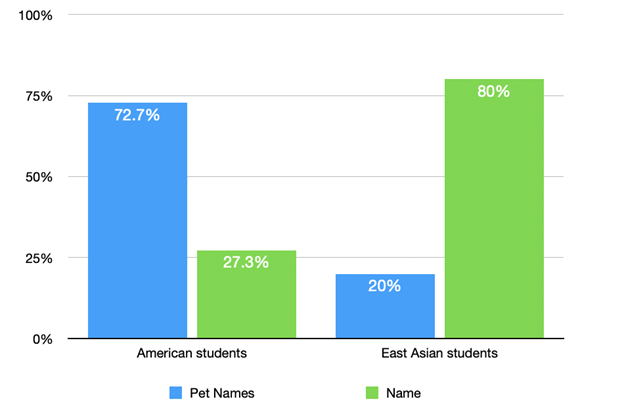
Figure 1: What do you call your partner?

As seen in Figure 1, about 72.7 % of American students tend to use direct language and terms of endearment like “baby” or “sweetie,” while 80% of East Asian students use names to refer to their partners rather than pet names. Cultural differences can be observed in the way people refer to their partners, as evident from the varying practices between American and East Asian students.

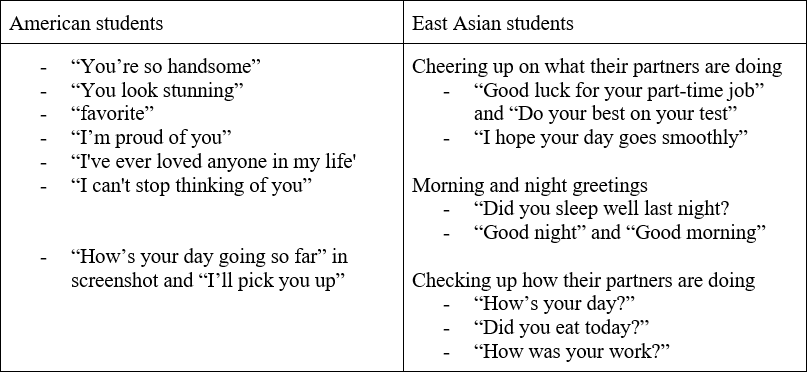
Figure 2: Verbal expressions used by American students vs. East Asian students

Using Figure 2’s data, we analyzed direct and indirect expressions of love in caring for one’s partner, and found that both groups show care and concern, albeit with different approaches. While Americans tend to use more explicit direct language, as we anticipated, such as expressing their love and thoughts toward their partners through direct compliments, Asians tend to use more indirect language, such as offering encouragement, sending morning and night greetings, and checking on their partners’ well-being daily. Interestingly, however, the expressions “I love you” and “I miss you” are frequently present in both American and Asian cultures. Additionally, Americans tend to employ more direct language, such as “looking forward to meeting you soon,” while Asians tend to use more indirect language, such as “I want the weekend to come already.” The use of different subjects in their messages also accentuates the contrast in directness. 

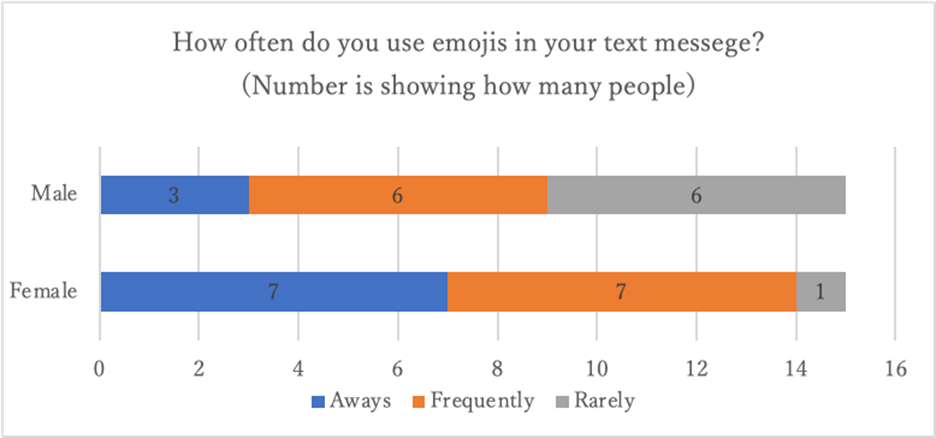
Figure 3: How often do you use emojis in your text message? (The chart displays the numerical values that correspond to the quantity of individuals)

Lastly, we examined the differences in emoji usage between East Asian and American students, and the results were unexpected. Contrary to our initial hypothesis, cultural background had little effect on emoji usage, while gender and personality traits had more dominant factors. Additionally, we analyzed the use of emojis by gender, and Figure 3 illustrates that females used emojis more frequently and explicitly, often with a literal heart, while males used heart emojis combined with other images, such as 😍 and 😘. Interestingly, despite their tendency to use indirect verbal language, Asian students were not hesitant to use direct emojis like ❤️or 🫶to express love.

Discussion and Conclusions

The present study sheds light on the cultural differences in the expression of romantic love between American and East Asian students. Our results confirm that American students tend to use more direct language and pet names when referring to their partners, reflecting the culture’s emphasis on individualism and direct communication. These expressions allow individuals to convey their personal feelings and affection directly. Interestingly, both groups frequently use the expressions “I love you” and “I miss you,” indicating that these phrases hold universal significance in expressing romantic love. We also found that American students tend to employ more explicit direct language, while East Asian students use more indirect language, such as offering encouragement and checking on their partners’ well-being daily. In contrast to our initial hypothesis, we found that cultural background had little effect on emoji usage, while gender and personality traits had a bigger impact on the use of emoji.

Moreover, our study highlights the seeming balance of indirectness with words and more direct emojis used by East Asian students, challenging the common stereotype of East Asians as being overly indirect in communication. While it is challenging to draw a definitive conclusion, we have proposed several possible explanations for this phenomenon based on cultural and linguistic factors. Indirectness is often considered polite in East Asian cultures, while emojis can effectively convey emotions and meanings that are difficult to express in words. Even shy individuals may use emojis to express their affection and maintain a balance of love in text conversations. Understanding the nuances of both direct and indirect expressions of affection can help bridge communication gaps in these situations. The practical implications of this research extend to education and counseling, providing strategies to support students from diverse cultural backgrounds in their relationships.

References

Caldwell-Harris, Kronrod, A., & Yang, J. (2013). Do More, Say Less: Saying “I Love You” in Chinese and American Cultures. Intercultural Pragmatics, 10(1), 41–69. https://doi.org/10.1515/ip-2013-0002

Gesselman, Ta, V. P., & Garcia, J. R. (2019). Worth a thousand interpersonal words: Emoji as affective signals for relationship-oriented digital communication. PLoS ONE, 14(8), e0221297–e0221297. https://doi.org/10.1371/journal.pone.0221297

Johnson, C. (2021, November 2). New research shows that where we come from can influence our use of Emojis. Miami University. Retrieved February 16, 2023, from https://miamioh.edu/news/2021/11/new-research-shows-that-where-we-come-from-can-influence-our-use-of-emojis.html

Kline, Horton, B., & Zhang, S. (2008). Communicating love: Comparisons between American and East Asian university students. International Journal of Intercultural Relations, 32(3), 200–214. https://doi.org/10.1016/j.ijintrel.2008.01.006

Laursen, Furman, W., & Mooney, K. S. (2006). Predicting Interpersonal Competence and Self-Worth From Adolescent Relationships and Relationship Networks: Variable-Centered and Person-Centered Perspectives. Merrill-Palmer Quarterly, 52(3), 572–600. https://doi.org/10.1353/mpq.2006.0030

SEDIKIDES, OLIVER, M. B., & CAMPBELL, W. K. (1994). Perceived benefits and costs of romantic relationships for women and men: Implications for exchange theory. Personal Relationships, 1(1), 5–21. https://doi.org/10.1111/j.1475-6811.1994.tb00052.x

Seki, Matsumoto, D., & Imahori, T. T. (2002). The Conceptualization and Expression of Intimacy in Japan and the United States. Journal of Cross-Cultural Psychology, 33(3), 303–319. https://doi.org/10.1177/0022022102033003006

SPRECHER, & TORO-MORN, M. (2002). A study of men and women from different sides of Earth to determine if men are from Mars and women are from Venus in their beliefs about love and romantic relationships. Sex Roles, 46(5-6), 131–147. https://doi.org/10.1023/A:1019780801500

Togans, Holtgraves, T., Kwon, G., & Morales Zelaya, T. E. (2021). Digitally saving face: An experimental investigation of cross-cultural differences in the use of emoticons and emoji. Journal of Pragmatics, 186, 277–288. https://doi.org/10.1016/j.pragma.2021.09.016

Wilkins, & Gareis, E. (2006). Emotion expression and the locution “I love you”: A cross-cultural study. International Journal of Intercultural Relations, 30(1), 51–75. https://doi.org/10.1016/j.ijintrel.2005.07.003

 [/expander_maker]
, , , , ,

The Curse of Online Miscommunication

Christie Nguyen, Taymor Flower, Tatiana Paredes, Risa Nagase

With the burgeoning of technology, communication has drastically changed and shifted to texting on electronic devices. Unparalleled to this, conversations have become much more accessible, and texting has revolutionized the way we interact with one another, but at what cost? The purpose of this study was to determine the factors that lead to miscommunication in the digital world. The methodology used was survey research, in which the data collected were through questionnaires that were administered to participants individually. The participants were of the ages 18 to 22, undergraduate students at UCLA, and in a romantic, heterosexual relationship. The participants were asked a series of questions about whether or not there is miscommunication online between them and their partners. If so, they were asked to submit a screenshot demonstrating miscommunication or explain their interaction. Overall, the findings from the survey indicate that miscommunication online occurs frequently as a result of a lack of social cues, including tone, emotion, body gestures, and facial expressions. Many couples had issues with mistaking texts as a joke, missing a joke, not understanding sarcasm, not understanding passive aggressiveness, and mistaking blunt responses as rude.

[expander_maker id=”1″ more=”Read more” less=”Read less”]

Introduction and Background

With the prevalence of technology in today’s society, texting has become the most prominent form of communication. Texting is convenient and easily accessible, as it does not require all participants to be active at the same time, unlike conversing in-person or over the phone. By 2010, worldwide, there were five billion mobile connections, and it was estimated that on average, Americans sent 50 to 110 texts per day (Hall & Baym, 2011). However, the biggest issue texting entails is miscommunication, which is a result of indirectness, a lack of non-verbal cues, and a lack of impersonal connection. In computer-mediated communication, such as texting, many may use emojis to communicate, as it helps depict facial expressions and display emotions and gestures. Though, there may be incongruencies between the receiver and the sender, as the perceived meaning of the emoji may not be the intended meaning (Yang, 2019). Using emojis and texting cannot precisely convey emotions, body language, intonation, gestures, and all other cues that would be present in-person communication. For our study, we distributed surveys to individuals that are in relationships and communicate online to gauge the efficacy of communication via texting. If the participant agreed that texting results in miscommunication, we asked them to provide screenshots to corroborate our thesis. We hypothesize visual cues (e.g. facial expressions, eye contact, gestures, tone of voice) have fundamental communicative functions, and the absence of them when communicating online leads to miscommunication.

Methods

In order to conduct this study, we asked a series of questions that contextualized respondents’ opinions on, and style of, online communication; then, we asked respondents to either send in screenshots or a written account of a miscommunication with their partner. Our target audience was 18-22-year-old UCLA students in heterosexual relationships; in order to collect samples, we sent out surveys to people who we knew to be in active relationships. There were 11 survey questions in short answer format. Some of the questions that were more important in the analysis of our data were:

  • Gender identification (Male, Female, other).
  • In general, do you find it easier to communicate online or in person?
  • Why do you prefer in person/online communication more?
  • Do you feel like you can tell others what you want to say properly online? How about in person?
  • Do you feel more understood when communicating in person or online?
  • Do you find that your partner communicates in a different way than you do online?
  • Can you provide screenshots of a conversation with your partner that resulted in miscommunication? (For example: something over text that resulted in a miscommunication/argument, sarcasm that was misunderstood, misinterpreting tone, etc. No need to share anything too personal, just any type of miscommunication over text!)
  • If you can’t find any screenshots, can you provide a written account with examples of a miscommunication with your partner that occurred online?
  • How was this miscommunication resolved?

The segments of the survey we analyzed more closely were the responses related to conflict resolution in online communication. The questions relating to respondents’ perspective of online communication helped to contextualize their miscommunications with their partners; offering possible explanations to why the miscommunication happened in the first place and how dissonance in communication is resolved   The screenshots and accounts that respondents provided were the most pertinent to our analysis because they helped to emphasize the importance of body language and visual cues in communication within relationships.

Results

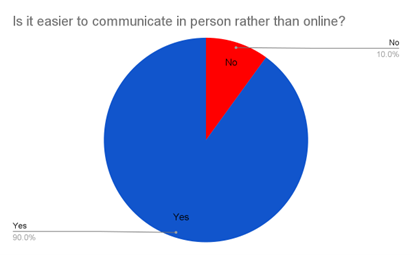
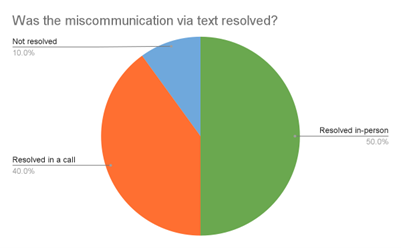
As it turns out, the results of the study indicated that a lot of miscommunication does occur when using online mediums rather than being in-person. We surveyed 20 people and when assessing our data, it revealed that 100% of our participants felt like they were more understood in person rather than online, 90% of which felt that it was easier to communicate in person as well (Figure 1). This is to say that the preferred medium to communicate is simply face-to-face. Some of our participants explicitly stated that being in person allowed for the analysis of body language, facial expressions, and tone of voice – something that texting lacks. When speaking about their interactions with their partners online, the fact that certain jokes or sarcasm would fly over their heads was common. One participant mentioned that even the tone of voice would have been enough for their partner to understand their sarcasm – something that texting did not offer. Another common occurrence was that emotions were not easily read and did not get the point across. 50% of participants then followed up and said that the miscommunication was resolved in person and 40% said that even a call afterward was helpful in getting their message across more correctly after it was not received as intended (Figure 2). When asked about if it may have been different if they would’ve talked in person rather than online, they all agreed that it would have. They reiterated that the cues that were missing from in person communication made it more difficult to understand each other.

Despite the uses of emojis, slang abbreviations, or punctuation, there still runs the risk of someone interpreting the message in an entirely different way than intended.

Figure 1: Is it easier to communicate in person rather than online?
Blue: Yes
Red: No
Figure 2: Was the miscommunication via text resolved?
Green: Yes, resolved in-person
Orange: Yes, resolved in a call
Blue: Not resolved

Similarly, because all they could see were words on a screen, participants mentioned that texting did not have the range to truly express their emotions as they felt that a lot of context would be left out and they felt the need to shorten their messages – texting did not prove to be as fluid as face-to-face conversation could have been. This is all to say that online communication feels more impersonal and cryptic than in person communication does and that ultimately leads to issues between the two parties.

In our survey, we had asked participants to provide screenshots of miscommunication, if possible, and to explain what was miscommunicated, why, and how it was miscommunicated.

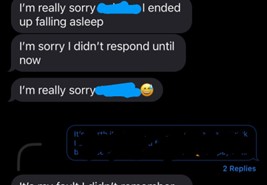
Figure 3: Misinterpreting Emoji and Conversation

In Figure 3, our participant explained that she thought her partner was ignoring her, but he had just fallen asleep. They had arranged plans together, and when he fell asleep, it completely ruined her plans because they misunderstood each other over text. Moreover, our participant explained that she was frustrated at this moment, and even more aggravated when he sent the emoji (smiley face with water drop) because she thought he was laughing and ridiculing the situation. They had called over the phone to resolve the issue, and it was more clearly understood by both parties about their intentions. It was also explained by her partner that the emoji was used to indicate nervousness, and he sent a smiling emoji to make light of the situation. This snapshot demonstrates how the use of emojis may be perceived differently, and that texting leads to miscommunication.

Moreover, in Figure 4, our participant had misinterpreted what their partner said and mistook it for ill intent, which led to an extremely heated argument.  The following day, their partner had suggested calling to understand each other better and to clear up any misinterpretations. This reveals how without seeing a person face-to-face and hearing their tone, it is difficult to understand their intent.

Figure 4: Misunderstanding Text and Arguing

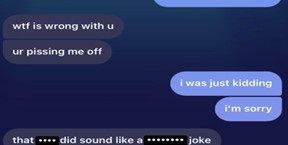
Lastly, in Figure 5, our participant includes a screenshot of his partner quickly getting aggressive with him over text. He had made a joke to her, without much indication over text that it was a joke, and that had triggered her to react angrily. With the lack of intonation, gestures, and facial expression, it is difficult to understand sarcasm over text, especially when both partners do not have the same texting styles.

Figure 5: Missing Jokes

Discussion and Conclusions

Our research has found that online communication is not as an effective medium of communication than in-person communication. The lack of non-verbal signifiers that give more depth and nuance to creating meaning are important for clear comprehension between two parties; tone of voice, inflection, facial expressions, and body language are integral to completely understanding an individual  Online communication gives society the ability to communicate with each other anywhere/anytime easily and efficiently, and still holds significant merit. The use of emojis has been understood to enhance messaging and allow more expression and personality through texts, by emphasizing certain emotions and giving more context to a written message via text. An insightful TedxTalk by Anna Lomanowska, a PhD Assistant Professor in the Department of Psychology, analyzes the challenges of communication online, and how the utilization of emojis is ineffective and leads to miscommunication. Although emojis have been very useful in capturing some nuances of people’s online messages, there is still a disconnect in comparison to in-person communication; Lomanowska cites a University of Minnesota study, which found that people disagree around 25% of the time about the meaning of emoticons and their emotional valence, giving more room to misunderstanding. 

There is a richness and depth to non-verbal communication that is impossible to recreate or replicate in text message scenarios. Communication with a romantic partner is something that is a cornerstone to a healthy relationship; disagreements and misunderstandings over text happen because there is a lack of emotional nuance and emotion, both of which are important elements in a romantic relationship that is emotionally charged and driven. Non-verbal communication signifiers can include: facial expressions, posture, gestures, eye contact, touch, space, and voice (Segal et al., n.d.). All of these elements contribute to roles of communication that can only be understood in the context of in-person interaction. Non-verbal forms of communication work to complement verbal messages, accent emotion or importance of verbal messages, substitute for verbal messages, repeat verbal messages, and even convey contradiction (where an individual says something about their body language does not match the verbal messaging) (Segal et al., n.d.).

This study emphasizes the importance of emotional nuances advanced by nonverbal cues that is lacking in online communication. This study is useful to contextualize the nature of misunderstandings that happen online and provide information to people in relationships, either romantic or platonic, on the benefits and drawbacks of meaningful conversation via text and online mediums.

References

Hall, J. A., & Baym, N. K. (2011). Calling and texting (too much): Mobile maintenance expectations, (over)dependence, entrapment, and friendship satisfaction. New Media & Society, 14(2), 316-331. https://doi.org/10.1177/1461444811415047

Segal, J., Smith, M., Robinson, L., & Boose, G. (n.d.). Nonverbal Communication and Body Language. HelpGuide.org. Retrieved March 23, 2023, from https://www.helpguide.org/articles/relationshipscommunication/Nonverbalcommunication.htm

TEDxTalks. (2019, July 10). Why Emojis Don’t Say Enough | Anna Lomanowska | TEDxUofT [Video]. YouTube. https://www.youtube.com/watch?v=1LZH_-g9FXQ&ab_channel=TEDxTalks

Yang, Y. (2019). Are you emoji savvy? Exploring nonverbal communication through emojis. Communication Teacher, 34(1), 2-7. https://doi.org/10.1080/17404622.2019.1593472

 [/expander_maker]
, , ,

The Impact of Social Media on Romantic Relationships

Chloë Chavez, Sydney Weissman, Ashley Paras, Alejandro Valdez

Interacting on social media is nothing new. We’ve all felt, or at least have heard of people in romantic relationships interacting with others on these platforms, and how it can create feelings of jealousy or uncertainty. Commenting and liking other people’s posts and direct messages could be seen as factors as to why these feelings could become relevant and cause problems in a relationship. We believe that romantic relationships showing behaviors such as these, on other people’s posts besides their partners will cause conflict and negatively affect the overall relationship. An anonymous survey was administered to UCLA students, ages 18-25, that asked whether or not communication online affected how they viewed or felt about their romantic relationships, as well as asking if arguments had ever occurred due to social media engagement. The results were interesting and said a lot about this generation’s relationship with social media.

[expander_maker id=”1″ more=”Read more” less=”Read less”]

Introduction

At the base of this research project is the proposal of how communicative behaviors used on social media negatively impact romantic relationships. Our research is narrowly focusing on behavior patterns on social media, and how expressing attention to other people can oftentimes cause jealousy and conflict. The online portrayal of relationships is nothing new, and therefore relevant in nearly all of Gen-Z’s everyday lives. Our research question reads: do online behaviors, such as liking and commenting on others’ posts, direct messaging, and overall online engagement cause jealousy and conflict in romantic relationships? Communication via social media affects our interpersonal relationships, and we hypothesize that online behaviors can cause jealousy and conflict in romantic relationships. 

Background 

The constant pressure social media holds on individuals and relationships may predicate feelings of jealousy, comparison, low self-concept, envy, and suspicion. Prior research has indicated that social media triggers jealousy and feelings of uncertainty, even when danger is not present (Frampton, Fox, 2018). Altering linguistic norms with different people, (i.e. in a relationship) and using style-shifting is necessary not only in person but also on social media to maintain a healthy relationship.

When going into a relationship with no feelings of paranoia or doubt, social media’s presence only heightened attachment anxiety, feelings of jealousy, and misunderstanding (Sullivan, 2021). Thus, research has shown that language used within social media impacts those within a romantic relationship negatively. Comments, likes, and direct messaging are common sociolinguistic indicators that can work in favor or against relationships. 

Methods

An anonymous survey conducted a cross-sectional study at the University of California, Los Angeles. This study was completely voluntary. Participants were UCLA students in a relationship, between 18-25 years old. The study was created on Google forms and links were distributed online through social media platforms and text messages. By sending out open-ended, Likert scale, and multiple choice questions we collected data regarding behaviors shown on social media platforms. With the knowledge that indexical variables include words that change their meaning based on the context used, this study was designed to answer the wider question- how do communicative behaviors via social media (comments, likes, direct messages) impact romantic relationships? Apart from hosting the online survey, a collection of organized data based on predefined research, methodology, graphs, and qualified questions provided by researchers in the past 10 years led the new study. When wanting to discover more about the effects social media has on romantic relationships, we observed the different communicative behaviors used on social media.

Results and Analysis

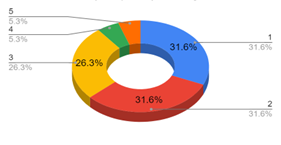
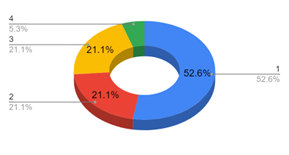
Figure 1: How often do you post your significant other on social media?

This question had a point scale of 1 to 5, with 1 being “not frequently” and 5 being “very often.” As seen in Figure 1, participants reported that they never or rarely post their partner, with only two individuals selecting choices ‘4’ and ‘5’. Option ‘1’ and ‘2’ received an equal proportion (31.6), with the median receiving a percentage of 26.3.

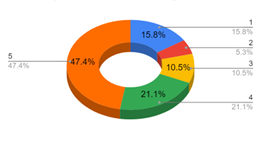
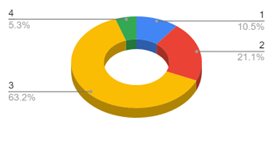
Figure 2: How do you feel when your significant other posts you on social media?
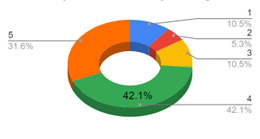
Figure 3: How do you feel about your significant other commenting on other people’s posts?

Both data charts, Figures 2 and 3, are critical for our study since they disprove our hypothesis that showing affection for someone other than our significant other through social media might encourage sentiments of jealousy among couples. Figure 2 had a point scale ranging from 1-5, with one being “not happy” and five being “happy.” Figure 3 was scored on a 1-5 scale, with 1 being “uncomfortable/angry” and 5 being “don’t mind.” More than half of the participants answered a ‘4’ or a ‘5,’ demonstrating that this type of behavior (affection for others via social media) does not promote jealousy.


Figure 4: Has engagement on social media (you commenting on others’ posts, liking a post, story reactions, direct messaging) ever instigated an argument between you and your partner?

This data is also important for our hypothesis because it disproves it. Figure 4 used a point scale of 1-5, with 1 indicating “never” and 5 indicating “frequently.” More than half of those in the survey said social media had never caused an argument in their relationship.

Figure 5: What does it mean to you when your significant other likes other people’s posts on social media?

Figure 5 used a 1-5 point scale, with 1 being “not happy” and 5 being “happy.” There’s a large percentage of responses in the median range in this data. This might imply that they are indifferent to their partner’s actions on social media. In this chart, participants who chose ‘3’ remain neutral which portrays neutrality in response to their partner liking others’ posts. Participants may also perceive conversations about feelings of jealousy to be more casual than the conversation being a conflict.

Discussion

After analyzing our results from survey responses and screenshots, we found that the data did not support our overall hypothesis that behavior on social media caused conflict amongst romantic partners. Through a series of questions, the majority of participants revealed that their partners did not post about their significant other often, which correlated with the trend that most participants responded that social media engagement does not cause conflict in their relationships. This also correlates to the question regarding individuals in a relationship commenting on others’ posts or direct messaging others on social media. Most of our respondents revealed that they were unaffected and did not care about partners engaging in these behaviors. Despite social media potentially increasing jealousy and conflict based on prior research, our studies show that romantic relationships are not negatively impacted by user involvement on social media. Rather than conflict arising, feelings of anxiety were reported. Screenshots gathered from our data were exchanges of texts not demonstrating a conflict, but rather how social media instigates feelings of anxiety. Thus, comments and direct messages are elements of communication that we presumed would indicate affection toward another person that would cause arguments and jealousy.

Limitations

While our data does not support our hypothesis, there are limitations to our study that may have influenced the results gathered. Participants may have been reluctant to share the absolute truth for fear that the survey was not completely anonymous. Some partners in a relationship strive for perfection and hide all aspects of their relationship that could taint the views that people have of them. Additionally, people may not be comfortable admitting that they experience conflicts in their relations because of social media. This also ties into the idea of relationships having different perspectives toward the parameters that define conflict. There are different severities of conflict, and couples may differ on what is considered a conflict versus a simple discussion. Lastly, the struggle to gain responses on our survey may skew our results as our sample size is not large enough to make generalizations about an entire population size. While we had nineteen respondents, these may have all been couples that have sufficient communication with their partner, limiting the arguments that exist from social media. However, if the survey had more respondents, we could have conducted a more concrete generalization in response to how social media impacts romantic relations in the realms of jealousy and conflict through linguistic exchanges.

Future Studies

Future studies could expand on this topic and focus more on elements of communication that impact face-to-face communication among romantic partners. This can include factors such as the difference between masculine and feminine communication styles and how these aspects of language affect romantic relationships. Further, looking at the difference in communication between genders would be a future study that could aid in understanding more in-depth the effect communication online has on our relationships.

References

Abbasi, I. S. (2018). Social Media and committed relationships: What factors make our romantic relationship vulnerable? Social Science Computer Review, 37(3), 425–434. https://doi.org/10.1177/0894439318770609

Arikewuyo, A. O., Lasisi, T. T., Abdulbaqi, S. S., Omoloso, A. I., & Arikewuyo, H. O. (2020). Evaluating the use of social media in escalating conflicts in romantic relationships. Journal of Public Affairs, 22(1). https://doi.org/10.1002/pa.2331

Beaukboom, C. & Utz, S. (2011). The Role of Social Network Sites in Romantic Relationships: Effects on Jealousy and Relationship Happiness. Journal of Computer-Mediated Communication, 16(4). 511-527.

Frampton, & Fox, J. (2018). Social Media’s Role in Romantic Partners’ Retroactive Jealousy: Social Comparison, Uncertainty, and Information Seeking. Social Media + Society, 4(3), 205630511880031–. https://doi.org/10.1177/2056305118800317

Sullivan, K. T. (2021). Attachment Style and Jealousy in the Digital Age: Do Attitudes About Online Communication Matter? Frontiers in Psychology, 12, 678542–678542. https://doi.org/10.3389/fpsyg.2021

Appendix

Are there social media rules for relationships? 

 [/expander_maker]
, ,

Why it’s Really Not You, It’s Them. Hook Up Culture, Explained

Have you ever wondered why participants of hook-up culture have a hard time communicating with one another? Whether it’s differences in intentions or the usage of different communication styles, it’s likely that they’re not on the same page. As a result of our extensive research, this paper will highlight the reality of hook-up culture and the big question that haunts the community: How do participants of hook-up culture communicate differently than the ingrained standards we see within long-term relationships? Our hypothesis specifically focused on the idea that communication within hook-up culture will differ between genders and communication styles, ultimately creating a larger gap between methods of communication in short-term and long-term relationships. With the help of our studies, we were able to identify the use of code-switching through emojis and slang, common communication themes (vernaculars and communicative traits), and overall motivations! Overall, we hope to help many be able to overcome communication barriers within hook-up culture in order to see some healthy change within our social dynamics and communication!

[expander_maker id=”1″ more=”Read more” less=”Read less”]

Introduction and Background

The goal of our paper was to research the intricacies of a prevalent communication topic in our generation: “hook-up culture”. More specifically, we chose to focus on the motivations behind each gender’s experiences or participation in hook-up culture, ultimately allowing us to analyze the different communication patterns exhibited as well. Hook-ups within “hook-up culture” are defined as, “… activities [that] may include a wide range of sexual behaviors, such as kissing, oral sex, and penetrative intercourse …. these encounters often transpire without any promise of, or desire for, a more traditional romantic relationship…” (Garcia/Merriwether, 2012).  With this definition, the rise of hookup culture is then marked by the phenomenon of, “…increasingly normative among adolescents in North America, representing a marked shift in openness and uncommitted sex…” (Garcia/Merriwether, 2012). As a result, our research was conducted on the basis that hook-up culture is prevalent within our society. However, given the constraints of our research project, we had research gaps that prevented us from reaching further conclusions, including the short amount of time we had to conduct our research (given more time we would research a larger group). Another limitation was due to the lack of empirical research on hook-up culture due to the prominence of the topic only flourishing within this past decade.

Our last limitation came as a result of the demographic in which we focused on. Obviously, our demographic was catered to college students, but there may be different results if our demographic was different– so that most definitely should be noted. However, our research, as shown throughout this blog post, will illustrate that our hypothesis is mostly supported by our conducted research. Our research highlights different modes of communication, varying personal intentions, and the popularity of hook-up culture amongst college-aged students.

Methods

Within our method, we looked at different sources of information such as scholarly articles, scholarly speeches (TedTalk), and our own research conducted through the usage of Google Forms. Our scholarly references ranged from communicating commitment in a romantic relationship to communication in the modern hook-up culture, but we made sure to organize an array of valuable sources that would not only prove our hypothesis but also explain our results within our conducted survey. We distributed a survey (through GroupMe chats, Instagram stories, and professors showcasing it at the beginning of class) to our wide demographic of students at UCLA who have knowledge or a basic understanding of hook-up culture, ultimately granting us valuable responses that could help us with our research on how communication differs within hook-up culture through studying gender imbalances/differences in viewpoints and styles. Through our survey, we politely asked our respondents to share their experiences with hook-up culture and answer our specific questions to the best of their abilities. Additionally, there were no incentives and we made sure to inform them that their responses would be anonymous and removable at any point in time. We asked 10 specific questions in connection to our research and our own personal wonderings alongside an entry method for attachments of physical experiences with hook-up culture. Some examples of our questions were: check off boxes of emojis you’ve used when communicating with a prospective partner or how to communicate your intentions to a prospective partner, therefore giving us a deep understanding and a specific answer to the ideas that our research would mention but not specifically answer for us. Within our research, we analyzed communication styles such as emojis or slang, collective gender differences within communication patterns and beliefs, and overall values within personal communication styles and methods such as direct vs. passive communication. For more information on our exact survey, here is a direct link to it: https://forms.gle/cGUqi9sAmSsGQoNX8.   

Results and Analysis

In summary, our hypothesis focused on how romantic communication differs between types of connections/relationships (hook-up partners vs long-term relationships), and how each gender engaged with each category differently. Through our extensive research methods, we found that there were factual differences between male and female ideologies. For example, there were similarities within our target audience such as age, education status, and lifestyles – which played a role in the situations these individuals would imagine and partake in throughout their experiences with or without hook-up culture. Our respondents were 50% male and 50% female, mostly aged at 21 to 23 years old by 87.5%. Now, the differences range from gender perceptions/mindset, communication styles, and personal values/needs.

Our survey questions were able to support our hypothesis. For further context, here are some of the most important pieces of information gained from our studies. When asked about hook-up culture in our generation and if they (respondents) participate in hook-up culture, 87.5% answered yes (Figures 1 and 2). 

Figure 1: Do you believe hook-up culture is prevalent within this generation?
Figure 2: Do you believe you participate in hookup culture?

With most of our respondents knowing about or experiencing hook-up culture, the results of our survey would most definitely help us understand the reality of hookup-culture whether it proved or disproved our hypothesis. Now, our questions became more specific in order to curate a representative sample of patterns within hook-up culture. Furthermore, these two questions below provided the most valuable information within our survey research.

Within our hypothesis, we predicted that there would be a difference between communication styles and methods. So, with our own experience with hook-up culture, and our learnings from Amanda N. Gesselmen’s research article on “Emoji as affective signals for relationship-oriented digital communication”, we were able to create our question about the influence of emojis on romantic communication and how different ones convey different meanings (casual hook-up vs long-term love). As can be seen, a majority of respondents affiliated with emojis were deemed to be used for “sexting” within hook-up culture communication (Figure 3). For further support, on our side, we can see that most of our respondents that used those emojis are also the same individuals who announced their participation in hook-up culture as well. Next, Figure 4 provided us with the different communication styles we noted through romantic communication in general, but we mentally sorted them into different categories that would analyze different perspectives. For example, those who answered that their communication style was direct and dishonest were usually men (remember: one can be directly dishonest– they are not mutually exclusive). On the other hand, those who answered that their communication style was more honest, considerate, and passive were women. Through these results, we were able to see that there IS a difference of communication styles between genders AND relationship/partner status (hook-up vs long-term). Furthermore, we were able to conclude that men’s expectations are more short-term and casual while female expectations are more long-term and exclusive, ultimately impacting their different communication styles that portray most men as direct, dishonest, dominant, selfish, and confident while portraying most women as passive, considerate, committed, and honest.

Figure 3: Emojis used when communicating with a prospective partner
Figure 4: Communication styles of survey respondents

Discussion and Conclusions

As discussed at the beginning of the paper, ‘hook-up culture’ has gained high levels of popularity, and more recently amongst younger generations. With influential communication-based platforms and media, such as TikTok, “…. popular culture is simultaneously representing aspects of actual contemporary sexual behavior and providing sexual scripts for emerging adults…”, which has potentially played a role in why we concluded the results from our research as we did (Garcia / Merriwether, 2012). Our results suggest a few common themes within the communication patterns of ‘hookup culture’. As seen in the data above, our results suggest that there is a correlation between men’s motivations for just wanting to participate in casual sexual intercourse, whereas women want to participate in sexual intercourse more so in the pursuit of a serious partner, thus suggesting genders do in fact have different motivations when participating in hookup culture. Additionally, our results show a form of ‘code-switching’ that occurs when individuals use emojis and slang to communicate within hook-up culture. Furthermore, code-switching is defined as, “…the practice of selecting or altering linguistic elements so as to contextualize talk in interaction…”, which we see has occurred when individuals interchanged emoji’s arbitrary meanings with more sexual notions only in the context of hook-up culture communication (Nilep, 2006).  Additionally, we saw that the most popular ages amongst participants who take part in hookup culture range from 21-23. Given these results, and the inferences we’ve made from our research, our paper concludes that communication with hookup culture has a unique nature to it that involves various tactics in order to achieve that ‘hook-up goal’, and that there are many mechanical and analytical parts involved in the motivations behind hook up culture. However, depending on who you are, it’s highly likely that if you aren’t achieving that dream ‘hook up’ it really isn’t you, it’s them.

References

Ackerman, J. M., Griskevicius, V., & Li, N. P. (2009). Let’s get serious: Communicating commitment in romantic relationships. PsycEXTRA Dataset. https://doi.org/10.1037/e615882011-144

Garcia, J. R., Reiber, C., Massey, S. G., & Merriwether, A. M. (2012). Sexual Hookup Culture: A Review. Review of General Psychology, 16(2), 161–176. https://doi.org/10.1037/a0027911

Gesselman, A. N., Ta, V. P., & Garcia, J. R. (2019). Worth a thousand interpersonal words: Emoji as affective signals for relationship-oriented digital communication. PLOS ONE, 14(8). https://doi.org/10.1371/journal.pone.0221297

Klinger, L. (n.d.). Hookup Culture on College Campuses: Centering College Women, Communication Barriers, and Negative Outcomes. https://doi.org/https://scholarworks.gvsu.edu/csal/vol3/iss2/5/

Lundquist, J. H., & Curington, C. V. (2019). Love me Tinder, love me sweet. Contexts, 18(4), 22–27. https://doi.org/10.1177/1536504219883848

Nilep, C. (2006). “Code Switching” in Sociocultural Linguistics. Colorado Research in Linguistics, 19. https://doi.org/10.25810/hnq4-jv62

Pham, J. M. (2017). Beyond hookup culture: Current trends in the study of college student sex and where to next. Sociology Compass, 11(8). https://doi.org/10.1111/soc4.12499

Tom Tong, S., & Walther, J. B. (2010). Just say ‘‘no thanks’’: Romantic rejection in computer-mediated communication. Journal of Social and Personal Relationships, 28(4), 488–506. https://doi.org/10.1177/0265407510384895

Webb, S. (n.d.). Communication in the Modern Hookup Culture: A Literature Review. https://doi.org/https://commons.lib.jmu.edu/lexia/vol4/iss1/3/

Wood, M. (n.d.). Addressing Context with Hymes’s SPEAKING Model. https://doi.org/https://the-ofla-cardinal.org/2018/01/14/addressing-context-with-hymess-speaking-model/

Appendix

NPR Podcast – Hook-up Culture: The Unspoken Rules of Sex on College Campuses https://www.npr.org/transcripts/552582404

TedTalk – Stripping Down the Hook-up Culture: The Need for Emotional Visibility https://youtu.be/EhzOohyAZjs

 [/expander_maker]
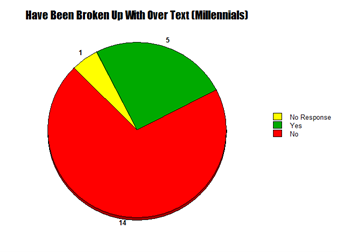
, , , , ,

You’re Just Somebody That I Used to Know

Audrey Edwards, Hung-Yi (Henry) Chen, Laksha Chhaddva, Sarah Manwani

Figure 1. A text message screenshot sent in by a Gen-Zer demonstrating breakup practices over text

Let’s face it, ghosting sucks. Some may comment on the exchange above and say no response is a response, but does that provide effective closure in breakups? Although most people feel indirect breakups are outright disrespectful, the reality is that many of us are guilty of engaging in unhealthy breakup practices. However, has the rise of the Digital Age made this problem worse than before? Our study investigates how breakup practices differ amongst the two generations, Millennials, and Gen Z. Through our exploration of dating differences between these two generations using surveys and interviews, we found that tech use is more common in romantic relationships and breakups amongst Gen Z and indirect breakups are more common amongst Millennials. Ultimately, while the fact that indirect breakups wear is different, it seems like our tendency to do so is little changed by the prevalence of digital technology, one way or the other.

[expander_maker id=”1″ more=”Read more” less=”Read less”]

Introduction and Background

Our study intended to assess the effect of technology on relationship practices between Gen-Zers (born between 1997 and 2012, according to Dimock (2019)) and Millennials (born between 1981 and 1996, according to Dimock). We know that technology has impacted both Gen Z and Millennial romantic relationships, but the impact of tech use on romantic relationships is contested. Christenson’s (2018) study found that heavy social media users experience a severe decline in the quality of interpersonal relationships. On the other hand, Nicolas (2020) found that relationships formed on social media achieve similar self-disclosure and companionship as in-person relationships. More generally, Seemiller and Grace (2018) contended that Millennials were self-absorbed and ill-equipped to deal with meaningful relationships, while McGuire (2015) finds that Millennials still learn proper romantic expectations. The emergence of ghosting (the sudden cessation of communication over digital platforms) as a breakup method has further increased academic alarm, with LeFebvre and her colleagues (2019) finding that 96% of the college students they interviewed had been a part of ghosting interactions in some capacity. With this disagreement in scholarly assessments of technology and the younger generations in general, we feel that the healthiness of relationships experienced by these generations is worthwhile to study, with breakup methods as a good proxy. Baxter (1984) found that indirect breakups (without telling the partner directly, as in ghosting) were associated with self-centered breakups, prolonged the breakup process, and were a source of regret for breakups. Therefore, we expected that Gen-Zers were more likely than Millennials to use indirect breakup methods and to use technology in their breakups. If this hypothesis is true, then it demonstrates that tech use is likely to have a negative impact on breakup methods, since the biggest difference between Millennials and Gen-Zers is their exposure to tech use (as a consequence of their respective birth years).

Methods

To study the effects of technology on break-up methods, we sent a survey to Gen-Zers and Millennials that we knew and asked them to send it on to other Gen-Zers and Millennials that they knew as well. The survey was conducted through an anonymous Google Form to enable honest responses to sensitive questions. Ultimately, 27 Gen-Zers and 20 Millennials responded to the survey. The survey asked respondents how much they agreed with statements about the prevalence of technology use in their romantic relationships and their experience with breakups. The questions used the Likert scale, with respondents stating their agreement from “strongly agree” to “strongly disagree,” and binary (Yes-or-No) questions concerning whether they had encountered or engaged in specific break-up strategies described in Baxter’s (1984) study.

To complement the survey, we also conducted anonymous interviews with three Gen-Zers and two Millennials that we knew. Each interview proceeded with a set of interview questions that covered the same topics as the survey, but in an open-ended way. The interviewees were encouraged to go into detail on their experiences that relate to the questions, such as by describing the break-up experience in narrative form rather than merely categorizing it. Since the survey’s responses relied on the Likert scale and binary questions, which included no way to explain the answers, we needed a way of discovering more nuance in the relationship between technology use and healthy break-up methods. The interviews, which were fewer in number but far more detailed, provided a way to get into the details.

Results

The survey results show that indirect breakup methods are less preferred by both Gen-Zers and Millennials compared with direct breakup methods.  However, Millennials are more likely to have used indirect breakup methods than Gen-Zers. 30% of Millennials report having broken up with someone indirectly, versus 15% of Gen-Zers.  The results illustrate that Gen-Zers have been broken up over text more often than Millennials, with 44% of Gen-Zers having experienced this versus 25% of Millennials. The key takeaways that we acquired from the interview questions were that both Gen-Zers and Millennials predominantly prefer direct break-ups rather than indirect breakup methods.  On the other hand, one of our Gen-Zer interviewees preferred to break up indirectly, especially if they were not in a serious relationship with their partner.  This somewhat contrasted our findings, but our interviewees still largely preferred direct over indirect breakups, and they were generally of the opinion that indirect breakups are messy and disrespectful.

Figure 2: This pie chart indicates that Generation-Z individuals most likely Strongly Disagree (9 people) or Disagree (6 people) with the statement “When terminating a relationship, you ended the relationship without ever directly stating your intention”.
Figure 3: This pie chart illustrates that Millennials disagree more than they agree with the statement “When terminating a relationship, you ended the relationship without ever directly stating your intention”.
The results illustrate that Gen-Zers have been broken up over text more often than Millennials, with 44% of Gen-Zers having experienced this versus 25% of Millennials.

Analysis

According to the results, Millennials tend to break up in person, whereas Gen-Zers break up less in person and more over text than Millennials. This confirms our hypothesis that tech use is more common among Gen-Zers for breakups. On the other hand, Gen-Zers are actually less likely than Millennials to break up indirectly, which contradicts our hypothesis. While this does not necessarily indicate that tech use leads to healthier breakup methods, it does put a wrench in the scholarly speculation that they render younger generations actively unprepared for romantic relationships.

Figure 4: This pie chart shows that a vast majority of Millennials have not been broken up with over text.
Figure 5: This pie chart shows that 44% of Gen-Zers have been broken up over text.
However, Millennials are more likely to have been broken up with in-person than Gen-Zers, with 75% of Millennials having experienced this versus 37% of Gen-Zers.
Figure 6: This pie chart indicates that Millennials are more likely than not to have been broken up with in person.
Figure 7: In the pie chart above, this chart illustrates that Generation-Z individuals are less likely than not to have been broken up with in person.

Discussion and Conclusion

Our hypothesis that Gen-Zers would engage in more indirect breakup methods than Millennials was incorrect. Contrary to our expectations, it doesn’t seem like Gen-Zers are less equipped than Millennials to deal with breakups. However, we found that technology was more extensively used in Gen-Zer breakups compared to Millennial break-ups. This verified our hypothesis that Gen-Zers use technology in romantic relationships more than Millennials and suggests that there was no correlation between being exposed to technology and the tendency to use indirect breakup methods. This is important because it suggests the rise of technology use by Generation Z doesn’t affect their relationship readiness as negatively as scholars fear. Moreover, neither of these two generations exhibited any special tendency towards indirect breakups compared with other generations. Baxter’s (1984) study found that 49% of the relationships examined were broken up through indirect means. This rate is much higher than the 30% of Millennials and the 15% of Generation Z who had engaged in at least one indirect breakup in our study. While the numbers are not fully convertible and the Baxter study involved more interviewees, one could reasonably conclude that Millennials and Generation Z are not more likely, and are quite possibly less likely, to use indirect breakup methods than Baxter’s Baby Boomer subjects. Of course, break-up methods are only a small part of the overall process of a relationship, but this finding supports the opinion of scholars who feel that the younger generations are as capable of healthy relationship practices as the older ones. 

References

Baxter, L. A. (1984). Trajectories of Relationship Disengagement. Journal of Social and Personal Relationships, 1(1), 29–48. https://doi.org/10.1177/0265407584011003

Christensen, S. P. (2018). Social Media Use and Its Impact on Relationships and Emotions (Order No. 28107583). Available from ProQuest Dissertations & Theses A&I; ProQuest Dissertations & Theses Global. (2442249267). https://www.proquest.com/dissertations- theses/social-media-use-impact-on-relationships-emotions/docview/2442249267/se-2

Dimock, Michael (2019). Defining Generations: Where Millennials End and Generation Z Begins. Pew Research Organization. https://www.pewresearch.org/fact-tank/2019/01/17/ where-millennials-end-and-generation-z-begins/

Krafchick, Julie and Yue Xu. (2020, March 10). Millennial vs. Gen Z Dating (No. S10E5) [Audio podcast episode]. Dateable. Drank Production. https://www.dateablepodcast. com/episode/s10e5-millennial-vs-gen-z-dating

LeFebvre, L. E., Allen, M., Rasner, R. D., Garstad, S., Wilms, A., & Parrish, C. (2019). Ghosting in Emerging Adults’ Romantic Relationships: The Digital Dissolution Disappearance Strategy. Imagination, Cognition and Personality, 39(2), 125–150. https://doi.org/10.1177/0276236618820519

Mateo, Ashley. (2019). How to Break Up With Someone Without Hurting Them. Oprah Daily LLC. https://www.oprahdaily.com/life/relationships-love/a27865922/how-to-break-up -with-someone/

McGuire, Kate, “Millennials’ perceptions of how their capacity for romantic love developed and manifests” (2015). Masters Thesis, Smith College, Northampton, MA. https://scholarworks.smith.edu/theses/659

Nicolas, É. M. (2020). The Impact of Social Media on Adolescent Attachment Style for Generation Z (Order No. 27737202). Available from ProQuest Dissertations & Theses A&I; ProQuest Dissertations & Theses Global. (2348090364). https://www.proquest.com/dissertations-theses/impact-social-media-on-adolescent-attachment/docview/2348090364/se-2

Seemiller, C., & Grace, M. (2018). Generation Z: A Century in the Making (1st ed.). Routledge. https://doi.org/10.4324/9780429442476

Further Reading and Listening

[/expander_maker]
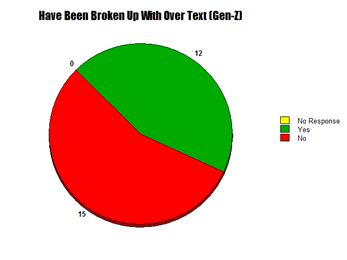
, , , , ,

Click, Swipe, Connect: Flirting Directly and Indirectly through Online Mediums and In-Person Interactions

Natasha Motamed, Sasha Bok, Angelica Limoanco, Ashley Lopez

Does the medium in which you flirt with someone change your flirting style? Are you more likely to use direct language such as complimenting when trying to flirt online versus in-person, or are you more likely to use a pick-up line? The following research project will investigate how individuals flirt online via private messaging on dating apps such as Hinge, Bumble, and Tinder, and text messages versus in-person interactions and whether they use direct or indirect language in their flirting practices. Based on previous findings, we hypothesized that flirting on various online mediums will employ greater directness, whereas in-person flirting would consist of more indirect language. To test these hypotheses, we compared screenshots of online flirting interactions with flirting scenes between contestants on The Bachelor and Bachelor in Paradise.

Our main finding was that flirting on online mediums consisted of both direct and indirect communication through the usage of compliments and pick-up lines, respectively. Therefore, our hypothesis was partly true in predicting that online mediums would at least employ direct communication. On the other hand, we were surprised to discover that in-person flirting employed direct communication rather than indirect communication, which was what we had initially predicted.

[expander_maker id=”1″ more=”Read more” less=”Read less”]

Introduction and Background

How exactly do you interpret what flirting is? According to Wade (2018), flirting refers to words or nonverbal actions that include any semblance of romantic and sexual relations between individuals. Moreover, when communicating face-to-face, flirtatious speech is also often used with laughter and animated speech (Whitty, 2016). With flirting, it is prevalent within our society today both in-person as well as on online mediums. Regardless of whether someone uses pick-up lines or compliments to flirt, people tend to communicate differently depending on the modality they are using, i.e. online or in-person.

For our research, we investigated how people flirt differently depending if it is in-person or online. We researched and observed the similarities and differences of flirting indirectly or directly between in-person interactions of The Bachelor and Bachelor in Paradise contestants and online private messages on various dating mediums, direct messages, and texts, which were obtained from 18-29-year-old UCLA students. When looking at the linguistics of flirting, indirect communication can be defined as nonverbal choices such as pauses and bouts of silence, where the recipient must contextualize the situation in order to more accurately discern the speaker’s implied message (Joyce, 2012). Pick-up lines are a perfect example when it comes to indirect flirting since there might be hidden messages beyond what is actually being said. A popular example of this would be the infamous saying “Netflix and Chill,” which requires contextual clues in order to decipher the sexual innuendo being implied.

On the other hand, direct communication means there is no hidden meaning in what is being said, so the speaker will use exact words for their intended meaning (Joyce, 2012). An example of direct communication while flirting is a compliment, such as “I think you are gorgeous.” We had hypothesized that flirting on various online mediums will utilize greater directness, whereas in-person flirting will use more indirect language and word choice. Whether it was a Bachelor franchise contestant flirting in-person or a UCLA student flirting online, they had all found different methods of flirting depending on where they communicated from (see below in Results).

Methods

To investigate these hypotheses, we observed two target populations –– the first consisted of male, female, and non-binary/non-conforming UCLA students, ages 18 to 29, from any ethnic or socioeconomic background. While people of all ages and demographics use the internet, according to Smith (2014), the majority of internet users are actually between the ages of 18 to 29. Additionally, it has also been noted that they utilize technology to start romantic relationships (Meenagh, 2015). Therefore, we analyzed their online communication through various online platforms such as dating apps (Hinge, Bumble, and Tinder) and private text messaging. Our second target population included cisgender male and female contestants, ages 21-35 years old, from any ethnic background and socioeconomic status, on the television shows The Bachelor and Bachelor in Paradise. We observed their in-person communication through their methods of flirting shown on-screen.

The communicative/language aspects our project looked at included directness versus indirectness which is observed through word choice and specifically manifested through pick-up lines versus straightforward phrases and complimenting. These practices are used as a means to flirt in both in-person and online contexts.

We recruited the participants for our first target population and collected their screenshots by posting a Google Form on various platforms that UCLA students use such as GroupMe chats from various classes, Instagram stories, and Slack groups. Participants were asked to submit one or more screenshots where they used flirting on the following platforms: Hinge, Bumble, Tinder, or private messaging.

Our total data set included 33 screenshots of conversations on various online platforms as well as 21 in-person interactions observed from The Bachelor franchise shows. Throughout the analysis process, we highlighted and noted which interactions utilized indirect and direct communication by analyzing word choice in addition to the use of compliments and pick-up lines.

 Results and Analysis

Figure 1: Bar graph comparison of direct and indirect communication in in-person vs online interactions

As a result, in Figure 1 we see a comparison of direct and indirect communication within in-person and online interactions. Direct communication like compliments were seen the most in online mediums as well as in in-person interactions. Indirect communication such as pick-up lines were only seen in online interactions.

Figure 2: Breakdown of the number of direct and indirect communication within online and in-person interactions and examples of each type of communication.

After collecting our empirical evidence, we observed that out of 33 online flirting interactions, 24 of them contained direct communication manifested through compliments whereas only 9 interactions contained indirect communication through the use of pick-up lines. Examples of direct and indirect communication observed are shown in Figure 2 above. This shows that although both direct and indirect communication are utilized on online platforms, the majority of online interactions use direct communication. In contrast, out of a total of 21 in-person flirting interactions, all of them contained direct communication and none of them contained any indirect communication or the usage of pick-up lines. Examples of direct communication in in-person interactions are linked in Figure 2 above.

After observing 33 screenshots and 21 in-person interactions, we found that pickup lines were very prominent in online mediums and were used indirectly compared to in-person interactions. Participants in The Bachelor franchise were more direct in their conversations while pursuing a romantic relationship. They did not utilize any indirect communication such as through pick-up lines in person. But in both mediums, compliments were utilized. For example, the following compliments were used on online mediums: “you know how to dress well and ur kinda cute”, “I like ur face”, “I think you’re gorgeous”, “you really fine”, and “that smile won me over”. The following compliments were used in in-person interactions: “I’m very nervous, I’m shaking really badly if you can’t tell but I’m excited to get to know you,” “you look amazing,” “you’re the hottest girl here,” and “you’re a hot commodity.” In online mediums, it is much more common to see someone use direct language when they ask if someone is free when compared to in-person interactions. Individuals will use direct language such as “Are you free this Tuesday” or “U free later tn tho?” We found that people online were more indirect through their usage of pickup lines and it was rare to see pickup lines like “you’re definitely a star because I can’t take my eyes off you” used in person. Both online and in-person interactions used direct and explicit word choices in the form of compliments in order to get their meanings across. However, in the in-person interactions, our observations found that the flirting did not result in any individual asking out another person. Overall, we found that flirting online utilizes both direct and indirect communication through the use of complimenting and pick-up lines, respectively, whereas in-person interactions solely use direct communication as a means to show romantic interest.

Discussion and Conclusion

For our Post Data Collection Analysis, we concluded that word choice can result in either direct or indirect communication, for example through compliments or pick-up lines, respectively. We observed both the screenshots and Bachelor scenes through the lens of explicit and implicit word choice, and ultimately placed them into their respective categories, as seen in the chart and graph above.

Based on these findings alone, we could predict that flirting on online mediums could potentially lead to higher or more frequent usage of direct and indirect communication through the employment of pick-up lines and compliments. We attribute this trend possibly to people feeling more confident or comfortable when there is a physical distance between the parties involved and also due to the anonymity veil provided by device screens.

In regards to the validity of our observations and findings, we do acknowledge that there are limitations in having The Bachelor represent in-person flirting practices due to the possibility of it being scripted. Therefore, it’s important to note potential differences between our samples from the reality show and what actually happens within everyday life.

That being said, we believe that our observational results can benefit anyone who communicates online or would like to explore the benefits of talking to and meeting new people online, especially in the romance department. As daily users of technology and online communication yourselves, you can definitely utilize our findings to improve your methods of obtaining the best romantic partner ever! We want you to succeed romantically as much as possible, so take our results into consideration when looking for your future partner in crime!

For future purposes, it’s also important that we research and examine any new and upcoming trends and patterns that arise from our behaviors within these online modalities, especially since we live in this technological age where the majority of society is now heavily reliant on social media as a primary means of communication.

References

Joyce, C. (2012). The impact of direct and indirect communication. Journal of the International Ombudsman Association.

Meenagh, J. (2015). Flirting, dating, and breaking up within new media environments. Sex Education, 15(5), 458–471. https://doi.org/10.1080/14681811.2015.1033516

Smith, J. (2014). The Perceived Impact of Online Versus Offline Flirting on Romantic Relationships [Master’s thesis, University of Dayton]. OhioLINK Electronic Theses and Dissertations Center.

‌Wade J. A. (2018). (I Think) You Are Pretty: a Behavior Analytic Conceptualization of Flirtation. Perspectives on behavior science, 41(2), 615–636. https://doi.org/10.1007/s40614-018-0136-y

Whitty, M. T. (2004). Cyber-flirting: An examination of men’s and women’s flirting behaviour both offline and on the Internet. Behaviour Change, 21(2), 115-126. https://doi.org/10.1375/bech.21.2.115.55423

 [/expander_maker]
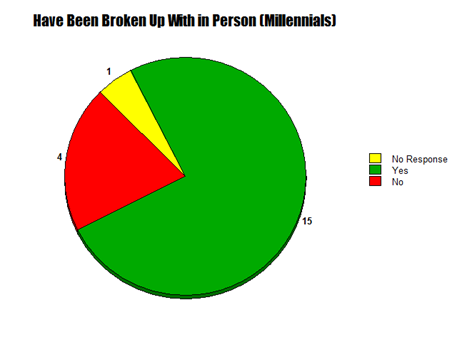
, , , , ,

Nature vs. Nurture: Do Our Cultural Backgrounds or Personal Preferences More Heavily Affect the Way We Verbally Affirm Our Romantic Partners?

Tina Festekdjian, Krunali Mehta, Mark Keosian, Tatiana Akopyan

Do you ever wonder why people belonging to different cultures express love differently in their romantic relationships? Are they accustomed to verbal or nonverbal forms of affirmation, and does this carry on throughout generations? This study explores why and how second-generation college students living in Los Angeles who identify as Latin American, Asian American, or American verbally affirm their partners, as we were curious to see if culture may cause communicative differences in relationships. Whether words of affirmation can be attributed to the way people were raised, their cultural habits, or their personal preferences, the population we studied displayed an interesting trend: individuals are less heavily influenced by their culture, and the majority (66.7%) are more likely to follow their personal preferences when expressing love. While the minority (33.3%) displayed cultural allegiance, we generally noticed that one’s culture is not the leading contributor to how they express love – possibly due to the generational shift that embodies independence, socialization, and even Americanization. We can conclude that our target population is perhaps more open-minded, individualistic, and willing to break cultural barriers for love to embody their own preferences. Breaking barriers can make students more comfortable to approach others, adapt to new love languages, and better learn how to express love verbally.

[expander_maker id=”1″ more=”Read more” less=”Read less”]

Introduction and Background

 Do second-generation college students living in Los Angeles prefer to follow cultural guidelines or personal preferences when expressing verbal love in romantic relationships?

We hypothesize that particular people will be influenced by their culture if they abide by cultural norms, but that this most likely does not separate people – especially in a younger generation of college students who may be more willing to branch out. The motivation for our research was to explore what role culture plays in verbal affirmation in romantic relationships for second-generation college students, and whether social norms, family life, or personal feelings are the leading contributors. The problem is, based on the way we were raised, or based on our own preferences, we show love differently, which can cause miscommunication. By investigating different forms of linguistic communication among Latin American, Asian American, and American college students in Los Angeles, we can deduce how intimacy is present through verbal communication in their relationships. Some specific aspects of communication that we will look at include words of affirmation, romanticism in conversations, tone, and context of affection. For example, in a cross-cultural context, this means: the specific words people use to address their partner and whether it comes from their own language/culture, if someone is more expressive verbally or uses nonverbal communication, and in what situations they will be verbally affectionate. Virtual communication like text-messaging will also be studied to develop a deeper understanding of day-to-day interactions and what exactly is said in these relationships. Above personal experience, relevant literature tells us what we know so far. Brinton (1886) displays how many tribal and modern languages of Latin America tie the sentiments of love to verbal expression. The Nauahtl and Aztec tongue, for example, indicate higher levels of emotional strength with words of origin that hold deeper meanings and cultural values. These lexical attributes can provide evidence as to why Latin America is the home to many “romance languages”. Lindholm (2006) explores the Western (American) vs. Eastern scope of view, delineating how Western linguistic expression is often romanticized in the media and verbal expression of gratitude and admiration is common. On the other hand, Bello et. al. (2010) provides evidence for how in some Asian cultures, communicative patterns like verbal affirmation are less likely to be expressed. Allendorf (2013) provides context on how romantic relationships have evolved from arranged marriages to love marriages in many parts of Asia. Ultimately, we were able to bridge this gap by bringing generational evolution to the table. Because our population is second-generation college students, and most of our literature is broadly culturally based, we were able to understand that the evidence for our trend generally lay in the people, rather than what cultural group they belong to. Being in college in Los Angeles leads to Americanization, socialization, and the added element of independence that our literature did not address.

Methods

Through the use of a clear and straightforward 4 question questionnaire and student-submitted text message screenshots, we gathered responses from 27 second-generation college students about which form of love expression they prefer to use when expressing love to a romantic partner, along with the social and cultural norms of love expression they are familiar with. Finally, we had the students answer whether they prefer to use their chosen personal preferences or the social and cultural norms they are familiar with when expressing love and affection to a romantic partner in order to see which influences students’ communication and verbal affirmation to a greater degree. These methods allowed us to analyze the specific words and tones being used by students to express affection to a partner, along with the conversational structures and atmosphere. We compared these results with the social and cultural norms of love expression the students responded they were familiar with in order to see if their personal preferences were or were not being influenced by social or cultural norms. While a student’s personal preference for verbal affirmation or love expression and the social and cultural norms they are familiar with may overlap, this may be attributed to strong cultural roots or identity. By looking at which words, verbal affirmations, and other forms of love expression second-generation college students preferred to use when expressing love or affection to their romantic partners, we hoped to find whether culture played a significant role in the specific words, affirmations, or actions being used by these students or whether the personal preferences these students have just simply outweigh the social and cultural norms in their lives.

Results and Analysis

In regards to our results from Table 1: Culture, we collected information from 3 different cultural groups: 37% being Latin American college students, 33.3% American college students and 29.6% Asian American.  We collected a fairly good range of responses from our intended cultural groups to get a fair representation of second-generation college students.

Table 1: Cultures of Respondents

When asked about their preference on personal preferences or social/cultural norms shown in Table 2: Norms, 66.7% chose personal preferences while 33.3% chose social/cultural norms. 

Table 2: Preference for sociocultural norms or personal preferences in a relationship

These students were then asked what words/actions were their preference in romantic relationships shown in Table 3: Preferences, from choices of spending quality time together (44.4%), words of affirmation (29.6%),  physical touch (22.2%), and gifts (3.7%). 

Table 3: Preference for words/actions in romantic relationships

We were able to collect examples of text messages in Table 4: Cross Cultural Text Messages from each cultural group. We found Asian American college students to be showing love through using words like “shona” that embodies their cultural background where Latin American college students show love by saying thank you and words of appreciation. The difference we found in American college students shows love through constant repetition of words of affection and reassurance.

Table 4: Cross-Cultural Text Messages

Discussion, Conclusion, and Contributions

Through conducting our research, we concluded that our findings are truly impactful as we found that college students are more likely to use their own personal preferences during verbal affirmation in a romantic relationship rather than their known social and cultural norms. This is important to recognize because it highlights that students aren’t restricted or limited by their cultural upbringing and actually care more about their own personal preferences when expressing verbal affirmation to a romantic partner. Another finding to recognize is the bias when students are asked if they follow social norms or their own personal preferences. They might not answer truthfully or not even realize that social norms have become their personal preference overtime.  For generations to come, we may find that students have become more approachable or sociable as culture may not play as big of a role in verbal affirmation and love expression as we may thought. Ultimately, our findings could definitely benefit students who are in existing romantic relationships or are interested in finding a romantic partner as it can help break social barriers and make students more comfortable when communicating romantically and approaching those of different cultures. We were able to analyze various findings through code-switching from Hindi to English in the Asian American text message and how emotions/feelings are shown through the usage of emojis in online communication to further understand how society and cultural factors have contributed to various forms of communication.  Although some students still prefer to follow their known social and cultural norms in verbal affirmation with a partner, our findings show that students are more open minded to adapting to one another’s love languages and potentially learning how to better communicate and express love verbally, as they are not being tightly confined by social and cultural norms.

References

Allendorf, K. (2013). Schemas of Marital Change: From Arranged Marriages to Eloping for Love. Journall of Marriage and Family, 75(2), 453–469. http://www.jstor.org/stable/23440792  

Bello, Brandau-Brown, F. E., Zhang, S., & Ragsdale, J. D. (2010). Verbal and nonverbal methods for expressing appreciation in friendships and romantic relationships: A cross-cultural comparison. International Journal of Intercultural Relations, 34(3), 294–302. https://www.sciencedirect.com/science/article/abs/pii/S0147176710000118?via%3Dihub

Brinton, D. G. (1886). The Conception of Love in Some American Languages. Proceedings of the American Philosophical Society, 23(124), 546–561. http://www.jstor.org/stable/983335

Gumperz, J. J. (1962). Types of Linguistic Communities. Anthropological Linguistics, 4(1), 28–40. http://www.jstor.org/stable/30022343

Lindholm, C. (2006). Romantic Love and Anthropology. Etnofoor, 19(1). 5–21. http://www.jstor.org/stable/25758107

Sergeyevna Kim. (2021). EXPRESSION OF LOVE AS LINGVOCULTURAL AND GENDER LINGUISTIC CONCEPT AND ITS REFLECTION IN DIFFERENT CULTURES. CURRENT RESEARCH JOURNAL OF PHILOLOGICAL SCIENCES, 2(5), 48–54. https://masterjournals.com/index.php/crjps/article/view/89/77

[/expander_maker]
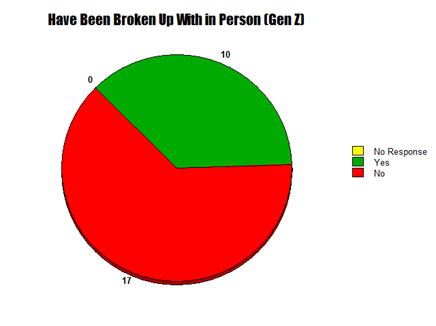
, , , ,
Scroll to Top