politics

Political Polarization: Why are you fighting in the comment section?

Kathryn Cunningham, Anna Tobey, Leia Broughton, Maya Athwal, Nicole Pacheco

Note: This article was written in Spring 2024, prior to Biden stepping down from the presidential race and Trump winning the 2024 presidential election.

Are all news headlines made equal? For our project, we analyzed the potential effects of framing in online news headlines on readership responses in the comments. Digital tools for political discourse are becoming increasingly popular, and we want to investigate how framing in the media can influence political cognition and amplify the political polarization we see in comment sections today. We hypothesized that different framings in headlines would provoke politically biased emotional responses against the opposing political party. We conducted critical discourse analysis of six different headlines pertaining to a singular political event — Michael Cohen’s testimony against Donald Trump — on two news sites from each of the following categories: left-leaning, right-leaning, and neutral. We then compared these analyses of the lexical and syntactic choices used to frame Cohen and Trump with the corresponding comments on each article. We observed high-frequency keywords and identified eight categories for different comment types, considering how each headline could have prompted the intense responses we saw. The results of this project are important in understanding the power of party framing and how it can divide us simply through subtle choices in language.

[expander_maker id=”1″ more=”Read more” less=”Read less”]

Introduction

Have you recently read a comment section that looks more like a war zone and wondered: how did we get here? In our research project, we analyzed news headlines and comments trying to find the source, and we may have part of the answer. Digital tools for political discourse are becoming increasingly popular, and we wanted to better understand how framing influences political cognition and produces the political polarization we see in comment sections today. With this goal in mind, our project explores how framing in news headlines influences reader responses in the comments. Issue framing is when an author uses certain language to subtly present their opinion on a topic, and this can appear in anything from word choice to using passive voice to minimize someone’s culpability in an event. A single event or person can be presented in many different ways, and each of those ways could influence the reader into having a different opinion on the same event (Wang 2024). We specifically focus on party framing, which is when a frame is endorsed by a particular political party; this is extremely influential in the public’s formation of opinions — even more so than regular framing techniques. People will even dismiss a certain opinion just because it comes from the opposing party (Slothuus and de Vreese 2010). We hypothesize that framing in headlines can provoke emotionally-charged comments, with more negative and extreme headlines resulting in more hostility towards members of the opposing party.

Methods

We first analyzed six headlines from news sites of varying political affiliations, focusing on articles about Michael Cohen’s testimony in Donald Trump’s trial. As a control group, we first looked at headlines from PBS NewsHour and The Associated Press, which are perceived as more neutral news sources (Knight Foundation, 2018). Our two left-leaning news sites were The New York Times and HuffPost, and our right-leaning sites were Fox News and the New York Post (AllSides Technologies, 2024). To analyze these headlines, we looked into their uses of framing in their word choice and sentence structure and how these were used to assign blame and express the sites’ own opinions on Trump and Cohen.

After analyzing the headlines, we turned to the comment sections from the left- and right-leaning sources. The neutral sources did not have attached comment sections, and we felt that they served us best remaining as the control from which to compare our other headlines. In analyzing the comment sections, our goal was to see if there was a connection between negativity and framing in the headlines and patterns of hostility and rudeness in the comments. This method limited our options, with many potential news sources pay walling their comment sections or simply not including them at all. Despite the fact that most comments are made on social media (Stroud et al. 2016), we preferred to avoid social media comments, as we felt that they would likely be less genuine and more filled with trolls and “bots.” In order to best organize our analysis, we compiled the most popular comments from each source, and then we compared them to each other to find shared patterns. We built a categorization system, shown in Fig. 11, that best captures the nuance of each comment section in comparison to the others so as to make for better comparison and more accurate connections to the headlines.

Results and Analysis

Our results from our initial analysis of each news headline showed variations in the framing of characters, actions, and descriptions involved in the news story, dependent on each news site’s lexical and syntactic choices. We observed that, despite these variations, each news site’s framing generally reflected their established political bias. For example, the syntactic choices in framing Cohen’s character varies greatly between Fig. 6, which refers to Cohen as an “ex-con”, and Fig.1, which refers to Cohen by name. These choices aligned with the political bias of each news site, thereby demonstrating a consistent correlation between the linguistic framing of each headline and political bias of each site. AP’s headline was a bit more left-leaning than expected, but it was later reposted on HuffPost, proving their left-leaning bias.
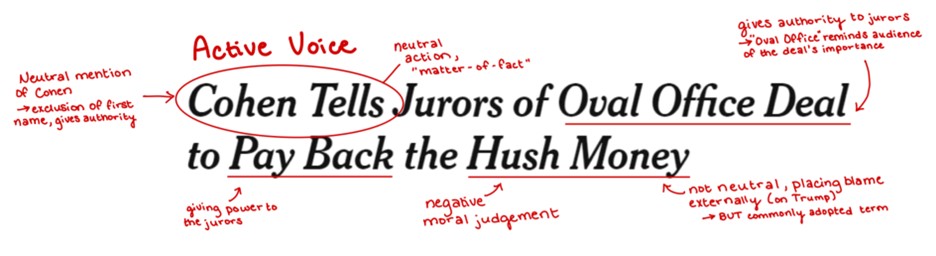
Figure 1. Annotated headline from The New York Times (Left).

The New York Times does not mention Trump by name, but it reminds readers of the power Trump once possessed as president by mentioning the Oval Office. The “hush” of “hush money” creates a negative moral judgment against Trump, but overall, this is one of the more neutral headlines.
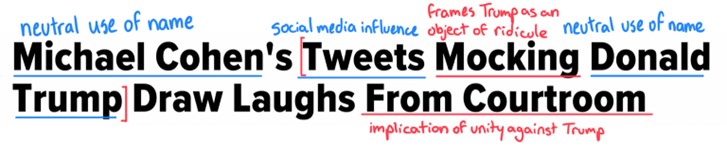
Figure 2. Annotated headline from HuffPost (Left).

HuffPost frames Trump as an object of ridicule in this headline, granting Cohen power over him. Interestingly, it focuses on a more “gossip” style of reporting rather than things relevant to the trial. The focus on berating Trump makes this headline very biased.
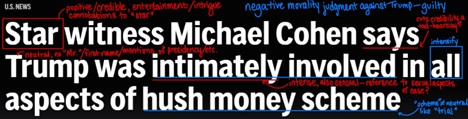
Figure 3. Annotated headline from The Associated Press (Neutral).

The Associated Press features a vaguely left-leaning headline. Cohen is granted credibility with connotations of celebrity, intrigue, and duplicity. There is a clear negative morality judgment against Trump in calling it a “scheme” instead of a “trial.”
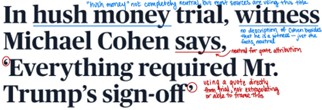
Figure 4. Annotated headline from PBS NewsHour (Netural).

This PBS NewsHour headline is the most neutral of the six. They use an actual quote from Cohen, focusing on the facts.
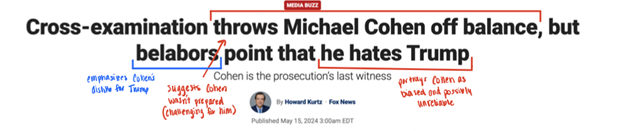
Figure 5. Annotated headline from Fox News (Right).

The Fox News headline frames Cohen as bumbling and spiteful. Trump becomes a victim of a hateful Cohen in this frame, creating sympathy for Trump and a distrust in Cohen.
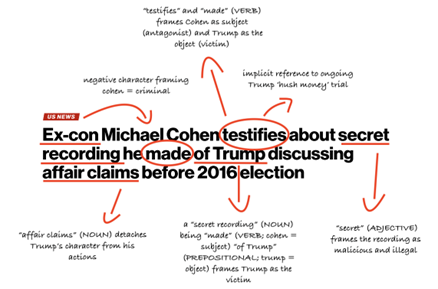
Figure 6. Annotated headline from the New York Post (Right).

The New York Post frames Cohen as untrustworthy by describing him as an “ex-con.” Trump is a clear victim in this version of events. The headline also implies that Cohen is dredging up “old” events to ruin Trump’s 2024 campaign.

Following this, we observed the top comments received by each article with a particular focus on keywords responding to the framing effects of the headline. Firstly, we observed a larger frequency of comments about Trump, the trial, and the general political situation, rather than of Cohen and his testimony. As predicted in our hypothesis, the more polarized headlines had more drastic and emotion-filled comments than the more neutral headlines. Both political sides were firm in their stance, unwilling to budge and change their perspective, with comments typically made to degrade or vilify the other side.

Using keywords and notes from our initial observations, we identified eight key categories of comment-types which reflected similar biases that we observed from our headline analysis (Fig. 11). We created a color-coding system for analyzing our top comments according to these categories to measure the frequency of each category within each news sites’ comment section.
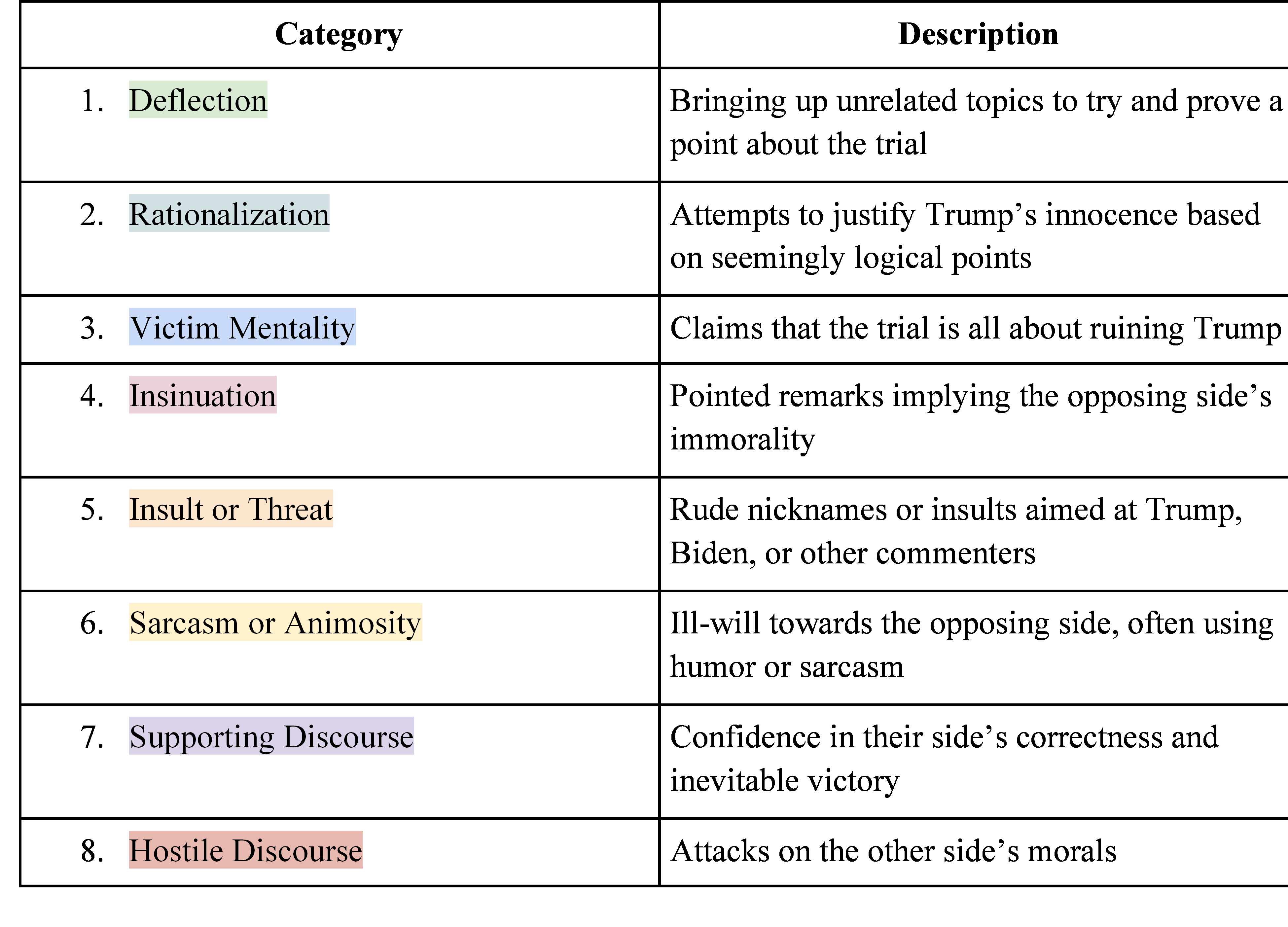
Figure 11. Eight categories used for comment analysis.

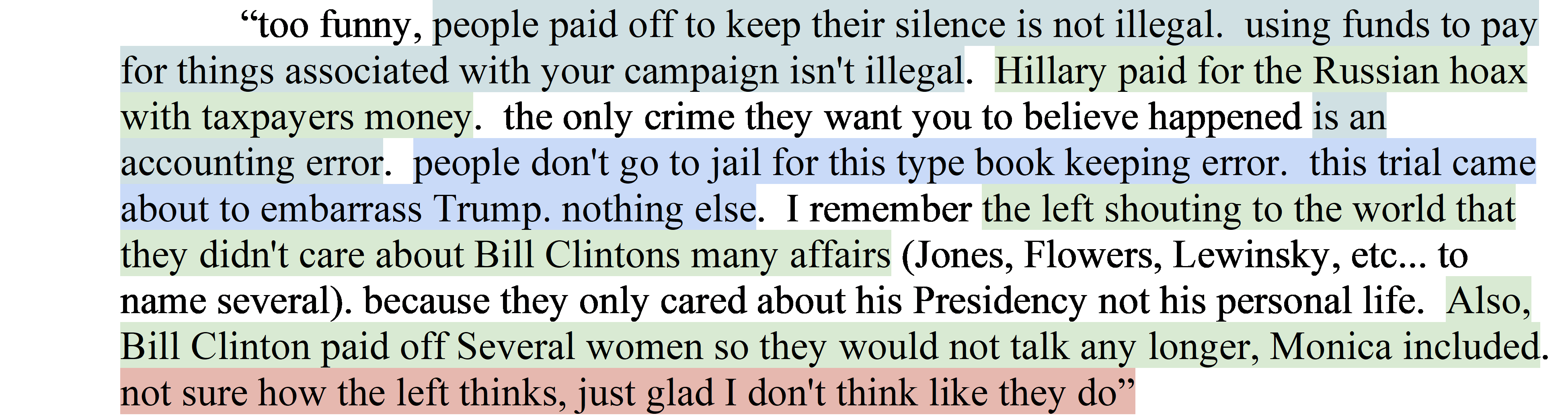
As we hypothesized, hostile discourse, sarcasm and animosity, and insult or threat against the opposing party were consistently apparent across all four sources. However, we observed variations between left- and right-leaning discourse styles between both comment sections, and these are potentially related to the framing of each corresponding headline. These two comment analyses below demonstrate this difference in discourse style: 

Figure 12. Comment under article from The New York Times (Left).


Figure 13. Comment under article from the New York Post (Right).

We believe that these differences are potentially related to each party’s political and moral ideologies, which were reinforced by each headline’s framing. For example, higher frequencies of deflection and victim mentality among right-leaning comments might reflect defensive language in response to Trump’s victimization in right-leaning headlines and Trump’s vilification in left-leaning headlines.

As shown in Figs. 7 and 8, we observed that hostile discourse, insult or threat, and sarcasm or animosity had the highest measure of frequency in our left-leaning sources. Figs. 9 and 10 show that hostile discourse, victim mentality, rationalization, and insult or threat had the highest measure of frequency in both our right-leaning sources. Interestingly, we also observed that supporting discourse was present in both sides, particularly in responding to others’ comments to reinforce their political beliefs. We believe that these findings show potential consequences for politically biased news headline framing that are manifested in comment sections by the reinforcement of certain political ideologies and antagonization of opposing parties, creating a sort of “echo chamber.”
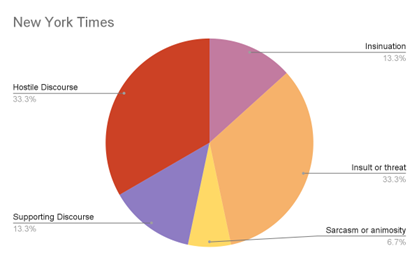
Figure 7. Comment categorization for The New York Times article (Left).

The New York Times comments tend to focus on the insinuation of Republican corruption. The comments were mainly directed towards Trump, attacking and vilifying him. When Cohen was mentioned, it was typically a positive association or connotation. Comments appeared heavily moderated, or perhaps the more neutral headline resulted in less intense comments.
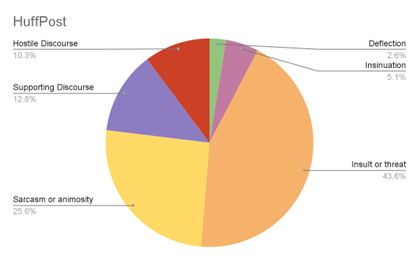
Figure 8. Comment categorization for the Huffpost article (Left).

The HuffPost had less serious comments heavily filled with sarcasm, mockery, and insults towards Trump. With almost no mention of Cohen, the comments were mainly full of mocking and taunting remarks, with few attempted claims of substance.
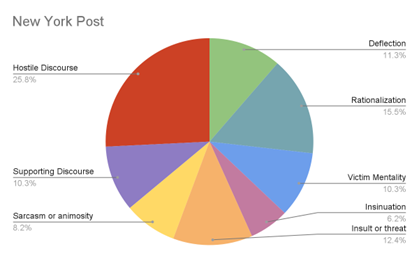
Figure 9. Comment categorization for the New York Post article (Right).

The New York Post focuses mainly on the content of the article, with strong remarks that the trial was set up by immoral Democrats. With the victimization and support of Trump, Cohen is framed as a devious liar who cannot be trusted.
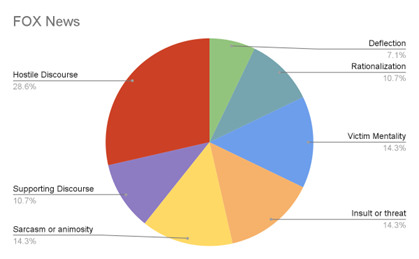
Figure 10. Comment categorization for the Fox News article (Right).

The Fox News comments had a mixture of the victimization of Trump and framing Cohen as an incompetent liar. The commenters also had a strong belief that the trial was fraudulent and biased.

Discussion and Conclusions

Our findings suggest that political framing in headlines through lexical and syntactic choices does create biased responses across the political spectrum. With political polarization in media becoming increasingly prevalent, especially considering 2024 is an election year, our findings are very relevant to discussions around the impact of media on public opinion and discourse. For instance, we found that headlines considered to be more neutral, such as the New York Times, resulted in less discourse between political parties, specifically with less engagement from the right, and the more biased headlines resulted in more hostile rhetoric and discourse in the comment sections between members of opposing parties. Therefore, our findings suggest that headlines that are considered to be more biased provoke stronger, more polarized discourse. Given that our study was limited by factors such as comment moderation and paywalls, a more comprehensive study might include social media responses or a broader range of politically-affiliated news sites rather than just the six we analyzed. For future research, we believe that our ideas can be expanded into a larger study using emerging AI models to analyze larger datasets from social media, which would yield more conclusive results. Perhaps they could detect bots and trolls on social media as well, removing that from consideration.

The next time you are scrolling through the comment section on a political piece, take a moment to recognize what might cause strong feelings one way or another and how that is really affecting your perception of current events. With the tools presented, you now might be able to understand why there is so much fighting in the comment section.

References

AllSides Technologies. (2024). AllSides Media Bias Chart. AllSides. https://www.allsides.com/media-bias/media-bias-chart.

Baratta, A. M. (2008). Revealing stance through passive voice. Journal of Pragmatics, 41(7), 1406-1421. https://doi.org/10.1016/j.pragma.2008.09.010.

Boydstun, A. E., Gross, J. H., Resnik, P., & Smith, N. A. (2013). Identifying Media Frames and Frame Dynamics Within and Across Policy Issues. New Directions in Analyzing Text as Data, 27-28. https://faculty.washington.edu/jwilker/559/frames-2013.pdf.

Gligorić, K., Lifchits, G., West, R., & Anderson, A. (2021). Linguistic effects on news headline success: Evidence from thousands of online field experiments (Registered Report Protocol). PLOS ONE, 16(9). https://doi.org/10.1371/journal.pone.0257091.

Knight Foundation. (2018). Perceived accuracy and bias in the news media. Gallup. https://knightfoundation.org/wp-content/uploads/2020/03/KnightFoundation_AccuracyandBias_Report_FINAL.pdf.

Slothuus, R., & de Vreese, C. H. (2010). Political Parties, Motivated Reasoning, and Issue Framing Effects. The Journal of Politics, 72(3), 630–645. https://doi.org/10.1017/s002238161000006x.

Stroud, N. J., Van Duyn, E., & Peacock, C. (2016). Engaging News Project: News Commenters and News Comment Readers. Center for Media Engagement, Moody College of Communication, University of Texas at Austin. https://mediaengagement.org/wp-content/uploads/2016/03/ENP-News-Commenters-and-Comment-Readers1.pdf.

Wang, H. (2024). Linguistic Analysis of News Title Strategies in Media Frame—A Case Study of ‘The Mueller Investigation’ in the News Titles of The New York Times and Fox News. Journalism and Media, 5(1), 342-358. https://doi.org/10.3390/journalmedia5010023.

Zhou, Z. (2022). Discourse Analysis: Media Bias and Linguistic Patterns on News Reports. Advances in Social Science, Education and Humanities, 637, 271-277. http://dx.doi.org/10.2991/assehr.k.220131.049.

[/expander_maker]
, , , , , ,

Are You Seeing What I’m Seeing?: The Impact of Relative Authority on Information Interpretation

Annabelle Jeon, Seamus Kim, Ani Abramian, Liam Fink

We’ve all celebrated Thanksgiving or some other special occasion when people from opposite sides of the aisle come together to celebrate an obligatory meal in the name of family—and chaos ensues. The estranged uncle is spouting conspiracy theories and someone’s aunt is convinced that raising taxes will be the downfall of the economy. As amusing as this hypothetical scenario is, growing polarization is a very real issue that contributes to increased social fragmentation and wider political turmoil. This study aimed to investigate the source of polarization—specifically as a result of differing interpretations of the same information due to different positions of power. Our sample consisted of students and police officers at the University of California, Los Angeles (UCLA), all of whom were instructed to watch the same video of a protest in Belarus and interviewed to gauge and compare their linguistic behavior. Our results suggest that differences in power do indeed contribute to different interpretations and subsequently different linguistic behavior as those in power, the police officers, showed a markedly neutral and indifferent response in contrast to those without, the students, who demonstrated a clearly supportive response when given the same information.

[expander_maker id=”1″ more=”Read more” less=”Read less”]

Introduction and Background

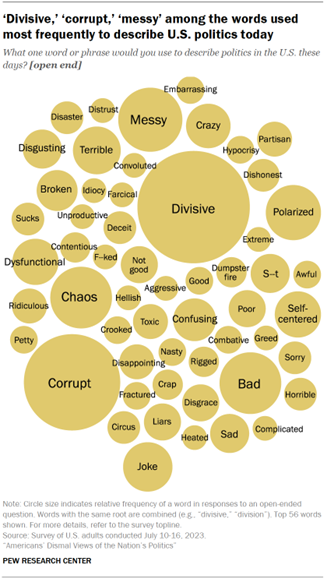
There is a common sentiment that Americans are becoming increasingly polarized (Figure 1, Pew, 2023). Across the political spectrum, many identify the foremost culprit as: misinformation. While there is a growing body of research that points to dangerous levels of misinformation in our current digital age, to attribute polarization solely to misinformation is an oversimplification (Vasist et al., 2023). As information systems researcher Stahl points out, there is no singular “truth” (2006). We each carry with us implicit biases that paint the way we process information. Influenced by his research, we opted to study how divergence arises from people interpreting the same information differently due to identity-based idiosyncrasies.

Figure 1: As shown in this figure, according to a mass survey distributed by Pew Research Center, many Americans describe U.S. Politics as “divisive”, “messy”, and “polarized”.

Our design was influenced by Kahan et al. (2012), which asked subjects of various political beliefs whether the police acted lawfully or not after watching a video of an ambiguous protest to investigate the potential influence of ‘cultural cognition’ on perceptions of legally consequential facts. Since positions of power have been shown to play a significant role in shaping linguistic behavior in social settings, we decided to use relative authority as a factor of interpretative divergence—and—linguistic behavior as a measure for participants’ interpretations (Danescu-Niculescu-Mizil et al. 2012).

Thus, we investigated how UCLA students and UCLA police officers interpreted an ambiguous protest scenario, hypothesizing that officers would use more critical language while students would use more positive terms, despite receiving the same information.

Methods

We employed a qualitative interview design to investigate how relative authority (being a student versus being a police officer) might correlate with differences in interpretation of the same video, as evidenced by linguistic behavior. We interviewed 6 participants–3 UCLA students and 3 UCPD officers–in-person. First, we asked about their age, ethnicity, gender, rank/year, and political leaning to account for potential both inter- and intra-group differences due to factors beyond position of authority. Then, the interviewer provided a single sentence of context for the video, describing it as a factory strike over stagnant wages in Belarus. The participants then viewed a ten second clip of the strike and were asked at least four questions:

  1. How would you characterize the people striking?
  2. How would you characterize the overall atmosphere of the protest?
  3. What do you believe is the primary motivation behind the protest?
  4. What impact do you think the protest has on the local community?

Interviews were to be 10-15 minutes long to provide enough data for rigorous linguistic analysis. In case responses ran under, interviewers were instructed to ask follow-up questions for each primary question, including:

  1. What from the video are you basing this perspective on?
  2. How do you think people with opposite political beliefs from you would respond to this question?

The questions were designed to elicit elaboration beyond the immediate facts of the video (there are people; they’re carrying signs; etc.), without insinuating any particular interpretation.

We analyzed transcriptions of their responses for diction (buzzwords, specific phrasings, etc.) to identify any notable patterns in linguistic behavior, which were then compared to reveal potential intra- and inter-group differences in the interpretation of the scenario. Finally, the findings were situated within a larger societal context to contribute to ongoing discussions of the relationship between information and perspective. 

Results and Analysis

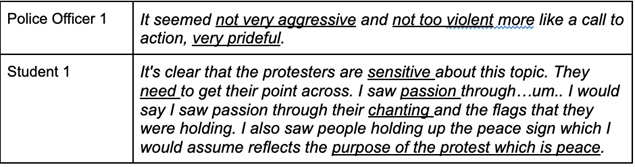
We engaged in two levels of analysis, starting with an examination of each transcript for keywords and phrases, patterns in descriptions, and other notable features. Below is a short excerpt from one of the responses collected.

Figure 2: Comparison of responses between police officer 1 and student 1 when asked to characterize the overall atmosphere of the protest. [underlined words/segments reflect features that we noted as relevant diction for analysis]:
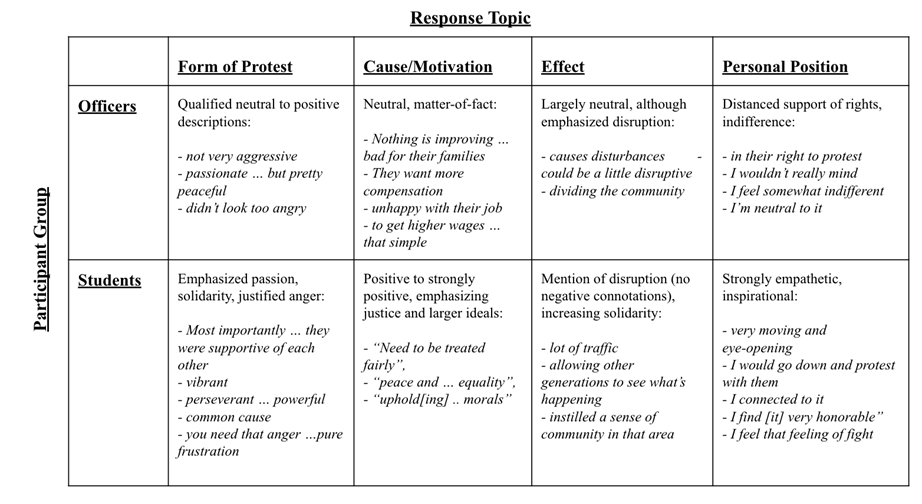
Second, we compared our analyses of the transcripts to yield insights about both within-group (student or police officer) and between-group commonalities and differences. To organize our findings, we organized extracts and our resulting insights into four categories/topics of interpretation:

Figure 3: Summarized responses of each group based on the four categories

Our data revealed that all participants shared a relatively positive view of protests. Though the difference in results were not as significant and explicit as expected, there were still clear linguistic differences. In contrast to students, who emphasized overt and immediate solidarity from the start, stating that the protestors were “supportive of each other” and “perseverant”, police officers were more hesitant in their responses, describing the protests as “passionate… but pretty peaceful” and “not very aggressive” before expressing mild approval.

The officers also mentioned that the protest could “cause disturbances” and “be a little disruptive” when asked about the possible impact on the community. Meanwhile, students continued to express support, characterizing the protests as a communal movement for the greater good. One student even expressed personal willingness to join, citing reasons such as fair wages, drawing from their own protest experiences. To summarize, all three students demonstrated clear patterns of empathetic identification with the protestors, while the officers exhibited a more distant, moderate sense of support.

Discussion and Conclusions

Our data reveals notable linguistic patterns amongst the police officers that differ from those of the students, strongly suggesting differences in the interpretation of the same scenario, which moderately aligns with our hypothesis. It’s important to note, however, that while the students used clearly positive diction to express support, the police officers were implicitly critical rather than using outright critical diction in describing the protestors. In sum, the discursive behavior of the students in comparison to the police officers suggested that the students by default held the protest in a positive regard, while the officers determined that the protest was generally acceptable but only because it met certain criteria (non-aggressive, minimal disruption, within scope of rights, etc.). Furthermore, our results align with that of Karjus’ study, which demonstrated a strong correlation between linguistic differences and American political polarization as each political faction constructs their own linguistic echo chamber of shared narratives of certain words and phrases, reinforcing their beliefs and causing further division (2023).

An unexpected challenge in gathering and analyzing our data was the consistently brief responses from officers, which were about a quarter to half as long as those from students. This reduced data volume may decrease confidence in our findings regarding police perspectives. However, the brevity could also suggest neutrality or indifference, reflecting a lack of strong opinion. Another plausible explanation: because of their stronger authority relative to the student, the officers felt less inclined to answer as thoroughly as the students. In this way, our positionality as students may have also affected the results of this study, a reminder of the elusive nature of the ecological validity that we anthropologists continue to seek.

This study contributes to research on communicative divergence and polarization by highlighting the role of relative authority/power in shaping differing views, even when information is controlled for. We urge future studies to explore additional factors such as socioeconomic status, ethnic/cultural background, and region, which may also influence divergent interpretations. Understanding these factors is crucial for modifying approaches to cooperation and peaceful resolution to combat polarization. Rather than focusing solely on ‘the facts,’ advocates must acknowledge and align with the underlying principles driving diverse interpretations.

References

Danescu-Niculescu-Mizil, C., Lee, L., Pang, B., & Kleinberg, J. (2012, April). Echoes of Power: Language Effects and Power Differences in Social Interaction PDF. Ithaca; Cornell University Department of Computer Science. https://www.cs.cornell.edu/~cristian/Echoes_of_power_files/echoes_of_power.pdf

Kahan, D. M., Hoffman, D. A., Braman, D., Evans, D., & Rachlinski, J. J. (2012). “They Saw a Protest”: Cognitive Illiberalism and the Speechconduct Distinction. Stanford Law Review, 64(4), 851–906. http://www.jstor.org/stable/41511108

Karjus, A., & Cuskley, C. (2023, September 4). Evolving linguistic divergence on Polarizing Social Media. arXiv.org. https://arxiv.org/abs/2309.01659

Pew Research Center. (2023). Americans’ feelings about politics, polarization and the tone of political discourse. https://www.pewresearch.org/politics/2023/09/19/americans-feelings-about-politics-polarization-and-the-tone-of-political-discourse/

Stahl, B. C. (2006). On the difference or equality of information, misinformation, and disinformation: A critical research perspective. Informing Science, 9, 83.

Vasist, P. N., Chatterjee, D., & Krishnan, S. (2023). The Polarizing Impact of Political Disinformation and Hate Speech: A Cross-country Configural Narrative. Information systems frontiers: a journal of research and innovation, 1–26. Advance online publication. https://doi.org/10.1007/s10796-023-10390-w

 [/expander_maker]

, , , ,

Women in Politics: Confident not Coy

Ahmed Elauri

I have a dream (…) that one day (….) my children (…) will grow up to read Cat in the Hat.  Now that probably sounded a lot more dramatic than it actually was. People, especially American politicians, love to take pauses while speaking. Martin Luther King Jr. did it, Barrack Obama did it, Nancy Pelosi does it. Pauses are often used because their versatile roles, especially in politics. Pauses can be used to provide emphasis, invoke emotion, or just to catch someone’s breath. Due to the flexibility of pauses, this research investigated how men and women within politics use silence within their speech differently. While women were expected to take more pauses to sound less aggressive and to prevent standing out, the data suggests men may take more pauses during their speech.  This research compared the speech of Vice President Kamala Harris and former Vice President Mike Pence to see who spoke more fluidly during the 2020 Vice Presidential Debate. Harris used fewer pauses, indicating women in politics may be more confident and fluid speakers than their male counterparts.

[expander_maker id=”1″ more=”Read more” less=”Read less”]

Linguistic Restraint in Politics and Gender

Introduction & Background

Politics is centered around public perception of individuals, making each political figure highly subject to scrutiny (Shabrina, 2016). Specifically, the speech of Kamala Harris, and Mike Pence were analyzed. Vice President Harris hails from California, where she had experience as a U.S. Senator, and as District Attorney. Former Vice President Pence comes from Indiana, where he had been Governor. Both individuals have had bright political careers, although they do have differences. Vice President Harris is a female of color from California, whilst former Vice President Pence is a white male from the Midwest. This study focused comparisons based on differences in gender.

This research was performed to answer the following research questions. How does gender affect usage of pauses and silences within speech in a political environment? More specifically, how often are pauses used, what functions do they primarily serve, and how effective are they at completing their function

Males and females were expected to respond differently due to the Difference Theory because politicians do not want to sound strange. Therefore, they likely would conform to social norms and act within specific gendered behaviors. 

Females were expected to use pauses more often than men, possibly to invoke an emotional response from the audience or to prevent appearing aggressive and overbearing. Conversely, men were expected to use fewer pauses. They may include pauses to add emphasis or to change flow of speech to keep the audience engaged. Men were expected to speak more smoothly, likely due to the male dominance in politics and having more comfort in the spotlight. The Difference Theory argues that men and women have separate genders, and thereby learn to socialize separately (Tannen, 1991). The difference in socialization leads to each gender performing different practices. For men, this means they primarily communicate to convey information(Tannen, 1991). For women, this means they have a rapport speaking style, where they speak to build relationships (Tannen, 1991). Similarly, the concept of perceived affordances, or what people feel they are socially permitted to do, also factors into how men and women will use pauses (Norman, 1999). The way we speak is a reflection of our entitlement within society (Segalowitz, 2001). As men and women have different roles within society, their entitlement based on affordances will alter when they use pauses, and the pauses’ associated function.

Previous studies have shown that power imbalances can lead to differences in the linguistic features that are used (Kollock, 1985). It has been speculated that these linguistic differences are linked to gender, more information on gendered power in politics can be found here.

During the Senate confirmation hearings for Clarence Thomas, the use of silence was very deliberate by Senators and by Judge Thomas. In said case, the pause time allotted between answers given and the following question being asked, for Judge Thomas was adequate enough for him to be able to respond with a calm tone and with sound answers. Conversely, Dr. Hill was given substantially less pause time, causing her discomfort and stress in attempt discredit her (Mendoza-Denton, 2001).

Much of the past research is decades old, and focused on different specific sociolinguistic factors. The age of past research and the absence of research on pauses within a political speaker’s message leave a knowledge gap that is filled by this work.

Methods

This study specifically examined conversations and dialogue between Vice President Kamala Harris, and former Vice President Mike Pence. The conversations that were analyzed were from the 2020 Vice Presidential Debate. Considerations of this text include the female moderator, Susan Page, who was facilitating the debate. Conversations were randomly selected, transcribed, then analyzed.

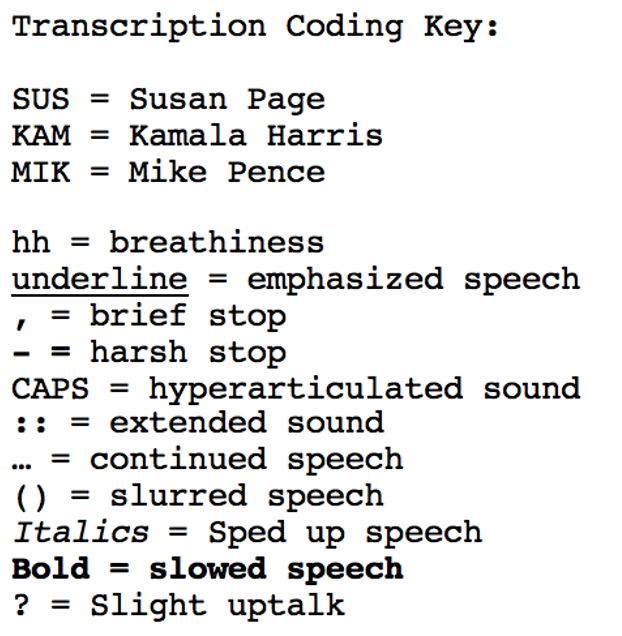
Both parties were afforded equal speaking time and opportunities to speak at the debate, having strong previous political careers and being in contention for the same position. Transcriptions were recorded and made for each example and can be deciphered using the key found in the Appendix of this blog.

Results

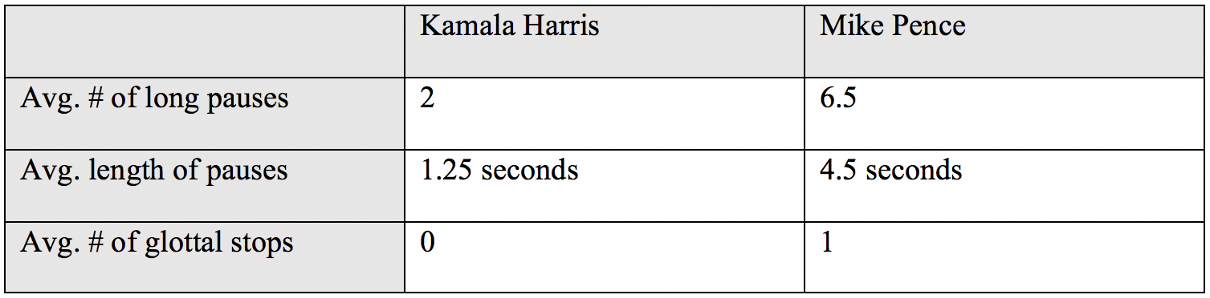
Figure 1. Summary of the research study findings, particularly the average values of pauses throughout the examined conversations.

Two examples will be briefly shown in Figures 2 and 3.


The first example titled ‘Prayers and Concern’ (Figure 2) came from Pence (video link here). As shown in lines 2-5, there is a high number of pauses, within his four lines of speech. Furthermore, he exhibited two glottal stops. The significance here is in the density of his pauses, which have a high frequency within a short section of speech, and have long individual lengths.

Figure 2. An excerpt from a conversation between Mike Pence and Susan Page.

Pence performs eight long mid-speech pauses within his answer, and about two per each line of text. Pence has two glottal stops in speech, both during line 2. The line 2 glottal stop seems relevant to the long pauses in lines 2,3, and 4 which are discussed below. The early stops indicate they are not meant to disturb flow, or provide emphasis on any points made, as there are no points made yet. This is different from the next transcript.

Example 2 titled ‘Confidence’ (Figure 3) is a transcript that follows Harris’ response to the same question (video link here). Immediately you can see the contrast between Harris’ response and Pence’s response in Example 1. The significance in this example is from the lack of pauses and the confidence in her answer.

Figure 3. An excerpt from a conversation between Kamala Harris and Susan Page.

Harris has three lines of text here, fewer than Pence’s response of four lines, but nonetheless, her answer is much different. Whilst Pence has two pauses per line, for a total of eight pauses; when answering the same question, Harris had only two long pauses, both of which were significantly shorter than the mid-speech pauses exhibited by Pence.

Discussion & Conclusion

Harris’ speech faired as more fluid than Pence’s speech, including fewer glottal stops, fewer pauses, and shorter pauses. Many of Harris’ pauses were directly following bold claims or negative statements towards her opponent. This directly contrasts with the hypothesis which predicted women in politics to be timid. Furthermore, Pence’s pauses were often used at times when he seemed flustered, or as though he was struggling with choosing words to say.

While these results are limited, as they focused on a singular event and two specific politicians, this research indicates that times are changing. Further research including analyzing more individuals in different situations must be done to support the results found here. Nonetheless, the findings within this study indicate women have strong voices within American politics, and are willing to aggress head-to-head with their male counterparts.


References and other used sources

C-Span. (2020) Vice Presidential Debate, https://www.youtube.com/watch?v=t_G0ia3JOVs

Mendoza-Denton, N. (2001). Pregnant pauses. Teaching Modern Foreign Languages: A Handbook for Teachers, 50.

https://languagelog.ldc.upenn.edu/nll/?p=49201&fbclid=IwAR1JIOXRML8cIeeKnHIkKo4KY1o_gHrH8DK5urOB_Y4utetBEPYskijLOQE

Holiday, N. (2020). Kamala Harris and the Prosody of Parody.https://languagelog.ldc.upenn.edu/nll/?p=49201&fbclid=IwAR1JIOXRML8cIeeKnHIkKo4KY1o_gHrH8DK5urOB_Y4utetBEPYskijLOQE

Raymond, C. W. (2019). Category accounts: Identity and normativity in sequences of action. Language in Society, 48(4), 585-606.

Kollock, Peter, Philip Blumstein & Pepper Schwartz. (1985). Sex and power in interaction: Conversational privileges and duties. American sociological review, 50.34-46.

Rickford, J. R., Duncan, G. J., Gennetian, L. A., Gou, R. Y., Greene, R., Katz, L. F., … & Ludwig, J. (2015). Neighborhood effects on use of African American vernacular english. Proceedings of the National Academy of Sciences, 112(38), 11817-11822.

Shabrina, I. (2016). Persuasive strategies used in Hillary Clinton’s political campaign speech (Doctoral dissertation, Universitas Islam Negeri Maulana Malik Ibrahim).

Tannen, D. (1991). You just don’t understand: Women and men in conversation (1. ed). Ballantine Books.

Norman, D. (1999). Affordance, conventions, and design. Interactions, 6, 38–42. https://doi.org/10.1145/301153.301168

Segalowitz, N., Cohen, P., Chan, A., & Prieur, T. (2001). Musical Recall Memory: Contributions of Elaboration and Depth of Processing. Psychology of Music, 29(2), 139–148. https://doi.org/10.1177/0305735601292004

[/expander_maker]

, , , , , , , ,

Media Depictions of African Americans in Incidents of White-on-Black Violence

Faith Ngo, Madyllen Kung, Melissa Aguirre, Sabrina Huang

Racial inequalities have been a fundamental aspect of the underlying fabric of the United States since its conception almost 250 years ago. From brutal incidents of racialized violence to educational disparities that have continually oppressed communities of color, inequities rooted in the throngs of racism have persisted and accumulated over time. An example of such racial inequities is violent incidents in which white police officers shoot and kill unarmed African American individuals. Proof that discriminatory biases still exist today, these events have become fuel for groundbreaking social movements that are centered on uplifting the voices of oppressed communities and challenging hegemonic ideologies. 

Over the last ten weeks, we have learned about the vital role language plays in constructing and maintaining identity. Through stereotypes and “otherizing,” which have amplified the perceived differences between social groups and intensified the already vast racial boundaries, language can codify and perpetuate discriminatory biases.

As we started our project, we asked ourselves, would articles dehumanize African Americans or would they place blame on the white police officer? Would race be a salient aspect? Would there be a notable difference in the styles of language across different social identities? Or would we find a difference between various news outlets?

[expander_maker id=”1″ more=”Read more” less=”Read less”]

INTRODUCTION

Language is a powerful tool that can be used to construct our understanding of the world or perpetuate traditional beliefs. As tensions between African Americans and White Americans continue to grow, it is important to recognize the ways in which language can reaffirm discriminatory biases.

With this in mind, we decided to focus specifically on the linguistic elements news articles utilize to cover incidents of white-on-black violence. In addition to being widely accessible to the public, such articles play an important role in either reaffirming or challenging prejudicial stereotypes.

This led us to our research question: In situations of white-on-black violence, how do different news outlets utilize linguistic elements to depict and characterize African American individuals as archetypes of widely-held stereotypes?

BACKGROUND

Research has shown that the media routinely associates African Americans with criminality. News outlets disproportionately report on criminal incidents which involve African American suspects in comparison to white suspects, especially if the incident involves violence (Oliver, 2013). The overrepresentation of African Americans in incidents of crime creates a stark dichotomy between the portrayal of black and white Americans by news outlets. While violent crimes perpetrated by African Americans are widely reported on, violent incidents involving white suspects are largely ignored (Johnson and Dixon, 2008). In addition to the racial disparities apparent in coverage of crime, studies have shown that specific language is used to dehumanize African Americans regardless of their role as the perpetrator or suspect. The use of “micro-insults” in descriptions of African Americans can implicitly link them with social categories that are historically viewed as “inferior” to normative social groups (Smiley and Fakunle, 2015). On the other hand, the use of “micro-invalidations” can trivialize the experiences of black individuals (Smiley and Fakunle, 2015). Such language can have alarming effects in priming audience members towards internalizing negative stereotypes of black individuals and potentially acting upon those implicit biases (Oliver, 2013). The actions which result from biases produced and maintained by mainstream news outlets — “racial microaggressions” — form the foundation of discriminatory structures that continually relegate African Americans to the bottom of the social hierarchy (Kulaszewicz, 2015).

METHODOLOGY

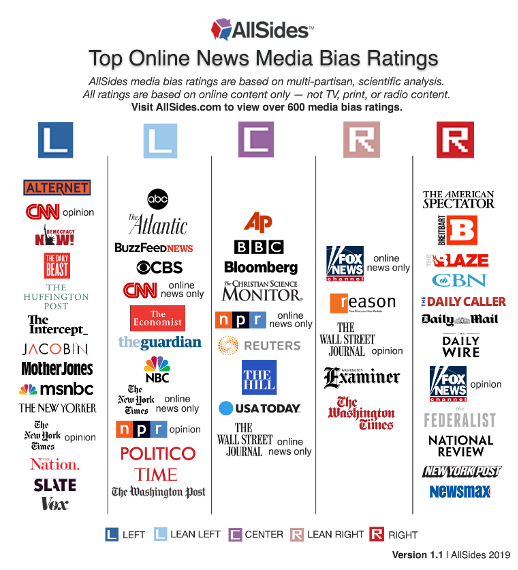
Since the manner in which white-on-black violence is depicted largely depends on the political affiliation of the reporting news source, our methodology was designed to account for a range of varying political viewpoints. Each researcher selected two liberal sources, two conservative sources, and one moderate source based on the AllSides Top Online News Media Bias Ratings chart (Figure 1). These five articles of varying political affiliations were used to analyze the following individuals: Tamir Rice, Tanisha Anderson, Trayvon Martin, and Eric Gardner. We selected these individuals because they are figures who are representative of White-on-Black incidents of violence in the United States.

Figure 1: AllSides Top Online News Media Bias Ratings We used this chart to find articles that aligned with a political orientation. One article was selected from each column from the news outlets listed in this chart. Source: https://www.allsides.com/media-bias/media-bias-chart

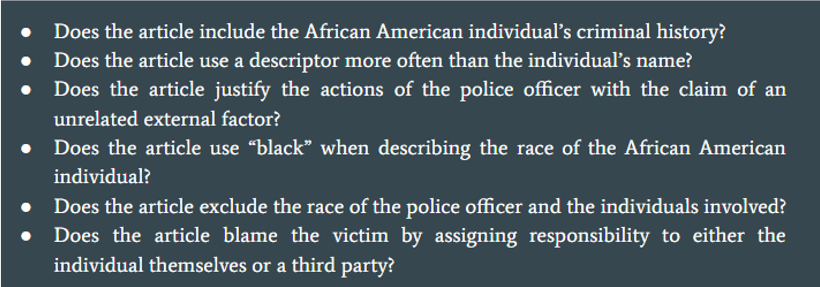
After the articles were chosen, a Total Point System was employed to evaluate the salience of race in the article through explicit references of race. The point system was designed to ask one question: to what extent did the article make race a conspicuous and contributing factor in the white-on-black incident? The following are the six criteria of the system: 

It is important to note that an article that scored six out of six points does not necessarily indicate that it is more racially biased.

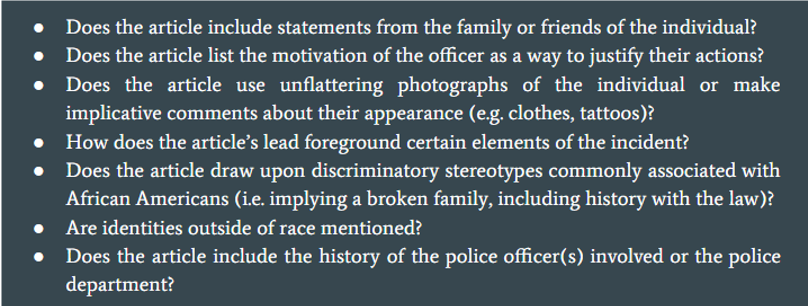
Since language also has an implicit function, the second part of our analysis involved a Guiding Question system to account for indirect references to race that could not be captured by the point system. The following are the seven criteria used in this system: 

The assessment of articles using the Guiding Question system provides insight into the discreet manner victims and assailants are framed. These questions illustrate how the language of articles can indirectly position individuals as a particular actor in larger racial narratives (this is often referred to as “interpellation”). 

RESULTS

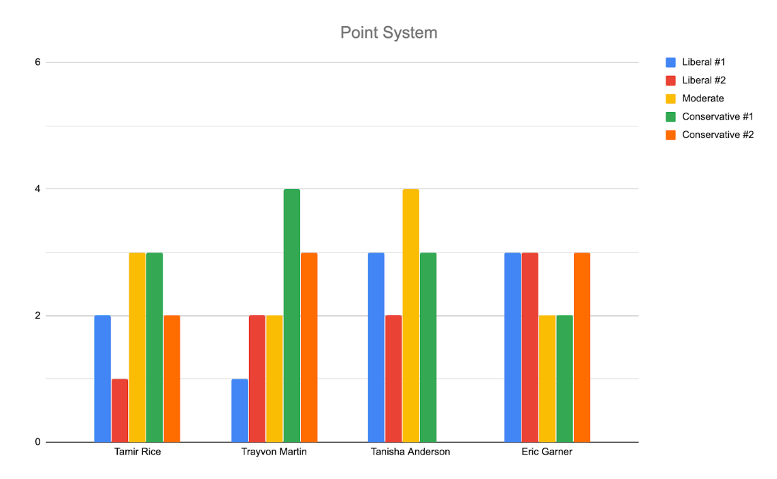
Figure 2: Point totals between various news outlets across the four individuals This bar graph depicts the varying point totals of articles which cover the deaths of Tamir Rice, Trayvon Martin, Tanisha Anderson, and Eric Garner. The different colors depict the political alignment of the articles selected.

As Figure 2 shows, point totals varied across articles which covered the deaths of our sample of individuals. We found articles on Tanisha Anderson and Trayvon Martin to have disproportionately high point totals because of their existence at the intersection of multiple oppressed identities. While Anderson had a mental disability that was commonly referred to, Martin’s appearance at the time of his death was a salient component of several articles. 

Foregrounding in the lede

In our quantitative analysis of selected news articles, we focused on the journalist’s word choice throughout the article and how such words evoke a reaction from readers (Jakobson’s “conative function” of language). However, special attention was paid to the first sentence of the article, which is often referred to as the “lede”. This sentence encapsulates the who, what, where, why, and when of the situation or topic in question and helps to set the tone for the remainder of the article. Due to the position of the lede at the beginning of the article, information included here can be utilized to foreground certain elements. 

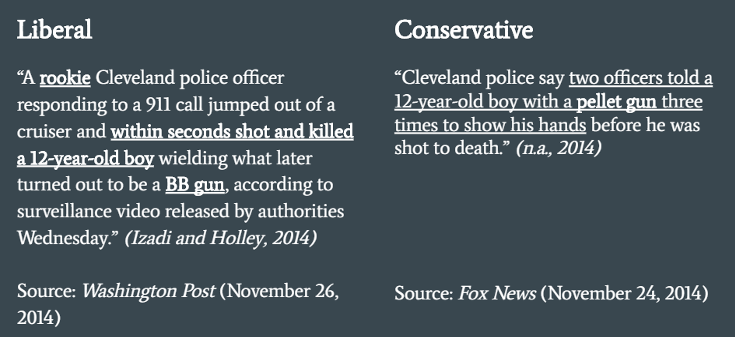
Figure 3: An example of foregrounding in the lede The ledes included in this figure are from two articles which covered the murder of Tamir Rice. Bolded and underlined words highlight the noticeable differences between each.

Across the four individuals we studied, we observed that there were noticeable differences in language use. Liberal news outlets typically included language which positioned the African American individual as the “victim”, while conservative news outlets utilized language which portrayed the police officer(s) and their actions as reasonable. Information that supported each agenda was included in the lede, while information that undermined such portrayals was either excluded or backgrounded. 

Differences in point totals between conservative and liberal news articles

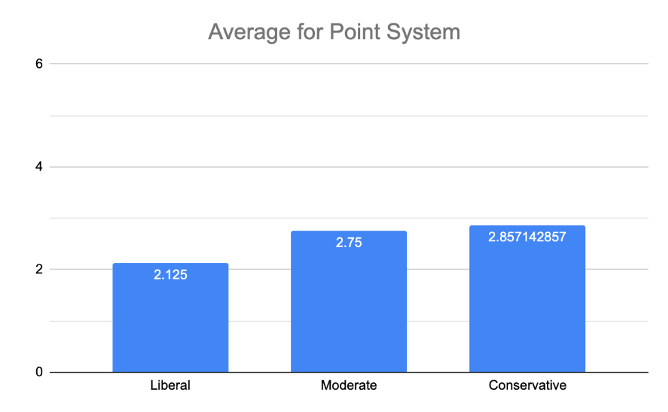
Our research also found differences in average point totals between conservative and liberal news articles (Figure 4). Although these differences were not large, it appears that conservative articles have lower point totals and conservative articles have higher point totals. Meanwhile, moderate sources had point totals that fell between the scores of liberal and conservative news outlets. However, these average point totals fell closer to those of conservative sources. 

Figure 4: Average point totals of liberal, moderate, and conservative news outlets.

Differences in guiding questions

We also found stark differences in answers obtained by way of our guiding questions. Across the twenty articles we studied, conservative articles utilized a greater degree of language that reinforced common stereotypes associated with African Americans. Conservative sources often drew upon the individual’s criminal history or appearance (e.g. wearing a hoodie) as a subtle way of shaping the individual’s character. If the officer was mentioned, it was to justify his/her actions in some way. Conversely, liberal sources often focused on the motivations of the officer and their judgment errors in interpreting the situation. The results demonstrate that in general race was made more salient in conservative sources that liberal sources as an inherent contributing factor to the situation.

DISCUSSION AND CONCLUSIONS

Our results reveal that there is a stark and noticeable difference in the language use between conservative and liberal news outlets. While liberal publications use language to position African Americans as “victims”, conservative publications position them as the “assailant” or “instigator”. Such information draws attention to the detrimental role journalism plays in furthering and reinforcing stereotypes that support the criminality of African Americans. 

There were several limitations to our research, however. One noticeable limitation is the assumption that the political alignment of a news outlet directly corresponds with its article’s attitude towards race. There are numerous factors that may play a role in the way national publications depict race that we unfortunately did not account for in this project. Other limitations include differences in publication times (which impact how much information is available to journalists and, by extension, what particular elements are salient) and personal biases.

Regardless, our results offer insight into the way African Americans are both implicitly and explicitly discriminated against. Such biases underscore the role language can play in shaping public perceptions and encouraging prejudicial actions. It also reveals ways in which we can uproot social stereotypes surrounding historically marginalized groups and tackle harmful racial disparities. 


REFERENCES

Johnson, K. A., & Dixon, T. L. (2008). Change and the illusion of change: Evolving portrayals of crime news and blacks in a major market. The Howard Journal of Communications, 19(2), 125-143. doi:http://dx.doi.org/10.1080/10646170801990979

Kulaszewicz, Kassia E.. (2015). Racism and the Media: A Textual Analysis. Retrieved from Sophia, the St. Catherine University repository website: https://sophia.stkate.edu/msw_papers/477

Oliver, M. (2003). African American Men as “Criminal and Dangerous”: Implications of Media Portrayals of Crime on the “Criminalization” of African American Men. Journal of African American Studies, 7(2), 3-18. Retrieved from http://www.jstor.org/stable/41819017

Smiley, C.J. & Fakunle, D. (2016) From “brute” to “thug”: The demonization and criminalization of unarmed Black male victims in America, Journal of Human Behavior in the Social Environment, 26:3-4, 350-366, DOI: 10.1080/10911359.2015.1129256

 [/expander_maker]

, , , ,
Scroll to Top