stereotype

Do Students Hold Their Professors to a Certain Standard?

Madison Atiabi, Araceli Valladares, Sean Freilich, Antoinette Alfaro, Brandon Elkington

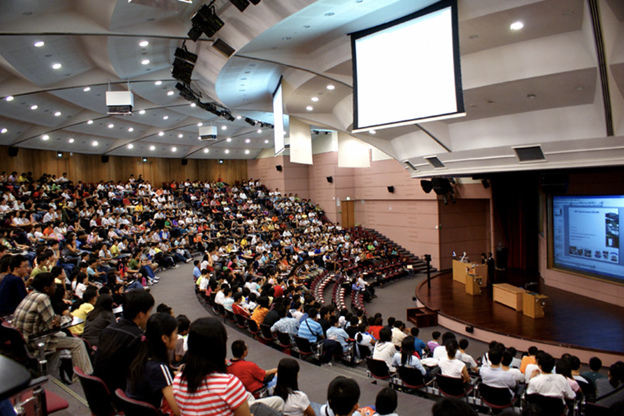
Knowledge production in the global context has enabled an unprecedented ability to share information in the modern age. Because of this, International Universities like UCLA serve as a hotbed for intellectual progress over a backdrop of movements for inclusivity and representation in educational institutions. While recognizing elements of language associated with ethnicity such as accents is a sensitive topic, it is an undeniable element that comes into play when analyzing the perceptions that students hold of their professors. Even though we initially invested in how accents affect academic outcomes, this study has instead developed an understanding of subconscious biases and expectations within the academic setting that demonstrate a contradictory notion of judgment versus inclusivity. While clearly expressed to varying degrees of appreciation for different language practices, the individual word choice illustrates an intent to perform academically that is not only a standard to be upheld by professors, but to an extent to students as well.
[expander_maker id=”1″ more=”Read more” less=”Read less”]

Introduction

The development and ability to share information in the modern world is faster than ever and there has been an emphasis on developing scholarship around the diverse perspectives that come together within the global context. While there are undeniable benefits towards the development of scholarship by including international perspectives, there are a number of challenges that arise when centered around communication between speakers with different linguistic backgrounds. In attempts to understand how students perceive different elements of language, a handful of studies and experiments have been conducted as a means to better understand what incites the most favorable repertoire between students and professors. As “language is an important and necessary medium of communication,” (Kuo 2011) differences in pronunciation, intonation, rhythm, and word choice may lead to miscommunications or misinterpretations of information which can have a devastating impact in an academic setting where clear communication is crucial to success. Since how people speak demonstrates many notions of group belonging, elements of language such as accents tend to elicit stereotypical perceptions that can influence the perceptions of professors as less credible (Alexandra 2015). Considering that a student’s perception of their professors as the ambassadors of the university can have an impact on a student’s learning outcomes (Gill 1994), it is important to understand the various ways that accents and language choices such as the use of slang affect students’ perceptions of their professors. Therefore, the University of California, Los Angeles (UCLA), as an international institute provides a diverse cultural background to deepen our understanding of how accents and slang shape communication dynamics, social interactions, and language attitudes between professors and students.

Methods

When initially proposing this study, we intended to collect a variety of qualitative and quantitative data through a series of interviews, observations, and a survey as means to gather in-depth insights into how language affected the relationship between professors and students. Our original hypotheses centered around the notion that a professor’s accent would be recognized as a challenge in a student’s ability to comprehend the course material and build connections with their professors. However, in the process of developing the proposal, we acknowledged the potential for biases in the responses to our questions considering the academic nature of the project. As such, we conducted five 20-minute interviews with other UCLA students (four undergraduate and one graduate) that we had less formal relationships with hopes of receiving more open and honest responses to our lines of questioning considering the sensitivity of acknowledging a difference in language typically associated with difference in culture. As such, the interview questions focused on concerns regarding accents and the use of slang in the classroom setting and how they affect student’s perceptions of their professors and whether or not they have an expectation of a “standard” language for their professors.

 For consideration, below are the questions that were asked during the interview:

  1. Have you ever had a professor with a strong accent?
  2. How do you feel this has affected your ability to comprehend the course materials? Please elaborate.
  3. How do you feel that this has affected your interactions with your professors?
    1.  How has it affected your sense of community in the classroom?
    2. How has it affected your connectedness to the course materials?
  4. What kind of language use do you expect from your professors in a classroom setting? Do you think there is a “standard” for how professors should speak to their students?
  5. How do you feel when a professor uses slang or a younger language?
    1. How does it affect the relationship with the professor?
    2. Do these language choices affect your sense of immediacy with your professor?
    3. Does the use of slang make your professor seem less credible?
  6. Can you think of any other ways your professors build a sense of community or contribute to your education through their language?
    1. Do any other positive or negative effects of a professor’s language choices come to mind?
    2. Do the ways that your professor chooses to convey certain ideas affect your education?
  7. What changes could professors make in their language choices to improve their interactions with students?

Results and Analysis

Accents and Academics

While our respective interviews yielded varied responses due to the intimate nature of the process, there were a few constants that emerged within them. For instance, as predicted, there was an almost universal recognition that accents contributed to certain challenges within the classroom. In some cases, students revealed they had trouble understanding the course material despite efforts of professors to ensure comprehension; one student, Angel, expressed disinterest with sentiments like “I just want this lecture to end faster,” or “I’ll talk to the TA.” This reveals insight beyond our initial hypothesis; the spirit of inclusivity that is present in universities may directly contribute to the disconnect between students and professors to a degree that impacts a student’s willingness to engage with a course. Similarly, despite appreciating the beauty of different cultures coming together, Evan noted in his interview that “it was awkward and a little embarrassing to have to keep asking the same question because their strong accent made it hard for me to understand what they were saying.” Consequently, in response, it was common for students to seek more time with their TA as a solution to address issues with comprehension in lectures.

Slang Use

On the other hand, in discussions about slang use and “standard” language practices of professors, there was a surface-level appreciation for professors’ attempts to connect through slang-use and a general positive reaction. However, what a few of our interviewees argued to be more important was the use of genuine language as opposed to language that caters to a professor’s perception of what students may want to hear. Similar to the study by Martin, Weber, and Burant, the students we interviewed appeared to be able to recognize the subtleties of slang use and distinguish them from the subtexts of their uses (1997). For example, Jessica expressed that it was “cringy” when professors end up “overdoing it while trying to be relatable” because it comes off as inauthentic and pandering. Nonetheless, our interviewees expressed a general support for the use of slang words and “younger” language in the classroom. But in doing so, the words that they used represented a potentially larger concern surrounding language use in academic settings.

Unconscious Biases

When asked about whether she had any expectations for a “standard” language from her professors, Anna responded, “I don’t think slang would come in the way of teaching. Professionalism could be… um… what I’m trying to say is I don’t think language really affects the way the material is taught, and I don’t think slang should be penalized or looked down upon in the classroom setting.” While her response initially shows an understanding and support for less restrictions on language, the expression of the contrary as professionalism followed by a subtle retraction indicates a subconscious level of decorum that is to be expected from professors and the university as a whole. While our interviews only represent a minute sample of students at UCLA, the results indicate a wide range of responses that demonstrate similar notions of underlying pressures to maintain certain values.
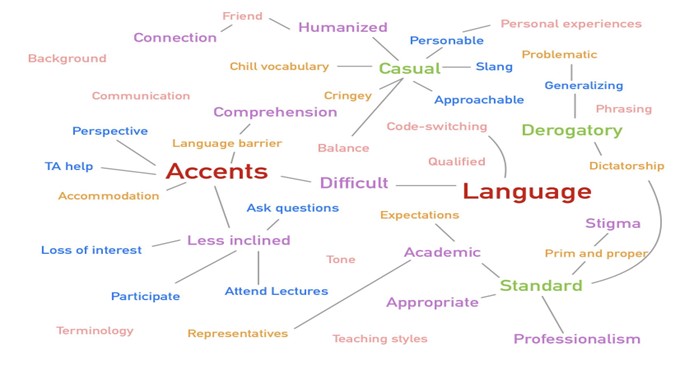
Figure 1: Common and uncommon words found throughout the five interviews

Discussion and Conclusions

Our study and its findings contribute valuable insight into our understanding of students’ perceptions and expectations of their professors within academic settings. By investigating whether students hold their professors to a certain standard and coupling our empirical findings with existing literature, our study allows for researchers to formulate testable predictions or hypotheses on the nature of student-professor relationships in the future.

Our findings not only revealed diversity in linguistic and academic standards amongst students, but also suggested a potential for underlying biases inherent within academic settings. Our research highlights the extensive influence of academic norms and expectations on linguistic practices, suggesting an unconscious pressure on both students and professors to conform to behaviors typically perceived as “professional.” Such findings emphasize the importance of working towards building inclusive learning environments that embrace linguistic diversity while also encouraging authenticity and cultural sensitivity.

This study ultimately enhances our understanding of the complex interplay between language and identity within the academic realm, inviting future discourse and exploration that would enhance student-professor relationships. By acknowledging the dynamic experiences uncovered through our research, students, professors, and institutions alike can begin to strive for an educational environment that yields successful outcomes for individuals from diverse backgrounds.

References

Gill, M. M. (1994). Accent and stereotypes: Their effect on perceptions of teachers and lecture comprehension. Journal of Applied Communication Research, 22(4), 348–361. https://doi.org/10.1080/00909889409365409

Kozlowski, Alexandra (2015). The Influence of Accents on Social Perception. Inkblot, 12-16.

Kuo, Ya-Hui. (2011). Language Challenges Faced by International Graduate Students in the United States. Journal of International Students. 1(2). ISSN: 2162-3104.

Martin, M. M., Weber, K., & Burant, P. A. (1997). Students’ Perceptions of a Teacher’s Use of Slang and Verbal Aggressiveness in a Lecture: An Experiment.

Orelus, P. W. (2020). Other People’s English Accents Matter: Challenging Standard English Accent Hegemony https://files.eric.ed.gov/fulltext/EJ1246799.pdf

 [/expander_maker]
, , , ,

Language Ideologies in Animated Films: Why does that character sound like that?

Talla Khattat, Jacob Gutierrez, Edna Tovar, Grace Yang, Al Jackson, Espie Maldonado

Why do all military characters in animation films have Southern accents? Throughout this blog, we aim to understand the world of languages in animated films and take you along with us. Audience members digest the creative choices that are made on screen and unconsciously learn to associate linguistic patterns with certain sociocultural elements. This research paper aims to observe the linguistic elements of accents and dialects to understand the correlating relationship with the language ideologies and cultural attitudes. We observed the films Aristocats (1970), The Secret of NIMH (1982), The Rescuers Down Under (1990), and Zootopia (2016), and categorized the different patterns observed based on several different elements. Our findings show that minority accents can be tokenized to invoke assumptions about a character in order to save screen time. We call on future research to understand how impactful some of these harmful depictions can be and emphasize the importance of respectful representation.

[expander_maker id=”1″ more=”Read more” less=”Read less”]

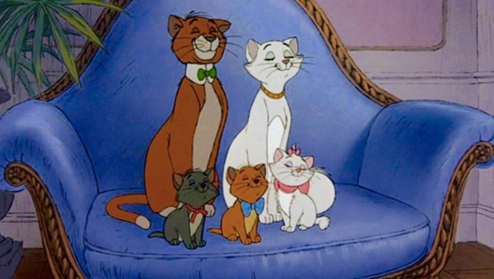
Figure 1: Aristocats end scene

Introduction and Background

Many would agree that animated films are a huge part of one’s childhood. From Disney princes and princesses to a mice version of the United Nations, everyone enjoyed their fair share of animated movies. The beauty of animation is the freedom to shape an entire world from the ground up, where every character is completely designed from scratch, and every choice, from costume, to music, to voice is made intentionally. With this freedom also comes challenges with needing to establish connections from what is seen on screen with the minds of the audience. From the start of the film, the creators need to quickly establish character relations and connections. Here, they use language shorthands that the audience is indirectly familiar with to signal the persona of the character. Our group’s research question aimed to understand throughout a series of animated films what traits or roles are typically associated with certain accents, language varieties, styles, or registers? Within this realm, we also wanted to understand how Standard American English would be treated compared to other accents or dialects. We hypothesized that non-standard varieties of English/Non-English will be associated or invoked when connected to ‘bad’ or side characters, while standard American English will be most often connected to ‘good’ characters or protagonists.

Previous research has indicated that the cultural value of individualism in the United States is reflected in the use of standard English, which often leads to a lack of tolerance towards other languages or English language variations (Wiley, 1996). Although Disney animated films are often translated into standard English, it hinders the complexity of modern language and erases many cultural elements (Bruti, 2009). Moreover, we have also found that language elements can be used to invoke association about certain groups of people in film. Previous work completed by Meek shows how language and race perform character portrayals and as the audience, we witness this work that is being “done”. (Meek, 2006). In other words, accents are often used to not only demonstrate an ethnicity, but also substantiate a portrayal of a certain stereotype associated with a certain group of people.

Methods

To gather data about the language ideologies and characters linked to them, we analyzed four different films; The Aristocats, The Secret of NIMH, The Rescuers: Down Under, and Zootopia. Particularly, we noted what accents and languages were used (or created) in these films and what characters or themes they were associated with. We chose to focus on animated animal characters since we felt that filmmakers could ‘get away with more’ and because language is the main humanizing factor in animal characters, we could better see how language/accents were being used to invoke assumptions about the character.

Watching the movies completely through and inspired by the methodology of a paper written by Janne Sønnesyn, we then categorized our character findings into several categories including their: language/accent, role in the movie, costume, character features, gender, and other distinguishable elements. In sum, we analyzed 66 characters along these 6 categories.

Moreover, by codifying our analyses, we can answer the research question, what traits or roles are associated with certain accents, language varieties, styles, and registers? How do the filmmakers express differentiation amongst characters through the use of language and character design?

Results and Analysis

After empirically analyzing our data, we found several patterns that confirmed part of our hypothesis and refuted others. We looked at our data as an aggregate, combining the findings from all four movies and examining the results in this way.

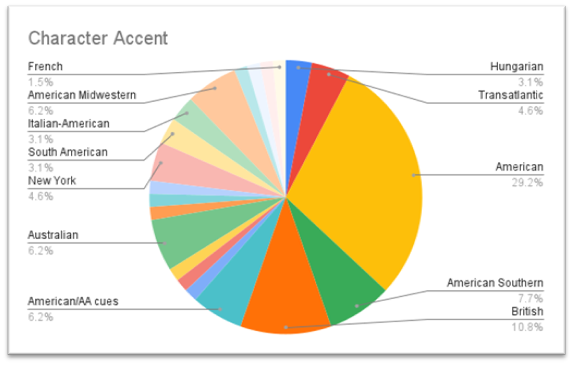
Figure 2: Character accent pie chart by percentage

First Result

Referencing Figure 1 which provides a visual representation of the distribution of the observed character accents, we were able to establish four distinct results. Firstly, we found that the protagonist(s) of the films indeed were associated with the American Standard English accent 54% of the time. Furthermore, 100% of the protagonists had European or American accents — in other words, no minority population accents were represented in the protagonists of these films.

Second Result

This point leads to a second key finding that minority population accents were typically attached to side characters. In fact, 64% of all side characters had a minority accent. Put differently, minority population accents were overrepresented in this character role and underrepresented in others. Heroes did not tend to have minority population accents. Notably however, no antagonist had a minority population accent either — which refuted part of our hypothesis.

Figure 3: Character ‘Duke Weaselton’ from Zootopia

Along the same lines as our minority population accents, non-rhotic accents (accents that ‘drop’ the pronunciation of ‘r’), were commonly used in connection to characters of low socioeconomic status or working class. Some examples of these non-rhotic accents were the New York accent and AAVE (African American Vernacular). We noted 5 characters that used a non-rhotic accent; 3 were associated with petty crime,1 was a working-class shop employee, and 1 was a ‘street’ cat (what we interpreted as houseless for our analysis). Figure 2 depicts one such character from Zootopia, Duke Weaselton, who has a New York accent and is one of the movie’s shady characters — involved in thievery, bootlegging, and evading arrest.

Third Result

Another pattern that emerged was the use of the American Southern Accent to invoke themes of militarism, violence, and unintelligence. Of all 5 characters observed to have the American Southern Accent, 2 were antagonists, 4 invoked themes of militarism (deduced through plot; such as one of the antagonists, McLeach —figure 4 — having the American Southern Accent and a past in the military), and 3 were displayed as unintelligent (deduced through plot — such as one character with the American Southern Accent calling, as seen in this clip (“It’s In My DNA – Zootopia” ‘DNA’, “dunnuh”). 

Figure 4: The Rescuer’s: Down Under villain, McLeach

Fourth Result

The final pattern that we noticed through our data is that ‘sophisticated’ characters had American and European accents 88% of the time. We coded ‘sophisticated’ as characters that were portrayed as respected, legendary, wise, or graceful, which we deduced through plot and surrounding character reactions. For instance, one character in The Secret of NIMH was sought out in answer to the protagonist’s dilemma, since they were canonically ‘all-knowing’ and powerful. Of the 9 characters we coded as ‘sophisticated’, only one did not have an American or British accent.

Discussion and Conclusions     

This study offers insights into the impact of accent features on stereotypes among animal characters in animation. While we cannot definitively speak on behalf of the filmmakers as to whether these depictions were intentional, we establish these findings as results of our observations. Furthermore, we recognize that these choices could be made subconsciously.

Media is one of the greatest socialization agents. Animated films play a huge role in influencing children’s perceptions of the world and other people. With repeated representation of problematic stereotypes, viewers will believe they are true. Our data spans 46 years, emphasizing that while progress has been made, there is a long way to go. While there are less explicitly harmful linguistic stereotypes being utilized, it is still true that protagonists consistently speak with ASE while side characters are relegated to minority accents. The biggest difference throughout time is a diversification of accents, but their distribution has remained the same. We must also consider the level of authority as a source of knowledge Disney has. For those who do not question the status quo, they are even more likely to believe in stereotypes when they come from a ‘reputable’ source like Disney. For this reason, it is crucial for filmmakers and powerful studios to be responsible and inclusive with the media they produce.

To further broaden our understanding of this phenomenon, it would be worthwhile to extend research to human characters in Disney animated films. According to Brous, this type of linguistic stereotyping occurs in films such as Frozen, Coco, and Moana (2020). It is clear that the negative representation through accents extends further than cartoon animals. Søraa’s work would be useful to explore a film like Brave, where the setting itself contributes to reflecting stereotypes portrayed through linguistic markers (2019). With regards to minority cultures, Towbin et al. would serve as a resource to study how non-dominant cultures are represented negatively, which can be seen in Pinocchio, Alice in Wonderland, Peter Pan, Oliver, and Aladdin (2004).

It is also essential to acknowledge the issue of stigmatization of the female characters in Disney movies, as highlighted by Soares (2017). According to Växjö (2014), Disney princesses exhibit many stereotypical linguistic features, so their characters adhere to the traditional gender roles and expectations. Moreover, it is important to examine the impact of misrecognizing accents and linguistic features in television and how it might affect child viewers, causing them to internalize negative stereotypes portrayed in animated programs. Wenke’s article (1998) can serve as a source for exploring how children’s attitudes towards people and activities can be influenced by the portrayal of linguistic elements in television programs.

In the end, the impacts of animated films and the representations of different peoples, cultures, and identities can have long-lasting impacts on the people, more importantly children who watch animated films. While it’s not a direct issue, the unintended consequences of filmmakers, animators, and writers have an important job in creating media that is representative, respectful, and for audiences of all ages, as many animated forms of media have previously encouraged and helped spread harmful stereotypes of minorities for decades.

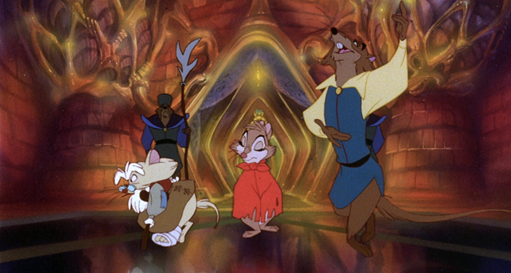
Figure 5: The Secret of NIMH scene

References

Accents in children’s animated features as a device for teaching children to ethnocentrically discriminate. (2019). Upenn.edu. https://www.sas.upenn.edu/~haroldfs/popcult/handouts/wenkeric.htm

Bluth, D. (1990). The Secret of Nimh. Sulivan Bluth Studios.

Brous, S. (2020, December). “Frozen” In Time: Dialect and Language Ideology in Disney Films (thesis). Tri College Department of Linguistics. Retrieved from https://scholarship.tricolib.brynmawr.edu/bitstream/handle/10066/23186/Brous_thesis_2020.pdf?sequence=1&isAllowed=y. 

Bruti, Silvia. (2009) From the US to Rome Passing through Paris. InTRAlinea. Online Translation Journal > Special Issues > Special Issue: The Translation of Dialects in Multimedia > From the US to Rome Passing through Paris http://www.intralinea.org/specials/article/From_the_US_to_Rome_passing_through_Paris.

Meek, B. A. (2006). And the Injun Goes “How!”: Representations of American Indian English in White Public Space. Language in Society, 35(1), 93–128. http://www.jstor.org/stable/4169479

Reitherman, W. (1970). The Aristocats. United States; Walt Disney Pictures.

Schumacher, T. (2012). The Rescuers Down Under. United States; Walt Disney Pictures.

Søraa, I. (2019, May). The Sound of Disney (thesis). Master’s thesis in Language Studies with Teacher Education. Retrieved from https://ntnuopen.ntnu.no/ntnu-xmlui/bitstream/handle/11250/2623375/no.ntnu:inspera:2276305.pdf?sequence=1. 

Soares, T. (2017). Animated Films and Linguistic Stereotypes: a Critical Discourse Analysis of Accent Use in Disney Animated Films Part of the Bilingual, Multilingual, and Multicultural Education Commons Recommended Citation Soares, Telma O. (2017). Animated Films and Linguistic Stereotypes: a Critical Discourse Analysis of Accent Use in Disney. https://vc.bridgew.edu/cgi/viewcontent.cgi?referer=&httpsredir=1&article=1053&context=theses

Spencer, C. (2016). Zootopia. United States; Walt Disney Animation Studios.

Towbin, M. A., Haddock, S. A., Zimmerman, T. S., Lund, L. K., & Tanner, L. R. (2004). Images of gender, race, age, and sexual orientation in Disney feature-length animated films. Journal of Feminist Family Therapy, 15(4), 19–44. https://doi.org/10.1300/j086v15n04_02 

Wiley, T. G., & Lukes, M. (1996). English-Only and Standard English Ideologies in the U.S. TESOL Quarterly, 30(3), 511–535. https://doi.org/10.2307/3587696

Växjö, Kalmar (2014). Happily Ever After: A Linguistic Study of the Portrayals of the Female Characters in One Old and One New Disney Princess Film https://www.divaportal.org/smash/get/diva2:795579/FULLTEXT02.pdf

 [/expander_maker]

, , , ,

Yeah, Um… So Like, Are Filler Words Considered Feminine?

Jennifer Beck, Jaymie Bernardo, Theo Chen, Karl Danielsen, and Calista Eaton-Steinberg

At some point in your life, you have probably experienced the intense awkward silence that comes about when it’s your turn to speak and you have no idea how to respond. Whether you’re not sure how to answer a question or you simply got lost in your train of thought, perhaps you’ve found yourself choosing one of these coping mechanisms to deal with that moment of dreaded stillness in the conversation: (1) you accept the silence and ponder your next move; (2) you fill the silence with filler words to buy time. Filler words such as “like,” “well,” and “um” are a common occurrence for people in conversation who are thinking of what to say. If you pay attention, you might notice that you use these words unconsciously in daily conversation, not even noticing when they slip out.

By observing, collecting, and analyzing video interviews, our study focuses on the correlation between gender and filler words in Californian college students. Studying the use of filler words in different genders of the cis-binary will allow researchers to better understand the way that gender and filler word usage interact. The purpose of this study is to clarify the assumption that women use more filler words than men due to persisting social pressures and the social implications of filler words.

[expander_maker id=”1″ more=”Read more” less=”Read less”]

Introduction and Background

Professor Eckert discusses in her linguistic studies that women typically have a different linguistic role in society compared to men (Eckert, 2012, pp. 90). When men speak, they try to keep up a persona that exudes confidence. As filler words explicitly foreground someone’s lack of confidence in speaking – they indicate that the speaker does not feel entirely certain about the things they are saying – men are presumed to more commonly avoid using filler words. In comparison, women generally assume a more mediating role in conversation (Van Herk, 2017, pp.110), so they might be expected to use more filler words.

Finding a connection between gender and filler word usage could indicate that one gender is less affected by the negative traits associated with filler words. In other words, one gender group may feel less social pressure to avoid filler words despite their pre-existing negative implications. Alternatively, one gender might actually prefer using filler words as modes of marking discourse to connect and organize the things they say in specific ways (Divett, 2014, pp. 37-42). A paper in the Journal of Language and Social Psychology found that men and women both use filler words equally when filling pauses, but that women use them more as discourse markers (Laserna et al., 2014, pp. 332-334). In this way, women use filler words to assert their authority in a conversation by directing its path and indicating it is their turn to speak. Due to the unprofessional associations with filler words, we hypothesize that women will use filler words more than men, as women face lower levels of societal pressure to sound professional. They may also utilize these words more often to direct conversation. We conducted a small-scale study of casual interactions between college-age men and women to assess the patterns of filler word use.

Methods

We analyzed 15 interviews of Californian college students posted on college-related YouTube channels. These casual one-on-one interviews asked random students basic questions about their college experiences. We looked at results from women interviewing men and men interviewing women and calculated the number of filler words (including “um/uh,” “like,” “yeah,” “so,” “I mean,” and “you know”) relative to the number of total words spoken.                                                                                                                                        
Results/analysis

Previous research into this topic suggests that women do, in fact, use more filler words than men (Laserna et al., 2014, pp. 332-334). However, as gender roles become less important to our modern society, the previously discovered results may have become outdated. We set out to see if we could reproduce other studies’ outcomes in a modern, progressive college setting, while simultaneously seeking out answers as to what factors could cause the gendered differences in filler word usage.

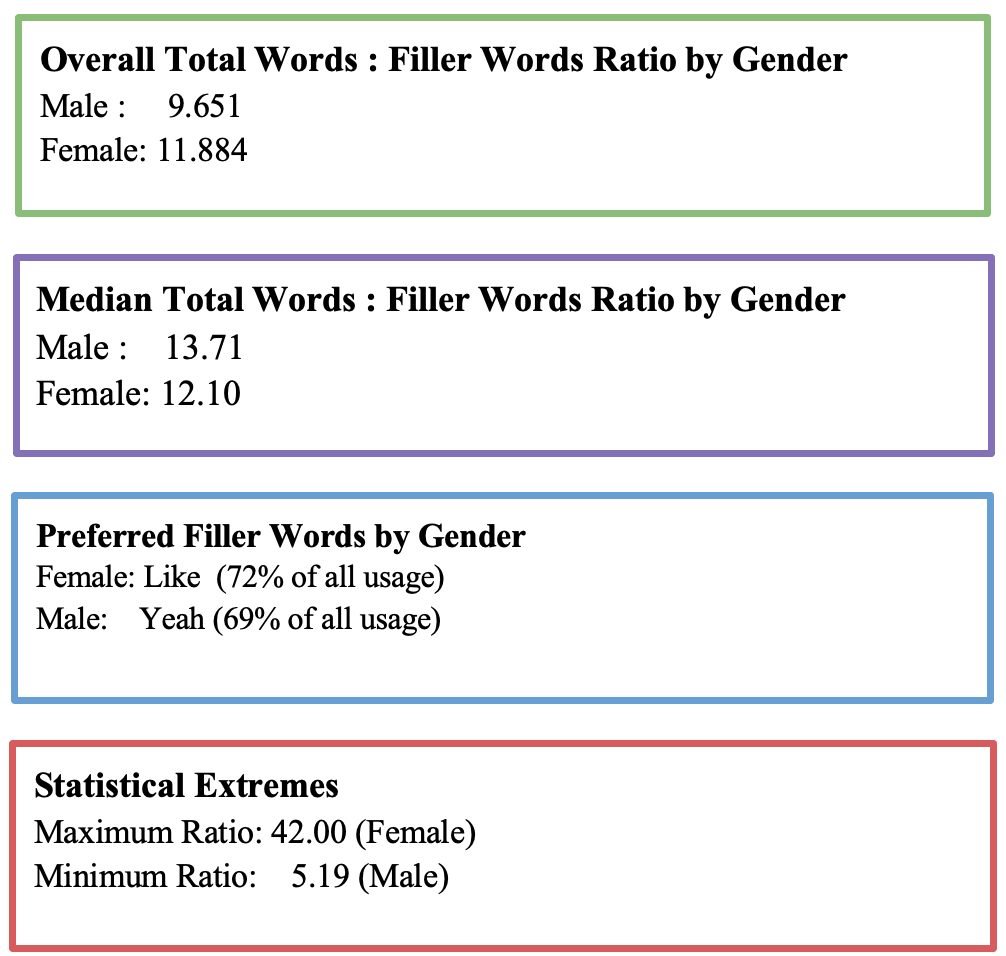
While our final results matched those of previous studies in confirming a gender difference, the difference we found was not what we expected. Below are a couple of statistics from our data collection:

Figure 1: The most significant data from our research; note the difference between mean and median results.

Looking at the overall ratio result, our results did not support the previous findings on this topic. Women surveyed actually used significantly fewer filler words than men. Looking at the overall total words to filler words ratio, males displayed a 9.651 ratio, while females displayed a 11.885 ratio, showcasing a 2.233 difference in filler word usage between the two genders. Oddly enough, the median of the data contrasted this. The median female used more fillers than the median male. This could potentially mean that men tend more towards extremes, while women speak more similarly across the board. Indeed, one interview with a male revealed the most filler word usage of all interviews, as the male spoke with almost one filler word per five words.

In spite of the inconclusive results of our mean/median analysis, two segments of the data did show a clear trend. Across all interviews, women and men showed preferences as groups for different filler words. Women favored the word “like,” which is increasingly androgynous but still closely associated with the “valley girl” archetype. Men, in place of using the effeminate “like,” preferred words such as “yeah.” It appears that both genders selected their filler words carefully to index different personas, even if they used filler words at similar rates. This means that social pressure is still strongly at play in word choice, even if neither gender has a stronger need for the confidence lent by decreased filler usage.

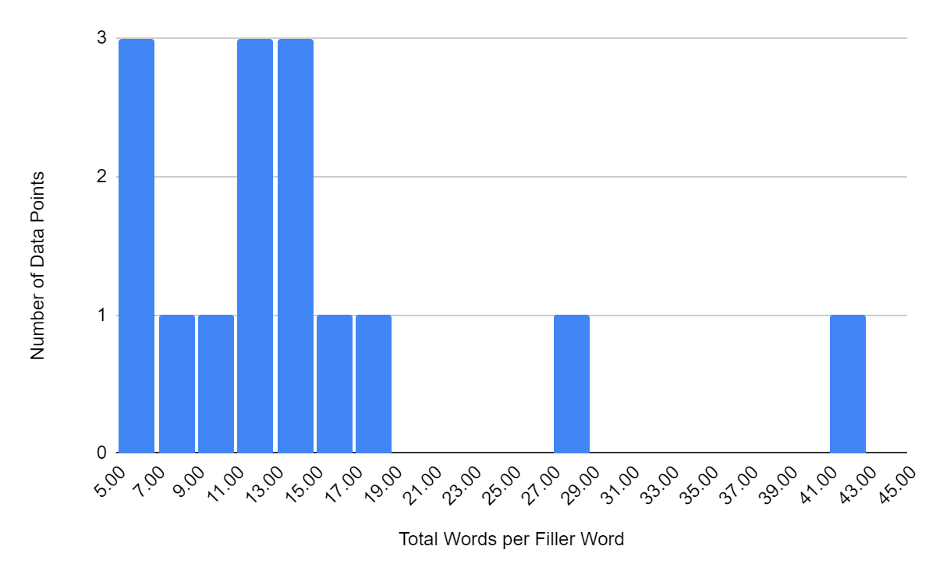
Both genders together indicated another interesting trend: the presence of two, not one, spikes on the graph of filler ratios. Figure 1 below shows that there is a peak of people using ~6 words/filler word and one of people using ~13 words/filler word. This two-peak system indicates that there are likely two separate modes of speech people use, one casual with a higher ratio of fillers, and one formal with a lower ratio. Filler word use overall is likely distributed across two standard deviations centered at these spikes.

Figure 2: A histogram showing the number of interviews with a certain filler ratio. Make note of the two separate peaks – one at 6, and one at 13.


Discussion/Conclusion

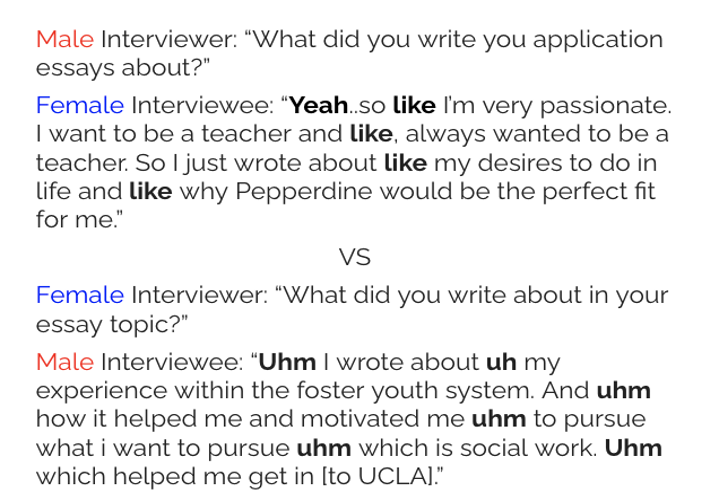
Our research shows that the differences in filler word usage across genders are more complex than previous findings suggest. Figure 2 below shows the transcript between two different interviews we observed, both being asked similar questions. You can see the female interviewee produces five filler words out of 43 words total. On the other hand, the male interviewee produces six filler words out of a total 40 words. The margin of filler word usage is slim here. As we mentioned before, females have been found to favor the filler word, “like” while men favored “yeah”. You will note that in this case, the male favored the word, “Uhm.”  While not every male favors the same word, overall data suggests that there is still a generally consistent difference between male and female filler word choice, especially in the use of “like.”

This could be a result of gender stereotypes for speech – “like” and “so” are associated more with femininity, while “um” and “yeah” seem more masculine. There aren’t rules for who can say what, but speech can be very gendered. Part of it might be conscious – for example, males might avoid “like” for fear of sounding feminine – but it might also be a result of who these people are spending time around and what kind of speech they naturally pick up from friends and family.

Figure 3: Transcripts of two interview segments, both involving the opposing gender. Extracted from ProWrite Admissions YouTube channel.


It is important to keep in mind that the data used for our results was extracted from online videos of causal speech. Casual speech with a fellow young person allows for a more comfortable setting, therefore allowing for more filler words to be used. Because these videos were spontaneous and filmed, it is also possible that certain participants were more nervous than others, causing them to use more filler words as they collected their thoughts. Some people are more anxious speaking spontaneously in front of a camera, which would definitely affect their mannerisms, while other people might love being filmed and thrive in the same situation, speaking with confidence and ease.

Our current research sought to analyze the long-lived stereotype of women using more filler words than men, which may exist due to the even older stereotype of women having less intelligence. With these results, we come to the conclusion that college-aged males within California use filler words more frequently in casual speech than college-aged women in California. This could result from a number of factors. For one, more male college students are in STEM fields (Blackwood, 2020) where interpersonal skills are de-emphasized, and students might use more fillers. Men could also be more willing to index a casual persona in interviews because there are fewer expectations against their intelligence that they want to combat. With the persisting sociological stereotypes that deem women less intelligent, women have to work twice as hard in order to gain the respect that men have, especially within the work field (Eckert, 2012, pp. 90). Women are held to different expectations than men, which could impede on filler word usage.

Furthermore, a strong negative social stigma exists around young women who use filler words, especially “like.” Frequent use of the word “like” is a characteristic of the valley girl accent, a Californian accent associated with wealthy, unintelligent, and annoying young women. (This NPR article talks about some other ways that women’s language is stigmatized and disrespected). Since women have to overcome these pre-existing stereotypes, it is possible that they consciously work harder at not using filler words.

Should this research be conducted in another state with another age range, or in a more formal setting, the results may differ. However, our data challenges a conventional understanding of filler word use, suggesting that this topic is very complex and requires further investigation. Potential future research could look into formal interviews between an employer and potential employee, and whether this context decreases filler word use, regardless of gender. Research could also look into stereotypes surrounding different filler words, and whether these stereotypes consciously affect filler word use.


References

Crimson Education. (2013). Home [YouTube Channel], from https://www.youtube.com/c/CrimsonEducation/about

Divett, S., Duvall, E., Graham, T. Robbins, A. (2014) How and why people use filler words (pp. 35-46). https://schwa.byu.edu /files/2014/12/F2014-Robbins.pdf

Eckert, P. (2012). Three waves of variation study: The emergence of meaning in the study of sociolinguistic variation. Annual Review of Anthropology, 41, 87-100.

Laserna, C., Pennebaker, J., Seih, Y. (2014). Um . . . Who Like Says You Know: Filler Word Use as a Function of Age, Gender, and Personality. Journal of Language and Social Psychology. 33(3), 328-335. DOI: 10.1177/0261927X1452699 OR https://www.researchgate .net/publication /27 5005568_Um_Who_Like_Says_You_Know_Filler_Word_Use_as_a_Function_of_Age_Gender_and_Personality

ProWrite Admissions. (2017). Home [YouTube Channel]. YouTube. Retrieved November 16, 2020, from https://www.youtube.com/channel/UCpjORe_vOMevyxImw90igLw

Van Herk, G. (2017) Gender. What is Sociolinguistics? Wiley Blackwell. (pp. 97-115)

W.K.C., Kate Blackwood. (2020, July 1.). Gender gaps in STEM college majors emerge in high school. Cornell Chronicle. https://news.cornell.edu/stories/2020/07/gender-gaps-stem-college-majors-emerge-high-school

[/expander_maker]

, , , ,

A Digital Take on Modern Model Minority: Not So Subtle Asian Traits

Subin Kim, Jihee Choi, Fiona Dai, Chris Ngo

This study investigates social implications of Asian Americans being stereotyped as a model minority. The notion of the model minority basically highlights only positive aspects and successes of a group, while ignoring or downplaying the negative aspects and characteristics. Many Asian Americans have been preconceived as “nerdy” which fits the stereotype of the model minority. To be more specific to this topic, we examined how the idea of the model minority is actually used in Asian Americans’ daily life through the most popular medium of social interaction among adolescents and young adults nowadays– social media. Based on the purpose for this study, data was collected from a Facebook group called Subtle Asian Traits which has more than 1.6 million members and is shared with diverse posts of the discourse styles mostly related to Asian cultures. The posts were then analyzed for content involving the concept of model minority, and divided into two categories. Between the two groups are those fitting the stereotype of model minority, and those in which involve school de-emphasis content and African American Vernacular English (AAVE) slang. Through analyzing this study, the model minority was considered to connect with positive outcomes and reduce some negative effects of discrimination.

[expander_maker id=”1″ more=”Read more” less=”Read less”]

Introduction

Society tends to categorize people based on certain traits and characteristics. These traits are shaped by an individual’s own background through ethnicity, culture, gender, and upbringing. Although most people know that individuals are varied in personality and traits, they tend to have preconceived notions about groups of people due to these categorizations, or stereotypes. Stereotype experiences are often associated with negative discrimination due to their conceptual overlap. However, we want to differentiate the two ideas in this study since previous research has found positive effects of certain stereotypes (Kiang, Witkow, and Thompson, 2015) and therefore stereotypes can be examined with or without negative discrimination. To further distinguish these two concepts, we will define negative discrimination as “biased actions or behaviors toward an individual due to his or her group membership” that are typically adverse based on Fishbein’s study on “Peer Prejudice and discrimination” (1996). Many studies in recent years have demonstrated the efficiency function of stereotypes which reduces one’s cognitive load (Sherman & Frost, 2000). That is, when one is dealing with cognitively demanding duty, such as multitasking, one can rely on stereotypes to save processing capacity and thus increase working efficiency.

We will focus on this stereotype often associated with Asians, the model minority image of Asians as diligent overachievers in this paper. The model minority image was formally identified over a half century ago (Peterson, 1966), and it still persists in social environment today. According to Poon, Squire, Kodama, Byrd, Chan, Manzano, Furr, and Bishundat (2015), the model minority is “a monolithically hardworking racial group whose high achievement undercuts claims of systemic racism made by other racially minoritized populations”. The idea of the model minority highlights the successes of the group, while ignoring or down playing the negative aspects and characteristics. In this specific case, Asians are typically seen as a “good” minority that succeeds and are considered “honorary whites”. It also lends itself regarding racism against Asians becoming normalized due to the fact that the traits of Asian stereotypes are considered desirable. Prior study has suggested that the model minority image of Asians could provoke unfair treatment from peers in the form of negative discrimination (Niwa, Way, & Hughes, 2014).

Due to model minority status highlighting academic success, Kiang et al. have examined the developmental implications of being stereotyped as model minority in Asian American adolescents (2015). The time period from adolescence to early adulthood is worth investigating because one goes through ethnic exploration and identity formation within this time frame and later become stable. Moreover, research has shown that over 99% of Asian adolescents have had at least one in which they perceived as being stereotyped as a model minority (Thompson & Kiang, 2010). Kiang et al. (2015) have measured perceived stereotypes and negative discrimination using self-report surveys, but no study has yet examined perceived model minority through the most popular medium of social interaction among adolescents and young adults nowadays ­– Facebook.

In this paper, we aim to investigate the implications behind Asian adolescents and young adults’ stereotypes and ethnic-based social interaction on social media by virtue of analyzing the model minority concept related posts on the Facebook group called Subtle Asian Traits. Kiang et al., (2015) have found that the model minority experience is connected to positive outcomes and can reduce some of the negative effects of discrimination on academic adjustment through the quantitative method. We will qualitatively test whether their findings still hold true in social media.

Background

We primarily collected data for this study on a Facebook group called Subtle Asian Traits. Facebook is one of the most widely used social networking services in the U.S. Facebook may be used to facilitate new relationships and maintain existing relationships according to Ellison, Steinfield, and Lampe’s study on Facebook “friends” (2007). Similarly, Facebook can be a great tool for groups with common characteristics to express their respective identities. For the same reason, a group of high school students who share the same ethnic identities–Asian Australians–formed the Subtle Asian Traits Facebook group one year ago with the intention of creating a platform for English speaking Asians to exchange their shared cultural experiences.

We wish to investigate the discourse style the population uses in the Facebook group. It has more than 1.6 million members and contains memes–humorous images, videos, microtexts, etc.–that are mostly related to Asian culture. In the group, the largest population was Chinese, followed by Vietnamese, Filipinos, Koreans and Taiwanese. In addition, the group is made of people from all Asian countries. This is including, but not limited to: Malaysia, Japan, Indonesia, Cambodia, Thailand and Hong Kong. The group’s population tend to be from a variety of places, but is mostly composed of Westernized Asians.

The stereotypes that people usually have for Asians is that they portray positive characteristics such as being nerdy and intelligent; however, every group or ethnicity cannot be defined by the same features or characteristics. Therefore, Asians cannot be considered that they conform to a “nerdy” and successful stereotypes. To break this discrimination, we will discuss how the newer generation of English speaking Asians are diverging from the model minority stereotype by creating a counter culture that tends to appropriate African American vernacular English (AAVE). According to the journal “Appropriation of African American slang by Asian American youth”, the author explains that non-African Americans have followed and imitated African American black culture and slang. It is shown that one’s identity is identified by the language and slang that he or she uses, not discriminated by race. Likewise, the group such as the Subtle Asian Trait were created to humorously refine negative images and change stereotypes.

Project Design

The data sample in this study consisted of fifty-six posts from the Subtle Asian Traits Facebook group. We first chose two categories of keywords: 1) academic related such as “study,” “exams”, and 2) AAVE slang, e.g., Finna, Bae, Plug, Finesse. Then we manually selected thirty posts for the academic related category and twenty-six posts for the AAVE category. Furthermore, because the average “likes”– a characteristic of the posts occurred from members’ agreement with the post within this Facebook group–was 1,000 to 2,500, we decided to only include those posts that had over 2,000 “likes” so that the posts we selected were able to represent what was popular in this 1.6 million member Facebook group.

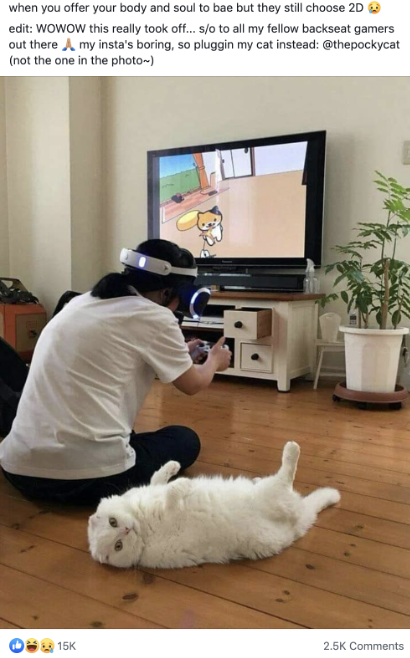
Figure1: an example of a post from the Subtle Asian Traits Facebook group.

Results

The results for our data were divided into two groups. One group showed a tendency to match the characteristics of the model minority. The other group did not fit this mold, but instead showed signs of attempting to break free from it.

In one group, English-speaking Asians express difficulties and hardship about getting stressed when they study. They showed more empathy for their difficulties when involving Asian social content such as Doraemon, Soju, and Bangtan Boys. Some data is still focused on exam and studying, which shows doing well on exams is a popular topic within the group. In the other group, English-speaking Asians attempted to change stereotypes by emulating black culture and AAVE slang. One of the data showed empathy for a new culture using AAVE words such as ‘peeps’ and ‘twerking’. Furthermore, for example, people used AAVE ‘sup’ combing their language ‘wo’ which means ‘I’, so they could make AAVE word ‘wassup’ with their own meaning that ‘say hello to myself’. They tended to be more interested in content regarding partying and general school de-emphasis items. This stands in contrast to the current perception of the Asian model minority of nerdy, submissive, and rule abiding. Overall, our data showed that some of English-speaking Asians stuck to the concept of model minority, but the other tried to change and deviate their stereotypes.

Discussion and Conclusions

The results showed primarily two different distinct groups within Subtle Asian Traits. While these groups have some overlap, there is a significant voice and content difference. Our hypothesis mainly discussed only one of these groups, those conforming to the modern model minority stereotype. Within our research, however, we did encounter this counter group that seeks to diverge from previous notions thought about Asians. This split can be attributed to those forming groups based on shared stereotype-based interactions, and also those seeking to separate from previous ideals and instead relating to other ethnic groups.

For those breaking from the idea of the model minority, it can be seen that many seek identity within other minority groups. A previous study has shown that Asians borrowing AAVE slang terms are often an attempt to be the “Other Asian” and rely on stereotypes of other racial groups to construct an identity of their own (Reyes, 2005). This “Other Asian” changes the view of the Asian model minority and shifts the focus to a new perspective. The model minority is often a binary view that many individuals in this group find themselves forcibly conforming to. Rather than using AAVE to “act black” or as a different race, it can be argued that this new group uses slang to create their own identify, separate from any previous groups. While fashioning a new identity, however, those in this new subgroup can still visibly benefit from the positive outcomes of the model minority.

A previous study has shown that the effect of discrimination on Asian American adults’ distress varied depending on social context and the environment’s ethnic density (Syed & Juan, 2012). However, with the emergence of social media, such as Facebook and the prevalent usage of such platform among adolescents and young adults, we argue that the distress can be attenuated by sharing similar stereotyped-based social experience with each other on social media and thus creating a in-group sentiment. Additionally, Kiang et al. (2015) has suggested potential differences among Asians who reside in traditional settlement areas, such as Los Angeles or New York City, that have a long history of immigration and non-traditional ones that are emerging immigrant communities. Through the increasing popularity of social media usage, we believe that the regional differences will be diminished.

The model minority related posts have shown a system of camaraderie amongst the group users on Subtle Asian traits. As stated before, the model minority experience is oftentimes connected with positive outcomes and can actually reduce some of the negative effects of discrimination. Through the posts analyzed, the in-group sentiments created have shown a positive impact in which members relate to academically based posts. The posts show positive reinforcement towards the idea of high academic achievement, while also maintaining the positive aspects of the model minority stereotype.

Two new forms of Asian identity have emerged as a result of new age model minority. The two orientations have allowed for Asian youth and young adults to connect and establish new identities, while participating in their own new form of subculture. As it takes a discourse approach, social media allows for more analysis on the creation of new identities and formations of previous stereotypes and groups.


References

Ellison, N. B., Steinfield, C., & Lampe, C. (2007). The benefits of Facebook ‘‘friends’’: Social capital and college students’ use of online social network sites. Journal of Computer-Mediated Communication, 12(4), 2–3. Retrieved 24.11.19 from http://jcmc.indiana.edu/vol12/issue4/ellison.html

Fishbein, H. D. (1996). Peer prejudice and discrimination: Evolutionary, cultural, and     developmental dynamics. Boulder, CO: Westview Press.

Kiang, L., Witkow, M.R. & Thompson, T.L. J Youth Adolescence (2016) 45: 1366. https://doi.org/10.1007/s10964-015-0336-7

Niwa, E. Y., Way, N., & Hughes, D. L. (2014). Trajectories of ethnic– racial discrimination among ethnically diverse early adolescents: Associations with psychological and social adjustment. Child Development, 85, 2339–2354. doi:10.1111/cdev.12310.

Peterson, W. (1966). Success story: Japanese-American style. New York Times Magazine, 9, 20–43.

Poon, OiYan; Squire, Dian; Kodama, Corinne; Byrd, Ajani; Chan, Jason; Manzano, Lester; Furr, Sara; Bishundat, Devita (June 2016). “A Critical Review of the Model Minority Myth in Selected Literature on Asian Americans and Pacific Islanders in Higher Education”. Review of Educational Research. 86 (2): 469–502. doi:10.3102/0034654315612205. ISSN 0034-6543.

Reyes, A. (2005), Appropriation of African American slang by Asian American youth1. Journal of Sociolinguistics, 9: 509-532. doi:10.1111/j.1360-6441.2005.00304.x

Sherman, J. W., & Frost, L. A. (2000). On the Encoding of Stereotype-Relevant Information Under Cognitive Load. Personality and Social Psychology Bulletin, 26(1), 26–34. https://doi.org/10.1177/0146167200261003

Syed, M., & Juan, M. J. D. (2012). Discrimination and psychological distress: Examining the moderating role of social context in a nationally representative sample of Asian American adults. Asian American Journal of Psychology, 3, 104–120. doi:10. 1037/a0025275.

Thompson, T. L., & Kiang, L. (2010). The model minority stereotype: Adolescent experiences and links with adjustment. Asian American Journal of Psychology, 1(2), 119–128. doi:10.1037/a0019966.

[/expander_maker]

, ,

Media Depictions of African Americans in Incidents of White-on-Black Violence

Faith Ngo, Madyllen Kung, Melissa Aguirre, Sabrina Huang

Racial inequalities have been a fundamental aspect of the underlying fabric of the United States since its conception almost 250 years ago. From brutal incidents of racialized violence to educational disparities that have continually oppressed communities of color, inequities rooted in the throngs of racism have persisted and accumulated over time. An example of such racial inequities is violent incidents in which white police officers shoot and kill unarmed African American individuals. Proof that discriminatory biases still exist today, these events have become fuel for groundbreaking social movements that are centered on uplifting the voices of oppressed communities and challenging hegemonic ideologies. 

Over the last ten weeks, we have learned about the vital role language plays in constructing and maintaining identity. Through stereotypes and “otherizing,” which have amplified the perceived differences between social groups and intensified the already vast racial boundaries, language can codify and perpetuate discriminatory biases.

As we started our project, we asked ourselves, would articles dehumanize African Americans or would they place blame on the white police officer? Would race be a salient aspect? Would there be a notable difference in the styles of language across different social identities? Or would we find a difference between various news outlets?

[expander_maker id=”1″ more=”Read more” less=”Read less”]

INTRODUCTION

Language is a powerful tool that can be used to construct our understanding of the world or perpetuate traditional beliefs. As tensions between African Americans and White Americans continue to grow, it is important to recognize the ways in which language can reaffirm discriminatory biases.

With this in mind, we decided to focus specifically on the linguistic elements news articles utilize to cover incidents of white-on-black violence. In addition to being widely accessible to the public, such articles play an important role in either reaffirming or challenging prejudicial stereotypes.

This led us to our research question: In situations of white-on-black violence, how do different news outlets utilize linguistic elements to depict and characterize African American individuals as archetypes of widely-held stereotypes?

BACKGROUND

Research has shown that the media routinely associates African Americans with criminality. News outlets disproportionately report on criminal incidents which involve African American suspects in comparison to white suspects, especially if the incident involves violence (Oliver, 2013). The overrepresentation of African Americans in incidents of crime creates a stark dichotomy between the portrayal of black and white Americans by news outlets. While violent crimes perpetrated by African Americans are widely reported on, violent incidents involving white suspects are largely ignored (Johnson and Dixon, 2008). In addition to the racial disparities apparent in coverage of crime, studies have shown that specific language is used to dehumanize African Americans regardless of their role as the perpetrator or suspect. The use of “micro-insults” in descriptions of African Americans can implicitly link them with social categories that are historically viewed as “inferior” to normative social groups (Smiley and Fakunle, 2015). On the other hand, the use of “micro-invalidations” can trivialize the experiences of black individuals (Smiley and Fakunle, 2015). Such language can have alarming effects in priming audience members towards internalizing negative stereotypes of black individuals and potentially acting upon those implicit biases (Oliver, 2013). The actions which result from biases produced and maintained by mainstream news outlets — “racial microaggressions” — form the foundation of discriminatory structures that continually relegate African Americans to the bottom of the social hierarchy (Kulaszewicz, 2015).

METHODOLOGY

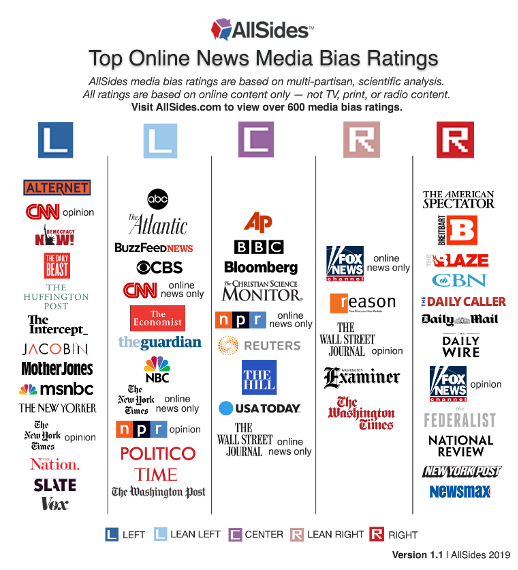
Since the manner in which white-on-black violence is depicted largely depends on the political affiliation of the reporting news source, our methodology was designed to account for a range of varying political viewpoints. Each researcher selected two liberal sources, two conservative sources, and one moderate source based on the AllSides Top Online News Media Bias Ratings chart (Figure 1). These five articles of varying political affiliations were used to analyze the following individuals: Tamir Rice, Tanisha Anderson, Trayvon Martin, and Eric Gardner. We selected these individuals because they are figures who are representative of White-on-Black incidents of violence in the United States.

Figure 1: AllSides Top Online News Media Bias Ratings We used this chart to find articles that aligned with a political orientation. One article was selected from each column from the news outlets listed in this chart. Source: https://www.allsides.com/media-bias/media-bias-chart

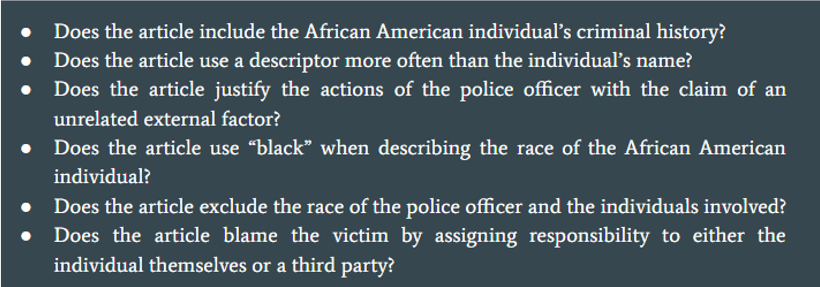
After the articles were chosen, a Total Point System was employed to evaluate the salience of race in the article through explicit references of race. The point system was designed to ask one question: to what extent did the article make race a conspicuous and contributing factor in the white-on-black incident? The following are the six criteria of the system: 

It is important to note that an article that scored six out of six points does not necessarily indicate that it is more racially biased.

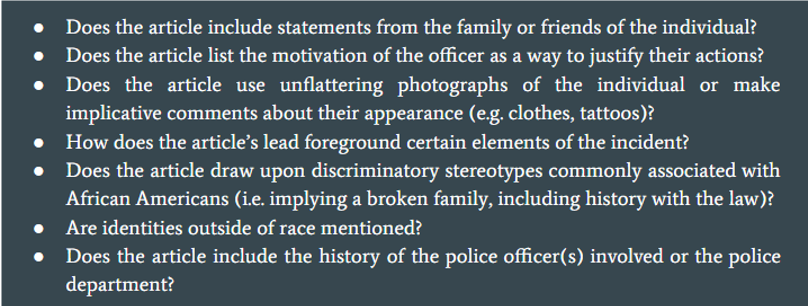
Since language also has an implicit function, the second part of our analysis involved a Guiding Question system to account for indirect references to race that could not be captured by the point system. The following are the seven criteria used in this system: 

The assessment of articles using the Guiding Question system provides insight into the discreet manner victims and assailants are framed. These questions illustrate how the language of articles can indirectly position individuals as a particular actor in larger racial narratives (this is often referred to as “interpellation”). 

RESULTS

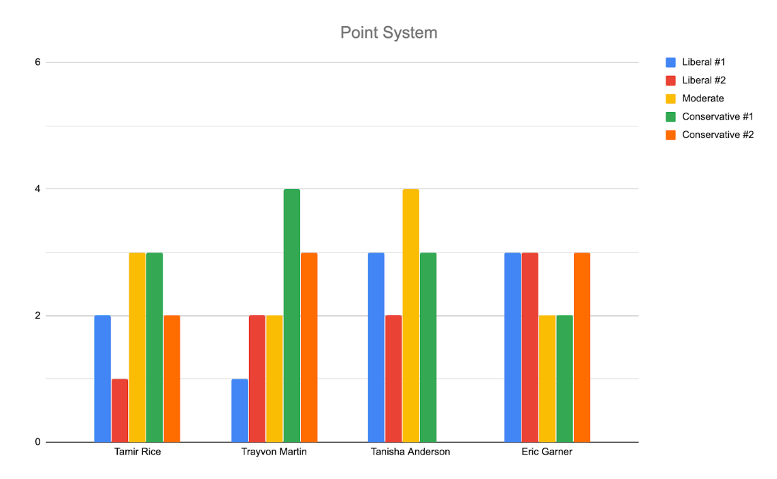
Figure 2: Point totals between various news outlets across the four individuals This bar graph depicts the varying point totals of articles which cover the deaths of Tamir Rice, Trayvon Martin, Tanisha Anderson, and Eric Garner. The different colors depict the political alignment of the articles selected.

As Figure 2 shows, point totals varied across articles which covered the deaths of our sample of individuals. We found articles on Tanisha Anderson and Trayvon Martin to have disproportionately high point totals because of their existence at the intersection of multiple oppressed identities. While Anderson had a mental disability that was commonly referred to, Martin’s appearance at the time of his death was a salient component of several articles. 

Foregrounding in the lede

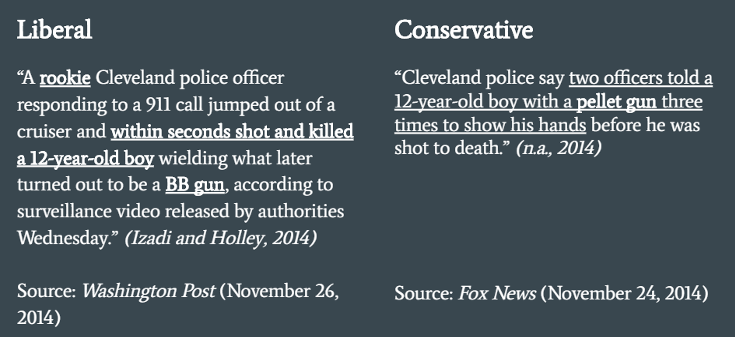
In our quantitative analysis of selected news articles, we focused on the journalist’s word choice throughout the article and how such words evoke a reaction from readers (Jakobson’s “conative function” of language). However, special attention was paid to the first sentence of the article, which is often referred to as the “lede”. This sentence encapsulates the who, what, where, why, and when of the situation or topic in question and helps to set the tone for the remainder of the article. Due to the position of the lede at the beginning of the article, information included here can be utilized to foreground certain elements. 

Figure 3: An example of foregrounding in the lede The ledes included in this figure are from two articles which covered the murder of Tamir Rice. Bolded and underlined words highlight the noticeable differences between each.

Across the four individuals we studied, we observed that there were noticeable differences in language use. Liberal news outlets typically included language which positioned the African American individual as the “victim”, while conservative news outlets utilized language which portrayed the police officer(s) and their actions as reasonable. Information that supported each agenda was included in the lede, while information that undermined such portrayals was either excluded or backgrounded. 

Differences in point totals between conservative and liberal news articles

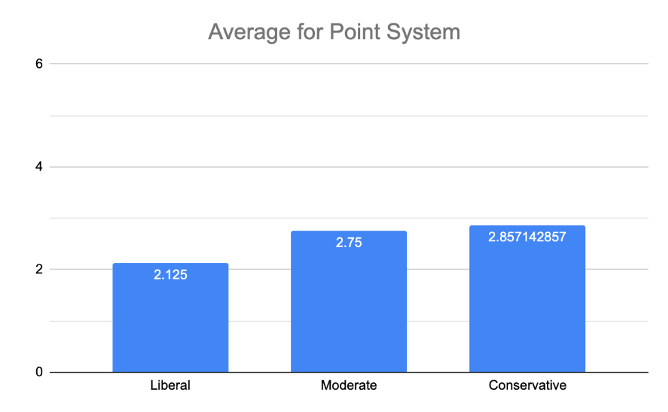
Our research also found differences in average point totals between conservative and liberal news articles (Figure 4). Although these differences were not large, it appears that conservative articles have lower point totals and conservative articles have higher point totals. Meanwhile, moderate sources had point totals that fell between the scores of liberal and conservative news outlets. However, these average point totals fell closer to those of conservative sources. 

Figure 4: Average point totals of liberal, moderate, and conservative news outlets.

Differences in guiding questions

We also found stark differences in answers obtained by way of our guiding questions. Across the twenty articles we studied, conservative articles utilized a greater degree of language that reinforced common stereotypes associated with African Americans. Conservative sources often drew upon the individual’s criminal history or appearance (e.g. wearing a hoodie) as a subtle way of shaping the individual’s character. If the officer was mentioned, it was to justify his/her actions in some way. Conversely, liberal sources often focused on the motivations of the officer and their judgment errors in interpreting the situation. The results demonstrate that in general race was made more salient in conservative sources that liberal sources as an inherent contributing factor to the situation.

DISCUSSION AND CONCLUSIONS

Our results reveal that there is a stark and noticeable difference in the language use between conservative and liberal news outlets. While liberal publications use language to position African Americans as “victims”, conservative publications position them as the “assailant” or “instigator”. Such information draws attention to the detrimental role journalism plays in furthering and reinforcing stereotypes that support the criminality of African Americans. 

There were several limitations to our research, however. One noticeable limitation is the assumption that the political alignment of a news outlet directly corresponds with its article’s attitude towards race. There are numerous factors that may play a role in the way national publications depict race that we unfortunately did not account for in this project. Other limitations include differences in publication times (which impact how much information is available to journalists and, by extension, what particular elements are salient) and personal biases.

Regardless, our results offer insight into the way African Americans are both implicitly and explicitly discriminated against. Such biases underscore the role language can play in shaping public perceptions and encouraging prejudicial actions. It also reveals ways in which we can uproot social stereotypes surrounding historically marginalized groups and tackle harmful racial disparities. 


REFERENCES

Johnson, K. A., & Dixon, T. L. (2008). Change and the illusion of change: Evolving portrayals of crime news and blacks in a major market. The Howard Journal of Communications, 19(2), 125-143. doi:http://dx.doi.org/10.1080/10646170801990979

Kulaszewicz, Kassia E.. (2015). Racism and the Media: A Textual Analysis. Retrieved from Sophia, the St. Catherine University repository website: https://sophia.stkate.edu/msw_papers/477

Oliver, M. (2003). African American Men as “Criminal and Dangerous”: Implications of Media Portrayals of Crime on the “Criminalization” of African American Men. Journal of African American Studies, 7(2), 3-18. Retrieved from http://www.jstor.org/stable/41819017

Smiley, C.J. & Fakunle, D. (2016) From “brute” to “thug”: The demonization and criminalization of unarmed Black male victims in America, Journal of Human Behavior in the Social Environment, 26:3-4, 350-366, DOI: 10.1080/10911359.2015.1129256

 [/expander_maker]

, , , ,
Scroll to Top