social media

I’m Sorry! – The Language Behind YouTube Apologies and Cancel Culture

Jessica Chen, Jean Maynard, Naomi Muñoz, Daisy Terriquez

“I’m sorry, I’m taking accountability” is a phrase that may sound familiar to those who frequent the internet. This is referencing the category of YouTube videos known as the “apology video,” where, as the name suggests, influencers post videos of themselves apologizing for actions that caused them to be “canceled.” In this blog, we examine if these apology videos share any patterns in their word choice and behavioral manners and if certain key words and phrases contained in these videos have become recognizable to audiences and associated with this style of video. This study was conducted in two parts: (1) analyzing 10 different apology videos posted to YouTube to map the commonalities found in word choice and gestures and (2) a two-part survey to deduce if participants could identify apology videos based solely on a provided comment or phrase. With this entry, we hope our findings can further the understanding of internet language, as well as promote conversations of media literacy, social advocacy, and mental health surrounding internet spaces.

[expander_maker id=”1″ more=”Read more” less=”Read less”]

Introduction and Background

With the globalization of technology, the ability to connect with a broad audience and build a large following has become readily attainable. Today social media platforms such as TikTok, YouTube, Twitter/X, and Instagram have facilitated the emergence of “influencers,” individuals who regularly post content on the internet and have managed to captivate a large following by sharing their daily lives, opinions, and thoughts. However, with such a large social media presence comes an increased possibility of every one of one’s actions being perceived and criticized by individuals who do not share similar morals or values. Consequently, it has become quite common to open social media apps to see yet another influencer on camera sighing and apologizing for an alleged act of misdemeanor they are being framed with. Essentially, this has made the online “celebrity apology” become so common; it has given rise to “cancel culture” and with it, the “YouTuber apology” category of videos.

The concept of “cancel culture” first emerged in the early 2010s and gained significant traction in the mid to late 2010s. Across social media platforms, “cancel culture” is defined as the practice where numerous people express their disapproval and withdraw support from a particular individual or brand (Roos, 2020). It encourages current supporters to “flock away” from influencers who have engaged in actions that are not deemed socially acceptable (Lewis & Christin, 2021). Cancel culture originated on Twitter/X with the intent to bring awareness and accountability to celebrities who have committed social injustices, dating back to movements like #MeToo, but has since been colloquially used to refer to the mass bullying and harassment of creators (Roos, 2020).

Cancel culture, with its “canceled” celebrities, gave rise to the category of videos on YouTube known as the “Youtuber Apology Video.” This is when a content creator records and posts a video of themselves apologizing, expressing their remorse for their misconduct, and asking their audience for forgiveness (Karlsson, 2020). As content creation is a livelihood for many of these influencers, losing monetary support due to overwhelming criticism can be a source of emotional and financial distress, motivating these influencers to release an apology video in an attempt to repair their public image (Goanta & Ranchordás, 2019).
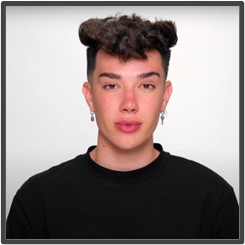
Influencer James Charles via YouTube (Reuploaded).


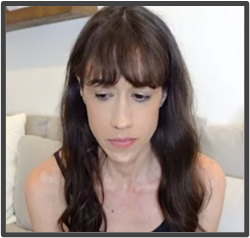
Influencer Colleen Ballinger via YouTube.

Interestingly, although the reason behind each of these videos may differ, there is reason to believe that many of them contain similar content. In their study analyzing various public celebrity apologies, Cerulo and Ruane (2014) found patterns of apology techniques that many celebrities employed in their statements. This looked like 27% of celebrity apologies containing “evasion” statements where they avoid responsibility, 29% of apologies having “action-ownership” statements where they acknowledge an action, and 32% having “mortification” statements in which the celebrity acts mortified by their own actions (p. 130-135). Though this study predates the rise of many famous YouTube apologies, it suggests a possible pattern that past celebrity apologies may have formed, which proved to be a useful foundation for our research. Although we did not utilize the same categories as Cerulo and Ruane (2014) and opted to find our own keywords, our research aimed to expand on what patterns, if any, could be found in this new form of celebrity image repair.

While research on “cancel culture” exists, our study attempts to address the research gap on both the precise language employed by YouTube content creators’ apologies, as well as how the individual viewers react to and process the content found within these videos. We believe that most research has not addressed the possible relationship between language used by the influencer and how the viewer interacts with it. This research will thus focus on the language used in influencers’ apology videos when they are being “canceled” by the general public. With a focus on Generation Z (Gen Z) and Millennials, the two generations who grew up with technology as an integral part of their daily lives (Serbanescu, 2022), the two research questions that arise are the following: First, can Gen Z and Millennial individuals tell whether an influencer is being canceled solely based on the language being used? Second, does an influencer change their speech patterns or behavioral gestures when they are being canceled? Our aim was to compare the reactions of Gen Z and millennial individuals to language and behavioral gestures used by an influencer when they are being canceled versus when they are in good standing. We hypothesize that when an influencer is aware that they are being canceled, they will engage in specific behavior and speech patterns. Further, we hypothesize that Gen Z and Millennial individuals will be able to tell without context when an individual is being canceled simply by reading comments or quotes with keywords associated with cancel culture.

Methods

To capture commonalities among influencer apologies, we started by compiling 10 YouTube apology videos, all involving YouTube creators who had amassed at least one million subscribers at the point they were canceled (See Image A).
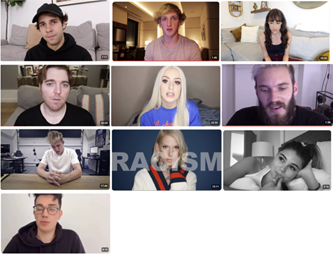
Image A. (left to right) David Dobrik, Logan Paul, Colleen Ballinger, Shane Dawson, Tana Mongeau, PewDiePie, Jake Paul, Jeffree Star, Olivia Jade, James Charles.

Even before this, we started by coding James Charles’ apology video titled “tati” and looked out for words and gestures that were constantly repeated. Based off that initial coding, we created a data chart with eight different keywords (“excuses,” “mistake,” “accountability,” “sorry,” “apologizing,” “um,” “disappointed,” and “idiot”) and four gestures (sighs, gulps, long pauses, and deep breaths) and continued meticulously examining and coding each video to pull out every instance of any of the keywords or gestures. In other words, each video received a tally of how many times these phrases or gestures appeared in the video. Gestures such as sighs and gulps, deep breaths, and long pauses were important in order to grasp an idea about the important factors, other than utterances, that can act as non-verbal communication methods and accompany the keywords to further emphasize the presence of “cancel culture.” Due to the important existence of gestures, we also operationalized “disappointment” as when an influencer simultaneously looks downwards and squints their eyebrows.

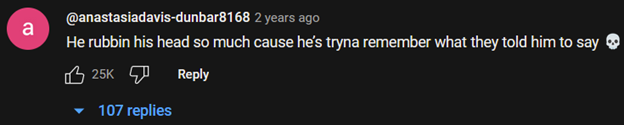
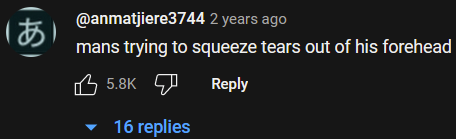
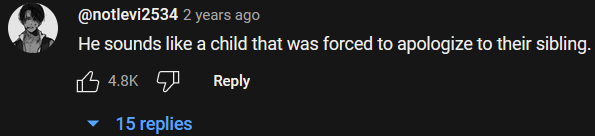
To continue our data collection, we created Survey 1, a survey that tests whether or not people know which influencer is being “canceled” based on comments from their YouTube videos (See Image B). With four survey questions in total, two contained comments from normal videos, while the other two contained comments from apology videos. These comments were chosen specifically from James Charles’ YouTube videos, as he was the initial focus for this research; however, future studies should expand to other influencers’ comments to have more variety. The comments were selected randomly, but we intentionally searched for comments that seemed more positive, had humor, and contained little context. This survey was largely utilized to supplement the overall definition of “cancel culture” by assessing Gen Z and Millennials’ topical understanding of it.

Furthermore, another survey, known as Survey 2, was created with the same test; however, it was based on utterances from both apology and normal videos of the influencers (See Image C). Among the several questions that were given in this survey, we deliberately crafted a suitable set of utterances from apology videos that involved our specific keywords to test if people associate those keywords with “cancel culture,” making it one of the most crucial parts of our data collection. By extracting quantitative data from the YouTuber apology videos and surveys, we were able to analyze what specific words and linguistic styles Gen Z and Millennial individuals deem to be associated with apologies and “cancel culture.”   
Image B. Title of Survey 1.


Image C. Title of Survey 2.

Results and Analysis

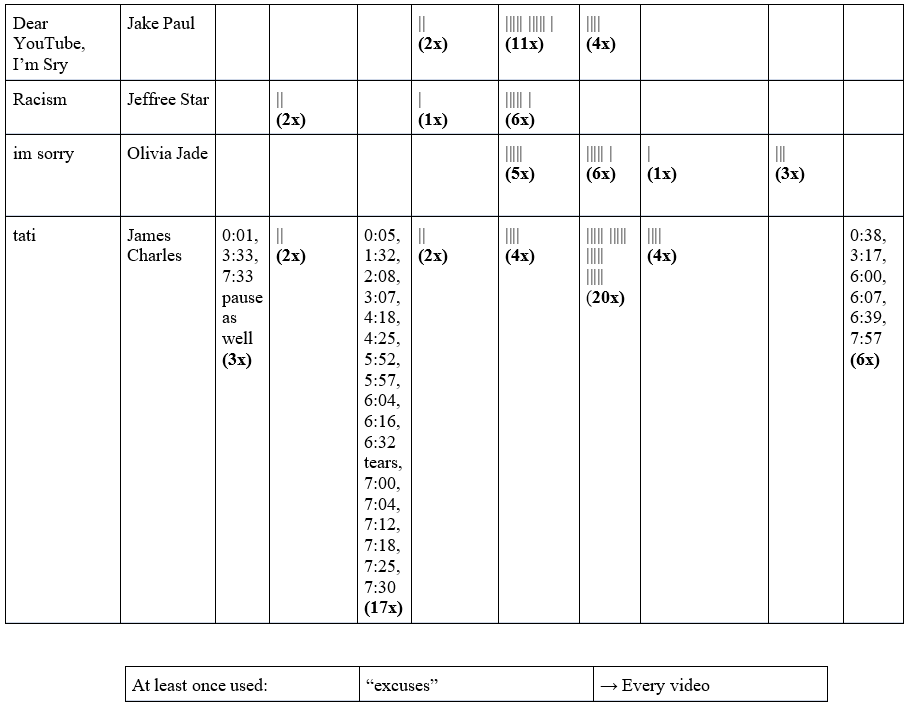
We can start by examining the data table that quantifies specific keywords uttered in the 10 apology videos and non-verbal communication methods that supplemented those keywords (see Table 1). 
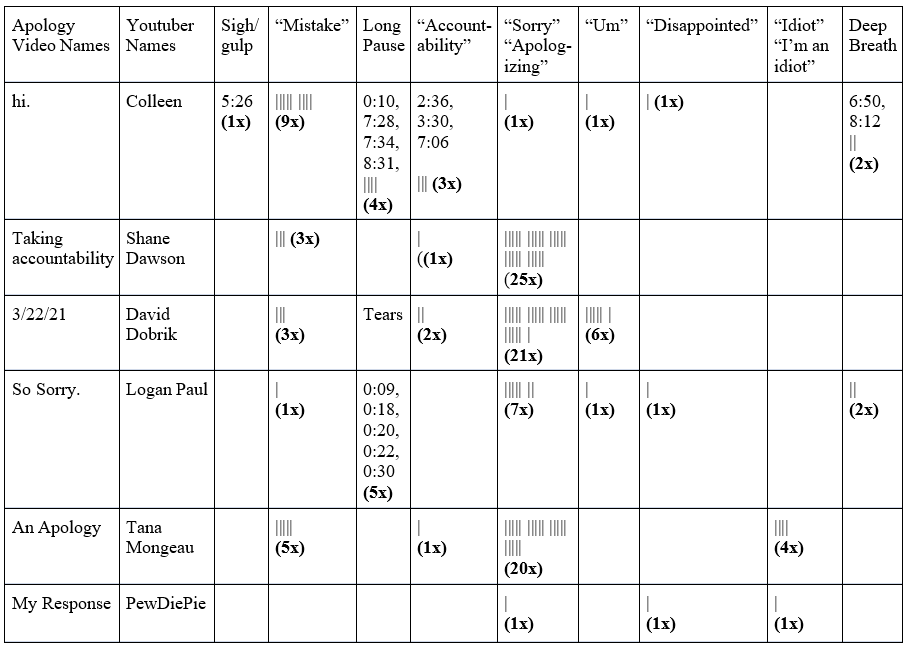
Table 1. Data table with tallies of key words and gestures from each video.

Table 1 displays the heavy use of “sorry” and “apologizing” in all of the apology videos, as well as the common effort to include mentions of “accountability” and making “mistakes.” Some YouTubers occasionally described themselves as feeling “disappointed” in themselves or feeling like an “idiot.” Most importantly, it was extremely common for them to use the word “excuses” in their apology videos. As for gestures, long pauses (with occasional tears) were the most frequent and seemed to dramatize the keywords.

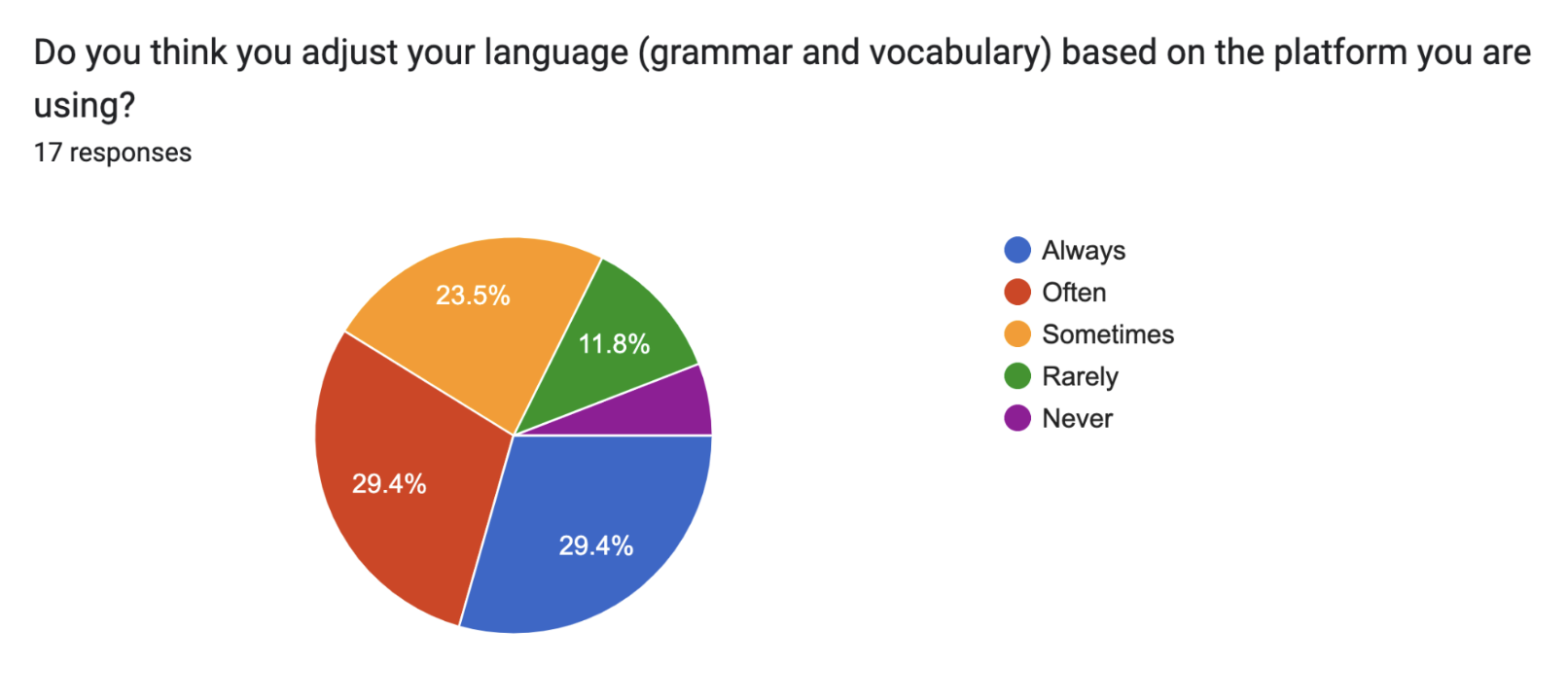
Moreover, four graphs were created to illustrate the results of Survey 1, and eight graphs were made for Survey 2. Among our 55 Gen Z and Millennial survey takers, we gauged the amount of those who felt confident in their ability to tell if an influencer is actively being “canceled,” to which most replied they were somewhat confident (See Tables 2a and 3a).
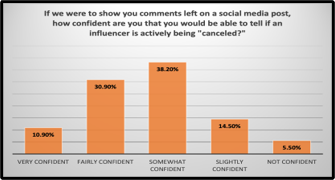
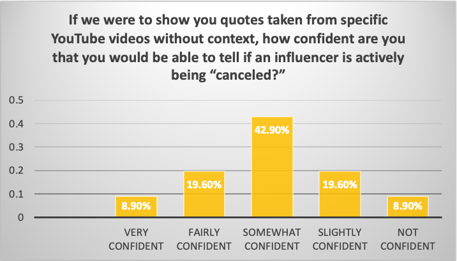
Table 2a. Survey responses to question at top of graph.


Table 3a. Survey responses to question at top of graph.

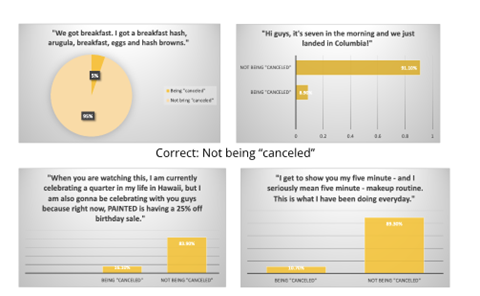
Table 2b exhibits the quantified survey results from Survey 1 that involve two comments from when an influencer was actively being “canceled” and two comments from when they were not. For Comment #1, answers were roughly split; however, there were fewer individuals who could determine that the influencer was actually actively being “canceled.” For Comment #2, #3, and #4, most individuals were able to determine the existence of “cancel culture.”
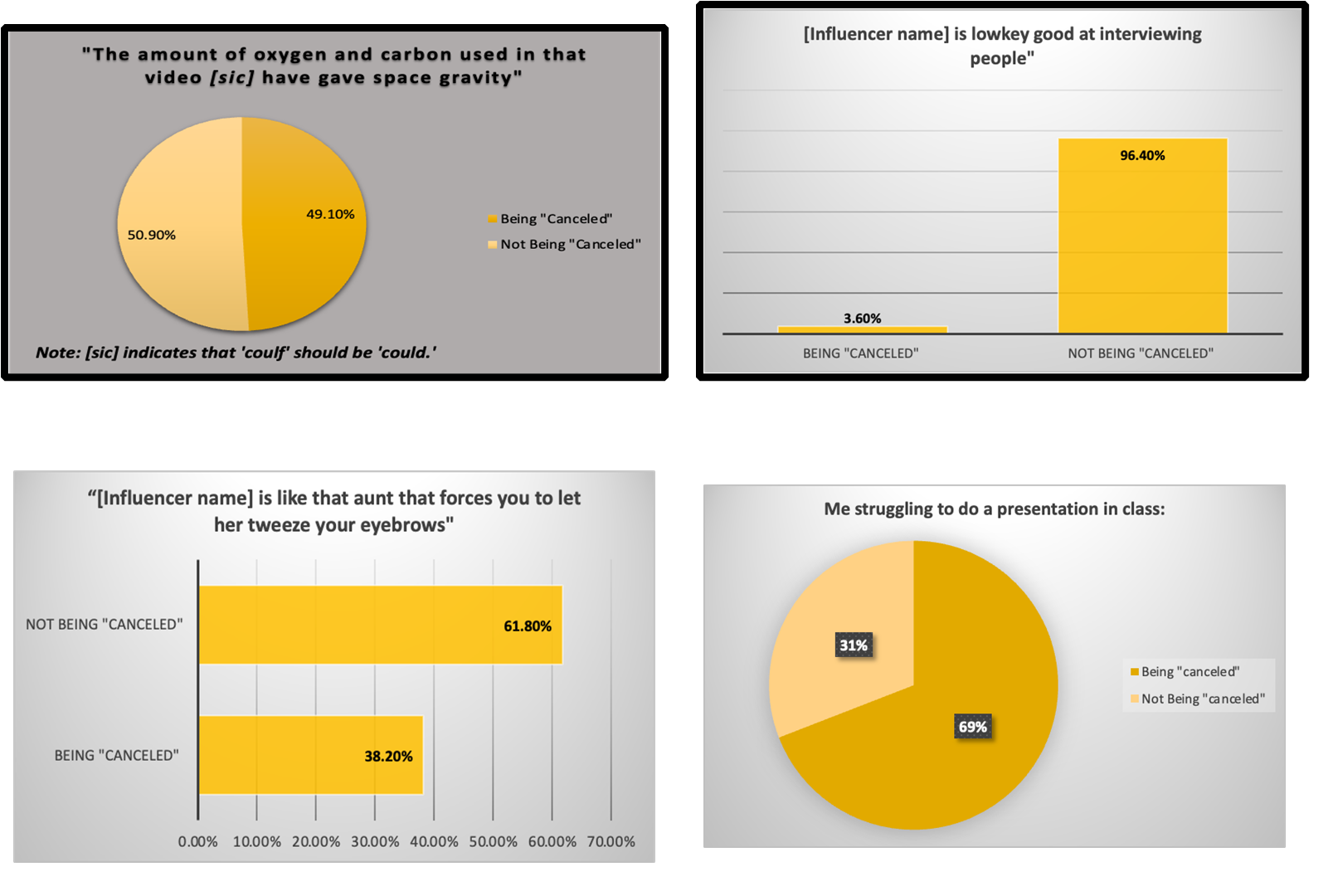
Table 2b. Results from Survey 1 on comments.

Subsequently, Tables 3b and 3c display results for Survey 2, specifically for utterances derived from our chosen apology videos and that contain our significant keywords. Individuals were more likely to be correct and be able to tell that an influencer was actively being canceled; however, Table 3c illustrates that more than half of the survey respondents were unable to determine whether an influencer was actively being “canceled” based on the keyword “um.” Individuals were also more likely to be correct when determining a normal utterance where there were no keywords present (see Table 3d).
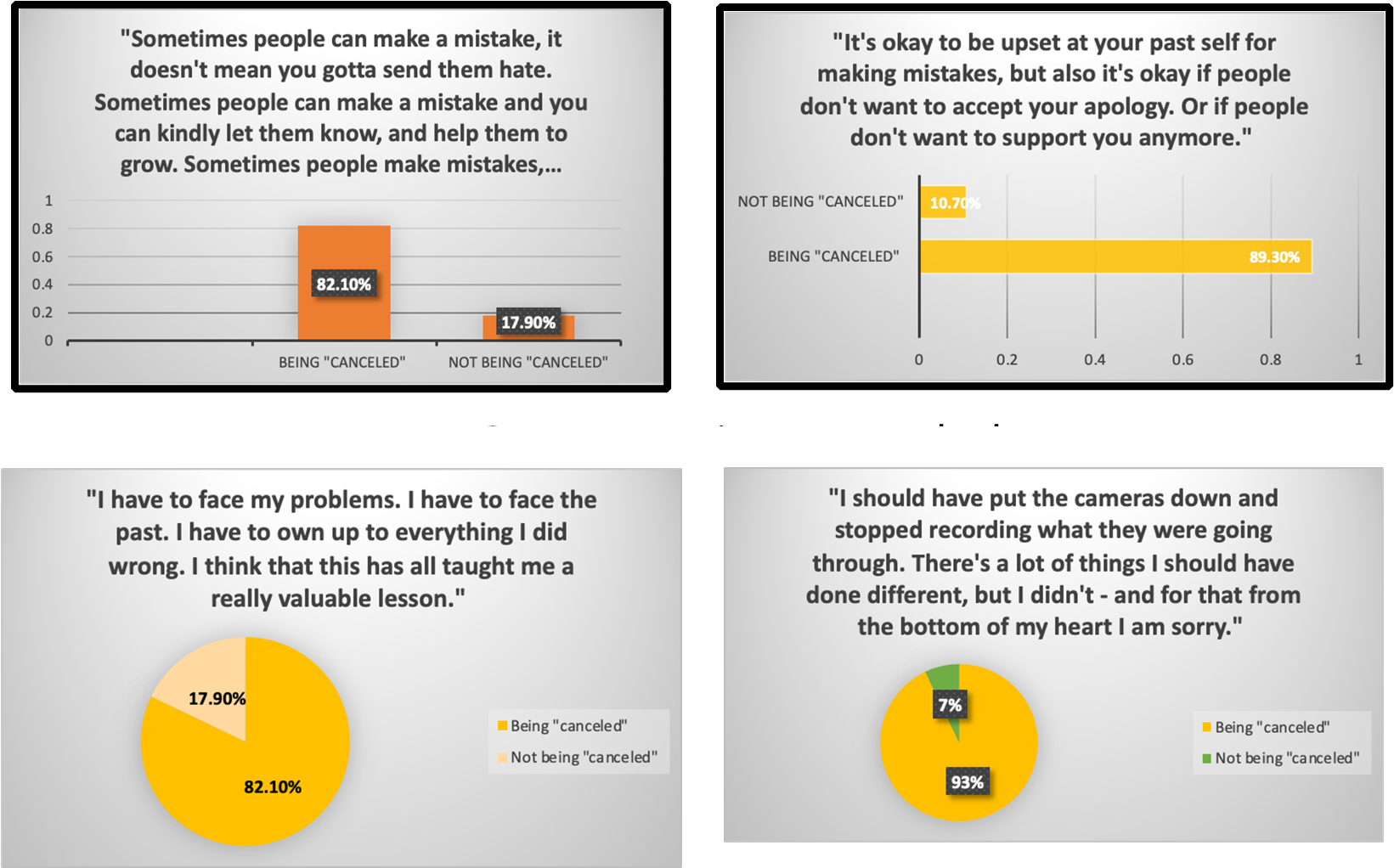
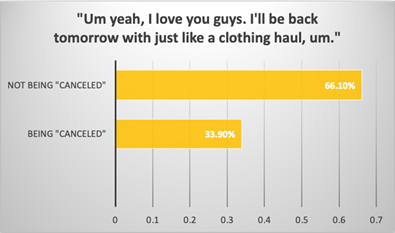
Table 3b. Results from Survey 2 on “canceled” utterances.


Table 3c. Results for “um” in Survey 2.


Table 3d. Results from Survey 2 on normal speech from YouTube videos.

Discussion

The current investigation attempts to fill these major gaps within the research by examining cancel culture from a linguistic perspective. Data gathered from YouTube suggests that the comments left on videos where an influencer is being canceled tend to be harsh and demeaning, aiming to publicly shame and bully the creator. The negative language used in the comment section appears to prompt the creator to upload a YouTube video where their language appears to be apologetic, while their behaviors simultaneously portray disappointment and shame in themselves. Since an influencer is aware that they are being canceled, they resort to the use of language that has proven to be effective when crafting an apology.

The findings from this investigation indicate that, in what appears to be an act of desperation to put an end to negative comments and find themselves in good standing with the YouTube community, influencers often resort to the use of the keywords discussed above. Their language quickly shifts from casual everyday language to words that show that they deeply regret their actions and are willing to take accountability.

In Survey 1 (See Table 2b, #1), a comment without context was purposefully chosen in order to test what most respondents think about “cancel culture” comments off the bat. Without context, it is difficult to tell what a comment is specifically referring to. Therefore, our results suggest that there are differences in how individuals view internet language, and it in turn influences whether they think an influencer is being “canceled” or not. In other words, because Comment #1 had no negative keywords and Comment #4 did (“struggling”), it hints that people associated the negative word with “cancel culture,” and therefore, “cancel culture” has this negative linguistic connotation to it. It is also important to note context in our Survey 2 results. When choosing utterances for our survey (See Tables 3b and 3d), we intentionally included utterances about breakfast, trips, sponsorships, and makeup routines, all contexts that are far from the idea of “cancel culture” and negative linguistic aspects. The context completely juxtaposes the utterances from apology videos (See Table 3b) because they are missing the “cancel culture” keywords. A very important finding in Table 3c suggests the importance of those negative associations. In this example, the apology video utterances are more ambiguous than others, especially with the inclusion of “um.” We include the keyword “um” because although it is an extremely common human utterance, it acts as a neutral keyword and requires more context. Most people responded with “Not being canceled,” suggesting that due to the absence of an explicitly negative keyword, respondents were not naturally drawn to viewing it as an apology video utterance.

Previous studies have primarily focused on exploring the psychological effects that cancel culture has on the individual that is actively being canceled. Such studies suggest that while cancel culture originated with good intentions — to hold individuals accountable for socially unacceptable actions — the psychological effects of cancel culture are oftentimes negative and include: social isolation and loneliness, depression, low self-esteem, and constant fear and anxiety (Berryman & Kavka, 2018). Although these findings add to the existing body of research, they also highlight gaps and consequently lead to further research questions: Why does cancel culture lead to these negative psychological states of mind? Does language play a role in cancel culture? Can cancel culture be viewed from another point of view?

Essentially, examining cancel culture from a linguistic perspective adds to the existing research because these findings can be tied back to a psychological perspective and begin to answer these questions. Understanding that the language associated with cancel culture is oftentimes negative and harsh, instead of critical and constructive, allows us to understand why the influencers who are exposed to cancel culture are negatively impacted psychologically. Looking at cancel culture from different lenses can lead us to discovering new findings, but considering the importance of language to our everyday lives, a linguistic analysis is an effective way to begin.


References

Berryman, R., & Kavka, M. (2018). Crying on YouTube: Vlogs, self-exposure and the productivity of negative affect. Convergence, 24(1), 85-98. https://doi.org/10.1177/1354856517736981.

Cerulo, K. A., & Ruane, J. M. (2014). Apologies of the Rich and Famous: Cultural, Cognitive, and Social Explanations of Why We Care and Why We Forgive. Social Psychology Quarterly, 77(2), 123-149. https://doi.org/10.1177/0190272514530412.

Goanta, C., & Ranchordás, S. (Eds.) (2019). The Regulation of Social Media Influencers. Edward Elgar Publishing. Elgar Law, Technology and Society series. http://dx.doi.org/10.2139/ssrn.3457197.

Karlsson, G. (2020). The YouTube Apology; Analysing the image repair strategies and emotional labour of saying sorry online. Malmö University, School of Arts & Communication K3. https://www.diva-portal.org/smash/get/diva2:1483089/FULLTEXT01.pdf.

Lewis, R., & Christin, A. (2022). Platform drama: “Cancel culture,” celebrity, and the struggle for accountability on YouTube. New Media & Society, 24(7), 1632–1656. https://doi.org/10.1177/14614448221099235.

Roos, H. (2020). With(Stan)ding Cancel Culture: Stan Twitter and Reactionary Fandoms. Muhlenberg College. https://jstor.org/stable/community.31638145.

Serbanescu, A. (2022). Millennials and Gen Z in the Era of Social Media. In A. Atay & M. Z. Ashlock (Eds.), Social Media, Technology, and New Generations: Digital Millennial Generation and Generation Z (pp. 61-77). Lexington Books.

All Videos Used for Analysis

Ballinger, C. [Colleen Vlogs]. (2023, June 28). hi. [Video]. YouTube. https://www.youtube.com/watch?v=ceKMnyMYIMo.

Dawson, S. (2020, June 26). Taking Accountability [Video]. YouTube. https://www.youtube.com/watch?v=ardRp2x0D_E.

Dobrik, D. (2021, March 22). 03/22/21 [Video]. YouTube. https://www.youtube.com/watch?v=lB734hc89x8.

Dunsmorel, J. (2019, May 13). James Charles Tati re-upload [Reposted Video]. YouTube. https://www.youtube.com/watch?v=U3Ukl4l_LM8.

Jade, O. (2018, August 6). im sorry [Video]. YouTube. https://www.youtube.com/watch?v=LAJArLC6v70.

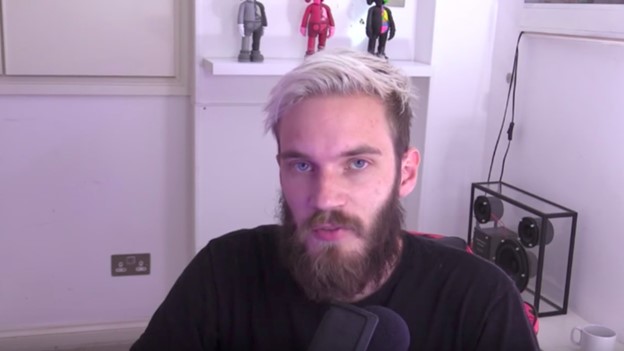
Kjellberg, F. [PewDiePie]. (2017, September 12). My response [Video]. YouTube. https://www.youtube.com/watch?v=cLdxuaxaQwc.

Mongeau, T. (2017, February 17). An Apology [Video]. YouTube. https://www.youtube.com/watch?v=Fazh9Lm1kDE.

Paul, J. (2017, June 3). Dear YouTube, I’m sorry…. [Video]. YouTube (min. 10:36-17:43). https://www.youtube.com/watch?v=C45-1rf65PU.

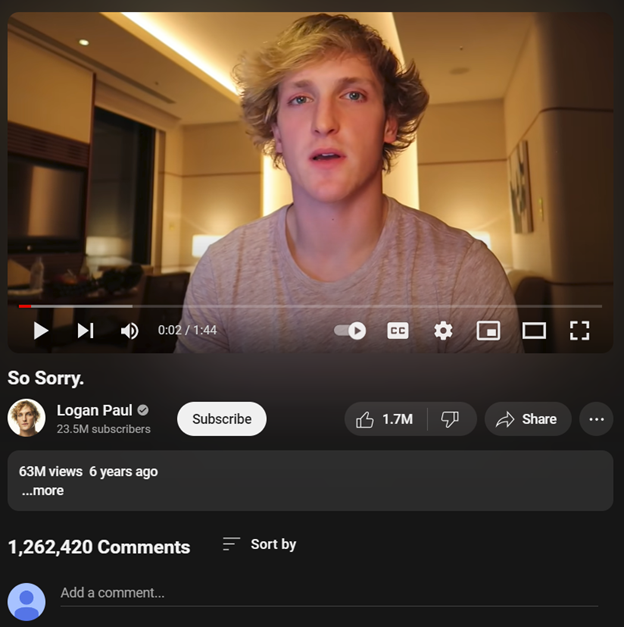
Paul, L. (2018, January 2). So Sorry. [Video]. YouTube. https://www.youtube.com/watch?v=QwZT7T-TXT0.

Star, J. (2017, June 20). RACISM. [Video]. YouTube. https://www.youtube.com/watch?v=Su6FeI7lHVg.

Related Resources

Languaged Life post: Celebrities and Controversies: What Works and What Doesn’t in Apology Videos

Interesting interactive graphic on the history and patterns of apology videos: https://pudding.cool/2020/01/apology/

[/expander_maker]
, , ,

Alpha Males: Talk of the Trade

Pauline Antonio-Nguyen, Elizabeth Gin, Anna James, Jennifer Padilla, Shanna Yu

An internet phenomenon: the Alpha Male. These men view the world in black-and-white gender roles steeped in misogyny, where women are not their equal and are expected to be subservient to them. This study takes the philosophies behind existing research done on conversation patterns between men and women and applies them to these alpha males. Do their beliefs and attitudes show up in how they speak? How do they navigate conversations compared to their non-alpha equivalents? While existing studies on aspects of speech like turn-taking and interruption have been largely inconclusive in the world of gender at large, we will be taking conversation analysis into the domain of alpha males in hopes of more conclusive results. What kind of language do they use to refer to those they find lesser, and do they interrupt women more than they do men? An alpha male’s word choices may reflect their misogynistic principles in potentially derogatory ways, and they may be more prone to interrupting others than a non-alpha male is.

[expander_maker id=”1″ more=”Read more” less=”Read less”]

Introduction and Background

The term “alpha male” has existed for many generations now. This term generally refers to a dominant individual, both within human social groups and animal behavior (Ludeman et. al, 2006). For further insight into exactly what an alpha male is, we recommend taking a look at this YouTube video discussing the “science” behind alpha males. The term has now evolved though, and in the internet sphere, it is generally accepted that “alpha males” are individuals who place heavy importance on being dominant, especially in terms of control over women. A good example is Andrew Tate, a self-proclaimed alpha male who took the internet by storm in 2023. We decided to look at two linguistic aspects: lexical items and conversational analysis — specifically interruption. An existing study on alpha males highlights their use of lexical pathways as a “means to further try to push their egotistical and misogynistic agenda” (Lawson, 2020). Additionally, in the eyes of an alpha male, women’s value is inherently tied to concepts like virginity and how subservient they are to the man who “owns” them. In terms of interruption, studies that cover whether men or women interrupt each other more have yielded mixed results, such as one where a “high-dominance predisposition,” a self-explanatory term established in-study, prompted men to interrupt more often than women with the same disposition (Rogers, 1975) versus another where others found that there was no significant difference between their test groups of men and women (Johnson & Aries, 1983). How exactly do alpha males interact with those around them, and does their behavior change based on which gender they speak with? Through our analysis, we look into the frequency of patterned and marked vocabulary and interruption as a way to enforce gender ideas and establish their place in a hierarchy.

Methods

Our main sources were TikTok and YouTube. We searched for videos using keywords — “alpha male podcasts,” “alpha male podcast women,” “alpha male podcast men,” etc. — to find videos. We compiled a total of 35 videos, mostly TikTok videos and some YouTube videos. The TikTok videos were used to give us our word frequency data, and both the TikTok videos and YouTube videos were used in our interruption data.

We thought the shorter TikTok videos would be a decently accurate portrayal of what alpha males would deem as “important” or “worthy” enough to emphasize because these clips were moments that editors had purposely picked out of longer episodes. We then made transcripts from the TikTok videos and used the search function to find out how many times a certain word was said in a certain context.

The four contexts were two alpha male contexts and two control contexts. We looked at when alpha male podcasters talked with other men and when they talked to women. For the control group, we looked at non-alpha male podcasters talking to other men and when they talked to women. As previously mentioned, we were also interested in the phenomenon of alpha males interrupting people in conversational settings. Therefore, we also kept track of the number of times that alpha males interrupted both the experimental and control groups.

Results and Analysis

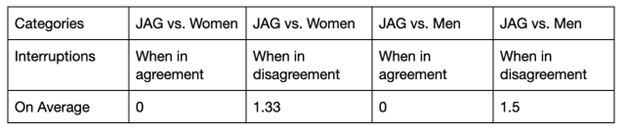
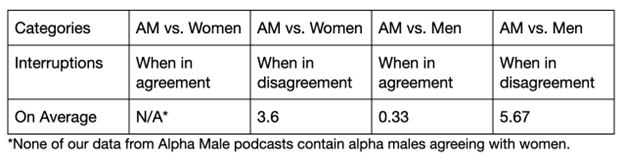
Looking at the interruption data, we saw some interesting results. Overall, we found that both alpha male podcasters and non-alpha male podcasters were actually more likely to interrupt other men than interrupt women.

Figure 3. Results of the Alpha Male interruption data.
Figure 4. Results of the Just-a-Guy interruption data.

When we look at the breakdown of whether or not the two parties were in agreement though, we found some interesting results. We found that rather than gender being the factor that affected the average number of interruptions, the more important factor was whether or not the podcasters were in agreement with the other person. We can see this particularly clearly in the data comparing alpha male podcasters talking to other men when they agree vs. when they disagree. It was a bit hard to draw a clear conclusion because we didn’t actually have any data of alpha male podcasters agreeing with women at all. Comparing this data to the non-alpha male podcasters though, alpha male podcasters overall interrupt whoever they are talking with a lot more than non-alpha male podcasters. Also, for non-alpha male podcasters, the difference in the average number of interruptions when talking to women vs. when talking to men was much smaller.

Although we often see alpha males project their dominance over women, the projection of dominance over other men is often overlooked. In our data, we can see that projecting dominance over a man may be more important than projecting dominance over a woman. After all, an alpha male is only an alpha male if he is higher up on the hierarchy than other males. These results could also be the result of the women guests allowing the alpha male podcasters to talk for longer periods of time compared to men guests. If the women were speaking less, then there would be less opportunities for the alpha male podcaster to interrupt.

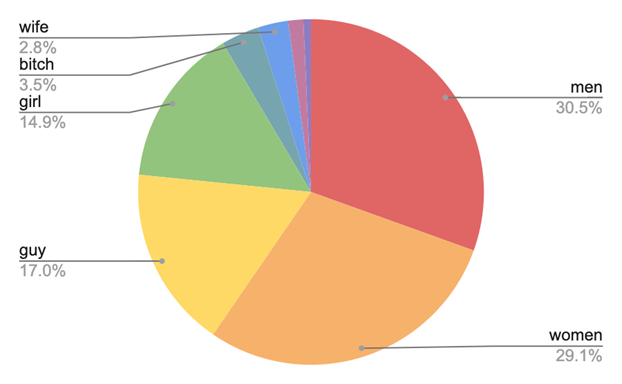
Regarding the lexical data, contrary to what we initially predicted, we did not see a high use of derogatory language towards women. Pretty substantially, the majority of words used to reference men and women were the words “men” and “women.”

Figure 1. This graph shows the breakdown of how common the words we picked were across the TikTok videos we analyzed. The two smallest slices were too small for Google Sheets to show their data. The pink slice is for the word “hoe” at 1.4%, and the purple is for the word “female” at 0.7%.

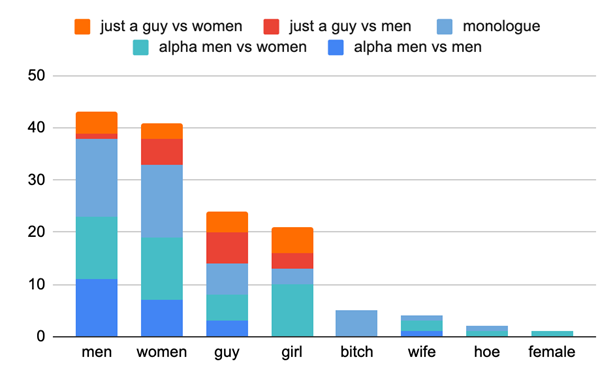
However, when looking at a breakdown of what words are used in what context, there are more interesting results.

Figure 2. This graph shows the number of times each word was used across all the TikTok videos.

As we can see, alpha male podcasters use more words to refer to women than non-alpha male podcasters. The non-alpha male podcasters used only the words “women” and “girl” and didn’t use any other references when talking about women. When talking to women, alpha male podcasters almost exclusively used the word “girl.” In our data, they never used the word “girl” when talking to other men. Similarly, alpha male podcasters only used the words “hoe” and “female” when they were talking to women.

There was only one instance of an alpha male podcaster using the word “female,” and it was when he was talking to some women about cheating. The alpha male podcaster said:

What is interesting about this is that he also used the word “women” in the same sentence. He made two categories of women, “women” and “females.” When talking about the partner who receives love from a man, he used the word “women.” When he was talking about a person that a man would have sex with, he used the word “female.” This creates a dichotomy between women who are loved — “women” — and women to have sex with — “females.”

When we compiled the data, we counted both plural and singular forms for every word, and there was an overall trend of non-alpha male podcasters using singular forms, while alpha male podcasters often used the plural forms. Usually, when non-alpha male podcasters were talking about men and women, they would be talking about specific situations, while alpha male podcasters would usually be making sweeping statements about men and women in general. In general, there seemed to be an overarching pattern of alpha male podcasters talking about the general broad topic of “men and women.” On the other hand, we actually found it a little hard to find non-alpha male podcasters talking about men and women as a broad topic, and usually, they would be talking about their own personal experiences or hypothetical situations regarding romantic relationships.

Also, non-alpha male podcasters on average seemed to be younger than the alpha male podcasters, which would explain the low frequency of the word “men” by non-alpha male podcasters. It seemed that they were more comfortable referring to themselves and other men as “guys.” Interestingly though, when comparing words referencing men and women, the words “men” and “guy” were more frequent than the words “women” and “girl.” There was only a slight difference, but it is interesting to see that it was consistent that words referring to men were used slightly more than their feminine counterparts. This could also be explained by the fact that both groups of podcasters are slightly more likely to make statements relating to themselves, as they identify as men.

The most compelling data we found in the TikTok video transcripts were words that referenced men and women, and we didn’t find any other specific words that were super frequent in the videos we looked at. There was no quantitative data on other words, but overall, alpha male podcasters definitely expressed ideas of sexism and gender essentialism much more frequently than non-alpha male podcasters did.

Discussion and Conclusions

In our study, we wanted to investigate an “alpha male’s” general language and the prevalence of certain words they use. The results of our findings suggest that alpha males do try to impose and assert dominance and interrupt others when they are speaking to others. Alpha males showed intolerance when they were faced with conversations with males or females who did not agree with their point of view.

We found a lot of interesting things in our data, things that matched up with what we originally predicted and things that did not. In our lexical item results, the frequent usage of “girl” about women by alpha male podcasters is extremely interesting. Because these men often criticize women and the behaviors they associate with women when doing so, the preference for the word “girl” when talking to women directly could be taken as a form of dismissiveness towards women and their autonomy, infantilizing them and writing them off as something that needs to be taught and controlled. In the interruption results, the assertion of dominance from alpha male podcasters escalated when there was a disagreement between alphas and other men in conversations. It seems that alpha males not only want to assert their dominance over women but also other men.

Overall, these patterns that we witnessed in our research reflect underlying tactics of dismissiveness and clear tactics of dominance used by alpha males. Unlike what we thought, alpha males were more subtle in terms of low use of marked words; they instead used unmarked words, perhaps because they realized that derogatory terms are not as socially acceptable. On the other hand, something like interruption is not something that is clearly marked or visible, so alpha males seem to fully employ that tactic.

Also, some things that are important to note is that it was pretty obvious that a lot of these alpha-male podcasters were trying to “rage bait” and get a reaction out of their guests or the audience. Most of the videos that popped up were alpha male podcasters berating women about their choices on men, speaking on how women should act, etc. Due to the nature of social media algorithms, it’s impossible to randomly pick videos. However, in a way, it does show which videos are getting viewed the most and, in turn, what the average person would be more likely to come across. Something else that we did not look at specifically was sentiment analysis. If we looked more closely at what sentiments were expressed when using “girl” vs. “women,” for example, or between alpha male podcasters and non-alpha male podcasters, we might have seen more data that lined up with our original predictions. Even if alpha male podcasters did not use derogatory terms for women, they still expressed negative sentiments about women.

Alpha males are often seen as a meme or outrageous, and even though the statements they say often are, it seems that there is some kind of conscious effort to stray away from derogatory terms that would immediately be flagged by the general public. Through our analysis, we can see that there are many other factors and tactics that seem to be a part of the repertoire of alpha males. We have only looked at the surface, but hopefully, our research could serve as a starting point for investigating other factors that go into the way alpha males speak.


References

Johnson, F. L., & Aries, E. J. (1983). Conversational patterns among same-sex pairs of late-adolescent close friends. The Journal of Genetic Psychology: Research and Theory on Human Development, 142(2), 225–238. https://doi.org/10.1080/00221325.1983.10533514.

Lawson, R. (2020, January 14). Language and masculinities: History, development, and future. Annual Review of Linguistics. https://doi.org/10.1146/annurev-linguistics-011718-011650.

Ludeman, K., & Erlandson, E. (2006). Alpha Male Syndrome. Harvard Business Press.

Russell, E.L. (2021). Masculinities, Language, and the Alpha Male. In: Alpha Masculinity. Palgrave Studies in Language, Gender and Sexuality. Palgrave Macmillan, Cham. https://doi.org/10.1007/978-3-030-70470-4_2.

Roger, Derek B., Bull, Peter E., & Smith, Sally (1998). Journal of Language and Social Psychology. The development of a comprehensive system for classifying interruptions. 7:27-34.

[/expander_maker]
, , , , ,

Influencer Speech and Indexicality

Shogo Payne, Olivia Brown, Jade Reyes-Reid, Ricardo Muñoz, Priscella Yun

Stereotypically, people consider TikTok influencers to be vapid and unimportant. However, through our research on the language of TikTok influencers, we have found that through particular lexical choices, influencers establish their niche within the beauty industry by appealing to the emotions of viewers, becoming vessels for product promotion and marketability. Our work has proven that the greater frequency of inclusive and second-person pronouns, as well as language heavily using imagery and hyperbole, is the key to success for beauty influencers. We compare videos from five of TikTok’s most popular beauty influencers to see if our targeted lexical features can be shown to not only correlate with an increase in popularity on the platform but also to engage viewers as part of an exclusive community. Creators and brands will benefit from awareness of these linguistic tools’ ability to promote their message and products, while also giving them linguistic factors to consider in terms of marketing.

[expander_maker id=”1″ more=”Read more” less=”Read less”]

Background

In recent years, TikTok has risen to unfathomable popularity, overtaking leading social media apps. While the premise of short-form content like that of TikTok is not new – its predecessor being Vine – TikTok is different in that it has the ability to reach mass audiences and create communities centered around a person and their interests. This in turn gets heavily exploited by brands eager to hand out sponsorships in an attempt to market to these communities of interest.

Many of the larger “niches,” a term we define as a subculture of TikTok, establish themselves as bona fide online communities through a distinct style of content made to satisfy viewers’ expectations from creators. While this “style” of content is often related to the niche of interest, creators’ identities undeniably play a role in the reception of such content. Afterall, two creators in the same general niche may attract individuals with different preferences as a result of the linguistic differentiation. Thus, the language used by Tiktok creators is equally important in establishing a style which connects with audience members.

In the world we live in, we cannot escape from media information. Constantly, we endure such things as advertisements, billboards, and TikTok notifications. The amount of words and numbers we take in every day seems to be increasing, almost violently so. Think about how Instagram creators refer to their content output as their “feed,” which we interpret literally: a stream of consciousness which their followers consume. Consequently, and subconsciously, we have to be able to “filter” what knowledge we take in, that knowledge which is concerning to us. TikTok and similar social media platforms already have a system in place to expedite this. TikTok’s “For You” page, the home page, is where the app’s analytical system gathers recommended content, based on the user’s recent viewed-content activity, to show the user. Psychologically, this is what we deem as “influencer speech.” This phenomenon of speech has been noted by many including new articles, like in one by VICE, stating that it is “the perfect balance between buoyant yet flat; it gives just enough away, without really giving anything away; it keeps me from scrolling past the video” (Hall). The visual and audio content of a video needs to be attention-grabbing in a novel way to the user, in order to not be scrolled away. If the TikTok creator cannot capture the attention of the user within the first couple of sentences, it may as well be an admission of defeat. If we look at it differently, the main property that influencer speech holds is the ability to build an image or identity in your mind that psychologically indexes for a particular niche which may or may not suit us.

The duty of a TikTok influencer is to relate to audiences while also being marketable to brands for the purpose of product promotion. With the importance of strategic language in mind, we ask the question: Do TikTokers modify their speech to increase marketability? Our expected answer to this question was yes. Through observation of a collection of lexical features that we deem influencer speech, we found correlations with greater frequency of positive feedback, as well as indexation of leadership within a specific online community.

Previous investigation into social media advertising has proven social media promotion to now be more effective than traditional TV commercials (Chen, et al. 2023). This finding motivated our research in proving the importance of understanding social media advertising in this social media-driven landscape we find ourselves in. Additionally, a study conducted by Munaro et al. suggests that certain lexical items can increase audience engagement and brand partnerships (Munaro, et al. 2024). Previous research has also indicated that lexical terms act as facets of one’s identity in discourse (C.M Davis. 2020). We wanted to take this research a step further to address how particular lexical features often associated with influencer speech may help or hinder one’s marketability within the volatile landscape of TikTok influencing. It was important for us to address this question in a way that would be easy for non-linguists to understand while providing flexibility, so that any conclusions we found should not be so prescriptive as to limit the individuality inherent in casual speech.

We decided to look at the beauty community within TikTok for our data collection not only for its large scale – 1⁄3 of American adults use TikTok, with the majority of those users being women between the ages of 18-24, meaning the majority of TikTok users are likely beauty consumers (Bestataver 2024) – but because product promotion within this niche is highly prevalent and interwoven with the content. The content, as we will be focusing on it, will be the aforementioned lexical terms.

There is a common misconception and stereotype that influencer speech, particularly within the beauty community, is vapid and meaningless. However, we reject this ideology, instead asserting that beauty influencers use particular lexical features to garner engagement and increase marketability. We call this bundle of features “influencer speech”, or “I.S.” in its abbreviated form.

The features we used to define influencer speech are as follows: precision in synonyms, pronoun usage, and hyperbole. Firstly, precision is the usage of descriptive, repetitive synonyms used to build imagery for audiences that creates a psychological closeness to the product. Secondly, we examined usage of particular types of pronouns such as first-person, second-person, and inclusive pronouns (as in we and let’s) to gauge how influencers engaged with their audiences through their speech. Previous research asserts that inclusive language allows influencers to connect with and gain reputability amongst their audience (Prudencio, et al., 2023), thus inspiring us to look more closely at TikTok beauty influencers’ use of inclusive pronouns. Furthermore, in a podcast about effective persuasion, Professor Jonah Berger describes how tapping into consumer identities causes them to call to action while feeling a closeness (Jonah, 2023). Lastly, we looked at hyperbole, which we consider any speech that exaggerates a product’s quality and novelty and/or a consumer’s need for the product. We included hyperbole since research on its use within everyday speech suggests its use as ‘highly’ interactive, which emphasizes its potential power as a lexical term to connect with audiences (McCarthy & Carter, 2004). Within this category of hyperbole, we looked at phrases such as “life-changing,” “you need this product,” or influencers describing products as “the best ever.”

Methods
Previous research indicates TikTok’s immense value as a tool to gather legitimate sociolinguistic data (Alajmi, 2023). We examined the speech of five top TikTok beauty influencers by first inspecting five non-sponsored videos from each respective creator to create a baseline idea of their speech when they are not advertising a product. We then compared this data against their speech when they were advertising a product or doing a review, surveying five additional videos of this kind and recording how many of our target lexical features were used and how often. The relative frequency of each lexical item was counted in terms of categorizing every video into whether it contains more hyperbolic language, precision, or pronoun usage. This in turn would allow us to gauge a shift in influencer speech when promoting products through analysis of frequencies. Ultimately, this would allow us to determine the potential most effective aspects of influencer voice when it comes to influencing audiences.

We knew it was vital to consider the context of content creators’ backgrounds, which may lead to inherently unfair comparisons. This is why the five influencers we chose are leading American makeup creators known to innovate in products and methods of application. All five have at one point or another been looked to for advice and to dictate what the next trending item or application method would be. As all of the creators are American, we can generally consider their cultural backgrounds to be similar, therefore eliminating concern surrounding cultural differences as a factor in their speech.

On each video, we documented the number of views and likes garnered, then took a sample pool of 20 comments to evaluate whether the responses were mainly positive, negative, or neutral. Our evaluation process was this: comments expressing approval, excitement, or support for either the product, video, or creator are positive; comments unrelated to the topic or creator are neutral; comments expressing disapproval, disappointment, or disagreement with the video or creator are negative. We then compared these findings for each of the TikTokers to see what lexical features or variables are associated with influencers and how their presence affects the audience.

Results

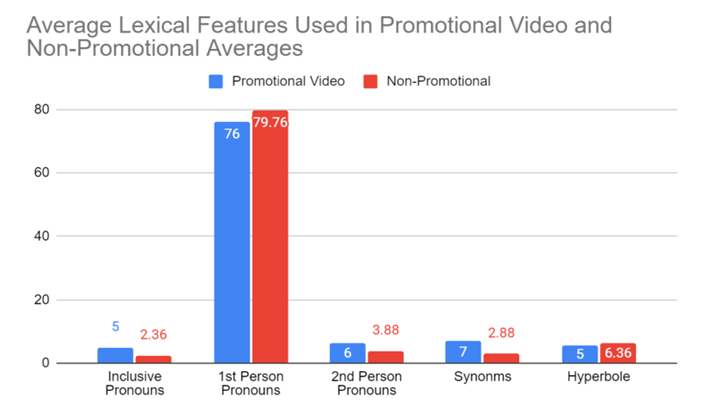
Overall, we found that influencers generally increased their usage of second-person pronouns and synonyms across all promotional content. We also found an increase in use of inclusive pronouns, with the exception of one creator from our sample, Meredith Beauty. As for first-person pronouns and hyperbolic language, we had more inconclusive results, as usage did not shift much from promotional to non-promotional content within our sample. As seen in Figure 1.1 below, inclusive pronoun usage increased 106% in sponsored content, second-person pronouns increased 62%, and synonyms increased 141%, while first-person pronoun usage decreased slightly by 18%, and hyperbole similarly had a slight decrease by 14%.

Figure 1.1. Average lexical features used in promotional videos versus non-promotional videos.

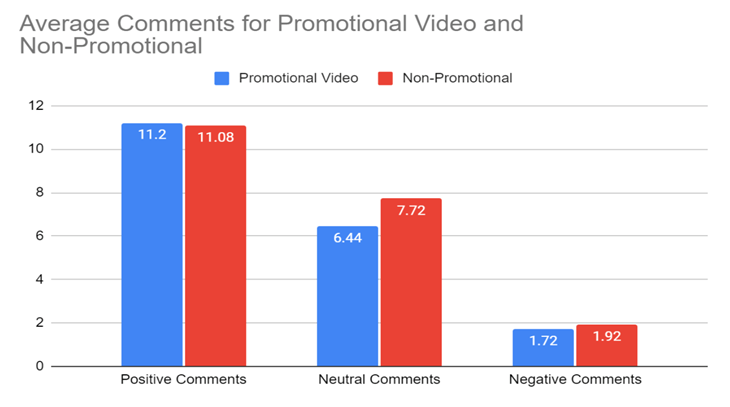
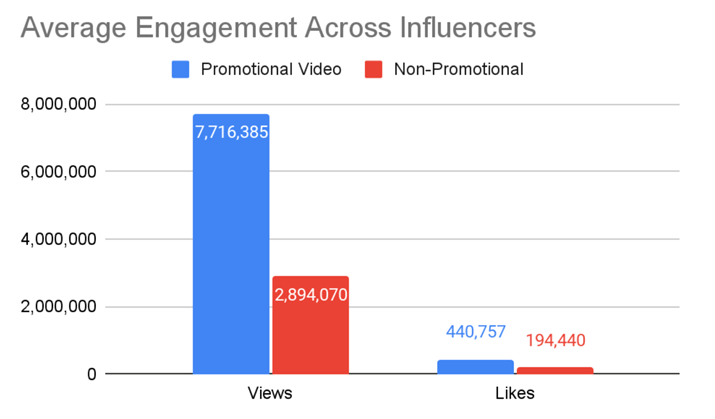
We also observed a higher number of positive comments, views, and likes within sponsored videos. Inversely, neutral and negative comments seemed to decrease with sponsored content. Figures 1.2 and 1.3 showcase our data on the quality of comments and the levels of engagement. Positive comments were shown to increase slightly by 1% in sponsored content, indicating inconclusive results due to the miniscule amount of change from sponsored to non-sponsored content. Neutral comments decreased by 16%, and negative comments decreased by 10%. As these numbers are relatively small, we cannot draw any complete conclusions from this sample. However, a large uptick in viewership of content was noted in our data, with a 106% increase for sponsored content. Additionally, likes increased by 125% in the sponsored content we observed.

Figure 1.2. Average comments for promotional versus non-promotional videos.

Figure 1.3. Average engagement across promotional versus non-promotional content.

Overall, we found that our identified lexical features of influencer speech were used more often in promotional content, indicating a correlation between usage of influencer speech and product promotion.

Discussion and Conclusion

Our findings on influencer speech and promotional content on Tiktok carry various implications in real world application of marketing strategy and engagement. For instance, our findings suggest that certain lexical terms, when used strategically in social media content, can result in higher levels of engagement. We hypothesize that this higher engagement results from creators’ indexation of a leadership role in the beauty community through the use of lexical terms audiences connect to, aiding in the development of trust between creator and consumer. Our results also raise questions about the role of influencers in our society. Rather than just provide entertainment, there is immense value in their role as a talking head for product promotion. Our analysis could help us demystify the distinction between entertainer and advertiser. Future research could examine influencer speech outside of the beauty community to see if these findings are consistent across all online influencing communities and platforms, rather than the TikTok beauty community alone.

Results that strayed from the overall trend of the data could correlate to numerous hypotheses. Demonstrating credibility by restraining from fallacies such as hyperboles and increased use of inclusive pronouns causes viewers to believe the review of the product is credible and therefore, increases the marketability of content. There may also be differences between personal speaking styles and brand guidelines that are required when creating sponsored content, such as promises to include certain phrases or even scripts given to influencers.

We acknowledge that limitations pertaining to scope occurred throughout our research project. Due to our project’s scale, we viewed 5 different influencers with 10 videos each. All the influencers were from similar backgrounds as rich, successful, American influencers. If we had more time, we could expand our sample size to include influencers from more diverse backgrounds to see if influencer speech is still used in other cultures. This revision could determine if the trends we found are generalizable. Additionally, influencers on TikTok are able to moderate their comment section, meaning our data gathered from comment sections could be inaccurate and cherry-picked by the influencer. Finally, we did not take video length into account. However, if we had more time, analyzing video length alongside these other features could reveal patterns relating to how often features were used per second or per minute, giving an even more accurate analysis of the data.

Despite these limitations, our exploration of influencer speech has revealed intriguing insights into how code-switching within influencer speech appears to aid marketability. Our thesis predicted that influencers used influencer speech more often in promotional content in order to increase marketability. After analyzing our data, we can say that this is partially true. Inclusive pronoun, second-person pronoun, and synonym usage did increase in promotional content, though our analysis of first-person pronouns and hyperbole was inconclusive. We hope that our research can serve as a catalyst for deeper inquiry into how persuasion appears in the digital world as a sociolinguistic tool.

References

Alajmi, N. M. (2023, August 1). The Speech of Social Media Influencers in Najd: Introducing a New Source of Sociolinguistic Data. Academy Publication. https://tpls.academypublication.com/index.php/tpls/article/view/6552.

Berger, J [Social Media Examiner] (2023, March 16). The Language of Persuasion: Magic Words to Get Your Way. YouTube. https://www.youtube.com/watch?v=6teWZLgvUso.

Bestvater, Samuel. (2024, February 22). How U.S. Adults Use TikTok. Pew Research Center. https://www.pewresearch.org/internet/2024/02/22/how-u-s-adults-use-tiktok/.

Chen, G., Li, Y., & Sun, Y. (2023, February 15). How youtubers make popular marketing videos? speech…Sage Journals. https://journals.sagepub.com/doi/full/10.1177/21582440231152227.

Hall, Alice. VICE. (2023, March 29). Why does everyone on TikTok use the same weird voice?. https://www.vice.com/en/article/k7zq49/why-everyone-uses-tiktok-voice.

McCarthy, Michael & Carter, Ronald. (2004). “There’s millions of them”: Hyperbole in everyday conversation. Journal of Pragmatics – J PRAGMATICS. 36. 149-184. 10.1016/S0378-2166(03)00116-4.

Munaro, A. (2024, July). Does your style engage? linguistic styles of influencers and digital consumer engagement on YouTube. ScienceDirect. https://www.sciencedirect.com/science/article/abs/pii/S0747563224000852.

Prudencio, A. B., Sherwin, C. C., Barcelona, J. A., Niduaza, B., & Tongawan, P. F. C. (2023, July). Stylistic and discourse analysis of the language of social … IRE Journals. https://www.irejournals.com/formatedpaper/1704877.pdf.

[/expander_maker]
, , , ,

Linguistic Features between University Students in California and New York: Reddit Version

Clyde Villacrusis, Sydnie Yu, Monique Tunnell, Michelle Kim

How often do you find yourself saying “hella” or “bet?” How does this differ for people across different regions? The research project discussed in this blog article compares linguistic markers, particularly slang, in Reddit communities of universities in New York and California. Using basic forms of natural language processing, we analyzed posts from multiple university-specific Reddit pages to identify regional slang differences. Results show distinct slang patterns reflecting local cultures — New York slang influenced by its diverse linguistic environment, and California slang shaped by surf and tech cultures. In addition, New York university students have shown that they are less susceptible to slang and jargon, as most of them are out-of-state students and therefore, grew up in a community where it is harder for them to immerse in NY culture and its language. For California students, it is easier for them to immerse in the language culture because most are in-state students. These findings highlight the role of language in forming regional identities in digital spaces, offering insights for sociolinguistic research and digital communication strategies.

[expander_maker id=”1″ more=”Read more” less=”Read less”]

Introduction and Background

As aspiring sociolinguists, we want to learn more about how different cultures can affect slang within our own communities and thus, affect their way of speech. More specifically, how do students at different universities use slang, and what are the implications of this language?

University culture is unique and cultivates an environment of relatability and unity. Language and communication play a big role in this culture, and with the rise of social media platforms, we decided to dive into a platform largely used by university students in order to analyze raw conversations between college students within a university. More specifically, we analyzed California university slang versus New York university slang. Reddit is a great place to analyze linguistic features and speech of people across the United States and how each geographical place affects their slang. Reddit is a social networking platform that was established in 2005 (Semrush, 2024). In addition, Reddit is divided into communities called “subreddits,” where people can interact and contribute with each other comfortably in their respective community. These subreddits generally consist of people with the same interests. In this case, we examined Reddit communities for universities, meaning most users go to the same college or university. Within these subreddits, users relate to one another using university- and state-specific slang.

New Yorkers have a diverse immigrant population and fast-paced urban lifestyle. They also tend to partake less in small talk and more in longer, conversational speeches (Allen 2023). In those conversations, there are a couple of common terms, such as “real talk” (attention grabber), “the city” (refers to Manhattan), and “Stoop” (steps outside of an apartment). Conversely, Californian slang and language reflect tech and entertainment culture, primarily because of the Los Angeles area or most of the tech companies that reside in San Francisco. In addition, Californians tend to use relaxed jargon and more informal speech patterns (Bucholtz, n.d). Some of the common terms they used are: “hella” (very much), “like” (mostly as a filler word), and “dank” (excellent). Based on these backgrounds we posed the questions: How do linguistic markers, especially slang, differ in New York vs. California universities on Reddit? How do regional, cultural, and social influences affect language? Do in-state versus out-of-state student populations affect the use of slang within university subreddits?

Overall, this research study examines the different linguistic features of the California and New York universities. We aim to show that these variations reflect the unique social and cultural aspects of each region, highlighting how language usage serves as a marker of regional identity in digital communication.

Methods

Earlier this year, a Reddit user named u/Watchful1 compiled data collected by other users, u/pushshift and u/raiderbdev, on posts and comments from Reddit between 2005 and 2023. We isolated six subreddits relevant to our study. We used scripts from Watchful1’s PushshiftDumps Github repository to count the occurrences of specific keywords in each subreddit from January 1, 2021 to December 31, 2023.

For web scraping, we used Python libraries like BeautifulSoup and PRAW to extract data from Reddit communities associated with universities in New York and California. We selected subreddits based on criteria such as member count, post frequency, and relevance to student life, focusing on threads that accurately represented each region’s schools.

We aimed to collect a diverse sample of posts and comments from each selected subreddit, ensuring representation across various topics, time periods, and user demographics. In cases where automated methods might miss nuances, human annotators manually reviewed and supplemented the analysis. We also prioritized ethical considerations by anonymizing or aggregating data to protect user confidentiality, ensuring compliance with Reddit’s terms of service and data usage guidelines. We also conducted thorough reliability checks to ensure the quality and accuracy of our data and analysis results.

In addition and most importantly, we intended to select a few universities because it would be time consuming and difficult to do all of the subreddits for California and New York universities. Thus, we chose to focus on a few universities in each state with the most active subreddits and number of reddit community members.

Finally, we maintained detailed internal documentation of our data collection process, including sources, sampling methods, and any preprocessing steps applied to the data.

Results and Analysis

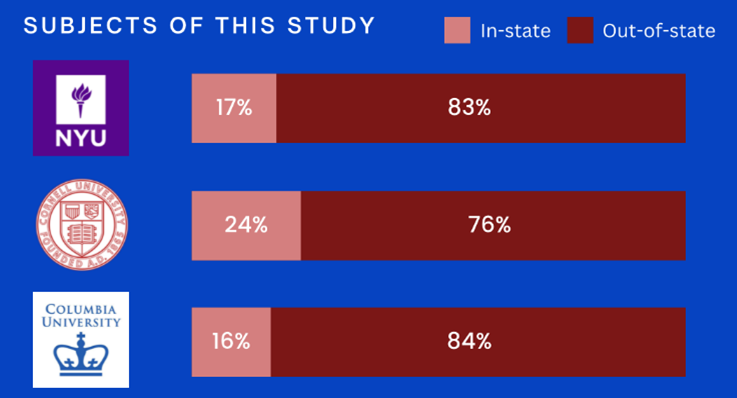
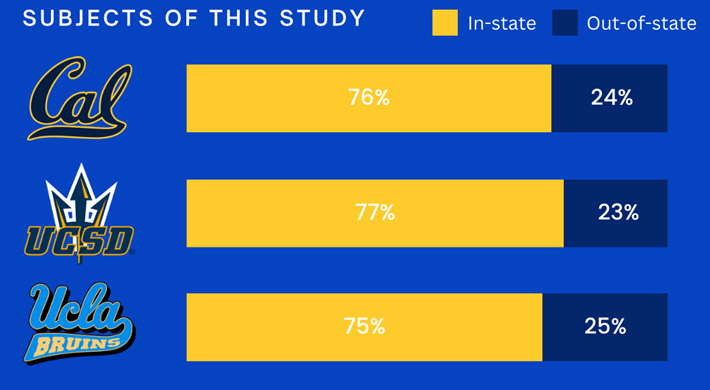
First, it is important to note the distribution of in-state versus out-of-state students. We collected this data from the universities, and the distribution is shown below.

Figure 1. Number of subjects per New York university subreddit and whether they are in-state or out-of-state students.


Figure 2. Number of subjects per Californian university subreddit and whether they are in-state or out-of-state.

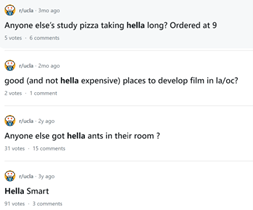
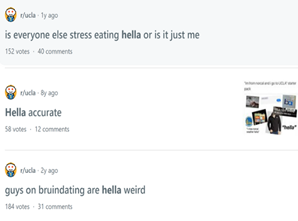
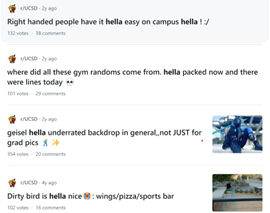
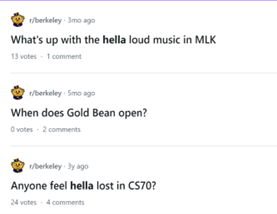
After using our methods of analyzing Californian and New York universities’ slang, we found that college students in California use the word “hella” the most at UCLA, even more than in UCSD and UCB, although it is still very prevalent in all three California schools. “Hella” means “there’s a lot of __.” The reasoning for the frequency is due to the recency of each university subreddits; the longer the comments were posted would not be helpful in determining today’s society’s slang. For instance, most of UCLA comments were from 3 to 6 months ago while UCSD and UCB’s comments were from 2-4 years ago, which is a significantly longer time. In addition, “hella” is “highly expressive [and] often” will destroy the gravity of a formal statement (Hummon 1994).

Common examples of the use of “hella” are shown below:

Figures 3 & 4. Instances of “hella” in r/ucla.


Figure 5. Instances of “hella” in r/UCSD.


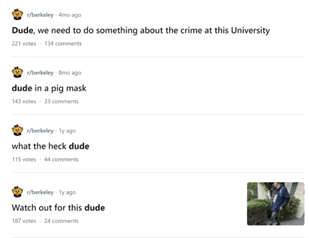
Figure 6. Instances of “hella” in r/berkeley.

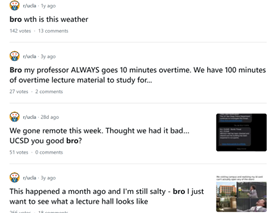
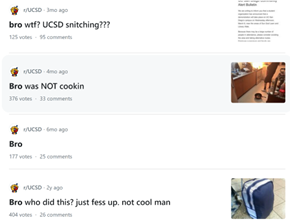
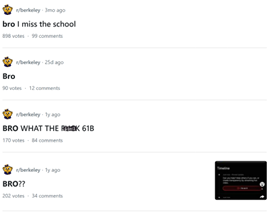
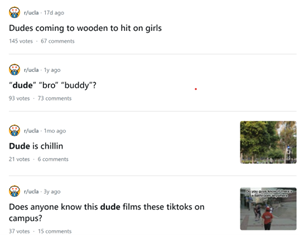
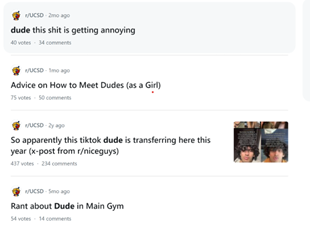
Secondly, we also found that college students among UCLA, UCB, and UCSD primarily frequent the slang “bro.” The comments we have found were not from too long ago, ranging from 4-9 months. Since these comments were recent, we can say that the accuracy of California universities students saying “bro” is likely. Moreover, we can also say the same for “dudes” because of how recent it is. Students say “bro” and “dudes” because omitting large chunks of a particular sentence or word helps the speaker say what they mean. In other words, it might be difficult for the speaker to say “brother,” a longer version of “bro.” Including the second half of the word loses the surrounding, cultural meaning of the sentence, i.e, “bro was not cooking” is not the same as “brother was not cooking” in terms of today’s societal norms. This shows how even slang has its own set of unspoken “rules” that must be followed to maintain a level of informality befitting more casual contexts. Shortening words seems to be a trend for making phrases more casual, and this could perhaps be due to how it allows a speaker to convey more in a shorter amount of time, as well as an implied mutual understanding between the speaker and listener that they understand the true meaning despite it being shortened, similar to a secret code. This could also be why slang usage is so prevalent nowadays, as everyone sees it as cool or modern to be part of a community that understands this secret code, the language of slang. Eventually, slang will become “accepted as equivalent to their unabbreviated and original forms” (Gordon 2020). Even though some slang words like “hella” are not widely spoken in other universities, it will be useful in the near future for linguistic research.

More examples of “bro” and “dudes” shown below:

Figure 7. Instances of “bro” in r/ucla.


Figure 8. Instances of “bro” in r/UCSD.


Figure 9. Instances of “bro” in r/berkeley.


Figure 10. Instances of “dude” in r/ucla.


Figure 11. Instances of “dude” in r/UCSD.


Figure 12. Instances of “dude” in r/berkeley.

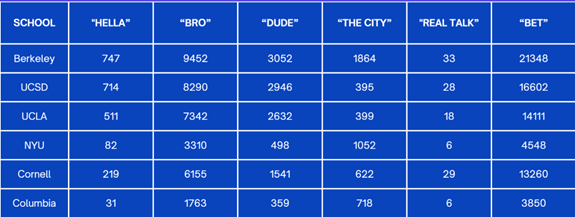
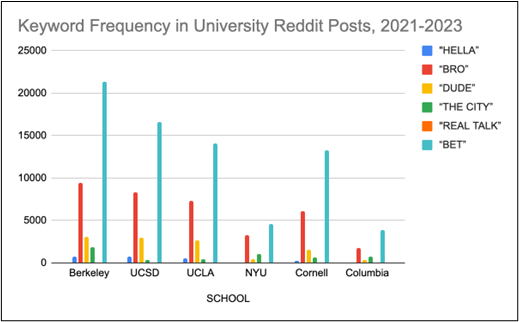
Moving on to the New York universities, we found that “the city” is used more frequently at NYU and Columbia than in Cornell. “The city” means Manhattan, and college students from NYU and Columbia use it more because they are closer to Manhattan than Cornell. However, another slang term, “real talk” (used as an attention grabber), is more common in Cornell than the two other universities. In addition, the most common frequency slang in Cornell is “bet,” meaning you are either asking the person to put money on your statement or an affirmative ‘yes.’ This is also slightly common in NYU and Columbia. Moreover, what we found interesting is that the subreddit comments of these NY slangs are from 3-4 years ago. However, when we tried to fact-check this with our current methodology using a Python script, we found that the slang “bet” is used by all universities from the west to east coast. For example, there are roughly 21,348 “bet” usages at UC Berkeley, followed by UCSD, while there are 9,452 slang “bro” at UCB. We also found that “real talk” is less common in all universities.

Here is the common occurrence table including data analyzed by the Python script between January 1, 2021 and December 31, 2023:

Figure 13. Table showing “bet” as the most common slang, followed by “bro” and “dude.”


Figure 14. Chart version of data appearing in Figure 13. The axes compare the 6 schools to the number of times their respective subreddits have said 6 different keywords from 2021 to 2023. “Bet” and “bro” dominate slang usage across all schools included in this study.

Discussion

After analyzing the linguistic features of California and New York, especially slang, we can safely say that slang words that would be considered be California slang are used heavily within Californian universities’ subreddits. This seems to have a direct correlation to the number of in-state students, unlike New York universities. We also observed several frequent uses of the same terms — “hella,” “bro,” and “bet” — across the Californian universities. In addition, we can say that college students who mainly grew up in an active social culture will most likely be accustomed to the slang and jargon around them.

Moreover, as for New York universities in their own respective subreddits, they use less frequent jargon and slang. Although still present, this seems to have a direct correlation with the amount of out-of-state students in each NY university, as fewer students grew up immersed in the New York culture and thus, are less likely to be accustomed to the city language influenced by the city’s culture.

Our research study contributes to a larger phenomenon in different ways. Firstly, by analyzing linguistic patterns in Reddit communities, the study sheds light on the social dynamics and communication styles within university-affiliated online spaces. This understanding can inform community management strategies and facilitate more effective online interactions. Secondly, our findings contribute to educational research by highlighting the role of language in shaping online discourse within academic communities. Sociolinguistic studies can benefit from a deeper understanding of how language reflects societal norms and values in digital environments.

Lastly, we can leverage insights from this research to develop more targeted and engaging digital communication strategies tailored to specific regional audiences. Understanding linguistic preferences and cultural references can enhance the effectiveness of online marketing and outreach efforts. For example, we can use common slang and jargon, such as using a lot of “bros” or “dudes,” in a men’s marketing campaign and planning how it will raise awareness.

Conclusion

Ultimately, each university and its own subreddit cultivates a community that is centered around shared and common experiences. These experiences can create and preserve slang and jargon that students feel comfortable using to express themselves. There is also a prevalent influence of regional culture on language and slang used by Redditors across the country, as shown by the different terms most used in California and New York. Even though students may move out of state to attend college, they will bring their own slang used by their hometown communities with them, rather than immediately assimilating into the language used in their new community. Overall, language stands as a symbol of hope and it is used so that other students accept and recognize one another as part of the same community.


References

Allen, I. L. (2023). The city in slang: New York Life and popular speech. Oxford University Press.

Bucholtz, M. (n.d.). Chapter 29- Word Up: Social Meanings of Slang in California Youth Culture. In A Cultural Approach to Interpersonal Communication: Essential Readings. essay.

Haas, C., Takayoshi, P., Carr, B., Hudson, K., & Pollock, R. (2011). Young People’s Everyday Literacies: The Language Features of Instant Messaging. Research in the Teaching of English, 45(4), 378–404. http://www.jstor.org/stable/23050580.

Hummon, D. M. (1994). College Slang Revisited: Language, Culture, and Undergraduate Life. The Journal of Higher Education, 65(1), 75–98. https://doi.org/10.2307/2943878.

Labov, T. (1992). Social and Language Boundaries among Adolescents. American Speech, 67(4), 339–366. https://doi.org/10.2307/455845.

Roth‐Gordon, J. (2020). Language and creativity: Slang. The International Encyclopedia of Linguistic Anthropology, 1–8. https://doi.org/10.1002/9781118786093.iela0192.

Saha, Koustuv & Choudhury, Munmun. (2021). Assessing the mental health of college students by leveraging social media data. XRDS: Crossroads, The ACM Magazine for Students. 28. 54-58. 10.1145/3481834.

“Top Websites in Worldwide (All Industries).” Semrush, www.semrush.com/trending-websites/global/all. Accessed 20 May 2024.

[/expander_maker]
, , , ,

In-Person vs. Digital Communication Styles Among Classmates

Megu Kondo, Devina Harminto, Yixing Wang, Yinlin Xie, Batool Al Yousif

In the rapidly evolving landscape of communication, the distinction between in-person and digital communication has become a focal point of linguistic and sociocultural studies. This project delves into the nuanced differences in language use, expression, and understanding across these two modes of communication. The purpose of this study is to investigate how individuals adapt language styles, tones, and dialects between in-person and digital communication. Additionally, our study aims to explore these preferences specifically among classmates, shedding light on the nuances of their communication choices. By examining various linguistic features such as informality, use of emojis, turn-taking, and the adaptation to the absence of non-verbal cues in digital platforms, this study illuminates how digital communication often necessitates a shift from traditional language norms observed in face-to-face interactions. We designed a survey using Google Forms for accessibility and ease of distribution and collected data from 30 college students (18-22 years old) who engage in both in-person and digital communication.

[expander_maker id=”1″ more=”Read more” less=”Read less”]

Introduction and Background

In the evolving landscape of communication, the distinction between in-person and digital interaction has become a key area of sociolinguistic study. This project investigates how language styles, expressions, and understandings are adapted between these two modes of communication, particularly among college students. The study examines linguistic features such as informality, emoji usage, and turn-taking, shedding light on the nuances of their communication choices.

Traditionally, in-person communication has been valued for its richness and immediacy. This mode allows for a wealth of non-verbal cues such as gestures, facial expressions, and tone of voice, all of which enrich the communication experience and help in accurately conveying emotions. Face-to-face interactions also foster a sense of connection and immediacy, which are often crucial for forming strong interpersonal relationships. On the other hand, digital communication offers unparalleled convenience and flexibility. Platforms like Snapchat, Instagram, and WeChat have revolutionized how we interact, making it possible to maintain relationships over long distances with ease. The digital transformation of communication has brought about significant changes in the linguistic practices of individuals, particularly young adults. The incorporation of multimedia elements such as images, videos, and emojis attempts to bridge the gap in emotional expression that the lack of physical presence creates. However, these elements, while helpful, often fall short of fully replicating the subtleties conveyed through face-to-face interactions. The gap highlights the potential for misunderstanding and the need for enhanced digital literacy in order to navigate the complexities of modern communication.

The primary focus of this study is to assess the preferences of college students (aged 18-22) who regularly engage in both in-person and digital communication. It aims to document their perceived advantages and drawbacks of each mode, particularly in terms of emotional expressiveness and the potential for misunderstandings. Additionally, the study delves into the phenomenon of code-switching — altering one’s language, tone, or style according to the communication platform — which reflects broader cultural identities and adaptability in digital spaces.

Methodology

To examine the differences in communication styles between in-person and digital interactions among college students, we conducted a thorough survey of students aged 18-22. Our methodology ensured that we collected data from a diverse and representative sample, which is critical for drawing meaningful conclusions.

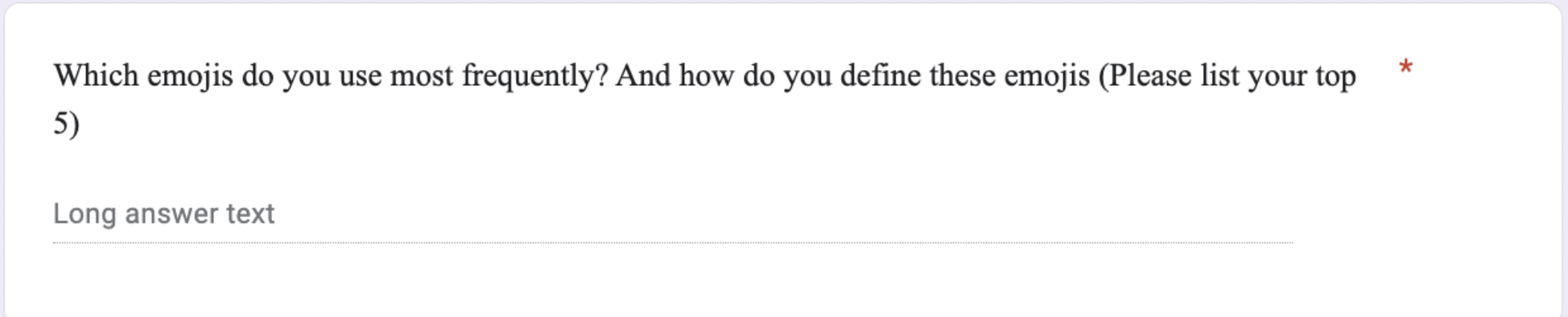
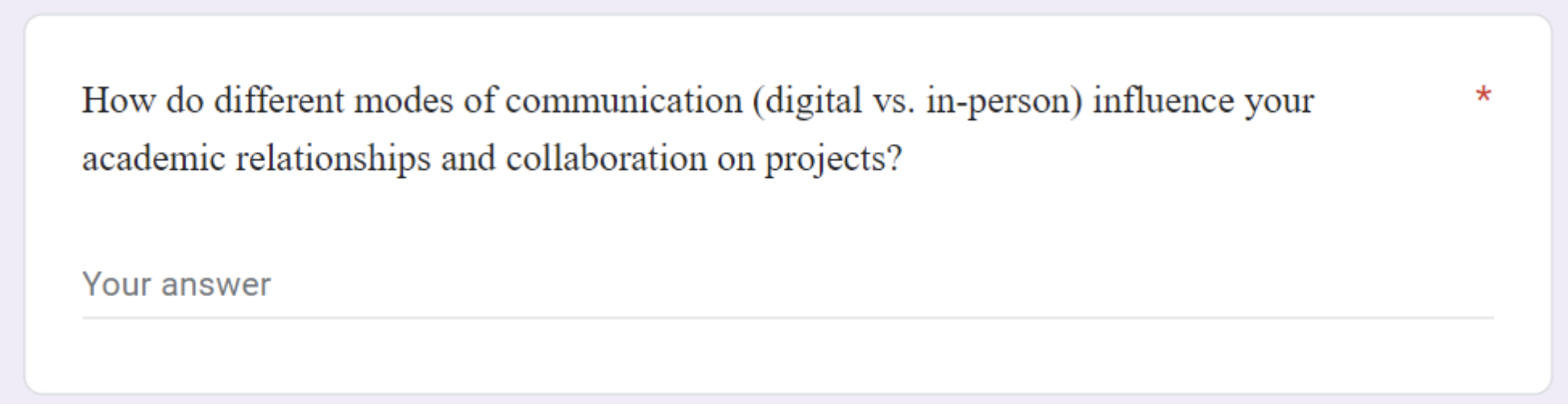
The survey was created with Google Forms, leveraging its accessibility and ease of use to reach a large audience. We divided the survey into three major sections: demographics, communication preferences, and emoji usage. The demographics section gathered basic data such as age, nationality, and primary languages spoken. The communication preferences section explored the participants’ preferred modes of communication, the differences in word and phrase usage between these modes, the ease of conveying emotions, and their awareness of changing language styles or tones. The final section focused on emoji usage, asking about frequency, meanings, and emoji-related misunderstandings. We ensured a diverse participant pool by distributing the survey through social media platforms and student groups, which reached students from a variety of cultural backgrounds and academic disciplines. 

Figure 1. Example of a survey question from the section on communication preferences.

The survey responses were automatically compiled into a Google Sheets spreadsheet, allowing for efficient organization and preliminary analysis. We calculated frequencies, percentages, and averages for the quantitative data to summarize demographic information and communication preferences, giving us a clear picture of the data’s major trends and patterns. We used thematic analysis to examine qualitative data, particularly open-ended responses about emoji usage and communication preferences. This process involved coding the responses and identifying common themes, which allowed us to gain a better understanding of the participants’ experiences and perceptions. We used this methodology to gain a thorough and nuanced understanding of how college students navigate the complexities of in-person and digital communication. By analyzing both quantitative and qualitative data, we were able to identify key trends and patterns in communication styles, providing valuable insights into the changing landscape of digital communication. The use of advanced data analysis tools and rigorous thematic procedures ensured that our findings were robust and reflective of the diverse experiences within our sample. This methodology not only provided a strong framework for our research, but it also ensured that our findings were based on a diverse and representative sample, adding to the larger conversation about language use and social interaction among young adults.

Analysis and Results

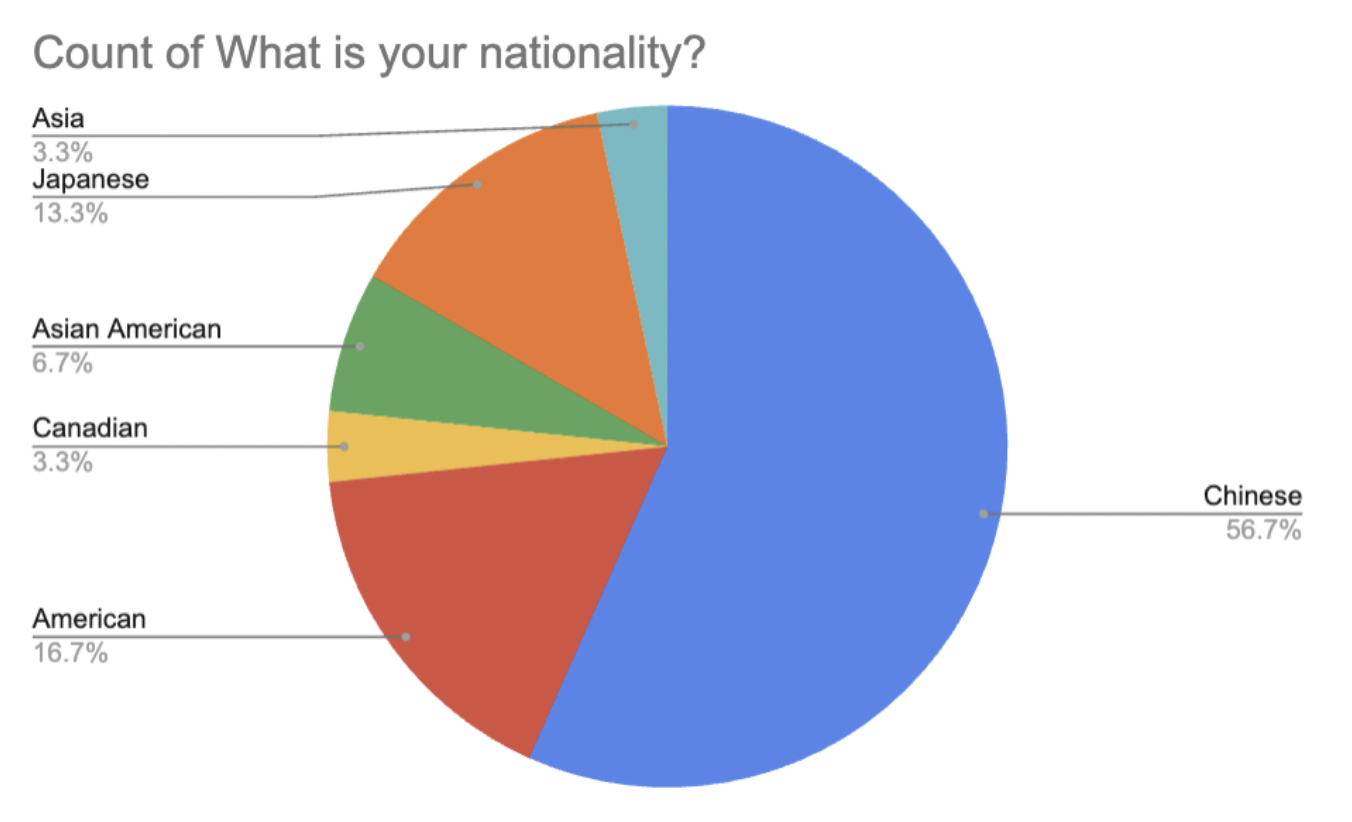
We were able to attain a total of 30 participants, whose ages were between 19 to 26. Figure 2 shows that the majority of participants were Asians at 73.3%, and the other 26.7% of the participants were American. The results of the survey garnered a better understanding of how college students prefer in-person communication over online conversation.

Figure 2. Chart detailing answers to the question “What is your nationality?”

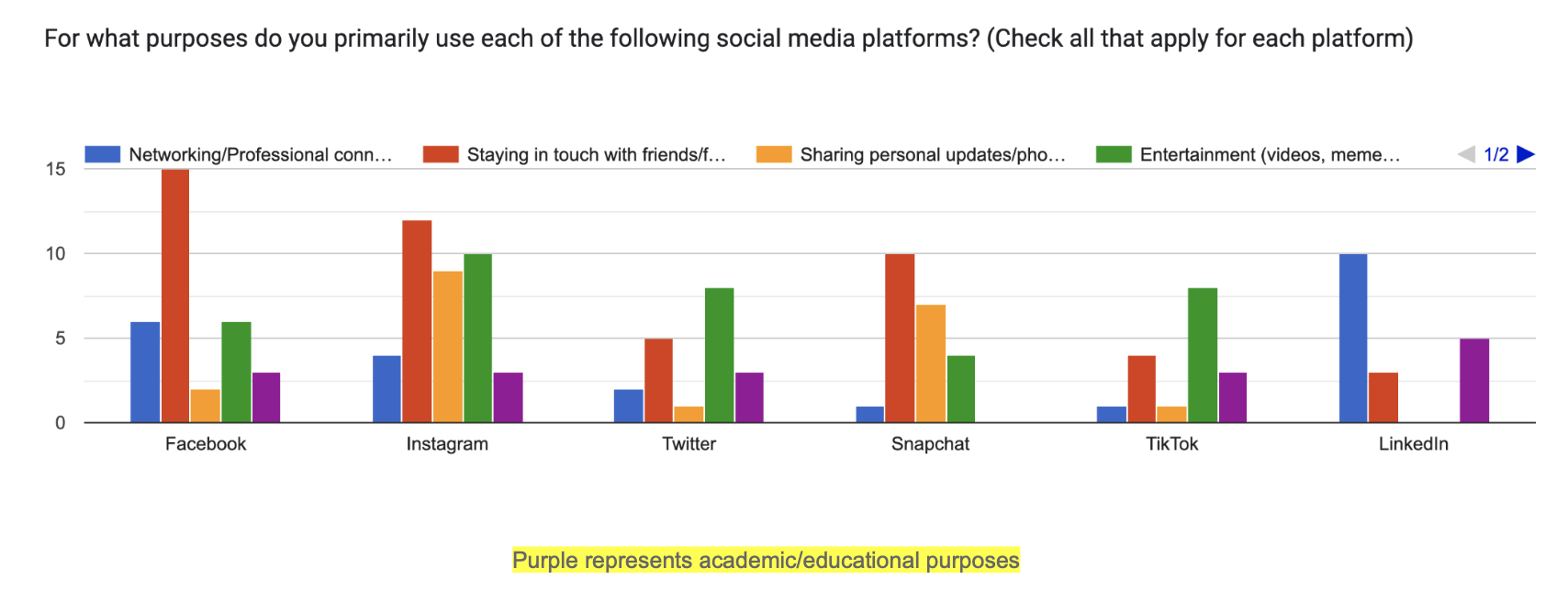
Figure 3. Chart detailing the responses to the question “What are your preferred social media platforms?”

Figure 3 shows that Instagram is the most popular social media platform among college students with 80%. 24 participants use Instagram to communicate with others since Instagram is very common among the younger generation; people can post pictures and send each other direct messages. 13.3% of the participants like to use WeChat, which is because some of them are international students who can easily communicate with their friends in China through the platform.

Figure 4. Chart displaying whether respondents prefer to talk to classmates online, in person, or either/both.

The data from Figure 4 shows a strong preference for in-person communication among participants, with 50% favoring this way over online interactions or a combination of both because they feel more productive communicating in person. On the other side, 23.3% prefer online communication, reflecting a significant proportion that values the convenience and accessibility of digital platforms. Meanwhile, 26.7% of participants are comfortable with both ways, suggesting a flexible communication preference that could be influenced by situational factors.

Figure 5. Chart displaying respondents’ feelings about how easy it is to convey emotion through text vs. in person.

In-person communication is generally considered to be more effective in conveying emotions than text-based communication, with 80% of respondents preferring face-to-face communication. Only 10% of respondents believe that online platforms are effective in conveying emotions, and online platforms are likely to use GIFs and emojis. This suggests that digital interactions are not perceived to be enough to express emotional states, which may lead to a lack of empathy in conversations. Face-to-face interactions remain crucial for a deeper emotional connection, underscoring the limitations of digital platforms in replicating the richness of in-person exchanges.

Figure 6. Chart representing whether respondents believe emojis can lead to misunderstandings.

43.3% of respondents believe that emojis can lead to misunderstandings, while the same percentage of respondents said they do not. This polarization highlights the ambiguity of emojis, which may be interpreted differently depending on individual circumstances and cultural backgrounds. The remaining 13.3% respondents were unsure of their impact. 

Figure 7. Question from emoji usage portion of survey.

Based on the data collected from our survey, it is evident that emoji interpretations vary significantly among users. An analysis of the responses revealed divergent interpretations of several emojis. For instance, the smiley emoji 😃, conventionally associated with happiness and positivity, was perceived by some participants as conveying creepiness. The skull emoji 💀, which typically signifies extreme laughter, frustration, or affection according to Apple’s official description, was interpreted by respondents as representing extreme fatigue or exhaustion, akin to the expression “I am so tired, I am dying.” Moreover, it was also seen as indicating laughter, albeit more intense and devoid of any undertones, compared to 😭. Notably, the 😭emoji has lead to the most misunderstanding in their online conversation compare to others. 😭, which Apple describes as depicting a face with an open mouth, wailing, and shedding streams of heavy tears, symbolizing inconsolable grief or intense emotions such as uncontrollable laughter or overwhelming joy, was commonly misinterpreted. Participants reported using it in adverse situations, with connotations such as “yikes” or “can’t believe my bad luck,” “need help,” and some even perceived it as laughter accompanied by a sense of embarrassment. The findings from our survey underscore the complexity and variability in emoji interpretations among users, which can be quite different from what they are officially meant to represent. This can sometimes lead to confusion in online conversations. It’s important to remember these differences when using emojis, suggesting a need for greater awareness of contextual differences in emoji usage to avoid misunderstandings and make sure our messages are clear.

For additional insights and nuances, the context of the communication also appears to play a critical role in the preferred mode. For instance, for quick updates or logistical arrangements, digital communication is often favored for its efficiency. However, for more complex discussions or sensitive topics, in-person interactions are preferred due to the richer, more nuanced exchange they enable. It is also worth noting that some students reported a gradual shift in their preferences towards digital communication as they adapted to the constraints imposed by recent global events such as the pandemic. This adaptation process reflects the dynamic nature of communication preferences in response to external changes.

Based on the data, the majority of college students still prefer and find it more effective to communicate in person, particularly for emotional interactions. The findings indicate that although some students recognize the advantages of online communication, most still believe that in-person contact is more beneficial, especially when it comes to expressing emotions, and students feel more productive since people can get through everything right away. This outcome contradicts our hypothesis, highlighting the complexity of communication preferences among college students. Further analysis shows that communication preferences may vary significantly based on factors like the student’s academic major, cultural background, and prior exposure to diverse communication platforms.

Discussion

Our findings contradict the idea that generation Z is used to being on online communication platforms. In the article by Janssen (2021), generation Z is often referred to as “digital natives.” They are considered the first generation to grow up entirely in the digital age, influencing their communication habits significantly. They are described as “native speakers” of the digital language of computers, video games, and the internet. Texting and instant messaging are preferred over traditional communication methods like phone calls and emails. Generation Z uses smartphones heavily for personal communication, often choosing texting or messaging apps over voice communication. Despite their preference for texting, generation Z adapts to professional communication norms. For example, they use email extensively at work, despite rarely using it in personal contexts. This indicates flexibility in their communication styles, adapting to different linguistic expectations based on context. Surprisingly, our findings are totally opposite from this perspective of generation Z.

For the limitations of the study, while our study focused on college students aged 18-22, this demographic may not fully represent the broader population’s communication preferences. The age group and educational environment might influence communication styles more specific to this demographic, such as familiarity with digital platforms or developmental aspects related to social interactions. Additionally, the study relies heavily on self-reported data, which can introduce bias. Participants might respond in ways they perceive as socially acceptable or based on their aspirational self-image rather than their actual behavior. This can affect the accuracy of data concerning preferred communication modes and the effectiveness of emoji usage in conveying emotions.

The phenomenon of code-switching, where individuals adapt their language based on the audience’s cultural and linguistic background, further illustrates the adaptability required in digital communication and highlights the ongoing evolution of language use on these platforms. “Another study conducted by Alfaifi (2013) on intrasentential CS in Facebook comments written by 10 Saudi Arabic-English bilinguals found that intrasentential CS was used with gossip and humor, English was used for academic and technical terms, and Arabic was used for religious topics” (Elhija 357). Digital communication often sees a higher incidence of code-switching, where bilingual or multilingual speakers switch between languages or dialects depending on the audience, topic, or platform. While this can showcase linguistic flexibility, it also highlights the challenges of maintaining cultural nuances in digital communication, which may not always provide the contextual cues necessary for appropriate language use. This underscores the persistent value of traditional communication methods in an increasingly digital world and suggests that digital platforms still need to evolve to support the subtleties of human emotion and expression fully.

Conclusion

Our study began with the hypothesis that college students would prefer online communication over in-person interactions, primarily due to the flexibility and reduced social anxiety that digital platforms are presumed to offer. This hypothesis was rooted in the belief that the modern digital environment, with its asynchronous communication and absence of physical presence, might alleviate the pressures associated with face-to-face interaction. The data, however, painted a different picture. Contrary to our expectations, 50% of the participants clearly preferred to communicate with their classmates in person, appreciating the depth of emotion and clarity that comes with real-time, face-to-face interactions. Only 23.3% expressed a preference for online communication. This finding suggests that despite the convenience of digital platforms, they are insufficient for fulfilling all communicative needs, especially those that involve emotional depth and nuance.

The results of our study provide a nuanced understanding of how college students navigate the complexities of digital and in-person communication. While digital platforms offer undeniable convenience and flexibility, our findings suggest that they do not fully replicate the emotional richness and immediacy of face-to-face interactions. Half of the participants expressed a preference for in-person communication, particularly valuing its effectiveness in conveying emotions — a fundamental aspect of human interaction that digital platforms have yet to fully capture. Moreover, our investigation into emoji use revealed a balanced scenario: emojis enhance textual communication by adding emotional depth, yet they also lead to misunderstandings in nearly half of the cases reported. This indicates a significant gap in how emotional nuances are perceived and understood in digital contexts. By realistically assessing these results, we acknowledge that while digital communication technologies have transformed how we connect and interact, they are not a complete substitute for in-person interactions. Instead, they are a complementary medium that requires further refinement to meet the emotional and contextual needs of users fully. Future research should focus on developing and testing new technologies that can better accommodate the complex dynamics of human communication, bridging the gap between the efficiency of digital communication and the emotional depth of face-to-face interactions. As a result, this study not only challenges previous assumptions about digital communication preferences but also enriches our understanding of how young adults toggle between digital and real-world interactions, shaping their social identities and relationships in the process.

References

Brenda Danet, Susan C. Herring, Introduction: the Multilingual Internet, Journal of Computer-Mediated Communication, Volume 9, Issue 1, 1 November 2003, JCMC9110, https://doi.org/10.1111/j.1083-6101.2003.tb00354.x.

Defede, N., Magdaraog, N. M., Thakkar, S. C., & Bizel, G. (2021). Understanding How Social Media Is Influencing the Way People Communicate: Verbally and Written. International Journal of Marketing Studies, 13(2), 1-. https://doi.org/10.5539/ijms.v13n2p1.

Ehrensberger-Dow, M., & Granger, S. (2019). “English as a Lingua Franca in Digital Communication: Diverse Voices, Similar Scripts?” Lexis Journal in English Lexicology, 14, 193-217. https://doi.org/10.4000/lexis.1831.

Elhija, D. A. (2023). Code Switching in Digital Communication. Open Journal of Modern Linguistics, 13, 355-372. https://doi.org/10.4236/ojml.2023.133021.

Psych Minds. (n.d.). Communication: Online vs. Face-to-Face Interactions. Retrieved from https://psychminds.com/communication-online-vs-face-to-face-interactions/.

Schroeder, J. (2019). Two Social Lives: How Differences Between Online and Offline Interaction Influence Social Outcomes. https://escholarship.org/content/qt94n9w8b9/qt94n9w8b9_noSplash_293949a5e051fffc8e1fdcc9ffc168c4.pdf?t=qdtezb.

Zhao, Y. (2021). The Impact of Digital Media on Language Styles and Communication Methods Based on Text, Image, and Video Forms. ResearchGate. https://www.researchgate.net/publication/378739166_The_Impact_of_Digital_Media_on_Language_Styles_and_Communication_Methods_Based_on_Text_Image_and_Video_Forms.

D. Janssen and S. Carradini, “Generation Z Workplace Communication Habits and Expectations,” in IEEE Transactions on Professional Communication, vol. 64, no. 2, pp. 137-153, June 2021, doi: 10.1109/TPC.2021.3069288.

Appendix

Our survey link: https://docs.google.com/forms/d/e/1FAIpQLScCFoDiKMbxxYVWXmxPAEwQIKfTjg8mx1qtZFL9oA55R9WpPg/viewform?usp=sf_link

[/expander_maker]
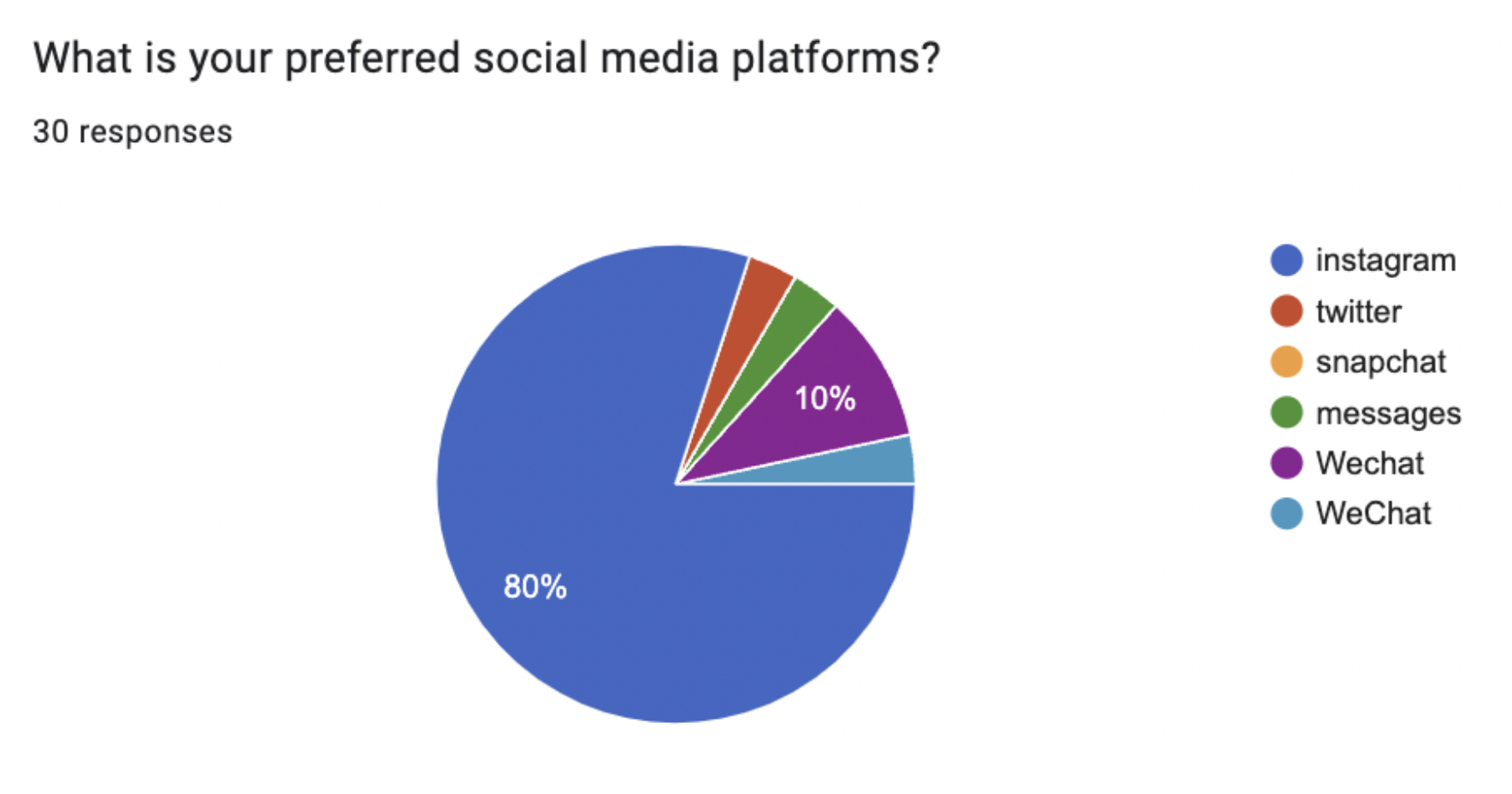
, , , , ,

Social Media Use Among College Students

Jasmin Carranza, Andres Guzman, Luwuam Haile, Armine Mkrtchyan, Tzlil Pinhassi

Social media plays a significant role in the lives of college students, shaping how they connect, communicate, and express themselves. Given its pervasive influence, it is natural to assume that they would have an understanding of their own language use online. This study works to uncover just that. It specifically explores the linguistic features of grammar and vocabulary use among college students on various social media sites and examines their self-awareness of these patterns. We conducted a survey asking students about their social media usage and perceptions of their language, then analyzed their interactions through provided screenshots. Our findings confirm that students adapt their language to fit the platform’s context: Snapchat and TikTok are characterized by informal language and relaxed grammar, while LinkedIn and Facebook maintain higher formality with complex grammatical structures. Students’ perceptions of their language use closely align with their actual usage, indicating a high level of self-awareness. On platforms like Twitter and Instagram, students correctly estimate their use of informal vocabulary and abbreviations while recognizing the formality of their language on LinkedIn. This research highlights the dynamic nature of language use by college students across social media platforms, showcasing their ability to navigate different communication environments effectively. Our findings underscore students’ awareness of the distinct linguistic norms required by various social networks, adjusting their language accordingly with minimal discrepancy between self-perception and actual use.

[expander_maker id=”1″ more=”Read more” less=”Read less”]

Introduction and Background

In today’s dynamic digital age, social media is a premier medium for immediate conversation and communication, significantly influencing how individuals interact and express themselves (Merchant, 2006). Platforms like Instagram, Facebook, Snapchat, Twitter, TikTok, and LinkedIn serve as tools for social interaction and spaces where unique linguistic patterns emerge. While existing research highlights variations in language use across social media, a notable gap exists in understanding how these linguistic features manifest among college students (Kemp et al., 2021). Additionally, there is limited exploration into how these students perceive their language use across different platforms and whether their perceptions align with their usage patterns. This study addresses these gaps by examining grammar and vocabulary use among college students across various social media platforms. By analyzing formality, vocabulary, use of slang, and emoji frequency, this research aims to uncover the differences in language use. Furthermore, it investigates the self-awareness of college students regarding their language use, comparing their perceptions to their actual linguistic behaviors. Thus, our research question is: How do linguistic features, specifically grammar and vocabulary use, vary across the social media platforms of college students, and how do these students’ perceptions of their language use align with their actual usage?

Methods

To explore the linguistic features and self-awareness of language use among college students on various social media platforms, our study employed a mixed-methods approach, combining quantitative surveys with qualitative content analysis. To start, we sent out a survey to students of UCLA who self-reported their language on various social media platforms. Then, participants were asked to provide screenshots of their interactions on each of the social media sites. This allowed for a direct comparison between self-reported data and actual language use. With this information, we were able to confirm or deny each student’s self-perceptions of their online language usage. The provided screenshots were anonymized to protect participants’ privacy.

Building on previous research by Skierkowski & Wood (2012) and Kemp & Clayton (2017), we hypothesized significant variations in vocabulary use, syntax, emoticon usage, and adherence to communication norms across different social networks. By investigating aspects of text messaging, including textese density and response times, for example, we provided a comprehensive understanding of language adaptation within different social circles. Ultimately, the study contributes to the broader comprehension of communication dynamics in the digital age, offering insights into how language is utilized and adapted within college students’ social networks.

Results and Analysis

The results are important in providing insight into the nature of the linguistic choices, not only consciously but also subconsciously, by young adults in digital communication. Taking a deeper dive, we analyze the results from each platform we considered — LinkedIn, Twitter, and Instagram—and provide examples to illustrate these trends.

LinkedIn: Formal Language Use

Appearance in LinkedIn, the professional networking site, invited a thicker coat of calcified tongue for student use of semi-formal scholarly language. This meant, simply: full sentences, big words, industry talk or just a professional sheen to it overall. Analysis revealed students’ self-reports on the language they used were consistent with their actual posts.

Example: In a typical post, a student wrote, “I am thrilled to announce that I have accepted an internship position at Boeing, where I look forward to contributing to the innovative team and developing my professional skills further.”

This example underscores the formal, structured language typical of LinkedIn, reflecting the professional nature of the platform.

Twitter: Casual and Expressive Language

On Twitter, where brevity and timeliness reign, a similar but distinct trend was apparent. Students frequently used slang, abbreviations, and emoticons with whom they clearly identified, as they later recognized and reported in their questionnaires. The students were able to note the spontaneity and personal expression that helped keep their informal tone, well, informal.

Example: A tweet from one of the participants read, “Just saw the weirdest episode of my fave series ever! 😱🤣 Can’t believe what just happened… #mindblown #bingewatching.”

This tweet is representative of the casual and expressive language that defines Twitter, complete with emoticons and hashtags that add a personal touch.

Instagram: Visual and Informal Communication

Instagram, a visually rich platform, also is a part of the informal text conversation game. In sharing their pictures, students were juxtaposing the images with very informal language, often with self-deprecating serializations, and using all sorts of creative text styling. Once again, students’ perceptions of their language use and the actual content analyzed were highly correlated.

Example: An Instagram caption accompanying a beach sunset photo stated, “No filter needed for this sunset 🌅 🌊  #sunsetvibes #beachlife.”

The use of emojis and hashtags enhances the visual experience, reflecting the informal and personal communication style prevalent on Instagram.

The consistency across different platforms suggests that students possess a clear understanding of the appropriate linguistic forms for each social media context. This was particularly evident in their ability to adapt their language to match the formality of the platform, whether in professional settings like LinkedIn or more personal spaces like Twitter and Instagram.


These findings are crucial for understanding the impact of digital communication on college student’s language use and identity construction in the digital age. By demonstrating how students adeptly navigate the linguistic landscapes of various social media, this research contributes significantly to broader discussions about digital literacy and the dynamic nature of language in social media settings.

Discussion and Conclusions 

The study aimed to explore the linguistic features of grammar and vocabulary use among college students on various social media platforms and examine their self-awareness of these patterns. Our findings provide valuable insights into how social media environments shape language use and how aware students are of their linguistic behaviors online. One of the key findings of our research is the adaptability of college students’ language based on the context of the platform. On platforms like LinkedIn, which are perceived as professional and formal, students consistently used structured, complex sentences and formal vocabulary. This indicates a clear understanding of the expectations and norms of professional communication. Conversely, platforms such as Twitter and Instagram, known for their casual and expressive nature, saw students employing informal language, including slang, abbreviations, emoticons, and hashtags. Snapchat and TikTok, which emphasize spontaneity and visual content, also reflected relaxed grammar and informal vocabulary. These variations in linguistic styles underline the students’ ability to navigate different communication environments effectively.

Another significant aspect of our study was the alignment between students’ perceptions of their language use and their actual usage. The survey results, paired with the analysis of online interactions, revealed that students accurately estimated their use of informal vocabulary and grammar on platforms like Twitter, Snapchat, TikTok, and Instagram. Similarly, they recognized the formality required on LinkedIn and Facebook. This high level of self-awareness suggests that students are not only aware of the different linguistic norms across social media platforms but also consciously adjust their language to fit these norms. This could be attributed to the fact that social media has a great presence in the lives of college students, making it easy to be familiar with and adapt to its expectations.

The findings of this study also help us understand how digital environments influence social interactions among young adults. The fact that college students are able to alter and modify their languages to fit several different social media platforms demonstrates a form of digital code-switching. There is a clear navigation between linguistic styles and norms, which mirrors larger societal practices of adapting communication styles in several social settings. Students are not only enhancing their digital literacy but also building their online identities that correspond to their desired social persona. As such, this adaptability in language use shows a larger phenomenon of identity formation and management in today’s digital age, where college students as well as other individuals curate their self-presentation across different platforms in online environments.

In conclusion, this research highlights the dynamic nature of language use by college students across social media platforms. Students demonstrate a keen awareness of the distinct linguistic norms required by various social networks and adjust their language accordingly. The minimal discrepancy between their self-perceptions and actual usage underscores their proficiency in navigating digital communication landscapes. These insights contribute to a broader understanding of communication dynamics in the digital age, emphasizing the importance of digital literacy. As social media continues to evolve, further research could explore how these linguistic adaptations and self-awareness develop over time and across different demographic groups. Understanding these patterns can help educators and policymakers create more effective communication skills in digital contexts, preparing students for the multifaceted nature of online interactions.

References

Kemp, N., & Clayton, J. (2017). University students vary their use of textese in digital messages to suit the recipient. Journal of Research in Reading, 40(December 2017), S141–S157. https://doi.org/10.1111/1467-9817.12074

Kemp, N., Graham, J., Grieve, R., & Beyersmann, E. (2021). The influence of textese on Adolescents’ perceptions of text message writers. Telematics and Informatics, 65, 101720. https://doi.org/10.1016/j.tele.2021.101720

Merchant, G. (2006). Identity, Social Networks, and Online Communication. E-Learning and Digital Media, 3(2), 235-244. https://doi.org/10.2304/elea.2006.3.2.235

Raccanello, Paul J. (2011) “Social networking texts among college students: identity and imagination online”. Doctoral Dissertations. 216. https://repository.usfca.edu/diss/216

Skierkowski, D., & Wood, R. M. (2012). To text or not to text? The importance of text messaging among college-aged youth. Computers in Human Behavior, 28(2), 744–756. https://doi.org/10.1016/j.chb.2011.11.023

, , ,

Generational Differences in Social Media Communication

Giordano Camera, Dylan Carr, Phoebe Haas, Nicole Wasserman

Have you wondered why your dad sends you extremely long texts compared to your best friends, who use memes and slang phrases for most of their communication? In our study, we explored two generations, Generation Z and Generation X and their language use on online social networking sites. We studied different social media posts between the two generations and looked at the differences in how they communicate, especially using text-dominant platforms. We used a plethora of social media sites to validate our findings, but our main areas of study were Facebook and Twitter/X. Our study concluded that Generation Z uses fewer words, more images in their post, and more slang phrases than Generation X does. We want our findings to highlight the contrast between the way these two generations communicate, as miscommunication can lead to unnecessary conflict. Our research contributes to the process of cataloging online communication trends among different generations.

[expander_maker id=”1″ more=”Read more” less=”Read less”]

Introduction

Our group aimed to study the differences in how different generations communicate on various social media platforms. Since its creation, social media has become a place where individuals can communicate with each other in ways they could not have before. People also tend to communicate on a topic that is currently popular in a particular social group, regardless of age (You et al. 2017). Using that factor, we can find valuable data that proves our hypothesis correct. Our research method proved perfectly accurate, as all of our data was correct, with minimal gaps in our study. Our group hopes that the data findings we provided also propel researchers to study differences in communication for other generations. The prevalence of social media is only growing, so our data can act as a stepping stone for future studies.

Methods

Our primary method of data collection revolved around influential people on social media. We would look at social media posts discussing a variety of topics (such as sports, popular culture, and politics) in order to look at data from a wide range of people, like Donald Trump. We made sure to expose ourselves to Generation Z and Xers from each perspective. This is because there are a lot of varying opinions by a diverse group of people on popular posts compared to smaller tweets that may have more of a hive-mind mentality. In addition, we looked at a variety of topics to get stronger evidence and to ensure the communication differences we found were not due to any topic differences (Achinstein, 1994).

Originally, we planned to contact people on Twitter or Facebook to gather their age, but instead, we only targeted accounts where they said their age in a previous post/bio or where it was publicly available (like a celebrity). Once we collected twenty Twitter/Facebook accounts from each generation, we randomly selected three accounts from each generation to really do a deep dive on. While we didn’t interview the people behind the social media accounts that we found like the researchers at Pennsylvania state did, we found that it was unnecessary as all information was available publicly (Zhao and Rosson 2009). In a matched pairs case study, we assembled all of the posts in an easy to view format and then compared the content of each generation’s posts. We noticed a variety of clashing factors across generations, and simultaneously noticed similarities within.

Results

After conducting our research, we found that there were many differences between the ways Generation X and Generation Z communicate online in posts and tweets on social media. Our results showed that differences in online communication was not dependent on the topic of the post or tweet (ie. sports, popular culture, politics) nor the social status of the user (ie. celebrity or common folk), but rather the age generation of the user.

One difference we found in the posts and tweets we analyzed was the number of words that each generation tended to put in their post/tweet. As seen in Chart 1 below, the average number of words on a post/tweet by a member of Generation X was 67 words and the median was 43 words. As seen in Chart 2, the average number of words by a member of Generation Z was 13.4 words, with the median being 11 words. From this, we concluded that Generation X tended to conduct more lengthy and descriptive posts with complete sentences in comparison to the younger Generation Z.

Another difference between the generations we found from our results includes the tendency for Generation Z to incorporate pictures in their posts/tweets and for the lack of imagery in posts/tweets by Generation X. Below is an instance where a member of Generation Z, Bilbo Baggins, uses a picture in their tweet about Trump’s recent conviction and the member of Generation X, Patrick Jones, does not.

Another contrast was the tendency for Generation X to more likely include words in all capital letters and the tendency for Generation Z to have slang terms in their posts/tweets. Below is an instance where a member of Generation Z, bella, uses a slang term, “brain rot” and the member of Generation X, Richard Shepard, does not include any slang words. The term “brain rot” is a slang term used by Generation Z (TikTok “Brain Rot”: How TikTok Is Changing the Way Gen Z Speaks | Redbrick Life&Style, 2024). Also in the example below, the member of Generation X has two words in all capital letters while the member of Generation Z only has one, and it is a shorter word. Both users are discussing the recent “Challengers” movie.

Discussion

Our findings demonstrate clear online communication trends within both generations that are not shared by the other generational group. These distinct patterns in writing and visual communication on social media add to our understanding of how different generations communicate in ways that do not always align with one another. These differences can contribute to intergenerational misinterpretations and tension. Our project identified what some of the prominent generational patterns on social media are, which are beneficial findings that provide a basis for wider intergenerational understanding. Additionally, it lays the groundwork for future research, such as the intricacies of these patterns and how the other generation perceives them.

The results of our research aid in our understanding of two broader phenomena: generational differences and online communication trends. As social media continues to grow and become a staple in people of all ages’ lives, it becomes a new arena for intergenerational tension to arise and unfold. Certain aspects of an age group’s communication can be specific and unique, and does not usually reflect ill intent. This knowledge is important for maintaining dialogues between multiple age groups, so that they do not fall to misunderstandings due to believing a form of speech was rude. For example, Gen X’s use of all capital letters for certain words could potentially be read as aggressive by a younger person who rarely does so, while Gen Z’s use of slang and images may appear unserious or confusing to an older person. Previous research has demonstrated similar phenomena, such as younger people finding the use of periods in text messages to have a negative valence and make the message insincere (Gunraj et al., 2015). Knowing these communication methods are simply an attribute of their generation can ease any potential misgivings on the receiver’s end.

Analyzing the patterns found in our research can also contribute to future literature about online trends and cycles. Gen Z especially uses numerous contemporary references and constantly evolving slang terms and reference images that reflect the state of the internet and popular culture, particularly within their generation’s main bubble on the web. Our findings contribute to the academic understanding of social media trend cycles and communication.

In conclusion, our research begins to catalog numerous generation-specific social media communication patterns into the literature on online communication. We provide many examples of observable differences between how Generation X and Generation Z structure text-based posts on social networking sites, often in ways that directly contrast each other. Though we can offer hypothetical insights into potential misunderstandings these may cause, we recognize that further research is required to analyze these trends in full and begin to study how they verifiably contribute to intergenerational conflict.

References

Achinstein, P. (1994). Stronger Evidence. Philosophy of Science, 61(3), 329–350. https://www.jstor.org/stable/188049?seq=21

Gunraj, D. N., Drumm-Hewitt, A. M., Dashow, E. M., Upadhyay, S. S. N., & Klin, C. M. (2015, November 22). Texting insincerely: The role of the period in text messaging. ScienceDirect. https://www.sciencedirect.com/science/article/abs/pii/S0747563215302181?via%3Dihub

TikTok “Brain Rot”: How TikTok Is Changing The Way Gen Z Speaks | Redbrick Life&Style. (2024, April 22). Redbrick. https://www.redbrick.me/tiktok-brain-rot-how-tiktok-is-changing-the-way-gen-z-speaks/#:~:text=The%20language%20associated%20with%20Generation

You, Q., García-García, D., Paluri, M., Luo, J., & Joo, J. (2017). Cultural Diffusion and Trends in Facebook Photographs. Proceedings of the International AAAI Conference on Web and Social Media, 11(1), 347-356. https://doi.org/10.1609/icwsm.v11i1.14902

Zhao, Dejin, and Mary Beth Rosson. (2009). How and why people twitter. Proceedings of the ACM International Conference on Supporting Group Work, https://doi.org/10.1145/1531674.1531710.

, , ,

Celebrities and Controversies: What Works and What Doesn’t in Apology Videos

In today’s high society of “cancel culture,” apologizing has become a language that has diversified. This study dives deep into the world of online apologies, exploring how the majority of our influential figures today, celebrities, use language in public apology videos to mend what’s been broken and rebuild trust with their audience. The emotions, words, and actions can all seem like an act crafted for the cameras. Through the analysis of 15 apology videos, we navigate the comments and perceptions made in the landscape of the online audience to decide whether a public apology is genuine or insincere. Using digital ethnography and discourse analysis to give us insight into solving this issue, we translate the visual and verbal cues that aren’t in the spotlight – the tone, the gestures, and the choice of words, which shape the perceptions of authenticity. But it’s not just about dissecting these apologies. We also evoke what characteristics make for a genuine apology– the unscripted words, raw emotions, and simple background. By differentiating successful apologies from those that were unsuccessful, we reveal candor in the meaning of language that is displayed in front of a public audience. Beyond what the surface entails, we explore the morality behind celebrity apologies. They can be a mirror reflecting societal values, fluctuations in power, and the road to redemption. This research is not for mere insight, but also offers a deeper understanding of what it truly is like behind the screens in this digital age. There is much power in how we express ourselves; dictating how we shape relationships, rebuild trust, and craft a shared narrative.

[expander_maker id=”1″ more=”Read more” less=”Read less”]

Introduction

Growing up, we are taught from a very young age that an apology consists of the words, “I’m sorry.” Is that all it takes as we grow up? In society today, apologies have become very normalized and with the rise of social media in place, it appears highly important to delve into the study of online public apologies by influential people, focusing on the linguistic features chosen to elicit successful apologies throughout crisis communication (Loisa, 2021). As social influencers carry much power, it is important to hold them accountable for their wrongdoings and not allow them to manipulate the public into thinking that something is okay when it is not. Through analysis, we found that sincerity and genuineness are key to carrying out a successful apology video. By having a good understanding of linguistics and the different meanings certain words and phrases obtain, we analyzed the linguistic repair strategies influencers use when creating online apology videos, validating a successful apology or a manipulative one. Through our analysis, our main concern focused on the language strategies used by content creators and celebrities in apology videos to convey sincerity and repair their image. On the contrary, we also focused on why some apology videos completely flop and are seen as manipulated tactics to convey an insincere apology.

Methods

To better understand apology videos, we decided to watch some of them. We selected 15 apology videos from a selection of prominent celebrities and content creators with over 1 million subscribers on YouTube at the time of their controversy (some lost subscribers due to their controversies and are now below 1 million subscribers as a result). We chose creator apologies resulting from major controversies that had an impact on both fans and people outside of their fan community. Critical to our study was selecting videos with varied audience responses, including, positive, negative, and mixed responses in order to gauge which strategies led to successful apologies and which ones didn’t.

Figure 1: Logan Paul’s widely-viewed and controversial apology for filming a dead body, complete with a YouTube interface, including views, likes (👍), and comments.

We fully submerged ourselves in the virtual worlds where these apologies occurred in order to gain a comprehensive understanding of the surrounding context. Our digital ethnography involved analyzing the situations that necessitated an apology and the characteristics of the individuals giving the apology. We performed discourse analysis on spoken and unspoken communication in the films, assessing elements such as intonation, physical gestures, and vocabulary selection. To comprehend audience responses, we meticulously observed the comments that garnered the highest number of likes as an indicator of public sentiment, noting which strategies succeeded or fell flat. The inquiry did not focus on the more technical parts of discourse analysis, such as specific language frameworks and computer methods, which have been covered well in previous studies (Sandlin and Gracyalny, 2018). Our analysis, however, concentrated on overarching themes and tactics deemed significant in determining perceptions of sincerity and the effectiveness of apologies.

Results

Our research yielded a variety of results on the nature of apology videos and the success or lack thereof of various apology strategies. We noted the development of a unique speech register in apology videos, something that has been expounded upon previously (Choi, 2021). Similar filming choices emerge, including directly facing the camera from the shoulders or neck up, maintaining a plain personal appearance, and setting the video in a lightly colored, simple, domestic room. Despite an uncomplicated backdrop and a lack of extravagant accessories being intended to index sincerity, we found that these decisions had no real effect on the apology’s perception.

We found three major strategies: apologizing, refuting the need to apologize and defending oneself, and apologizing while defending and minimizing one’s actions. Genuine apologies with the use of the word “Sorry” and assumption of responsibility or well-evidenced, thorough rebuttals of accusations were well-received, but poorly-evidenced or incomplete rebuttals were criticized. Fans want natural speech with an unscripted tone, criticizing apologies they perceive as stilted or relying on a script, but still want meticulous, well-thought-out responses, while also wanting concise apologies that allow anyone to grasp the core message without delving extensively into the subject matter, a high and somewhat contradictory standard. Musical apologies like Colleen Ballinger’s ukulele song apology or Sienna Mae’s interpretive dance apology were seen as bizarre and inappropriate, especially in response to accusations of grooming minors and sexual assault respectively. Sympathy-baiting distractions, like TmarTn doing baby-talk to his dog in his apology, were also heavily criticized.

Figure 2: Successful and unsuccessful characteristics of apology videos.

Gaming and commentary YouTuber PewDiePie’s apology gives us an example of some strategies being successfully employed. In his succinctly titled “My Response”, PewDiePie was praised for directly apologizing and not excusing his behavior. His acknowledgment of his status as a role model and influential figure and his need to be better, particularly due to his other recent controversies, were appreciated by fans.

Figure 3: PewDiePie’s apology, which was praised for its simplicity and direct admittance of his mistake and apology.

PewDiePie’s apology was favorably compared to later apology videos, particularly for its lack of forced emotion or other forms of sympathy-baiting. Fans derived sincerity from a lack of attempted markers of sincerity, feeling like they were not being tricked but allowed to judge only the content of the apology.


Figure 4: Responses to PewDiePie’s apology video. He was praised for directly and succinctly owning up to his mistake and his lack of excuses.

In contrast, hip-hop artist Travis Scott’s apology video gives us an example of how an apology video and its strategies can backfire. Scott was mocked for his “over-dramatic” black-and-white filter, along with the frequency with which he rubbed his face. While his frequent blinking and facial rubbing could indicate crying and remorse, viewers noted his lack of tears or an actual “I’m sorry”. It is advisable to maintain an emotional equilibrium, effectively conveying genuine emotion appropriate for the video without being excessive or appearing to force it for sympathy.


Figure 5: A screenshot from Travis Scott’s widely lambasted apology video as posted on Instagram, including the infamous black-and-white filter and forehead rubbing.

His lack of concern and failure to stop his concert while his fans were being crushed to death in the crowd contrasted with this sudden change of heart two days later seemed dishonest. Scott’s apology was widely labeled as disingenuous, something advised by lawyers or publicists to shore up his image while refusing to actually accept responsibility for legal reasons.


Figure 6: Responses to Travis Scott’s apology video. His frequent head rubbing and emotionality were widely seen as markers of insincerity, and his stilted delivery and lack of an actual acknowledgment of responsibility were considered to reveal the video’s motivations as insincere.

When actions that typically index sincerity seem forced or incongruent with the context of the apology, it becomes a target for accusations of insincerity and dishonesty, which can be crippling to any apology (Hope, 2019). It is not enough to perform actions and apology video tropes that might be perceived to index sincerity (e.g. a plain appearance, emotionality); the content and tone of the apology and their appropriateness in relation to the inciting event are more important. While some strategies are more successful than others, how they are used is most important.

Discussion and Conclusions

Studying celebrity public apologies is essential for understanding how individuals in the public eye navigate accountability and redemption. These apologies offer valuable insights into the complex strategies of communication and public relations. We can gain a better understanding of celebrities’ relationships with their fans and what each party feels they owe each other through apologies and celebrities’ motivations for apologizing (Matheson, 2023). Language, tone, and framing play pivotal roles in shaping public perception and reception of these apologies. Celebrities employ linguistic devices to manage their image and reputation, illustrating the significant impact of language on social influence. Moreover, celebrity apologies serve as cultural artifacts, reflecting broader societal values and norms. Analyzing these apologies unveils the nuanced dynamics between language, culture, and public opinion. They provide a lens through which we can explore themes such as ethics, power dynamics, and identity. Furthermore, studying celebrity apologies offers insights into psychological processes like guilt, remorse, and forgiveness. Language becomes a medium through which individuals convey sincerity, empathy, or deflect responsibility. By dissecting these linguistic choices, we gain a deeper understanding of human behavior and interpersonal dynamics. In essence, celebrity apologies serve as rich sources for examining the intersection of language, culture, psychology, and social influence. They highlight the intricate ways in which language shapes and reflects our understanding of accountability, redemption, and societal values.

Related resources:

References

Battistella, Edwin L. Sorry about That: The Language of Public Apology / Edwin L. Battistella. Oxford University Press, 2014.

Choi, G. Y., & Mitchell, A. M. (2022). So sorry, now please watch: Identifying image repair strategies, sincerity and forgiveness in Youtubers’ apology videos. Public Relations Review, 48(4), 102226. https://doi.org/10.1016/j.pubrev.2022.102226

Croley, MacKenzie. “A Linguistic View of a Twitter Apology.” Journal of Student Research (Houston, Tex.), vol. 10, no. 2, 2021, https://doi.org/10.47611/jsr.v10i2.1230.

Hope, Jessamyn. “Seven Steps to a Successful Apology.” The Hopkins Review, vol. 12, no. 1, 2019, pp. 60–80, https://doi.org/10.1353/thr.2019.0007.

Loisa, J. (2021).” I’m just letting everyone know that I’m an idiot”: Apology Strategies in YouTubers’ Apology Videos (Master’s thesis, Itä-Suomen yliopisto).

Matheson, Benjamin. “Fame and Redemption: On the Moral Dangers of Celebrity Apologies.” Journal of Social Philosophy, 2023, https://doi.org/10.1111/josp.12510.

Sandlin, J. K., & Gracyalny, M. L. (2018). Seeking sincerity, finding forgiveness: YouTube apologies as Image Repair. Public Relations Review, 44(3), 393–406. https://doi.org/10.1016/j.pubrev.2018.04.007

[/expander_maker]
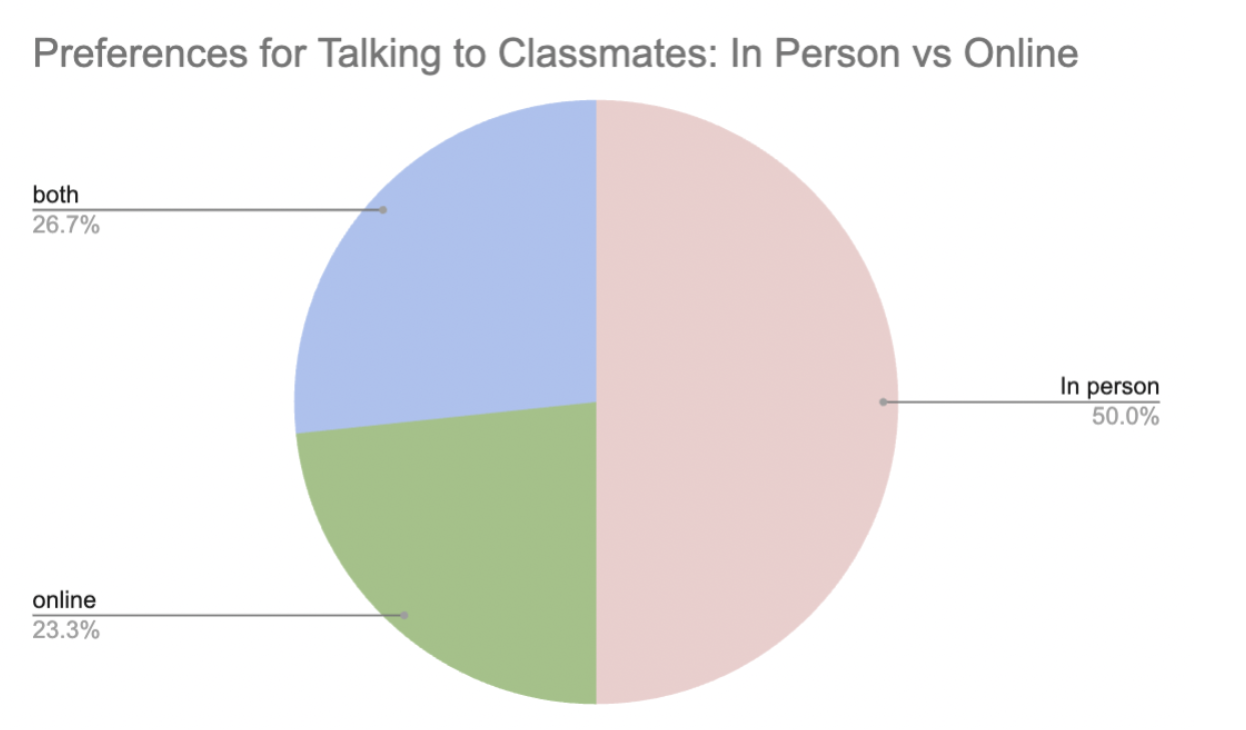
, , , , ,

Unveiling Linguistic Appropriation: A Dive into Slang Usage on Twitter

Asfa Khan and Ayub Abdul-Cader

A world where words wield power and every hashtag tells a story—welcome to the exploration of slang on Twitter.

Exploring the intricate dance between language, identity, and culture, this study delves into the phenomenon of linguistic appropriation on Twitter. Focusing on the adoption of African American Vernacular English (AAVE) by non-Black individuals, particularly white working-class Twitter users, we uncover patterns that illuminate the dynamics of identity formation in digital spaces. Through analysis of tweets from Black Drag Queens and white Twitter users, we dissect linguistic elements such as phonetics, word choice, syntax, semantics, and pragmatics. Our findings reveal a nuanced picture of language use, shedding light on the motivations behind linguistic appropriation and its implications for cultural dynamics and societal norms.

[expander_maker id=”1″ more=”Read more” less=”Read less”]

Introduction

African American Vernacular English (AAVE): The Dialect We Call Our Own – Because of Them We Can

In today’s digital age, social media platforms like Twitter serve as microcosms of linguistic diversity, offering insights into how language is used and appropriated across different communities. Our study zooms in on the use of slang, particularly AAVE, among Black Drag Queens and white working-class Twitter users. The origin of these slangs has been falsified for many years, as many in the linguistic community believed working-class men were the main group who created/implemented AAVE. As seen by the UMASS research group, “early work on AAE perpetuated myths that the language variety was uniform across regions and that it was spoken primarily by working-class men, due to being conducted in inner city areas and examining a specific set of linguistic features” (Masis 2023). These myths have only further fueled the fire that is cultural appropriation, specifically in regards to AAVE slang which are primarily used and created by the Black Drag Queen Community.  By examining linguistic patterns, we aim to address the appropriation and misuse of AAVE by non-Black individuals, highlighting its impact on cultural dynamics and identity formation. This research builds upon existing literature in linguistic anthropology, which underscores the need to recognize and honor the origins of linguistic expressions while promoting mindfulness regarding their impact on marginalized communities.


Methods

We employed two primary methods for data collection: identifying key accounts and leveraging hashtags and trends related to drag culture and AAVE. By focusing on tweets from Black Drag Queens and white Twitter users, we analyzed linguistic elements such as phonetics, word choice, syntax, semantics, and pragmatics. Our analysis aimed to uncover patterns of linguistic appropriation and identity formation within digital environments.

Results

Our analysis revealed a discernible trend wherein white Twitter users demonstrate a propensity to adopt and replicate the linguistic style characteristic of Black Drag Queen Twitter users. Analyzing Tweets by white, middle-class men and Black Drag Queens helped us understand the misuses of AAVE efficiently. A white man used the words “Yo this is bussin” in a tweet and a famous phrase that originates in African communities non-individuals from communities using AAVE is cultural appropriation. Linguistic analysis allows us to understand when words are being used as cultural appropriation.

Discussion

While Black Drag Queens employ AAVE as an intrinsic component of their everyday discourse, white users often utilize it as a means to cultivate an alternative dimension of their identity primarily manifesting within the online realm of Twitter. Examples such as the use of “ass” as a postpositive particle and the alteration of “with” to “wit” exemplify this linguistic appropriation.

Bob the Drag Queen Teaches You Drag Slang | Vanity Fair

Our findings contribute to a deeper understanding of the complex interplay between language, identity, and culture in digital spaces. By uncovering patterns of linguistic appropriation, we shed light on the motivations behind the adoption of AAVE by non-Black individuals and its implications for cultural dynamics. This research underscores the need for individuals to be mindful of the impact of their language on marginalized communities and to respect cultural heritage and contributions. Furthermore, it highlights the importance of recognizing and honoring the origins of linguistic expressions while promoting inclusive and respectful communication practices.

This study draws inspiration from literature in linguistic anthropology, which emphasizes the role of language in shaping cultural dynamics and identity formation. Scholars have long discussed the appropriation and misuse of AAVE by non-Black individuals, highlighting its perpetuation of harmful stereotypes and inequalities. According to the UMASS research group, led by Tessa Masis, “Our results show that, contrary to sociolinguistic myths of uniformity, there is clear variation in AAE across both geographic and social dimensions (Masis 2023).”

 By building upon this literature, our research offers a nuanced analysis of linguistic appropriation on Twitter, providing insights into the motivations and implications of language use in digital environments. In the ever-evolving landscape of digital communication, the exploration of slang on Twitter serves as a window into the complexities of language, identity, and culture. Through our research, we invite readers to delve deeper into the nuances of linguistic appropriation, fostering a deeper understanding of the power dynamics at play in online discourse. As we navigate the digital labyrinth of Twitter, let us remain vigilant in our pursuit of inclusive and respectful communication practices, honoring the rich tapestry of linguistic diversity that defines our digital landscape.

 Conclusion

In the dynamic world of digital communication, where language shapes identities and cultures, our study serves as a springboard for future research endeavors exploring linguistic appropriation and digital discourse. Our research methodology lays a sturdy groundwork for data collection and analysis. By integrating the identification of key accounts with the exploration of relevant hashtags and trends, researchers can cast a wide net to gather a diverse dataset reflecting various linguistic communities on Twitter.  Our focus on analyzing linguistic elements such as phonetics, word choice, syntax, semantics, and pragmatics offers researchers a multifaceted lens through which to examine patterns of linguistic appropriation. Potential analysis tools such as the BERT machine learning tool, used by the UMASS research group in order to narrow down research methods.  These methods provide a more efficient way of analyzing tweets in specific, due to there being hundreds of millions of tweets throughout the history of the social media app. “Many feature-based studies of large corpora use keyword searches or regular expressions to detect features; however, keyword searches are limited by orthographic variation in tweets and regular expressions cannot be made for all features. To circumvent these obstacles, we use the BERT-based machine learning method used in Masis et al” (Masis, 2023).

 By employing similar analytical techniques, researchers can uncover subtle nuances in language use and identity formation within digital environments. This approach fosters a deeper understanding of the intricate interplay between language, culture, and identity in online spaces. Researchers can expand on this theme by exploring the implications of linguistic appropriation for marginalized communities and investigating strategies for promoting respectful and equitable language use in online spaces.

References

Ilbury, C. (2019). “Sassy Queens”: Stylistic orthographic variation in Twitter and the enregisterment of AAVE. Journal of Sociolinguistics. 24. 10.1111/josl.12366.

Magazine, Smithsonian. “The First Self-Proclaimed Drag Queen Was a Formerly Enslaved Man.” Smithsonian.Com, Smithsonian Institution, 9 June 2023, www.smithsonianmag.com/history/the-first-self-proclaimed-drag-queen-was-a-formerly-enslaved-man-180982311/.

Masis, Tessa; Eggleston, Chloe; Green, Lisa J.; Jones, Taylor; Armstrong, Meghan; and O’Connor, Brendan (2023) “Investigating Morphosyntactic Variation in African American English on Twitter,” Proceedings of the Society for Computation in Linguistics: Vol. 6, Article 41.DOI: https://doi.org/10.7275/zdg0-0914

[/expander_maker]
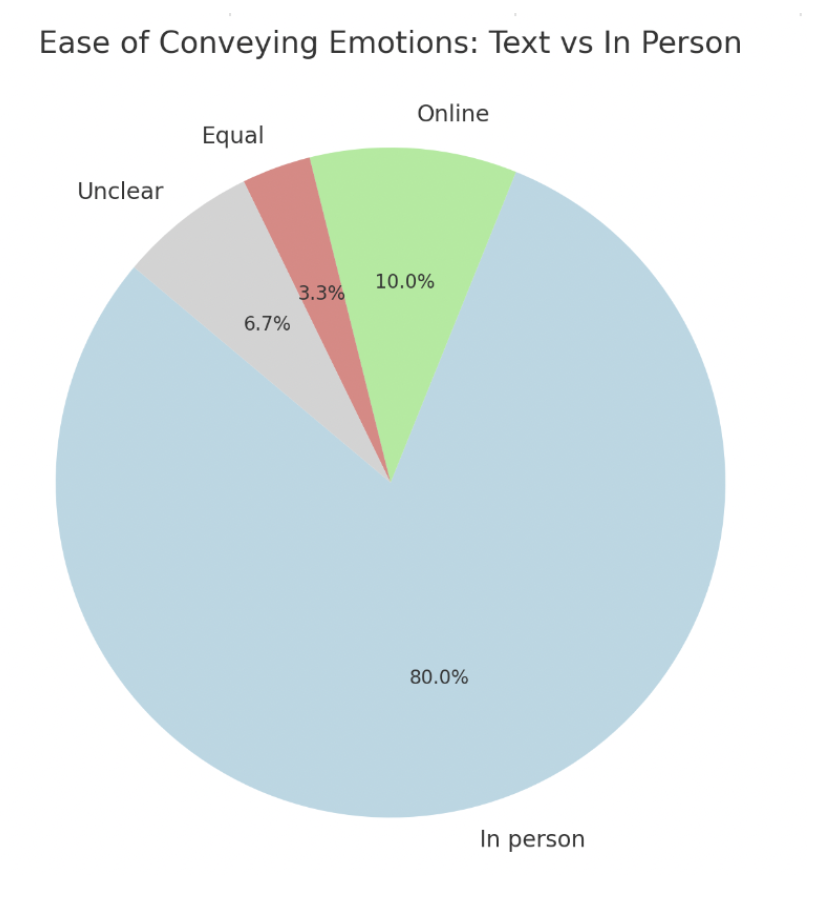
, , , , ,

Bridging Bytes and Cultures: The Impact of AI on Linguistic and Cultural Nuances in Online Conversations

Ley’ah Mcclain-Perez and Ivan Pantoja Tinoco

The digital era is marked by the ascension of artificial intelligence. In particular, this presentation will delve into the transformative influence of ChatGPT on the online communication landscape, particularly within the microcosm of X. This AI-driven tool created by OpenAI not only redefines user interactions but also molds the linguistic contours of digital discourse. Our inquiry is rooted in a critical analysis of ChatGPT’s integration into social platforms, assessing its impact on the quality of communication, user perceptions, attitudes, and the ensuing ethical dilemmas.

Our research navigates through the multifaceted ramifications of ChatGPT, exploring its syntactic coherence and semantic relevance, alongside its occasional pitfalls that may lead to misinterpretations. It highlights the diverse demographic engaging on X, using ChatGPT for various purposes ranging from casual interaction to more substantial exchanges, thus painting a broad spectrum of digital human-AI interaction.

This exploration is not merely an academic exercise but a pivotal discourse that contributes to understanding the nuanced dynamics of digital communication in the AI era. It poses critical questions about the future of online interactions, the role of AI in shaping public discourse, and the ethical boundaries of AI integration into social platforms.

Figure 1: Demographics showing the potential of AI in the case of ChatGPT

[expander_maker id=”1″ more=”Read more” less=”Read less”]

Introduction

In the fast-paced world of online communication, the integration of artificial intelligence (AI) technologies has brought a significant shift in how people interact and engage with digital platforms such as emailing or Twitter. At the forefront of this transformation is ChatGPT, an advanced AI language model developed by OpenAI. With its widespread adoption, particularly on platforms like Twitter, ChatGPT has sparked a wave of curiosity and inquiry into its impact on interpersonal communication dynamics.

 ChatGPT’s presence on Twitter is hard to miss. Its ability to generate text responses that closely mimic human speech has made it a staple tool for many users across the platform. From casual conversations to more formal discussions, ChatGPT has seamlessly integrated into the online social media platform Twitter, which can be deceiving for those who have not incorporated AI into their lifestyles.

Twitter, renowned for its role in facilitating global connectivity, serves as a hub for real-time conversations and idea exchange. Users from diverse backgrounds come together on the platform to share thoughts, opinions, and news. With ChatGPT now part of the conversation, the dynamics of communication have undergone a subtle yet significant transformation, prompting researchers to delve deeper into its implications.

Our study seeks to address several key research questions:

  1. How does the integration of ChatGPT influence the quality and nature of communication within social media and discussion forums?
  2. What are the perceptions and attitudes of users toward ChatGPT-generated content in online interactions?
  3. What ethical considerations arise from the use of ChatGPT in facilitating online communication, and how do users navigate these concerns?

?
Figure 2: The Inside Story of ChatGPT’s Astonishing Potential | Greg Brockman | TED 

Methods

Our study involved a qualitative analysis of tweets gathered from X users. We collected tweets related to ChatGPT usage from teachers, recruiters, job applicants, and corporate employees. These backgrounds are important to note as these X users were most commonly found tweeting about our topic. Some keywords that we used to find tweets include “ChatGPT email,” “ChatGPT job”, and “ChatGPT ethics.” We filtered each search by tweets from the past year and tweets with the most engagement. Once we obtained these tweets, we analyzed the user’s holistic profile to ensure they were not a bot user. These keywords and filters provided a wide range of perspectives on ChatGPT integration in online communication.

Our analysis focused on categorizing tweets into for and against ChatGPT usage and into categories based on their employment background to discern users’ attitudes towards ChatGPT-generated content. In order to accomplish this, we examined the tone and vernacular of the tweets to distinguish the X user’s attitude. Furthermore, we also examined any memes or emoticons in the user’s tweets as this allowed us to better interpret the tone behind their tweet. Analyzing the tone, vernacular, memes and emoticons was crucial for us to depict any sarcasm.

Results and Analysis

After ChatGPT was implemented in online discourse, our analysis shows notable changes in the tone and linguistic expressions of conversations. The language used is a combination of official and casual, and ChatGPT comments frequently reflect the conversational tone that permeates online interactions. The limitations of AI-generated material in preserving contextual nuances are highlighted by difficulties in interpreting linguistic nuances including comedy, sarcasm, and cultural references.

Discussion

The results of our research provide a more comprehensive view of how online conversation is changing in the era of artificial intelligence. Although ChatGPT makes communication easier and improves accessibility, its effects on language use and cultural dynamics need to be carefully considered. Through adept handling of AI-generated content, we can optimize its potential to enhance digital connections while reducing the likelihood of misunderstandings and cultural insensitivity.

The key to maximizing AI-generated content’s ability to promote meaningful conversation while avoiding communicative dangers is to manage it strategically. Through the development of cultural sensitivity and contextual cue awareness, users may skillfully negotiate the complex landscape of online communication, utilizing AI’s augmentative powers without sacrificing human connection.

An ongoing conversation about the development of digital literacy and appropriate AI use is essential to this project. Giving consumers the means to understand language nuances and make sense of subtle implications helps guarantee that the emergence of AI-driven communication will continue to be a positive force for change.

References

Carrie Bradshaw Hater. “My Students Are Using CHATGPT for Their Essays and Everyone Is Turning in the Same Essay!!!” Twitter, Twitter, 4 Mar. 2024, twitter.com/nancytaughtyou/status /1764491684446900521.

Courtney Glory to Heroes Wells. “I Used CHATGPT When I Was Overtired and Needed to Get an Email to My Daughter’s Teacher That Made Sense and Didn’t Trust My Own Editing. I Don’t Care If She Knows — It’s Better than the Soup She Would Have Gotten If I Did It on My Own.” Twitter, Twitter, 28 Feb. 2024, twitter.com/ndesquiress/status/1762909572807708894.

Kepha, Brian. “Maaan ,CHATGPT Is Great at Corporate Lingo and I Love This.with It, It Is so Easy to Communicate a Serious and Business Tone Especially on Emails and Job Applications. This Is a CHATGPT Appreciation Tweet.” Twitter, Twitter, 29 Feb. 2024, twitter.com/AngelofVerdant/status/1763065674501394463.

Gawne & McCulloch. “Emoji as Digital Gestures.” Language@Internet, 2019.

Posts, Hannah. “It’s Hard to Tell. English Isn’t Her First Language, but the Communication Program I’m Using (I Lied, It’s Not Actually Email) Has a Translate Function She Could Use. in This Particular Instance She Was Just Replying, so All She Needed to Say Was ‘OK.’” Twitter, Twitter, 28 Feb. 2024, twitter.com/HannahPosted/status/1762946495324500456.

Sharma, S., & Yadav, R. (2023). Chat GPT – A Technological Remedy or Challenge for Education System. Global Journal of Enterprise Information System, 14(4), 46-51. Retrieved from https://www.gjeis.com/index.php/GJEIS/article/view/698

[/expander_maker]
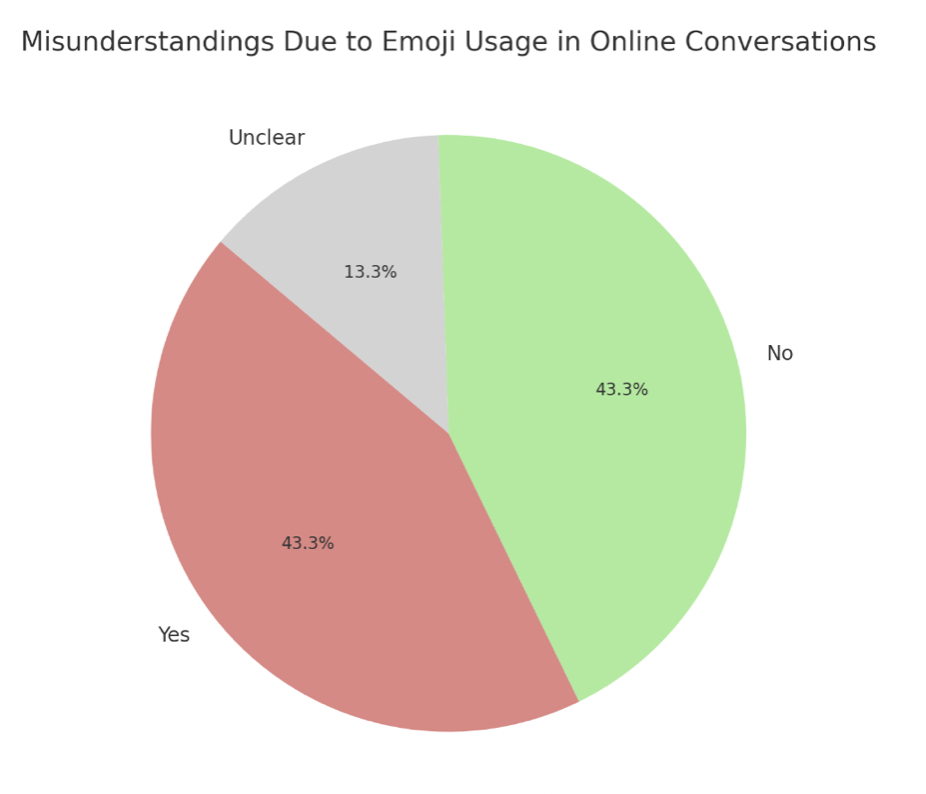
, , , , ,
Scroll to Top