apology YouTube videos

I’m Sorry! – The Language Behind YouTube Apologies and Cancel Culture

Jessica Chen, Jean Maynard, Naomi Muñoz, Daisy Terriquez

“I’m sorry, I’m taking accountability” is a phrase that may sound familiar to those who frequent the internet. This is referencing the category of YouTube videos known as the “apology video,” where, as the name suggests, influencers post videos of themselves apologizing for actions that caused them to be “canceled.” In this blog, we examine if these apology videos share any patterns in their word choice and behavioral manners and if certain key words and phrases contained in these videos have become recognizable to audiences and associated with this style of video. This study was conducted in two parts: (1) analyzing 10 different apology videos posted to YouTube to map the commonalities found in word choice and gestures and (2) a two-part survey to deduce if participants could identify apology videos based solely on a provided comment or phrase. With this entry, we hope our findings can further the understanding of internet language, as well as promote conversations of media literacy, social advocacy, and mental health surrounding internet spaces.

[expander_maker id=”1″ more=”Read more” less=”Read less”]

Introduction and Background

With the globalization of technology, the ability to connect with a broad audience and build a large following has become readily attainable. Today social media platforms such as TikTok, YouTube, Twitter/X, and Instagram have facilitated the emergence of “influencers,” individuals who regularly post content on the internet and have managed to captivate a large following by sharing their daily lives, opinions, and thoughts. However, with such a large social media presence comes an increased possibility of every one of one’s actions being perceived and criticized by individuals who do not share similar morals or values. Consequently, it has become quite common to open social media apps to see yet another influencer on camera sighing and apologizing for an alleged act of misdemeanor they are being framed with. Essentially, this has made the online “celebrity apology” become so common; it has given rise to “cancel culture” and with it, the “YouTuber apology” category of videos.

The concept of “cancel culture” first emerged in the early 2010s and gained significant traction in the mid to late 2010s. Across social media platforms, “cancel culture” is defined as the practice where numerous people express their disapproval and withdraw support from a particular individual or brand (Roos, 2020). It encourages current supporters to “flock away” from influencers who have engaged in actions that are not deemed socially acceptable (Lewis & Christin, 2021). Cancel culture originated on Twitter/X with the intent to bring awareness and accountability to celebrities who have committed social injustices, dating back to movements like #MeToo, but has since been colloquially used to refer to the mass bullying and harassment of creators (Roos, 2020).

Cancel culture, with its “canceled” celebrities, gave rise to the category of videos on YouTube known as the “Youtuber Apology Video.” This is when a content creator records and posts a video of themselves apologizing, expressing their remorse for their misconduct, and asking their audience for forgiveness (Karlsson, 2020). As content creation is a livelihood for many of these influencers, losing monetary support due to overwhelming criticism can be a source of emotional and financial distress, motivating these influencers to release an apology video in an attempt to repair their public image (Goanta & Ranchordás, 2019).
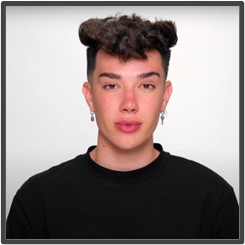
Influencer James Charles via YouTube (Reuploaded).


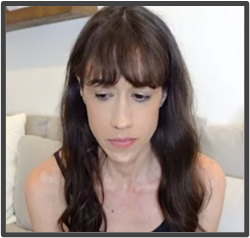
Influencer Colleen Ballinger via YouTube.

Interestingly, although the reason behind each of these videos may differ, there is reason to believe that many of them contain similar content. In their study analyzing various public celebrity apologies, Cerulo and Ruane (2014) found patterns of apology techniques that many celebrities employed in their statements. This looked like 27% of celebrity apologies containing “evasion” statements where they avoid responsibility, 29% of apologies having “action-ownership” statements where they acknowledge an action, and 32% having “mortification” statements in which the celebrity acts mortified by their own actions (p. 130-135). Though this study predates the rise of many famous YouTube apologies, it suggests a possible pattern that past celebrity apologies may have formed, which proved to be a useful foundation for our research. Although we did not utilize the same categories as Cerulo and Ruane (2014) and opted to find our own keywords, our research aimed to expand on what patterns, if any, could be found in this new form of celebrity image repair.

While research on “cancel culture” exists, our study attempts to address the research gap on both the precise language employed by YouTube content creators’ apologies, as well as how the individual viewers react to and process the content found within these videos. We believe that most research has not addressed the possible relationship between language used by the influencer and how the viewer interacts with it. This research will thus focus on the language used in influencers’ apology videos when they are being “canceled” by the general public. With a focus on Generation Z (Gen Z) and Millennials, the two generations who grew up with technology as an integral part of their daily lives (Serbanescu, 2022), the two research questions that arise are the following: First, can Gen Z and Millennial individuals tell whether an influencer is being canceled solely based on the language being used? Second, does an influencer change their speech patterns or behavioral gestures when they are being canceled? Our aim was to compare the reactions of Gen Z and millennial individuals to language and behavioral gestures used by an influencer when they are being canceled versus when they are in good standing. We hypothesize that when an influencer is aware that they are being canceled, they will engage in specific behavior and speech patterns. Further, we hypothesize that Gen Z and Millennial individuals will be able to tell without context when an individual is being canceled simply by reading comments or quotes with keywords associated with cancel culture.

Methods

To capture commonalities among influencer apologies, we started by compiling 10 YouTube apology videos, all involving YouTube creators who had amassed at least one million subscribers at the point they were canceled (See Image A).
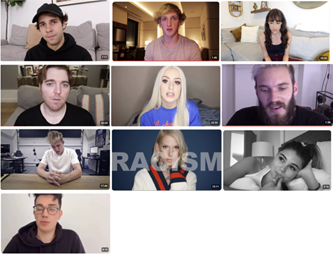
Image A. (left to right) David Dobrik, Logan Paul, Colleen Ballinger, Shane Dawson, Tana Mongeau, PewDiePie, Jake Paul, Jeffree Star, Olivia Jade, James Charles.

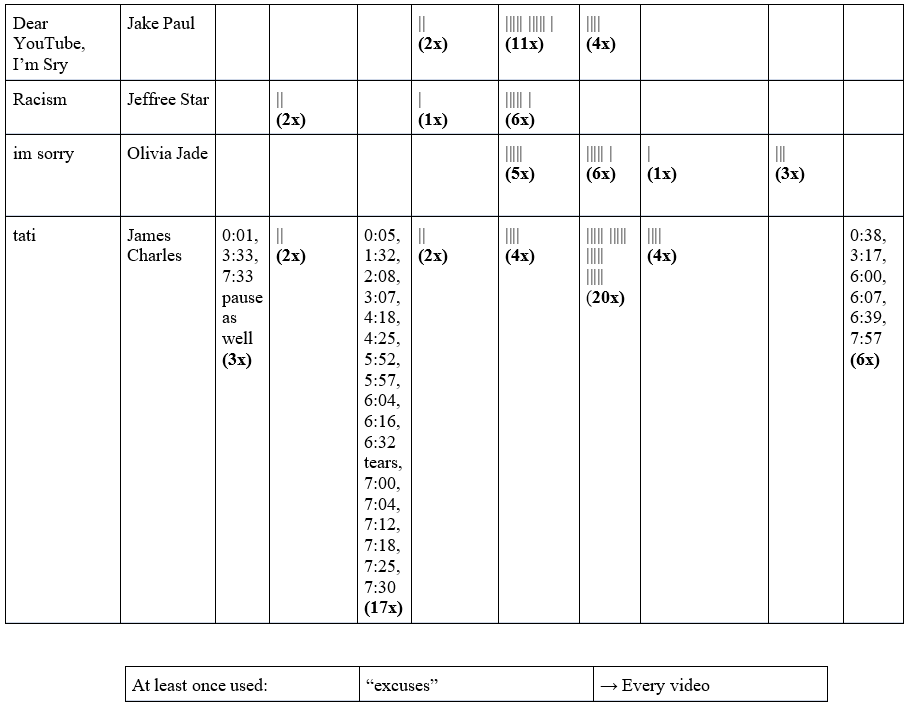
Even before this, we started by coding James Charles’ apology video titled “tati” and looked out for words and gestures that were constantly repeated. Based off that initial coding, we created a data chart with eight different keywords (“excuses,” “mistake,” “accountability,” “sorry,” “apologizing,” “um,” “disappointed,” and “idiot”) and four gestures (sighs, gulps, long pauses, and deep breaths) and continued meticulously examining and coding each video to pull out every instance of any of the keywords or gestures. In other words, each video received a tally of how many times these phrases or gestures appeared in the video. Gestures such as sighs and gulps, deep breaths, and long pauses were important in order to grasp an idea about the important factors, other than utterances, that can act as non-verbal communication methods and accompany the keywords to further emphasize the presence of “cancel culture.” Due to the important existence of gestures, we also operationalized “disappointment” as when an influencer simultaneously looks downwards and squints their eyebrows.

To continue our data collection, we created Survey 1, a survey that tests whether or not people know which influencer is being “canceled” based on comments from their YouTube videos (See Image B). With four survey questions in total, two contained comments from normal videos, while the other two contained comments from apology videos. These comments were chosen specifically from James Charles’ YouTube videos, as he was the initial focus for this research; however, future studies should expand to other influencers’ comments to have more variety. The comments were selected randomly, but we intentionally searched for comments that seemed more positive, had humor, and contained little context. This survey was largely utilized to supplement the overall definition of “cancel culture” by assessing Gen Z and Millennials’ topical understanding of it.

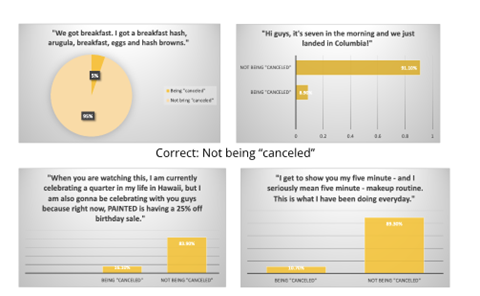
Furthermore, another survey, known as Survey 2, was created with the same test; however, it was based on utterances from both apology and normal videos of the influencers (See Image C). Among the several questions that were given in this survey, we deliberately crafted a suitable set of utterances from apology videos that involved our specific keywords to test if people associate those keywords with “cancel culture,” making it one of the most crucial parts of our data collection. By extracting quantitative data from the YouTuber apology videos and surveys, we were able to analyze what specific words and linguistic styles Gen Z and Millennial individuals deem to be associated with apologies and “cancel culture.”   
Image B. Title of Survey 1.


Image C. Title of Survey 2.

Results and Analysis

We can start by examining the data table that quantifies specific keywords uttered in the 10 apology videos and non-verbal communication methods that supplemented those keywords (see Table 1). 
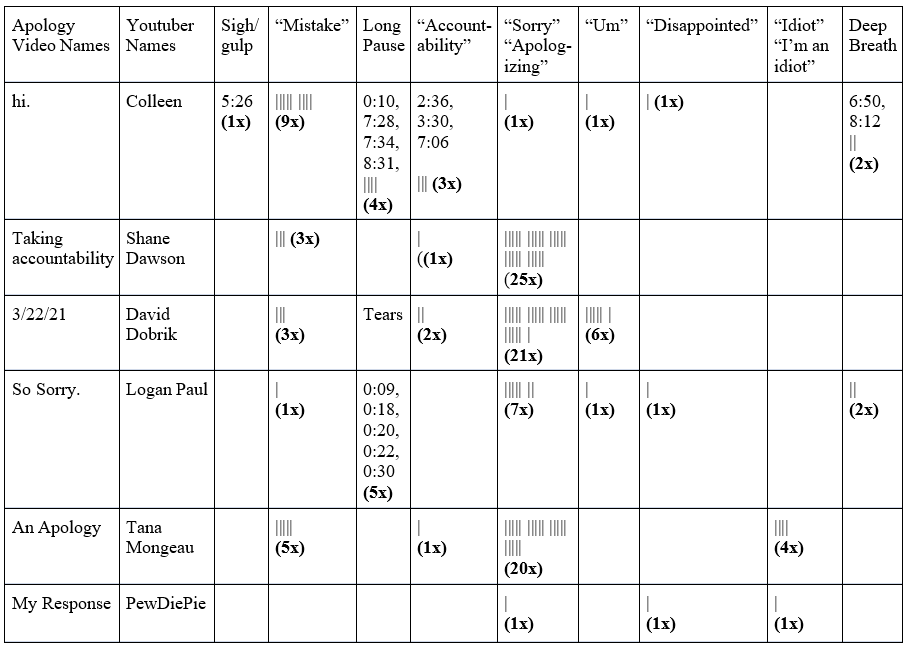
Table 1. Data table with tallies of key words and gestures from each video.

Table 1 displays the heavy use of “sorry” and “apologizing” in all of the apology videos, as well as the common effort to include mentions of “accountability” and making “mistakes.” Some YouTubers occasionally described themselves as feeling “disappointed” in themselves or feeling like an “idiot.” Most importantly, it was extremely common for them to use the word “excuses” in their apology videos. As for gestures, long pauses (with occasional tears) were the most frequent and seemed to dramatize the keywords.

Moreover, four graphs were created to illustrate the results of Survey 1, and eight graphs were made for Survey 2. Among our 55 Gen Z and Millennial survey takers, we gauged the amount of those who felt confident in their ability to tell if an influencer is actively being “canceled,” to which most replied they were somewhat confident (See Tables 2a and 3a).
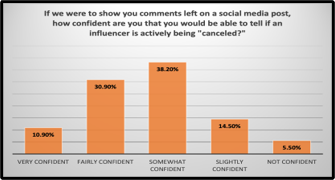
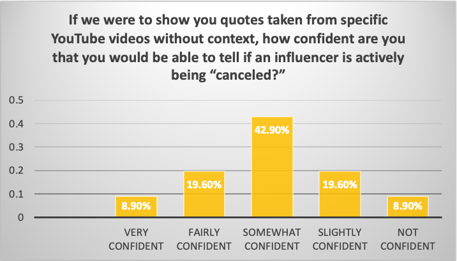
Table 2a. Survey responses to question at top of graph.


Table 3a. Survey responses to question at top of graph.

Table 2b exhibits the quantified survey results from Survey 1 that involve two comments from when an influencer was actively being “canceled” and two comments from when they were not. For Comment #1, answers were roughly split; however, there were fewer individuals who could determine that the influencer was actually actively being “canceled.” For Comment #2, #3, and #4, most individuals were able to determine the existence of “cancel culture.”
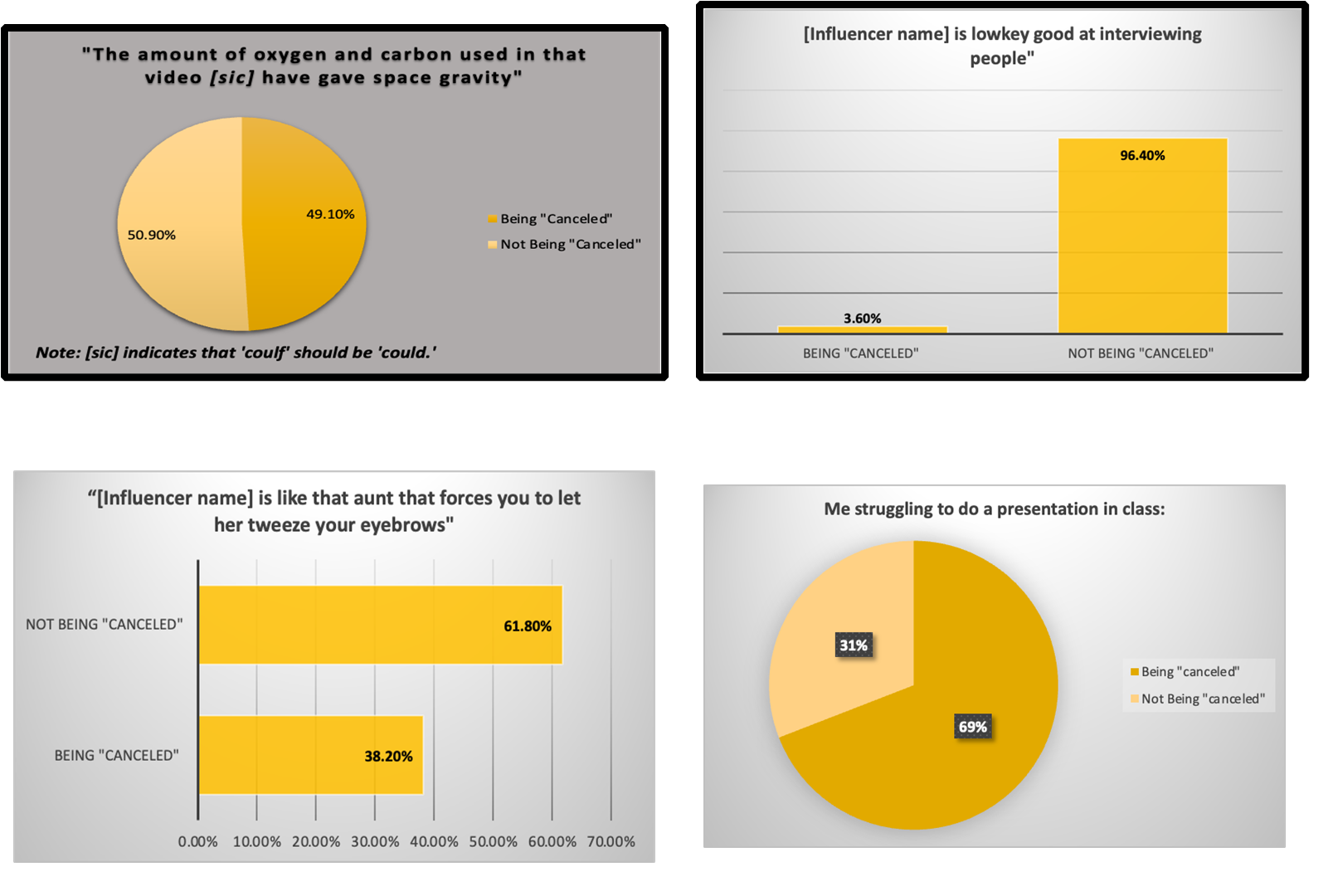
Table 2b. Results from Survey 1 on comments.

Subsequently, Tables 3b and 3c display results for Survey 2, specifically for utterances derived from our chosen apology videos and that contain our significant keywords. Individuals were more likely to be correct and be able to tell that an influencer was actively being canceled; however, Table 3c illustrates that more than half of the survey respondents were unable to determine whether an influencer was actively being “canceled” based on the keyword “um.” Individuals were also more likely to be correct when determining a normal utterance where there were no keywords present (see Table 3d).
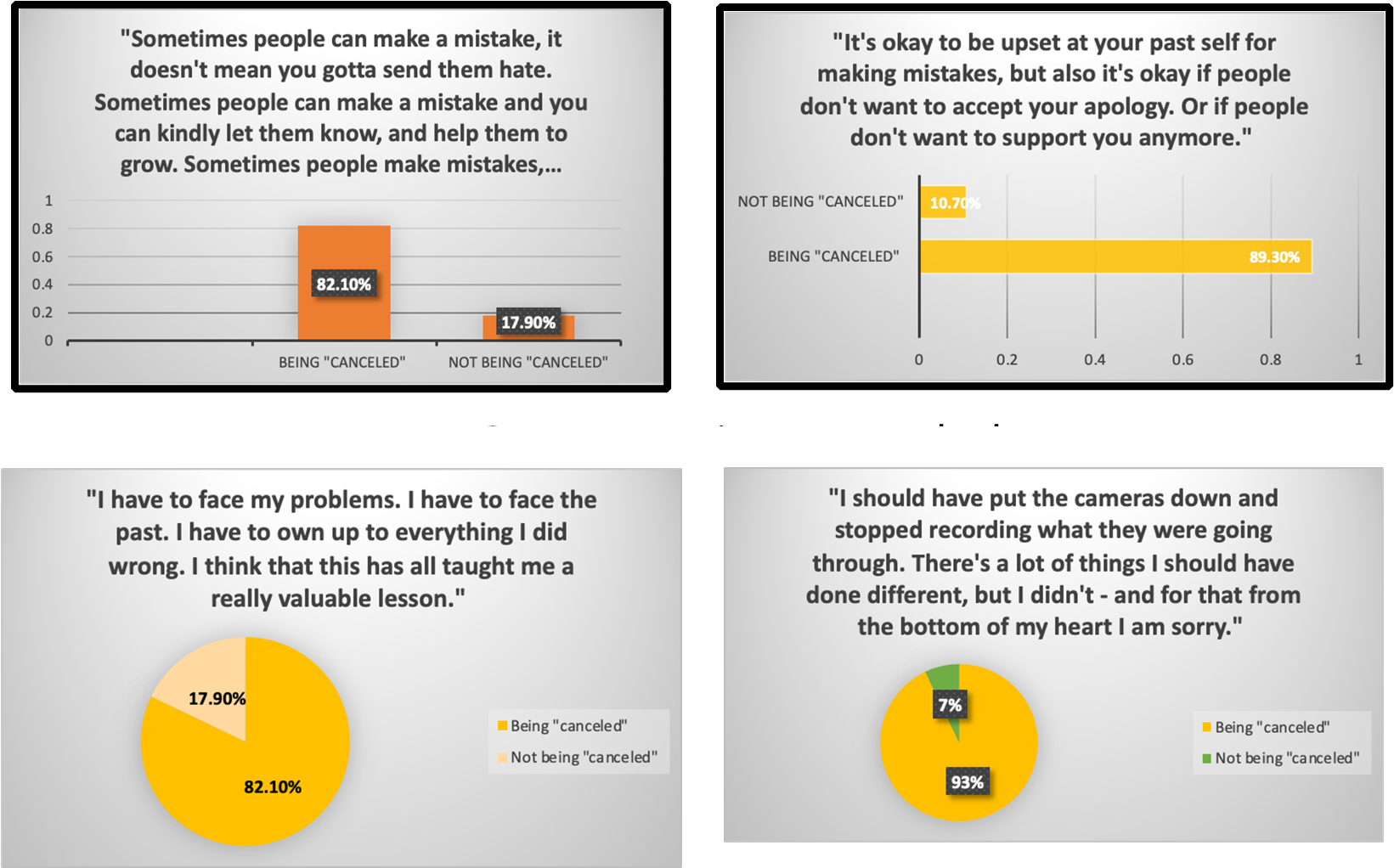
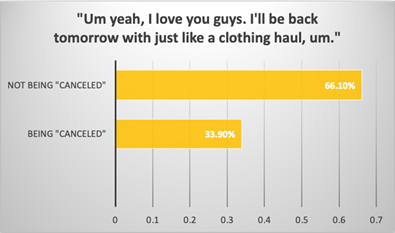
Table 3b. Results from Survey 2 on “canceled” utterances.


Table 3c. Results for “um” in Survey 2.


Table 3d. Results from Survey 2 on normal speech from YouTube videos.

Discussion

The current investigation attempts to fill these major gaps within the research by examining cancel culture from a linguistic perspective. Data gathered from YouTube suggests that the comments left on videos where an influencer is being canceled tend to be harsh and demeaning, aiming to publicly shame and bully the creator. The negative language used in the comment section appears to prompt the creator to upload a YouTube video where their language appears to be apologetic, while their behaviors simultaneously portray disappointment and shame in themselves. Since an influencer is aware that they are being canceled, they resort to the use of language that has proven to be effective when crafting an apology.

The findings from this investigation indicate that, in what appears to be an act of desperation to put an end to negative comments and find themselves in good standing with the YouTube community, influencers often resort to the use of the keywords discussed above. Their language quickly shifts from casual everyday language to words that show that they deeply regret their actions and are willing to take accountability.

In Survey 1 (See Table 2b, #1), a comment without context was purposefully chosen in order to test what most respondents think about “cancel culture” comments off the bat. Without context, it is difficult to tell what a comment is specifically referring to. Therefore, our results suggest that there are differences in how individuals view internet language, and it in turn influences whether they think an influencer is being “canceled” or not. In other words, because Comment #1 had no negative keywords and Comment #4 did (“struggling”), it hints that people associated the negative word with “cancel culture,” and therefore, “cancel culture” has this negative linguistic connotation to it. It is also important to note context in our Survey 2 results. When choosing utterances for our survey (See Tables 3b and 3d), we intentionally included utterances about breakfast, trips, sponsorships, and makeup routines, all contexts that are far from the idea of “cancel culture” and negative linguistic aspects. The context completely juxtaposes the utterances from apology videos (See Table 3b) because they are missing the “cancel culture” keywords. A very important finding in Table 3c suggests the importance of those negative associations. In this example, the apology video utterances are more ambiguous than others, especially with the inclusion of “um.” We include the keyword “um” because although it is an extremely common human utterance, it acts as a neutral keyword and requires more context. Most people responded with “Not being canceled,” suggesting that due to the absence of an explicitly negative keyword, respondents were not naturally drawn to viewing it as an apology video utterance.

Previous studies have primarily focused on exploring the psychological effects that cancel culture has on the individual that is actively being canceled. Such studies suggest that while cancel culture originated with good intentions — to hold individuals accountable for socially unacceptable actions — the psychological effects of cancel culture are oftentimes negative and include: social isolation and loneliness, depression, low self-esteem, and constant fear and anxiety (Berryman & Kavka, 2018). Although these findings add to the existing body of research, they also highlight gaps and consequently lead to further research questions: Why does cancel culture lead to these negative psychological states of mind? Does language play a role in cancel culture? Can cancel culture be viewed from another point of view?

Essentially, examining cancel culture from a linguistic perspective adds to the existing research because these findings can be tied back to a psychological perspective and begin to answer these questions. Understanding that the language associated with cancel culture is oftentimes negative and harsh, instead of critical and constructive, allows us to understand why the influencers who are exposed to cancel culture are negatively impacted psychologically. Looking at cancel culture from different lenses can lead us to discovering new findings, but considering the importance of language to our everyday lives, a linguistic analysis is an effective way to begin.


References

Berryman, R., & Kavka, M. (2018). Crying on YouTube: Vlogs, self-exposure and the productivity of negative affect. Convergence, 24(1), 85-98. https://doi.org/10.1177/1354856517736981.

Cerulo, K. A., & Ruane, J. M. (2014). Apologies of the Rich and Famous: Cultural, Cognitive, and Social Explanations of Why We Care and Why We Forgive. Social Psychology Quarterly, 77(2), 123-149. https://doi.org/10.1177/0190272514530412.

Goanta, C., & Ranchordás, S. (Eds.) (2019). The Regulation of Social Media Influencers. Edward Elgar Publishing. Elgar Law, Technology and Society series. http://dx.doi.org/10.2139/ssrn.3457197.

Karlsson, G. (2020). The YouTube Apology; Analysing the image repair strategies and emotional labour of saying sorry online. Malmö University, School of Arts & Communication K3. https://www.diva-portal.org/smash/get/diva2:1483089/FULLTEXT01.pdf.

Lewis, R., & Christin, A. (2022). Platform drama: “Cancel culture,” celebrity, and the struggle for accountability on YouTube. New Media & Society, 24(7), 1632–1656. https://doi.org/10.1177/14614448221099235.

Roos, H. (2020). With(Stan)ding Cancel Culture: Stan Twitter and Reactionary Fandoms. Muhlenberg College. https://jstor.org/stable/community.31638145.

Serbanescu, A. (2022). Millennials and Gen Z in the Era of Social Media. In A. Atay & M. Z. Ashlock (Eds.), Social Media, Technology, and New Generations: Digital Millennial Generation and Generation Z (pp. 61-77). Lexington Books.

All Videos Used for Analysis

Ballinger, C. [Colleen Vlogs]. (2023, June 28). hi. [Video]. YouTube. https://www.youtube.com/watch?v=ceKMnyMYIMo.

Dawson, S. (2020, June 26). Taking Accountability [Video]. YouTube. https://www.youtube.com/watch?v=ardRp2x0D_E.

Dobrik, D. (2021, March 22). 03/22/21 [Video]. YouTube. https://www.youtube.com/watch?v=lB734hc89x8.

Dunsmorel, J. (2019, May 13). James Charles Tati re-upload [Reposted Video]. YouTube. https://www.youtube.com/watch?v=U3Ukl4l_LM8.

Jade, O. (2018, August 6). im sorry [Video]. YouTube. https://www.youtube.com/watch?v=LAJArLC6v70.

Kjellberg, F. [PewDiePie]. (2017, September 12). My response [Video]. YouTube. https://www.youtube.com/watch?v=cLdxuaxaQwc.

Mongeau, T. (2017, February 17). An Apology [Video]. YouTube. https://www.youtube.com/watch?v=Fazh9Lm1kDE.

Paul, J. (2017, June 3). Dear YouTube, I’m sorry…. [Video]. YouTube (min. 10:36-17:43). https://www.youtube.com/watch?v=C45-1rf65PU.

Paul, L. (2018, January 2). So Sorry. [Video]. YouTube. https://www.youtube.com/watch?v=QwZT7T-TXT0.

Star, J. (2017, June 20). RACISM. [Video]. YouTube. https://www.youtube.com/watch?v=Su6FeI7lHVg.

Related Resources

Languaged Life post: Celebrities and Controversies: What Works and What Doesn’t in Apology Videos

Interesting interactive graphic on the history and patterns of apology videos: https://pudding.cool/2020/01/apology/

[/expander_maker]
, , ,

Celebrities and Controversies: What Works and What Doesn’t in Apology Videos

In today’s high society of “cancel culture,” apologizing has become a language that has diversified. This study dives deep into the world of online apologies, exploring how the majority of our influential figures today, celebrities, use language in public apology videos to mend what’s been broken and rebuild trust with their audience. The emotions, words, and actions can all seem like an act crafted for the cameras. Through the analysis of 15 apology videos, we navigate the comments and perceptions made in the landscape of the online audience to decide whether a public apology is genuine or insincere. Using digital ethnography and discourse analysis to give us insight into solving this issue, we translate the visual and verbal cues that aren’t in the spotlight – the tone, the gestures, and the choice of words, which shape the perceptions of authenticity. But it’s not just about dissecting these apologies. We also evoke what characteristics make for a genuine apology– the unscripted words, raw emotions, and simple background. By differentiating successful apologies from those that were unsuccessful, we reveal candor in the meaning of language that is displayed in front of a public audience. Beyond what the surface entails, we explore the morality behind celebrity apologies. They can be a mirror reflecting societal values, fluctuations in power, and the road to redemption. This research is not for mere insight, but also offers a deeper understanding of what it truly is like behind the screens in this digital age. There is much power in how we express ourselves; dictating how we shape relationships, rebuild trust, and craft a shared narrative.

[expander_maker id=”1″ more=”Read more” less=”Read less”]

Introduction

Growing up, we are taught from a very young age that an apology consists of the words, “I’m sorry.” Is that all it takes as we grow up? In society today, apologies have become very normalized and with the rise of social media in place, it appears highly important to delve into the study of online public apologies by influential people, focusing on the linguistic features chosen to elicit successful apologies throughout crisis communication (Loisa, 2021). As social influencers carry much power, it is important to hold them accountable for their wrongdoings and not allow them to manipulate the public into thinking that something is okay when it is not. Through analysis, we found that sincerity and genuineness are key to carrying out a successful apology video. By having a good understanding of linguistics and the different meanings certain words and phrases obtain, we analyzed the linguistic repair strategies influencers use when creating online apology videos, validating a successful apology or a manipulative one. Through our analysis, our main concern focused on the language strategies used by content creators and celebrities in apology videos to convey sincerity and repair their image. On the contrary, we also focused on why some apology videos completely flop and are seen as manipulated tactics to convey an insincere apology.

Methods

To better understand apology videos, we decided to watch some of them. We selected 15 apology videos from a selection of prominent celebrities and content creators with over 1 million subscribers on YouTube at the time of their controversy (some lost subscribers due to their controversies and are now below 1 million subscribers as a result). We chose creator apologies resulting from major controversies that had an impact on both fans and people outside of their fan community. Critical to our study was selecting videos with varied audience responses, including, positive, negative, and mixed responses in order to gauge which strategies led to successful apologies and which ones didn’t.

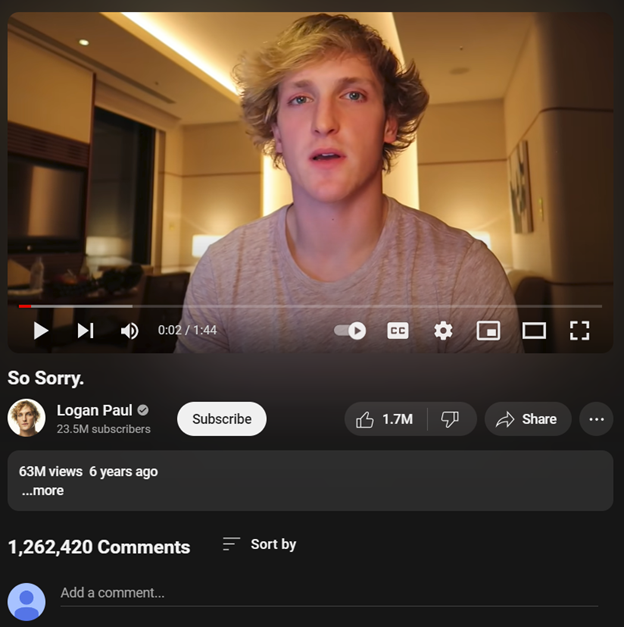
Figure 1: Logan Paul’s widely-viewed and controversial apology for filming a dead body, complete with a YouTube interface, including views, likes (👍), and comments.

We fully submerged ourselves in the virtual worlds where these apologies occurred in order to gain a comprehensive understanding of the surrounding context. Our digital ethnography involved analyzing the situations that necessitated an apology and the characteristics of the individuals giving the apology. We performed discourse analysis on spoken and unspoken communication in the films, assessing elements such as intonation, physical gestures, and vocabulary selection. To comprehend audience responses, we meticulously observed the comments that garnered the highest number of likes as an indicator of public sentiment, noting which strategies succeeded or fell flat. The inquiry did not focus on the more technical parts of discourse analysis, such as specific language frameworks and computer methods, which have been covered well in previous studies (Sandlin and Gracyalny, 2018). Our analysis, however, concentrated on overarching themes and tactics deemed significant in determining perceptions of sincerity and the effectiveness of apologies.

Results

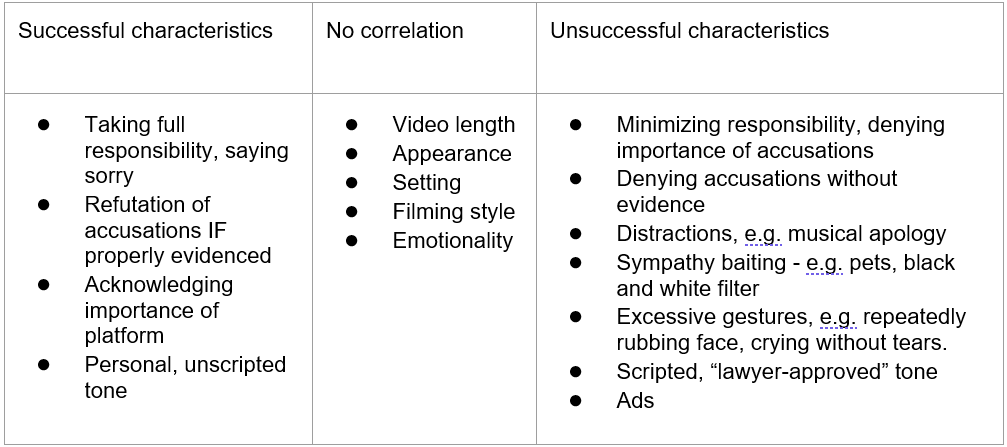
Our research yielded a variety of results on the nature of apology videos and the success or lack thereof of various apology strategies. We noted the development of a unique speech register in apology videos, something that has been expounded upon previously (Choi, 2021). Similar filming choices emerge, including directly facing the camera from the shoulders or neck up, maintaining a plain personal appearance, and setting the video in a lightly colored, simple, domestic room. Despite an uncomplicated backdrop and a lack of extravagant accessories being intended to index sincerity, we found that these decisions had no real effect on the apology’s perception.

We found three major strategies: apologizing, refuting the need to apologize and defending oneself, and apologizing while defending and minimizing one’s actions. Genuine apologies with the use of the word “Sorry” and assumption of responsibility or well-evidenced, thorough rebuttals of accusations were well-received, but poorly-evidenced or incomplete rebuttals were criticized. Fans want natural speech with an unscripted tone, criticizing apologies they perceive as stilted or relying on a script, but still want meticulous, well-thought-out responses, while also wanting concise apologies that allow anyone to grasp the core message without delving extensively into the subject matter, a high and somewhat contradictory standard. Musical apologies like Colleen Ballinger’s ukulele song apology or Sienna Mae’s interpretive dance apology were seen as bizarre and inappropriate, especially in response to accusations of grooming minors and sexual assault respectively. Sympathy-baiting distractions, like TmarTn doing baby-talk to his dog in his apology, were also heavily criticized.

Figure 2: Successful and unsuccessful characteristics of apology videos.

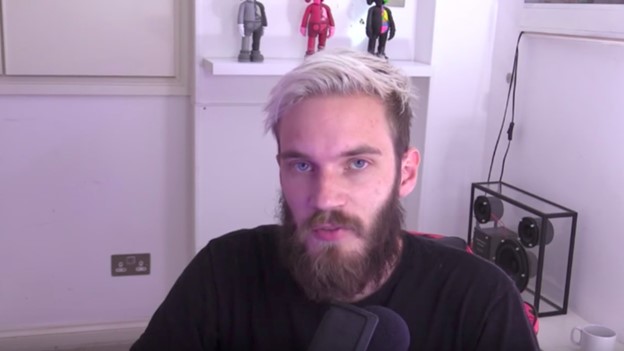
Gaming and commentary YouTuber PewDiePie’s apology gives us an example of some strategies being successfully employed. In his succinctly titled “My Response”, PewDiePie was praised for directly apologizing and not excusing his behavior. His acknowledgment of his status as a role model and influential figure and his need to be better, particularly due to his other recent controversies, were appreciated by fans.

Figure 3: PewDiePie’s apology, which was praised for its simplicity and direct admittance of his mistake and apology.

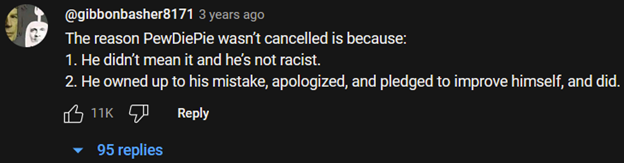
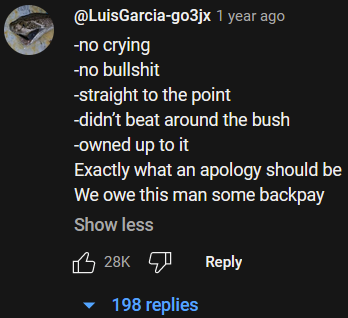
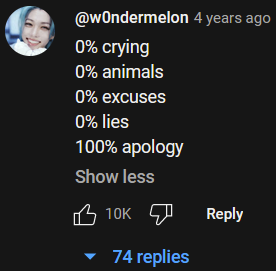
PewDiePie’s apology was favorably compared to later apology videos, particularly for its lack of forced emotion or other forms of sympathy-baiting. Fans derived sincerity from a lack of attempted markers of sincerity, feeling like they were not being tricked but allowed to judge only the content of the apology.


Figure 4: Responses to PewDiePie’s apology video. He was praised for directly and succinctly owning up to his mistake and his lack of excuses.

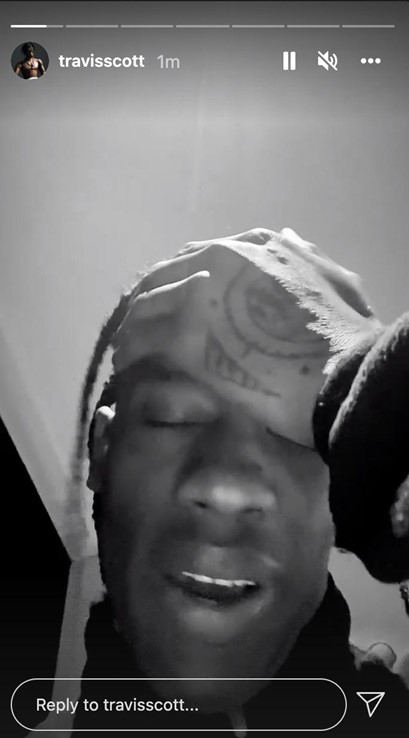
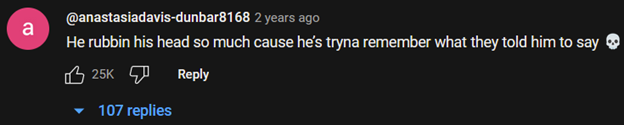
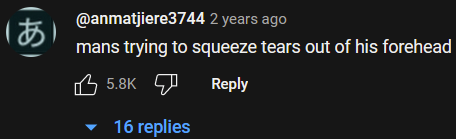
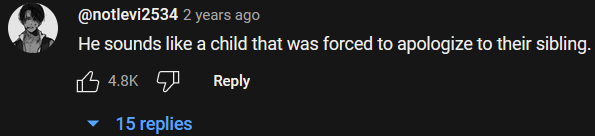
In contrast, hip-hop artist Travis Scott’s apology video gives us an example of how an apology video and its strategies can backfire. Scott was mocked for his “over-dramatic” black-and-white filter, along with the frequency with which he rubbed his face. While his frequent blinking and facial rubbing could indicate crying and remorse, viewers noted his lack of tears or an actual “I’m sorry”. It is advisable to maintain an emotional equilibrium, effectively conveying genuine emotion appropriate for the video without being excessive or appearing to force it for sympathy.


Figure 5: A screenshot from Travis Scott’s widely lambasted apology video as posted on Instagram, including the infamous black-and-white filter and forehead rubbing.

His lack of concern and failure to stop his concert while his fans were being crushed to death in the crowd contrasted with this sudden change of heart two days later seemed dishonest. Scott’s apology was widely labeled as disingenuous, something advised by lawyers or publicists to shore up his image while refusing to actually accept responsibility for legal reasons.


Figure 6: Responses to Travis Scott’s apology video. His frequent head rubbing and emotionality were widely seen as markers of insincerity, and his stilted delivery and lack of an actual acknowledgment of responsibility were considered to reveal the video’s motivations as insincere.

When actions that typically index sincerity seem forced or incongruent with the context of the apology, it becomes a target for accusations of insincerity and dishonesty, which can be crippling to any apology (Hope, 2019). It is not enough to perform actions and apology video tropes that might be perceived to index sincerity (e.g. a plain appearance, emotionality); the content and tone of the apology and their appropriateness in relation to the inciting event are more important. While some strategies are more successful than others, how they are used is most important.

Discussion and Conclusions

Studying celebrity public apologies is essential for understanding how individuals in the public eye navigate accountability and redemption. These apologies offer valuable insights into the complex strategies of communication and public relations. We can gain a better understanding of celebrities’ relationships with their fans and what each party feels they owe each other through apologies and celebrities’ motivations for apologizing (Matheson, 2023). Language, tone, and framing play pivotal roles in shaping public perception and reception of these apologies. Celebrities employ linguistic devices to manage their image and reputation, illustrating the significant impact of language on social influence. Moreover, celebrity apologies serve as cultural artifacts, reflecting broader societal values and norms. Analyzing these apologies unveils the nuanced dynamics between language, culture, and public opinion. They provide a lens through which we can explore themes such as ethics, power dynamics, and identity. Furthermore, studying celebrity apologies offers insights into psychological processes like guilt, remorse, and forgiveness. Language becomes a medium through which individuals convey sincerity, empathy, or deflect responsibility. By dissecting these linguistic choices, we gain a deeper understanding of human behavior and interpersonal dynamics. In essence, celebrity apologies serve as rich sources for examining the intersection of language, culture, psychology, and social influence. They highlight the intricate ways in which language shapes and reflects our understanding of accountability, redemption, and societal values.

Related resources:

References

Battistella, Edwin L. Sorry about That: The Language of Public Apology / Edwin L. Battistella. Oxford University Press, 2014.

Choi, G. Y., & Mitchell, A. M. (2022). So sorry, now please watch: Identifying image repair strategies, sincerity and forgiveness in Youtubers’ apology videos. Public Relations Review, 48(4), 102226. https://doi.org/10.1016/j.pubrev.2022.102226

Croley, MacKenzie. “A Linguistic View of a Twitter Apology.” Journal of Student Research (Houston, Tex.), vol. 10, no. 2, 2021, https://doi.org/10.47611/jsr.v10i2.1230.

Hope, Jessamyn. “Seven Steps to a Successful Apology.” The Hopkins Review, vol. 12, no. 1, 2019, pp. 60–80, https://doi.org/10.1353/thr.2019.0007.

Loisa, J. (2021).” I’m just letting everyone know that I’m an idiot”: Apology Strategies in YouTubers’ Apology Videos (Master’s thesis, Itä-Suomen yliopisto).

Matheson, Benjamin. “Fame and Redemption: On the Moral Dangers of Celebrity Apologies.” Journal of Social Philosophy, 2023, https://doi.org/10.1111/josp.12510.

Sandlin, J. K., & Gracyalny, M. L. (2018). Seeking sincerity, finding forgiveness: YouTube apologies as Image Repair. Public Relations Review, 44(3), 393–406. https://doi.org/10.1016/j.pubrev.2018.04.007

[/expander_maker]

, , , , ,

“I’m Sorry”: A comparative study of gender and individual differences in applying apology strategies in YouTube videos

Kristin Nguyen, Luxuan Huang, Vanessa Zhu, Andrea Mata, Shiyun Zhou

In recent years apology videos have become a very popular tactic used by social media influencers in efforts to help restore their online image. This study will compare and contrast the apology strategies used in 3 male and 3 female YouTuber apology videos by investigating the types of linguistic features that are found in both genders.  Moreover, we will further explore how the specific apology strategies being used influence the perception that their audiences/supporters have towards these specific Youtubers based on the comment section. The results showed that male Youtubers are more likely to use the “acknowledgement of responsibility” and “promise of forbearance” approach when apologizing while females are more likely to use the “explicit expression of apology” and explanation or account” strategy. Interestingly enough, the videos with the most positive responses came from 2 male and 1 female YouTuber which suggests that, according to their data set, there is a pattern in certain apology strategies that are more effective than others.

[expander_maker id=”1″ more=”Read more” less=”Read less”]

Introduction & Background

An increasing number of influencers apologized by publishing YouTube videos as an act to save faces and restore their images in the public’s mind. Previous studies about gender differences in using interpersonal apology strategies categorized apology strategies into 4 categories — explicit expression of apology, explanation or account, acknowledgement of responsibility, and a promise of forbearance, and concluded that women used more explicit apologies than men in interpersonal apologies (Holmes, 1989). However, apology videos are a fairly new phenomenon, and we wonder whether the pattern would also appear in our studies. As a result, we form our topic as a comparison study of gender difference and individual differences in Youtube apology videos in which we would explore the individual YouTuber’s choices of apology strategies and also gender differences based on the categorization mentioned above. 

Project Design

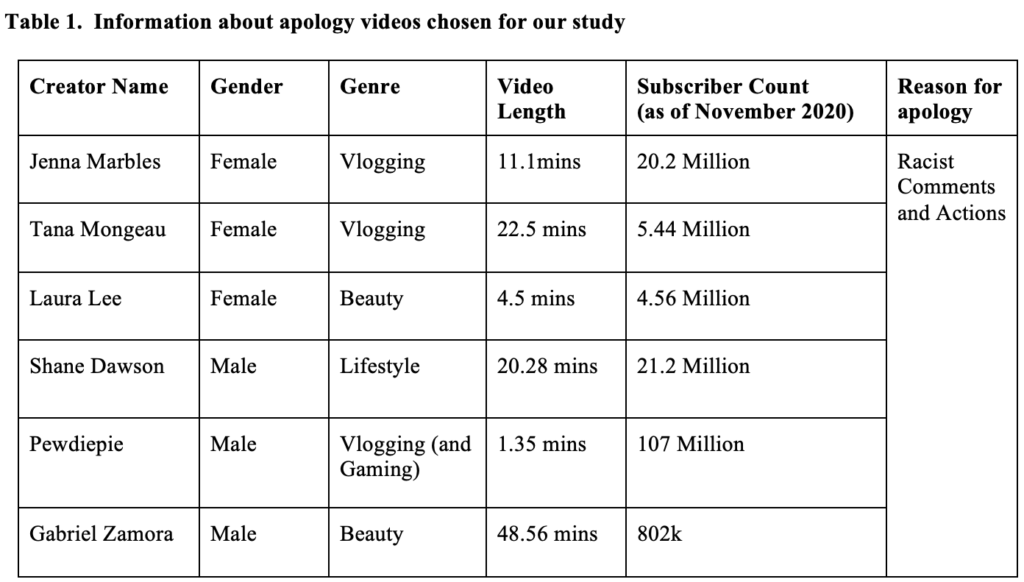
To identify how different apology strategies are used by individual YouTubers as well as by each gender, we chose a sample of 6 Youtube apology videos, 3 by females and 3 by males (see Table 1). The criteria for sample choice were based on Karlsson (2020)’s standards, which are 1) made by an independent Youtuber who runs and owns the channel, 2) made originally for Youtube and conducted in English, 3) belong to Beauty, Lifestyle, or Vlogging genre, 4) apologized for racist comments. By choosing videos addressing the same controversy over past racist comments, we minimized the influences of social and cultural contexts.

Following Holmes (1989)’s categorization for apology strategy, we collected the instances from each apology video that fit into the classification. Both qualitative and quantitative methods were used to analyze each individual video as well as all videos produced by each gender. We mainly employed discourse analysis to conduct the qualitative research when examining each individual Youtuber’s utterances as categorized by the four apology strategies and we also calculated the proportions of each strategy usage as divided by the total instances of apology in individual videos as well as in all videos produced by each gender. Besides, we also took the top 10 comments into account to evaluate how these apology videos were perceived (negative or positive), which then gave us implications of the effects of different combinations of apology strategies.

Results & analysis

A. Individual Differences

A.1. Jenna Marbles – apology video

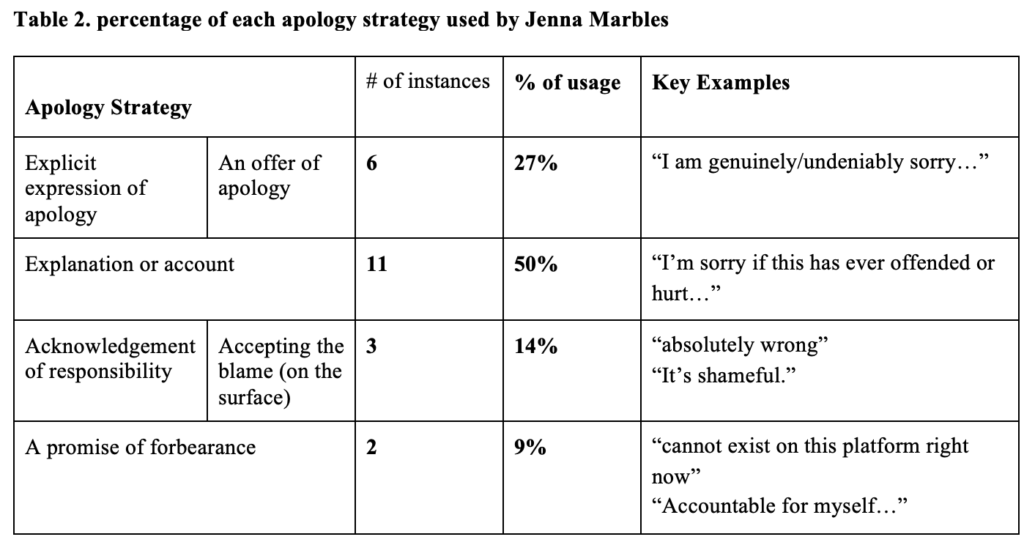
Jenna Marbles’s apology video (which has been taken down along with her channel by Marbles herself) consisted of four different occurrences that she addressed. Three were ones that people criticized and questioned her about, and one was an issue that she felt she needed to apologize for, despite her claim that no one said anything negative about this issue. Her most used strategy was “explanation or account,” which was 11 times out of the total 22 strategies in her video. She showed regret in her old content and emphasized that when she made those videos, her intention was never to hurt anyone. Although the comments we analyzed were not pulled from the original video, we still believe they reflect the general opinion of her apology. Viewers almost unanimously agreed that her apology for all four instances were genuine, and many users actually displayed sympathy for her. Her apology generated many conversations and discourse about the existence of “cancel culture.” Her least used strategy was “promise of forbearance”; however, this is arguably her most effective strategy. Marbles claimed that she wanted to “be accountable for myself” and that she could not continue being on Youtube. Since the release of the apology, Marbles has not returned to Youtube.

A.2. Tana Mongeau – apology video

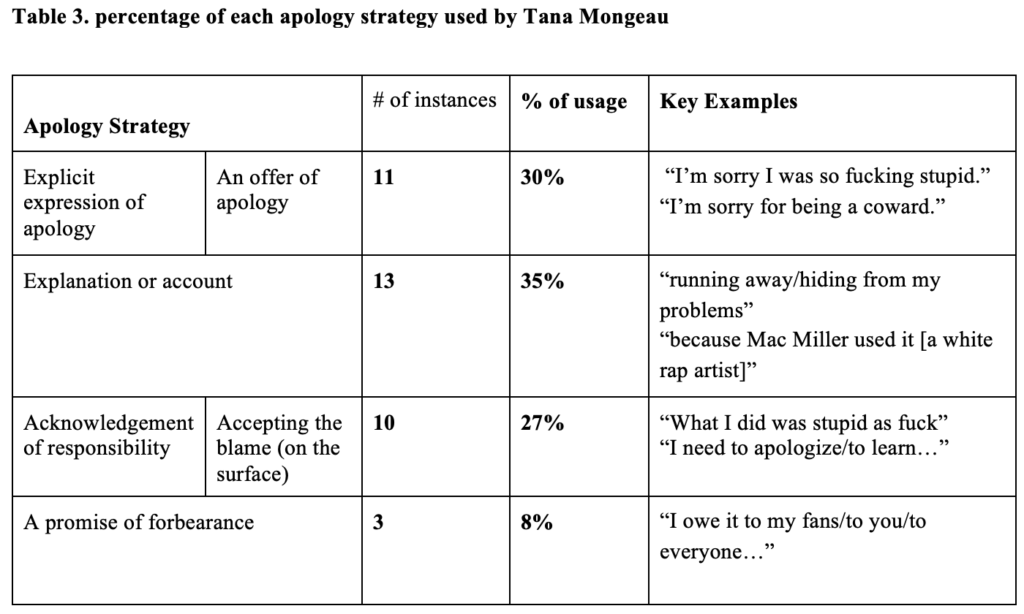
Tana Mongeau is a “storytime-centric creator. To preface this particular analysis, she was already well-known for embellishing some of her stories. It is interesting to note that her credibility was already questionable before the apology was released. This apology was in regard to her younger self using the N-word and to her reaction to another creator (iDubbbz) heavily criticizing her for this. Looking at the numerical data of her strategy usage, “explicit expression of apology” and “explanation or account” are nearly equal, with 11 times for the former and 13 times for the latter. However, 17 out of the 22 minutes in run time consisted of her explaining her logic of why she used to believe the Nword was acceptable to use and why she reacted aggressively towards iDubbbz. It was important to take into account the runtime and to consider that the number of times she used “explanation or account” alone does not fully reflect the implications of this strategy. She often repeated her explanations with slight variation in syntax but the overall lexical meaning was retained; she explained she was always “running away” or “hiding from my problems.” When there were “explicit expression of apology,” Mongeau also frequently berated her own image and character along with the explicit expression, such as “I’m sorry I was so fucking stupid.” Her apology had a significant negative reaction from her the audience, and many did not find her apology to be sincere or authentic.

A.3 Laura Lee – apology video

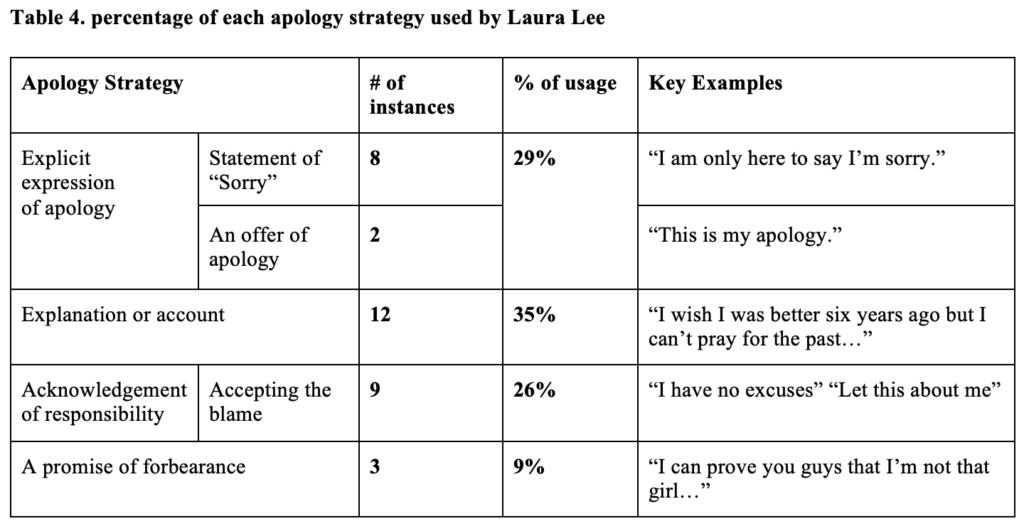
Laura Lee apologized for retweeting with racist comments in the year 2012. In her apology video, she applied explicit expression of apology 10 times, explanation or account 12 times, acknowledgement of responsibility 9 times, and a promise of forbearance 3 times. Laura used explanation or account most (p=35%) and explicit expression of apology (p=29%). Laura’s accounts or explanations were supposed to express remorse or clearly present the context of the event, but she ended up shifting blame. Laura’s strategy was to shift the responsibility to the younger her by reiterating the time when the retweet event took place was “six years ago” when she was “stupid and ignorant”. In terms of explicit expression of apology, Laura expressed her apology 10 times to different target audiences. She used “sorry” 8 times out of 10 and only said “apology” 2 times in the video which set an informal tone to her video. Overall, Laura’s apology video was like an interpersonal talk to her subscribers. Thus, even after editing, the apology video was not logical and seemed that she did not plan ahead and the use of sorry instead of a more formal term “apology” fit with this general tone.

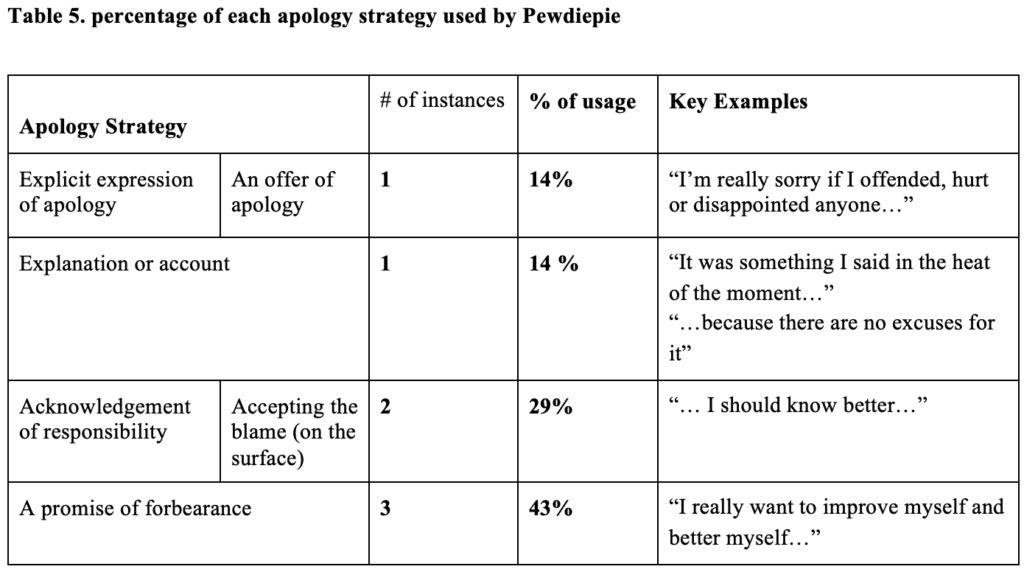
A.4. Pewdiepie – apology video

From our pool of samples, Pewdiepie (Felix Kjellberg) had the shortest video where the run time was under two minutes. He has over 100 million subscribers, and he made the apology video in order to address and apologize for his use of the N-word during a livestream. He used all strategies a total of only six times. He only explicitly apologized for hurting and offending viewers once, and his most used strategy was “promises of forbearance.” He explained he had used the slur in the heat of the moment but that it was ultimately an inexcusable action. He placed focus on his own need to be accountable for his character and what he planned to do moving forward. His video was extremely concise compared to our other samples, and viewers seemed to react positively towards his apology. In general, most viewers commented and judged that his apology was genuine. It is also interesting to note that his comment section had many users comparing aspects about his apology to other apologies, especially that of Laura Lee’s and Tana Mongeau’s.

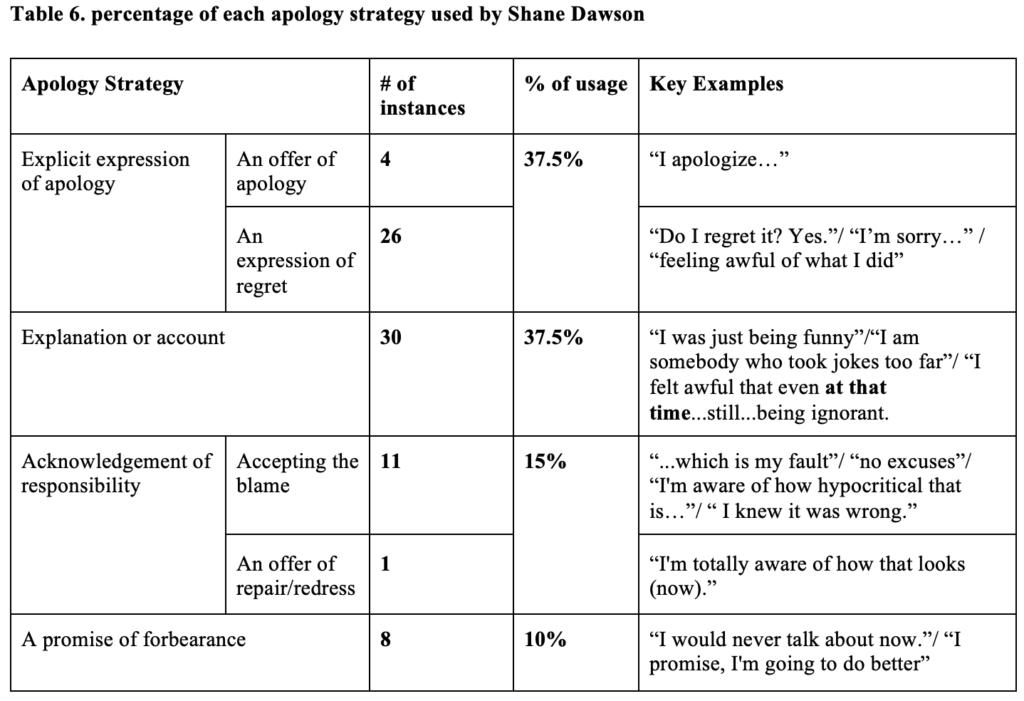
A.5. Shane Dawson – apology video

Shane Dawson made an apology video for doing blackface and saying the n-word in past racist YouTube videos. In his video, 80 instances counted as apology strategies, Shane mostly used “explicit expression of apology” (p = 37.5%) and “explanation or account” (p = 37.5%). “Acknowledge of responsibility” made up 15% of his apology, followed by 10% of “a promise of forbearance”. Specifically, the way Shane used “explicit expression of apology” mainly focused on expressing his regret (N = 26) through informal offers of apology “I’m sorry” which indicates Shane’s intention to resonate with his audiences. By repeating “I’m sorry” with the lowering of pitch, Shane reinforces his remorse and desperation. In terms of how Shane explained his wrong-doing, he frequently used –“funny” and “joke[s]” — to define his past mistakes. Moreover, he shifted to a higher pitch to imitate what the young Shane thought. However, this voice-shifting may not contribute to the apology but create the impression that Shane was trying to disassociate from the then-self and shift the blame. Shane also addressed himself from a third-person perspective, such as “I can’t even…see this white fucking guy do blackface.” The way he referred to himself may strengthen the impression that he was shifting the blame. The Youtuber did not frequently employ “acknowledgement of responsibility” and “a promise of forbearance”. Shane accepted the blame mostly and hardly offered a repair. Shane’s promises are also quite general and vague, such as his use of the demonstrative pronoun “that” in “I would never talk about that now”, which does not specify the action or mindset he would change.

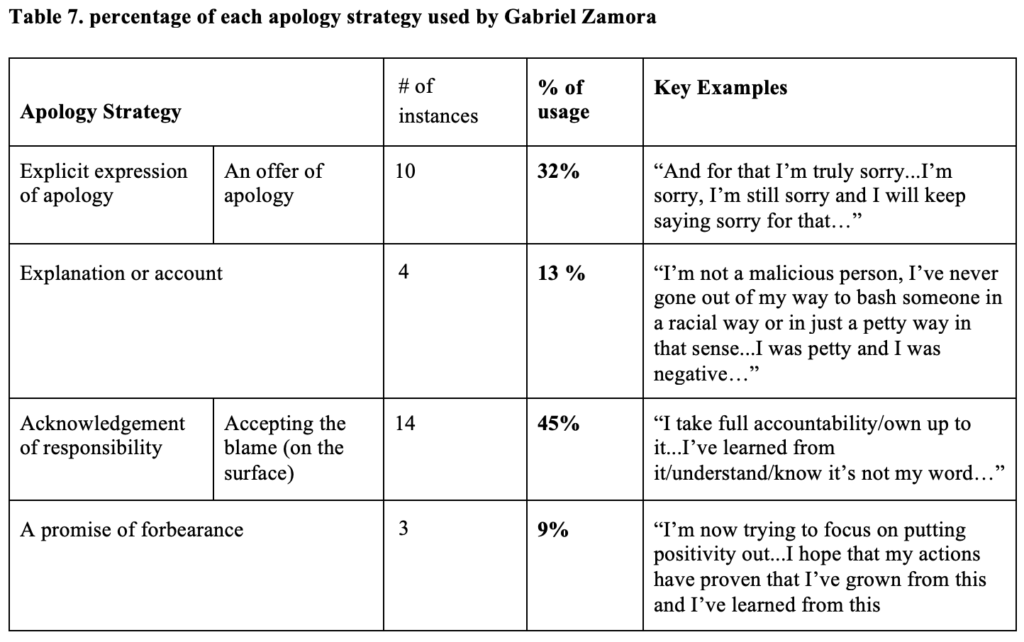
A.6. Gabriel Zamora – apology video

Gabriel Zamora, an influencer with over 800 thousand subscribers, made an apology video for racist tweets he has posted in the past. By analyzing his apology video the data set above reveals that his most used strategies were “acknowledgement of responsibility” (p = 45%) and “explicit expression of apology” (32%). That being said, conclusions could be made towards the fact that those specific strategies are what contributed to bringing a positive light to his image because he is not just ignoring what he did, rather he is owning up to his mistakes and not making any excuses for himself. He recognizes his ignorance and explicitly states taking full accountability for it repeatedly throughout his video. Interestingly, he consistently used the phrase “truly sorry” 4/7 times he used the word “sorry”…“and for that i’m truly sorry…“the fact that i wasn’t [a positive creator] im truly sorry…” I believe his way of using it allowed for a greater expression of the extent to how regretful he actually was. Gabriel occasionally combined his strategies with “explanation or account,” his third most used (p = 13%) in efforts to disclose his true intentions…“i’m not a malicious person, i’ve never gone out of my way to try to bash someone in a racial way or in just a petty way in that sense.” Lastly, Gabriels usage in “promise of forbearance,” he promises his supporters/audience that he has educated himself and continues to do so. He also takes it upon himself to spread more awareness on the history behind the n-word by linking two educational videos about it in the description of the video. Although this seemed to be his least used strategy (p = 9%), the videos he linked helped boost his reputation by showing his audience that actions speak louder than words and he is moving towards the right direction to prove his growth.

B. Gender Differences

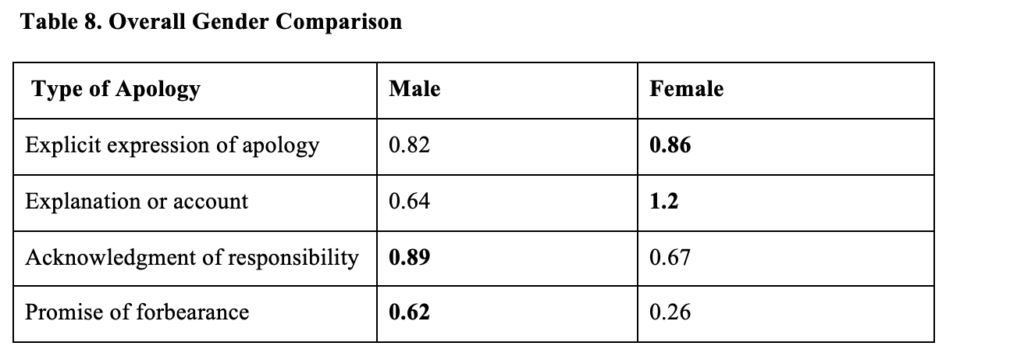
In Table 8, we calculated the ratio of each apology strategy usage by gender and came to the following realizations: 

  • The Frequency of Apologies: The result seems to buttress the theory that females were more likely to present explicit expressions of apology (Holmes,1989). However, as an evitable part of an apology video, the percentage of male and female using this approach is relatively close. From this point of view, gender seems to merely exert an influence on the linguistic differences of these stances (Stubbs, 2001).
  • Explanation or Account: Based on the data collections, females seem undoubtedly offer more verbal explanations or accounts than males. While most of the explanation or account for females is recounting the emotions, their apology video became longer and more complex. Females seem to include more verbal statements of concluding the whole controversial incident than males frequently may be less willing to use affirmative words to go over the account (Bennet, 2008). Overall, explanation or account drew huge linguistic differences between how males and females approach their apology.
  • Acknowledge of responsibility: Males present more acknowledgment of responsibility than females from the final data set. Gender differences in this stance are evident that males seem more likely to recognize their faults of actions. The mythological consideration for some females is vague. In Laura Lee’s video, she uses the denial strategies to shift the responsibility (Benoit, 2008), hence leading to an adverse audience reaction. In comparison, males seem more willing to acknowledge responsibility and re-evaluate the prior self who committed the transgression.
  • Promise of forbearance: Males perform more promise of forbearance than females. As usually the last part of an apology video, the promise of forbearance is crucial to provide the major idea of remedy to the transgression. Males seem more likely to provide corrective action and repair in the collecting data (Benoit, 2008). However, the overall proportion of promise of forbearance seems to appear identical for two genders without looking at the data of Shane Dawson who used this strategy the least. Hence a concrete conclusion is hard to draw from these 6 limited cases.

Discussion & Conclusion

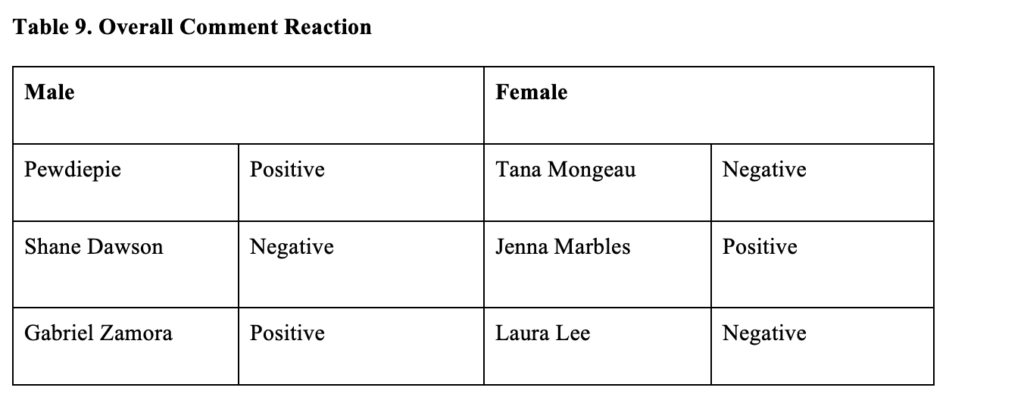
The discussion on individual differences and gender differences are presented above. This section dedicated to looking at the audience’s overall comments reaction as outlined in Table 9, only Pewdiepie, Gabriel Zamora, and Jenna Marbles received a positive response. They all have different focuses on their strategies. Pewdiepie addressed most in the promise of forbearance, Gabriel Zamora focused on Acknowledge of responsibility and Jenna Marbles spent most of her video approaching explanation and account. Which might indicate promise of forbearance, acknowledgement of responsibility and explanation and account are more effective strategies. The overall conclusion is females are more likely to approach explanation and the frequency of apologies while males approach acknowledgement of responsibility and promise of forbearance strategies. However, all these conclusions just came from the limited 6 data sets and in a broader view, after excluding the extreme cases, most of the data appear to be identical between both genders (Holmes 1989). A key implication for this research is the importance of not only considering the difference in gender while looking at the apology videos, but also by looking at the approaches taken by different people on a larger view. The analysis and data for this paper might provide a good sample for further future studies of linguistics features in gender differences and apologies approaches.

References

Benoit, W. L. (2008). Image restoration theory. The International Encyclopedia of Communication.

Bennet, S. (2008). Gender and apologies: Exploring offended females’ perceptions of apologies from males and females. https://ro.ecu.edu.au/theses_hons/127

Cheng, M. (n.d.). The Stance of Personal Public Apology. Retrieved November 17, 2020, from https://scholar.uwindsor.ca/ossaarchive/OSSA11/papersandcommentaries/96/?utm_source=scholar.uwindsor.ca%2Fossaarchive%2FOSSA11%2Fpapersandcommentaries%2F96

Gabriel Zamora. (2018, Aug. 21). My Truth. [Video]. YouTube. https://www.youtube.com/watch?v=QWnmPEHzRrk&list=PLsuhXm2zs07IwijVL8Mkm4EnPab78F7TC&index=8

Holmes, J. (1989). Sex Differences and Apologies: One Aspect of Communicative Competence1. Applied Linguistics, 10(2), 194-213. doi:10.1093/applin/10.2.194

Jenna Marbles. (2020, July 2). Jenna Marbles Apology. [Video]. YouTube. https://www.youtube.com/watch?v=679d-SQfWLk

Karlsson, G. (2020). The YouTube Apology: analysing the image repair strategies and emotional labour of saying sorry online. Retrieved 2020, from https://www.diva-portal.org/smash/get/diva2:1483089/FULLTEXT01.pdf

Laura Lee. (2018, Aug. 20). Laura Lee apology video with original captions. [Video]. YouTube. https://www.youtube.com/watch?v=NYVmWxitVSQ&t=182s

Leppänen, S., Møller, J., Nørreby, T., Stæhrc, A., & Kytölä, S. (2015). Authenticity, normativity and social media. Discourse, Context and Media, 8, p. 1-5

Maclachlan, A. (2013). Gender and Public Apology. Transitional Justice Review, 1-21. doi:10.5206/tjr.2013.1.2.6

Pewdiepie. (2017, Sep. 12). My Response. [Video]. YouTube. My Response (Pewdiepie)

Shane Dawson. (2020, June 26). Taking Accountability. [Video]. YouTube. https://www.youtube.com/watch?v=ardRp2x0D_E

Smith, N. (2008). I was wrong: The meanings of apologies. New York: Cambridge University Press.

Tana Mongeau. (2017, Feb. 17). An Apology. [Video]. YouTube. https:/ /youtu.be/Fazh9Lm1kDE

[/expander_maker]

, , , ,
Scroll to Top