Drag Queens

Unveiling Linguistic Appropriation: A Dive into Slang Usage on Twitter

Asfa Khan and Ayub Abdul-Cader

A world where words wield power and every hashtag tells a story—welcome to the exploration of slang on Twitter.
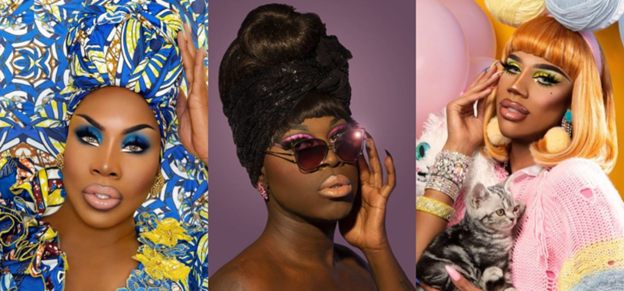
Exploring the intricate dance between language, identity, and culture, this study delves into the phenomenon of linguistic appropriation on Twitter. Focusing on the adoption of African American Vernacular English (AAVE) by non-Black individuals, particularly white working-class Twitter users, we uncover patterns that illuminate the dynamics of identity formation in digital spaces. Through analysis of tweets from Black Drag Queens and white Twitter users, we dissect linguistic elements such as phonetics, word choice, syntax, semantics, and pragmatics. Our findings reveal a nuanced picture of language use, shedding light on the motivations behind linguistic appropriation and its implications for cultural dynamics and societal norms.

[expander_maker id=”1″ more=”Read more” less=”Read less”]

Introduction

African American Vernacular English (AAVE): The Dialect We Call Our Own – Because of Them We Can

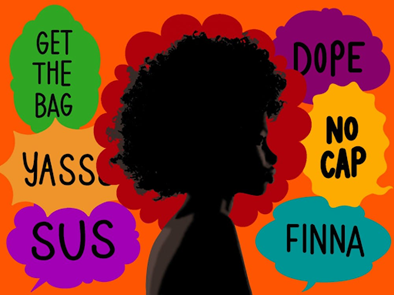
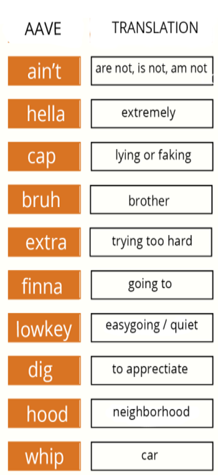
In today’s digital age, social media platforms like Twitter serve as microcosms of linguistic diversity, offering insights into how language is used and appropriated across different communities. Our study zooms in on the use of slang, particularly AAVE, among Black Drag Queens and white working-class Twitter users. The origin of these slangs has been falsified for many years, as many in the linguistic community believed working-class men were the main group who created/implemented AAVE. As seen by the UMASS research group, “early work on AAE perpetuated myths that the language variety was uniform across regions and that it was spoken primarily by working-class men, due to being conducted in inner city areas and examining a specific set of linguistic features” (Masis 2023). These myths have only further fueled the fire that is cultural appropriation, specifically in regards to AAVE slang which are primarily used and created by the Black Drag Queen Community.  By examining linguistic patterns, we aim to address the appropriation and misuse of AAVE by non-Black individuals, highlighting its impact on cultural dynamics and identity formation. This research builds upon existing literature in linguistic anthropology, which underscores the need to recognize and honor the origins of linguistic expressions while promoting mindfulness regarding their impact on marginalized communities.
Methods

We employed two primary methods for data collection: identifying key accounts and leveraging hashtags and trends related to drag culture and AAVE. By focusing on tweets from Black Drag Queens and white Twitter users, we analyzed linguistic elements such as phonetics, word choice, syntax, semantics, and pragmatics. Our analysis aimed to uncover patterns of linguistic appropriation and identity formation within digital environments.

Results

Our analysis revealed a discernible trend wherein white Twitter users demonstrate a propensity to adopt and replicate the linguistic style characteristic of Black Drag Queen Twitter users. Analyzing Tweets by white, middle-class men and Black Drag Queens helped us understand the misuses of AAVE efficiently. A white man used the words “Yo this is bussin” in a tweet and a famous phrase that originates in African communities non-individuals from communities using AAVE is cultural appropriation. Linguistic analysis allows us to understand when words are being used as cultural appropriation.

Discussion

While Black Drag Queens employ AAVE as an intrinsic component of their everyday discourse, white users often utilize it as a means to cultivate an alternative dimension of their identity primarily manifesting within the online realm of Twitter. Examples such as the use of “ass” as a postpositive particle and the alteration of “with” to “wit” exemplify this linguistic appropriation.

Bob the Drag Queen Teaches You Drag Slang | Vanity Fair

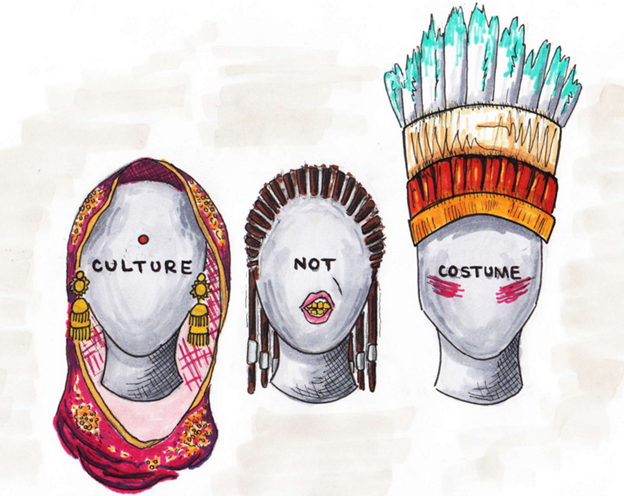
Our findings contribute to a deeper understanding of the complex interplay between language, identity, and culture in digital spaces. By uncovering patterns of linguistic appropriation, we shed light on the motivations behind the adoption of AAVE by non-Black individuals and its implications for cultural dynamics. This research underscores the need for individuals to be mindful of the impact of their language on marginalized communities and to respect cultural heritage and contributions. Furthermore, it highlights the importance of recognizing and honoring the origins of linguistic expressions while promoting inclusive and respectful communication practices.

This study draws inspiration from literature in linguistic anthropology, which emphasizes the role of language in shaping cultural dynamics and identity formation. Scholars have long discussed the appropriation and misuse of AAVE by non-Black individuals, highlighting its perpetuation of harmful stereotypes and inequalities. According to the UMASS research group, led by Tessa Masis, “Our results show that, contrary to sociolinguistic myths of uniformity, there is clear variation in AAE across both geographic and social dimensions (Masis 2023).”

 By building upon this literature, our research offers a nuanced analysis of linguistic appropriation on Twitter, providing insights into the motivations and implications of language use in digital environments. In the ever-evolving landscape of digital communication, the exploration of slang on Twitter serves as a window into the complexities of language, identity, and culture. Through our research, we invite readers to delve deeper into the nuances of linguistic appropriation, fostering a deeper understanding of the power dynamics at play in online discourse. As we navigate the digital labyrinth of Twitter, let us remain vigilant in our pursuit of inclusive and respectful communication practices, honoring the rich tapestry of linguistic diversity that defines our digital landscape.
 Conclusion

In the dynamic world of digital communication, where language shapes identities and cultures, our study serves as a springboard for future research endeavors exploring linguistic appropriation and digital discourse. Our research methodology lays a sturdy groundwork for data collection and analysis. By integrating the identification of key accounts with the exploration of relevant hashtags and trends, researchers can cast a wide net to gather a diverse dataset reflecting various linguistic communities on Twitter.  Our focus on analyzing linguistic elements such as phonetics, word choice, syntax, semantics, and pragmatics offers researchers a multifaceted lens through which to examine patterns of linguistic appropriation. Potential analysis tools such as the BERT machine learning tool, used by the UMASS research group in order to narrow down research methods.  These methods provide a more efficient way of analyzing tweets in specific, due to there being hundreds of millions of tweets throughout the history of the social media app. “Many feature-based studies of large corpora use keyword searches or regular expressions to detect features; however, keyword searches are limited by orthographic variation in tweets and regular expressions cannot be made for all features. To circumvent these obstacles, we use the BERT-based machine learning method used in Masis et al” (Masis, 2023).

 By employing similar analytical techniques, researchers can uncover subtle nuances in language use and identity formation within digital environments. This approach fosters a deeper understanding of the intricate interplay between language, culture, and identity in online spaces. Researchers can expand on this theme by exploring the implications of linguistic appropriation for marginalized communities and investigating strategies for promoting respectful and equitable language use in online spaces.

References

Ilbury, C. (2019). “Sassy Queens”: Stylistic orthographic variation in Twitter and the enregisterment of AAVE. Journal of Sociolinguistics. 24. 10.1111/josl.12366.

Magazine, Smithsonian. “The First Self-Proclaimed Drag Queen Was a Formerly Enslaved Man.” Smithsonian.Com, Smithsonian Institution, 9 June 2023, www.smithsonianmag.com/history/the-first-self-proclaimed-drag-queen-was-a-formerly-enslaved-man-180982311/.

Masis, Tessa; Eggleston, Chloe; Green, Lisa J.; Jones, Taylor; Armstrong, Meghan; and O’Connor, Brendan (2023) “Investigating Morphosyntactic Variation in African American English on Twitter,” Proceedings of the Society for Computation in Linguistics: Vol. 6, Article 41.DOI: https://doi.org/10.7275/zdg0-0914

[/expander_maker]
, , , , ,

Reading is Fundamental: The Role of Ritual Insults in Ru Paul’s Drag Race

Olivia Heiner

Insults are sometimes regarded as negative or impolite; however, they can also be a playful ritual among various communities.  Consider, for example, the exaggerated “Yo Mama” jokes told between young school children.  Such insults are entertaining, performative, and unlikely to cause much harm.

This article explores the practice of mock ritual insults in the drag queen community, where such insults are referred to as “reads”.  In particular, this study looks at conversations from episodes of Ru Paul’s Drag Race—a reality television show where drag queens compete against each other—in order to analyze the content and linguistic aspects of reads.  Like other communities who practice ritual insults, queens display wit and humor in their reads.  Unlike insults in other male communities, however, reads use drag language and focus on content that is particularly relevant to the gendered performance of drag; this includes high pitched voice, feminine pronouns and addresses, as well as insults focused on fashion, makeup, and physical characteristics.  Despite the fact that reads usually involve insults against real traits in the addressee, surrounding queens and addressees usually respond to reads in a positive manner. This demonstrates how reading is a playful practice that not only entertains queens, but also helps them build a “thicker skin” against the real, non-playful criticism that they experience as a marginalized group.

[expander_maker id=”1″ more=”Read more” less=”Read less”]

Background on Ritual Insults in the Drag Community

The drag queen community is comprised of people (mostly gay men or other members of the LGBTQ+ community) who portray an exaggerated feminine gender performance, usually on a stage.  Ritual insults are common in the drag community, so much so that they have their own name: reading.  An explanation of reading is given by Dorian Corey in a documentary film about the 1980’s drag scene, Paris is Burning (1990).  Corey describes reading as “the real art form of insult”, which often involves finding a flaw in someone and exaggerating it in a way that makes people laugh. 

The witty and clever nature of reads in the drag community is similar to ritual insult practices in other communities, such as games of “the dozens” in black communities or “Yo Mama” jokes told amongst school children (Abrahams, 1962; Eckert & McConnel-Ginnet, 2013).  The differences, however, are what give us insights into the distinctive characteristics of drag culture.  One difference is the truthful nature of reads in drag, which contrasts ritual insults in other communities that are usually not grounded in facts.  The truthfulness of reads is important, because it functions as a way to build thicker skin against non-playful verbal attacks from the straight community (McKinnon, 2017).  In terms of linguistic delivery, drag queen language often involves a blend of African American language, female language, gay men’s English, and Southern U.S. English (Bruun 2018).  This distinguishes reads from insults in other male communities, which typically involve hetero-masculine language and content.  This article provides a discussion of how these distinctive elements of drag insults are used in Ru Paul’s Drag Race.

Methods

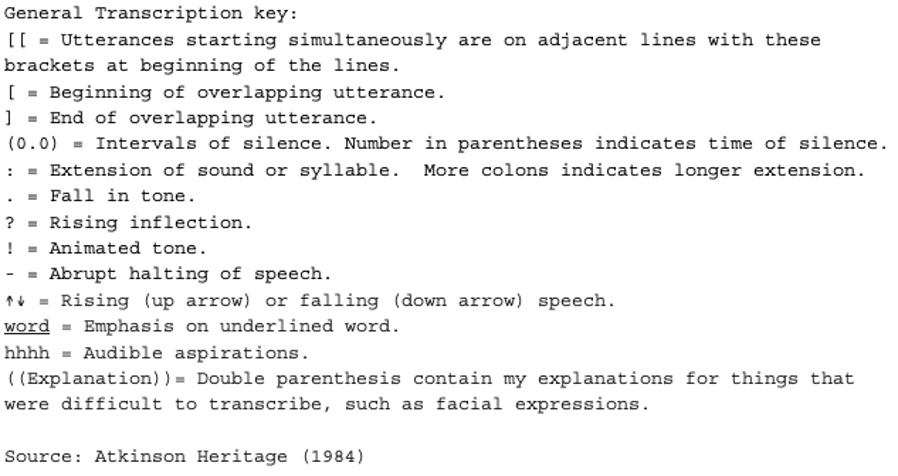
While studying reads in Ru Paul’s Drag Race, I gathered data from various settings in the show, such as challenges, runway events, and conversations in the work room.  The biggest source of reads in the show was in the Reading Challenge, where each queen is given the floor (one at a time) to read the other queens.  The queen with the “best” reads wins the challenge (usually the queen whose reads receives the most laughter).  While watching the reading challenge, I took note of the subject of each read, such as fashion or physical traits, and any relevant linguistic content, such as wordplay and gendered pronouns.  I also categorized each read as unsuccessful or successful, where a successful read was one that elicited a positive response, such as audible laughter, from a majority of the present queens;  unsuccessful reads were those that are met with negative or quiet responses. The transcript notation used for data collection is given at the end of the article.

Results and Analysis

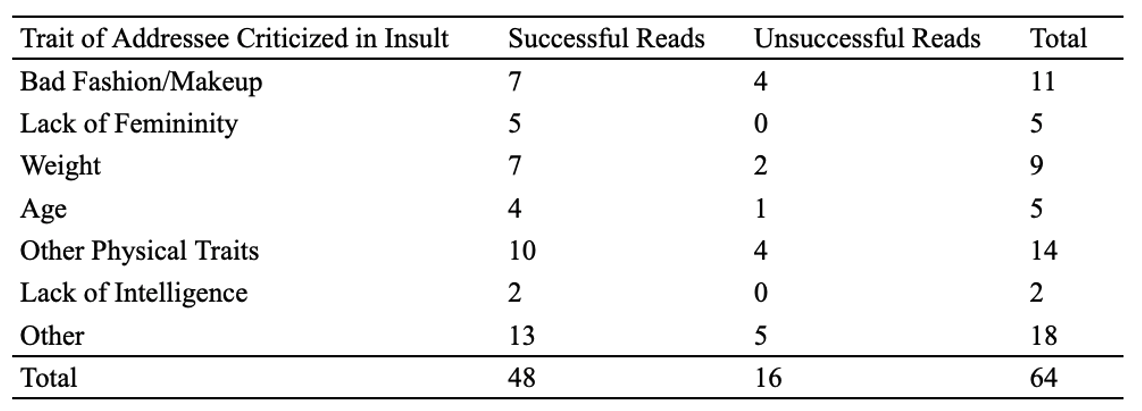
The content of reads varied, but they mostly revolved around performative aspects of femininity.  Table 1 tallies the number of reads in various categories, as well as the number of successful/unsuccessful reads in each category.

Table 1: Number of Successful and Unsuccessful Reads by Category of Insult. “Other Physical Traits” refers to physical traits not included in the first four listed categories. The last category labelled “Other” refers to insults that were either uninterpretable or that required contextual knowledge the author was unaware of.

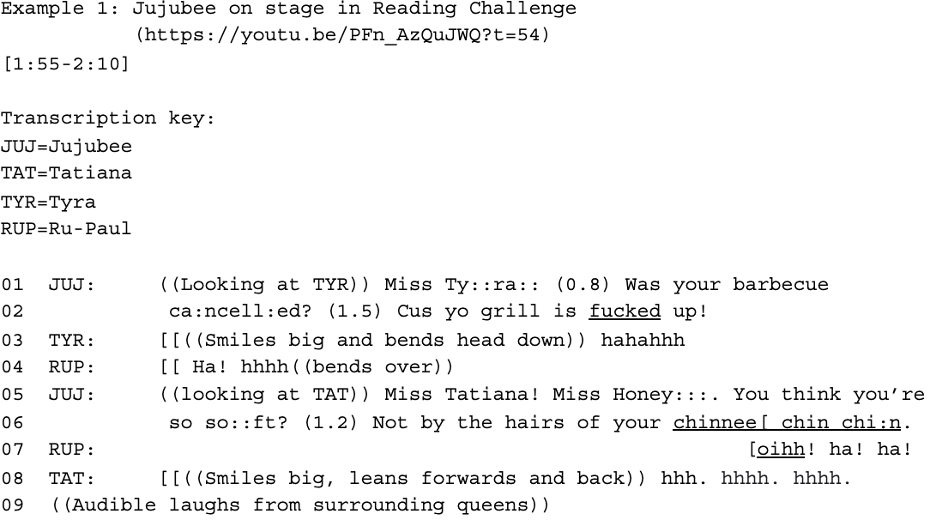
A representative example of a successful reading is Jujubee’s reads of Tyra and Tatiana in one of the Reading Challenges:

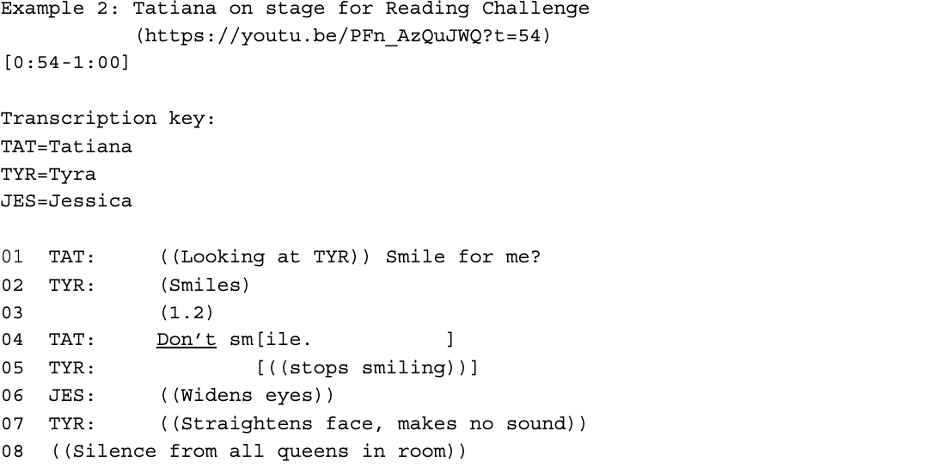
The laughs and smiles from the other queens in response to Jujubee’s reads indicate how successful her reads were.  They involved cleverness, feminine addresses (Miss Honey), and attacked physical traits and lack of femininity in the addressees.  The topic of reads, however, isn’t always enough to make a successful read.  Consider Tatiana’s read of Tyra’s teeth:

In this example, the topic of Tatiana’s read is the same as Jujubee’s read of Tyra; they both criticize Tyra’s teeth.  However, Tatiana’s read fell flat and was categorized as unsuccessful.  Why was it unsuccessful? While Jujubee’s read was performative, exaggerated, and clever, Tatiana’s read was short, involved no wordplay, and lacked the “drag language” that was present in Jujubee’s insults.  Thus, the linguistic delivery of reads is just as important as the subject of reads in determining a read’s success.

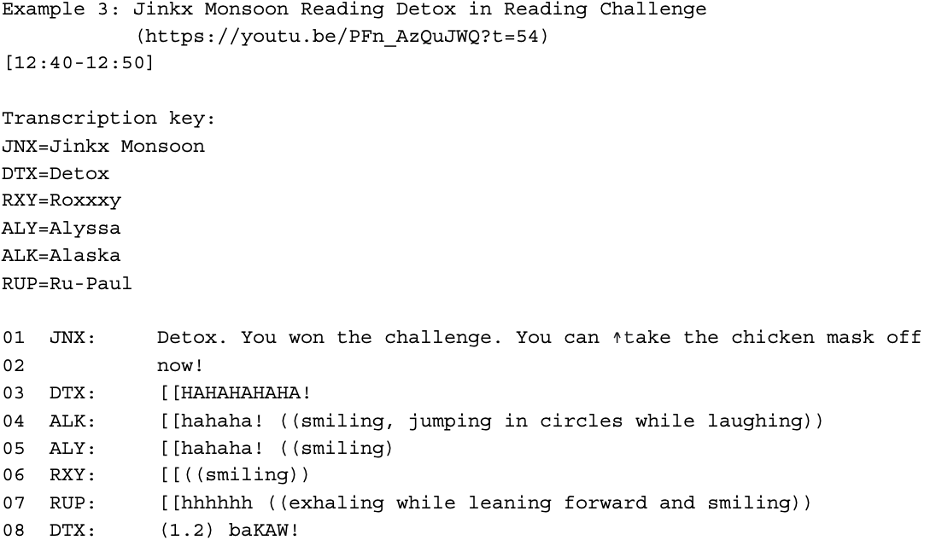
While Tatiana and Jujubee’s examples show the two extremes of unsuccessful and successful reads, it should be noted that a majority of reads were successful.  Most successful reads involved laughter not just from surrounding queens, but also from the queen being insulted.  This held true even when reads contained personal insults that the most people might be self-conscious of, such as being overweight or having unattractive facial features.  One example of this is Detox’s response when being read by Jinkx Monsoon:

In this example, Jinkx was insulting Detox’s real face, comparing it to a chicken.  Instead of showing offense from Jinkx’s comment, however, Detox laughed loudly with the other queens and even joined in on the joke by responding with a chicken sound (line 08).  This highlights the playful nature of reading, even when it involves personal insults directed at real traits in the addressee.

Discussion and Conclusion

From this collected data, it is clear that ritual mock insults have a distinctive form in the drag community.  The reliance on humor and wit is similar to other communities who practice ritual insults; the other linguistic aspects and topics of reads, however, reflect ways in which the drag community is unique from other primarily male communities.  What counts as a valid insult in any community reveals what is relevant to that community, and the reads in this article showed how portraying stereotypically feminine traits and minimizing masculine presentation is important to drag queens.  Reads revealed femininity through the subjects they focused on (fashion, makeup, physical traits) and through an exaggerated use of feminine language (high pitch voice, feminine pronouns).  In terms of how reads are perceived, most received positive responses from surrounding queens and from the addressee being insulted, even when they focused on actual flaws in the addressee.  Reads are a playful part of drag, and being able to both successfully deliver and gracefully accept insults in the form of reading is vital to thriving as a drag queen.


Further Reading and Watching

If you are interested in learning about or watching ritual insults in other communities and in drag, the following resources are useful:

Dozens is Oral Legacy Rooted in Survival

Drag Race Reading Challenge Compilation

Dorian Corey Explains Reading in Paris is Burning

Ru Paul’s Drag Race: Guide to Giving Shade


Transcript Notation


References

Abrahams, R. (1962). Playing the dozens. ​The Journal of American Folklore,​ ​75(​ 297), 209-220. doi:10.2307/537723.

Atkinson, & Heritage. (1984). Transcription  Notation.

Bruun, M. (2018). “As We’ve Seen in This Season, Anything Can Happen, So Don’t Fuck It Up” – Impoliteness in Rupaul’s Drag Race Season 9. ​University of Eastern Finland Philosophical Faculty, School of Humanities, Foreign Languages and Translation Studies.​

Drag Race: All Stars. Season 2​ [Television series]. (2016). LOGO.

Eckert, P., & McConnell-Ginet, S. (2003). ​Language and gender​. Cambridge: Cambridge University Press.

Every Reading Challenge (Compilation Part 1) The Library is Open RuPaul’s Drag Race.​ (2018, December 15). [Video]. YouTube. https://www.youtube.com/watch?v=PFn_AzQuJWQ

Labov, William. (2009). Rules for ritual insults. doi:10.1007/978-1-349-92299-4_42.

Livingston, J. (1990). Paris Is Burning. Off White Productions Inc.

McKinnon, S. (2017). Building a thick skin for each other. Journal of Language and Sexuality 6:1, 90–127. doi:10.1075/jls.6.1.04mck.

Simmons, N. (2014). Speaking Like a Queen in RuPaul’s Drag Race: Towards a Speech Code of American Drag Queens. Sexuality & Culture, 18(3), 630–648. https://doi.org/10.1007/s12119-013-9213-2

Taylor, V., & Rupp, L. (2004). Chicks with Dicks, Men in Dresses. Journal of Homosexuality, 46:3-4, 113-133. doi: 10.1300/J082v46n03_07


[/expander_maker]

, , ,
Scroll to Top