Sociolinguistics

A Talk About “The Talk”

Tess Ebrami-Homayun, Saba Kalepari, Hannah Pezeschki, Shaina Tavari

One in five parents reports that they will never have a conversation regarding sex education with their children. The avoidance and uncomfortable nature of this conversation led us to explore the differences in communicative patterns between mothers and fathers to find what gives this conversation these attributes. To conduct our research as UCLA undergraduate students, we analyzed various media portrayals coming from advertisements, movies, and TV shows. We looked at how often euphemisms and communication aspects occur. In our research, we were able to find distinct patterns in every “talk,” such as low tones/long pauses, similar settings, conversation ending on a ‘high,’ indirectness/vague word choice, awkwardness/shame, and lack of eye contact. By bringing attention to these patterns, we can provide parents with a better understanding of how to communicate sexual health concerns to their children.

[expander_maker id=”1″ more=”Read more” less=”Read less”]

Introduction and Background

“The talk” refers to the first and awkward time when a parent(s) explicitly discusses sex and sexual health with their children, often showing typology themes of awkwardness and seriousness that are attributed to “the talk.” This conversation has an uncomfortable and awkward connotation attached to it, leading us to want to explore the linguistic and communicative patterns that collectively work together to give “the talk” this connotation (Ashcraft, 2017). In our study, we found a difference in the way parents speak to their children about sexual health depending on the child’s gender. This TED talk highlights the importance of having “the talk” to combat the negative association with the subject of sex (Talking dirty: De-stigmatising conversations on sex | Kate Dawson | TEDxGalway). Our target population is various types of media portrayals within the last 20 years of “the talk” between parents and children between the ages of 13-20. Our study attempted to answer the research question of how different communication aspects between mothers and fathers culminate in the shameful nature of “the talk.” We predicted that our research would show different communicative patterns between mothers and fathers (Grossman, 2022). Furthermore, we discovered common communicative patterns in “the talk” between mothers and fathers, such as low tones/long pauses, similar settings, resolution, awkward body language, and indirectness, including vague word choice.

Methods

The methodological design we used to collect data for our research on “the talk” was looking at available digital media examples depicting “the talk” between a parent and their child, specifically scenes from TV shows, YouTube videos, or ads using stereotypical patterns associated with “the talk.” Every member of the group had a similar idea of what to look out for in the data samples: awkwardness, similar settings, conversations about sex specifically and not puberty, long pauses, lack of eye contact, indirectness or vague word choice, and a resolution at the end of the conversation. We collected seven media portrayals from advertisements and scenes from movies and TV shows, to see how often euphemisms and communication aspects occur.

Results and Analysis

From our data results, we discovered that “mothers display similar levels of concern toward sons and daughters” about “the talk,” while fathers exclusively spoke to their sons about the talk (Butler, 2008). These results reflect similar gender stereotypes regarding the mother’s and father’s roles in the household, where the father is the ‘breadwinner,’ and the mother is the ‘homemaker’ (Robles, 2017). Mothers are often expected to take on extra household tasks, including having “the talk,” without any additional credit. Contrastingly, fathers simply have to go to work to provide income for the household, receiving praise for being the ‘king of the house.’

Notably, our results should not be taken as true results of an experiment since we did not conduct inferential statistics. In the 7 data samples we coded, the results showed low tones/long pauses, similar settings, conversation ending on a ‘high’, indirectness/vague word choice, awkwardness/shame, and lack of eye contact.

Low tones and long pauses

Low tones and long pauses were specifically prevalent in the mothers giving “the talk,” while fathers were more abrupt and aggressive in their tone of voice. This difference can show the natural softness present in mothers as opposed to fathers generally being more abrasive in their speech (Darling & Hicks, 1982). For example, in the TV show Young Sheldon, the father is giving “the talk” to his son, but his tone of voice suggests his disinterest (Figure 1):

“I’m just gonna grab a beer.”- Dad

“Has he had the talk yet?”- Grandma asked Sheldon’s Father

“Cmon’ Connie”- Dad rolling his eyes at the grandmother

“You’re probably not going to [have sex]”- Dad to his son Sheldon

In Young Sheldon, the father is seen completely brushing off the conversation and discouraging his son from having “the talk.” In contrast, what we found in the mothers in our data sample; for example, in Big Mouth, frequently talk in a low tone to support their daughter, who claimed to have had a bad sex experience and no longer wants to have sex. The mothers in our data were much more willing to have “the talk,” using softer tones to suggest supportiveness and understanding of the uncomfortable conversation.

Figure 1- Young Sheldon getting “the talk” from his father: His father does not have a low tone here.

Settings

There were also similar settings in all the data samples; nearly every scene was on a bed or couch, with the parent and child sitting on opposite ends. The lighting in our data was mostly dim, probably to depict a sense of uncomfortableness for the subjects in the data. The settings were consistent between mothers and fathers when having “the talk” with their children. For example, in Sex Education, Otis is having “the talk” with his mother in their living room on the couch (Figure 2):

“Do you want to talk about it?- Mom

*Otis in silence*

“I want you to know you can talk to me about anything. This is a safe place”- Mom

“This is not a safe place mom, you need to stop analyzing everything I do”- Otis as he storms out of the room

The mother was supportive in this conversation, while Otis was wildly uncomfortable. Part of this could be from the setting of the room, which was dimly lit, and because they are sitting on the couch trying to keep a distance between themselves. If the lighting is dim, the person is likely to feel uncomfortable (Michigan State University, 2018).

Figure 2- Sex Education characters having “the talk” on a couch: Otis and his mother are seen awkwardly sitting on the couch, and the room has dim lighting.

Ending on a ‘high’

In our data samples, “the talk” always ended on a ‘high’; there was always a resolution by the end. For example, in the Amazon ad (Figure 3) we sampled, the conversation between the mother and her daughter went like:

“I’m glad we had this talk”- Mom

“Me too”- Daughter

While the conversation is happening, the parents and the child are uncomfortable. However, by the end of “the talk,” there is some sort of resolution to end the conversation and address that the conversation was necessary.

Figure 3- Mother and Daughter in the Amazon Ad getting “the talk”: The mother and daughter are about to hug in this image after “the talk”, showing resolution.

Indirectness and Vague Word Choice

There was also indirectness and vague word choice in all of our data samples. Patterns associated with indirectness included avoiding the word “sex” explicitly and the general topic of sex in the conversation. For example, in our Bridgerton sample, Lady Bridgerton ends the conversation when her daughter asks about sex. (Figure 4):

 “How does a lady come to be with child?” – Eloise to her Mother

“What Eloise?”- Mother

“I thought a lady had to be married.”- Eloise

“Eloise that is more than enough!”- Mother

*Eloise’s brothers enter the conversation*

“Don’t look at me”- Brothers

“I do hope the two of you [the brothers] are not encouraging improper topics of   conversation”- Mother to Brothers sitting with Eloise

“Not at all Mother”- Brothers

In this conversation analysis the mother shuts down the conversation by avoiding using the word “sex,” and by deeming the conversation in general as ‘unladylike.’ Eloise did not even know what ‘sex’ was, as she thought it was a product of marriage.

Figure 4: Bridgerton Mother and Daughter having “the talk”: When approached with a question related to sex, Lady Bridgerton abruptly shuts down the conversation in efforts to avoid the topic.

Awkwardness and Shame

Awkwardness and shame are heavily associated with “the talk” from our gatherings. We found that themes of awkwardness and shame are present in all seven data samples. One example is from That 70’s Show, where we see the father on numerous occasions responding in an abrupt tone to demonstrate his strict attitude against sex to his son (Figure 5):

“Let’s talk about birth control” – Kitty Forman to her son

“Birth control? Don’t do it. That’s your birth control” – Red Forman responding to Kitty Forman to his son

“Did you know Lori is flunking out of college?” – Eric Forman asking both parents

“Don’t change the subject. You got strange thought in your little head mister and that Don is a nice girl” – Red Forman told his son in response

“Red, you’re giving him the wrong idea about sex. It’s not dirty-” – Kitty Forman in response to Red

“But it’s not clean either” – Red Forman’s response

The father was frequently stern in his approach to clearly show his son that sex is a ‘dirty’ activity he should not partake in. When it came to his son, he was quick to highlight all the reasons he should not do it because it’s shameful. The father inflicts shame on his son for even mentioning sex, while the mother tries to alleviate that shame by deeming “sex” as “not dirty.” Both parents should make their children feel comfortable and build up their self-esteem with “the talk” to normalize it (Keeton, 2019).

Figure 5- That 70s Show: In this scene, Red Forman engages in the conversation, attaching a shameful connotation to sex, while Lori expresses support and speaks more relaxed.

Eye Contact

Lastly, we noticed a lack of eye contact during “the talk” until the resolution occurred at the end. Lack of eye contact may be associated with the awkwardness of “the talk,” where neither the parent nor child wants to be there having the conversation. Avoiding eye contact can be a way that humans try to avoid the conversation as a whole (Parvez, 2023). This can be seen in our data sample from Friday Night Lights, where the mother is having “the talk” with her daughter. (Figure 6):

“What about Birth control?”- Mother

“Mom, I don’t want to talk about it.”- Daughter

“That’s the conversation.”- Mother

“Yes, we’re using birth control”- Daughter

In the beginning parts of the conversation, the daughter visibly looks uncomfortable. Not only does her body posture suggest it, but also the lack of eye contact while talking about contraceptive use. This suggests that the mother and daughter are uncomfortable with this topic (Mullis, 2020). While the conversation is obviously awkward between the mother and daughter, the mother still has a low tone of voice while trying to be supportive of the daughter’s decision to start having sex.

Figure 6- Friday Night Lights Mother and Daughter having “the talk”: They are avoiding eye contact while talking about safe sex.

Based on our 7 data samples and the above-mentioned communicative patterns relevant to “the talk” when analyzing the data, we see the gendered differences between mothers and fathers during “the talk.” Figure 8 provides a bar chart depicting how often each communicative pattern in “the talk” that we mention appears with each parent.

Discussion and Conclusions

Having identified the communicative patterns culminating in the uncomfortable nature of this conversation, parents can approach this situation differently in efforts to create a more welcoming and comfortable environment for them and their child. The samples show common themes within “the talk” in regard to communicative patterns between mothers and fathers. While our data samples supported our predictions, it is important to note that we did not conduct a true experiment or present inferential statistics. Any quotes we used to back up our results are only with the assumption that if we properly conducted an experiment, our results would be generalized to the public, however, we cannot because these are not true scientific results.

A parent’s word choice and level of directness regarding sexual health have the potential to impact their body confidence and safety (Ashcraft, 2017). The data collected shows that by changing or eliminating said behaviors, like maintaining eye contact and avoiding long pauses, parents can work towards fostering a welcoming environment when having this conversation with their children. In our attempt to examine the ways the media portrays “the talk,” we wanted to see how mothers and fathers approach the conversation, and whether it differs when talking to their sons or daughters. While “the talk” is naturally uncomfortable, it is inevitable, so children can have an honest education on sex. Hence, the importance of demonstrating the ways different approaches may foster either a successful or unsuccessful educational experience between a parent and child. By considering the various familial dynamics during “the talk” that could create an awkward and uncomfortable atmosphere, we may emphasize effective tools to help improve the overall outcome of the conversation and strengthen family communication.
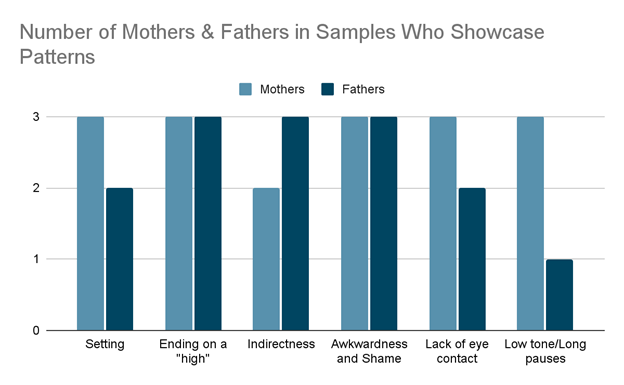
Figure 7- Chart showing the difference in the mother and father’s communicative patterns  (0= it did not appear with that parent in the sample
1= barely present in the sample
2= moderately present in the sample
3= highly present in the sample)

References

Amazon (2022). “Amazon TV Spot, ‘Savings Talk’.” Amazon. https://www.ispot.tv/ad/bvmb/amazon-savings-talk

Ashcraft, Amie M, and Pamela J Murray. “Talking to Parents About Adolescent Sexuality.” Pediatric clinics of North America vol. 64,2 (2017): 305-320. doi:10.1016/j.pcl.2016.11.002

Butler, R., and Shalit-Naggar, R., (2008). “Gender and Patterns of Concerned Responsiveness in Representations of the Mother-Daughter and Mother-Son Relationship.” JSTOR, https://www.jstor.org/stable/27563524, pp. 836-851.

Darling, C. A., & Hicks, M. W. (1982). Parental influence on adolescent sexuality: Implications for parents as educators. Journal of Youth and Adolescence, 11(3), 231–245. https://doi.org/10.1007/bf01537469

Grossman, J. M., Richer, A. M., Hernandez, B. F., & Markham, C. M. (2022). Moving from Needs Assessment to Intervention: Fathers’ Perspectives on Their Needs and Support for Talk with Teens about Sex. International journal of environmental research and public health, 19(6), 3315. https://doi.org/10.3390/ijerph19063315

Herron, K. (2019). Sex Education. Eleven Company, Retrieved from Season 1 Episode 1 on Netflix.

Keeton, G. (2019). Home – focus on the family. The Talk. Retrieved February 16, 2023, from https://www.focusonthefamily.com/wp-content/uploads/2019/08/The-Talk.pdf

Michigan State University. (2018). Does dim light make us dumber?. ScienceDaily. Retrieved March 22, 2023 from www.sciencedaily.com/releases/2018/02/180205134251.htm

Mullis, M. D., Kastrinos, A., Wollney, E., Taylor, G., & Bylund, C. L. (2020). International barriers to parent-child communication about sexual and reproductive health topics: a qualitative systematic review. Sex Education, 21(4), 387–403. https://doi.org/10.1080/14681811.2020.1807316

Parvez, H. (2023). Avoiding Eye Contact in Body Language (10 Reasons). Psych Mechanics. https://www.psychmechanics.com/avoiding-eye-contact/

Robles, J., and Kurylo, A. (2017). “Let’s Have the Men Clean up’: Interpersonally Communicated Stereotypes as a Resource for Resisting Gender-Role Prescribed Activities.” JSTOR, https://www.jstor.org/stable/26378342, pp. 673-693.

YouTube. (2021, November 5). Big mouth: The sex talk. YouTube. Retrieved March 23, 2023, from https://www.youtube.com/watch?v=Es2DyU755GQ

YouTube. (2020, December 28). Bridgerton – how does a lady come to be with a child. YouTube. Retrieved March 23, 2023, from https://www.youtube.com/watch?v=vQyrXWOEzjw

YouTube. (2020, June 19). Georgie getting the talk #youngsheldon. YouTube. Retrieved March 23, 2023, from https://www.youtube.com/watch?v=UoBbDkBiep0

YouTube. (2012, December 17). Red Forman and kitty about sex. YouTube. Retrieved March 23, 2023, from https://www.youtube.com/watch?v=9DumgFFVPQs

YouTube. (2022, May 2). Tami and Julie have the sex talk | friday night lights. YouTube. Retrieved March 23, 2023, from https://www.youtube.com/watch?v=cFtexFWJ0HQ

 [/expander_maker]
 

, , , ,

Parent & Child Communication Dynamics in Heritage Language Speakers

Jessica Nepomnyshy, Andrew Gerbs, Christabel Odoi

Language is often considered a window into a culture, but what happens when that window starts to close? In many families, heritage language communication can be a complex and nuanced issue, especially when it comes to older and younger siblings. While the older generation may have grown up speaking the language fluently, their younger siblings may struggle to maintain their proficiency. Data was collected and analyzed, showing the trend that older siblings were more proficient than their younger siblings when communicating with their parents in their heritage language. This correlates with our background research which discusses sibling language proficiency and code-switching within bilingual families. We explore the communicative differences between parents and their children, and how confidence when speaking, code-switching, and understanding of the heritage language all play small roles in the relationship children have with their parents. Our main findings indicated that the younger siblings had less proficiency and that parents were more likely to support heritage language use with their older child, which could create a closer relationship between them.

[expander_maker id=”1″ more=”Read more” less=”Read less”]

Introduction and Background

A few questions we aimed to understand were: When examining heritage language communication between a parent and their second-generation children, is one sibling more proficient than the other when corresponding with the parent? Are communication dynamics and abilities differing between siblings, and? How is the confidence and language style of one sibling different from the other sibling when in communication with the parent? We hypothesized that if the older sibling is more proficient in the heritage language than the younger sibling, then the parent often will encourage the less proficient sibling to communicate more in the heritage language as one may avoid using the language due to difficulty.

Siblings play an important role in shaping the overall language environment within immigrant families, and their language choices influence the family language policy. Older siblings often act as language experts and help younger siblings develop their language skills (Kheirkhah & Cekaite, 2017). However, younger siblings may find it easier to use English over their heritage language, leading to more code-switching, which is defined as the alternation between two or more languages in the context of a conversation or situation.

Heritage language ties how siblings communicate with their parents as data has shown that bilingual Chinese language speakers strived to maintain their language due to their parents’ wish for them to know Chinese strongly. Language is the factor that facilitates communication between family, siblings, and spouses (Budiyana, 2017). Heritage language is important as it strengthens and reinforces bonds with the heritage community and leads to greater overall connectedness with family and friends who also speak the language (Vallance 2015).

Methods

We explored data from five bilingual families: one parent and two children with varying proficiencies in a heritage language. All participants signed a consent agreement (parents signed for their adolescent children under 18) and completed a survey that functioned both as a pre-selection tool and a way to gather relevant socio-demographic info, where asked age of all participants, all languages spoken, and amount of years the language has been spoken. Names and any identifiable information were removed to maintain participants’ anonymity.

Parents were asked to sit down with each sibling and audio-record a conversation in the heritage language to the best of their abilities, asking for up to ten minutes of audio recording. The parent was asked to maintain the flow of the conversation by asking follow-up questions when their child responded to the question posed to observe a more natural conversation. We tasked each parent and sibling to answer three conversational questions: “Tell me about your favorite part of your day today,” “Let’s discuss a movie TV show that you recently watched that you enjoyed,” and “What is your favorite thing to do on the weekend?” By gathering audio recordings, we were able to notice differences between the pairs of siblings in comparing the number of times each sibling code-switched, their confidence levels, and whether a sibling self-corrected or if a parent was inclined to correct their child when errors were made. Through observing these three key features in heritage language-speaking siblings and their conversations with a parent, we can better understand the role language holds in maintaining a relationship between siblings and parents.

Results and Analysis

From our five sets of participants, one parent and two siblings per set, we transcribed, counted, and observed the frequency of each sibling’s code-switching from their heritage language to English. From this data, we counted the number of code-switches that younger siblings produced and calculated that on average they would switch to English twelve times in ten minutes, which is around 83% of the time. When the same method was used to count and calculate for the older siblings, we concluded that they code-switched on average seven times within their ten-minute conversations, equaling 70% of the time.

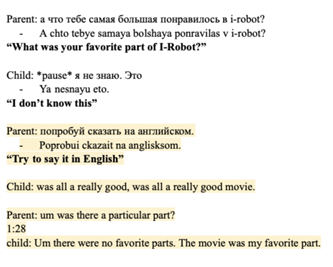
Through observing code-switching patterns, we noticed that parents were more likely to correct their older children when they made errors or code-switched from their heritage language to English. When it came to younger siblings, parents were more lenient in allowing their children to continue speaking in English as shown in an example in Figure 1.

Figure 1- Conversation between parent and younger child- parent allows for English language use

The younger sibling in this example is asked by the parent to respond in Russian, and when the sibling responds in English, the parent continues to follow up in the non-heritage language. One can also observe that earlier in the transcript the younger sibling can say that they don’t know how to say something using their heritage language, right before code-switching to English. The younger sibling also seems to avoid giving many details when speaking, as they are less confident in using the heritage language throughout their speech. One can observe this when the sibling uses a filler word before reiterating the same two responses to their parent.

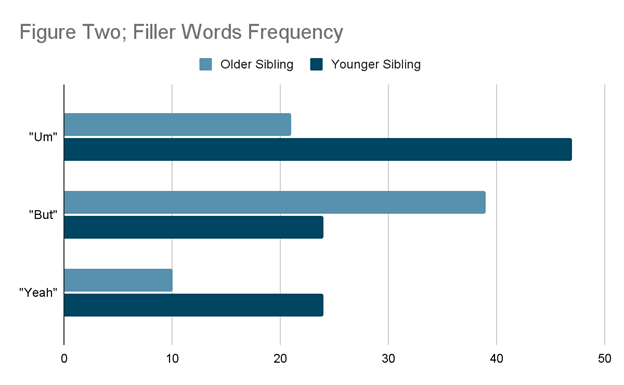
We observed noticeable differences in confidence levels between siblings when conversing with parents in the audio recording. Siblings used filler words like, “um” “but” and “yeah” which indicated how sure one was when answering a question. This analysis revealed that higher usage of filler words showed that a sibling was less confident in using their heritage language when answering questions. We counted the number of filler words used throughout all interviews and showed them in Figure 2.

Figure 2- Amount of times siblings use filler words in speech

This data was collected to validate our results as we compared the number of filler words used to the level of confidence siblings showed in their language use. “Um” was used significantly more than “But” and “Yeah” as it was used as a break when one was thinking of more dialogue. “But” was used significantly more by the older sibling and was observed to occur before or after they code-switched to transition back to the other language. “Yeah” was used less often, but was an indicator used when one was finishing a train of thought. Many siblings had limited vocabulary when speaking, so it was imperative to our study to track the number of filler words.

Discussion and Conclusions

Researching heritage language maintenance within families opens one’s eyes to the efforts parents make to preserve and pass on their language to their children. Many aspects play into siblings’ understanding, communication, and confidence when using a heritage language, and we as researchers were able to uncover differences between how older and younger siblings communicate with their parents. The hypothesis we explored was that older siblings are more proficient in the heritage language as compared to the younger siblings, and because of this, the parents would encourage the less proficient sibling to communicate more in the heritage language as a way to improve their language skills. After observing a variety of communication aspects between siblings and parents, we were able to conclude that our hypothesis was partially true. We found that out of all our sibling pairs, every younger sibling was less proficient in speaking their heritage language, as they code-switched more often and exhibited less confidence through using filler words, in comparison to the older siblings who demonstrated a stronger grasp of the language. As researchers, we hypothesized that the less proficient sibling, within our data being the younger one, would be more likely to get corrected by their parents when making grammatical mistakes, or code-switching, but we were wrong. It was more likely that a parent would correct the older sibling’s heritage language use and allow the younger and less proficient sibling to speak English. We can consider the idea that parents are more likely to correct their older children as a way to preserve and maintain their proficiency, knowing that the younger sibling holds less strength in the language.

If we had more time to further this study, we would most likely broaden the number of subjects we had, provide deeper questions, and use surveys to gauge more attitudes on language use, and the impact it has on parent and child relationships. A few limitations that we did not consider were whether the genders of siblings played a role in their proficiency, if parents being immigrants played a role in proficiency, and whether the age at which the language was learned played a factor in subject experiences. We were able to conclude that older siblings were much more likely to be the stronger speakers when it came to using the heritage language, in comparison to their younger siblings. Unfortunately, we could not fully determine if parents had a closer bond with the more proficient children, but we can assume that they can connect more through bilingual communication.

References

Altman, C., Burstein Feldman, Z., Yitzhaki, D., Armon Lotem, S., & Walters, J. (2013). Family language policies, reported language use and proficiency in Russian – Hebrew bilingual children in Israel. Journal of Multilingual and Multicultural Development, 35(3), 216-234. doi:10.1080/01434632.2013.852561

Budiyana, Y. E. (2017). Students’ parents’ attitudes toward Chinese heritage language maintenance. Theory and Practice in Language Studies, 7(3), 195. doi:10.17507/tpls.0703.05

Kheirkhah, M., & Cekaite, A. (2017). Siblings as language socialization agents in bilingual families. International Multilingual Research Journal, 12(4), 255-272. doi:10.1080/19313152.2016.1273738

Nitta, F. (1996). Socialization of “International children”. Kazoku Syakaigaku Kenkyu, 8(8). doi:10.4234/jjoffamilysociology.8.97

SORENSON DUNCAN, T., & PARADIS, J. (2020). Home language environment and children’s second language acquisition: The special status of input from older siblings. Journal of Child Language, 47(5), 982-1005. doi:10.1017/s0305000919000977

Vallance, A. (2015, 12 21). The Importance of Maintaining a Heritage Language while Acquiring the Host Language. https://digitalcommons.wayne.edu/cgi/viewcontent.cgi?article=1021&context=honorstheses#:~:text=Maintaining%20the%20heritage%20language%20strengthens,who%20also%20speak%20the%20language

 [/expander_maker]
, , , , ,

Body Language and Technology: AI Expressing Human Emotional Body Language

Kissan Desai, Elizabeth Reza, Aaron Zarrabi

Within today’s society artificial intelligence has reached levels that were once deemed unimaginable, from simple computer programming to being able to perform tasks such as mimicking human emotional body language. However, the question at hand around artificial intelligence is: to what extent can artificial intelligence “accurately” express human EBL? We answered this question through our own research on UCLA undergraduate juniors and seniors. We first asked participants to fill out a survey to gather their demographic information, followed by a zoom interview for the experimental portion. Each participant was displayed with twelve images (6 AI and 6 humans) depicting EBL. Through our examinations, we discovered that AI does have the ability to accurately mimic specific human bodily emotions; however, humans are better able to identify emotions when expressed by other humans rather than by AI. We discovered that when it came to ethnicity, culture, and gender, participants had split opinions on its effect on their overall responses, as only some believed it played a role in their ability to correctly identify the EBL of humans and AI. Our research can help technology continue to evolve, possibly to a point where society can no longer distinguish the differences between AI and humans.

[expander_maker id=”1″ more=”Read more” less=”Read less”]

Figure 1: The Dangers of Misinterpreting Body Language! (A scene in which nonverbal communication is completely misinterpreted, showing the consequences of the inability to understand.)

Introduction and Background

In order to communicate with others, humans utilize modes of both verbal and nonverbal communication. One mode of nonverbal communication is the use of emotional body language (EBL). In our research, we defined EBL as physical behaviors, mannerisms, and facial expressions–whether purposeful or subconscious–that are perceived and treated as meaningful gestures relaying emotional significance to the onlooker (de Gelder, 2006). The progressive development of artificial intelligence allows AI to mimic human behaviors (Embgen et al., 2012), as well as assess human individuals’ communication, including EBL, as seen in use of AI in job interviews (Nordmark, 2020). These combined factors lead us to question, to what extent can current AI “accurately” express human EBL?

Our target population for this research was college students, as they may potentially work alongside AI in their future workplaces. Our sample population was made up of UCLA juniors and seniors. The “accuracy” of AI’s EBL was based on the ability of our participants to identify AI expressing the emotions of anger, disgust, fear, happiness, sadness, and surprise, as compared to their ability to identify the same EBL expressed by humans. Through our research, we aimed to answer the question: To what extent can university students understand the emotions expressed by artificial intelligence through its utilization of EBL to communicate nonverbally?

We hypothesized that our participants would be able to identify AI EBL, though not as well as they would be able to identify human EBL. An additional caveat to our hypothesis was our belief that differences in EBL interpretations between our participants would be due to cultural differences harbored by our participants, as that would be a main difference between them, given they would all be around the same age range and go to the same school.

Through our project, we aimed to analyze the differences in individuals’ interpretation of human and AI EBL to hopefully make correlations between how different groups interpret certain gestures, or if there is some universal EBL. To expand upon that, we were curious if AI would be able to capture EBL that is naturally seen in humans (Hertfordshire, 2012). We finally understand the importance of different cultural norms regarding the body and as such, were attentive to this fact when asking others to study EBL, not only viewing the “multimodality in human interactions,” but also understanding the effects different cultures have through the lens of both technology and traditions colliding with one another (Macfayden, 2023).

Methods

Our experiment utilized both qualitative research as well as thematic analysis, as we looked for common themes within human-to-human and human-to-technology interaction. As seen through previous experiments, such as Stephanie Embgen’s (Embgen et al., 2012), we understand that humans do have the capability of identifying emotions through AI EBL. Through our experiment, we surveyed and interviewed 14 UCLA juniors and seniors.

Each participant was asked to fill out a Google form, providing information on their demographic information.

Figure 2: Link to Google Form filled out by participants

https://docs.google.com/forms/d/e/1FAIpQLSf01ZG57zuMVyc99y3Ew1HtaRvEIxOj8lXhSUCt 7u4VdX-xhg/viewform?vc=0&c=0&w=1&flr=0

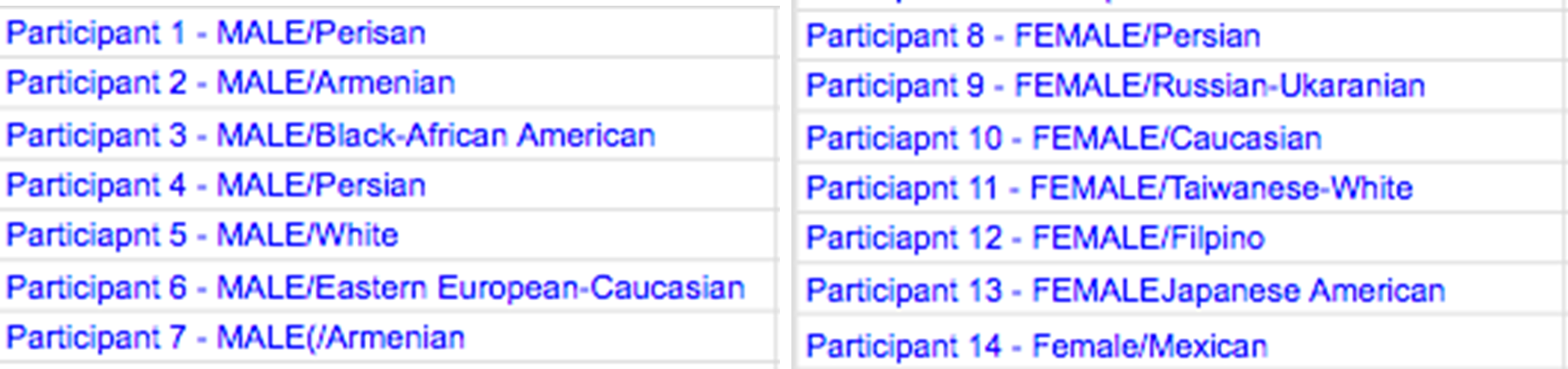
Figure 3: Participants – Gender and Culture/Ethnicity (Left column contains 7 male participants and their respective ethnic/racial identities. Right column contains 7 female participants and their respective ethnic/racial identities.)

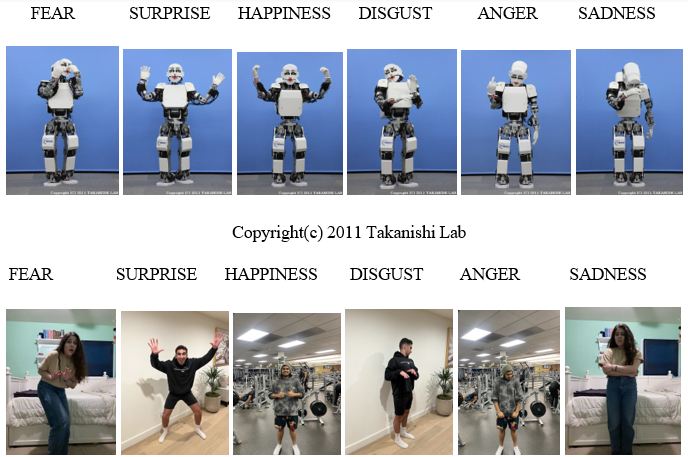
After the survey, we met with our participants via Zoom for an interview. Through the interview, our camera and audio were off while the participants’ were on. This precaution was in order to avoid any possible biases due to participants seeing our own body language or tonal changes in voice. We presented the participants with two sets of six images containing the emotions of anger, disgust, fear, happiness, sadness, and surprise. The images were sorted randomly, alternating between human and AI. The human images were created by us while the AI images were of Kobian, a robot created in the Japanese University of Waseda which is able to display numerous human emotions (Takanishi Laboratory, 2015).

Figure 4: Emotional Sequences (The images on top are of the Kobian robot expressing human emotional body language. On the bottom are humans expressing human emotional body language.)

After each image, our participants would identify the emotion, elaborating on why they chose that emotion, how they would express that emotion themselves, and then were informed which emotion was shown. At the end of the interview, we asked our participants whether they felt there were any discrepancies in their results due to their culture, ethnicity, or gender, something examined in the work of Miramar Damanhouri who asserts that the utilization of body language and other forms of non-verbal communication can lead to misinterpretation as different cultures/ethnicities have different rules and verbal cues (2018).

Figure 5: Link to Examine Interview Powerpoint and Process

https://docs.google.com/presentation/d/1ocxmTIu7mlOzKg7Y7jGVJn5i3BOIRVXSQpSu7iSWZ xQ/edit?usp=sharing

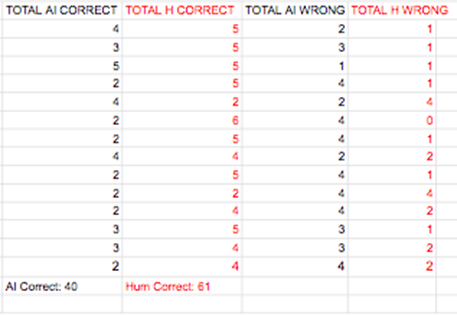
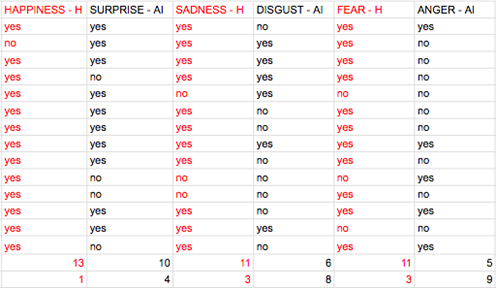
Figure 6: Results – Total AI Correct (Black) vs. Total Human Correct (Red) (Each row shows the results for a single participant and the total AI/Human images they identified correctly/incorrectly. At the bottom it’s shown that the cumulative number of correctly identified AI images were 40 for all the participants, while the cumulative number of correctly identified human images was 61 for all the participants.)

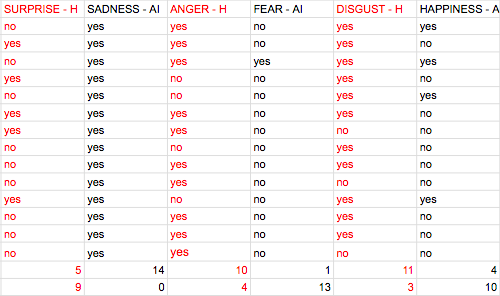
Through our results, we noticed which emotions participants had an ease or difficulty identifying. Participants had difficulties identifying the emotional expressions of Happiness (only 4 correct), Fear (only 1 correct), and Anger (only 5 correct) when expressed by AI. On the other hand, 14 participants were able to correctly identify Happiness and 10 were able to correctly identify Surprise when examining AI. When examining human EBL, participants had difficulty identifying surprise (5 correct) and had ease identifying happiness (13 correct), sadness (11 correct), disgust (11 correct), and anger (10 correct). As a whole though, participants took more time to identify AI EBL, even those they got correct, over human EBL, some of which they identified instantly.

Figure 7: Results Per Emotion (red is human; black is AI) (Table containing the results for each participant identifying the EBL displayed by both AI and humans, AI in black and human in red. A “yes” means it was correctly identified, while a “no” means it was not correctly identified.)

We hypothesized that differences in EBL interpretations would be, in part, due to the cultural, ethnic, and gender differences harbored by our participants. When examining our participants, we discovered that many felt that their ethnicity, gender, or culture hadn’t played a part in their responses, with 6 expressing that it had, 2 expressing maybe, and 7 expressing no. For example, one of our participants explained how the individuals within their respective culture don’t show much emotion, they are very straight faced, and this affected their responses.

Overall, our results showed that humans are able to identify human emotions better than AI; however, it’s important to note that within the experiment, humans were able to identify certain AI emotions over their human counterparts, showing that there is at least some level of shared understanding between humans and AI; this is something that society continues to advance in an attempt to mimic human emotions.

Figure 8: Link to Results https://docs.google.com/spreadsheets/d/1TuvKT66sn2laSej50YjwplEUTSAX-DYyMMHUxYrV DMA/edit?usp=sharing

Discussion and Conclusions

In conversations with our participants, we found there were certain human tendencies in EBL that our participants found lacking in the AI representations, such as the lack of smile lines around eyes or flushed cheeks, both of which participants found to be an integral part of EBL that they use to identify certain emotions. These characteristics were ones that AI was unable to mimic in the images we used. We also found discrepancies in how our participants viewed EBL based on how they personally expressed the emotion. These included difficulty identifying the human “surprise” example and difficulty identifying the AI “fear” example. A question we would ask the participants is if they felt that they display the emotion in the same way as the image, and when shown images that they had difficulty identifying, a majority shared that they did not express the emotion in the same way. A factor that may have contributed to these difficulties is the fact that the human images were made by us, as the researchers, based on our own individual perceptions of the EBL. Not all EBL is universal, and so differences in this vein could have affected those answers. In addition, the split results in regard to how much our participants’ race, ethnicity, and gender affected how accurately they were able to identify the EBL displayed was too close to formally draw any conclusions from, and so our hypothesis that the discrepancies between their responses and the correct answers would be due to these factors cannot at this time be proven or disproven. Further research is needed to analyze that question more thoroughly.

Overall, these findings can help to fine tune AI imitations of body language as AI continues to develop, as it has not quite mastered human EBL yet. Our findings also emphasize the way both differences and uniformity in expressing oneself through body language work to create meaning through gestures that can be understood (or misunderstood) by others that express themselves in similar/different ways.

References

Damanhouri, M. (2018). The advantages and disadvantages of body language in Intercultural communication. Khazar Journal of Humanities And Social Sciences, 21(1), 68–82. https://doi.org/10.5782/2223-2621.2018.21.1.68

de Gelder, Beatrice. “Towards the Neurobiology of Emotional Body Language.” Nature Reviews Neuroscience, vol. 7, no. 3, Mar. 2006, pp. 242–49. www.nature.com, https://doi.org/10.1038/nrn1872.

Embgen, S., Luber, M., Becker-Asano, C., Ragni, M., Evers, V., & Arras, K. O. (2012). Robot-Specific Social Cues in Emotional Body Language. 2012 IEEE RO-MAN: The 21st IEEE International Symposium On Robot and Human Interactive Communication, 1019–1025. https://doi.org/10.1109/ROMAN.2012.6343883.

Hertfordshire, A. B. U. of, Beck, A., Hertfordshire, U. of, Portsmouth, B. S. U. of, Stevens, B., Portsmouth, U. of, Kim A. Bard University of Portsmouth, Bard, K. A., Hertfordshire, L.U. of, Cañamero, L., & Metrics, O. M. V. A. (2012, March 1). Emotional body language displayed by artificial agents. ACM Transactions on Interactive Intelligent Systems. Retrieved January 27, 2023, from https://dl.acm.org/doi/abs/10.1145/2133366.2133368

Macfayden, Leah, Virtual ethnicity: The new digitization of place, body, language, and … (n.d.). Retrieved January 27, 2023, from https://open.library.ubc.ca/media/download/pdf/52387/1.0058425/

Nordmark, V. (2020, March 16). What are ai interviews? Hubert. https://www.hubert.ai/insights/what-are-ai-interviews#%3A~%3Atext%3DAI%20assessment%20filters%20the%20applications%2Cof%20behavior%20and%20team%20fit 

Takanishi Laboratory. (2015, June 24). Emotion Expression Biped Humanoid Robot KOBIAN-RIII. Takanishi.mech.waseda.ac.jp. Retrieved February 21, 2023, from http://www.takanishi.mech.waseda.ac.jp/top/research/kobian/KOBIAN-R/index.htm

YouTube. (2015, November 5). Nonverbal communication- gestures. YouTube. Retrieved February 14, 2023, from https://www.youtube.com/watch?v=0cIo0PkBs2c

 [/expander_maker]
, , ,

The Curse of Online Miscommunication

Christie Nguyen, Taymor Flower, Tatiana Paredes, Risa Nagase

With the burgeoning of technology, communication has drastically changed and shifted to texting on electronic devices. Unparalleled to this, conversations have become much more accessible, and texting has revolutionized the way we interact with one another, but at what cost? The purpose of this study was to determine the factors that lead to miscommunication in the digital world. The methodology used was survey research, in which the data collected were through questionnaires that were administered to participants individually. The participants were of the ages 18 to 22, undergraduate students at UCLA, and in a romantic, heterosexual relationship. The participants were asked a series of questions about whether or not there is miscommunication online between them and their partners. If so, they were asked to submit a screenshot demonstrating miscommunication or explain their interaction. Overall, the findings from the survey indicate that miscommunication online occurs frequently as a result of a lack of social cues, including tone, emotion, body gestures, and facial expressions. Many couples had issues with mistaking texts as a joke, missing a joke, not understanding sarcasm, not understanding passive aggressiveness, and mistaking blunt responses as rude.

[expander_maker id=”1″ more=”Read more” less=”Read less”]

Introduction and Background

With the prevalence of technology in today’s society, texting has become the most prominent form of communication. Texting is convenient and easily accessible, as it does not require all participants to be active at the same time, unlike conversing in-person or over the phone. By 2010, worldwide, there were five billion mobile connections, and it was estimated that on average, Americans sent 50 to 110 texts per day (Hall & Baym, 2011). However, the biggest issue texting entails is miscommunication, which is a result of indirectness, a lack of non-verbal cues, and a lack of impersonal connection. In computer-mediated communication, such as texting, many may use emojis to communicate, as it helps depict facial expressions and display emotions and gestures. Though, there may be incongruencies between the receiver and the sender, as the perceived meaning of the emoji may not be the intended meaning (Yang, 2019). Using emojis and texting cannot precisely convey emotions, body language, intonation, gestures, and all other cues that would be present in-person communication. For our study, we distributed surveys to individuals that are in relationships and communicate online to gauge the efficacy of communication via texting. If the participant agreed that texting results in miscommunication, we asked them to provide screenshots to corroborate our thesis. We hypothesize visual cues (e.g. facial expressions, eye contact, gestures, tone of voice) have fundamental communicative functions, and the absence of them when communicating online leads to miscommunication.

Methods

In order to conduct this study, we asked a series of questions that contextualized respondents’ opinions on, and style of, online communication; then, we asked respondents to either send in screenshots or a written account of a miscommunication with their partner. Our target audience was 18-22-year-old UCLA students in heterosexual relationships; in order to collect samples, we sent out surveys to people who we knew to be in active relationships. There were 11 survey questions in short answer format. Some of the questions that were more important in the analysis of our data were:

  • Gender identification (Male, Female, other).
  • In general, do you find it easier to communicate online or in person?
  • Why do you prefer in person/online communication more?
  • Do you feel like you can tell others what you want to say properly online? How about in person?
  • Do you feel more understood when communicating in person or online?
  • Do you find that your partner communicates in a different way than you do online?
  • Can you provide screenshots of a conversation with your partner that resulted in miscommunication? (For example: something over text that resulted in a miscommunication/argument, sarcasm that was misunderstood, misinterpreting tone, etc. No need to share anything too personal, just any type of miscommunication over text!)
  • If you can’t find any screenshots, can you provide a written account with examples of a miscommunication with your partner that occurred online?
  • How was this miscommunication resolved?

The segments of the survey we analyzed more closely were the responses related to conflict resolution in online communication. The questions relating to respondents’ perspective of online communication helped to contextualize their miscommunications with their partners; offering possible explanations to why the miscommunication happened in the first place and how dissonance in communication is resolved   The screenshots and accounts that respondents provided were the most pertinent to our analysis because they helped to emphasize the importance of body language and visual cues in communication within relationships.

Results

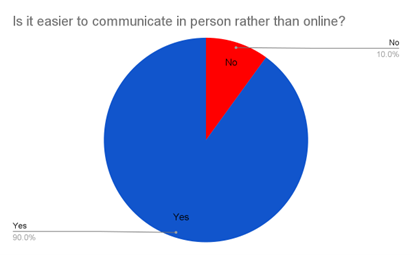
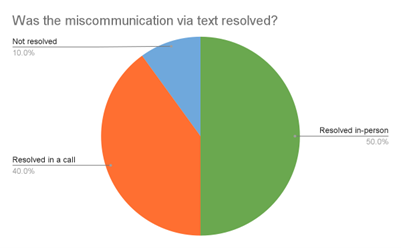
As it turns out, the results of the study indicated that a lot of miscommunication does occur when using online mediums rather than being in-person. We surveyed 20 people and when assessing our data, it revealed that 100% of our participants felt like they were more understood in person rather than online, 90% of which felt that it was easier to communicate in person as well (Figure 1). This is to say that the preferred medium to communicate is simply face-to-face. Some of our participants explicitly stated that being in person allowed for the analysis of body language, facial expressions, and tone of voice – something that texting lacks. When speaking about their interactions with their partners online, the fact that certain jokes or sarcasm would fly over their heads was common. One participant mentioned that even the tone of voice would have been enough for their partner to understand their sarcasm – something that texting did not offer. Another common occurrence was that emotions were not easily read and did not get the point across. 50% of participants then followed up and said that the miscommunication was resolved in person and 40% said that even a call afterward was helpful in getting their message across more correctly after it was not received as intended (Figure 2). When asked about if it may have been different if they would’ve talked in person rather than online, they all agreed that it would have. They reiterated that the cues that were missing from in person communication made it more difficult to understand each other.

Despite the uses of emojis, slang abbreviations, or punctuation, there still runs the risk of someone interpreting the message in an entirely different way than intended.

Figure 1: Is it easier to communicate in person rather than online?
Blue: Yes
Red: No
Figure 2: Was the miscommunication via text resolved?
Green: Yes, resolved in-person
Orange: Yes, resolved in a call
Blue: Not resolved

Similarly, because all they could see were words on a screen, participants mentioned that texting did not have the range to truly express their emotions as they felt that a lot of context would be left out and they felt the need to shorten their messages – texting did not prove to be as fluid as face-to-face conversation could have been. This is all to say that online communication feels more impersonal and cryptic than in person communication does and that ultimately leads to issues between the two parties.

In our survey, we had asked participants to provide screenshots of miscommunication, if possible, and to explain what was miscommunicated, why, and how it was miscommunicated.

Figure 3: Misinterpreting Emoji and Conversation

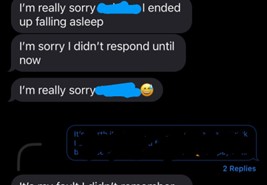
In Figure 3, our participant explained that she thought her partner was ignoring her, but he had just fallen asleep. They had arranged plans together, and when he fell asleep, it completely ruined her plans because they misunderstood each other over text. Moreover, our participant explained that she was frustrated at this moment, and even more aggravated when he sent the emoji (smiley face with water drop) because she thought he was laughing and ridiculing the situation. They had called over the phone to resolve the issue, and it was more clearly understood by both parties about their intentions. It was also explained by her partner that the emoji was used to indicate nervousness, and he sent a smiling emoji to make light of the situation. This snapshot demonstrates how the use of emojis may be perceived differently, and that texting leads to miscommunication.

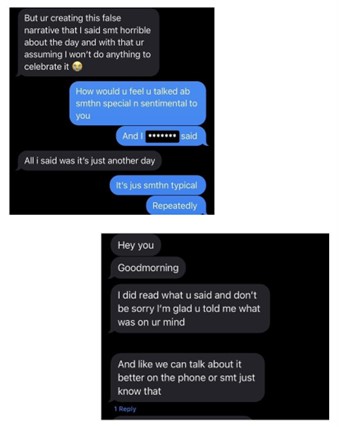
Moreover, in Figure 4, our participant had misinterpreted what their partner said and mistook it for ill intent, which led to an extremely heated argument.  The following day, their partner had suggested calling to understand each other better and to clear up any misinterpretations. This reveals how without seeing a person face-to-face and hearing their tone, it is difficult to understand their intent.

Figure 4: Misunderstanding Text and Arguing

Lastly, in Figure 5, our participant includes a screenshot of his partner quickly getting aggressive with him over text. He had made a joke to her, without much indication over text that it was a joke, and that had triggered her to react angrily. With the lack of intonation, gestures, and facial expression, it is difficult to understand sarcasm over text, especially when both partners do not have the same texting styles.

Figure 5: Missing Jokes

Discussion and Conclusions

Our research has found that online communication is not as an effective medium of communication than in-person communication. The lack of non-verbal signifiers that give more depth and nuance to creating meaning are important for clear comprehension between two parties; tone of voice, inflection, facial expressions, and body language are integral to completely understanding an individual  Online communication gives society the ability to communicate with each other anywhere/anytime easily and efficiently, and still holds significant merit. The use of emojis has been understood to enhance messaging and allow more expression and personality through texts, by emphasizing certain emotions and giving more context to a written message via text. An insightful TedxTalk by Anna Lomanowska, a PhD Assistant Professor in the Department of Psychology, analyzes the challenges of communication online, and how the utilization of emojis is ineffective and leads to miscommunication. Although emojis have been very useful in capturing some nuances of people’s online messages, there is still a disconnect in comparison to in-person communication; Lomanowska cites a University of Minnesota study, which found that people disagree around 25% of the time about the meaning of emoticons and their emotional valence, giving more room to misunderstanding. 

There is a richness and depth to non-verbal communication that is impossible to recreate or replicate in text message scenarios. Communication with a romantic partner is something that is a cornerstone to a healthy relationship; disagreements and misunderstandings over text happen because there is a lack of emotional nuance and emotion, both of which are important elements in a romantic relationship that is emotionally charged and driven. Non-verbal communication signifiers can include: facial expressions, posture, gestures, eye contact, touch, space, and voice (Segal et al., n.d.). All of these elements contribute to roles of communication that can only be understood in the context of in-person interaction. Non-verbal forms of communication work to complement verbal messages, accent emotion or importance of verbal messages, substitute for verbal messages, repeat verbal messages, and even convey contradiction (where an individual says something about their body language does not match the verbal messaging) (Segal et al., n.d.).

This study emphasizes the importance of emotional nuances advanced by nonverbal cues that is lacking in online communication. This study is useful to contextualize the nature of misunderstandings that happen online and provide information to people in relationships, either romantic or platonic, on the benefits and drawbacks of meaningful conversation via text and online mediums.

References

Hall, J. A., & Baym, N. K. (2011). Calling and texting (too much): Mobile maintenance expectations, (over)dependence, entrapment, and friendship satisfaction. New Media & Society, 14(2), 316-331. https://doi.org/10.1177/1461444811415047

Segal, J., Smith, M., Robinson, L., & Boose, G. (n.d.). Nonverbal Communication and Body Language. HelpGuide.org. Retrieved March 23, 2023, from https://www.helpguide.org/articles/relationshipscommunication/Nonverbalcommunication.htm

TEDxTalks. (2019, July 10). Why Emojis Don’t Say Enough | Anna Lomanowska | TEDxUofT [Video]. YouTube. https://www.youtube.com/watch?v=1LZH_-g9FXQ&ab_channel=TEDxTalks

Yang, Y. (2019). Are you emoji savvy? Exploring nonverbal communication through emojis. Communication Teacher, 34(1), 2-7. https://doi.org/10.1080/17404622.2019.1593472

 [/expander_maker]
, , ,

Breaking the Code: Understanding the Dynamics of Gendered Communication through Report Talk and Rapport Talk

Xiaotong Xi, Jullie Gu, Yaruo Tang, Scarlet Gu

This research explores Tannen’s original idea of report and rapport talk on gendered communication under a more modern context by investigating the conversational styles of college students aged 18-25. While previous research conducted by Tannen mainly utilized qualitative observational case studies, this research gathered quantitative data on gendered patterns in a conversational style by conducting surveys on 72 participants and 3 observational studies with detailed conversational data recorded. The research findings from both categories indicate that women’s conversational styles approach rapport talk more frequently by communicating with a tentative communication style and empathetic tone and topics surrounding personal experience. On the other hand, men approach report talk by using an assertive communication style, with conversation topics surrounding their own expertise and factual information.

[expander_maker id=”1″ more=”Read more” less=”Read less”]

Introduction and Background

People grew up with the expectation to adhere to different socially constructed labels. Men and women grew up under different expected gender roles, thus developing different gender-based cultures. This research explores the variations in communication styles fostered by the different cultures between men and women. In the book “You Just Don’t Understand,” Tannen explored the phenomenon that women intend to pursue intimate connections while men intend to build status in communication, which is further referred to as rapport vs. report talk (Tannen, 2007). To be more precise, our research defines rapport talk as a conversational style with features including a tentative communication style, topics surrounding personal feelings, and an empathetic tone; and report talk as a communication style of assertive tone, nonverbal cues to assert dominance, and topics surrounding personal expertise and factual information.

Elaborating on Tannen’s previous qualitative approach, our research aims to explore gendered patterns of gendered communication under modern contexts through quantitative methods, targeting the research population as college students aged 18-25. To quantify the data, this research collected survey responses and conversational elements from observations, categorized them as either rapport or report talk features, and compared the frequency of these features that appear in the communications for both genders.

To investigate the research question, “To what extent do women pursue intimate connections within communications regarding friendship while men pursue status?” We surveyed 72 effective participants on communication style and content-related questions. The survey supplemented observations on three conversations between friend groups and gathered quantitative data. Based on the research data, men perform report talk that establishes status more frequently, while women are more inclined to use rapport talk that builds intimate connections.

Methodology

The research first conducted surveys to gather data from 100 college students aged 18-25. The survey consists of 16 questions to examine cross and same-gendered communications, including analyzing patterns of frequency, length, and responses to specific scenarios, categorizing answers based on the rapport and report talk elements, and recording the frequency they occurred (Martin Terre Blanche et al., 2006).

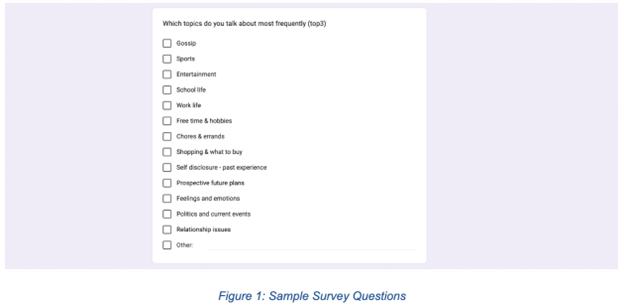
Figure 1: Sample Survey Questions

The research also conducted three real-life observations to analyze the gendered pattern in conversation under more natural and authentic contexts. Conversations were recorded but presented with made-up names. Participants were selected from survey respondents. Conversations were coded with different elements that fall into rapport or report talk category.

Analysis – Survey

Due to the small sample size and potential diversity of non-binary gender, our research focused on the population who identifies as male (48%) or female (52%). 72 out of 100 were considered effective data, excluding participants outside the age range (18-25) and non-binary gender (Reiter, 2017).

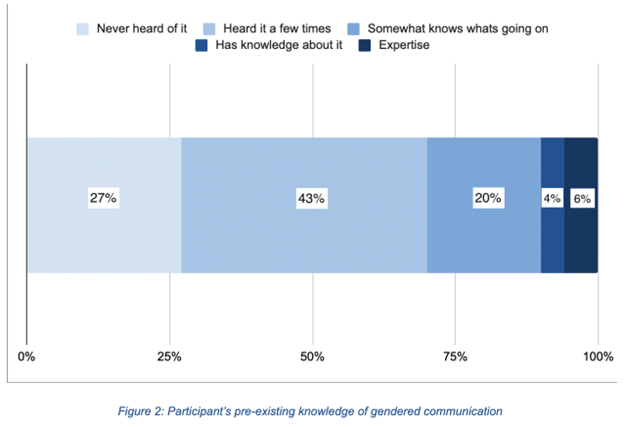
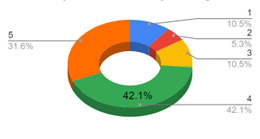
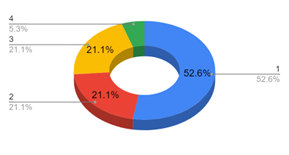
Figure 2: Participant’s pre-existing knowledge of gendered communication

As shown in figure 2, over 80% of participants had little to no knowledge about gendered communication, reducing the barrier of choosing the most appropriate answers; however, gendered communication patterns are never new, as shown in figure 3, female and male had completely different reactions towards Rachel and Ross sharing their kiss from the beloved show Friends (Crane, 1995).

Figure 3: Screenshot from “Friends” (S2, E08)

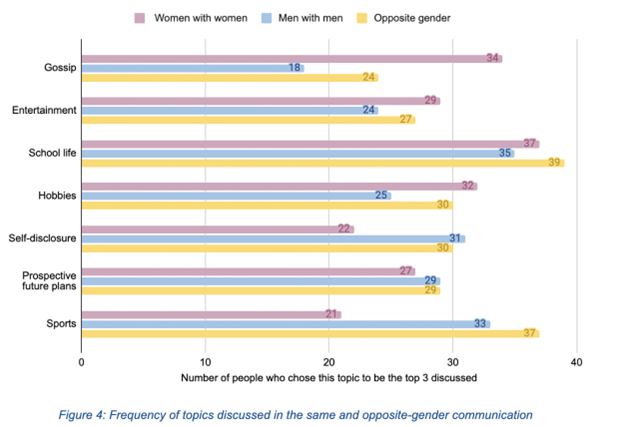
Figure 4 shows the top 3 chosen topics participants reckon to recurrently talk about. Among females, the most discussed topics include school life, gossiping, hobbies, and entertainment. Most male communications depicted school life, sports, self-disclosure, and prospective future plans. As anticipated, females chose intimate topics, while males did talk more about sports and future plans. Surprisingly, self-disclosure – a sign of intimacy and connection, also appeared frequently among males. Opposite-gendered communication topics are extremely similar to patterns of same-gendered communication.

Figure 4: Frequency of topics discussed in the same and opposite-gender communication

However, the frequency of topics may be too broad, and the selection of topics could be biased even with support from past literature reviews. Therefore, the participants were given a short, explicit situation to choose their most likely reaction.

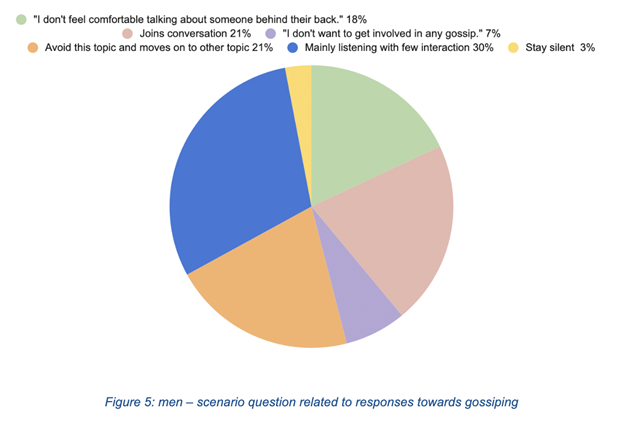
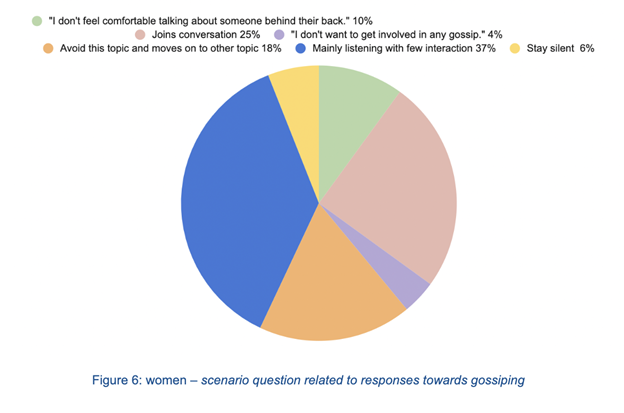
As demonstrated by comparing figures 5 and 6, men and women have completely different attitudes towards gossiping. 51% of the male respondents have a positive or neutral attitude toward gossiping, while 62% of the female respondents reacted positively. From figure 4, 66% of the male and 92% of the female respondents have chosen to gossip as a commonly discussed topic. Even though participants knew the survey was anonymous, untruthful answers may still be chosen (Manza, 2018). Therefore, the survey is applied as supplementary material for later observations.

Figure 5: Men – scenario question related to responses towards gossiping
Figure 6: Women – scenario question related to responses towards gossiping

Analysis – Observation

Quantitative Analysis

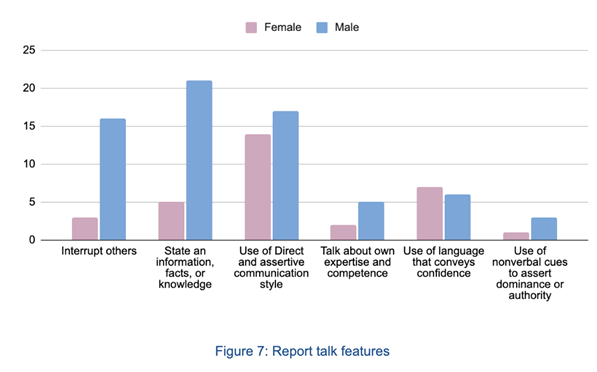
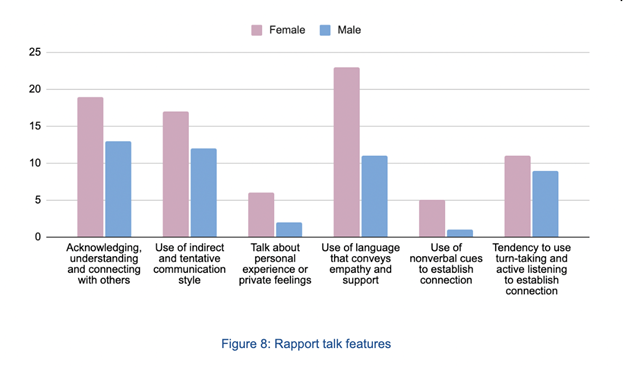
The data collected demonstrates an explicit distinction in communication styles between genders. We categorized various features under report talk or rapport talk, as labeled in the x-axis of figures 7 and 8 (Klinetob & Smith, 1996). To be more precise, the use of direct and assertive communication styles includes declarative statements or giving direct orders and less polite or deferential language, making direct requests, or stating their opinions without apology. For example, “I’m absolutely certain…” “Trust me, I know what I’m talking about…” “Let me tell you…”. Nonverbal cues to assert dominance or authority can be implied by taking up more physical space. Indirect and tentative communication style refers to hedge words or phrases like “kind of” or “sort of” or more polite or deferential language, such as asking questions instead of making statements or using euphemisms instead of direct language.

Figure 7: Report talk features
Figure 8: Rapport talk features
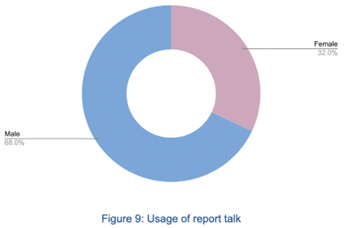
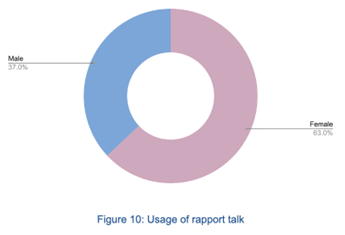
Figure 9: Usage of report talk
Figure 10: Usage of rapport talk

Male participants in the study used more direct and assertive communication styles than female participants, who used more indirect and tentative ones. Regarding report talk features, male participants were found to interrupt others more frequently than female participants. In addition, male participants were observed using nonverbal cues to assert dominance or authority, such as taking up more physical space. Female participants were found to use more rapport talk features. They were observed acknowledging, understanding, and connecting with others more frequently than male participants.

Female participants used more indirect and tentative communication styles, such as hedge words or phrases and deferential language. Regarding nonverbal cues, female participants were more likely to have physical contact to establish a connection with others.

However, communication styles can vary significantly between individuals. The data collected in our research does not suggest that all male or female individuals use the same communication styles (Locander & Ladik, 2017). Nevertheless, the data indicate differences in communication styles between genders, supporting the rapport and report talk theory.

Qualitative Analysis – Conversation A

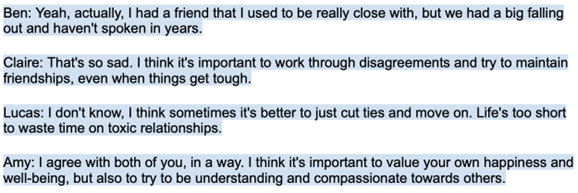
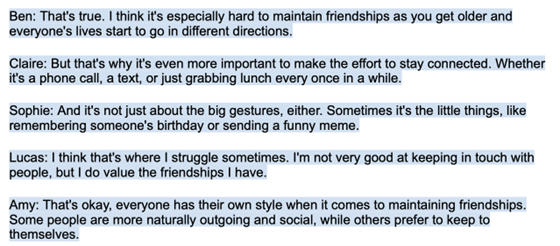
From extract A; male participants exhibit more report talk features by making direct statements and offering their opinions, while all three female participants utilize more rapport talk features by acknowledging and supporting others, expressing empathy and understanding, and using more indirect and tentative language.

Extract A-1: Conversation regarding friendship

Ben and Lucas both exhibit more report talk features by offering their opinions and making direct statements about friendship. Ben shares his personal experience of a friendship that ended in a falling out, and Lucas shares his perspective on cutting ties and moving on from toxic relationships. Both men contribute to the discussion by offering their thoughts on maintaining friendships as people’s lives change over time:

Extract A-2: conversation regarding friendship

Females, as shown in A-2, tend to use more rapport talk features by building connections and supporting others. Amy introduces the topic of friendships ending and asks the group if they’ve experienced this before. Sophie shows empathy for Ben’s experience and emphasizes the importance of working through disagreements and maintaining friendships. Amy also acknowledges Ben’s and Lucas’s perspectives, showing she values their contributions to the conversation. Overall, extract A demonstrates a balance between report talk and rapport talk (Taylor, 2003).

Qualitative Analysis – Conversation B

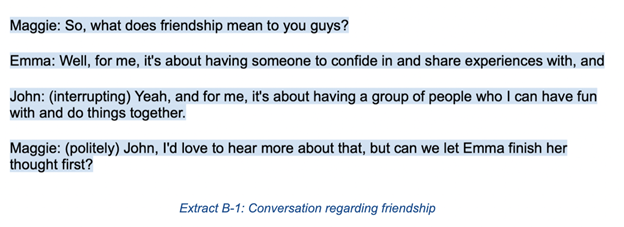
From extract B, male participants Chris and John exhibit report talk features by interrupting others and making direct statements. For example, Chris interrupts Maggie to assert his opinion on the best way to maintain friendships:

Extract B-1: Conversation regarding friendship

As from extract B-2, female participants, Maggie and Emma, use more rapport talk features. They acknowledge and support others, like when Maggie expresses empathy for Chris’s recent stress at work. They also use more indirect and tentative language, such as when Emma suggests a possible activity for the group but asks for others’ opinions before making a final decision:

Extract B-2: Conversation regarding friendship

Participants also differ in the level of engagement, male participant John speaks the most in conversation B, contributing to almost half of the number of turns. Female participant Maggie, who spoke the most in conversation A, spoke the least in this conversation and only contributed 10% of the total turns.

Conclusion and Discussion

Overall, this research finding aligns with Tannen’s argument that ‘men perform report talk while women perform rapport talk.’ The results also corroborate the previous hypothesis regarding the difference in gendered communications. Signs of report and rapport talk are revealed through both survey data and observational conversations. Differences in communication styles and content may be related to gender and cultural norms; men are socialized to be more assertive and competitive, while women are socialized to be more nurturing and supportive.

Wider implications of our study include: Individuals could reduce the chances of miscommunication and understand each other fluently in the future by conducting more in-depth and variant social exchanges. Employers can adopt workplace communication strategies to reduce potential discriminatory acts. Businesses and social media platforms, or products with targeted audiences could adjust their plans and features accordingly, improving user engagement (Gunter, 2009).

References

Crane, D. (1995, November 6). Friends – Season 2 (No. 8) [TV – series]. NBC.

Gamble, T. K., & Gamble, M. W. (2020). The Gender Communication Connection. Milton: Taylor and Francis. https://doi.org/10.4324/9780367822323.

Gunter, R. (2009). THE EMERGENCE OF GENDERED PARTICIPATION STYLES IN SCIENCE-RELATED DISCUSSIONS: IMPLICATIONS FOR WOMEN’S PLACE IN SCIENCE. Journal of Women and Minorities in Science and Engineering, 15(1), 53–75. https://doi.org/10.1615/jwomenminorscieneng.v15.i1.40

Klinetob, N. A., & Smith, D. A. (1996). Demand-Withdraw Communication in Marital Interaction: Tests of Interspousal Contingency and Gender Role Hypotheses. Journal of Marriage and Family, 58(4), 945–957. https://doi.org/10.2307/353982

Locander, W. H., & Ladik, D. M. (2017). CEO Tweet Behavior: The Use of Metaphors and Gendered Communication Style. Journal of Managerial Issues, 29(4), 365–379. http://www.jstor.org/stable/45176558

Manza, J. (2018). The sociology project. Pearson Canada Inc.

Martin Terre Blanche, Durrheim, K., & Painter, D. (2006). Research in practice: applied methods for the social sciences. University Of Cape Town Press.

Reiter, B. (2017). Theory and methodology of exploratory social science research. Ttu-Ir.tdl.org. https://hdl.handle.net/2346/86610

Tannen, D. (2007). You Just Don’t Understand. William Morrow Paperbacks.

Taylor, F. (2003). Content Analysis and Gender Stereotypes in Children’s Books. Teaching Sociology, 31(3), 300–311. https://doi.org/10.2307/3211327

[/expander_maker]
, , , ,

Who’s In Charge Here?

Simon Kabateck, Ethan Therieau, Naima Bukhari, Jocelyn Ramos

We wanted to look at how films portrayed gendered communication between men and women through the focus on business interactions. We believe that movies and television interpretations of business and how genders are displayed carry some underlying truth despite them being just fiction. For our study, we watched a list of fictional media, specifically television, and movies, that portrayed men and women in different business roles to observe assertive communication styles. We were curious to see if business roles or gender were more impactful in interpreting if one’s communication style would be assertive in business interactions. Our findings were that individual business roles were more significant determinants of one’s assertive patterns in communication than gender variation. The research we did was impactful for understanding how society has portrayed gendered communication across films when analyzing the roles within the business and what that possibly means for society’s interpretations of genders in a specific role in business. Further research we hope is done on real-life business observations versus fictional television so that we may get a better understanding of whether our findings show some accuracy or not when analyzing real-life interactions in business between men and women in different business positions.

[expander_maker id=”1″ more=”Read more” less=”Read less”]

Background

In the last movie you saw, can you remember how men and women were shown to interact with each other? Try connecting that thought with other movies you’ve seen in your head before continuing this article. We found interest in analyzing how gendered communication has been interpreted within films, specifically, business interactions between men and women. It is the stereotypical idea that men command business interactions in films much more than women simply because of gender stereotypes. Research by Paula Pomerenke analyzed how business conversations between men and women saw men utilize more assertive behavior than women in communication (Pomerenke,1996). Another article we explored by J.K Harter argued that one’s role in business actually dictates if an individual utilizes assertion in business conversations (Harter 2022). When comparing these two lines of research, we were faced with some gaps when we overlapped the two sets of data. What happens when we are given a woman in a dominant position or a man in a subordinate position? This led us to our main question: is assertiveness in business communication in film patterned more with the role one pertains to in business or their underlying gender?

Methods

For our study, we looked at an array of twelve different movies/television series focusing on men and women working together in business. We selected these movies that focused on the one-on-one business relationships between either a boss being a male or female and a subordinate working with them that was the opposite gender. Some of the films we watched are shown above: this includes Up In the Air, The Proposal, Suits, and The Intern. The films we looked at were from between 2000 to 2023 in release dates. We viewed six movies with men in dominant roles and women in subordinate roles and six films with women in dominant roles and men in subordinate roles.  We had each individual in our group watch each movie to observe the assertive behaviors to avoid possible gender bias of, for example, watching our own gender in a way we did not personally agree with. When we refer to business interactions that we observe, we refer to the two individuals communicating about the business they both work for, in terms of discussing problems, goals, motivations, or plans for that business. One of the movies we watched, for example, was The Proposal, starring Sandra Bullock as the head of a publishing company and Ryan Reynolds as her assistant. We would monitor each individual if they utilized the assertive behavior we found from the articles whenever we believed they engaged in communications related to the publishing company they both worked for. This process occurred for each movie, where we had everyone in our group watch the same movies so the boys and girls in our group would not create possible gender bias by watching their own gender in specific roles. While observing these films, we would look towards articles we found from our research to see if certain assertive behaviors we found in our studies of communication in business would occur. Two of the four features involved behavior, where individuals that were described to be assertive in communication would express language that contained more profanity words and would emphasize pronunciation in their words to signify meaning (Dasgupta 2012). The other two features involved nonverbal assertive behavior, which was individuals that were assertive in business communication having the tendency to keep their head still during conversation and initiate touch more frequently when conversing with other individuals (Furumo 2007). While observing these behaviors as we watched films, we would look for frequency, the context of use, possible combinations of behaviors, and other possible assertive behaviors utilized frequently across the films we watched. Our hypothesis was that we believed that business roles would be more of an obvious factor for assertive communication to occur versus one’s underlying gender. This would occur based on if the films we saw of both males and females in dominant business roles would utilize assertive behavior more than subordinate positions.

Results

Our findings portrayed that individuals in superior positions in business were more likely to express assertive patterns of communication. We were happy to see that our hypothesis on this study was proven actually right. If you look at Figure 1, you can see that we measured how many movies we saw utilized each of the assertive behavior and placed our observations of women and men in dominant positions (red and blue) and men and women in subordinate positions (orange and green). When looking at the graph, you can see men and women in dominant positions used each of the four behaviors much more in the setting of business communication than those in subordinates. Since we can see men and women both varied for each behavior depending on position, we can see that business roles played a more crucial role in interpreting when assertive behavior was more likely to be seen. Another interesting finding was that men were seen to utilize these assertive behaviors much more than women, whereas, for both dominant and subordinate positions combined, women only expressed more in one assertive trait that we looked for. Men only saw slightly more usage in dominant positions for only two of the assertive behaviors we monitored.

Figure 1: Occurrences of assertive behaviors in movies, categorized by gender,  job position, and types of assertive behavior

Conclusion

Our findings leave an impact on men and women that both perform in the business world. A highly competitive, creative, and honestly frightening place in today’s society. Men and women are past the sexist standpoint that one gender rules over the other as we see both men and women entrepreneurs, CEOS, lawyers, etc. We believe our findings impact both genders in business in the sense of communication. Anyone can establish good ideas, but delivering them and presenting them in conversation requires a level of assertiveness. The level of assertiveness controls the conversation and allows the other person to be heard. That is what our study hopes to help bring to the table toward aiding society. We do not believe that business titles one carries give one a sense of confidence and entitlement. Our hope is that our findings can carry over to perhaps the unconfident women carrying a high-end role in a business or a male intimidated by his female boss. We hope that our findings help devote confidence toward any individual in business to possibly use assertion towards presenting important information or an idea of theirs. The business world can be an intimidating place for anyone, but there is bravery in taking command in a conversation and taking the leap towards presenting your ideas and being confident within them. That is what we hope our study does the most: establishing confidence within readers to be comfortable with communicating their thoughts toward aiding a business that they work for and are passionate about.

References

Dasgupta, S. A., Suar, D., & Singh, S. (2012). Impact of managerial communication styles on employees’ attitudes and behaviors. Employee Relations, 35(2), 173–199. https://doi.org/10.1108/01425451311287862

Furumo, K., & Michael Pearson, J. (2007). Gender-based communication styles, trust, and satisfaction in virtual teams. Journal of Information, Information Technology, and Organizations (Years 1-3), 2, 047–060. https://doi.org/10.28945/138

Harter, J. K., Schmidt, F. L., & Hayes, T. L. (2022). Business-Unit-level relationship between employee satisfaction, employee engagement, and Business Outcomes: A meta-analysis. Journal of Applied Psychology, 87(2), 268–279. https://doi.org/10.1037/0021-9010.87.2.268

Pomerenke, P., Varner, I. I., & Mallar, S. (1996). The depiction of female and male professionals in business communication. Business Communication Quarterly, 59(4), 36–46. https://doi.org/10.1177/108056999605900404

 [/expander_maker]
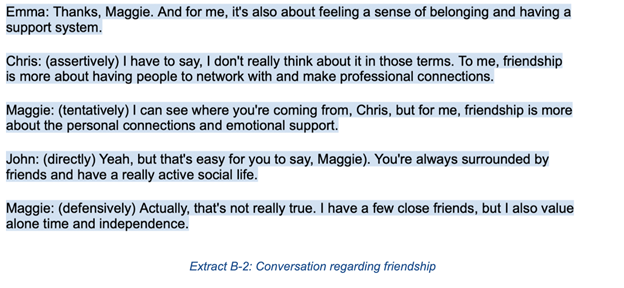
, , , ,

The Impact of Social Media on Romantic Relationships

Chloë Chavez, Sydney Weissman, Ashley Paras, Alejandro Valdez

Interacting on social media is nothing new. We’ve all felt, or at least have heard of people in romantic relationships interacting with others on these platforms, and how it can create feelings of jealousy or uncertainty. Commenting and liking other people’s posts and direct messages could be seen as factors as to why these feelings could become relevant and cause problems in a relationship. We believe that romantic relationships showing behaviors such as these, on other people’s posts besides their partners will cause conflict and negatively affect the overall relationship. An anonymous survey was administered to UCLA students, ages 18-25, that asked whether or not communication online affected how they viewed or felt about their romantic relationships, as well as asking if arguments had ever occurred due to social media engagement. The results were interesting and said a lot about this generation’s relationship with social media.

[expander_maker id=”1″ more=”Read more” less=”Read less”]

Introduction

At the base of this research project is the proposal of how communicative behaviors used on social media negatively impact romantic relationships. Our research is narrowly focusing on behavior patterns on social media, and how expressing attention to other people can oftentimes cause jealousy and conflict. The online portrayal of relationships is nothing new, and therefore relevant in nearly all of Gen-Z’s everyday lives. Our research question reads: do online behaviors, such as liking and commenting on others’ posts, direct messaging, and overall online engagement cause jealousy and conflict in romantic relationships? Communication via social media affects our interpersonal relationships, and we hypothesize that online behaviors can cause jealousy and conflict in romantic relationships. 

Background 

The constant pressure social media holds on individuals and relationships may predicate feelings of jealousy, comparison, low self-concept, envy, and suspicion. Prior research has indicated that social media triggers jealousy and feelings of uncertainty, even when danger is not present (Frampton, Fox, 2018). Altering linguistic norms with different people, (i.e. in a relationship) and using style-shifting is necessary not only in person but also on social media to maintain a healthy relationship.

When going into a relationship with no feelings of paranoia or doubt, social media’s presence only heightened attachment anxiety, feelings of jealousy, and misunderstanding (Sullivan, 2021). Thus, research has shown that language used within social media impacts those within a romantic relationship negatively. Comments, likes, and direct messaging are common sociolinguistic indicators that can work in favor or against relationships. 

Methods

An anonymous survey conducted a cross-sectional study at the University of California, Los Angeles. This study was completely voluntary. Participants were UCLA students in a relationship, between 18-25 years old. The study was created on Google forms and links were distributed online through social media platforms and text messages. By sending out open-ended, Likert scale, and multiple choice questions we collected data regarding behaviors shown on social media platforms. With the knowledge that indexical variables include words that change their meaning based on the context used, this study was designed to answer the wider question- how do communicative behaviors via social media (comments, likes, direct messages) impact romantic relationships? Apart from hosting the online survey, a collection of organized data based on predefined research, methodology, graphs, and qualified questions provided by researchers in the past 10 years led the new study. When wanting to discover more about the effects social media has on romantic relationships, we observed the different communicative behaviors used on social media.

Results and Analysis

Figure 1: How often do you post your significant other on social media?

This question had a point scale of 1 to 5, with 1 being “not frequently” and 5 being “very often.” As seen in Figure 1, participants reported that they never or rarely post their partner, with only two individuals selecting choices ‘4’ and ‘5’. Option ‘1’ and ‘2’ received an equal proportion (31.6), with the median receiving a percentage of 26.3.

Figure 2: How do you feel when your significant other posts you on social media?
Figure 3: How do you feel about your significant other commenting on other people’s posts?

Both data charts, Figures 2 and 3, are critical for our study since they disprove our hypothesis that showing affection for someone other than our significant other through social media might encourage sentiments of jealousy among couples. Figure 2 had a point scale ranging from 1-5, with one being “not happy” and five being “happy.” Figure 3 was scored on a 1-5 scale, with 1 being “uncomfortable/angry” and 5 being “don’t mind.” More than half of the participants answered a ‘4’ or a ‘5,’ demonstrating that this type of behavior (affection for others via social media) does not promote jealousy.


Figure 4: Has engagement on social media (you commenting on others’ posts, liking a post, story reactions, direct messaging) ever instigated an argument between you and your partner?

This data is also important for our hypothesis because it disproves it. Figure 4 used a point scale of 1-5, with 1 indicating “never” and 5 indicating “frequently.” More than half of those in the survey said social media had never caused an argument in their relationship.

Figure 5: What does it mean to you when your significant other likes other people’s posts on social media?

Figure 5 used a 1-5 point scale, with 1 being “not happy” and 5 being “happy.” There’s a large percentage of responses in the median range in this data. This might imply that they are indifferent to their partner’s actions on social media. In this chart, participants who chose ‘3’ remain neutral which portrays neutrality in response to their partner liking others’ posts. Participants may also perceive conversations about feelings of jealousy to be more casual than the conversation being a conflict.

Discussion

After analyzing our results from survey responses and screenshots, we found that the data did not support our overall hypothesis that behavior on social media caused conflict amongst romantic partners. Through a series of questions, the majority of participants revealed that their partners did not post about their significant other often, which correlated with the trend that most participants responded that social media engagement does not cause conflict in their relationships. This also correlates to the question regarding individuals in a relationship commenting on others’ posts or direct messaging others on social media. Most of our respondents revealed that they were unaffected and did not care about partners engaging in these behaviors. Despite social media potentially increasing jealousy and conflict based on prior research, our studies show that romantic relationships are not negatively impacted by user involvement on social media. Rather than conflict arising, feelings of anxiety were reported. Screenshots gathered from our data were exchanges of texts not demonstrating a conflict, but rather how social media instigates feelings of anxiety. Thus, comments and direct messages are elements of communication that we presumed would indicate affection toward another person that would cause arguments and jealousy.

Limitations

While our data does not support our hypothesis, there are limitations to our study that may have influenced the results gathered. Participants may have been reluctant to share the absolute truth for fear that the survey was not completely anonymous. Some partners in a relationship strive for perfection and hide all aspects of their relationship that could taint the views that people have of them. Additionally, people may not be comfortable admitting that they experience conflicts in their relations because of social media. This also ties into the idea of relationships having different perspectives toward the parameters that define conflict. There are different severities of conflict, and couples may differ on what is considered a conflict versus a simple discussion. Lastly, the struggle to gain responses on our survey may skew our results as our sample size is not large enough to make generalizations about an entire population size. While we had nineteen respondents, these may have all been couples that have sufficient communication with their partner, limiting the arguments that exist from social media. However, if the survey had more respondents, we could have conducted a more concrete generalization in response to how social media impacts romantic relations in the realms of jealousy and conflict through linguistic exchanges.

Future Studies

Future studies could expand on this topic and focus more on elements of communication that impact face-to-face communication among romantic partners. This can include factors such as the difference between masculine and feminine communication styles and how these aspects of language affect romantic relationships. Further, looking at the difference in communication between genders would be a future study that could aid in understanding more in-depth the effect communication online has on our relationships.

References

Abbasi, I. S. (2018). Social Media and committed relationships: What factors make our romantic relationship vulnerable? Social Science Computer Review, 37(3), 425–434. https://doi.org/10.1177/0894439318770609

Arikewuyo, A. O., Lasisi, T. T., Abdulbaqi, S. S., Omoloso, A. I., & Arikewuyo, H. O. (2020). Evaluating the use of social media in escalating conflicts in romantic relationships. Journal of Public Affairs, 22(1). https://doi.org/10.1002/pa.2331

Beaukboom, C. & Utz, S. (2011). The Role of Social Network Sites in Romantic Relationships: Effects on Jealousy and Relationship Happiness. Journal of Computer-Mediated Communication, 16(4). 511-527.

Frampton, & Fox, J. (2018). Social Media’s Role in Romantic Partners’ Retroactive Jealousy: Social Comparison, Uncertainty, and Information Seeking. Social Media + Society, 4(3), 205630511880031–. https://doi.org/10.1177/2056305118800317

Sullivan, K. T. (2021). Attachment Style and Jealousy in the Digital Age: Do Attitudes About Online Communication Matter? Frontiers in Psychology, 12, 678542–678542. https://doi.org/10.3389/fpsyg.2021

Appendix

Are there social media rules for relationships? 

 [/expander_maker]

, ,

Breaking Gender Barriers: Exploring Communication and Leadership Styles in UCLA Undergraduates

Rita Chen, Jeannine Xu, Sydney Shi

The study aimed to investigate the differences in leadership styles between male and female undergraduate students in group discussions. Previous research had shown that men are often perceived as more dominant and directive, while women prioritize building connections and understanding. The study focused on an academic setting, with researchers observing 36 UCLA undergraduate students discussing a topic for 10 minutes. Observations were made of both verbal and gestural communication features of each individual, and an observational checklist was used to categorize behaviors into six main traits of authoritative or collaborative leadership style. Results supported the hypothesis that male students displayed more authoritative traits, such as confidence and dominance, while female students displayed more collaborative traits, such as empathy and supportiveness. Interestingly, female participants also displayed the authoritative trait of “clarity” more than their male counterparts. The findings of this study suggest that traditional gender roles continue to influence communication patterns and highlight the importance of advocating for a more inclusive society where all genders have equal opportunities to succeed in leadership roles.

[expander_maker id=”1″ more=”Read more” less=”Read less”]

Introduction and Background

Although gender roles are constantly changing and the concept of gender is becoming more fluid, traditional gender roles continue to influence our communication patterns. Starting from childhood, individuals socialized to conform to gender norms, which specifically have a substantial power over decision making and leadership styles in group settings. (Carter et al., 2019) While women prioritize building connections and understanding in their interpersonal relationships, men aim to establish their identity and status through demonstrating independence and control over the conversation.

Such gender differences stemmed our interest in investigating how male and female leadership styles may differ within a group setting. Previous research had investigated different styles of management communication between males and females under a professional setting, suggesting that while females are generally perceived to be more concerned and attentive than males as leaders, male were perceived to be more dominant and directive. (Baird & Bradley, 1979)

Instead of observing different leadership styles within a professional setting, we intended to focus on an academic setting, more specifically we narrowed down our target population to UCLA undergraduate students. We intend to study the differences between male and female leadership styles by observing their gestural and verbal communication features. Specifically, a previous finding shows that men often spread their arms over a chair or lean over the table during discussion to expand their personal space as a symbol of confidence (Greenwood 2017). Conversely, women are more likely to act conservatively in their own personal space, which could be stereotypically viewed as less assertive or less successful than men in group discussions. Therefore, we hypothesized that male students are more likely to be the authoritative leader while female students are more likely to be the collaborative leader in a group discussion in college classrooms. We aim to test this gendered difference in leadership style and advocate for a more inclusive society where all genders have equal opportunities to succeed in leadership roles.

Methods

Our study was conducted at the University of California, Los Angeles (UCLA). We observed 36 UCLA undergraduate junior and senior students to analyze if their behaviors qualify for authoritative or collaborative leadership styles in discussions. Regarding the experiment, we randomly selected 36 students and divided them into 6 groups that each contained 3 females and 3 males. By giving each group the same topic, which was “What is your view on ChatGPT and AI control, we asked each group to discuss and share their thoughts about this question in 10 minutes. During the discussion, each of us researchers observed one group and focused specifically on gestures and verbal expressions of each individual and recorded our observation on an observational list, which allowed us to have a unified interpretation of authoritative and collaborative leadership styles. In this case, we asked 12 questions and categorized them into six main traits with dominance, confidence, and clarity being traits of authoritative style and sympathy, consideration, and supportiveness being traits of collaborative style. For example, we included questions like “Did anyone expand their gestures?” in order to remind ourselves to look for these specific behaviors. After the discussion, each participant also filled out the same observational checklist to evaluate the behaviors of their peers. By collecting 36 responses from the sample and 6 checklists from researchers, we constructed two figures to compare and contrast the variation between different genders regarding their leadership styles in group discussions.

Results and Analysis

According to Figure 1, the results from our study supported our hypothesis that male students are more likely to be the authoritative leader while female students are more likely to be the collaborative leader in a group discussion in college classrooms. Based on 36 responses, we found that in a class discussion setting, more male students display traits of authoritative style such as confidence and dominance, while more female students display traits of collaborative leadership styles like empathy and supportiveness. An interesting finding was that female participants also illustrated a high amount of authoritative leadership style, females even displayed the authoritative trait “clarity” more than their male participants. Figure 2 shows the specific leadership traits performed by male and female participants:

Figure 1 Shows Different Leadership Traits Between Genders

After we obtained the different traits that our female and male participants showed, we summarized these traits into the two big categories: collaborative and authoritative as shown in Figure 2. The authoritative traits are dominance, confidence, and clarity. The collaborative traits are supportiveness, empathy, and consideration. After calculation, we found that 32 female participants portrayed collaborative leadership traits while 26 male participants showed collaborative leadership. On the other hand, 27 female participants showed authoritative leadership style and 31 male participants showed authoritative leadership styles. Looking at this summarized chart, we can see a clearer distinction of the authoritative and collaborative traits females and males utilize as in their leadership.

Figure 2 Shows Different Leadership Styles Between Genders

One limiting aspect of the result is the study’s sampling population. Our study participant population only consisted of full-time UCLA undergraduate students. This is limiting to the external validity of the study’s results, as full-time UCLA undergraduate students are not a good representation of the general population. The study should keep in mind the education level and environment of UCLA students in comparison to the average population in our society.

Discussion and Conclusion

In this study, we have examined the relationship between gender and leadership styles among college students. Our findings support the traditional gender stereotype that males tend to exhibit more authoritative behaviors, while females tend to display more collaborative behaviors. This is likely due to the societal expectations and gender roles that shape individuals’ approach to leadership roles later in life. Our study has revealed that socialization plays a critical role in shaping gender roles and expectations, which in turn influences leadership styles.

However, we also found that our results are not entirely consistent with the traditional gender stereotype. Despite male students exhibiting more authoritative behaviors overall, female students exhibited a higher frequency of “clarity” traits, an authoritative leadership style, than their male counterparts. This could be attributed to the increasing gender equality and social status, which have enabled more women to develop and display leadership qualities, including more assertive and authoritative styles.

Our study’s broader impact lies in its contribution to creating more inclusive classroom environments that value and recognize diverse leadership styles. Educational institutions can use our findings to design more inclusive classroom settings and curriculum and create a more supportive and inclusive learning environment for all students. Furthermore, our study can help students recognize the disparities in leadership styles and work effectively together.

In conclusion, our study highlights the role of socialization in shaping gender roles and expectations and how they influence leadership styles. It also suggests that the increasing gender equality and social status have allowed more females to develop and display authoritative leadership styles. However, effective leadership depends on the context, and both leadership styles can be successful.

In conclusion, our study highlights the role of socialization in shaping gender roles and expectations and how they influence leadership styles. It also suggests that the increasing gender equality and social status have allowed more females to develop and display authoritative leadership styles. However, effective leadership depends on the context, and both leadership styles can be successful.

References

Carter, M. F., Franz, T. M., Gruschow, J. L., & VanRyne, A. M. (2019). The gender conformity conundrum: The effects of irrelevant gender norms on public conformity. The Journal of Social Psychology, 159(6), 761–765. https://doi.org/10.1080/00224545.2019.1586636

Baird, J. E., & Bradley, P. H. (1979). Styles of Management and Communication: A Comparative Study of men and women. Communication Monographs, 46(2), 101–111. https://doi.org/10.1080/03637757909375995

Greenwood, B. (2017, November 21). How can gender affect negotiation? Work. Retrieved February 21, 2023, from https://work.chron.com/can-gender-affect-negotiation-5771.html

[/expander_maker]
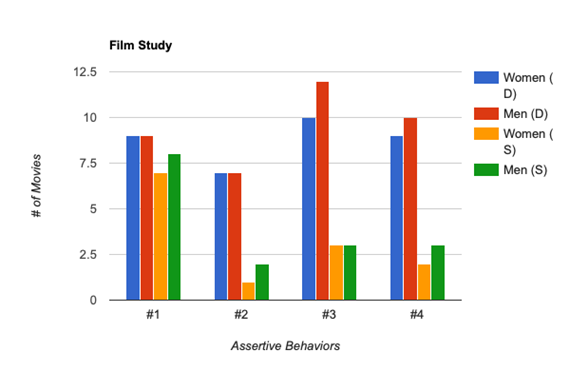
, ,

Why it’s Really Not You, It’s Them. Hook Up Culture, Explained

Have you ever wondered why participants of hook-up culture have a hard time communicating with one another? Whether it’s differences in intentions or the usage of different communication styles, it’s likely that they’re not on the same page. As a result of our extensive research, this paper will highlight the reality of hook-up culture and the big question that haunts the community: How do participants of hook-up culture communicate differently than the ingrained standards we see within long-term relationships? Our hypothesis specifically focused on the idea that communication within hook-up culture will differ between genders and communication styles, ultimately creating a larger gap between methods of communication in short-term and long-term relationships. With the help of our studies, we were able to identify the use of code-switching through emojis and slang, common communication themes (vernaculars and communicative traits), and overall motivations! Overall, we hope to help many be able to overcome communication barriers within hook-up culture in order to see some healthy change within our social dynamics and communication!

[expander_maker id=”1″ more=”Read more” less=”Read less”]

Introduction and Background

The goal of our paper was to research the intricacies of a prevalent communication topic in our generation: “hook-up culture”. More specifically, we chose to focus on the motivations behind each gender’s experiences or participation in hook-up culture, ultimately allowing us to analyze the different communication patterns exhibited as well. Hook-ups within “hook-up culture” are defined as, “… activities [that] may include a wide range of sexual behaviors, such as kissing, oral sex, and penetrative intercourse …. these encounters often transpire without any promise of, or desire for, a more traditional romantic relationship…” (Garcia/Merriwether, 2012).  With this definition, the rise of hookup culture is then marked by the phenomenon of, “…increasingly normative among adolescents in North America, representing a marked shift in openness and uncommitted sex…” (Garcia/Merriwether, 2012). As a result, our research was conducted on the basis that hook-up culture is prevalent within our society. However, given the constraints of our research project, we had research gaps that prevented us from reaching further conclusions, including the short amount of time we had to conduct our research (given more time we would research a larger group). Another limitation was due to the lack of empirical research on hook-up culture due to the prominence of the topic only flourishing within this past decade.

Our last limitation came as a result of the demographic in which we focused on. Obviously, our demographic was catered to college students, but there may be different results if our demographic was different– so that most definitely should be noted. However, our research, as shown throughout this blog post, will illustrate that our hypothesis is mostly supported by our conducted research. Our research highlights different modes of communication, varying personal intentions, and the popularity of hook-up culture amongst college-aged students.

Methods

Within our method, we looked at different sources of information such as scholarly articles, scholarly speeches (TedTalk), and our own research conducted through the usage of Google Forms. Our scholarly references ranged from communicating commitment in a romantic relationship to communication in the modern hook-up culture, but we made sure to organize an array of valuable sources that would not only prove our hypothesis but also explain our results within our conducted survey. We distributed a survey (through GroupMe chats, Instagram stories, and professors showcasing it at the beginning of class) to our wide demographic of students at UCLA who have knowledge or a basic understanding of hook-up culture, ultimately granting us valuable responses that could help us with our research on how communication differs within hook-up culture through studying gender imbalances/differences in viewpoints and styles. Through our survey, we politely asked our respondents to share their experiences with hook-up culture and answer our specific questions to the best of their abilities. Additionally, there were no incentives and we made sure to inform them that their responses would be anonymous and removable at any point in time. We asked 10 specific questions in connection to our research and our own personal wonderings alongside an entry method for attachments of physical experiences with hook-up culture. Some examples of our questions were: check off boxes of emojis you’ve used when communicating with a prospective partner or how to communicate your intentions to a prospective partner, therefore giving us a deep understanding and a specific answer to the ideas that our research would mention but not specifically answer for us. Within our research, we analyzed communication styles such as emojis or slang, collective gender differences within communication patterns and beliefs, and overall values within personal communication styles and methods such as direct vs. passive communication. For more information on our exact survey, here is a direct link to it: https://forms.gle/cGUqi9sAmSsGQoNX8.   

Results and Analysis

In summary, our hypothesis focused on how romantic communication differs between types of connections/relationships (hook-up partners vs long-term relationships), and how each gender engaged with each category differently. Through our extensive research methods, we found that there were factual differences between male and female ideologies. For example, there were similarities within our target audience such as age, education status, and lifestyles – which played a role in the situations these individuals would imagine and partake in throughout their experiences with or without hook-up culture. Our respondents were 50% male and 50% female, mostly aged at 21 to 23 years old by 87.5%. Now, the differences range from gender perceptions/mindset, communication styles, and personal values/needs.

Our survey questions were able to support our hypothesis. For further context, here are some of the most important pieces of information gained from our studies. When asked about hook-up culture in our generation and if they (respondents) participate in hook-up culture, 87.5% answered yes (Figures 1 and 2). 

Figure 1: Do you believe hook-up culture is prevalent within this generation?
Figure 2: Do you believe you participate in hookup culture?

With most of our respondents knowing about or experiencing hook-up culture, the results of our survey would most definitely help us understand the reality of hookup-culture whether it proved or disproved our hypothesis. Now, our questions became more specific in order to curate a representative sample of patterns within hook-up culture. Furthermore, these two questions below provided the most valuable information within our survey research.

Within our hypothesis, we predicted that there would be a difference between communication styles and methods. So, with our own experience with hook-up culture, and our learnings from Amanda N. Gesselmen’s research article on “Emoji as affective signals for relationship-oriented digital communication”, we were able to create our question about the influence of emojis on romantic communication and how different ones convey different meanings (casual hook-up vs long-term love). As can be seen, a majority of respondents affiliated with emojis were deemed to be used for “sexting” within hook-up culture communication (Figure 3). For further support, on our side, we can see that most of our respondents that used those emojis are also the same individuals who announced their participation in hook-up culture as well. Next, Figure 4 provided us with the different communication styles we noted through romantic communication in general, but we mentally sorted them into different categories that would analyze different perspectives. For example, those who answered that their communication style was direct and dishonest were usually men (remember: one can be directly dishonest– they are not mutually exclusive). On the other hand, those who answered that their communication style was more honest, considerate, and passive were women. Through these results, we were able to see that there IS a difference of communication styles between genders AND relationship/partner status (hook-up vs long-term). Furthermore, we were able to conclude that men’s expectations are more short-term and casual while female expectations are more long-term and exclusive, ultimately impacting their different communication styles that portray most men as direct, dishonest, dominant, selfish, and confident while portraying most women as passive, considerate, committed, and honest.

Figure 3: Emojis used when communicating with a prospective partner
Figure 4: Communication styles of survey respondents

Discussion and Conclusions

As discussed at the beginning of the paper, ‘hook-up culture’ has gained high levels of popularity, and more recently amongst younger generations. With influential communication-based platforms and media, such as TikTok, “…. popular culture is simultaneously representing aspects of actual contemporary sexual behavior and providing sexual scripts for emerging adults…”, which has potentially played a role in why we concluded the results from our research as we did (Garcia / Merriwether, 2012). Our results suggest a few common themes within the communication patterns of ‘hookup culture’. As seen in the data above, our results suggest that there is a correlation between men’s motivations for just wanting to participate in casual sexual intercourse, whereas women want to participate in sexual intercourse more so in the pursuit of a serious partner, thus suggesting genders do in fact have different motivations when participating in hookup culture. Additionally, our results show a form of ‘code-switching’ that occurs when individuals use emojis and slang to communicate within hook-up culture. Furthermore, code-switching is defined as, “…the practice of selecting or altering linguistic elements so as to contextualize talk in interaction…”, which we see has occurred when individuals interchanged emoji’s arbitrary meanings with more sexual notions only in the context of hook-up culture communication (Nilep, 2006).  Additionally, we saw that the most popular ages amongst participants who take part in hookup culture range from 21-23. Given these results, and the inferences we’ve made from our research, our paper concludes that communication with hookup culture has a unique nature to it that involves various tactics in order to achieve that ‘hook-up goal’, and that there are many mechanical and analytical parts involved in the motivations behind hook up culture. However, depending on who you are, it’s highly likely that if you aren’t achieving that dream ‘hook up’ it really isn’t you, it’s them.

References

Ackerman, J. M., Griskevicius, V., & Li, N. P. (2009). Let’s get serious: Communicating commitment in romantic relationships. PsycEXTRA Dataset. https://doi.org/10.1037/e615882011-144

Garcia, J. R., Reiber, C., Massey, S. G., & Merriwether, A. M. (2012). Sexual Hookup Culture: A Review. Review of General Psychology, 16(2), 161–176. https://doi.org/10.1037/a0027911

Gesselman, A. N., Ta, V. P., & Garcia, J. R. (2019). Worth a thousand interpersonal words: Emoji as affective signals for relationship-oriented digital communication. PLOS ONE, 14(8). https://doi.org/10.1371/journal.pone.0221297

Klinger, L. (n.d.). Hookup Culture on College Campuses: Centering College Women, Communication Barriers, and Negative Outcomes. https://doi.org/https://scholarworks.gvsu.edu/csal/vol3/iss2/5/

Lundquist, J. H., & Curington, C. V. (2019). Love me Tinder, love me sweet. Contexts, 18(4), 22–27. https://doi.org/10.1177/1536504219883848

Nilep, C. (2006). “Code Switching” in Sociocultural Linguistics. Colorado Research in Linguistics, 19. https://doi.org/10.25810/hnq4-jv62

Pham, J. M. (2017). Beyond hookup culture: Current trends in the study of college student sex and where to next. Sociology Compass, 11(8). https://doi.org/10.1111/soc4.12499

Tom Tong, S., & Walther, J. B. (2010). Just say ‘‘no thanks’’: Romantic rejection in computer-mediated communication. Journal of Social and Personal Relationships, 28(4), 488–506. https://doi.org/10.1177/0265407510384895

Webb, S. (n.d.). Communication in the Modern Hookup Culture: A Literature Review. https://doi.org/https://commons.lib.jmu.edu/lexia/vol4/iss1/3/

Wood, M. (n.d.). Addressing Context with Hymes’s SPEAKING Model. https://doi.org/https://the-ofla-cardinal.org/2018/01/14/addressing-context-with-hymess-speaking-model/

Appendix

NPR Podcast – Hook-up Culture: The Unspoken Rules of Sex on College Campuses https://www.npr.org/transcripts/552582404

TedTalk – Stripping Down the Hook-up Culture: The Need for Emotional Visibility https://youtu.be/EhzOohyAZjs

 [/expander_maker]
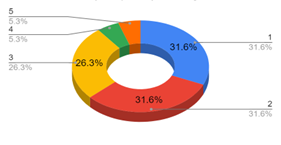
, , , , ,

“Breaking the Barriers: Overcoming Ashkenazi and Sephardic Communication Conflicts”

Collina Binafard, Bina Gabbye, Shaina Sedaghat, Alex Tevonyan

Are you tired of hearing the same old “Ashkenazi versus Sephardic” debates in the Jewish community? While there’s no doubt that these two groups have rich cultural and religious differences, it’s finally time to address the elephant in the room: communication conflicts. Whether it’s differences in language, customs, or even humor, these barriers can often lead to misunderstandings, altercations, alienation, and ostracism. But fear not, by acknowledging and understanding these differences, we can foster a more inclusive and harmonious community. As a result of these differences, Ashkenazi and Sephardic Jews have often been segregated due to their varying communicative differences which isolate the two communities. The current body of knowledge focuses on their different religious practices, traditions, customs, and backgrounds. While this information is very interesting and important to take into account when considering the ostracism and alienation between the two groups, what about the specific linguistic differences that can be observed between these two groups? How exactly does their linguistic use differ? Are there any observable differences that can be analyzed in prayer to bridge this gap in information? In order to do so, our research tried to uncover these differences through the lens of prayer, using an observational approach, and pinpointing the exact methods and ways in which linguistic practices in prayer play a role in the separation between Ashkenazi and Sephardi Jews. By uncovering the aspects that change communication characteristics we can emphasize the importance of coming together and celebrating our culturally diverse backgrounds, instead of allowing them to divide us.

[expander_maker id=”1″ more=”Read more” less=”Read less”]

Introduction and Background

Observing these linguistic differences through prayer allows people to get a deeper understanding of the ways in which Ashkenazi and Sephardic communication differs. The existing literature related to this topic offered information about linguistic differences between orthodox Jews and more traditional Jews in regard to their lexical and phonological differences. The differences that we observed in the literature inspired us to compare multiple populations within Judaism and how their communication differs, especially with respect to their ability to create meaningful interactions with one another (Sacknovitz, 2007). The combination of our analysis of the literature and via our personal experiences as Jews of multiple ethnicities who have observed these limits in communication practices, we found that \t\ release was a highly relevant topic of conversation, often penetrating discussion about humor relating to the other group and ostracizing others unintentionally. The communication language aspect(s) that we will discuss focus on the various aspects of Ashkenazi and Sephardic Jewish cultures on communication preferences when discussing prayers whose pronunciation varies based on cultural and linguistic practices. Certain words in Hebrew using /t/ release have different pronunciations within Ashkenaz and Sephardi communities. In Hebrew, the letter “ת” (Tsav or Tav) can represent two contrasting sounds. This letter can either be pronounced as a “t” sound, or as a “ts” sound. Our research aimed to observe the frequency of such pronunciations in Ashkenazi and Sephardi temples. The usage of Yiddish and Ladino in communication was also a factor we considered in our research (Benor, 2011). This factor was used to attempt to show how people communicate based on their cultures. We pinpointed the differences that can be found within the linguistic factors of prayers between these two subgroups, specifically their pronunciation and incorporation of the languages that they are often associated with.

Methods

To study these aspects of communication, we visited two Jewish temples in the Los Angeles area, Ohel Moshe, a Sephradi Temple, and Temple Emmanuel, an Ashkenaz Temple. We visited each temple at the same time of day for the afternoon prayer called Mincha which is typically said anytime after midday until right before sunset, where we observed the recitation of Psalm 145, also called “Ashrei” in Hebrew (Psalms in Liturgy 10 – Psalm 145 “Ashrei”, Sefaria, 2022). We counted a total of 34 instances where the letter Tav/Tsav appeared in the Ashrei prayer and recorded the pronunciation of those words. We were specifically observing the ways in which each group made use of the /t/ release. We also recorded the amount of time words from languages such as Yiddish and Ladino appeared within prayer and with discussions around prayer. The frequency of the use of Tav and Tsav was recorded by us during prayer which sometimes proved difficult due to the quickness of the clergy members’ sermons. However, this risk of losing data was mitigated as we had prayer books with transliterations and pronunciations. 

Results

In our results, we observed the following with regard to the presence of Ashkenazi Jewish and Sephardic Jewish communication when discussing Yiddish and Ladino. When we listened to prayers, we were shocked to find that Ladino and Yiddish were not used at all in prayer. Neither language was used in prayer, but Yiddish in contrast to Ladino was used in discussion around prayer. We observed that Yiddish words were utilized in 5 of 30, or 16.7%, of conversations that occurred before and after the service. The use of Yiddish in a minority of conversations was lower than we expected with our prediction being that one-third of conversations would have discussions in Yiddish. It is worth noting that the use of Yiddish in discussion around prayer could have been influenced by factors such as the age and background of the individuals involved in the conversation as the individuals at these synagogues were generally of an older age and thus would have higher ties to their original cultural roots. It is also possible that our sample size was too small to draw definitive conclusions about the prevalence of Yiddish in these contexts. Additionally, these results were skewed by the location as anecdotally Temples on the East Coast see a greater prevalence in the use of Yiddish words (Steinmetz, 2001). Yiddish, a language originally stemming from the intersection of German and Hebrew, is prevalent among Eastern European Jewish populations as a spoken language particularly in the Hasidic community in Brooklyn despite being considered by modern linguists as a dead language. (Roses, 1996) However, the findings we observed were more robust for the use of certain pronunciations of words when discussing /t/ release. 

In our observations, we found that in regard to uses of /t/ release Ashkenazi Jews primarily use the Tsav pronunciation which would be most similar to an English “ts” sound, while Sephardi Jews make use of the Tav pronunciation, which is similar to an English “t”. This means that while the words that they are pronouncing look identical on paper, the way in which they pronounce them is different. For example, the word “בֵיתֶ֑ךָ” which appears in the first line of the Ashrei Prayer can either be pronounced as “Veitekha” or Veitsekha”. Of the 34 instances the letter Tav/Tsav appears in the Ashrei prayer, members of the Ashkenazi Temple opted for the Tsav pronunciation 32 out of the 34 times (94.12 %) and members of the Sephardi Temples opted for the Tav pronunciation 34 out of the 34 times (100%) during the prayer. We also made the prediction that Sephardi and Ashkenazi Jews would make use of the languages of their heritage within their prayers. Sephardic Jews we believed generally incorporated the Tav pronunciation more while Ashkenazi Jews used the Tsav pronunciation more which proved our prediction.

Figure 1: This figure demonstrates the percentages of instances where Tav and Tsav pronunciations were recorded, as well as the occurrences of Yiddish and Ladino use in Ashkenazi and Sephardi Temples.

Conclusion

Our results suggest that within the Los Angeles community, there is a clear distinction between pronunciation of certain words and individual’s uses of /t/ release. Although our research had its limitations, the data we uncovered can help us understand these linguistic differences to foster a more inclusive and harmonious community. The current state being that Ashkenazi and Sephardic Jews are unable to properly communicate without encountering a seemingly invisible barrier to communication. By acknowledging and accepting these differences, we can work towards bridging the gap that separates Ashkenazi and Sephardic Jews. Our research aimed to uncover the disparities that contribute to such a gap. Although in our findings, we did not observe anything which is definitively a silver bullet to indicate that linguistic separations that exist within all Ashkenaz and Sephardi communities nationwide, we did glean valuable insights on communication components within the Los Angeles Jewish community that affect pronunciations and at times communication between Ashkenazi and Sephardic Jews. We suspect that the differences in the communication between Ashkenazi and Sephardic Jews are more tied to culture as a result of the lack of relevance with regard to the results of /t/ release and Yiddish and Ladino usage. Additionally, we were unable to answer the question of how Ashkenazi and Sephardic Jews can better communicate as a result of a lack of relevance of the variables of the use of Yiddish and Ladino. Overall, by continuing to investigate and better understand the linguistic differences between different Jewish communities, we can work towards creating a more inclusive and unified Jewish community. It is important to note that these linguistic differences are just one aspect of the rich cultural and religious diversity within the Jewish community. However, they are a significant factor that should not be ignored. Future research in this area could expand beyond the Los Angeles area to include a larger sample size and a wider geographic range. Additionally, it would be interesting to explore the role of other languages in Jewish prayer and communication, as well as how these linguistic differences impact other areas of Jewish life beyond prayer.

References

Benor, S. B. (2011). Mensch, bentsh, and balagan: Variation in the American Jewish linguistic repertoire. Language & Communication, 31(2), 141–154. https://doi.org/10.1016/j.langcom.2010.08.006

Psalms in Liturgy 10 – Psalm 145 “Ashrei” | Sefaria. (2022b, April 11). https://www.sefaria.org/sheets/398850?lang=bi

Roses. (1996). A DEAD LANGUAGE, YIDDISH LIVES. (Letter to the editor). The New York Times Magazine, 6.26–

Sacknovitz. (2007). Linguistic means of Orthodox Jewish identity construction: Phonological features, lexical features, and the situated discourse (Vol. 68, Issue 7). ProQuest Dissertations Publishing.

Steinmetz, S. (2001). Yiddish & English: The Story of Yiddish in America. University of Alabama Press.

 [/expander_maker]
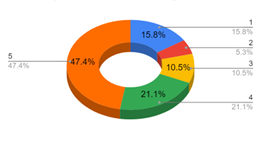
,
Scroll to Top