Sociolinguistics

Are You Seeing What I’m Seeing?: The Impact of Relative Authority on Information Interpretation

Annabelle Jeon, Seamus Kim, Ani Abramian, Liam Fink

We’ve all celebrated Thanksgiving or some other special occasion when people from opposite sides of the aisle come together to celebrate an obligatory meal in the name of family—and chaos ensues. The estranged uncle is spouting conspiracy theories and someone’s aunt is convinced that raising taxes will be the downfall of the economy. As amusing as this hypothetical scenario is, growing polarization is a very real issue that contributes to increased social fragmentation and wider political turmoil. This study aimed to investigate the source of polarization—specifically as a result of differing interpretations of the same information due to different positions of power. Our sample consisted of students and police officers at the University of California, Los Angeles (UCLA), all of whom were instructed to watch the same video of a protest in Belarus and interviewed to gauge and compare their linguistic behavior. Our results suggest that differences in power do indeed contribute to different interpretations and subsequently different linguistic behavior as those in power, the police officers, showed a markedly neutral and indifferent response in contrast to those without, the students, who demonstrated a clearly supportive response when given the same information.

[expander_maker id=”1″ more=”Read more” less=”Read less”]

Introduction and Background

There is a common sentiment that Americans are becoming increasingly polarized (Figure 1, Pew, 2023). Across the political spectrum, many identify the foremost culprit as: misinformation. While there is a growing body of research that points to dangerous levels of misinformation in our current digital age, to attribute polarization solely to misinformation is an oversimplification (Vasist et al., 2023). As information systems researcher Stahl points out, there is no singular “truth” (2006). We each carry with us implicit biases that paint the way we process information. Influenced by his research, we opted to study how divergence arises from people interpreting the same information differently due to identity-based idiosyncrasies.
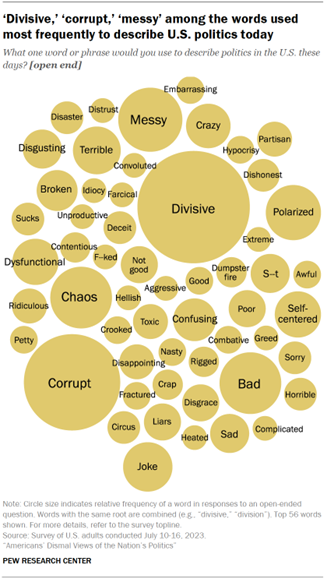
Figure 1: As shown in this figure, according to a mass survey distributed by Pew Research Center, many Americans describe U.S. Politics as “divisive”, “messy”, and “polarized”.

Our design was influenced by Kahan et al. (2012), which asked subjects of various political beliefs whether the police acted lawfully or not after watching a video of an ambiguous protest to investigate the potential influence of ‘cultural cognition’ on perceptions of legally consequential facts. Since positions of power have been shown to play a significant role in shaping linguistic behavior in social settings, we decided to use relative authority as a factor of interpretative divergence—and—linguistic behavior as a measure for participants’ interpretations (Danescu-Niculescu-Mizil et al. 2012).

Thus, we investigated how UCLA students and UCLA police officers interpreted an ambiguous protest scenario, hypothesizing that officers would use more critical language while students would use more positive terms, despite receiving the same information.

Methods

We employed a qualitative interview design to investigate how relative authority (being a student versus being a police officer) might correlate with differences in interpretation of the same video, as evidenced by linguistic behavior. We interviewed 6 participants–3 UCLA students and 3 UCPD officers–in-person. First, we asked about their age, ethnicity, gender, rank/year, and political leaning to account for potential both inter- and intra-group differences due to factors beyond position of authority. Then, the interviewer provided a single sentence of context for the video, describing it as a factory strike over stagnant wages in Belarus. The participants then viewed a ten second clip of the strike and were asked at least four questions:

  1. How would you characterize the people striking?
  2. How would you characterize the overall atmosphere of the protest?
  3. What do you believe is the primary motivation behind the protest?
  4. What impact do you think the protest has on the local community?

Interviews were to be 10-15 minutes long to provide enough data for rigorous linguistic analysis. In case responses ran under, interviewers were instructed to ask follow-up questions for each primary question, including:

  1. What from the video are you basing this perspective on?
  2. How do you think people with opposite political beliefs from you would respond to this question?

The questions were designed to elicit elaboration beyond the immediate facts of the video (there are people; they’re carrying signs; etc.), without insinuating any particular interpretation.

We analyzed transcriptions of their responses for diction (buzzwords, specific phrasings, etc.) to identify any notable patterns in linguistic behavior, which were then compared to reveal potential intra- and inter-group differences in the interpretation of the scenario. Finally, the findings were situated within a larger societal context to contribute to ongoing discussions of the relationship between information and perspective. 

Results and Analysis

We engaged in two levels of analysis, starting with an examination of each transcript for keywords and phrases, patterns in descriptions, and other notable features. Below is a short excerpt from one of the responses collected.
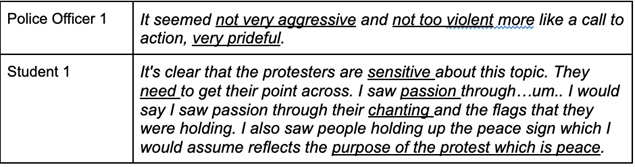
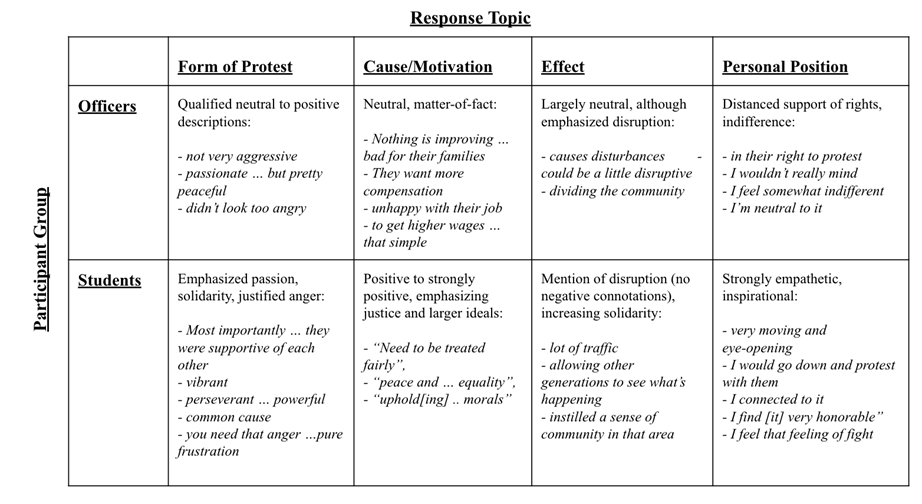
Figure 2: Comparison of responses between police officer 1 and student 1 when asked to characterize the overall atmosphere of the protest. [underlined words/segments reflect features that we noted as relevant diction for analysis]:
Second, we compared our analyses of the transcripts to yield insights about both within-group (student or police officer) and between-group commonalities and differences. To organize our findings, we organized extracts and our resulting insights into four categories/topics of interpretation:

Figure 3: Summarized responses of each group based on the four categories

Our data revealed that all participants shared a relatively positive view of protests. Though the difference in results were not as significant and explicit as expected, there were still clear linguistic differences. In contrast to students, who emphasized overt and immediate solidarity from the start, stating that the protestors were “supportive of each other” and “perseverant”, police officers were more hesitant in their responses, describing the protests as “passionate… but pretty peaceful” and “not very aggressive” before expressing mild approval.

The officers also mentioned that the protest could “cause disturbances” and “be a little disruptive” when asked about the possible impact on the community. Meanwhile, students continued to express support, characterizing the protests as a communal movement for the greater good. One student even expressed personal willingness to join, citing reasons such as fair wages, drawing from their own protest experiences. To summarize, all three students demonstrated clear patterns of empathetic identification with the protestors, while the officers exhibited a more distant, moderate sense of support.

Discussion and Conclusions

Our data reveals notable linguistic patterns amongst the police officers that differ from those of the students, strongly suggesting differences in the interpretation of the same scenario, which moderately aligns with our hypothesis. It’s important to note, however, that while the students used clearly positive diction to express support, the police officers were implicitly critical rather than using outright critical diction in describing the protestors. In sum, the discursive behavior of the students in comparison to the police officers suggested that the students by default held the protest in a positive regard, while the officers determined that the protest was generally acceptable but only because it met certain criteria (non-aggressive, minimal disruption, within scope of rights, etc.). Furthermore, our results align with that of Karjus’ study, which demonstrated a strong correlation between linguistic differences and American political polarization as each political faction constructs their own linguistic echo chamber of shared narratives of certain words and phrases, reinforcing their beliefs and causing further division (2023).

An unexpected challenge in gathering and analyzing our data was the consistently brief responses from officers, which were about a quarter to half as long as those from students. This reduced data volume may decrease confidence in our findings regarding police perspectives. However, the brevity could also suggest neutrality or indifference, reflecting a lack of strong opinion. Another plausible explanation: because of their stronger authority relative to the student, the officers felt less inclined to answer as thoroughly as the students. In this way, our positionality as students may have also affected the results of this study, a reminder of the elusive nature of the ecological validity that we anthropologists continue to seek.

This study contributes to research on communicative divergence and polarization by highlighting the role of relative authority/power in shaping differing views, even when information is controlled for. We urge future studies to explore additional factors such as socioeconomic status, ethnic/cultural background, and region, which may also influence divergent interpretations. Understanding these factors is crucial for modifying approaches to cooperation and peaceful resolution to combat polarization. Rather than focusing solely on ‘the facts,’ advocates must acknowledge and align with the underlying principles driving diverse interpretations.

References

Danescu-Niculescu-Mizil, C., Lee, L., Pang, B., & Kleinberg, J. (2012, April). Echoes of Power: Language Effects and Power Differences in Social Interaction PDF. Ithaca; Cornell University Department of Computer Science. https://www.cs.cornell.edu/~cristian/Echoes_of_power_files/echoes_of_power.pdf

Kahan, D. M., Hoffman, D. A., Braman, D., Evans, D., & Rachlinski, J. J. (2012). “They Saw a Protest”: Cognitive Illiberalism and the Speechconduct Distinction. Stanford Law Review, 64(4), 851–906. http://www.jstor.org/stable/41511108

Karjus, A., & Cuskley, C. (2023, September 4). Evolving linguistic divergence on Polarizing Social Media. arXiv.org. https://arxiv.org/abs/2309.01659

Pew Research Center. (2023). Americans’ feelings about politics, polarization and the tone of political discourse. https://www.pewresearch.org/politics/2023/09/19/americans-feelings-about-politics-polarization-and-the-tone-of-political-discourse/

Stahl, B. C. (2006). On the difference or equality of information, misinformation, and disinformation: A critical research perspective. Informing Science, 9, 83.

Vasist, P. N., Chatterjee, D., & Krishnan, S. (2023). The Polarizing Impact of Political Disinformation and Hate Speech: A Cross-country Configural Narrative. Information systems frontiers: a journal of research and innovation, 1–26. Advance online publication. https://doi.org/10.1007/s10796-023-10390-w

 [/expander_maker]
, , , ,

Uncovering Gendered Dynamics: A Comparative Analysis of Interactions Between Customers and Service Industry Workers

Elizabeth Truong, Naomi Crandall, Zoe Jespersgaard, Jennifer Ma, Victoria Yu

In contemporary society, coffee shops act as significant social hubs, facilitating interactions between service workers and customers that reflect broader gender dynamics. This research investigates the nuances of gendered interactions within coffee shops, focusing on American college students in the Westwood neighborhood of Los Angeles. The study aims to understand how gender influences various aspects of service worker-customer interactions, including word choice, politeness, and conversational patterns. Based on the hypothesis posited, which suggests that female-presenting customers are more likely to exhibit politeness towards service workers compared to their male-presenting counterparts, the research examines data collected through non-participant covert observation and conversation analysis. The findings reveal significant gender differences, with female-presenting individuals demonstrating more polite behaviors such as hedging and the use of politeness markers compared to their male-presenting counterparts. Female-female interactions were characterized by longer discussions and more pleasantries, while male-male interactions tended to be more direct. Overall, the study contributes to our understanding of gender dynamics in public spaces and underscores the importance of recognizing and addressing these dynamics for fostering inclusive environments.

[expander_maker id=”1″ more=”Read more” less=”Read less”]

Introduction

Within modern society, coffee shops serve as social hubs, offering an ideal setting for individuals looking for a quick respite as well as providing us with critical information regarding the nuances of gendered interactions between service workers and customers. Interactions between service industry workers and customers play a key role in shaping the experiences within public spaces, revealing broader societal norms and dynamics. In this research paper, we investigate how the dynamics of service worker-customer interactions in coffee shops are impacted by gender, specifically focusing on various aspects such as word choice, personability, and politeness. This paper is focused on studying these interactions between the demographic of American college students, with data collection taking place in coffee shops in Westwood Village, close to the campus of the University of California Los Angeles. By analyzing these factors, we aim to contribute to the understanding of gender dynamics within service interactions, uncovering any patterns or disparities present. Our hypothesis posits that female-presenting customers are more likely to exhibit politeness towards service workers compared to their male-presenting counterparts. Additionally, we anticipate greater deviations from the conventional ordering process when the gender presentation of the customer aligns with that of the service worker.

Background

In observing service encounters, we see various linguistic properties which are present in communicative patterns, contributing to the dynamics of interaction. Some specific examples include politeness strategies, turn-taking patterns, gestures, and lexical choices. Politeness theory, developed by linguists Brown and Levinson is quite in-depth, and the following video made by the University of Vienna does a great job of simplifying some of its more complex aspects: https://youtu.be/e-B-kJi0Rek. Speakers often use politeness strategies to maintain positive social relations. The desire to be perceived as kind or polite is an example of a term known as positive face (Brown and Levinson 2006). As many people wish to be accepted and liked by others, we expect most customers to utilize positive face techniques such as smiling or engaging with the server in conversation outside of their order. This can involve using polite language, such as “please” and “thank you,” or softening directives and requests. In addition, conversations typically follow turn-taking patterns, where speakers take turns to contribute to the interaction. Signals such as pauses, intonation, or body language help regulate conversation flow and indicate when it is appropriate to speak. Moreover, nonverbal cues like facial expressions, gestures, and body language are also important. They complement verbal communication and may convey sincerity, friendliness, or authority. Lastly, the selection of words and phrases reflects cultural norms, social roles, and individual identities. Lexical choices can influence identity, social status, or group membership, contributing to the overall tone and meaning of the interaction.

Similarly, the data samples we have gathered closely align with these linguistic properties and patterns seen in other service encounters. A previous study, which looked at female politeness towards other females versus towards males, found that gender played a pivotal role in the presence of politeness. The authors found that females were more likely than males to speak politely to others, especially when speaking with other females (Keikhaie and Mozaffari 2015). Across the interactions in our research, both baristas and customers use polite greetings, express gratitude, and use personalized terms to address each party, fostering a friendly and welcoming atmosphere. Turn-taking patterns were also observed, with participants getting a chance to speak and respond. Additionally, positive body language, such as smiling and maintaining eye contact, contributes to a positive customer experience by maintaining an informal and relaxed environment. Overall, the data illustrates the importance of these linguistic elements in effective communication during service encounters.

Methods

The methods we used for data collection were non-participant covert observation and conversation analysis. We opted for non-participant covert observation of the interactions between the customer and barista in order to understand the social reality and implicit features of the interactions. With the participants not knowing that they are being observed, it ensures that the data is the most accurate and unbiased as it can be. We will also be analyzing the conversations we observe to investigate and gain more insight into the deeper meaning of the words and actions throughout the interactions.

To guide this research, our general research question is, do levels of politeness differ in server-customer interactions based on gender? Within this question, we also have some more specific focuses. They are as follows: How do different genders express and navigate face-saving and face-affirming behaviors through mechanisms such as hedging and politeness markers?; Do levels of intimacy and politeness differ in same-gender interactions as compared to different-gender interactions?; Are male or female-identifying people treated with more politeness?; Do male or female-identifying people use more politeness markers? Our general hypothesis is that females will use more face-saving behaviors and be less direct when ordering and interacting with customers.

Results

In order to gain a more complete understanding of the gendered relationships between customers and service workers, we collected data from different coffee shops in the Westwood neighborhood of Los Angeles, California. The coffee shops that we collected data from include Alfred Coffee, Starbucks, Ministry of Coffee, and Stereoscope in Hollywood. Our general hypothesis for our research was that females would use more face-saving behaviors and be less direct when ordering and interacting with customers. Based on our data samples taken from various coffee shops, it can be seen that females are more likely to initiate an interaction and use pleasantries during a service encounter. After analyzing the 17 conversational samples that we have collected thus far, we were able to group some behaviors that we felt applied to our hypothesis. The following categories are presented below, accompanied by examples derived from the dataset.

Hedging

The data revealed distinct gendered differences in the interactions between customers and service industry workers. Our observations consistently indicated hedging behavior among female customers, evidenced by the frequent use of words such as “um” and employing indirect language when placing orders. Female customers had the tendency to substitute “could” for “can” during these brief interactions. Additionally, the hedging term “just” was more prevalent in the speech of female customers within the dataset. Furthermore, female customers exhibited greater pauses or displayed hesitance while placing their orders.

Introductory Greetings

Across all data sets, we found that female service industry workers were more likely to ask the customer how they were doing in addition to giving a standard greeting. Additionally, the data show that although both male and female baristas will initiate the interaction between them and their customers, females are more likely to ask about a customer’s well-being as part of the introductory greeting.

Politeness Markers

The data show that the majority of the time, female customers were significantly more likely to say “please” while making their requests. Additionally, we found that across all the data sets, there was less smiling involved in male-to-male interactions. One data set found that the male barista solely smiled at female customers, maintaining a neutral expression for male customers.

We found that female customers are more likely to respond politely and provide detailed information about their order, contrasting with the male customer’s direct and concise style.

Volume

Based on the observed data, both the customers and service industry workers maintained a consistent volume level throughout the majority of their interactions, with subtle variations in assertiveness, such as a female barista taking a slightly more assertive tone during certain interactions. Across all data sets, we found that the volume of female speakers in both roles was lower than that of their male counterparts. We also found that female customers tended to end their sentences with a higher pitch, while male customers kept their tone and volume consistent throughout the entire interaction.

Length of Discussion

Across all data sets, the longest discussions that took place were in female-female interactions while the shortest interactions tended to be in male-male interactions, with very few pleasantries.

We observed a consistent pattern between these interactions with the deviations occurring primarily in female-female interactions. One deviation that we recorded was a female barista complimenting a female customer’s sweater. Additionally, we recorded a sense of friendliness and camaraderie when a female barista made a mistake when taking an order from a female customer and the two laughed together. Across all the interactions, the male-male interactions required significantly less clarification of their orders. We were able to conclude that longer interactions are likely characterized by the female customer providing detailed information about their order. Male customers usually order without much elaboration, thus leading to shorter and more direct interactions.

Discussion

The data show that there are significant gender differences in the interactions between service industry workers and customers. The results of this study show that there were gendered differences in hedging, introductory greetings, politeness markers, volume, and discussion length. Female customers were significantly more likely to exhibit hedging behaviors than their male counterparts, demonstrating hesitation and less confidence in the interaction overall. While male customers rarely demonstrated hedging behavior and tended to have a more dominant approach to the conversation, especially when speaking to a female barista. Additionally, the data show that although both gendered service industry employees provided some sort of greeting, female service industry workers were significantly more likely to ask the customer about their well-being in addition to providing a standard greeting.

While surveying politeness markers, the data show that female-presenting customers were more likely to utilize polite terms such as “please” and “thank you” than male-presenting customers. Additionally, our study found that female-presenting customers were more likely to respond politely and provide more detailed information regarding their order while male-presenting customers tended to adopt a more concise and direct approach. Across all data sets, we found that there were fewer non-verbal politeness cues such as smiling in male-male interactions. Previous studies have produced similar results that show females interacting with other females will utilize polite behavior more often than their male counterparts. The authors explain that this may be because women are more conscious of rejection and stigma and therefore put in more effort to be perceived in a positive way (Keikhaie and Mozaffari 2015). In our research, the male-presenting customers had the tendency to adopt a more dominant and less friendly approach to these interactions, highlighting their perception of their importance and role within this particular community.

In terms of volume, our data show very little variation. Both gender identities maintained a consistent volume throughout their interactions, however, female-presenting customers and service workers utilized a lower volume overall, ending their sentences with a higher pitch. Alternatively, while studying conversation length, we found that female-female interactions were significantly longer than male-male interactions. This variation is due to the use of more pleasantries in female-female interactions as well as the absence of these pleasantries and the more direct tone used in male-male interactions.

While our study is able to successfully identify gender differences in hedging, the presence of introductory greetings, politeness markers, volume, and discussion length, it is important to note that our research is primarily focused on the Los Angeles neighborhood of Westwood. Although the individuals who visit local Westwood establishments possess very diverse backgrounds and gender identities, this is not the case in all communities across the United States. Different communities may have differing opinions on gender identities and thus have drastically different interactions based on their community’s view on gender identities. In order to gain a more complete understanding of how these interactions between service industry workers and customers vary by gender, more research must be done examining broader geographical areas. By expanding the geographic range of this study, we will be able to come to a more concrete understanding of the different practices and patterns utilized between different genders in service industry interactions.

Conclusion

After conducting a thorough literature review as well as completing data collection such as observations and conversation analyses, we found that female-presenting customers and service industry workers were significantly more likely to utilize polite behaviors than their male-presenting counterparts. The data show clear patterned differences between these service industry interactions in the categories of hedging, the presence of introductory greetings, politeness markers, volume, and the length of the interaction. In each of these categories, the female-presenting customers and service industry workers utilize more polite approaches when addressing each other and members of the opposite gender. These results provide valuable information regarding not only the gender roles within service industry interactions but also the underlying social norms and dynamics within a public sphere.

References

Brown, P., & Levinson, S. C. (2006.). Politeness: Some Universals in Language Usage. In The Discourse Reader (2nd ed., pp. 311–323). Routledge: Taylor & Francis Group.

Forseth, U. (2005). Gender matters? Exploring how gender is negotiated in service encounters. Gender, Work & Organization, 12(5), 440–459. https://doi.org/10.1111/j.1468-0432.2005.00283.x

Gibson, E. K. (2014, May 27). Would you like manners with that? A study of gender, polite questions, and the fast‐food industry. Academia.edu. https://www.academia.edu/4031180/E._K._GIBSON_-_A_study_of_gender_polite_questions_and_the_fast_food_industry

Hultgren, A. K. (2017). New perspectives on language and gender: Linguistic prescription and compliance in Call Centres. Language in Society, 46(5), 671–695. https://doi.org/10.1017/s0047404517000574

Keikhaie, Y., & Mozaffari, Z. (2015). A Socio-linguistic Survey on Females’ Politeness Strategies in the Same Gender and in the Cross-Gender Relationship. Iranian Journal of Applied Language Studies, 5(2), 51-82. doi: 10.22111/ijals.2015.1877

Schnabel, Lukas. “Politeness in Linguistics: An Overview.” YouTube, uploaded by Lukas Schnabel, 23 June 2019, https://youtu.be/e-B-kJi0Rek

Taylor, J. L. (n.d.). I Need a Coffee: Pragmalinguistic Variation of Starbucks Service Encounter Requests According to Interaction Modality. Indiana University. https://scholarworks.iu.edu/journals/index.php/iulcwp/article/download/26219/31840/61913

West, C. (1993). Reconceptualizing gender in physician-patient relationships. Social Science & Medicine, 36(1), 57–66. https://doi.org/10.1016/0277-9536(93)90305-n

 [/expander_maker]

, , , ,

Pero Like… The Prevalence of Spanglish Use in Instagram Over the Course of a Six Year Time Span (from 2018 – 2024)

Alayla Navarro, Apoorva Gunti, Jester Mediano, Kaitlin Carlos, Steven Arias

Through social media, the exercise of language has never been more documented. Online communication in the Anthropocene is commonplace in many parts of the world, expanding the prevalence of language mixing, such as Spanglish. This can be brought on by different factors. Our research aims to track how over time, Spanglish became a relatively common way of speaking in social media apps like Instagram. We present data analyzing three different social media accounts on Instagram that employ the use of Spanglish vocabulary, exhibiting a positive correlation of Spanglish use over time. The analysis is done on the Instagram comments under posts targeting the Hispanic community. The comments were randomly chosen and manually examined, where we looked at whether the comment had Spanish/Spanglish and what the comments meant. The increase was documented over the time period of 2018-2024, where Instagram users utilized Spanglish the least in 2018 and the most in 2024. We also expand on this idea and analyze the prevalence of both Spanglish and the use of Spanish in an English-language dominated social media platform, such as Instagram, where the latter saw a larger increase over the time period we documented.

[expander_maker id=”1″ more=”Read more” less=”Read less”]

Introduction and Background

Because of different factors like stigmatization, languages like Spanish have constantly been derided in the United States. Up until recently, the use of Spanish has been a point of contention. Through rising acceptance of Spanish in popular media such as TV shows, movies, and through the popularization of Spanish-speaking artists, Spanish itself has made its way into mainstream acceptance in the United States. This phenomena can also be seen in social media like Instagram where comedic accounts like meme pages whose main language is Spanish is followed by hundreds of thousands of people. Through those social media pages, the use of Spanglish also became increasingly common as the acceptance of Spanish slowly became accepted. By tracking comments and responses from those Spanish meme pages on Instagram ranging from 2018 all the way to 2024, we aim to see how the use of hybrid language increased over time.

Methods

The project design sought to examine the frequency of hybrid language use and code-switching among online bilingual Spanish and English-speaking individuals over time. The expressions to be analyzed were sourced from the comments sections of three Instagram accounts that foreground Latin American culture, have large follower bases, and have posted consistently for the time span this study examines: perolike, so.mexican, and corridoybandas.

From these accounts, three posts from 2018-19, 2021, and 2024 were taken from each. 50 comments were selected as impartially as possible from those 9 posts, and collated into tables that marked expressions as either fully English, or as having some presence of Spanglish or Spanish. After investigating the increasing or decreasing prevalence of Spanglish use with these comments over the span of 6 years, expressions were then translated and interpreted to determine how users authenticate or negate aspects of culture and personal identity.

Results

After compiling Instagram comments and categorizing them, we created tables tracking the change in frequency of the use of Spanish and Spanglish on Instagram comments over the time period of 2018 to 2024, shown in figures one and two. Figure one has data in tally form and figure two has data in percentage form.

Figure 1: Use of Spanish and Spanglish comments on Instagram account by tally (out of 50)
Figure 2: Use of Spanish and Spanglish comments on Instagram account by percentage

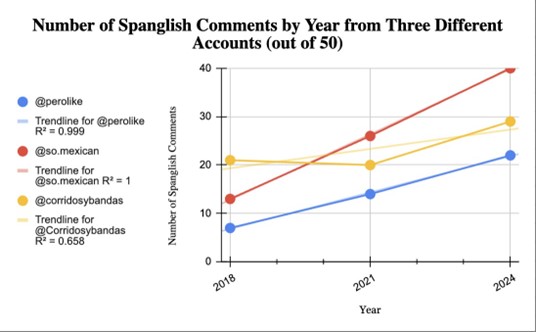
We then used this data to create a graph, in which all three Instagram accounts show a positive correlation over time, indicating an increase in the use of Spanglish within the comment sections of these accounts. Figure three shows this graph.

Figure 3: Number of Spanglish comments by year from three different accounts (out of 50)

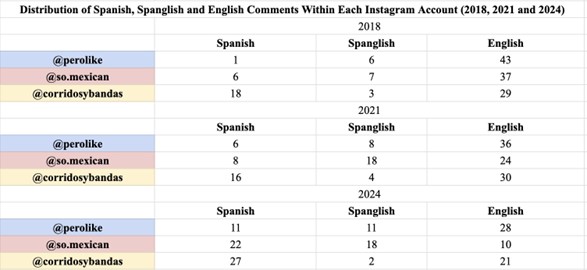
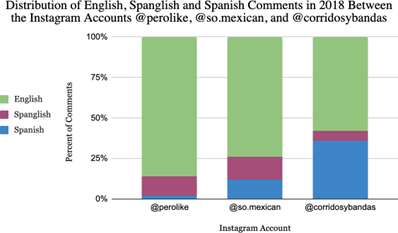
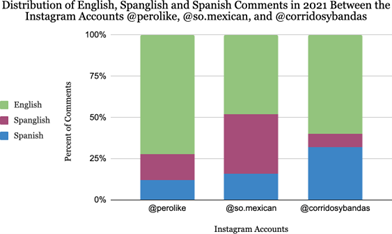
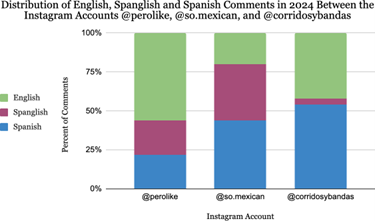
We also went further and analyzed the prevalence of Spanglish and Spanish. We separated these two categories specifically to understand and categorize hybrid-language use versus the use of a different language in an English-predominant social media platform. A table of data distributing Spanish, Spanglish, and English Comments between the three Instagram accounts, separated by year, is listed below in figure four.

Figure 4: Distribution of Spanish, Spanglish, and English comments within each Instagram account (2018, 2021, and 2024)

We took this data table and transformed the data into a column chart, as listed below in figures five, six, and seven.

Figure 5: Distribution of Spanish, Spanglish, and English comments within each Instagram account (2018)
Figure 6: Distribution of Spanish, Spanglish, and English comments within each Instagram account (2021)
Figure 7: Distribution of Spanish, Spanglish, and English comments within each Instagram account (2024)

Based on these distributions, although the use of both Spanglish and Spanish generally have increased, the use of Spanish has increased at a greater rate than Spanglish. This increase is specifically highlighted with the @corridosybandas Instagram account.

Discussion

According to Crooks (2004), new communication technologies, such as social media platforms like Instagram, have influenced the formation of linguistic and social identities from its users, allowing for shifts and adaptations of the language. To further expand on past literature findings, we identify Spanglish as an indexical tool used to assert a sense of belonging with a twist. Our findings indicate that within the Spanish-speaking culture, Spanglish users exploit Spanish’s emergent language development and constant linguistic varieties it possesses at the user’s convenience, with intention (Wentker and Schneider, 2022). This is seen during 2018-2019 in comments of the account @so.mexican where the use of Spanglish was low and was predominantly English. This is similar to the finding by Maliani (2021), where 43% of Indonesian bilingual speakers inserted English words in their tweets. Although this article explored the different forms of code mixing, our research took this trend to the next level by looking into the context of which these words were used. Our research identified a trend where users consistently chose Spanish word insertions that referred to cultural traditions or types of relations used by that community. For example, the use of “la dieta”, “otro taco” (“the diet” “another taco”) from the commenter indicated that users have experienced this cultural concept of risking your diet for tacos, a deeply desired food by people within this community. This asserts belonging within the community by relating to an experience shared by other members.

Another form of word insertion commonly found was the use of relational words translated into Spanish, such as “Tio,” “Tia,” and “Mami”, respectively translating to “uncle”and “aunt”, and the slang word for “beautiful girl”. We can conclude, with these insertions, that this Spanglish use was intentional, with the goal of connecting to the community and identifying as a member themselves.

A second finding expanding beyond current literature is the user’s demonstration of their own Spanglish ideologies and how they express these expectations when someone does not follow them. From past literature, we have understood the following: code-switching is intentional and asserts sense of belonging, social media allows for adaptation and variation of language, code-switching differs from face-to-face and online uses, and non-native English speakers have increasingly opted to use their native language within online platforms (Crooks, 2004; Dailey-O’Cain, 2017; Maliani, 2021; Wentker and Schneider, 2022). In 2021, users critiqued a post on their use of Spanglish, which stated “When todos andan muriendo de frio but tienes tu cobija de tigre” (translating to: “when everyone is dying from the cold but you have your tiger blanket”). The commenters corrected the post by sharing what Spanglish is and described their “improper use” of it as “forced” and “dumb.” This demonstrates how in addition to social media allowing for Spanglish users of varying levels to be confident in using Spanglish more frequently, those who consider themselves experts in this language can inform and correct other users through social media platforms as well. This adds to past literature because it opens up a new door for a different view on Spanglish. With this finding, we can have a small piece to the bigger picture of Spanglish use. We can now look further and ask ourselves, what is Spanglish from the perspective of fluent Spanglish users, what ideologies and expectations do they have in terms of Spanglish linguistics and how might this perspective change depending on the region in which this speaker resides?

Conclusion

In conclusion, the normalization and usage of Spanglish, a hybrid language that incorporates elements from both English and Spanish, has increased and become relevant in digital spaces like social media. Despite Spanglish’s contested history, it serves as a means of cultural affiliation and experience for many in the Mexican and Latin American communities. Although the research contains limitations, such as not knowing the location of users, the results are indicative that an increase in usage and frequency has occurred.

References

Cook, S. E. (2004). New Technologies and Language Change: Toward an Anthropology of Linguistic Frontiers. Annual Review of Anthropology, 33, 103-115. https://www.jstor.org/stable/25064847

Dailey-O’Cain, Jennifer. “Language Ideologies, Multilingualism, and Social Media.” Trans-National English in Social Media Communities, edited by Jennifer Dailey-O’Cain, Palgrave Macmillan UK, 2017, pp. 23–60. Springer Link, https://doi.org/10.1057/978-1-137-50615-3_2.

Maliani, P. (2021, August). Code mixing as language style in communication through Social Mediatwitter.Researchgate. https://www.researchgate.net/publication/357686277_CODE_MIXING_AS_LANGUAG E_STYLE_IN_COMMUNICATION_THROUGH_SOCIAL_MEDIA_TWITTER

Piasente, J. (2013). Looking for identity in a multicultural world: The Case of Spanglish in the United States.

Wentker, M., & Schneider, C. (2022). And she be like ‘tenemos frijoles en la casa’: Code-switching and identity construction on YouTube. Languages, 7(3), 219. https://doi.org/10.3390/ languages7030219

 [/expander_maker]

, , , ,

Language Proficiency’s Impact on Healthcare Quality for Marginalized Patients: A Physician-Patient Communication Perspective

Lilian Nguyen, Rebecca Kim, Lillian Thai, Ysabella Ballesteros-Barajas, Andrea Romero

Our study investigates language barriers’ impact on patient-physician relationships among marginalized racial and ethnic communities in Southern California. We aim to understand how limited English proficiency affects healthcare access and quality for non-native English speakers. This exploration is crucial in identifying and addressing disparities in healthcare settings, particularly how language barriers intensify existing challenges. We hypothesize that disparities in language proficiency significantly influence the quality of care received by ethnically marginalized patients. Our research highlights ongoing societal norms in America, which disproportionately affect immigrants. We emphasize the necessity of addressing healthcare disparities for ethnically marginalized communities, advocating for enhanced resources and support. Analysis of data patterns reveals the profound impact of limited English proficiency on patient understanding and comfort in medical settings. Additionally, we identify the added responsibilities shouldered by non-English patients and the minimization of patient-physician interaction in the US healthcare system. In conclusion, our findings underscore the urgency of improving communication and understanding between patients and providers. This entails training healthcare providers in cultural competency and ensuring multilingual health materials’ availability. By addressing language barriers, we can strive towards a more equitable healthcare system that meets the diverse needs of all patients.

[expander_maker id=”1″ more=”Read more” less=”Read less”]

Introduction and Background

Our study explores the intricacies of patient-doctor relationships, with a specific focus on the ramifications of language barriers among individuals from marginalized racial and ethnic communities in California. Our objective is to comprehend how language proficiency, particularly among non-native English speakers, impacts their interactions with healthcare providers and their ability to access healthcare resources. This research holds significance in unveiling the challenges faced by these communities in healthcare settings, particularly how language barriers may exacerbate these challenges. Furthermore, we aim to explore the influence of language on the quality of care. Our hypothesis suggests that disparities in language proficiency between physicians and patients from ethnically marginalized communities significantly influence the quality of healthcare received. We seek to address the question: “Does language proficiency between physicians and patients from ethnically marginalized communities impact the quality of care?”

The ongoing Eurocentric-centric societal norms in America, profoundly affecting immigrants and refugees who have migrated to the country since the 20th century (Batlova 2018), have sparked discussions on the interpersonal and intrapersonal repercussions within marginalized communities. During this period, many immigrant groups encountered social and economic marginalization in American society, leading to their disconnection from the healthcare system (Anderson 2019). Our research endeavors to explore these effects within the framework of the US healthcare landscape, dissecting how the experiences of minority groups may differ from those of predominant communities through the analysis of language usage and conversations. Healthcare holds paramount importance for the living conditions of these burgeoning populations, as unequal access to adequate resources may jeopardize their overall well-being (Hsueh 2021). Previous studies have indicated physician bias as a limiting factor in physician-patient understanding, thus fueling ethnic disparities within healthcare settings.

Additionally, minority populations, including Hispanic, Black, and Asian communities, are expected to account for 40% of the US population by 2035 and 47% by 2050 (Cooper 2003). Therefore, as minority populations in America continue to grow (Cooper 2003), it becomes increasingly imperative to strive towards enhancing their quality of care by addressing potential barriers to access.

Hence, this research aims to further emphasize the correlations between English language proficiency and the quality of care in physician-patient relationships in America. Paying attention to recurrent themes in word choices used by participants will aid in highlighting how one’s ethnic identity may contribute to communication barriers (Irvine 2020). The selection of words by our participants when responding to questions regarding their relationship with their primary healthcare provider remains crucial in understanding their healthcare experiences and evaluating the quality of care they receive. This is because self-reported health status is imperative in raising awareness of vulnerable minority communities and their access to quality healthcare (Gandhi 2020). Analyzing recurrent themes in word choices will, therefore, offer a more nuanced insight into how ethnic identity influences communication barriers.

Methods

Our study investigates the impact of language barriers on patient-doctor relationships within marginalized communities, focusing on healthcare quality, resource access, and patient vulnerability. Employing a mixed-methods approach, we utilize surveys and structured interviews to gather data from individuals across diverse marginalized racial and ethnic backgrounds with varying English proficiency levels. The survey involves five participants from the target population, while in-depth interviews are conducted with another group of five individuals. Both methodologies are guided by specific formulated questions. Data collection occurs via online platforms for surveys and virtual or in-person settings for interviews, ensuring demographic diversity. Sampling aims to encompass individuals from various marginalized racial and ethnic backgrounds with differing English proficiency levels. Quantitative survey data is analyzed using Google Forms, while qualitative interview data is scrutinized for analysis.

Results

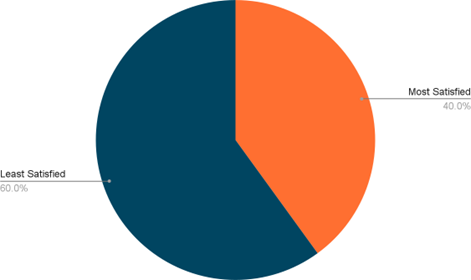
Figure 1: Patient satisfaction with medical provider’s explanation of healthcare treatment (i.e. medications, procedures, diagnosis).
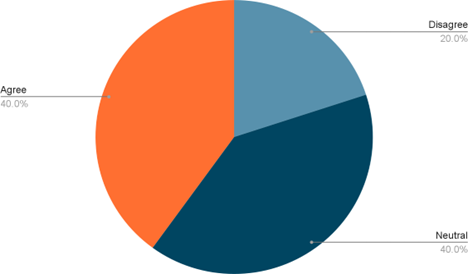
Figure 2: Patient trust levels based on primary care physician’s native language fluency
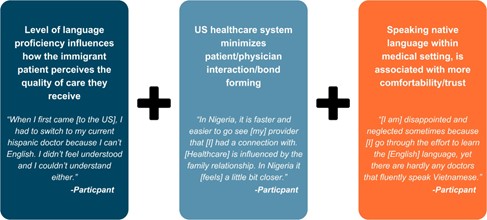
Figure 3: Influence of Language Proficiency and Patient-Physician Interaction on Immigrant Patient Perceptions of Healthcare Quality.

Discussion and Conclusions

Upon analyzing our data, we have uncovered several underlying patterns (Figure 3).

Participants were tasked with evaluating their comprehension of the information and instructions provided by their medical providers. A notable observation was made by several participants who, while generally able to understand this information, encountered challenges in comprehending medical terminology that they are only familiar with in their native language (Figure 1). Consequently, our findings indicate a strong positive correlation between limited English proficiency and difficulties in understanding medical information. This correlation is particularly significant for immigrant patients who already face additional social and cultural barriers, such as cultural assimilation. Speaking in their native language with their primary care physician fosters a sense of familiarity and comfort (Figure 2). Additionally, ethnically marginalized patients who communicate in their native language with their physician feel more at ease expressing themselves and discussing sensitive health issues without fear of misunderstanding or judgment.

Moreover, we explored the ways in which patients may assume extra responsibility or seek support regarding their medical care. While some participants reported not assuming any additional responsibility, others mentioned making efforts to learn English to communicate with their English-speaking doctors or relying on family members for support during medical visits. This highlights the burden placed on non-English patients to bridge communication gaps with their physicians.

Furthermore, our study reveals a significant finding regarding the minimization of patient-physician interaction in the US healthcare system (Figure 3). Despite acknowledging advancements and modernity in US medicine compared to their countries, our data indicates a minimization of interaction and bonding. This may be attributed to factors such as limited appointment times, a national physician shortage, minimal physician cultural sensitivity, and an overarching focus on efficiency over personalized care (Silver 2019). Consequently, ethnically marginalized patients may feel disconnected from their healthcare providers, perceiving a lack of empathy and understanding during medical encounters.

In conclusion, our study underscores the necessity for additional resources and support for marginalized communities with limited English proficiency to achieve the same level of quality communication and care as native English speakers. Moreover, our research highlights significant health disparities among ethnically marginalized communities with limited English proficiency. This emphasizes the importance of addressing these disparities and implementing improvements in the healthcare system. Immigrants, in particular, face the challenge of mastering language, culture, and healthcare protocols to engage with providers and comprehend health information (Radl-Karimi 2020). Healthcare providers must receive training in cultural competency, health literacy, and patient education techniques. Additionally, ensuring the availability of health materials in multiple languages and formats tailored for low-literacy populations is crucial. Our study also reveals that participants sought assistance in understanding medical instructions when provided with written reference materials after their visits. By enhancing communication and understanding between patients and providers, we can strive towards a more equitable healthcare system that caters to the diverse needs of all patients.

References

Anderson, K. M., & Olson, S. (2019). Immigration as a Social Determinant of Health Proceedings of a Workshop. National Academies Press.

Batalova, J., & Alperin, E. (2018, September 13). Vietnamese immigrants in the United States. Migration Policy Institute. https://www.migrationpolicy.org/article/vietnamese-immigrants-united-states-5

Cooper, L. A., & Roter, D. L. (1970, January 1). Patient-provider Communication: The Effect of Race and Ethnicity on Process and Outcomes of Healthcare. Unequal Treatment: Confronting Racial and Ethnic Disparities in Health Care. https://www.ncbi.nlm.nih.gov/books/NBK220354/

Gandhi, K., Lim, E., Davis, J., & Chen, J. J. (2020, January). Racial-ethnic disparities in self-reported health status among US adults adjusted for sociodemographics and multimorbidities, National Health and Nutrition Examination Survey 2011-2014. Ethnicity & health, 25(1), 65-78. https://pubmed.ncbi.nlm.nih.gov/29092622/

Hsueh, L., Hirsh, A. T., & Stewart, J. C. (2019, July 10). Patient–provider Language Concordance and Health Outcomes: A Systematic Review, Evidence Map, and Research Agenda. Medical Care Research and Review, 78(1), 3-23. https://journals.sagepub.com/doi/10.1177/1077558719860708

Irvine, F. E., Roberts G. W., Jones, P., Spencer L. H., Baker C. R., & Williams C. (2006, January 31). Communicative Sensitivity in the Bilingual Healthcare Setting: A Qualitative Study of Language Awareness. Journal of Advanced Nursing, 53(4), 422-434. https://onlinelibrary.wiley.com/doi/10.1111/j.1365-2648.2006.03733.x

Radl-Karimi, C., Nicolaisen, A., Sodemann, M., Batalden, P., & von Plessen, C. (2020). Under what circumstances can immigrant patients and healthcare professionals co-produce health? – An Interpretive Scoping Review. International journal of qualitative studies on health and well-being, 15(1), 1838052. https://doi.org/10.1080/17482631.2020.1838052.

Silver, J. K., Bean, A. C., Slocum, C., Poorman, J. A., Tenforde, A., Blauwet, C. A., Kirch, R. A., Parekh, R., Amonoo, H. L., Zafonte, R., & Osterbur, D. (2019). Physician Workforce Disparities and Patient Care: A Narrative Review. Health equity, 3(1), 360–377. https://doi.org/10.1089/heq.2019.0040.

 [/expander_maker]
, , ,

Gender Effect in Discourse: The Gender Dynamics in Language Use Within Service Encounters At Trader Joe’s

Denise Yanez, Natalie Leon, Diana Rinza, Maya Araujo, Zoe Klein

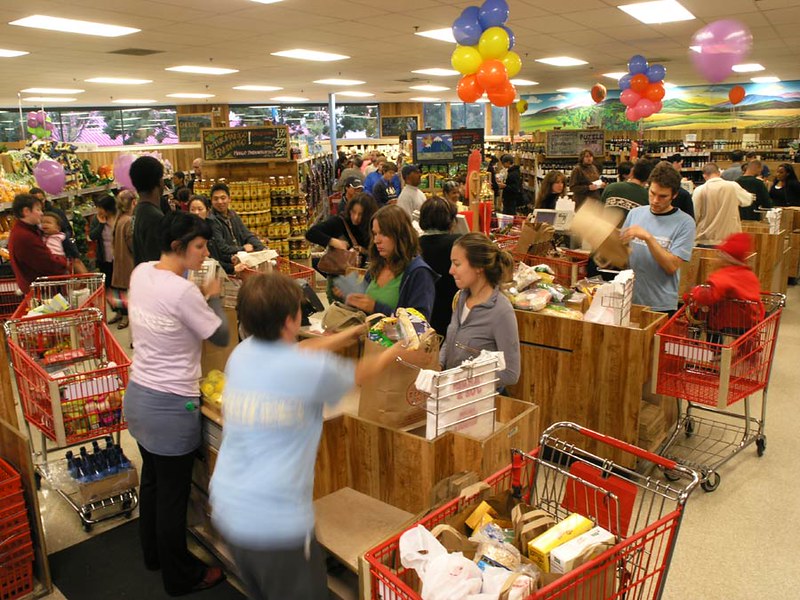
As customers navigate the bustling aisles of the grocery store, you finish and make your way to the checkout line. Ahead of you, a young woman, approximately your age is greeting customers with a welcoming smile. She is wearing a Hawaiian shirt that distinguishes her as a Trader Joe’s employee. When you get to her, she immediately greets you and asks about your day. She seems genuinely interested and even shares her favorite products for lunch. The adjacent cashier is an older man who rings up customers with a professional smile and a brief “Have a nice day.” Despite keeping it simple, he demonstrates the positive qualities attributed to a traditional Trader Joe’s employee. The following article will center around the interactions between customers and employees and how they differ based on a cashier’s gender expression. Research suggests a correlation between age and gender regarding these interactions. For this study, we each went to a Trader Joe’s and recorded our interactions with a male cashier and a female cashier. We concluded that while it appears that young female cashiers prefer to engage in conversational interactions, older male cashiers use a more traditional communication style when interacting with customers.

[expander_maker id=”1″ more=”Read more” less=”Read less”]

Introduction and Background

Trader Joe’s is a grocery store chain known for its friendly environment, including the cashiers’ tendency to initiate interactions between customers and employees. However, the purpose of our research is to determine whether or not these interactions differ based on a cashier’s gender expression. Prior research on gender-expression’s effect on customer service interactions shows mixed results. In a study comparing politeness between male and female fast-food employees (Gibson, 2009), it was found that cashiers were more polite to a member of the opposite sex than they were to someone of their own sex. This finding differs, however, from the results of another service-industry study (Otterbing, 2021), which highlights how shoppers prefer to interact with employees whose gender is congruent with their own. Due to these inconsistent findings, we hypothesize that there will not be a difference in types of interactions based on gender. There are strict rules and a code of conduct in a service-industry workplace, which may dictate the way an employee is allowed to interact with customers. Since Trader Joe’s employees are known for their positive interactions with their customers, we assume that they are trained to adhere to a non-gendered pattern of speech for the sake of courtesy and politeness. Of course, we are aware that there are several factors that may influence interactions, as demonstrated in a recent study comparing how millennial and Gen-Z employees perceive feedback from their managers and customers (Moore, 2023). Thus, we also hypothesize that there may be other factors that will influence interactions besides gender.

Methods

Our team conducted an observable study to investigate the conversational practices of male and female cashiers at Trader Joe’s. Our research methodology involved interviewing and recording two cashiers, a male and a female, to observe their conversational skills and how they initiated conversations with customers. We utilized our cellular devices to record the interactions of these cashiers with customers and recorded the duration of their conversations. Our team members participated in recording conversations at different locations of Trader Joe’s, including the Westwood branch, and at various times of the day to ensure the highest quality results. Our primary objective was to verify the hypothesis that gender expression influences communication and other factors that might affect the interaction.

We analyzed the conversations that took place at the Trader Joe’s checkout lines and examined the relationship between gender and the tendency to speak more when engaging with customers. We observed several elements of communication, such as the amount of silence, which helped us to understand the willingness of the cashiers to engage in conversations with customers and their overall engagement. However, we did not find any compelling evidence to support our hypothesis that gender plays a significant role in the interactions between cashiers and customers.

We acknowledge that some technical factors, such as the location and time of the recording, might have influenced our results. Nevertheless, the findings from our study provide valuable insights into the conversational practices of cashiers at Trader Joe’s and the role that gender plays in communication with customers.

Results and Analysis

Food service industries must often balance between serving as much customers as possible, while maintaining customer satisfaction. This is usually influenced by the store’s business and the amount of products a customer purchases. Therefore, as part of our analysis, we incorporated a quantitative and qualitative component, wherein duration of each interaction could not be used as a determinant. What we did measure, however, was the amount of seconds of silence and words each interaction produced. Raise your hand if you have ever heard the concept “chatty Kathy”.

Why is it never a “vocal Victor? Perhas because the tendency to talk too much is usually a stereotype is that associated with women. Our research demonstrates that this could be a myth, results showed that both sexes had similar amounts of silence. Male cashiers totaled 124 seconds of silence and female cashiers were at 121. Hardly a difference at all! Sure, ringing groceries requires concentration and silence is probably not the best measure, so we decided to tally the amount of words expressed by the cashiers. Once again, the difference between both sexes was not very significant. Women used 341 words, while men expressed a total of 317. But what about the content of the conversation? We found that cashiers on both sides of the gender spectrum were just as likely to stick to the predictable greetings, offerings of bags, and announcement of grand totals as they were to ask about your day, comment on the nice necklace that one of our researchers was wearing, or offer a lollipop for the sake of sweetening your day. Therefore, our research did not garner any compelling results to indicate that gender played a role in the interactions with the researchers. At least not a significant one.

Discussion and Conclusions

The conclusion of any project provides an opportunity for the researcher to reflect on their methodology and identify areas for improvement. After conducting our investigation, our group determined that our study may have been flawed by various unknown factors. Variables such as the gender expression of the customer potentially leading to gender bias from the employee and the positionality of the researcher—how our observations affect our analysis relative to our own presentations, perspectives, and beliefs—both affected how we analyzed our findings. Because the sample size was small, our data cannot accurately represent each and every Trader Joe’s employee at a given location, only the stores this study conducted research at. With these limitations in mind, the next step to furthering this study should encompass a methodology that better addresses such issues or any other potential limiting factors.

References

Gibson, E.K (2009). Would you like manners with that? A study of gender, polite questions and the fast-food industry. Griffith Working Papers in Pragmatics and Intercultural Communication 2, 1: 1-17.

Karrebæk, M. S., Riley, K. C., & Cavanaugh, J.R. (2018). Food and language: Production, Consumption, and circulation of meaning and value. Annual Review of Anthropology, 47, 17-32.

Moore, K. (2023). The Millenial/Zer Need for Feedback: Four Reasons Why and How to Give It. In Generation Why: How Boomers Can Lead and Learn from Millennials and Gen Z (pp. 111-128). McGill-Queen’s University Press. https://doi.org/10.2307/jj.3078925.13

Otterbing, T., Bhatnagar, R., Samuelsson, P., & Borau, S. (2021). Positive Gender Congruency Effects on Shopper Responses: Field Evidence from a Gender Egalitarian Culture. Journal of Retailing and Consumer Services, 63, 102738. https://doi.org/10.1016/j.jretconser.2021.102738

Wang, S., Beatty, S. E., & Liu, J. (2012). Employees’ Decision Making in the Face of Customers’ Fuzzy Return Requests. Journal of Marketing, 76(6), 69-86. http://www.jstor.org/stable/41714520

 [/expander_maker]
, ,

Profanity Amongst Undergraduate Students

Jesus Nocelotl, Fernanda Madrazo

For most people, college can be a difficult and exciting journey within one’s life. The new experience of living on your own, independence and responsibility of forming your own decisions, and for many, the chance to make and begin new meaningful friendships. Oftentimes, in communities that foster a sense of group identity and culture, such as college, and especially for young adults, the formation of friendships and relationships starts with interaction and language between individuals. Language is an essential aspect of our everyday lives, proven to be an effective way of communicating with others and a tool for forming relationships through shared experiences and identity.

The importance of social interactions in a college aged environment is of great significance, as many young adults see college as a new chapter within their life and an opportunity to form new bonds. Especially in the age of social media, college students often resort and feel the need for social and group identities to create friendships. One of the most commonly observed uses of language in college environments is the use of profanity to communicate between individuals. Profanity is commonly used in conversation as a measure to emphasize meaning, common slang, or a sense of group identity. For our group’s research project, undergraduate students and their prevalent use of expressing profanity in active conversation was used to analyze deeper meanings between language and social identity. Throughout our findings, we observed the most commonly used phrases and made relevant connections to age, group identity, and especially gender identity, to support and provide deeper meaning to the importance of language, young adult life, and college environment.

[expander_maker id=”1″ more=”Read more” less=”Read less”]

Introduction and Background

In observed profanity used in conversation, the choice and diction are influenced by the people engaging in conversation and present scenarios. For our research proposal, our group was interested in evaluating how prolific profanity is present in conversation by fellow undergraduate students at UCLA. When deciding on a target population, our group thought that fellow undergraduates would be a good target since we are more likely to relate to and understand undergraduates and their profane word usage. In addition to common relation, it is observed that college-aged students would be most likely to engage in active conversation using slang and profanity1, which would help gather more information and more culturally and generationally relevant profane words. Profane words are of special interest as they often carry more emphasis and meaning within American youth culture, and are especially observed when trying to “fit in” a certain group. Although much can be inferred on the significance of profanity to “fit in”, not much research is conducted on undergraduates’ frequency of profanity in relationship to observed gender groups. Since not much has been researched on the relationship between gender identity and profanity prevalence in college environments, our group decided to shift focus to explore this interesting topic. For our group’s initial hypothesis, we believed that through our findings, we would expect to see undergraduate males engaging in high volumes/cases of profanity within active conversation compared to their female counterparts. Our initial hypothesis was structured around gender roles and through our own shared experiences as young adult undergraduates, where males are often seen as casually expressing profanity and females are more likely to be reserved and professional in their profane word choices.

Methods

To gather information about this research topic, our group decided to conduct an online survey that would be accessible to the target population via social media. The survey was mostly focused on the topic of profanity, and asked what were the most common swear words individuals used and allowed them to elaborate on the scenario where they would be most comfortable using their selected word. Since the survey was already targeted to undergraduate students and required general information such as gender and undergraduate grade level, we included the opportunity for individuals to provide more information if they felt comfortable. Further elaboration included but was not limited to: gender identity, group membership, and race. This elaboration was important to the research project, as it allowed us to understand where profanity and relation sentiment could be applied to, such as Sororities, Fraternities, and group and social identity.

Results and Analysis

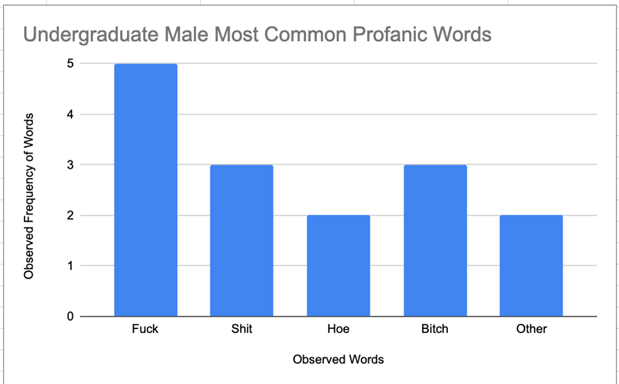
Figure 1: Data table displaying the observed frequency of profane word choices submitted by male undergraduate students of varying identities. Information and word columns obtained from our group’s undergraduate survey

The results of our survey yielded a varied spread of words that students self-identified as their most commonly used. As indicated in Figure 1, “fuck” was the most frequently used word, but “bitch” and “hoe” were not too far behind, with 5 and 3 people identifying it, respectively. However, the most surprising aspect of the survey came in the results of the questions where students explained what each word meant to them. Male respondents most commonly ranked “fuck” as their most used word, and said they used it with friends as a catch-all to mean many different things. However, male-identifying respondents also explained that they believed that the words “bitch” and “hoe” were related to and connotated women. For example, “A female” or “a rude person, usually a woman tbh. like when my boss is being a pain, “shes such a bitch”’ were two responses given by men who completed the survey. The majority of men who completed the survey answered in similar ways, saying that the meaning they gave to these words align with the original view which centered around patriarchal and misogynistic views on gender roles.

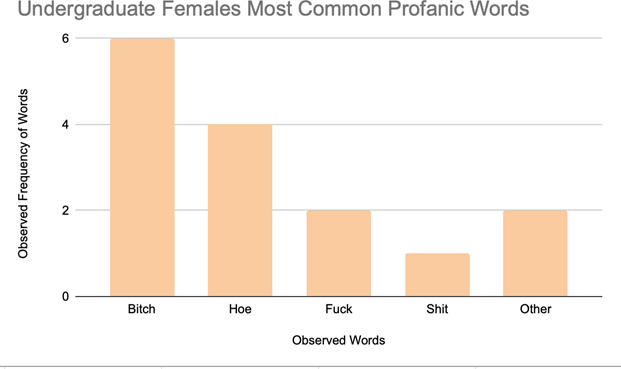
Figure 2: Data table displaying the observed frequency of profane word choices submitted by female undergraduate students of varying identities. Information and word columns obtained from our group’s undergraduate survey

On the other hand, Figure 2 demonstrates that female-identifying respondents use the words “bitch” and “hoe” more frequently than other swear words. Overwhelmingly, the meaning ascribed to these words is positive. For example, respondents said, “just means like “girlll”, or “bitch is either a positive or a negative thing. my best friend is my bitch (positive)… i rarely use it in the negative context. it can also be a positive general exclamation of support, like if a friend does something they’re proud of or wears a nice outfit and i want to show encouragement.” Women use these words in the context of friendship, endearment, or as a way to show sisterhood. They have redefined what the words mean and reframed them in a positive way that uplifts and supports other women, instead of denigrating them as men might intend the words for.

Discussion

The results of the research we conducted were fairly surprising to us. We expected there to be a difference in usage of profanity between genders, but the questions that we asked as follow-up in the survey were very enlightening. We discussed the results in a comparison to racial slurs that have been reclaimed throughout history. Racial minorities used slurs that were originally demeaning to them, and now use them in a context that expresses solidarity, unity, respect, and understanding within their own communities. The results that we obtained from our research could point toward a similar trend in college students when it comes to words which typically denote negative attitudes toward women. The female culture in college and in young people is reclaiming the meanings of these words in a similar fashion in order to empower women and reframe traditionally gendered views. We would like to see this research continued on a much broader scale, encompassing students in different regions of the United States, and also expanding toward different age groups. Further research can be done to expand understanding on how changing gender roles can be reflected in individual meaning given to the words in common vocabularies.

References

Güvendir, E. (2015, March 16). Why are males inclined to use strong swear words more than females? an evolutionary explanation based on male intergroup aggressiveness. Language Sciences. https://www.sciencedirect.com/science/article/abs/pii/S0388000115000194

Howard University News Service, Haynes, A., NewsVision, H. U., Miles, P., Thomas, V., Steib, A., Alabi, N., Pierre, A., & Harris, T. (2010, January 31). Profanity among college students. Howard University News Service. https://hunewsservice.com/news/profanity-among-college-students/

National University of Ukraine on Physical Education and Sport, Babushko, S., Solovei, L. (2019). What Makes University Students Swear. Borys Grinchenko Kyiv University of Ukraine. https://files.eric.ed.gov/fulltext/EJ1305437.pdf

The University of Mississippi Undergraduate Research Journal, Knirnschild, J. (2019) “The Gender Differences in Perceived Obscenity of Vulgar, Profane, and Derogatory – Language Usage among U.S. University Students,” The University of Mississippi Undergraduate Research Journal: Vol 3, Article 4 /https://egrove.olemiss.edu/cgi/v iewcontent.cgiarticle=1050&context=umurjournal#:~:text=Men%20have%20been%20found%20to,with%20women%20being%20scrutinized%20more

Wong, S. C., Teh, P. L., & Cheng, C.-B. (2020). How Different Genders Use Profanity on Twitter? International Conference on Compute and Data Analysis. https://doi.org/10.1145/3388142.3388145

 [/expander_maker]
, ,

Language Ideologies in Animated Films: Why does that character sound like that?

Talla Khattat, Jacob Gutierrez, Edna Tovar, Grace Yang, Al Jackson, Espie Maldonado

Why do all military characters in animation films have Southern accents? Throughout this blog, we aim to understand the world of languages in animated films and take you along with us. Audience members digest the creative choices that are made on screen and unconsciously learn to associate linguistic patterns with certain sociocultural elements. This research paper aims to observe the linguistic elements of accents and dialects to understand the correlating relationship with the language ideologies and cultural attitudes. We observed the films Aristocats (1970), The Secret of NIMH (1982), The Rescuers Down Under (1990), and Zootopia (2016), and categorized the different patterns observed based on several different elements. Our findings show that minority accents can be tokenized to invoke assumptions about a character in order to save screen time. We call on future research to understand how impactful some of these harmful depictions can be and emphasize the importance of respectful representation.

[expander_maker id=”1″ more=”Read more” less=”Read less”]

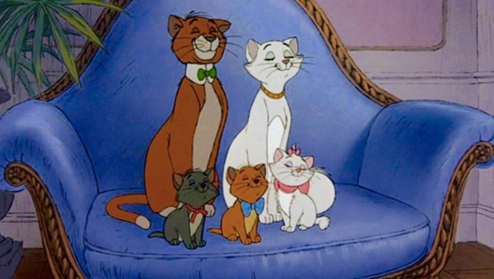
Figure 1: Aristocats end scene

Introduction and Background

Many would agree that animated films are a huge part of one’s childhood. From Disney princes and princesses to a mice version of the United Nations, everyone enjoyed their fair share of animated movies. The beauty of animation is the freedom to shape an entire world from the ground up, where every character is completely designed from scratch, and every choice, from costume, to music, to voice is made intentionally. With this freedom also comes challenges with needing to establish connections from what is seen on screen with the minds of the audience. From the start of the film, the creators need to quickly establish character relations and connections. Here, they use language shorthands that the audience is indirectly familiar with to signal the persona of the character. Our group’s research question aimed to understand throughout a series of animated films what traits or roles are typically associated with certain accents, language varieties, styles, or registers? Within this realm, we also wanted to understand how Standard American English would be treated compared to other accents or dialects. We hypothesized that non-standard varieties of English/Non-English will be associated or invoked when connected to ‘bad’ or side characters, while standard American English will be most often connected to ‘good’ characters or protagonists.

Previous research has indicated that the cultural value of individualism in the United States is reflected in the use of standard English, which often leads to a lack of tolerance towards other languages or English language variations (Wiley, 1996). Although Disney animated films are often translated into standard English, it hinders the complexity of modern language and erases many cultural elements (Bruti, 2009). Moreover, we have also found that language elements can be used to invoke association about certain groups of people in film. Previous work completed by Meek shows how language and race perform character portrayals and as the audience, we witness this work that is being “done”. (Meek, 2006). In other words, accents are often used to not only demonstrate an ethnicity, but also substantiate a portrayal of a certain stereotype associated with a certain group of people.

Methods

To gather data about the language ideologies and characters linked to them, we analyzed four different films; The Aristocats, The Secret of NIMH, The Rescuers: Down Under, and Zootopia. Particularly, we noted what accents and languages were used (or created) in these films and what characters or themes they were associated with. We chose to focus on animated animal characters since we felt that filmmakers could ‘get away with more’ and because language is the main humanizing factor in animal characters, we could better see how language/accents were being used to invoke assumptions about the character.

Watching the movies completely through and inspired by the methodology of a paper written by Janne Sønnesyn, we then categorized our character findings into several categories including their: language/accent, role in the movie, costume, character features, gender, and other distinguishable elements. In sum, we analyzed 66 characters along these 6 categories.

Moreover, by codifying our analyses, we can answer the research question, what traits or roles are associated with certain accents, language varieties, styles, and registers? How do the filmmakers express differentiation amongst characters through the use of language and character design?

Results and Analysis

After empirically analyzing our data, we found several patterns that confirmed part of our hypothesis and refuted others. We looked at our data as an aggregate, combining the findings from all four movies and examining the results in this way.

Figure 2: Character accent pie chart by percentage

First Result

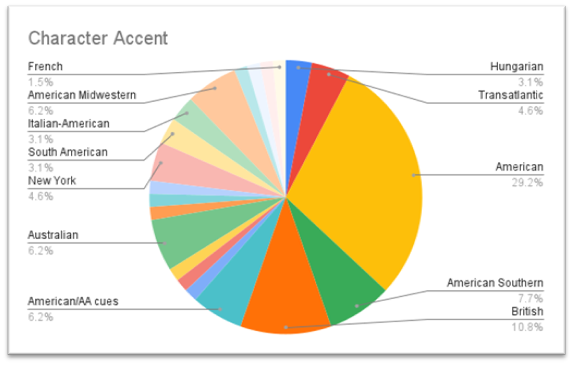
Referencing Figure 1 which provides a visual representation of the distribution of the observed character accents, we were able to establish four distinct results. Firstly, we found that the protagonist(s) of the films indeed were associated with the American Standard English accent 54% of the time. Furthermore, 100% of the protagonists had European or American accents — in other words, no minority population accents were represented in the protagonists of these films.

Second Result

This point leads to a second key finding that minority population accents were typically attached to side characters. In fact, 64% of all side characters had a minority accent. Put differently, minority population accents were overrepresented in this character role and underrepresented in others. Heroes did not tend to have minority population accents. Notably however, no antagonist had a minority population accent either — which refuted part of our hypothesis.

Figure 3: Character ‘Duke Weaselton’ from Zootopia

Along the same lines as our minority population accents, non-rhotic accents (accents that ‘drop’ the pronunciation of ‘r’), were commonly used in connection to characters of low socioeconomic status or working class. Some examples of these non-rhotic accents were the New York accent and AAVE (African American Vernacular). We noted 5 characters that used a non-rhotic accent; 3 were associated with petty crime,1 was a working-class shop employee, and 1 was a ‘street’ cat (what we interpreted as houseless for our analysis). Figure 2 depicts one such character from Zootopia, Duke Weaselton, who has a New York accent and is one of the movie’s shady characters — involved in thievery, bootlegging, and evading arrest.

Third Result

Another pattern that emerged was the use of the American Southern Accent to invoke themes of militarism, violence, and unintelligence. Of all 5 characters observed to have the American Southern Accent, 2 were antagonists, 4 invoked themes of militarism (deduced through plot; such as one of the antagonists, McLeach —figure 4 — having the American Southern Accent and a past in the military), and 3 were displayed as unintelligent (deduced through plot — such as one character with the American Southern Accent calling, as seen in this clip (“It’s In My DNA – Zootopia” ‘DNA’, “dunnuh”). 

Figure 4: The Rescuer’s: Down Under villain, McLeach

Fourth Result

The final pattern that we noticed through our data is that ‘sophisticated’ characters had American and European accents 88% of the time. We coded ‘sophisticated’ as characters that were portrayed as respected, legendary, wise, or graceful, which we deduced through plot and surrounding character reactions. For instance, one character in The Secret of NIMH was sought out in answer to the protagonist’s dilemma, since they were canonically ‘all-knowing’ and powerful. Of the 9 characters we coded as ‘sophisticated’, only one did not have an American or British accent.

Discussion and Conclusions     

This study offers insights into the impact of accent features on stereotypes among animal characters in animation. While we cannot definitively speak on behalf of the filmmakers as to whether these depictions were intentional, we establish these findings as results of our observations. Furthermore, we recognize that these choices could be made subconsciously.

Media is one of the greatest socialization agents. Animated films play a huge role in influencing children’s perceptions of the world and other people. With repeated representation of problematic stereotypes, viewers will believe they are true. Our data spans 46 years, emphasizing that while progress has been made, there is a long way to go. While there are less explicitly harmful linguistic stereotypes being utilized, it is still true that protagonists consistently speak with ASE while side characters are relegated to minority accents. The biggest difference throughout time is a diversification of accents, but their distribution has remained the same. We must also consider the level of authority as a source of knowledge Disney has. For those who do not question the status quo, they are even more likely to believe in stereotypes when they come from a ‘reputable’ source like Disney. For this reason, it is crucial for filmmakers and powerful studios to be responsible and inclusive with the media they produce.

To further broaden our understanding of this phenomenon, it would be worthwhile to extend research to human characters in Disney animated films. According to Brous, this type of linguistic stereotyping occurs in films such as Frozen, Coco, and Moana (2020). It is clear that the negative representation through accents extends further than cartoon animals. Søraa’s work would be useful to explore a film like Brave, where the setting itself contributes to reflecting stereotypes portrayed through linguistic markers (2019). With regards to minority cultures, Towbin et al. would serve as a resource to study how non-dominant cultures are represented negatively, which can be seen in Pinocchio, Alice in Wonderland, Peter Pan, Oliver, and Aladdin (2004).

It is also essential to acknowledge the issue of stigmatization of the female characters in Disney movies, as highlighted by Soares (2017). According to Växjö (2014), Disney princesses exhibit many stereotypical linguistic features, so their characters adhere to the traditional gender roles and expectations. Moreover, it is important to examine the impact of misrecognizing accents and linguistic features in television and how it might affect child viewers, causing them to internalize negative stereotypes portrayed in animated programs. Wenke’s article (1998) can serve as a source for exploring how children’s attitudes towards people and activities can be influenced by the portrayal of linguistic elements in television programs.

In the end, the impacts of animated films and the representations of different peoples, cultures, and identities can have long-lasting impacts on the people, more importantly children who watch animated films. While it’s not a direct issue, the unintended consequences of filmmakers, animators, and writers have an important job in creating media that is representative, respectful, and for audiences of all ages, as many animated forms of media have previously encouraged and helped spread harmful stereotypes of minorities for decades.

Figure 5: The Secret of NIMH scene

References

Accents in children’s animated features as a device for teaching children to ethnocentrically discriminate. (2019). Upenn.edu. https://www.sas.upenn.edu/~haroldfs/popcult/handouts/wenkeric.htm

Bluth, D. (1990). The Secret of Nimh. Sulivan Bluth Studios.

Brous, S. (2020, December). “Frozen” In Time: Dialect and Language Ideology in Disney Films (thesis). Tri College Department of Linguistics. Retrieved from https://scholarship.tricolib.brynmawr.edu/bitstream/handle/10066/23186/Brous_thesis_2020.pdf?sequence=1&isAllowed=y. 

Bruti, Silvia. (2009) From the US to Rome Passing through Paris. InTRAlinea. Online Translation Journal > Special Issues > Special Issue: The Translation of Dialects in Multimedia > From the US to Rome Passing through Paris http://www.intralinea.org/specials/article/From_the_US_to_Rome_passing_through_Paris.

Meek, B. A. (2006). And the Injun Goes “How!”: Representations of American Indian English in White Public Space. Language in Society, 35(1), 93–128. http://www.jstor.org/stable/4169479

Reitherman, W. (1970). The Aristocats. United States; Walt Disney Pictures.

Schumacher, T. (2012). The Rescuers Down Under. United States; Walt Disney Pictures.

Søraa, I. (2019, May). The Sound of Disney (thesis). Master’s thesis in Language Studies with Teacher Education. Retrieved from https://ntnuopen.ntnu.no/ntnu-xmlui/bitstream/handle/11250/2623375/no.ntnu:inspera:2276305.pdf?sequence=1. 

Soares, T. (2017). Animated Films and Linguistic Stereotypes: a Critical Discourse Analysis of Accent Use in Disney Animated Films Part of the Bilingual, Multilingual, and Multicultural Education Commons Recommended Citation Soares, Telma O. (2017). Animated Films and Linguistic Stereotypes: a Critical Discourse Analysis of Accent Use in Disney. https://vc.bridgew.edu/cgi/viewcontent.cgi?referer=&httpsredir=1&article=1053&context=theses

Spencer, C. (2016). Zootopia. United States; Walt Disney Animation Studios.

Towbin, M. A., Haddock, S. A., Zimmerman, T. S., Lund, L. K., & Tanner, L. R. (2004). Images of gender, race, age, and sexual orientation in Disney feature-length animated films. Journal of Feminist Family Therapy, 15(4), 19–44. https://doi.org/10.1300/j086v15n04_02 

Wiley, T. G., & Lukes, M. (1996). English-Only and Standard English Ideologies in the U.S. TESOL Quarterly, 30(3), 511–535. https://doi.org/10.2307/3587696

Växjö, Kalmar (2014). Happily Ever After: A Linguistic Study of the Portrayals of the Female Characters in One Old and One New Disney Princess Film https://www.divaportal.org/smash/get/diva2:795579/FULLTEXT02.pdf

 [/expander_maker]
, , , ,

Manspreading: Myth, Message, or Management?

Cecilia Schmitz, Tommy Silva, Sinahi Torres, Ye Won Yoon 

Communication takes a variety of forms including communication through the use of body language, but oftentimes different genders have shown differences in the way they use it to portray themselves. Previous research has indicated that men will participate in “manspreading” which consists of spreading out typically in public spaces, while women accommodate others. Other research shows that people tend to spread out when they feel a sense of dominance. In order to fill any possible knowledge gap, we formed a study to discover how relevant this research is to UCLA undergraduates. Our study was based on the research question: Do men and women use spatial movement and orientation differently, and does this reflect their respective gender identity? We hypothesized that men do take up more space than women and that women’s contracted body language would only be around men. This left room for interesting questions: do men always take up more space? Do the way women use body language get influenced by the gender they are around? As you continue to read our study, you will uncover whether this is relevant or if we notice other trends amongst the students.

[expander_maker id=”1″ more=”Read more” less=”Read less”]

Introduction and Background

Body language can often better indicate a person’s expression than words and their face (Aviezer, et al., 2012). Many observations have shown body language differences between genders: men use it to assert dominance, whereas women accommodate others (Jane, 2017,). Using this, we saw how relevant it is to students at UCLA and compared whether this form of dominance is seen mainly amongst men, women, or both. Discourse is increasing aboutman-spreading: men seated and spreading their legs into others’ space (Vrugt, & Luyerink, 2000). We furthered this research focusing on the way that our target population takes up space and presents themselves through their body in their everyday life to see the difference and create a reflection of the current gender indexicality. We wanted to see if spatial orientation and body language are used to reinforce gender roles with a question: Do men and women use spatial movement and orientation differently, and does this reflect their respective gender identity? Based on current research, as well as our own observations on our fellow undergraduate UCLA population, we hypothesized that men will take up more space than women; however, we also predicted that women will occupy more space when they are only surrounded by women.  

Methods

For the observational research method, we observed three different sample groups: only males, only females, and both together, in order to answer the question of if men and women use spatial movement and orientation differently. We observed and took photographs and timelapses to see if the subjects expanded or contracted their legs, turned their feet in or out, and folded or splayed their arms when sitting. We were interested in seeing how participants used their legs, arms, and feet to expand their body frame and occupy more space, used their extremities to contract and occupy less space, or simply rested to occupy their natural body frame position. To document this, we kept a chart of body positions after each observation. Here is a detailed explanation of how we specifically observed the male-only group:

We observed a group of 15 self-identifying males in a locker room: each male was seated and was spaced out so they were at least 1.5 feet from the person next to them, meaning they each had plenty of space to expand their body position however they wanted without coming into contact with the person next to them. Every single male sat in a position that occupied space beyond their body frame. Legs were the way that most men expanded their bodies, and for every man whose feet were placed on the floor, their feet were turned outwards. While leg and foot positions were used to expand body size 100% of the time, arm position changed very frequently. Overall, at least half of the males spent a significant amount of time with their arms within their body frame. We additionally observed a group of four females watching a movie on a bed in a dorm room: they were in closer proximity, trying to fit onto one bed. Each female had their legs contracted into each other, not expanding outwards. Three of the four females had their feet turned in and their arms folded; the fourth female had their feet under a blanket and thus not visible and their arms were splayed.

To see how our subjects’ observations reflected their respective gender identities and the body language that goes along with them by repeating this process with each observation group, we also conducted interviews in which we asked our subjects whether their friends when in a crowded space, assert their personal space or accommodate others. To analyze our data, we compared already existing research to our own observations, in order to figure out which, if any, of the theories are relevant to our findings. We then compared our answers with the observations collected on how body language is associated with gender and what the body language itself is associated with. 

Image 1: Photograph of female-only group’s body language (4th member joined later)
Figure 1: Example of chart to keep track of seated leg positioning

Results and Analysis (Observation Results and Interview Results)

Observation Results

Our results found that males generally took up more space; females in general tended to contract as seen by the graphs documenting each genders’ distribution in the form of body language: all 20 men expanded their legs and all 10 women contracted.

Figure 2: Leg position observations graph (x-axis: contracted vs expanded y-axis: amount of people of either male or female)

Our data was consistent with our hypothesis that men take up more space than women, but we incorrectly predicted that women’s contracted body language would only be around men; instead, they were contracted all of the time. For example, while observing a club meeting on campus, we observed that all three men took up space with their legs, had their feet turned in, and three out of the three had their arms around another chair. On the other hand, the three women that were observed kept their legs close to their bodies, they had their feet faced forward, and two out of the three kept their arms on their bodies. Additionally, the all-female group without the presence of men was mostly contracted, with their legs, feet, and arms withdrawn into themselves.

Interview Results

Our interview of UCLA undergrads largely indicated a perception that men take up more space with their body language than women. We did not want to limit their answers to yes or no and gave options on their body position they noticed they were in most of the time. All but 1 found that men expanded their body shape in asserting their personal space, while all but 2 expressed that female companions would accommodate their space for others. Another question that we focused on in the interview was one that asked respondents if they notice a particular way of how authoritative figures in their life take up space.

Figure 3: Female and male responses to, “In what situations do you notice yourself taking up space or accommodating others by taking less space?”

In this particular question, the responses varied in their positioning because they had to incorporate the many situations they were in. We hypothesized that there would be a mix of responses due to this. We also took into account that it could be a sensitive, abrupt question to ask the respondents and left it optional for them to answer.

Figure 4: Female and male responses to, “Do you notice a particular way of taking up space within authoritative figures in your life?”

Out of 8 responses that we received, 6 females said that they did notice this pattern while 2 males said that they have noticed this trend. Although we can’t necessarily conclude a correlation between dominance and the way that people take up space, we do see a theme within our research and the participants in it.

Figure 5: Female and male responses to, “Do your male friends either assert space or accommodate others?” (x-axis: whether they assert space or accommodate others, y-axis: amount of respondents)

In the graph shown below, we are able to indicate that 7 out of 8 male participants believe that their male friends assert their space. Looking at the female participant’s response, it shows an unwavering belief that their male friends assert their space.

Figure 6: Female and male responses to, “Do your female friends either assert space or accommodate others?” (x-axis: whether they assert space or accommodate others, y-axis: amount of respondents)

We also asked the question to focus on the female body positioning, the results are shown in the figure below. 2 out of 8 male participants felt their female friends asserted space, while 6 of them noticed them accommodating space. All of the female respondents listed that they notice their female friends in accommodating space for others.

Discussion and Conclusions:

Overall, this study was designed to acknowledge the way that we and others take up space which can help us be more considerate of how it comes off to others as well as utilize it to indicate different parts of our identity, whether it be masculinity, femininity, or authority. It is also important to take into consideration that there may be limitations to this study because it was performed in the time span of only ten weeks and was focused on a population limited to UCLA undergraduates. For example, in regards to the male-only data set, there are some unique features of this data set that could impact their body position. All of these males are soccer players. They were in their locker room and surrounded by their teammates; thus, they were in a room where they have spent a lot of time in and were surrounded by people who they are comfortable with, all of which could have a big impact on the way they chose to situate their body position. Nonetheless, these findings do suggest that men are typically more inclined to assert their space in social spaces while women will tend to contract when around any gender. Using the theoretical frameworks that we learned in class, we can also postulate that men consciously or subconsciously occupy more space, especially with their legs, to indicate their masculinity; women may contract their limbs to indicate femininity. However, based on our interview questions, our findings also suggest that people view power and position of authority as a factor linked to how much space people assert. In the future, it would be interesting to study how body language and gender identity are linked with authority; how do men and women use body language differently when they want to convey power?

Ethics Declaration

All participants gave their verbal consent to be studied for body language, and all participants voluntarily completed the Google Forms survey.

References

Ashkinazi, E. The “Fashion” of Manspreading and Socioeconomic Status: A Marxist and Feminist Analysis. https://delizian.net/pdfs/other/marxist-feminist-manspreading.pdf

​​Aviezer, H., Trope, Y., & Todorov, A. (2012). Body Cues, Not Facial Expressions, Discriminate Between Intense Positive and Negative Emotions. Science, 338(6111), 1225–1229. https://doi.org/10.1126/science.1224313

Jane, E. A. (2017). ‘Dude… stop the spread’: antagonism, agonism, and# manspreading on social media. International Journal of Cultural Studies, 20(5), 459-475. https://journals.sagepub.com/doi/pdf/10.1177/1367877916637151

Vrugt, & Luyerink, M. (2000). THE CONTRIBUTION OF BODILY POSTURE TO GENDER STEREOTYPICAL IMPRESSIONS. Social Behavior and Personality, 28(1), 91–103. https://doi.org/10.2224/sbp.2000.28.1.91

Wade, Lisa (2013). Gender and the body language of power—Sociological images. Retrieved February 3, 2023, from https://thesocietypages.org/socimages/2013/12/27/gendered-and-the-body-language-of-power

 [/expander_maker]
, ,

Expressions of Love and Satisfaction in Long-Distance vs. In-Person Relationships

Shadi Shans, Eleanor Moheban, Rishika Mehta, David Saidian, Monica Sargsyann

As internet relationships become more widespread in the modern world, people are relying on creative methods to display their love digitally. The objective of this study was to investigate which of the two, online or in-person couples, enjoy a stronger sense of relationship satisfaction given the means available to communicate affection. Our target group included 20 college students who were in relationships. Emojis, FaceTime calls, voice messages, as well as physical touch, and quality time are among the linguistic and communicative norms frequently used by our target audience. In general, internet communication can be useful and provide opportunities for asynchronous interaction. However, our hypothesis, which proposed that in-person communication provides a more personalized and intimate experience, leading to greater satisfaction, was confirmed.

[expander_maker id=”1″ more=”Read more” less=”Read less”]

Introduction and Background

It is well acknowledged that effectively showing affection to one’s partner leads to increased relationship satisfaction. Online and in-person relationships both rely on different resources to communicate their love for their partner. Some findings suggest that frequent internet communication cannot accurately predict the quality of a relationship due to its limitations such as misinterpretation, and lack of meaningful conversation. Conversely, face-to-face couples predict greater satisfaction, suggesting that engaging in meaningful experiences in person fosters connection in a relationship, (Lee, 2011, pg. 378). Another study by Kaitlyn Goldsmith suggested that long-distance couples use more diverse, and frequent methods of communication on text, but geographically close relationships report greater satisfaction, due to physical proximity ensuring fulfilling interpersonal interactions, (Goldsmith, 2020, pg. 300). Individuals may now enter long-distance relationships more easily thanks to technological advancements. These online partnerships rely on internet technologies such as Facetime and texting to communicate their affection. On the other hand, physical touch and quality time are the most frequently utilized resources used to express love to one’s partner in person. Through the distribution of questionnaires and two interviews with college couples, it was discovered that most couples felt that communicating affection in person allowed them to strengthen their relationship satisfaction. Yet, it was shown that long-distance relationships can still be reasonably fulfilling, only if resources like Facetime call emojis are utilized.

Methods

We administered a survey online to 20 college students, 19 males and 1 female, aged between 18-25 years old. The students were from any local university in California, 10 being in a long-distance relationship, 10 being in an in-person one. The survey included questions about basic demographic information, relationship satisfaction measures, the methods of communication that long-distance couples used to compensate for lack of physical touch, and the most common forms of communication for in-person relationships. There were also questions about the frequency of resources such as phone calls, text messages, and Facetime. The participants in virtual relationships were asked to send optional screenshots of the text messages, to show examples of certain emojis or words used that may increase love or relationship satisfaction. The results of the participants were statistically analyzed after a week, and the survey was followed up with more concrete interviews of two of the participants, one being in a long-distance relationship, the other in an in-person one. The participants were both 19-year-old females dating their significant other for over a year. The semi-structured interview was conducted on Zoom, and lasted around 12 minutes. The interview guide was developed based on results that required further analysis from the survey. The interview guide consisted of questions asking the long-distance couples about how often they feel fulfilled in their relationships, despite the challenges of long-distance such as lack of physical closeness, shared experiences, and communication difficulties during conflict. They were also asked about the means of communication they employed to compensate for lack of quality time. The in-person relationships were asked more in-depth questions about how often they express appreciation, gratitude, and love to their partner in person, and how it impacts their relationship satisfaction.

Results and Analysis

Upon review of the results of our data sampling, where women made up 60% of the sample, 90% of subjects identified as heterosexual, while one identified as bisexual. The sample was evenly divided with 50% long-distance partners and 50% in-person couples. 37.5% of participants dated their significant other for longer than a year. Facetime emerged as the most preferred method of contact for long-distance relationships, as well as the most efficient. In-person couples found quality time to be the most effective form of expressing love to their partner. Emoji-filled text messages, voice note messages, and FaceTime calls were used in long-distance relationships to compensate for the absence of physical contact. 76.9% of face-to-face relationships reported using Facetime once a day. Contradictorily, the long-distance couples used Facetime multiple times a day. They discovered that the best way to express their affection to their partners was through Facetime and constant texting throughout the day. Long-distance relationships are, on the whole, “somewhat satisfied” with their relationships. In contrast, our findings suggest that in-person relationships are highly satisfied, as Lee anticipated in her study, owing to the capacity to engage in meaningful in-person encounters. (Lee, 2011, pg. 378). Among analysis of the interview participants, it was revealed that the long-distance couples utilized Facetime and voice notes on text messages as a way to engage in deep and meaningful interpersonal conversation, whereas the in-person couples primarily utilized Facetime, and text messages to stay informed about their partners’ activities. The long-distance partner articulated that quality of communication is more valuable than the frequency, noting that having one in-depth conversation on Facetime is more efficacious than timing multiple times a day for a short period of time. The long-distance partner reported conflict in their relationship, conveying that the lack of quality time led to a sense of longing for physical touch, leading to arguments about trivial issues. The in-person partner reported that relationship satisfaction was greatest when the couple traveled together and shared enjoyable and meaningful experiences, and explained that online methods of communication were not as correlated to relationship satisfaction. Overall, the in-person partner felt increased levels of satisfaction, as the long-distance relationship wished there were more creative ways to maintain love and connection with their partner, even from a distance.

Figure 1: Results from Question 7
Figure 2: Results from Question 8
Figure 3: Results from Question 12

Discussion and Conclusions

Our study allowed us to explore what factors, and resources predict positive, or negative relationship satisfaction in both in-person and long-distance relationships. Our study illuminates the importance of addressing these individual preferences, and suggests that physical closeness, and intimacy are key components of feeling fulfilled, and satisfied in a relationship. Overall, our results benefit platform creators, as well as mental health counselors because it allows them to be aware of the areas that long-distance couples may need accommodation and find ways to increase their satisfaction. Our results highlight how necessary it is for technology creators and mental health professionals to develop effective strategies in order to ensure long-distance couples are as satisfied as in-person couples. In an article by Ann Kegley, it was mentioned that interventions from platform creators are necessary to enhance the closeness of long-distance relationships such as online date ideas including virtual escape rooms, or even services that offer personalized gift packages, that can allow couples to feel just as connected as in-person couples, regardless of the distance, (Kegley, 2018, pg. 379-381). Additionally, our results provide insight to counselors who can create intervention methods that address the complicated obstacles that come with expressing love in a distance. Psychologists may help their clients have realistic expectations, while also enabling them to brainstorm unique methods of online communication that can promote love and bond. Goldsmith suggests in a Maintaining Long Distance Relationships study, that therapists can intervene by developing a treatment focusing specifically on conflict resolution, using the principles of emotionally focused therapy to allow clients to be aware of their attachment styles, helping long-distance couples develop activities to foster a strong sense of commitment with their partner, (Goldsmith, 2020, pg.340-346). There should be further studies that address the long-term effects of long-distance and in-person relationships, and whether or not physical closeness increases the overall duration of a relationship, while exploring these patterns across various different genders, ages, and geographical locations.

References

Goldsmith, K., & Byers, E. S. (2020). Maintaining long-distance relationships: Comparison to geographically close relationships. Sexual & Relationship Therapy, 35(3), 338–361. https://doi.org/10.1080/14681994.2019.1645549https://doi-org.libdb.smc.edu/10.1080/14681994.2 018.1527027.

Kegley, J. A. (2018). Royce on self and relationships: Speaking to the digital and texting self of today. The Journal of Speculative Philosophy, 32(2), 285-303.

https://doi.org/10.5325/jspecphil.32.2.0285

Lee, P. S. N., Leung, L., Lo, V., Xiong, C., & Wu, T. (2011). Internet Communication Versus Face-to-face Interaction in Quality of Life. Social Indicators Research, 100 (3), 375–389. http://www.jstor.org/stable/41476404

 [/expander_maker]
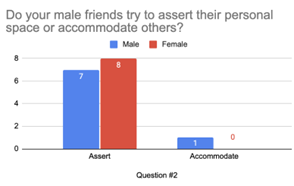
, , , , ,

Love Across Cultures: A Comparative Study of Verbal and Nonverbal Communication of Affection in Text Messages Among American and East Asian College Students

Yoonhye Kim, Yuka Tanaka, Asaka Minami, Eugene Jo, Zivana Ongko

Have you ever wondered why a simple text message can be interpreted differently by people from different cultures? We were curious about how cultural differences affect communication in romantic relationships and identify the causes of miscommunication among people from different cultural backgrounds. This study compares how college students from East Asian and American cultures express love through text messages and explores the cultural factors that contribute to these differences. The study surveyed 30 college students between 18-24 years old, consisting of 15 American students and 15 East Asian international students from China, Japan, and South Korea. Participants provided demographic information, self-reported love languages, and text message screenshots, and their language was analyzed as direct or indirect speech. Results showed that American students tend to express love through more direct language, using terms of endearment and direct declarations of love, whereas East Asian students use more indirect and implicit expressions of affection. The study highlights the cultural differences in the understanding of love and expressions of affection, shaped by norms, values, individualism, and collectivism. The findings suggest that cultural factors play a significant role in shaping linguistic expressions of love and the use of nonverbal cues in text messages.

[expander_maker id=”1″ more=”Read more” less=”Read less”]

Introduction

Love comes in many forms, and the means of communicating love vary across countries and cultures. This study aims to compare how college students from East Asian and American cultures express love through linguistic expression, specifically in text messages. The focus is on the directness of verbal expressions of affection and the contextual meaning of indirective expressions. Our research question is: “What are the differences in verbal (text) and nonverbal (emoji) communication in expressing love through text messages between college students in America and East Asian countries who have been in a romantic relationship for more than one month, and what cultural factors contribute to these differences?” We hypothesize that American students tend to express love through a more romantic language characterized by directness and expressiveness in their verbal expressions of love, whereas East Asian students may also be more hesitant to express their feelings directly (e.g., these students tend to respect cultural norms that value modesty and reserve in emotional expression). The use of nonverbal cues like emojis in text messages may be more prevalent in East Asian cultures due to their tendency to utilize an indirect style of language.

Background

Cultural differences in the understanding of love are shaped by norms, values, and expressions of love are influenced by individualism and collectivism (Kline and Zhang, 2008). American cultures are more passionate and erotic, while East Asian cultures tend to be more pragmatic. Individualistic cultures, like those found in America, tend to place a higher value on individual autonomy and self-expression, leading to a more open and expressive approach to love and relationships (Seki et al., 2002). In America, college students often use terms of endearment, pet names (e.g., sweetie, baby, babe, honey), and direct declarations of love in their text messages (e.g., “I love you,” “I miss you,” “Thinking of you,” “Can’t wait to see you,” “You mean everything to me”). In contrast, the collectivist cultures of many Asian countries prioritize interdependence and social harmony, leading to a more reserved and indirect approach. Students from East Asian countries tend to express love through a pragmatic love language, using more indirect and implicit expressions, such as indirect compliments or expressions of concern (e.g., “Did you eat,” “I will pick you up,” “How’s your day”).

East Asians tend to use emojis more frequently as a subtle way to express affection or interest, rather than relying on explicit statements. (Togans et al., 2021). Additionally, East Asians were “more careful in which emojis they used in situations, being more sensitive to show their concerns for others” (Johnson, 2021). Love is represented more directly in Western cultures which emphasize sexual communication and passion, while Eastern Asian cultures emphasize care and pragmatism. Gesselman et al. ‘s (2019) study found that emojis express complex feelings with a single symbol, enhancing successful intimate relationships. Frequent use of emojis is linked to stronger interpersonal connections and facilitates emotional expression in romantic relationships (Gesselman et al., 2019).

Methods

We aim to conduct a study on 30 college students between the ages of 18 and 24, comprising 15 American students and 15 East Asian international students from China, Japan, and South Korea. Our research will examine how these two groups differ in their use of verbal language, with regard to directness, as well as the use of emojis, in expressing affection through text messages. American students tend to express their emotions using direct language like “I love you” or “I miss you,” whereas East Asian students tend to use implicit expressions of affection like “Did you eat?” or “You must be tired today” and more emojis to convey their concern for their partner. Participants will complete a Google Form, providing demographic information and self-reported love languages used in text messages with their partners. They will have the option to submit text message screenshots and participate in a follow-up interview to give more context about their mood and situation when sending specific messages. We will inform participants that their responses will remain anonymous, and they can select the text message segments they wish to share, as well as delete or hide particular segments of their screenshots. For analysis purposes, we’ll sort the Google Form responses into two groups: American and East Asian students, then analyze their language to categorize it as direct or indirect speech. We had difficulty finding previous studies that offer clear-cut criteria for distinguishing between direct and indirect expressions of affection in verbal communication, so we developed our own. We define direct expressions of affection as those that convey affection even when the words are taken as they are, such as “I love you” or “I care about you,” while indirective expressions of affection are those that are less explicit in their phrasing yet manage to convey feelings of love through their tone or context, such as “Are you eating and sleeping well?”

Results and Analysis

Utilizing the data from our survey, we were able to generate the following figures that summarize results to key questions.

Figure 1: What do you call your partner?

As seen in Figure 1, about 72.7 % of American students tend to use direct language and terms of endearment like “baby” or “sweetie,” while 80% of East Asian students use names to refer to their partners rather than pet names. Cultural differences can be observed in the way people refer to their partners, as evident from the varying practices between American and East Asian students.

Figure 2: Verbal expressions used by American students vs. East Asian students

Using Figure 2’s data, we analyzed direct and indirect expressions of love in caring for one’s partner, and found that both groups show care and concern, albeit with different approaches. While Americans tend to use more explicit direct language, as we anticipated, such as expressing their love and thoughts toward their partners through direct compliments, Asians tend to use more indirect language, such as offering encouragement, sending morning and night greetings, and checking on their partners’ well-being daily. Interestingly, however, the expressions “I love you” and “I miss you” are frequently present in both American and Asian cultures. Additionally, Americans tend to employ more direct language, such as “looking forward to meeting you soon,” while Asians tend to use more indirect language, such as “I want the weekend to come already.” The use of different subjects in their messages also accentuates the contrast in directness. 

Figure 3: How often do you use emojis in your text message? (The chart displays the numerical values that correspond to the quantity of individuals)

Lastly, we examined the differences in emoji usage between East Asian and American students, and the results were unexpected. Contrary to our initial hypothesis, cultural background had little effect on emoji usage, while gender and personality traits had more dominant factors. Additionally, we analyzed the use of emojis by gender, and Figure 3 illustrates that females used emojis more frequently and explicitly, often with a literal heart, while males used heart emojis combined with other images, such as 😍 and 😘. Interestingly, despite their tendency to use indirect verbal language, Asian students were not hesitant to use direct emojis like ❤️or 🫶to express love.

Discussion and Conclusions

The present study sheds light on the cultural differences in the expression of romantic love between American and East Asian students. Our results confirm that American students tend to use more direct language and pet names when referring to their partners, reflecting the culture’s emphasis on individualism and direct communication. These expressions allow individuals to convey their personal feelings and affection directly. Interestingly, both groups frequently use the expressions “I love you” and “I miss you,” indicating that these phrases hold universal significance in expressing romantic love. We also found that American students tend to employ more explicit direct language, while East Asian students use more indirect language, such as offering encouragement and checking on their partners’ well-being daily. In contrast to our initial hypothesis, we found that cultural background had little effect on emoji usage, while gender and personality traits had a bigger impact on the use of emoji.

Moreover, our study highlights the seeming balance of indirectness with words and more direct emojis used by East Asian students, challenging the common stereotype of East Asians as being overly indirect in communication. While it is challenging to draw a definitive conclusion, we have proposed several possible explanations for this phenomenon based on cultural and linguistic factors. Indirectness is often considered polite in East Asian cultures, while emojis can effectively convey emotions and meanings that are difficult to express in words. Even shy individuals may use emojis to express their affection and maintain a balance of love in text conversations. Understanding the nuances of both direct and indirect expressions of affection can help bridge communication gaps in these situations. The practical implications of this research extend to education and counseling, providing strategies to support students from diverse cultural backgrounds in their relationships.

References

Caldwell-Harris, Kronrod, A., & Yang, J. (2013). Do More, Say Less: Saying “I Love You” in Chinese and American Cultures. Intercultural Pragmatics, 10(1), 41–69. https://doi.org/10.1515/ip-2013-0002

Gesselman, Ta, V. P., & Garcia, J. R. (2019). Worth a thousand interpersonal words: Emoji as affective signals for relationship-oriented digital communication. PLoS ONE, 14(8), e0221297–e0221297. https://doi.org/10.1371/journal.pone.0221297

Johnson, C. (2021, November 2). New research shows that where we come from can influence our use of Emojis. Miami University. Retrieved February 16, 2023, from https://miamioh.edu/news/2021/11/new-research-shows-that-where-we-come-from-can-influence-our-use-of-emojis.html

Kline, Horton, B., & Zhang, S. (2008). Communicating love: Comparisons between American and East Asian university students. International Journal of Intercultural Relations, 32(3), 200–214. https://doi.org/10.1016/j.ijintrel.2008.01.006

Laursen, Furman, W., & Mooney, K. S. (2006). Predicting Interpersonal Competence and Self-Worth From Adolescent Relationships and Relationship Networks: Variable-Centered and Person-Centered Perspectives. Merrill-Palmer Quarterly, 52(3), 572–600. https://doi.org/10.1353/mpq.2006.0030

SEDIKIDES, OLIVER, M. B., & CAMPBELL, W. K. (1994). Perceived benefits and costs of romantic relationships for women and men: Implications for exchange theory. Personal Relationships, 1(1), 5–21. https://doi.org/10.1111/j.1475-6811.1994.tb00052.x

Seki, Matsumoto, D., & Imahori, T. T. (2002). The Conceptualization and Expression of Intimacy in Japan and the United States. Journal of Cross-Cultural Psychology, 33(3), 303–319. https://doi.org/10.1177/0022022102033003006

SPRECHER, & TORO-MORN, M. (2002). A study of men and women from different sides of Earth to determine if men are from Mars and women are from Venus in their beliefs about love and romantic relationships. Sex Roles, 46(5-6), 131–147. https://doi.org/10.1023/A:1019780801500

Togans, Holtgraves, T., Kwon, G., & Morales Zelaya, T. E. (2021). Digitally saving face: An experimental investigation of cross-cultural differences in the use of emoticons and emoji. Journal of Pragmatics, 186, 277–288. https://doi.org/10.1016/j.pragma.2021.09.016

Wilkins, & Gareis, E. (2006). Emotion expression and the locution “I love you”: A cross-cultural study. International Journal of Intercultural Relations, 30(1), 51–75. https://doi.org/10.1016/j.ijintrel.2005.07.003

 [/expander_maker]
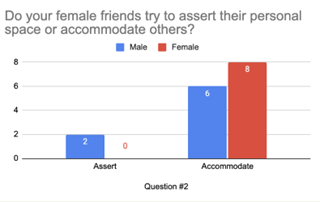
, , , , ,
Scroll to Top