Gender Stereotypes or Breaking Barriers? A Look into Moana
Búverley Trezile
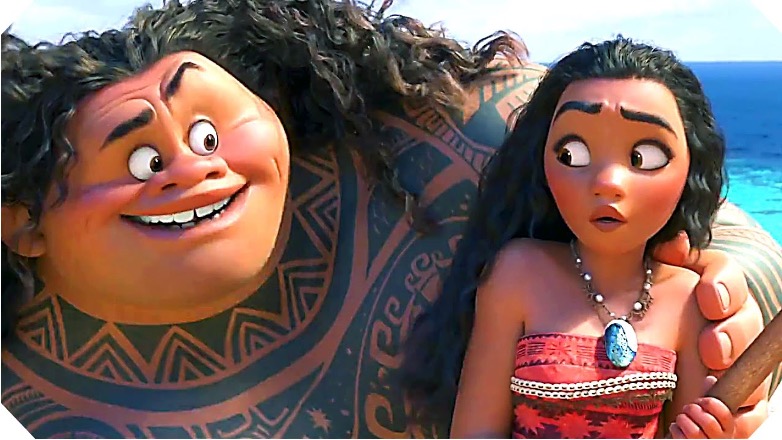
Set on the mythical Polynesian island of Montinuti, the critically acclaimed movie, Moana (2016) is one of the most successful movies to date (Robinson, 2016). Moana has been portrayed as a strong female character that defies gender stereotypes. However, a closer look at the film reveals that Moana conforms to many stereotypical feminine linguistic features regarding interruption, pitch, and word choice. The conversations between Moana and her male adventure partner reveals that he interrupts her at high rates. Thus, this preserves the gender stereotypes that many Disney films are known for. Maui’s character serves the purpose of representing the stereotypical dominant roles of men in society through his muscular and supernatural abilities. This paper criticizes the consensus and instead argues that this film perpetuates gender stereotypes. To support this claim, selected conversations between the male and female protagonists that include specific instances of interruption, pitch, and word choice are examined.
Introduction and Background
Movie critics have claimed that Moana is quite revolutionary in its approach to break gender barriers as a result of being an unapologetic feminist film (Schiele et al., 2020). Throughout the film, the sixteen-year-old character is shown as a strong female lead, who is considered headstrong. However, is there more to the surface of this coming to age story? Throughout history, many Disney princess films have followed a trope of conforming to gender stereotypes, whether it is a princess waiting on their prince charming to come to save them or another version of a damsel in distress. Needless to say, Moana doesn’t fall too short from the tree of conforming to the common trait of gender stereotypes that many Disney films are known for. This study explores ways of how some linguistic features such as interruptions, pitch and word choice between the verbal conversations of Moana and her travel partner, Maui supports the idea that Disney films still present gender stereotypes.
Schiele et al. (2020) make an appealing point that Moana is a fiercely independent lead female character who does not participate in the typical storyline of a damsel in distress in movies such as Cinderella. Yet the author fails to bring up that Maui may be seen as the stereotypical masculine man that illustrates some of the ideologies of men abusing their power to exercise male power and entitlement. In their article, (Schiele et. al, 2020) state, “The theme is crystallized in movies set in premodern societies, such as Moana, where male power and patriarchal expectations have unrivaled authority.” However, there is not enough background in the article to support this claim, because there is more than one protagonist in the film that can symbolize and engage in gender stereotypes. Furthermore, it is important to note that the bare minimum should not be praised. Another author (Hays, 2019) agrees with the sentiments, as they suggest, “With the progression of how women are portrayed in Disney’s princess films, the opportunity to become more diverse and inclusive exists.” There is still much progress to be made in Disney Princess films overall as they continue to sustain different forms of gender stereotypes.
Methods
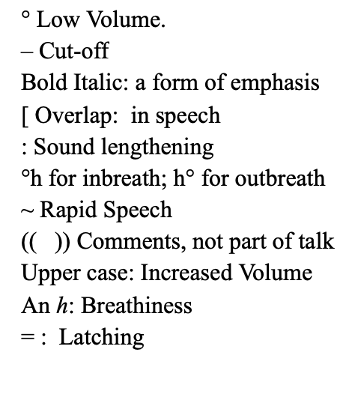
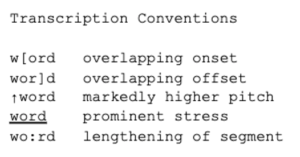
This research paper analyzed three linguistic features in the film: Interruption, Word Choice and Pitch. Selected conversations between Moana and Maui were transcribed to highlight these key features – they are defined below.
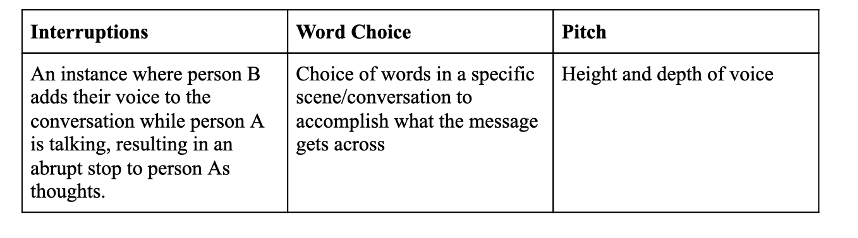
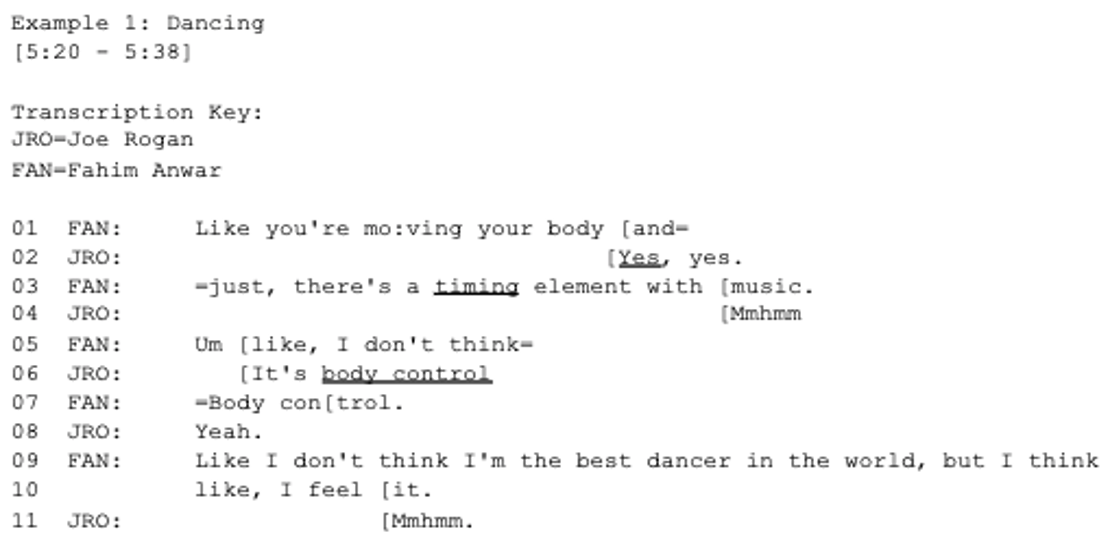
The purpose of analyzing these features in the film was to gauge how effective they would be in supporting the argument that Moana perpetuates gender stereotypes. During the first viewing of the film, it served as a refresher of the film. The interruption was defined as a moment where Moana’s words came to an abrupt end as a result of Maui simultaneously adding in his thoughts. Interruptions from Maui were tallied during the second viewing of the film to keep track of the power dynamics between him and Moana. Adding on, tallying was useful in terms of picking which scene represented Interruptions the most. The transcription that represented word choice was picked to show words from the conversation of Maui and Moana that stood out the most. The feature of Pitch was a bit more subtle to catch and required active listening and engagement in a reserved room to choose the most relevant data that could be applied and supported with the claims in this research paper. The specific scenes were typed in a separate Google document and converted to an image after it was transcribed.
Results & Analysis
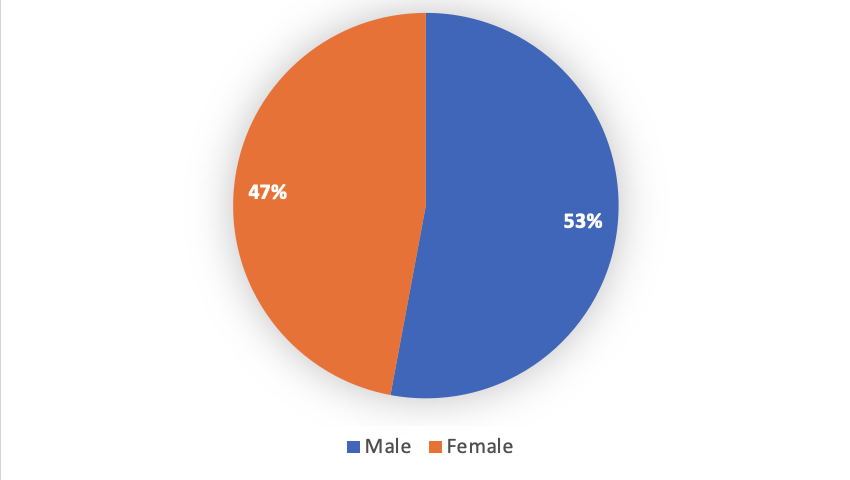
As a result of the tallying method, this indicated that Maui interrupted Moana at higher rates throughout the film. The results were converted to a pie chart as depicted in Figure 1.
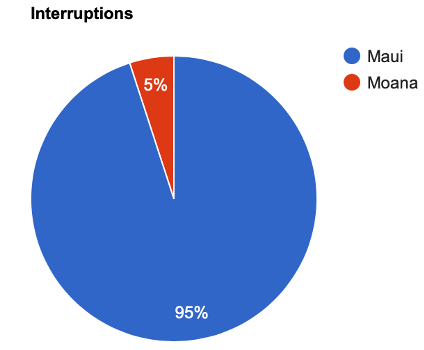
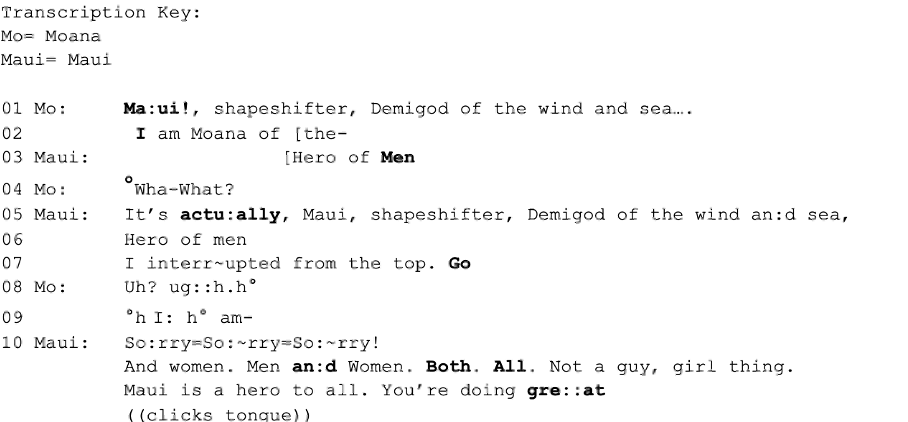
A research study conducted in 2014 indicated that 33% of women are interrupted more often when conversing with men (Hancock, 2015). Maui establishes his desire for dominance when he interrupts Moana several times in Figure 1. (James & Clark, 1993) interpret interruptions in conversations as violating normal conversational rules, which can also be interpreted as an attempt to overpower and control the floor of the topic of the conversation. Maui’s interruption in Figure 2 emphasizes that not only was he insufficient in waiting till she finished her sentence, but also had no intention of hearing her self-introduction once he proceeded to interrupt her for the second time.
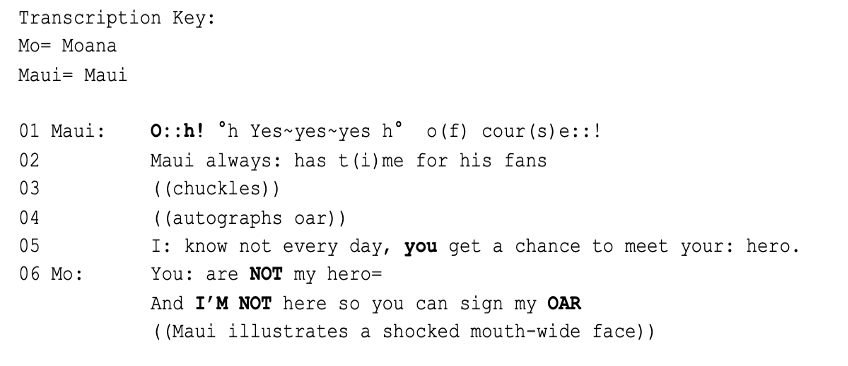
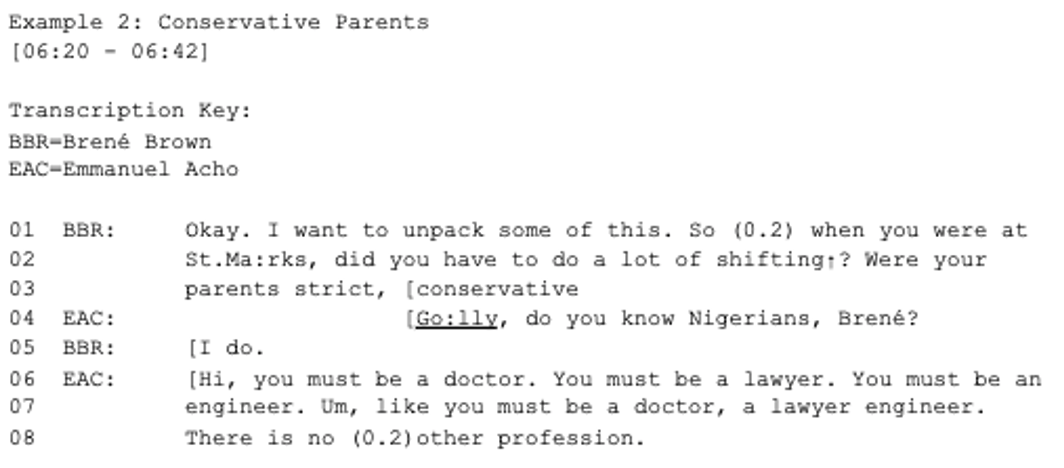
Gender stereotypes in language may often be perceived as socialized differences and norms after a while as a result of Disney films. In the second example (Figure 3), the concept of word choice is introduced when Moana makes it clear from her words, “you are not my hero” that she is not a fan and does not look up to him as he suspected. Maui presents a stereotypical “traditional masculinity” which is defined as traditional masculinity as traits that are respectively more typical of men and women (Kachel, Steffens, Niedlich, 2016). Thus, Maui’s initial lack of understanding of the purpose of their conversation reiterates that he was focused on talking rather than listening, this further supports the claim that he yearned to dominate the conversation.
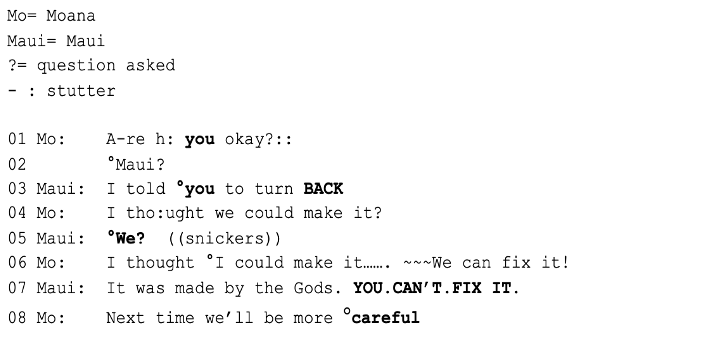
In Figure 4, the indication of pitch is introduced when it is apparent that Mana’s voice gets low as she is caught off guard by Maui’s exasperation. The pitch in this scene illustrates Moana’s genuine concern for Maui and his fishhook, yet Maui failed to reciprocate the same concern as he was focused on releasing his anger at the wrong person. This insight suggests that men fail to explicitly observe women’s pitch and tone, as this can reveal many emotions. Similarly, this may trace back to the idea that men were not raised to focus on these features, since they participate in more of the talking while women play the role of the listener. (McConnell-Ginet, 1978) recognizes this as she states that, “… the pitch is particularly important for understanding sex differences in speech strategies…” McConnell’s insights support the suggestion that men lack the routine of analyzing women’s speech based on the pitch because of the male-dominated ideas that are ingrained in society. The multiple exchanges between Maui and Moana emphasize the idea that there are gender stereotypes that other Disney princess movies preserve, and in this instance, where the film is centered around male-domination that may go beyond the scope of the film.
Discussion and Conclusions
Although Moana is one of the most popular animated Disney films, it still upholds some of the traditional gender stereotypes that Disney films are known for. The character Moana was a well-thought-out and progressive Disney princess — in comparison to those that currently exist as she upholds assertive traits that present as masculine and feminine throughout the film — the three features of interruptions, word choice, and pitch illustrates that gender stereotypes are still a long going issue in Disney films. The claims presented in this paper reveal that the linguistic features play a role in the image they may present on the stereotypes of both men and women. Future research based on this film can look into the concept of which age and age gap amongst the characters may play a role in some of the gender stereotypes of male’s desire to dominate every aspect of their life and where that stems from with a physiological perspective.
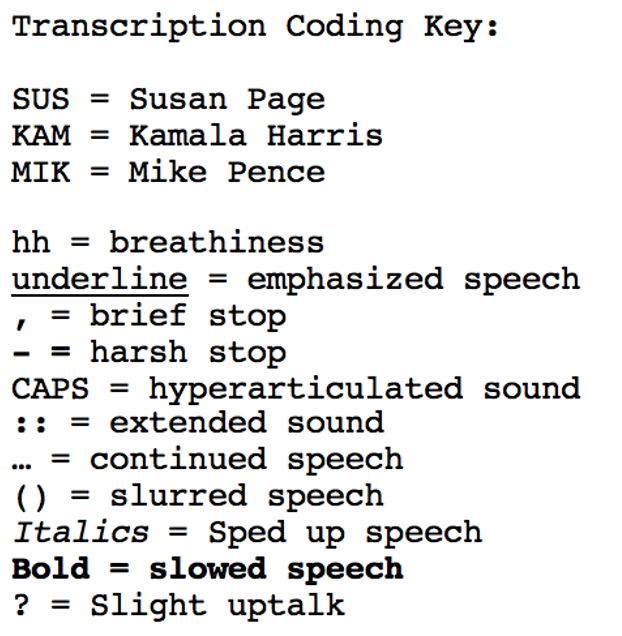
Full Transcription Key
References
Hancock, A. B., & Rubin, B. A. (2015). Influence of communication partner’s gender on language. Journal of Language and Social Psychology, 34(1), 46-64.
Hays, C. (2019). From Snow White to Moana: how Disney’s leading ladies became more than just a pretty face.
James, D., & Clarke, S. (1993). Women, men, and interruptions. Gender and conversational interaction, 231-280
McConnell-Ginet, S. (1978). Intonation in a man’s world. Signs: Journal of Women in Culture and Society, 3(3), 541-559.
Kachel, S., Steffens, M. C., & Niedlich, C. (2016). Traditional masculinity and femininity: Validation of a new scale assessing gender roles. Frontiers in psychology, 7, 956.
Robinson, T. (2016). Moana Review: After 80 Years of Experiments, Disney Has Made the Perfect Movie. The Verge.
Schiele, K., Louie, L., & Chen, S. (2020). Marketing feminism in youth media: A study of Disney and Pixar animation. Business Horizons, 63(5), 659-669.
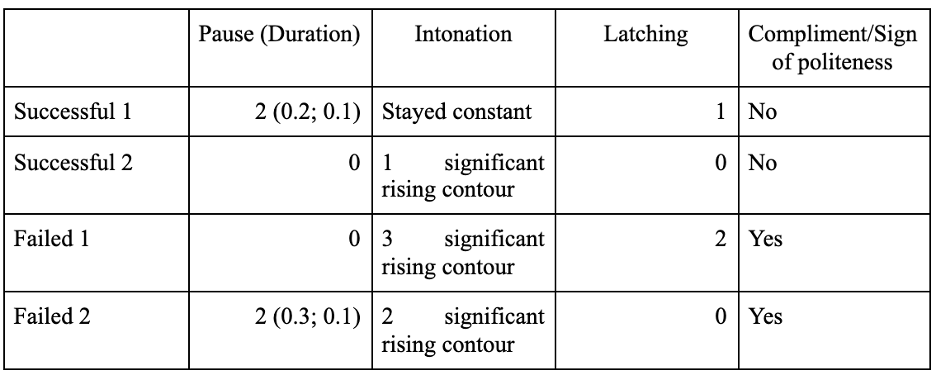
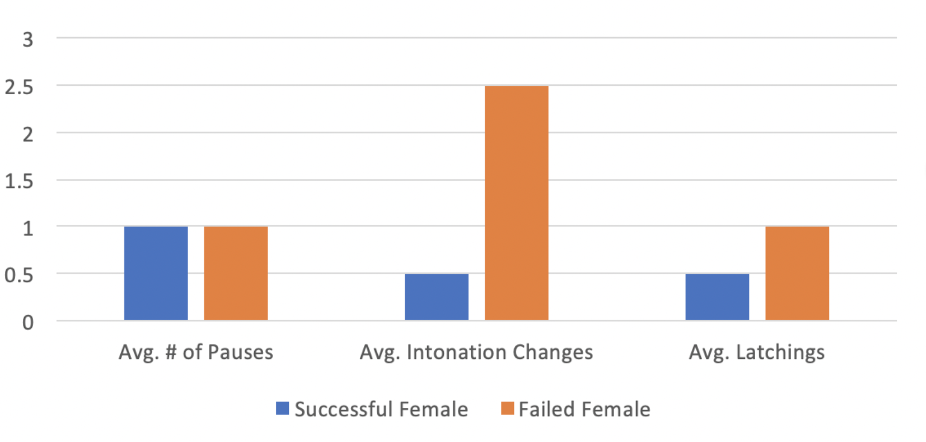
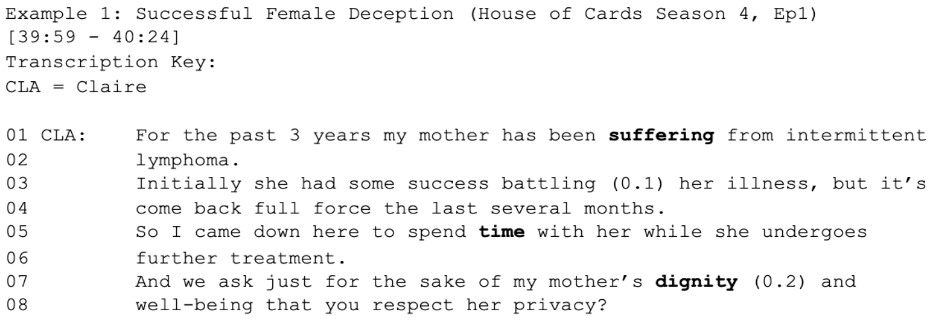
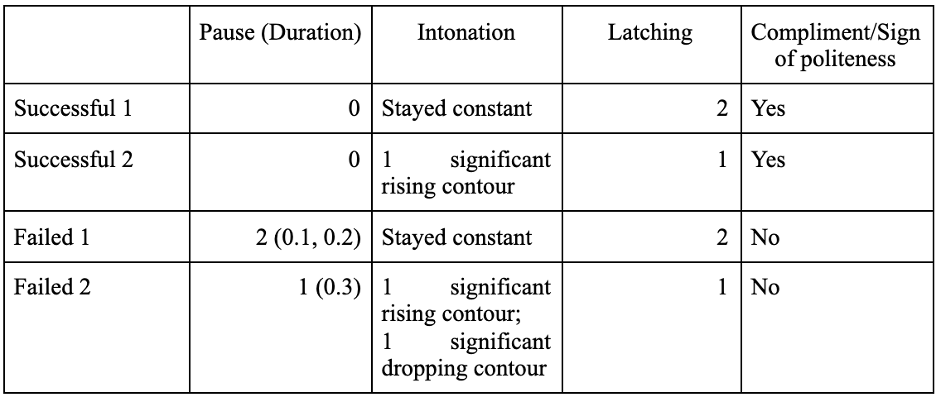
 While watching each film, I took notes on the context of each insult, the speaker and the recipient, word choice, intonation, impact of the insults, and the frequency of insults directed towards the male and female main characters in each film. Close attention was paid towards insults perpetuating gender stereotypes including the need for males and females to adhere to heteronormative societal standards, women’s obligation to maintain a specific aesthetic appearance and that her appearance contributes to her worth as a person, the necessity for women to act lady-like (including the need to not be “too” sexually active) to be accepted, the idea that women are inherently inferior intelligently, physically, and professionally, and that men must refrain from showing emotion in order to appear manly.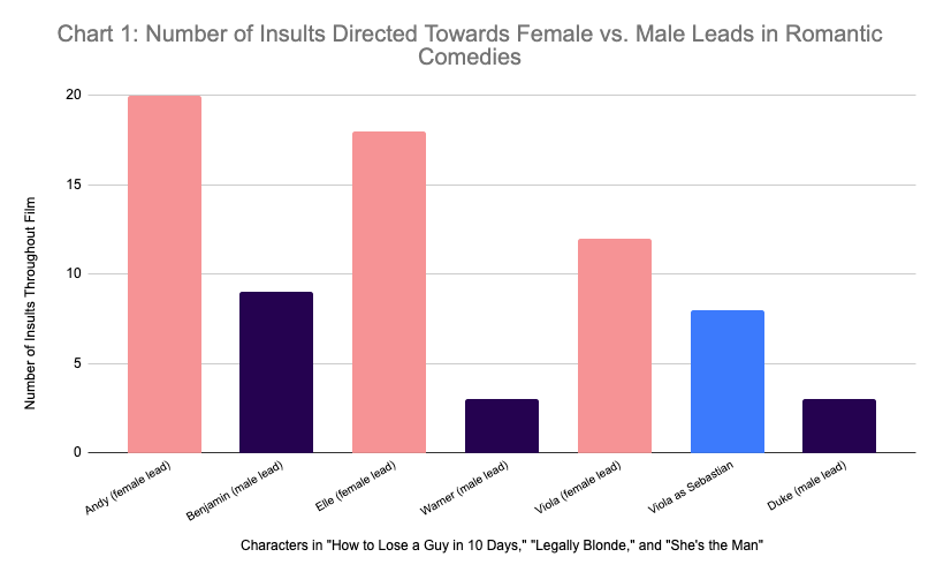



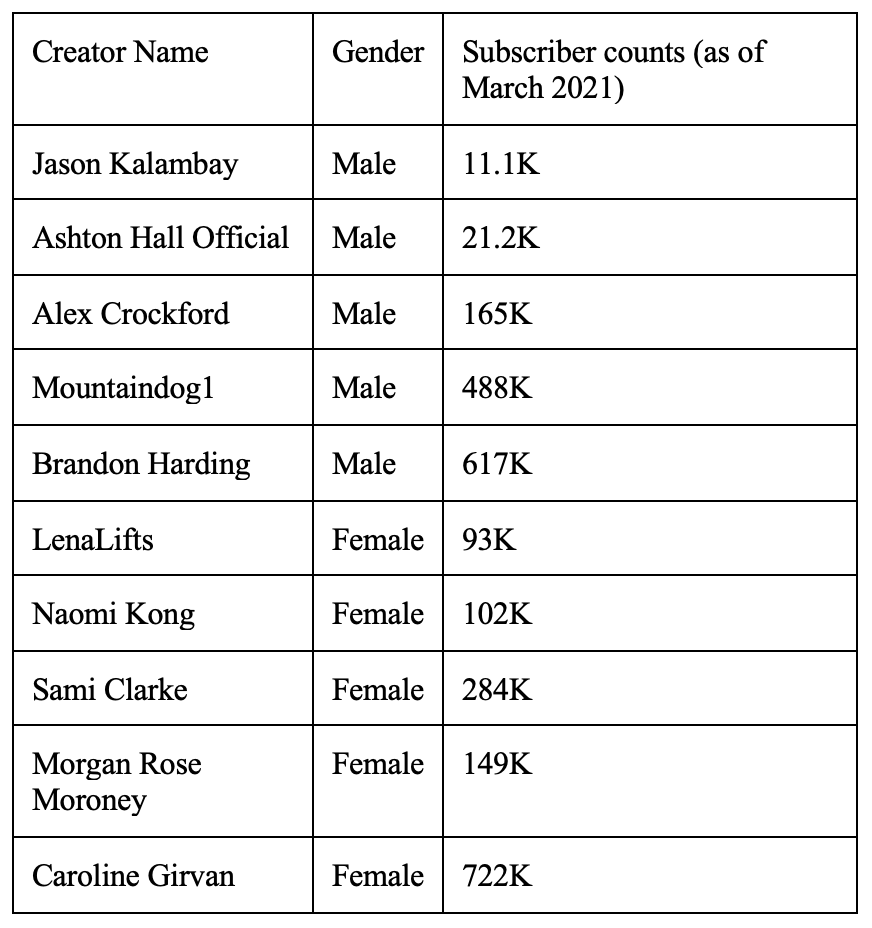
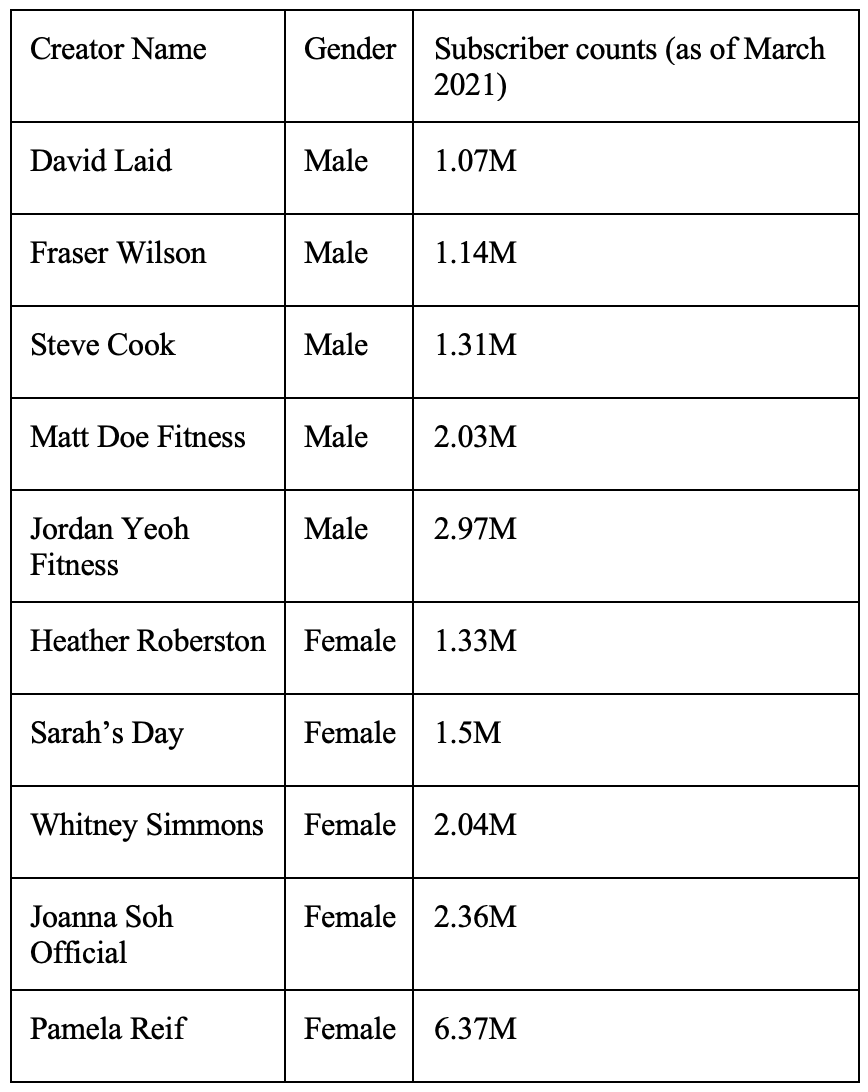
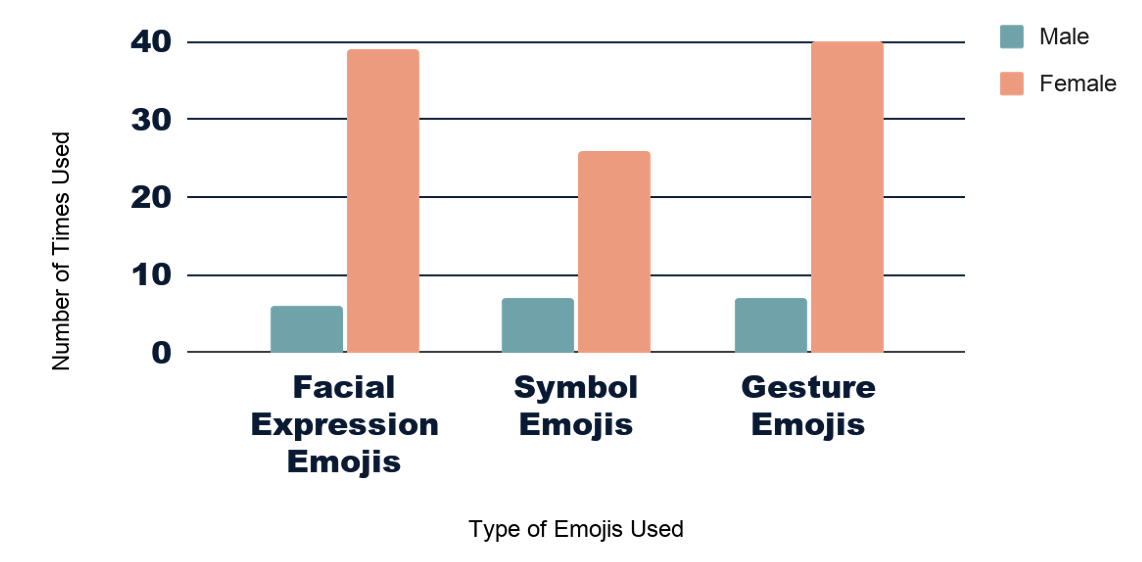
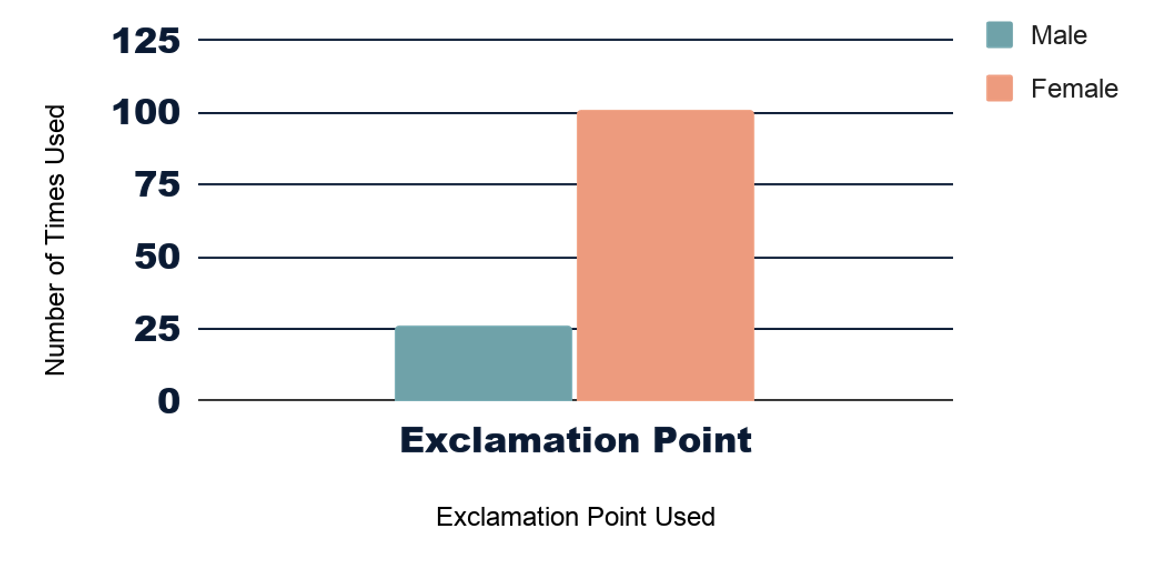
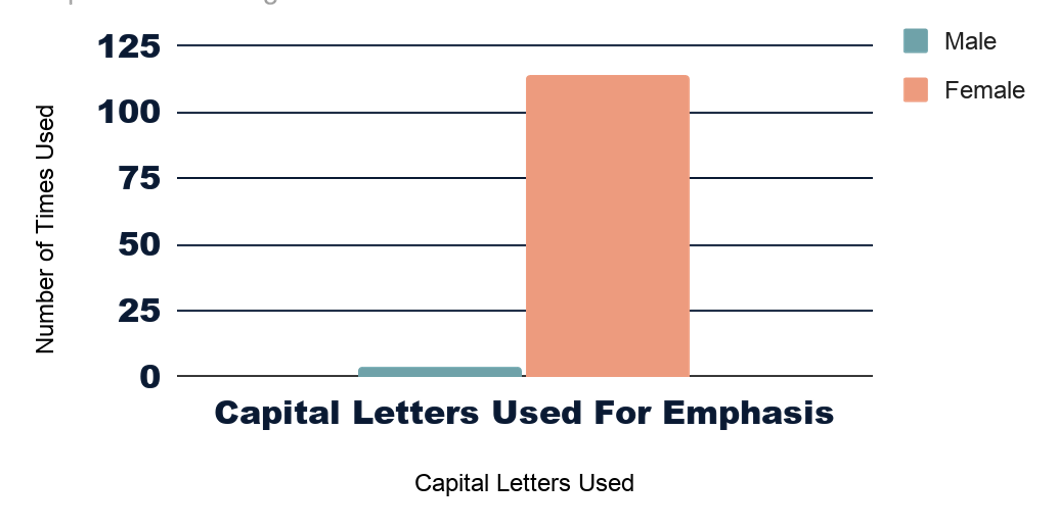
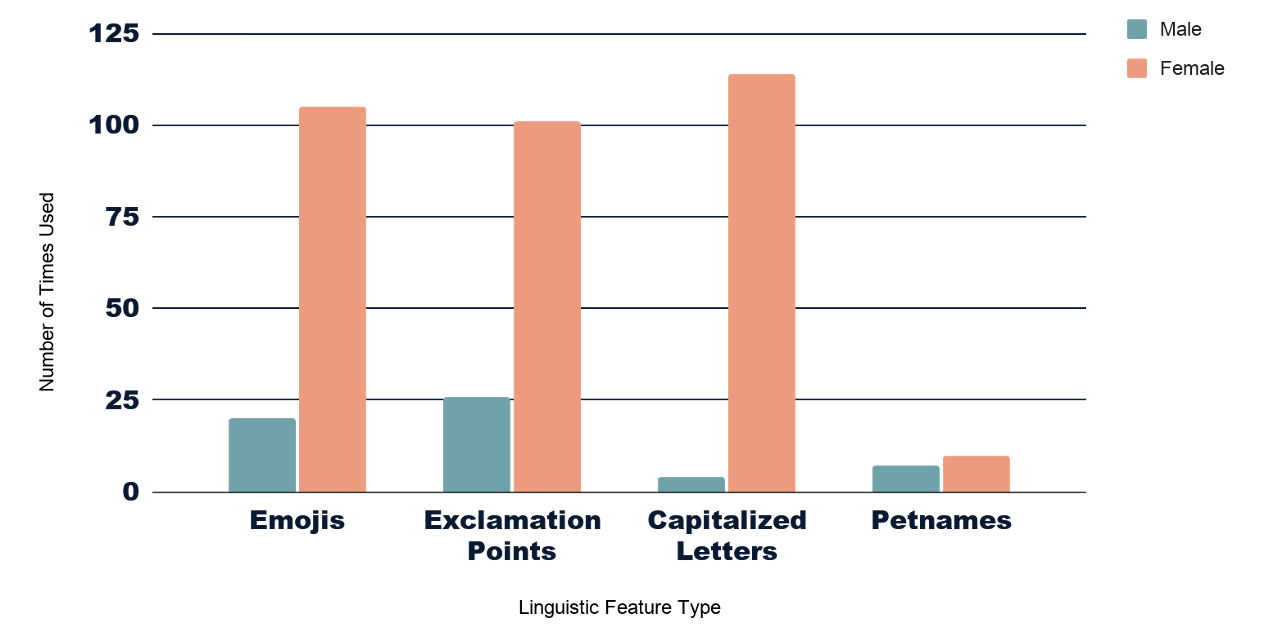
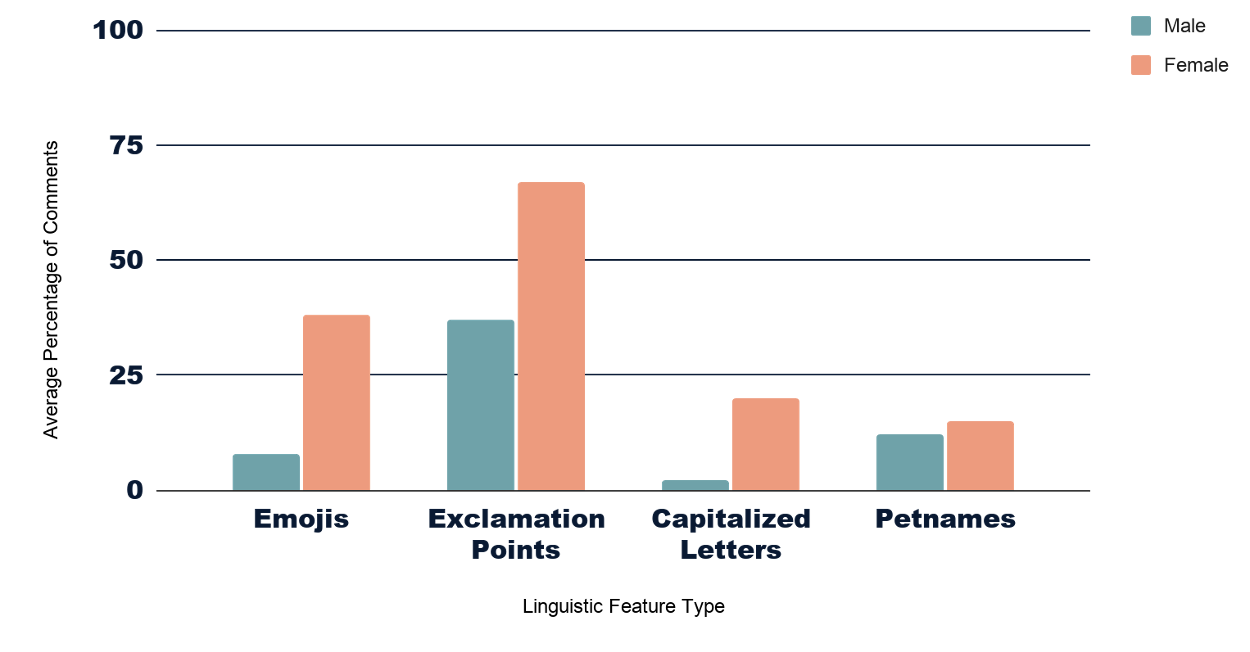
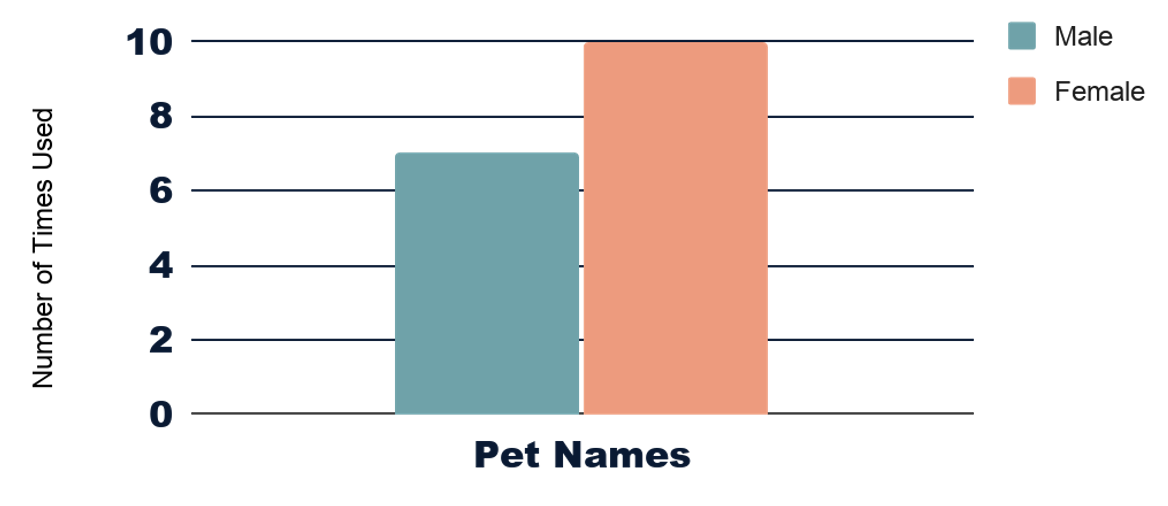
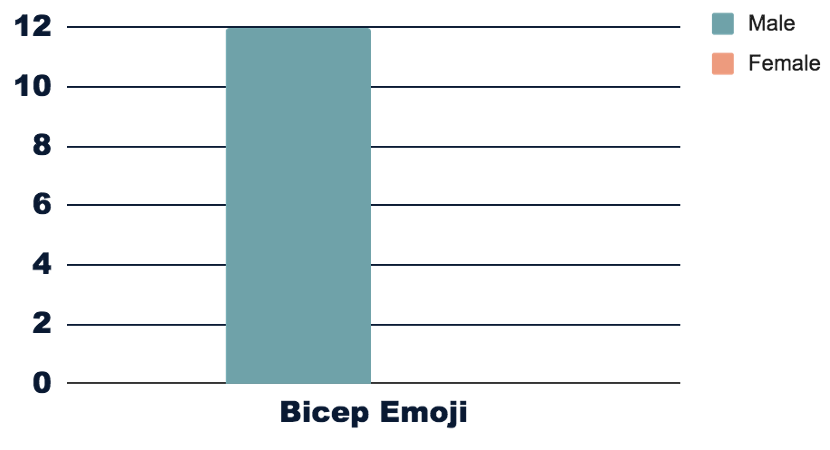 First, by taking a closer observation at the types of emojis male influencers used, we found that males usually used bicep emojis whereas females did not use them at all. Females generally used more emojis across all emoji categories. However, by narrowing down to a more specific sub-parameter within symbolic emojis, we observed that males were in fact using a different tool to strengthen their relationship with their predominantly male fans.