Sociolinguistics

Do actions really speak louder than words? Exploring Nonverbal Communication at UCLA Through a Lens of Internationality, Identity Formation, and Socialization

Fanny Berger, Alyssa Cole, Helena Hu, Hunter Sarmiento, Makayla Smith

This article focuses on channels of nonverbal communication across different cultures; primarily, the study conducted aims to better understand differences in including, but not limited to, gestures, facial expressions, eye contact, touch, space, and posture across different cultures. A secondary focus was also shifted to understanding how people of different cultures interpret and perceive each other’s body language in a conversational context, and to the extent to which they feel comfortable understanding others’ nonverbal communication styles. The study was conducted in two rounds: preliminary data collection was performed across UCLA students of different cultural backgrounds, with a deeper dive into select respondents from different cultural backgrounds through extensive interviewing. Respondent data reflected that most nonverbal communication is influenced by cultural upbringing and interpreting body language from someone of a different culture proves to be a challenge for most, demonstrating the impact of culture, identity, and community on how one interacts with the world.

[expander_maker id=”1″ more=”Read more” less=”Read less”]

Introduction and Background

In America’s melting pot, communication transcends cultures as people of different cultural backgrounds are in constant contact with one another, whether that be through school, work, or day-to-day living. However, beneath the surface of words lies a complex web of nonverbal cues that often serve as the silent language of our interactions. These cues, ranging from facial expressions and gestures to physical positioning and body language, play a crucial role in conveying meaning and go hand-in-hand with verbal communication in socialization and acts of interaction (Phutela, 2015). Within this realm of nonverbal communication, culture plays an essential part. According to what a culture determines, there can be several meanings attached to one form of nonverbal communication, thus making cross-cultural communication all the more necessary to understand (Jabber & Mahmood, 2020).

Today, nonverbal communication is more important than ever—advanced video technology has enabled computer-mediated communication to expand the benefits of face-to-face communication, now making non-verbal communication available in multiple formats. Here at UCLA, over 106 countries are represented within the 2023-24 school year student body, meaning that people from all over the world can connect face-to-face in both academic and non-academic settings. We became interested in understanding the meaning of nonverbal communication across different cultures, specifically how these gestures and behaviors relate to having a sense of social belonging in a culturally diverse community like UCLA.

Methods

We employed a two-step process to conduct our research and answer our primary research question: How does nonverbal communication across cultural groups contribute to one’s identity and ability to participate in various social settings, such as forming friendships and interacting with peers and professors?

The first phase involved a preliminary Google Form meant to collect data on undergraduate students at UCLA and their understanding of the relationship between body language and their culture, as well as their perception of body language within other cultures. The survey was spread through social media and word of mouth, with additional outreach to cultural clubs on campus to recruit respondents. Via the survey, we were able to collect demographic information such as one’s year at UCLA, gender identity, and cultural identity. Respondents were then asked to rate themselves on a scale regarding how comfortable they felt in nonverbally communicating or interacting with other students and faculty on campus. Similarly, they were asked to detail any instances in which nonverbal communication was misinterpreted as a result of their sociocultural differences. The collected data was then transformed into visual illustrations, such as graphs and spreadsheets, which provide indications for how people of different cultural backgrounds both understand and participate in nonverbal communication.

In the second phase, we reached out to individuals who had engaged with our survey and collected a total of five interviews from individuals from China, South Korea, Hungary, Spain, and Taiwan. Through our interviews, we were able to gain a deeper understanding of nonverbal communication and its impacts concerning cultural identity and one’s lived experience on campus. Additionally, we learned about personal experiences in which miscommunication or misinterpretations have occurred after using nonverbal communication with someone from a culture different than their own. Our respondents were able to elaborate in more detail than on their prior responses on the Google Form and explain their understanding of nonverbal communication across sociocultural contexts and interactions on campus and beyond.

Results and Analysis

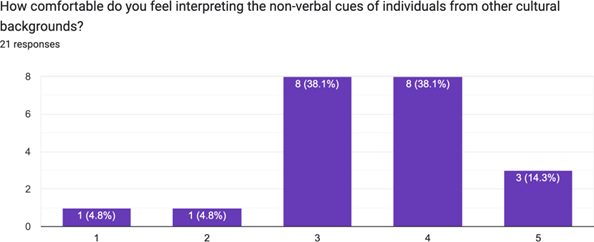
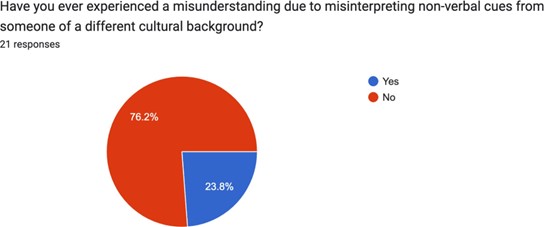
Our research project on nonverbal communication between various cultural groups provides some important insights into how cultural background affects the interpretation of nonverbal cues in a variety of social contexts. The project’s survey and interview data revealed that a substantial majority of participants (76.2%) agreed that their cultural backgrounds—which included people from Chinese, South Korean, British, Taiwanese, Spanish, Hungarian, and Indian backgrounds—have an impact on their nonverbal communication, which includes gestures, facial expressions, eye contact, touch, space, and posture (Figure 1). The study also found that the three most common nonverbal communication techniques used by people with these cultural identities are facial expressions, gestures, and eye contact (Figure 2). However, 47% of the respondents reported that they felt uneasy interpreting nonverbal cues from other cultures (Figure 4), and another 24% said that they had experienced a misunderstanding of nonverbal cues from someone of a different cultural background (Figure 5). These results demonstrate the nuanced function that nonverbal cues play in cross-cultural relationships, showing that these cues can both help and hinder connection between people of different cultural backgrounds in their attempts to understand each other.

Furthermore, our results yielded information regarding socialization and identity formation on campus. Through our survey and interviews, we were able to understand that students form in and out-groups according to feelings of acceptance or isolation associated with their nonverbal communication style. The students we interviewed explained that perceived cultural influences in their nonverbal communication caused them to feel a sense of social “othering” by American students who positioned themselves above these varying cultural identities due to their variation from the American, hegemonic standard at UCLA. With this, students embodied feelings of anxiety and disconnection that enabled them to develop in-groups with other international students, while feeling like a collective out-group from American students and faculty. Similarly, our research further supports the elimination of universal forms of nonverbal communication as both the expression and interpretation of nonverbal communication differ widely according to culture. This is additionally evidenced by students’ use of code-switching in nonverbal communication on campus. Many students expressed that they picked up on more Americanized forms of nonverbal communication, such as being more forward with their gestures and body language, and adapted their own forms of nonverbal communication to conform with this standard. For example, in our interview with a South Korean student, she expressed that she has a nonverbal linguistic repertoire of both South Korean and American influence and can “tap into” each form of nonverbal communication depending on who she is talking to. Through our research, we were able to gather data on the importance of nonverbal communication in identity expression, social and scholastic inclusion, and sociocultural power dynamics.
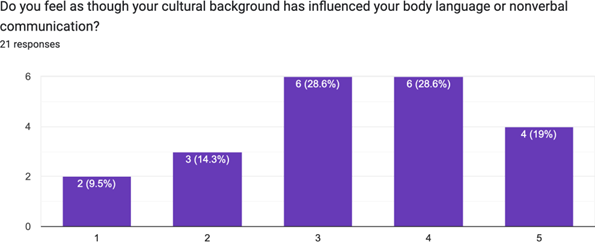
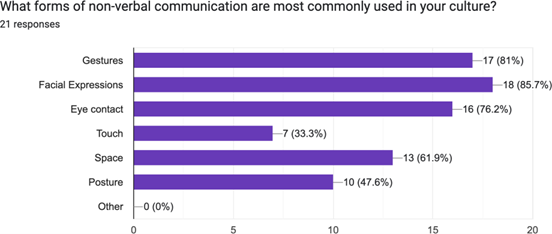
Figure 1: Cultural Influence on Nonverbal Communication. The Y-axis represents the number of responses. The X-axis represents the scale of agreement with the prompt: 1=Not at all, 2=Very little, 3=Somewhat, 4=A good amount, 5=Definitely.
Figure 2: Most Common Forms of Nonverbal Communication. The Y-axis represents the forms of nonverbal communication. The X-axis represents the number of responses.
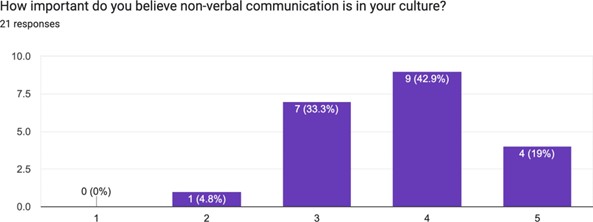
Figure 3: Cultural Importance of Nonverbal Communication. The Y-axis represents the number of responses. The X-axis represents the scale of agreement with the prompt: 1=Not at all, 2=Very little, 3=Somewhat, 4=A good amount, 5=Extremely.
Figure 4: Comfortability in Interpreting Nonverbal Communication from Different Cultural Backgrounds. The Y-axis represents the number of responses. The X-axis represents the scale of agreement with the prompt: 1=Not at all, 2=Very little, 3=Somewhat, 4=A good amount, 5=Extremely.
Figure 5: Cultural Influence on Misunderstandings in Nonverbal Communication.

Discussion and Conclusion

Our results illuminate that a multitude of misunderstandings within nonverbal communication arise from a difference in sociocultural upbringing. Although our results were specific to UCLA students, our research on nonverbal communication and its cultural ties serves as a model for further understanding and analyzing the implications of nonverbal communication on socialization and identity formation. College campuses are known to be extremely diverse communities, bringing in students from all around the world, thus replicating a larger world context through a social and scholastic lens. In this context, we were able to understand that cultural background largely influences how people both express and interpret nonverbal communication. Misinterpretations, as well as feelings of social isolation, were directly tied to cultural differences in nonverbal communication, with students expressing their need to code-switch and conform to American standards of nonverbal communication to feel fully comfortable interacting on campus. It is these nonverbal misunderstandings that play into the larger phenomenon of miscommunication due to cultural differences, thus pointing to the need to study this subject further.

The main point of our study was to provide awareness of a struggle that many students experience at UCLA, but, similarly, what many people face on a day-to-day basis around the world. We want to provide empathy regarding differences in communication and how cultural influence should be recognized and accepted instead of stigmatized. It is essential to understand how cultural identities influence nonverbal communication to not only ensure ease in interaction and information sharing, but to also ensure that all individuals, no matter their cultural background, feel included and understood. We hope our project further sparks discussions about nonverbal communication and its sociocultural influences in order to increase cross-cultural competence, enhance empathy, and educate others on the importance of communication.

References

Akkilinc, F. (2019, August). The Body Language of Culture. International Journal for Innovation Education and Research, 7(8), 32-39. https://www.researchgate.net/publication/335689301_The_Body_Language_of_Culture

Jabber, K. W., & Mahmood, A. A. (2020). Non-verbal communication between two non-native English speakers: Iraqi and Chinese. Theory and Practice in Language Studies, 10(2), 189-196.

Kirch, M. S. (1979). Non-Verbal Communication across Cultures. The Modern Language Journal, 63(8), 416-423. https://www.jstor.org/stable/326027

Phutela, D. (2015). The importance of non-verbal communication. IUP Journal of Soft Skills, 9(4), 43.

Ren, Z. (2014). Body Language in Different Cultures. US-China Foreign Language, 12(12). https://doi.org/10.17265/1539-8080/2014.12.008

Rugsaken, K. (2006). Body Speaks: Body Language Around the World. NACADA. https://nacada.ksu.edu/Resources/Clearinghouse/View-Articles/Body-Language-Around-the-World.aspx  

Thompson, J. (2023, May 15). How Much of Communication is Nonverbal?. The University of Texas Permian Basin. https://online.utpb.edu/about-us/articles/communication/how-much-of-communication-is-nonverbal/ 

[/expander_maker]
, , , ,

Tongue-Tied Off a Tab: Can Linguistic Effects of LSD Reimagine How We Approach Mental Health Research?

In our project, we investigated three linguistic variables – Disfluency/Stuttering, Figurative Language, and Introspection/Emotional Language – to explore their occurrence and patterns in speech, particularly under the influence of LSD. Disfluency manifests as disruptions or hesitations in speech, while stuttering involves involuntary sound repetition. Figurative language employs metaphors and analogies, and introspective/emotional language conveys inner thoughts and feelings. Through data analysis, we observed instances of disfluency, such as stuttering, unfinished sentences, and prolonged pauses, alongside examples of figurative language, like metaphoric expressions. Throughout the timeframe, introspective language emerged, reflecting individuals’ contemplation of existential questions and emotional experiences.

Our findings revealed a notable increase in all three linguistic variables among LSD-exposed individuals compared to controls. This heightened occurrence suggests a potential influence of LSD on speech patterns, with introspective and figurative language showing significant upticks. Notably, the use of introspective language during LSD exposure may hold implications for therapeutic practices, particularly in trauma-focused therapy and emotional exploration. Leveraging LSD’s capacity to facilitate uninhibited self-expression, therapists could effectively navigate sensitive topics and evoke relevant memories, potentially enhancing treatment outcomes for individuals struggling with emotional trauma.

The linguistic effects of LSD present promising avenues for advancing mental health research and therapeutic interventions. By harnessing the potential of psychedelics like LSD within therapeutic contexts, we may redefine approaches to trauma resolution and personal growth. With further exploration and integration of these findings into clinical practice, we anticipate transformative changes in mental health treatment paradigms, offering hope for individuals across diverse communities.

[expander_maker id=”1″ more=”Read more” less=”Read less”]

Introduction and Background

Can psychedelics really be used as a medical treatment? This is a question that has puzzled the minds of researchers since the late 1900s. It has been long known that LSD impacts cognitive function (Wießner et. al, 2023). As such, researchers were interested to see if LSD could impact language usage. One study has observed that people under the influence of LSD have increased usage of emotional language and metaphorical speech (Bryła, 2022). Additionally, another study has seen that there is an increase in disfluency and incoherent speech when people talk under the influence of LSD (Sanz et. al, 2021). Although there has been interest in using psychedelic drugs such as LSD as an alternative way to treat people with mental disorders, there has not been much research on how exactly LSD affects communication.

Our research aims to elucidate how LSD impacts communication by examining the patterns of speech of people under the influence of LSD and comparing it to the normal speech of people who are not under the influence of any psychedelics. We hypothesize that LSD will cause an increase in disfluency, such as disruptions stuttering, and figurative language use. Our research contributes to the psychedelic research field by studying specific linguistic variables that have not yet been studied in the context of LSD and other psychedelics. LSD is an illegal drug, making it difficult for researchers to legally obtain and study it under ethical conditions. It is important to fully understand the effects of LSD before using it as an approved medical treatment.

Methods

For our methods, all subjects in this project design are adults between the ages of 21 and 30 years old, and they all identify as frequent LSD users. Under the influence of LSD, we observed patterns of disfluency, stuttering, emotional/introspective language, and figurative language use. We gathered data from two primary sources. The first source was a public YouTube video titled, “Adam and Quentin’s ENTIRE Live Acid Trip | Bicycle Day Special”. The video was posted on April 21st, 2021, and went on for 5.5 hours. The participants in this video, Adam and Quentin, both spent the first 10 minutes of the video sober. We observed their speech patterns and behavior during this time as the control. After 10 minutes had passed, both took 250ug of LSD and felt the effects about 45 minutes later. Our second source consisted of 4 anonymous volunteers who took 150µg of LSD each. For the control, their sober speech and behavior were observed and recorded for about 30 minutes before taking the LSD. On average each volunteer felt the effects take hold about 1 hour after consumption and the effects wore off after about 4.5 hours. All 4 participants experienced this trip together and were recorded with oral and written consent. Due to confidentiality agreements as well as ethical and safety measures for our volunteers, their names were omitted from this project and the recording was converted into a transcript.

Results and Analysis

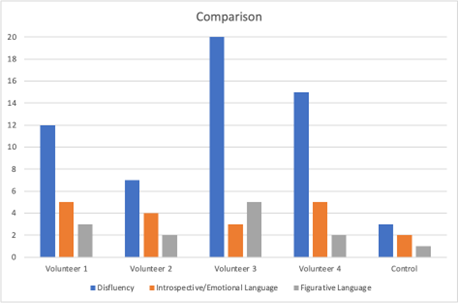
Figure 1: Comparing rates of disfluency, introspective / emotional language, and figurative language between volunteers who had taken LSD and the control group
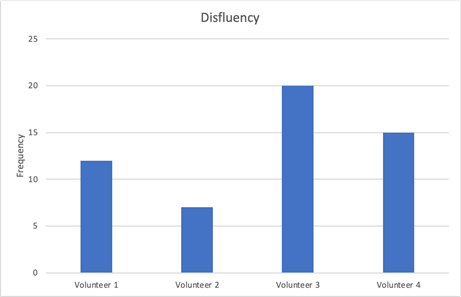
Figure 2: Rates of disfluency among volunteers who had taken LSD
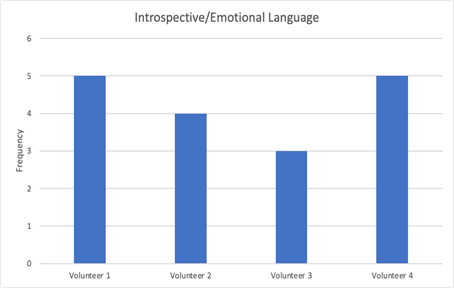
Figure 3: Rates of introspective / emotional language among volunteers who had taken LSD
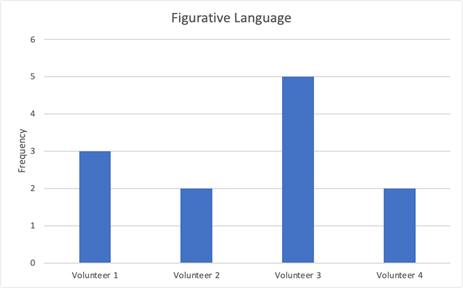
Figure 4: Rates of figurative language among volunteers who had taken LSD

In our project, we studied three linguistic variables: Disfluency/Stuttering, Figurative Language, and Introspection/Emotional Language. Disfluency is discontinued speech or lowered quality and unfinished sentences. Stuttering is the involuntary repetition of sound. Figurative language is talking about one kind of thing, in terms of another. Introspection/Emotional language is speech conveying one’s inner thoughts and consciousness. Some quoted examples of disfluency from our data are: stuttering – “to-together?”, unfinished sentences  – “I don’t know how, like…”, long pauses, and many “uhh”’s. Examples of figurative language from our data: “in the back of your head”, “in the back of your mind”, and “Like, as soon as our soul leaves our body, the vultures swoop in. Humans are basically, like, vultures, you know?”. Lastly, a few examples of introspective language from our data are: “What do you think is gonna happen when you die?”, and “Like I feel like, I believe in like, reincarnation a little bit…”.

We can see from our results that disfluency had the highest frequency among all of our volunteers. The rate of disfluency was about 2-3 times more frequent than both figurative language and introspection, except for volunteer two, who had much less disfluency than the rest of the volunteers. Figurative language occurred the least, except for volunteer three. Though it only occurred slightly less than introspection/emotional language. Compared to our control data, all three of our variables were higher when participants had taken LSD. The most shocking difference was that of disfluency, which remains pretty low in our control data, and is extremely high (comparatively) in all of our volunteers once they had taken LSD.

Discussion and Conclusion

When beginning our research, we set out to find evidence that consumption of LSD had an impact on speech patterns. We assessed the variables of stuttering/disfluency, introspective/emotional speech, and the use of figurative language; across all modalities of our data collection, we found that there was an increased occurrence of all three variables.

One particularly important implication of this research is related to the subjects’ increase in the use of introspective and figurative language when under the influence of LSD. With the growing field of psychedelic-assisted therapy projected to double its global market value in the next four years, we believe it is important to steer this research in the direction of enhancing current protocols for talk therapy. LSD’s ability to invoke upon the user an uninhibited, vocalized train of thought, with a particular emphasis on sharing emotional memories, could prove to be extremely useful in therapeutic settings where there are feelings of shame around discussing certain events. Therapists who center their treatment on trauma-resolution and shifting a patient’s overall perspective on life may find LSD useful for broaching sensitive topics and eliciting relevant memories.

The linguistic effects of LSD demonstrate great potential for reimagining the scope of mental health research and how to treat individuals for which traditional therapeutic interventions have not been successful. We believe that, with further research into this field, large-scale changes can be implemented that will impact the lives of individuals across many different communities.

References

Bryła, M. (2022). What Conceptual Metaphors Appear in Texts on Psychedelics and Medicine?  Corpus-Based Cognitive Study. Respectus Philologicus, 42(47), 154-166. https://doi.org/10.15388/RESPECTUS.2022.42.47.115

Krebs, T. S., & Johansen, P.-Ø. (2013). Over 30 million psychedelic users in the United States. F1000Research, 2, 98. https://doi.org/10.12688/f1000research.2-98.v1

Sanz, C., Pallavicini, C., Carrillo, F., Zamberlan, F., Sigman, M., Mota, N., Copelli, M., Ribeiro, S., Nutt, D., Carhart-Harris, R., & Tagliazucchi, E. (2021). The entropic tongue: Disorganization of natural language under LSD. Consciousness and Cognition, 87, 103070. https://doi.org/10.1016/j.concog.2020.103070

Wießner, I., Falchi, M., Daldegan-Bueno, D., Palhano-Fontes, F., Olivieri, R., Feilding, A., B. Araujo, D., Ribeiro, S., Bezerra Mota, N., & Tófoli, L. F. (2023). LSD and language: Decreased structural connectivity, increased semantic similarity, changed vocabulary in healthy individuals. European Neuropsychopharmacology, 68, 89–104. https://doi.org/10.1016/j.euroneuro.2022.12.013

[/expander_maker]
, , , , ,

The Experiences of Non-Native English Speakers at UCLA

Christina Oghlian, Cia Evangelio, Nina Esteghlal, Rikuto Kawada, Yuka Tanaka

As a native speaker of a language, we never really stop to think about the experiences and challenges of those who are not native speakers. It is especially difficult for those who are studying in a foreign country where almost everyone is fluent in a different language than them. We decided to research what challenges international students face in order to gain a greater understanding of their experiences as non-native English speakers at an American university. In addition, we want to use the results of our findings to understand what resources are available for international students who are not English-proficient.

We conducted our research by interviewing 10 international students attending UCLA, 5 of which were male and 5 of which were female, about their English academic proficiency levels and their experiences in various social settings as non-native speakers. By creating more spaces where international students can meet one another or consult with fluent English speakers about difficulties they might have with the language, educational institutions can help their international students feel more safe and comfortable in both academic and social settings.

[expander_maker id=”1″ more=”Read more” less=”Read less”]

Introduction

Think about yourself living in other countries where people do not speak your native language. What would you feel, and what difficulties would you face? This curiosity makes us want to study how each international student struggles to live in other countries. We focus on the linguistic, social, and mental challenges that international students face during their study abroad experiences. Our research question is: “How does international students’ English proficiency affect their personal life to be fulfilling while they are studying abroad, and what are the difficulties for international students to achieve their ideal life in new countries?” We hypothesize that international students with higher proficiency in speaking English have more opportunities to socialize in groups. On the other hand, international students who have lower English proficiency will face more difficulties in socialization and having an awareness of their speaking English, increasing their anxieties while they are speaking English to native speakers.

Background

International students face new challenges in a new country. There can be many reasons and situations, such as the language barrier, socialization, and mental condition. Those challenges have a huge negative impact on international students in terms of their studying or speaking English. Many international students are willing to enhance their speaking skills and engage in new social interactions, such as engaging in conversation, making new friends, and so on, in the new countries they go to (Bernhard and Gregory, 2017). Depending on the individual international students, there are differences in these achievements to be different because their English proficiency will be affected.

The linguistic barrier can make people feel they are not in the conversation while people are speaking English because they cannot understand and speak out while people are using English. This can make international students feel socially excluded because of the differences in their English ability (Hilt, 2016). In addition, linguistic barriers are affecting not only the social life of international students but also their mental awareness of their English ability in many ways. While international students feel they are not good enough at speaking English, it can affect their feelings of anxiety (Idrissi, 2022). Moreover, the linguistic barrier can also affect international students’ confidence in speaking (Iris and Lopez, 2014). Therefore, English proficiency has a huge impact on the interactions with international students, their social lives, and their awareness of anxiety.

Methods

For our research study, we aim to interview 10 international UCLA students between the ages of 18-25. Out of the 10 international students, we will specifically interview 5 males and 5 females. Our research will examine how these international students face difficulties when they are speaking English to a native English speaker. Before the interview, the students will complete a Google form asking a couple of questions about their demographics, including identity, where they are from, previous schools they have attended, and for how long they have been attending UCLA. After completing the Google form, each participant will be notified with a follow-up interview and be asked questions based on their familiarity with English. The interviews will take approximately 30 minutes, and we will ask questions related to their knowledge of English, such as, “How comfortable are you speaking English”, “What is the most complicated part about speaking the English language”, “ How comfortable are you when slang is being used in conversation”, and “What linguistic features do you pay attention to when speaking with native speakers”. Based on the interview answers, we will analyze them to see what international students struggle with and which areas of linguistics they have difficulty understanding the most. We especially want to understand how international students have a difficult time with their English ability in social situations and mental interaction.

Results and Analysis

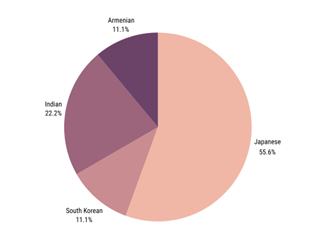
The results that we have found are quite intriguing. We conducted a total of nine interviews and created graphs to represent our findings.  As represented on the charts, the demographic of our participants is a majority of Japanese participants followed by Indian, South Korean, and Armenian, as shown in Figure 1.

Figure 1: Demographics of Participants within the Study

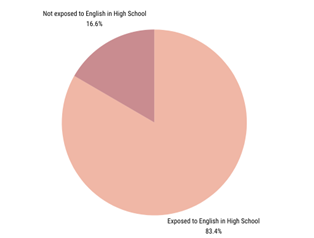
A large majority of the participants were exposed to English in high school– whether that be that they went to an international school or they had an integrative English course as represented through Figure 2.

Figure 2: Percentage of Participants who were exposed to English in High School

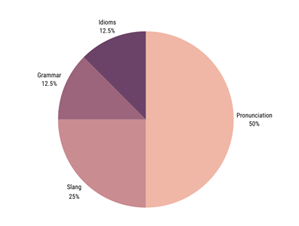
While conducting our research, we realized it was only fair that we separate international students from what was shown in Figure 2. Out of those international students that were exposed to English in high school, Figure 3 represents what they found the most difficult when participating in conversation with native English speakers.

Figure 3: What International Students with strong English proficiency struggle with

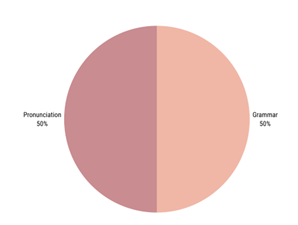
On the other hand, Figure 4 shows what international students that have lesser English proficiency struggle with. Interestingly, both international students with strong English proficiency and students with lower English proficiency are most conscious about pronunciation.

Figure 4: What International Students with lesser English proficiency struggle with

The results show that the international students that have a strong English-speaking background are most likely to feel comfortable speaking English to individuals, and group settings however, international students with no English background feel less comfortable. International students have more difficulty grasping English morphological and syntactic structures due to the complicated grammatical structures that are used in academic settings. The use of slang terms and pop culture usually in social and school settings often would give international students confusion. Most international students mentioned how they struggled understanding slang terms and pop culture and that they are still learning.

Discussion and Conclusions

Previous studies have shown that the ability to speak English is highly related to one’s involvement with the surrounding environment in which he or she grew up. The results show that international students who received an academic English education before entering university are almost as confident and comfortable with their English skills as native English speakers, whereas international students who did not receive much English education before entering university are a little more hesitant to speak English. As our research indicates, they may feel anxious or difficult to speak depending on their proficiency in English and may feel that they do not belong in that group.

Moreover, our study allows us to speculate that difficulties in grasping specific and unique syntactic structures, such as pop culture references, may have an impact on the minds and bodies of international students. While it is difficult to draw conclusions, this phenomenon may be true for many international students who did not receive much English education before college. Proficiency in English is a necessary skill for international students to adapt to social life, but confusion often arises when slang and pop culture references are mixed in. Therefore, it could be argued that international students hang out with other international students to avoid being excluded because of differences in fluency or proficiency that they do not possess compared to native English speakers. This research can be applied to various university communication settings to help understand how to properly engage with international students and what type of environment is most effective for language learning.

References

Alkhammash, R. (2022). Processing figurative language: Evidence from native and non-native speakers of English. Frontiers in Psychology, 13, 1057662–1057662. https://doi.org/10.3389/fpsyg.2022.105766

Drljaca Margic, B. (2017). Communication courtesy or condescension? Linguistic accommodation of native to non-native speakers of English. Journal of English as a Lingua Franca, 6(1), 29–55. https://doi.org/10.1515/jelf-2017-0006

Halic, O., Greenberg, K. H., & Paulus, T. M. (2009). Language and Academic Identity: A study of the experiences of Non-Native English speaking international students. International Education, 38(2), 73–93.

Hilt, L. T. (2016). Education without a shared language: Dynamics of inclusion and exclusion in Norwegian introductory classes for newly arrived minority language students. International Journal of Inclusive Education, 21(6), 585–601. https://doi.org/10.1080/13603116.2016.1223179

Idrissi, O. (2022). Anxiety as a psychological barrier to students’ speaking fluency: IELTS as a case study. International Journal of Linguistics, Literature and Translation, 5(12), 111–120. https://doi.org/10.32996/ijllt.2022.5.12.14

Jessen, A., Festman, J., Boxell, O., & Felser, C. (2017). Native and Non-native Speakers’ Brain Responses to Filled Indirect Object Gaps. Journal of Psycholinguistic Research, 46(5), 1319–1338. https://doi.org/10.1007/s10936-017-9496-9

Lopez, I. Y., & Bui, N. H. (2014). Acculturation and linguistic factors on international students’ self-esteem and language confidence. Journal of International Students, 4(4), 314–329. https://doi.org/10.32674/jis.v4i4.451

Streitwieser, B. T., & Light, G. J. (2017). Student conceptions of international experience in the study abroad context. Higher Education, 75(3), 471–487. https://doi.org/10.1007/s10734-017-0150-0

Yu, X., & Peters, B. (2019). Let All Voices Be Heard!: Exploring International Students’ Communication Challenges in the Internationalized Classroom. Journal of Interdisciplinary Studies in Education, 8(1), 107–116. https://doi.org/10.32674/jise.v8i1.1080

Cross-referencing relevant info: https://www.youtube.com/watch?v=na04NxGZuKU

[/expander_maker]
, , , ,

All Jokes Aside – Indexing Gender and Race in Stand-Up Comedy

Ammi Lane-Volz, Cate Dark, Ava Kaiser, Grace Shoemaker, Alex Farfan

As playful and harmless as something titled “comedy” can seem, the political and cultural implications of what is deemed funny are not insignificant. From stand-up performance to jokes around the water cooler, comedy is used as a tool to socially bond, establish hierarchy, critique global affairs, and index identity. Our project set out to explore how stand-up comedians index their identities through mimicry, contrast, and slurs, specifically focusing on how they index themselves as part of versus separate from gendered and racial groups. We studied the specials of ten stand-up comedians from the Netflix series The Standups to see if they more often tended to align their identities through references to their own demographics (in-group indexing) or through references to outside groups (out-group indexing). We found several patterns that emerged, including higher instances of non-white comedians mentioning their race (three times more often), 60% of which consisted of in-group indexing. We also found the opposite to be true for gender, with men referencing gender almost twice as often as the female comedians, 55% of which consisted of out-group indexing. These patterns invite several follow-up questions on the different tactics comedians use when writing their sets and how their choices might be influenced by their place in society and membership of different social majority or minority groups.

[expander_maker id=”1″ more=”Read more” less=”Read less”]

Introduction and Background

Comedy holds significant cultural influence, serving both as a mirror reflecting societal norms and as a tool for challenging them. We identified a notable gap in research relating to how stand-up comedians utilize their demographic backgrounds. A study done on representations of race and gender within Comedy Central programming found that although the channel has made an effort to expand its brand by employing more female and racially diverse comedians, the type of jokes found within these skits reinforce power dynamics and white heteronormative masculinity (Marx 2016). Another study on stand-up comedy and cultural spread argued that stand-up comedians are able to reinforce and/or challenge existing cultural stereotypes through their sets, both within the comedic monologues themselves and in the audience’s minds (Yus 2002). Based on this research, it is evident that a comedian’s own demographic information, specifically gender and race, can play a role in the creation or reinforcement of stereotypes in comedy. Yet none of these studies discuss the ways in which comedians index their own demographics. To fill this gap, we wanted to answer the question of how comedians navigate indexing their identities by looking at the frequency of in-group versus out-group demographic references and how these references connect to broader social contexts.

Methods

For our analysis, we chose to look at ten thirty-minute stand-up specials from seasons two and three of the Netflix series The Standups. Each episode of this show focuses on a different stand-up comedian. Comedians from this show are of moderate acclaim, meaning their sets are polished (i.e. representative of a “standard” professional stand-up comedian) but the researchers and the general public may not know the comedians by name. Choosing specials from this show allowed for some standardization of the audience and venue, and provided us with a broader view of multiple professional stand-up comedians than just analyzing one or two longer specials.

Each researcher looked at two randomly chosen specials and noted each time that a comedian mentioned their own identity demographic (race, gender, sexuality, political affiliation, class, and age) and each time they made a comparison to another demographic. These comparisons included strategies like direct comparison or mimicry of another demographic’s accent or physical mannerisms. We also noted each time a comedian said a slur related to their own identity demographic and each time they said a slur related to a different demographic. Based on our preliminary data, we decided to whittle down our focus from the six demographic categories mentioned above to just race and gender. Within these categories, we split them into white vs. marginalized racial identity and men vs. women, respectively. It is also important to note that our sample was evenly split in terms of gender (five men, five women) and race (five white comedians, five comedians of color).

Data and Analysis

Using the data we collected for each comedian, we generated the following figures that summarize our findings:

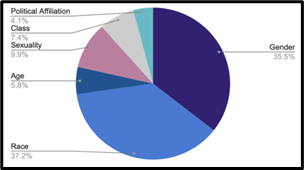
Figure 1: Total Number of References Made by Each Comedian to Their Own Demographics
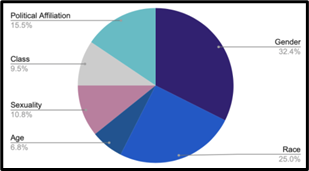
Figure 2: Total Number of Comparisons Made by Each Comedian to Another Demographic

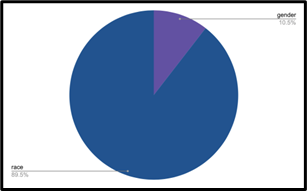
As seen in Figure 1 and Figure 2, comedians tend to reference and compare their gender and race significantly more than age, class, sexuality, or political affiliation. Using this information, we were able to narrow our analysis to focus on this key demographic data.

Figure 3: Total Number of Male Vs. Females References to Gender

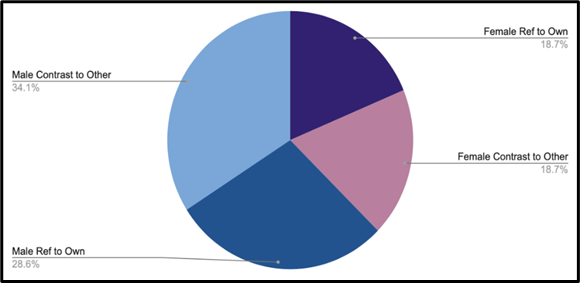
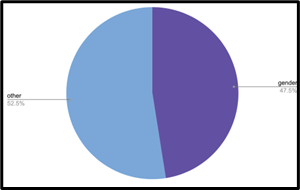
Figure 3 demonstrates that male comedians were much more likely to reference gender to index their identities, with comparison to another gender being the most common reference type.

Figure 4: Total Number of White Vs. Racial Minority References to Race

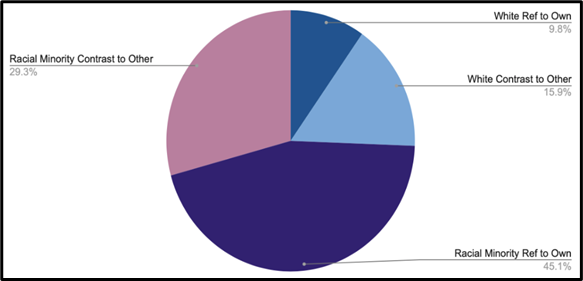
Figure 4 indicates that racial minority comedians referenced race about three times more than white comedians, with references to their own race being the most common reference type. 

Figure 5: Average Intersectional (Race and Gender) References to Gender

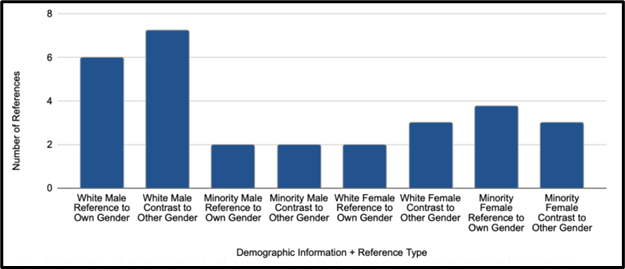
Figure 5 indicates that white men were about two times more likely to reference gender than any other demographic combination.

Figure 6: Average Intersectional (Race and Gender) References to Race

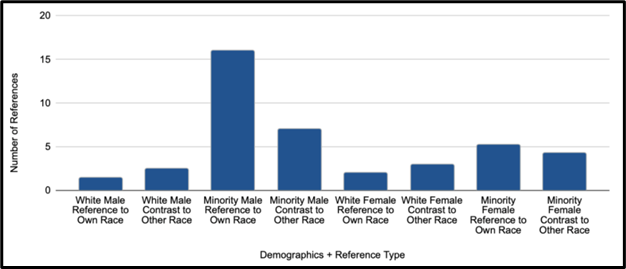
Figure 6 shows that minority men were three times more likely to reference their own race than any other combination of race and gender.

Figure 7: Total Number of Slurs Related to Comedian’s Own Demographic
Figure 8: Total Number of Slurs Unrelated to Comedian’s Own Demographics

Figure 7 shows the large majority of self-referential demographic slurs were race-related, as Black comedians tended to use the n-word multiple times in their sets. Figure 8 shows that out-group related demographic slurs were slurs related to gender and other demographics; none were race-related.

Raw Data

anthroling comedy data

Discussion

Based on our data and outside research, the frequency with which comedians index their race and gender within their sets may be linked to a few different social phenomena.

The finding that white men are more likely to index their gender identity in their comedic routines may suggest that male comedians feel compelled to incorporate their gender identity into their comedy routines, or that they find this to be more socially acceptable than women. This could reflect broader gender expectations where men are often encouraged to assert their masculinity or draw attention to their gender in public spaces (McVittie et al., 2017). Racial minority comedians’ tendency to reference their minority status could indicate a desire to confront stereotypes, draw attention to racial issues, or establish a unique comedic identity. This could stem from personal experiences of marginalization or a sense of responsibility to address racial dynamics in their performances (Sullivan et al., 2021). Additionally, the observation that power dominant demographics (white, men) more commonly used comparison than their marginalized counterparts could imply that those in positions of power feel more comfortable using comparison as a comedic tool. This could be because they have greater societal latitude to freely express themselves without fear of repercussions (Tobore, 2023). By using comparison, minority comedians risk reinforcing existing power dynamics and societal hierarchies where masculinity and whiteness are considered the norm. For a minority comedian, refraining from such comparisons can be a way to affirm their own racial or cultural identity without centering whiteness as a point of reference. Finally, the fact that gendered slurs were employed by out-group comedians, while race based slurs were only used by in-group racial minority comedians suggests a greater societal awareness or sensitivity towards racial issues than gender issues. This may stem from a recognition of the historical and ongoing harm caused by racial slurs (Wilson, 2020). Overall, our findings underscore how the comedy stage becomes a microcosm for broader societal interactions and power relations. The act of indexing one’s identity in comedy can serve as a means of negotiating power, identity, and belonging within a societal context that is stratified along lines of race, gender, and sexuality.

In general, comedy does not merely reflect the social order but actively participates in its construction and perpetuation. The comedian’s role in creating a “social contract” with the audience, wherein their narratives and identities are validated, highlights the performative aspect of social identity and the power of narrative in shaping reality. The audience is also not merely a passive receiver of comedy; they have agency in choosing where to laugh and where not to laugh. They are then an active participant in the co-creation of the comedic experience and, by extension, the social norms and power dynamics it reinforces or challenges.

Conclusion

This research underscores the potential of comedy as a site of social commentary and critique. While comedy can perpetuate stereotypes and power imbalances, it also holds the potential for subversion. Comedians who are aware of the power dynamics at play in their performances can use humor to challenge societal norms, question stereotypes, and imagine new ways of being.

In framing our findings within the broader context of power relations, language, and agency, we contribute to a deeper understanding of the role of comedy in society. This opens up important discussions about the responsibilities of comedians and audiences alike in shaping the social discourse through humor. It also suggests avenues for further research into how comedy can be used as a tool for social change, by both reinforcing and challenging the status quo.

References

Marx, N. (2016). Expanding the brand: Race, gender, and the post-politics of representation on Comedy Central. Television & New Media, 17(3), 272–287. https://doi.org/10.1177/1527476415577212

Miller, T. (Producer). (2017-2021). The Standups [TV Series]. Netflix. https://www.netflix.com/browse?jbv=80175685

McVittie, C., Hepworth, J., & Goodall, K. (2017). Masculinities and health. The Psychology of Gender and Health, 119–141. https://doi.org/10.1016/b978-0-12-803864-2.00004-3

Sullivan, J. N., Eberhardt, J. L., & Roberts, S. O. (2021). Conversations about race in black and white US families: Before and after George Floyd’s death. Proceedings of the National Academy of Sciences, 118(38). https://doi.org/10.1073/pnas.2106366118

Tobore, T. O. (2023). On power and its corrupting effects: The effects of power on human behavior and the limits of Accountability Systems. Communicative & Integrative Biology, 16(1). https://doi.org/10.1080/19420889.2023.2246793

Wilson, C. (2020, October 4). N-word: The troubled history of the racial slur. BBC News. https://www.bbc.com/news/stories-53749800

Yus, Francisco. (2002). Stand-up comedy and cultural spread: The case of sex roles. Babel A.F.I.A.L.. special issue on humour studies. 245-294. https://personal.ua.es/francisco.yus/site/Afial.pdf

[/expander_maker]
, , , , , ,

Navigating New Worlds: The Role of English Proficiency in the Social Integration of Chinese International Students at UCLA

Rista White, Yue Yu (Elena), Nadia Ruiz, Brianna Sobrero, Ruby Jimenez

The present study investigated whether Chinese international students (CIS) attending the University of California, Los Angeles, with high self-reported English proficiency, experience easier social integration and comfortably form more friendships with domestic students. CISs comprise the largest group of international students at UCLA, and this considerable demographic experiences various unique sociolinguistic challenges while adjusting to American university life. To answer this question, we analyzed 13 questionnaire responses that we received from individuals who identified as CISs attending UCLA. Subsequently, four respondents agreed to interviews where we learned more about their personal experiences. The findings show that greater self-reported English competence among UCLA CISs positively correlates with easier social integration and a wider variety of friendships. Given the growing population and trend of international study, these findings are helpful for the university and student organizations to consider when creating programs to improve the experience of CISs attending UCLA.

[expander_maker id=”1″ more=”Read more” less=”Read less”]

Introduction and Background

Recognizing that international students may face more struggles than ordinary American university students is important. International students come to a foreign country on a student visa or permit to pursue education, and the US has many such students (Sin et al., 2021). Our research investigates the relationship between English proficiency and social interactions and the impact of language barriers on CIS’s ability to communicate effectively with peers at UCLA. By understanding these aspects, we hope to shed light on the diverse struggles of CISs and provide insights into how English proficiency can affect their sense of culture and belonging in a foreign country.

Each year, the number of CISs in the United States increases as more students from China come to the U.S. to pursue higher education. These students often find themselves encountering a common barrier: English proficiency. Despite the significant role of English proficiency in social integration, this correlation is often overlooked. Several studies have researched second-language acquisition among international students and how it affects their academic and personal lives in the United States. However, few studies specifically study the direct correlation between proficiency in English as a second language and socialization in American universities, despite its significant influence on academic performance and social integration. Limited proficiency in the host language diminishes students’ satisfaction by impeding their ability to communicate, socialize, and comprehend lectures in academic settings (Campbell & Li, 2008, as cited in Wilczewski & Alon, 2023).

Studies also emphasize that international students are frequently prevented from mingling with American peers because of their limited exposure to American culture and language, leading them to primarily socialize with fellow international students (Liu & Dong, 2019; Moglen, 2017, as cited in Garrison & Chang-Tran, 2023). International students tend to predominantly socialize with peers from their own cultural backgrounds while rarely engaging with domestic individuals or students from different cultural backgrounds, largely due to language barriers (Wang & Zhou, 2021).

 In his TedTalk, Miga Xie (2020), recounted that he was told by his mother to stay away from other Chinese children. She believed that the way to get the most out of American education and improve spoken English was by minimizing contact with those of similar backgrounds. Miga explains that he eventually overcame the feeling of assimilating into American student culture and avoiding his culture. Xie understands that most CIS feel more comfortable around people with the same background. Still, because of the unique guidance received from his mother, he suggests that CISs should value their diversity and use it to engage in cross-cultural conversations rather than feeling obligated to socialize exclusively with people who look like them or fully assimilate into American culture.

 These studies and stories collectively demonstrate the importance of second-language proficiency in facilitating social interaction with domestic students, as insufficient proficiency often leads international students to socialize within their own international student community. Higher levels of second-language proficiency facilitate more extensive and smoother socialization experiences. While the body of existing studies reinforces our hypothesis, our research narrows its focus to UCLA as the setting and English as the specific second language, with a particular emphasis on CIS. Our study addresses a significant gap in the literature by examining the relationship between English proficiency levels and socialization in American universities.

Methods

We followed a mixed-method research design. Specifically, we utilized the facilitation approach, a process involving two research methods, using one strategy to expand on the results of another strategy (Young, 2015). Beginning with a quantitative method, we created a questionnaire on Google Forms with four sections, two of which were close-ended, to acquire data concerning CIS’s self-reported English proficiency and social connections relating to a sense of belonging. We shared the questionnaire in a group chat for CIS attending UCLA on WeChat, a dominant Chinese messaging application. After receiving 13 responses, we emailed all respondents to schedule an interview, and only four agreed. So, to take a more engaging approach, we followed up with the four people to perform semi-structured interviews. We divided our twelve open-ended interview questions into four sections: Experiences with English and Social Integration, Challenges and Strategies, Social Networks and Sense of Belonging, and Institutional Support and Suggestions.

Data Analysis and Results

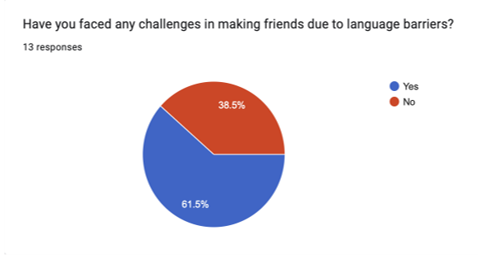
Through our close-ended survey responses, the results of one of our questions stood out to us (Figure 1). Most respondents, eight to be exact, said yes to having faced challenges making friends due to language barriers. The eight responses add value to our research, confirming the plausibility of a correlation between English language proficiency and social integration.

Fig. 1: Question 11 of Section 4, Social Connections and Sense of Belonging in our Google Form questionnaire

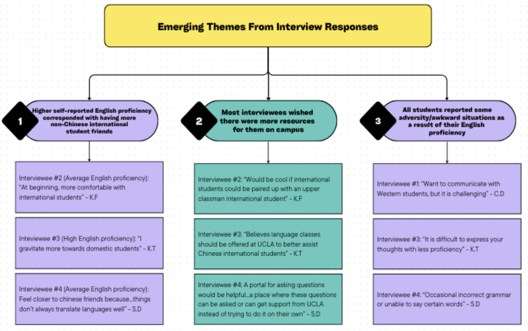
Interviews were recorded with participant consent. The interview transcripts were then analyzed using an interpretive analysis approach. This style of interview deconstruction consists of multiple read-throughs of interview transcripts (Hatch, 2002). The first read-throughs emphasized looking for major themes and were carried out individually. We searched for patterns and relationships within these themes on the second read-through. Then, insights were shared with other research group members, and a comparative approach was adopted. Finally, we describe emerging patterns across interviews in short sentences and connect them to supportive excerpts. This left us with bite-sized takeaways supported by evidence that we can easily connect to the preexisting sociolinguistic literature on international students.

The three emerging themes are shown in Figure 2. Theme 1: higher self-reported English proficiency corresponded with having more non-Chinese international student friends. Theme 2: most interviewees wished they had more resources on campus. Lastly, in theme 3, students reported some adversity/awkward situations due to their English proficiency.

Fig. 2: Flow chart created to organize themes

Discussion and Conclusions

Three main themes emerged after evaluating the data collected by the survey and interviews. The first theme was that participants with a higher self-reported English proficiency tended to correspond with their response to having more non-Chinese international student friends. Implying that the participants felt that having a more proficient level of English helped them establish connections with non-Chinese individuals. Secondly, most, if not all, interviewees explained they wished there were more resources for them on campus. Some of these resources included the possibility of a mentor or a CIS club. This suggests that there is ample opportunity for UCLA to offer greater support to its international Chinese students and help international students create their own programs based on their needs. The final theme was that all the students reported some adversity or awkward situations resulting from their English proficiency.

While analyzing the data gathered from this study, we kept some important details in mind to help us understand our collection and conclusions. Our survey and interviews were based on self-reported proficiency levels rather than an actual language test, meaning the results are based more on a self-reported confidence level in their proficiency.

While attempting to conduct our interviews to gather more data, we found ourselves with a few limitations. One limitation was the lack of preliminary survey respondents who were willing to participate in a secondary interview. Our goal was to conduct five interviews. We secured three easily, but the other two were more difficult. Another limitation was the time available to explore our research question. With greater time, we could have spent more time collecting and examining more data.

In closing, after we analyzed the personal experiences of CIS at UCLA, we have been able to gather a better understanding of the relationship between English proficiency and the ease of social integration. We completed our research with the takeaway that there is a connection between language proficiency and socialization. Slang and cultural references are common difficulties, even with high fluency, and most people have created ideas on how to improve the international student experience. With future research, larger data samples could reveal more about these connections and other insights. Through the lens of these personal stories, we are not just uncovering challenges but also paving the way for a future where every student’s voice is heard. 

References

Garrison, Y., Park, S., Yeung, C. W., Li, Z., Ho, Y. C. S., & Chang-Tran, J. (2023). The social class worldviews of Chinese international students in the United States. Journal of International Students, 13(1), 40-58.

Hatch, J. A. (2002). Doing Qualitative Research in Education Settings: Analyzing Qualitative
Data
. (pp, 185-224). State University of New York Press.

Sin, C., Tavares, O., Aguiar, J., Biscaia, R., & Amaral, A. (2021). International students in Portuguese higher education: who are they and what are their choices? Studies in Higher Education, 47(7), 1–14. https://doi.org/10.1080/03075079.2021.1916907

Wang, P. & Zhou, G. (2021). A Study Of Chinese International Student Dropout: Acculturation Experiences And Challenges In A Pre-University English Language Improvement Program. McGill Journal of Education / Revue des sciences de l’éducation de McGill, 56(1), 52–70. https://doi.org/10.7202/1087048ar

Wilczewski, M., & Alon, I. (2023). Language and communication in international students’ adaptation: a bibliometric and content analysis review. Higher Education, 85(6), 1235–1256. https://doi.org/10.1007/s10734-022-00888-8

Xie, M. (2020, February). (Don’t) Talk to the Chinese Kids: My Journey with Diversity. and Inclusion [Video]. TEDxEmory. https://www.ted.com/talks/miga_xie_don_t_talk_to_the_chinese_kids_my_journey_with_diversity_and_inclusion?utm_campaign=tedspread&utm_medium=referral&utm_source=tedcomshare

Young, T. J. (2015). Questionnaires and Surveys. Research Methods in Intercultural Communication, 163–180. https://doi.org/10.1002/9781119166283.ch11

[/expander_maker]

, , ,

Going Greek?

Jasmin Lopez, Samantha Solowitz, Max Orroth, Esther Lin, anonymous author

Collegiate Greek life has been around for centuries, fraternities first being established in 1775 followed by sororities in 1851, giving both men and women the opportunity to become a member of an exclusive association promising brotherhood and sisterhood to all who join. The mysterious and vague identity of these fraternities and sororities became a tradition, with members specifically using terms and/or slang that make sense only to those involved. The purpose of our blog is to recognize the meaning behind Greek life slang, and how this particular lexicon represents a departure from formal language. We delve into the nuances of Greek life, from its rich history and recruitment process to understanding its cultural shift in linguistic trends and social dynamics. Through the use of online videos and fieldwork, we explored how Greek life slang terms develop a strong sense of social acquisition for those directly involved while simultaneously maintaining a form of mystery for those who are not.

[expander_maker id=”1″ more=”Read more” less=”Read less”]

Background

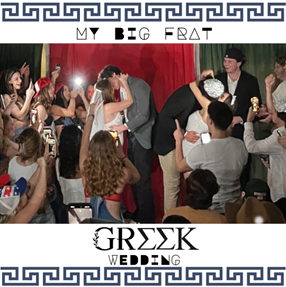
Pictured: A faux wedding, strangers kissing, the crowd going crazy. Credit: Max Orroth

As I (Max) walked into the Phi Kappa Psi house on a Tuesday night for a frat wedding (a faux wedding, two fraternities/sororities come together to host their chosen couple), a brother greeted me: “Hey welcome bro, tonights gonna be so ferda.” I didn’t understand what he meant by this at all, specifically ferda,  and when I asked what the word meant I never got a straight answer. It was clear at this moment, to me and the brothers of Phi Psi, that I was an outsider. I did not understand their secret slang, and for the rest of the night, I felt like a toddler asking what words everyone seemed to know meant.

The example above showcases an ingroup outgroup dynamic. Through this experience, we sought to understand the slang evoked in the Greek life college setting, towards a cultural shift in linguistic and social status. Through the use of online videos and fieldwork, we explored how Greek life slang acquisition is used to communicate valuable insight into fraternities and sororities. This project draws on two main questions; How does Greek slang separate members of Greek life from the broader collegiate community? And, How do Greek organizations undergo a socialization process through linguistic genres?

Introduction to Greek Life

The origins of Greek culture can be identified in the late 18th century when the initial Greek-letter societies were founded (Harding, 1972). Greek life is a conduit for lifelong friendships, countless parties to attend, and the opportunity to live in a mansion with 20-50 peers (Jones, 1976). However, the daily lives of some “brothers” and “sisters” are widely known to be exclusionary, insular, and with roots in the secretive masonic lodges (Dymchuk, 2020). The groups are segmented into fraternities for men and sororities for women. Like most groups, Greek life holds its own set of slang terms, and priori language is only understood within the community. Slang is not an official language, but is characterized by familiar coloring (Izmaylova et al., 2017). Familiar coloring refers to certain words being associated with a specific group, used to linguistically signal identity and ingroup status. More specific to the linguistic environment we studied, college slang amongst undergraduates pulls from both broad lexicons as well as university and context-specific slang (Hummon, 1994). We hypothesize that at its core, greek life slang represents a departure from formal language, often characterized by its genre. This departure of informality is developed through sociocultural language acquisition (Ochs & Schieffelin, 1984). The social functions of slang are manifold. Firstly, it serves as a marker of group identity, fostering a sense of camaraderie among those who share a common slang lexicon (Bucholtz, 2012). The slang lexicons used by sorority members and fraternities alike use phrases, symbols, and handshakes only known to collegiate Greek members, differing from the common use of slang found by nonmembers.

Ready to embark on a Greek life journey?

We were not! This is why our methods are participant observation and visual anthropology. We examined how the words and phrases are used in context and how they deviate from mainstream slang through visual anthropology (Abasi & Taylor, 2007).

Methods

For our methods, we used TikTok and YouTube videos; which involve heavy use of acronyms, Greek letter symbols, and code language. 

Picture is Lauren Norris via YouTube, 2023

Some popular accounts on TikTok were @makeupbymckenna and @emmaortiz24.

@makeupbymckenna’s TikTok videos titled “GRWM” (get ready with me) displayed a full day of the “Last rush week ever.” While @emmaortiz24 showcases a “GRWM” with Penn State recruitment trips. “Day in the Life” were mostly made by women in sororities representing “PNM”, “PIE PIE”, “DLAM”, “Olemiss”, etc. In the introduction to one of the TikTok videos, a girl is doing her makeup to get ready for sorority recruitment as a “TriDelt” and talking about the amount of “PNMs” that are going to be at their “house.” She advises those who will be participating in the recruitment process to make intentional relationships with other “PNMs” from their “pledge class” or “active number.” In a similar video, a girl advises her audience to let their “Pie Pie” know if they are going to be late to an event.

The YouTube videos we looked at were videos about “rushing” which is the recruitment process for joining a sorority. The picture above is Lauren Norris, talking extensively about her experience of being “dropped” from sorority Pi Beta Phi. This was a contrast from the TikTok videos which seem to be an audience for sisters “in” the sorority. Whereas, Lauren talks about her experience of being “out” of the organization.

Although the videos were meant to be informative, the slang used in the videos made it difficult to understand the symbolic meaning of words such as rush, dropped, sisters, and acronyms. Our research results in a complex web of terminology that defines, unites, and separates members of Greek life from the broader collegiate community.

Results

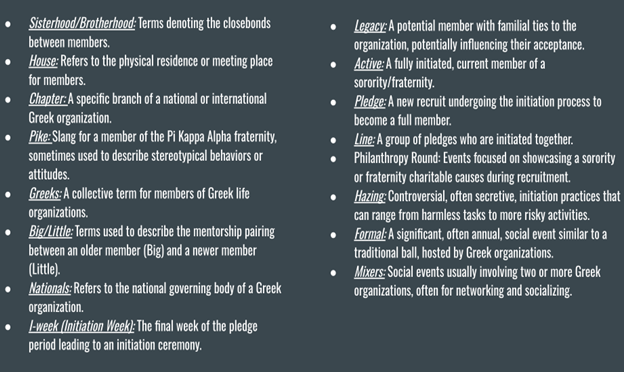
Here is a compiled list of the common slang terms used in Greek culture:

Additional Resource: Greek Life Glossary – Montclair University

Analysis

New members of Greek organizations seem to undergo a rapid socialization process to become competent members of their respective communities. In videos such as “GRMW(Get Ready with me)” or “Day in the life,” the general public may recognize the language used within the videos but certain keywords would not be understood unless one had previous knowledge of them. These videos demonstrate that a majority of the slang used are English words or acronyms that may seem out of context to those unfamiliar with Greek life and possibly even completely change their meaning (Nardyuzhev et al, 2017), solidifying the barrier between those within the community and those outside it. Our analysis of Greek life slang reveals a rich and complex language system that serves multiple functions: it cements the bonds between members, upholds traditions, and sets the community apart from the broader campus, and society.

Conclusion

Throughout this study, we analyzed Greek life culture through their unique sociolinguistic and cultural acquisition. This research has provided a comprehensive exploration of the multifaceted dynamics within Greek life, encompassing indexical slang, language social acquisition, online communities, and symbolic vocabulary. Through an interdisciplinary approach, the group was able to integrate sociolinguistics, visual anthropology, and analysis, to uncover the intricate interplay between language, identity, and rituals within Greek organizations. Through research into archetypes and codes that generate sense, our findings determine that symbols did not hold the ultimate meaning, but rather offered a vast array of interpretation possibilities; they served as a gnoseological key, a means of self-learning and learning about “philosophical knowledge,” and a medium for the development of the adept’s gnoseological qualities. To an outgroup member, this translates into a form of social acquisition during the initiation process, a crest or secret message is revealed as a rite of passage, only to be mentioned among the membership for exclusive purposes. Greek organizations separate ideology from each other by ascribing symbolic meaning to their group organization. Hence the various phrases, symbols, and handshakes are showcased in varied TikToks, YouTube, and the Greek wedding ritual. This socialization process is enacted by active members, who are assigned the task of formal recruitment. This process entails acts of initiation that signal the acquisition of the group’s values, pledges, and ultimately the group’s acceptance.

References

Bucholtz, M. (2012). Word Up: Social Meanings of Slang in California Youth Culture. eScholarship, University of California.

Dymchuk, A. (2020). Masonic symbolism in the context of philosophical anthropology searches. Skhid, 1(165), 60–66. https://doi.org/10.21847/1728-9343.2020.1(165).197068

Harding, Thomas S. (1972), College Literary Societies: Their Contribution to Higher Education in the United States, 1815–1876, New York, New York: privately published

Hummon, D. M. (1994). College Slang Revisited: Language, Culture, and Undergraduate Life. The Journal of Higher Education, 65(1), 75–98. https://doi.org/10.2307/2943878doi.org/10.2307/2943878

Izmaylova, G.R., Zamaletdinova, G.R., & Zholshayeva, M.S. (2017). Linguistic and social features of slang. International Journal of Scientific Study, 5(6), 75-78.

Jones, B. M. (1976). The American fraternity. In Paper presented at the meeting of the National Interfraternity Conference, Williamsburg, VA.

Ochs, E., & Schieffelin, B. B. (1984). Language acquisition and socialization: Three developmental stories and their implications. In R. A. Shweder & R.A. LeVine (Eds.), Culture Theory: Essays on Mind, Self, and Emotion. CUP, pp. 276-320.

Nardyuzhev, V. I., Nardyuzhev, I. V., Marfina, V. E., & Kurinin, I. N. (2017). AMERICAN SLANG: DIACHRONIC ANALYSIS. RUDN Journal Of Informatization In Education, 14(4), 399-405. doi: 10.22363/2312-8631-2017-14-4-399-405

[/expander_maker]
, , , , ,

Hebrew and Armenian as Case Studies of Language Endangerment and Rejuvenation

Alex Muck, Armine Mkrtchyan, Gagik Hovhannisyan, Fiona Choi, Sara Ohannessian

Language endangerment is an important yet relatively unknown threat in our world today. As the world continues to become more globalized, languages not spoken by the majority run the risk of dying out due to people adopting languages that are more widely spoken. This study focuses on how the speakers of minority languages, such as Hebrew and Armenian, view their language and its relation to their culture to assess the risk these languages face of being replaced or going extinct. Evidence was gathered from one-on-one interviews with native speakers of the language. These interviews shed light on the central themes surrounding the usage of these languages, primarily that they are important anchors for diasporic communities to connect more closely with their heritage, rather than just being used for communication. Based on our findings, we tried to understand how languages that face endangerment may be preserved so that the cultures that rely on them do not suffer from their loss.

[expander_maker id=”1″ more=”Read more” less=”Read less”]

Introduction and Background

Language endangerment and language shift are concepts that grow increasingly important to understand as our world grows increasingly globalized (Bradley, 2023). Language endangerment is generally defined as a reduction in the usage of a language. This phenomenon can have many causes, such as language shift, which is when a new language is adopted to be used instead of a native language (Tsunoda, 2006). Two languages that are of particular interest to our own experiences and cultures are Hebrew and Armenian, both of which face language endangerment today. Through our data collection, we seek to answer: What factors contribute to the endangerment of languages or can cause them to shift to usage of other languages? How has historical and socio-political change impacted the status of these languages? What can be done now to ensure languages are preserved for the future?

Methods

Our data was gathered through 20-30 minute, one-on-one interviews conducted with either Hebrew or Armenian speakers. Our questions focused on assessing: the individual’s proficiency with the language; how they learned the language; the contexts in which they use the language; their familial and cultural background in relation to the language; their personal views about the language and what it means to them; and their thoughts on transmitting the language to future generations.

Results and Analysis

Armenian

The Armenian language serves as a vital channel for preserving and transmitting the rich cultural heritage of the Armenian community. This is especially important for a globally dispersed diaspora aiming to retain a unified cultural identity despite physical distances. The language is a symbol of resistance and survival, reflecting the community’s determination to keep their culture vibrant across generations and geographies.

Context of Language Use

The use of the language is mostly confined to the home and events such as weddings or family functions. Respondents mentioned how they had no other choice but to speak Armenian in cultural settings, emphasizing its role in maintaining cultural and familial bonds. There are specific contexts, such as speaking with grandparents or in public settings, where the language is exclusively used. Because most speakers are immigrants from the Armenian Diaspora who only speak Armenian, they constantly influence those around them with the language’s use.

Family Background and Historical Influence

The Armenian language is an ancestral language passed down through generations. One respondent noted that her family’s history of moving from country to country has heavily influenced her relationship with the language. She blends English grammar and vocabulary from Arabic and Farsi into her Armenian, reflecting her birthplace and family heritage. The Armenian Genocide deeply influences their connection with the language, underlining the importance of its preservation as a symbol of survival. “They tried to eliminate us, we have to keep going,” a respondent stated.

Religious & Cultural Impact

The connection between the language and cultural heritage is seen as inseparable, with the language being a vital component of Armenian culture. For many, the language holds personal significance as a rare and important aspect of their identity, emphasizing the need to keep their ancestors’ language alive. It connects them to their heritage and makes them “feel more Armenian.” Respondents participate in cultural practices associated with the language, like attending Armenian church gatherings and celebrating traditional holidays, further strengthening their cultural ties. As expressed in one interview, “without the language, you can’t have the culture.”

Language Transmission and Revitalization Efforts

Respondents are determined to teach their future children Armenian as a vital part of their heritage, involving them in cultural activities and education. The drive to preserve the Armenian language spans across ages and immigration statuses among the Diaspora, highlighting a unified effort to maintain their culture and language against a backdrop of historical challenges. This emphasizes the critical role of language in upholding cultural identity.

Hebrew

As a product of tragedies in the past, diasporas, and immigration movements, there has unfortunately been a steady decline in the ability to speak Hebrew. Traditions and culture, however, remain as prevalent and important aspects of identity for Jewish individuals. Through celebrating religious holidays and ceremonial milestones, such as Yom Kippur and Bar/Bat Mitzvahs, a sense of community and cultural pride grounds individuals. Revitalization efforts for the language are a priority to continue being a connecting force for generations ahead.

Context of Language Use

Hebrew is a language that is mostly restricted to religious and ceremonial situations outside of native Orthodox individuals. Interviewees revealed that the decrease in Hebrew usage can be attributed to the language not being used in most everyday conversational respects, at least for most Jewish Americans. The limited use and context in which the language is spoken decreases the incentive to learn.

Family Background and Historical Influence

Jews have been a group disproportionally discriminated against, with devastating genocide efforts that resulted in an exponential loss of population. Considering the historical tragedies, their shared language and culture became more impactful, serving as a form of resistance to their oppressors while honoring their losses. In addition, a growing disconnect between elders results from declined spoken language. Most older family members solely speak Hebrew so communication is unfortunately challenging.

Religious and Cultural Impact

The motivation to learn Hebrew stems from the religious and cultural impact. Jewish culture, religion, and language are largely intertwined. One individual who grew up with Hebrew as her first language and self-identified as ethnically Jewish was very involved with her culture and religion and she even holds classes at the nearby Hillel teaching others how to speak and write. On the other hand, another individual who self-identified as Jewish American and strictly culturally Jewish also felt very involved in a religious sense. However, she felt disconnected and lacked a sense of belonging compared to the native speaker.

Language Transmission & Revitalization Efforts

There exists a strong motivation to pass the language down to future generations to restore a shared sense of community and heritage. Orthodox and generational Jewish Americans alike expressed the need to enact efforts to preserve the language and enrich their children with strong cultural affinity. Examples of these efforts include a push to pivot the language for more daily usage to produce greater motivation to learn or to have children formally educated through Jewish schools to both augment their appreciation for the language and build a like-minded community as well.

Discussions and Conclusions

The findings from our research on the endangered languages of Hebrew and Armenian contribute to our existing understanding of the larger phenomenon of language endangerment and revitalization. Despite facing histories of erasure like the Holocaust and the Armenian Genocide, both languages have survived and serve as crucial channels for preserving cultural heritage and identity. Speakers of Hebrew and Armenian perceive language preservation as an imperative responsibility because it serves as a link to ancestral roots. This shared commitment underscores the importance of language as a conduit for transmitting cultural traditions and values to future generations. Although this project recognizes the endangered state of these languages, we made a conscious effort to avoid unintentional consequences of universal ownership, hyperbolic valorization, and enumeration that are so common with language preservation research (Hill, 2002).

To deepen our understanding of language endangerment and shift, we plan to broaden our research scope by conducting additional interviews with individuals from diverse age groups to explore whether the observed patterns in language usage and vitality persist across different generations. Moreover, examining how attitudes and language transmission practices vary among age groups will provide valuable insights into formulating targeted preservation strategies. This future direction aligns with our goal of understanding the many factors influencing language endangerment and finding effective measures to preserve linguistic diversity for future generations.

References

Bradley, D. (2023). Language Endangerment: What it is, how to measure it and how to act. In Derhemi, E., & Moseley, C. (Eds.), Endangered Languages in the 21st Century (1st ed.) 130–136. Routledge. https://doi.org/10.4324/9781003260288.

Hill, J. H. (2002). “Expert Rhetorics” in Advocacy for Endangered Languages: Who Is Listening, and What Do They Hear? Journal of Linguistic Anthropology, 12(2), 119–133. http://www.jstor.org/stable/43104007.

Tsunoda, T. (2006). Language Endangerment and Language Revitalization. Knowledge Unlatched (KU). http://library.oapen.org/handle/20.500.12657/31654.

[/expander_maker]
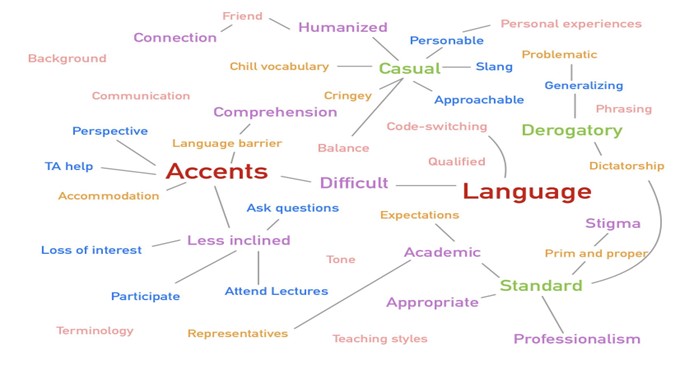
, ,

Analyzing Miscommunication and Preferences in Face-to-Face vs. Texting Among College Students

Adam Bouaricha, Emily Haddad, Ryan Kimura, Usuhe Maston, Natalia Adomaitis

Reportedly, 97% of young adults aged 18 to 24 are actively engaged in texting (Smith, 2011). Central to our inquiry is exploring how college students adeptly navigate misunderstandings and mend communication breakdowns within their text-based interactions with peers, friends, and romantic partners. Specifically focusing on the demographic of college students aged 18 to 22, our study delves into the myriad factors contributing to miscommunication within this cohort. Using a comprehensive mixed-method approach, we integrate surveys with picture-based evidence for enhanced analysis. Drawing upon the framework of multimodal conversational analysis, our research endeavors to unravel the intricacies of repair mechanisms, encompassing trouble sources, repair initiation, and ensuing solutions in text-based interactions. Analysis of our diverse sample of college students unveils that critical trouble sources, such as the absence of tone and social cues, substantially influence the occurrence of misunderstandings. Participants demonstrate a keen awareness of communication breakdowns, prompting proactive engagement in repair solutions to rectify discrepancies. Through rigorous thematic analysis of survey responses, we discern prevalent patterns and adaptive strategies individuals employ to navigate the complexities of miscommunication within text-based interactions. Ultimately, this study enriches our understanding of the nuanced challenges inherent in digital communication practices among college students, contributing valuable insights to the broader discourse on effective communication in the digital age.

[expander_maker id=”1″ more=”Read more” less=”Read less”]

Introduction and Background

The main problem we wanted to investigate was what factors contribute to miscommunication in our target population of college students ages 18-22, since texting (computer mediated communication) is so prevalent in our observed demographic. Our project design observed whether college students preferred texting or live conversations (face-to-face) as a means of communication. While somewhat scarce, previous research on this topic has allowed us to form a basic understanding of miscommunication over text. Studies have shown that the lack of cues, ubiquity, and brevity of interactions during CMC provide a disadvantage compared to FTF communication. Previously, students have felt that texting has both its advantages and disadvantages, and did not indicate a strong preference for CMC or FTF (Kelly et al 2012). Another study found that emojis can serve as speech acts. Emojis possess meaning and intent behind their usage, but their ambiguity over CMC is where miscommunication arises. It was shown that senders and receivers of texts both significantly overestimate the effectiveness of an emoji in conveying meaning, which can lead to miscommunication (Holtgraves 2024). Our research aims to fill the gap left by previous research, especially because much of the research on this topic is over ten years old. We also hope to narrow the scope of such a topic, focusing on a more specific group (college students), rather than a wider range of demographics. Similarly, many studies emphasize emojis and their ability to perform speech acts (Holtgraves 2024). While we do not deny the role emojis play in communication or miscommunication, we also observed the use of acronyms and slang, as well as the lack of FTF multimodal communication such as tone, gesture, and facial expression. Our paper builds on prior research to answer why online miscommunication occurs and whether CMC or FTF is preferred amongst college students ages 18-22 when communicating.

Methods

The method we used to analyze the results of our data was multimodal conversational analysis. One of the factors we mainly focused on was repair. Three components involved in analyzing repair in our data are: 1. The trouble source, or what’s causing the miscommunication, 2. Repair initiation, how the problem is being addressed, and 3. Repair solution, how do the participants solve the problem (Hoey & Kendrick, 2017). In observing instances of miscommunication from our observed community of college students ages 18-22, trouble sources such as lack of tone, social cues, body language, and other multimodal factors, contributed to miscommunication over text or as one respondent stated, “ a common issue between me and my partner is that I’m a blunt texter (no punctuation or emojis) and he’s the opposite. So my texts make him feel like I’m upset at him when in reality I’m just trying to respond as quickly as possible” (anonymous participant). While further analyzing our responses from the Google Form we sent to our participants, repair initiation typically occurred when the people involved in the conversation realized a mishap occurred. Repair solutions transpired as senders and receivers addressed what was miscommunicated and what was actually intended. As in Figure 1, an apology was used and deemed honest because one person admitted the error and explained the problem. Here is another example from our data where these three components of repair can be observed in Figure 1:

Figure 1: Example from our data of using repair in conversational analysis as researched (Hoey & Kendrick, 2017).

Results and Analysis 

Figure 2: Responses to survey question: “How much would you say you prefer texting over in-person interaction?”
Figure 3: Responses to survey question: “How much of a frequent texter are you?”

Our sample population fit our target population, with over 50% of participants being upperclassmen with all having a variety of majors encompassing STEM, the humanities, and social sciences. Figure 2 shows that 52.6% of respondents claimed that they preferred CMC over face-to-face interaction, and figure 3 shows that 42.1% text a little frequently, with 3-5 text conversations occurring a day. All but 2 respondents had listed English as their primary language, at 89% of the responses, the two outliers had put Spanish as their primary language; however, all the examples we received from participants were wholly in English. Participants were prompted to provide an example, either as a screenshot of a CMC conversation or to type out an example. The following question asked respondents to identify the miscommunication, which allowed us to better analyze and understand how they occurred. The majority of participants listed that they were close to their communication partner in their provided example, with 57.8% of respondents identifying their partner as either a friend, significant other, or family member. However, despite this closeness and increased familiarity much of the self-identified reasons for miscommunication arose from a lack of tone, or being too blunt while writing. Some wrote that their communication “[felt] like [it] had sass”, that their blunt texting style makes their significant other believe that they’re “upset at him”, and one respondent wrote that “I can never tell if they’re being sarcastic or genuine”. Other than lack of tone, the second most common misunderstanding was simply one party not being familiar with a word/phrase/acronym being used by their conversation partner.

Discussion and Conclusions

As we examine our results, we can conclude that, based on the demonstrated sample size (initially influenced by previously conducted studies citing technological relevance in effective age groups (Hemmer, Heidi 2009), there is a noticeable preference for in-person, face-to-face communication over computer-mediated conversation. As we had begun to hypothesize how the significance of multimodality comes into play in regard to the interpretation of language through CMC, contextual research, in addition to our data, has allowed us to develop a means of identifying the conditions that allow for the total utility multimodal communication, or a lack thereof within the identified samples. We attempt to examine the aspect of repair within our use of multimodal conversation analysis; recognizing the lack of physical indicators that help to form comprehendible, precise conversations within CMC, followed up with the identification of said misinterpretation of communication acknowledged by both parties, and finally, resolution of both parties being reached upon clarification. When examining the submitted data from a phenomenological lens, we identify the occurrence of these criteria from an individual yet quantified perspective.

References

Hemmer, Heidi (2009) “Impact of Text Messaging on Communication,” Journal of Undergraduate Research at Minnesota State University, Mankato: Vol. 9, Article 5. DOI: https://doi.org/10.56816/2378-6949.1058 Available at: https://cornerstone.lib.mnsu.edu/jur/vol9/iss1/5

Hoey, E.M., & Kendrick, K.H. (2017). Conversational Analysis. Research Methods in Psycholinguistics and the Neurobiology of Language https://pure.mpg.de/rest/items/item_2328034_8/component/file_3513001/content

Holtgraves, T. (2024). Emoji, Speech Acts, and Perceived Communicative Success. Journal of Language and Social Psychology, 43(1), 83-103. https://doi.org/10.1177/0261927X231200450

Kelly, L., Keaten, J. A., Becker, B., Cole, J., Littleford, L., & Rothe, B. (2012). “It’s the american lifestyle! ”: An investigation of text messaging by college students. Qualitative Research Reports in Communication, 13(1), 1–9. https://doi.org/10.1080/17459435.2012.719203

Smith, A. (2011). How Americans Use Text Messaging. Pew Research Center: Internet, Science & Tech; Pew Research Center: Internet, Science & Tech. https://www.pewresearch.org/internet/2011/09/19/how-americans-use-text-messaging/.

[/expander_maker]

, , ,

Exploring Hegemonic Language: Its Impact on Insults in Media, Rap Battles, and Lyricism

Isabella Chaves, Amee Davis, Amanda Layfield, Anna Lytz, Nina Grilli

This study delves into the investigation of the intersection of gendered language, hegemonic masculinity, homophobia, and social class structures found in hip-hop lyrics. Inspired by the insights of linguistic anthropologist H. Samy Alim, we explore the manifestation of “lyrical freedom” as both oppressive and liberating within the genre. Our research analyzes data from live rap battles and pre-recorded songs which allows us to understand the strategic use of language used to dominate one’s opponent. We highlight examples such as 21 Savage’s controversial lyricism in the “XXL Freshmen Cypher ” and A$AP Rocky’s use of homophobia and classism in rap battles. Our research ultimately displays how the word choice and phrases used within these examples are misogynistic and homophobic, a routinely found element in hip-hop culture. We too discovered an emergence of classist language in these spaces. Through this interdisciplinary approach, we aimed to evaluate the complex interplay between linguistic expression, cultural identity, and social power dynamics within the hip-hop community.

[expander_maker id=”1″ more=”Read more” less=”Read less”]

Introduction and Background

Linguistic Anthropologist H. Samy Alim once stated, “Lyrical freedom is both oppressive and liberating” (Alim, 2023). Our research is inspired by Alim, whose work is centered on lyrical analysis with a specific focus on Black language and hip-hop culture. More specifically, we are inspired by his work on the cis-heteropatriarchy1. Our research centers around the use of words and phrases in hip-hop and their role in perpetuating oppressive language.

Our study employed a multifaceted approach to investigate the effects of hegemonic language2 in hip-hop culture. Firstly, we conducted an in-depth examination of impromptu rap battles, where we observed live performances to analyze the spontaneous use of language. This allowed us to capture the raw, unfiltered expressions of rappers in real-time settings, providing valuable insights into the prevalence and nature of hegemonic language. Secondly, we undertook a comprehensive analysis of contrived lyrics from pre-recorded hip-hop songs. By scrutinizing the choices made by rappers in their lyrics, we aimed to understand the patterns and trends in the use of misogynistic and homophobic language. Specifically, we focused on prominent examples such as the “XXL Freshman Cypher,” a renowned platform for emerging rap talents, to gather insights into the stylistic variations prevalent in hip-hop culture.

Within the landscape of hip-hop culture, one notable phenomenon is the cipher—a gathering where rappers engage in spontaneous performances over a shared beat, surrounded by other rappers. The cipher produces a unique call-and-response environment. The setting of ciphers as a performance both enables and protects rappers in perpetuating oppressive remarks, specifically sexism and homophobia. Sexism in lyricism is a rather common phenomenon used to be successful in the hip-hop community and involves “putting one’s opponent into a female passive role,” (Dundes et al. 1970). Our team proceeded to investigate different data sets of lyrics, both improvised and pre-recorded, to see how sexism and homophobia are weaponized.

Methods

In examining impromptu rap battles and contrived lyrics, we conducted a thorough literature review to contextualize our research findings. We synthesized insights from diverse sources, such as studies by linguistic anthropologists such as H. Samy Alim. His work on hip-hop cultures and language politics informed our theoretical framework. For instance, Alim’s study, “Global linguistic flows: Hip hop cultures, youth identities, and the politics of language” (2009), provided valuable perspectives on the cultural dynamics found within hip-hop language. Our data from impromptu rap battles, contrived lyrics, and scholarly literature, seeks to provide a nuanced understanding of the impact of hegemonic language in hip-hop culture.

Results and Analysis

First, the research focused on oppressive language within impromptu rap battles by analyzing, “XXL Freshmen Cypher”. These performances are notorious for hosting up-and-coming rappers to display their talent. In 2016, 21 Savage took to his part and freestyled, “Pulled up on your bitch, she suck my dick, and then you kiss her,” to which Lil Uzi Vert immediately reacts with “Goddamn” (XXL, 2016, 02:43). 21 Savage’s line appears to be a homophobic diss, mocking the woman’s partner for “technically” kissing 21 Savage’s genitals. The swift positive reactions from other rappers allowed 21 Savage to continue his verse, albeit without revisiting the subject of homophobia and inadvertently perpetuating misogyny.

Denzel Curry, Lil Yacthy, and Lil Uzi Vert’s reactions to 21 Savage’s line (XXL, 2016, 02:44).

Through further exploration of homophobic and misogynistic word use, this example provides us insight into the strategies used to be successful in a hip-hop battle: “Okay, let’s start out with Deray, ‘cause he’s gay. Fuck that. Let’s talk about his dreads. He got those on eBay” (D-Wreck, et. al., 2013, 16:51). We can see how Rocky utilizes strategies such as homophobia and classism to make his opponent inferior. A line as simple as “let’s start out with Deray, ‘cause he’s gay,” elicits a positive response from the audience highlighting the success of using oppressive language. Homophobia is consistently weaponized to put one into a superior position thus insinuating that being gay is inferior. Rocky’s comment regarding Deray getting his dreads on eBay also suggests an element of classism. It seems that buying a potentially second-hand or cheaper item is framed with negative connotations. Another lyrical device used in rap battles is the assimilation with expensive items and its association with dominance. Overall, we can see in this example how A$AP Rocky attempts to emasculate his opponent and reinforce his status through homophobic and classist language.

It is apparent that these themes are used in lyrical hip-hop just as often as in rap battles. Moreover, their use is employed purposefully in both cases: to boost their status as well as put others down. For example, a lyric from Lil Wayne’s aptly named “Gonorrhea” reads “Life’s a bitch, naw, better yet a dumb broad” (Wayne, L, 2010, 00:55). This line demonstrates misogynistic language, taking a common phrase and using it to demean women by stating, “dumb broad”. This is but one instance of a common pattern in hip hop in which word choice is key in the development and maintenance of an idea of one’s “higher status”. Ultimately, this device and use of gendered language found within lyrics about contracting a venereal disease from a woman is used to reinforce the notion that Lil Wayne is better than the peripheral women in his life.

Discussion and Conclusion

The prevalent use of oppressive language within hip-hop songs and impromptu freestyle battles suggests how artists can establish a sense of dominance through oppressive language. The language not only embodies a quest for victory but upholds existing power structures. In cases where gendered and homophobic language is weaponized, we are able to see the reinforcement of the cis-heteropatriarchy—functioning to frame femininity and homosexuality as non-normative behavior. With those who use hegemonic and oppressive language in these spaces generally being cisgender straight men, achieving dominance can be seen as authenticating one’s masculinity. Therefore, through our sample of data, we are able to see themes such as misogyny, homophobia, and classism present in hip-hop culture. These themes ultimately manifest in oppressive ways through the use of hegemonic language which uphold notions of existing hierarchies.

Footnotes

1 An ideological system that naturalizes normative views of what it means to ‘look’ and ‘act’ like a ‘straight’ man and marginalizes women, femininity, and all gender non-conforming bodies that challenge the gender binary, i.e., how cis-heteropatriarchal structures are formed and maintained (Alim 2018).

2 An umbrella term meant to encompass language that frames another individual as inferior, while reinforcing the others status in a social context e.g. sexist, homophobic, and classist language.

References

Alim, H. S., Ibrahim, A., & Pennycook, A. (2009). That’s All Concept; It’s Nothing Real: Reality and Lyrical Meaning in Rap. Global linguistic flows: Hip hop cultures, youth identities, and the politics of language. (pp. 195-212). Routledge.

Alim, H. S., Lee, J., Carris, L. M., & Williams, Q. E. (2018). Linguistic creativity and the production of cisheteropatriarchy: A comparative analysis of improvised rap battles in Los Angeles and Cape Town. Language Sciences, 65, 58–69. https://doi.org/10.1016/j.langsci.2017.02.004

Dundes, A., Leach, J. W., & Özkök, B. (1970). The Strategy of Turkish Boys’ Verbal Dueling Rhymes. The Journal of American Folklore, 83(329), 325–349. https://doi.org/10.2307/538809

D-Wreck, DJ. Hodges, M. (Producers). (2013). A$AP Rocky [Video]. PlutoTV. https://pluto.tv/en/on-demand/series/5d4c7f8a93192d923dce9f0b/season/5/episode/5d4c7 f8d93192d923dce9f9d?utm_medium=textsearch&utm_source=google

Kearny, Christine. “Guns and Drugs? Some Rappers Inflate Hustler Image.” Reuters, June 5, 2009. https://www.reuters.com/article/uk-rap-image/guns-and-drugs-some-rappers-inflate- hustler-image-idUKTRE55404G20090605.

Wayne, L. (2010). Gonorrhea [Song]. On I Am Not A Human Being [Album]. Cash Money Records Inc. https://www.youtube.com/watch?v=XBQwlYWcUBc

XXL. (2016, July 6). Kodak Black, 21 Savage, Lil Uzi Vert, Lil Yachty & Denzel Curry’s 2016 XXL Freshmen Cypher [Video]. YouTube. https://www.youtube.com/watch?v=U_IbIMUbh-k

[/expander_maker]

, , ,

Do Students Hold Their Professors to a Certain Standard?

Madison Atiabi, Araceli Valladares, Sean Freilich, Antoinette Alfaro, Brandon Elkington

Knowledge production in the global context has enabled an unprecedented ability to share information in the modern age. Because of this, International Universities like UCLA serve as a hotbed for intellectual progress over a backdrop of movements for inclusivity and representation in educational institutions. While recognizing elements of language associated with ethnicity such as accents is a sensitive topic, it is an undeniable element that comes into play when analyzing the perceptions that students hold of their professors. Even though we initially invested in how accents affect academic outcomes, this study has instead developed an understanding of subconscious biases and expectations within the academic setting that demonstrate a contradictory notion of judgment versus inclusivity. While clearly expressed to varying degrees of appreciation for different language practices, the individual word choice illustrates an intent to perform academically that is not only a standard to be upheld by professors, but to an extent to students as well.

[expander_maker id=”1″ more=”Read more” less=”Read less”]

Introduction

The development and ability to share information in the modern world is faster than ever and there has been an emphasis on developing scholarship around the diverse perspectives that come together within the global context. While there are undeniable benefits towards the development of scholarship by including international perspectives, there are a number of challenges that arise when centered around communication between speakers with different linguistic backgrounds. In attempts to understand how students perceive different elements of language, a handful of studies and experiments have been conducted as a means to better understand what incites the most favorable repertoire between students and professors. As “language is an important and necessary medium of communication,” (Kuo 2011) differences in pronunciation, intonation, rhythm, and word choice may lead to miscommunications or misinterpretations of information which can have a devastating impact in an academic setting where clear communication is crucial to success. Since how people speak demonstrates many notions of group belonging, elements of language such as accents tend to elicit stereotypical perceptions that can influence the perceptions of professors as less credible (Alexandra 2015). Considering that a student’s perception of their professors as the ambassadors of the university can have an impact on a student’s learning outcomes (Gill 1994), it is important to understand the various ways that accents and language choices such as the use of slang affect students’ perceptions of their professors. Therefore, the University of California, Los Angeles (UCLA), as an international institute provides a diverse cultural background to deepen our understanding of how accents and slang shape communication dynamics, social interactions, and language attitudes between professors and students.

Methods

When initially proposing this study, we intended to collect a variety of qualitative and quantitative data through a series of interviews, observations, and a survey as means to gather in-depth insights into how language affected the relationship between professors and students. Our original hypotheses centered around the notion that a professor’s accent would be recognized as a challenge in a student’s ability to comprehend the course material and build connections with their professors. However, in the process of developing the proposal, we acknowledged the potential for biases in the responses to our questions considering the academic nature of the project. As such, we conducted five 20-minute interviews with other UCLA students (four undergraduate and one graduate) that we had less formal relationships with hopes of receiving more open and honest responses to our lines of questioning considering the sensitivity of acknowledging a difference in language typically associated with difference in culture. As such, the interview questions focused on concerns regarding accents and the use of slang in the classroom setting and how they affect student’s perceptions of their professors and whether or not they have an expectation of a “standard” language for their professors.

 For consideration, below are the questions that were asked during the interview:

  1. Have you ever had a professor with a strong accent?
  2. How do you feel this has affected your ability to comprehend the course materials? Please elaborate.
  3. How do you feel that this has affected your interactions with your professors?
    1.  How has it affected your sense of community in the classroom?
    2. How has it affected your connectedness to the course materials?
  4. What kind of language use do you expect from your professors in a classroom setting? Do you think there is a “standard” for how professors should speak to their students?
  5. How do you feel when a professor uses slang or a younger language?
    1. How does it affect the relationship with the professor?
    2. Do these language choices affect your sense of immediacy with your professor?
    3. Does the use of slang make your professor seem less credible?
  6. Can you think of any other ways your professors build a sense of community or contribute to your education through their language?
    1. Do any other positive or negative effects of a professor’s language choices come to mind?
    2. Do the ways that your professor chooses to convey certain ideas affect your education?
  7. What changes could professors make in their language choices to improve their interactions with students?

Results and Analysis

Accents and Academics

While our respective interviews yielded varied responses due to the intimate nature of the process, there were a few constants that emerged within them. For instance, as predicted, there was an almost universal recognition that accents contributed to certain challenges within the classroom. In some cases, students revealed they had trouble understanding the course material despite efforts of professors to ensure comprehension; one student, Angel, expressed disinterest with sentiments like “I just want this lecture to end faster,” or “I’ll talk to the TA.” This reveals insight beyond our initial hypothesis; the spirit of inclusivity that is present in universities may directly contribute to the disconnect between students and professors to a degree that impacts a student’s willingness to engage with a course. Similarly, despite appreciating the beauty of different cultures coming together, Evan noted in his interview that “it was awkward and a little embarrassing to have to keep asking the same question because their strong accent made it hard for me to understand what they were saying.” Consequently, in response, it was common for students to seek more time with their TA as a solution to address issues with comprehension in lectures.

Slang Use

On the other hand, in discussions about slang use and “standard” language practices of professors, there was a surface-level appreciation for professors’ attempts to connect through slang-use and a general positive reaction. However, what a few of our interviewees argued to be more important was the use of genuine language as opposed to language that caters to a professor’s perception of what students may want to hear. Similar to the study by Martin, Weber, and Burant, the students we interviewed appeared to be able to recognize the subtleties of slang use and distinguish them from the subtexts of their uses (1997). For example, Jessica expressed that it was “cringy” when professors end up “overdoing it while trying to be relatable” because it comes off as inauthentic and pandering. Nonetheless, our interviewees expressed a general support for the use of slang words and “younger” language in the classroom. But in doing so, the words that they used represented a potentially larger concern surrounding language use in academic settings.

Unconscious Biases

When asked about whether she had any expectations for a “standard” language from her professors, Anna responded, “I don’t think slang would come in the way of teaching. Professionalism could be… um… what I’m trying to say is I don’t think language really affects the way the material is taught, and I don’t think slang should be penalized or looked down upon in the classroom setting.” While her response initially shows an understanding and support for less restrictions on language, the expression of the contrary as professionalism followed by a subtle retraction indicates a subconscious level of decorum that is to be expected from professors and the university as a whole. While our interviews only represent a minute sample of students at UCLA, the results indicate a wide range of responses that demonstrate similar notions of underlying pressures to maintain certain values.

Figure 1: Common and uncommon words found throughout the five interviews

Discussion and Conclusions

Our study and its findings contribute valuable insight into our understanding of students’ perceptions and expectations of their professors within academic settings. By investigating whether students hold their professors to a certain standard and coupling our empirical findings with existing literature, our study allows for researchers to formulate testable predictions or hypotheses on the nature of student-professor relationships in the future.

Our findings not only revealed diversity in linguistic and academic standards amongst students, but also suggested a potential for underlying biases inherent within academic settings. Our research highlights the extensive influence of academic norms and expectations on linguistic practices, suggesting an unconscious pressure on both students and professors to conform to behaviors typically perceived as “professional.” Such findings emphasize the importance of working towards building inclusive learning environments that embrace linguistic diversity while also encouraging authenticity and cultural sensitivity.

This study ultimately enhances our understanding of the complex interplay between language and identity within the academic realm, inviting future discourse and exploration that would enhance student-professor relationships. By acknowledging the dynamic experiences uncovered through our research, students, professors, and institutions alike can begin to strive for an educational environment that yields successful outcomes for individuals from diverse backgrounds.

References

Gill, M. M. (1994). Accent and stereotypes: Their effect on perceptions of teachers and lecture comprehension. Journal of Applied Communication Research, 22(4), 348–361. https://doi.org/10.1080/00909889409365409

Kozlowski, Alexandra (2015). The Influence of Accents on Social Perception. Inkblot, 12-16.

Kuo, Ya-Hui. (2011). Language Challenges Faced by International Graduate Students in the United States. Journal of International Students. 1(2). ISSN: 2162-3104.

Martin, M. M., Weber, K., & Burant, P. A. (1997). Students’ Perceptions of a Teacher’s Use of Slang and Verbal Aggressiveness in a Lecture: An Experiment.

Orelus, P. W. (2020). Other People’s English Accents Matter: Challenging Standard English Accent Hegemony https://files.eric.ed.gov/fulltext/EJ1246799.pdf

 [/expander_maker]

, , , ,
Scroll to Top