Heroines in K-Dramas are Now Changing: How and Why?

Dowon Yoon

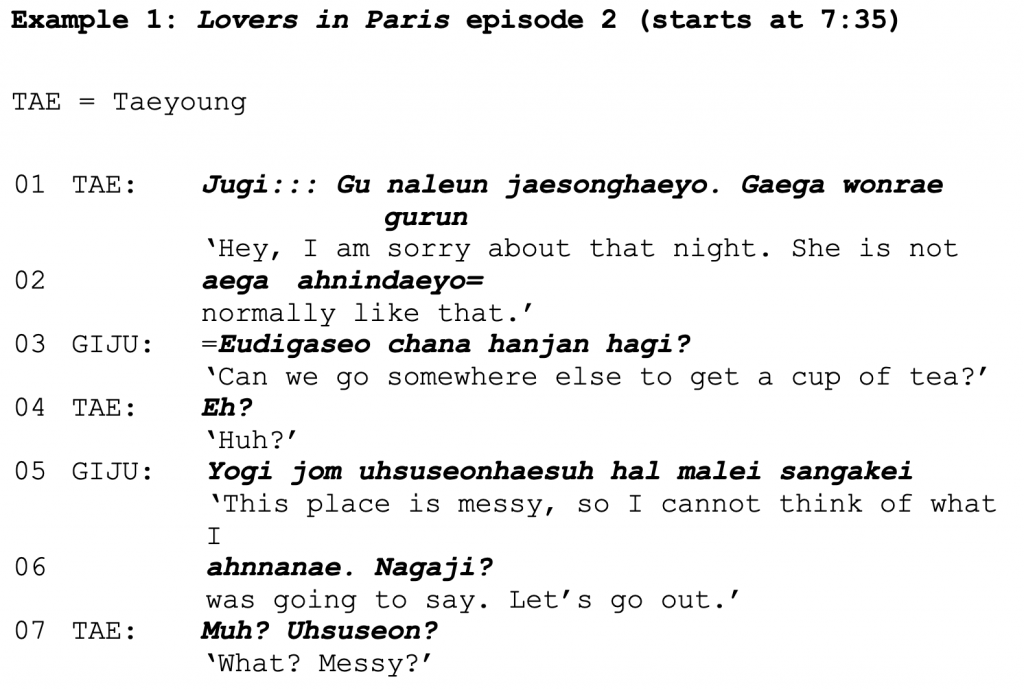
When we think of K-Dramas, we can easily think of the Cinderella story: a poor heroine meets an extremely rich hero and becomes a modern princess. A famous screenwriter named Eunsook Kim always fascinates numerous viewers by entertainingly telling this kind of story. When I looked into her most famous works, Lovers in Paris (2004) and Goblin (2016), I discovered that the speech patterns of heroines have changed over time even though the setting of the Cinderella story remains the same. I analyzed dialogues from two dramas, and the analysis showed that a heroine from recent drama Goblin speaks in a more dominant way than a heroine from the older drama Lovers in Pairs. It shows that Kim reflects the change in women’s speech behavior in her script. This reflection is very important because it is a mirror of the time which demonstrate the change in women’s speech behavior in the real world.

Read more

, ,

Manspeak: Is It a Real Thing? Is It Sexist?

Evan Yong

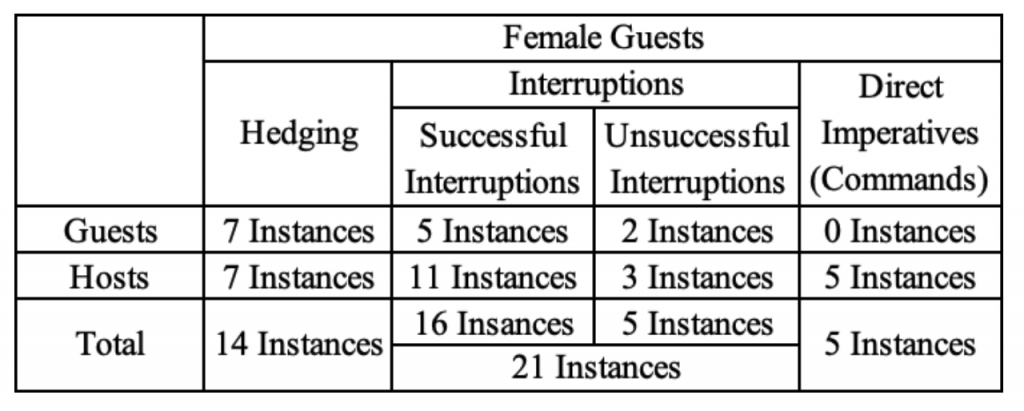
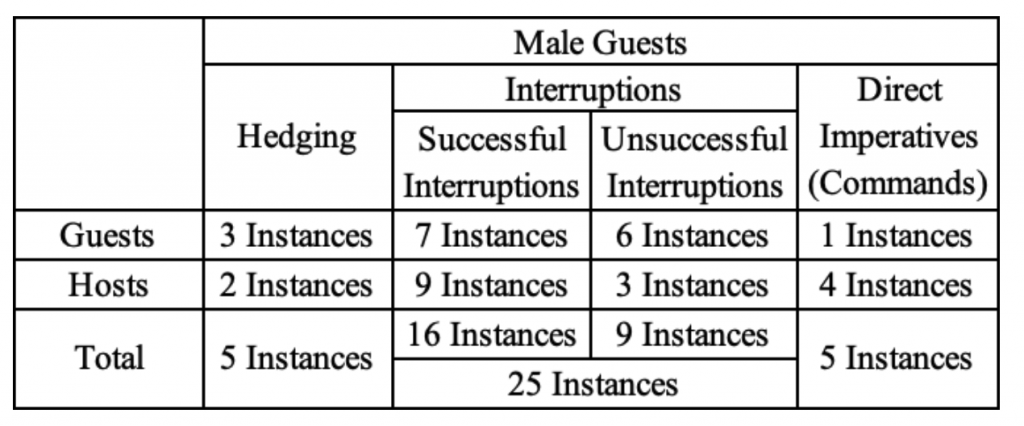
Videos of celebrity interviews on the show “Conan” are analyzed to see whether female guest interviews or male guest interviews have more authoritative language. In this study, authoritative language is broken down into three components: interruptions, commands, and hedging. Hedging occurs when a speaker is trying to convey uncertainty or ambiguity by using tag questions or phrases such as “kind of,” “sort of,” or “I guess.” For each and every interview, I count the number of times the celebrities and Conan interrupt each other, the number of times they give commands to each other, as well as the number of times they hedged their sentences. Results show that overall, there is more authoritative language used in Conan interviews with male celebrities than female celebrities. The male guest star interviews with Conan have more interruptions and commands as well as less hedging than the female guest star interviews. Men appear to be more “in competition” with other men, more so than with women. In today’s modern-day society, this is characterized by fighting over control of the floor to establish linguistic dominance in a conversation.

Read more

Did you just interrupt me again? Gender and Interruptions in Presidential Political Debate

Chloe Tamadon

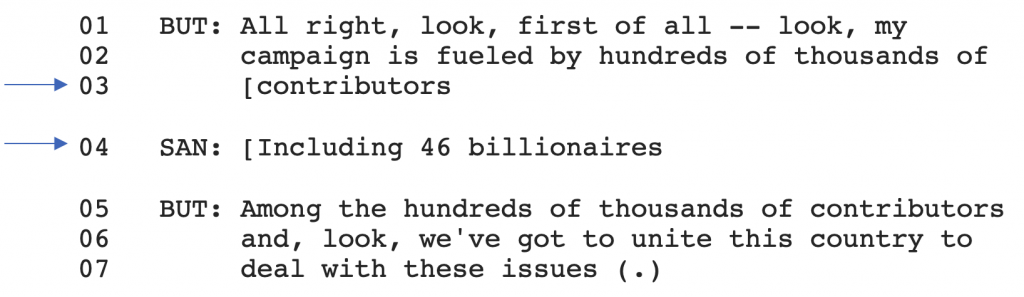
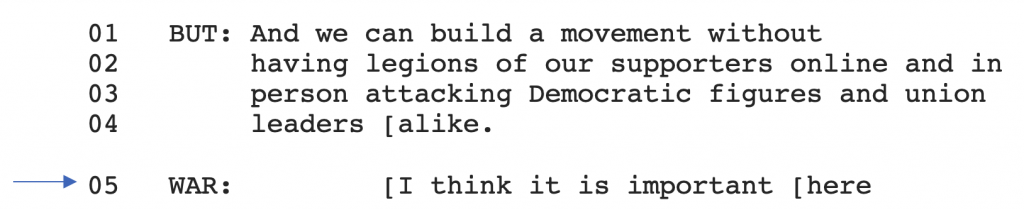
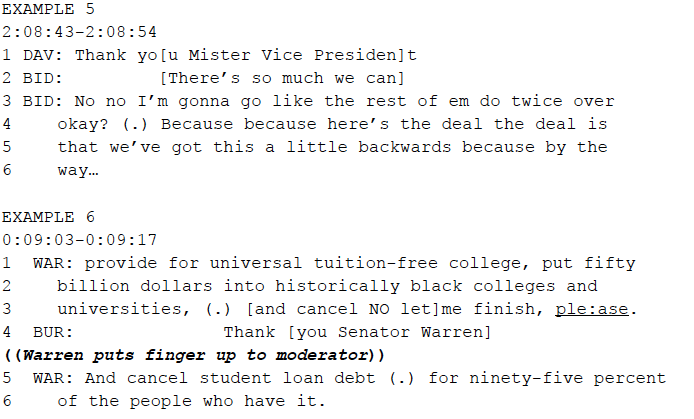
The central question I want to address in this blog is the impact that gender can have on the way politicians choose to express themselves in political debates and how gender can influence the type of interruption. Interruptions can range from being more destructive and face-threatening to being more supportive and polite. So what is a face-threatening act? A face threatening act threatens the face of the speaker or the hearer and may threaten what is called a positive or a negative face. Politicians on the debate stage commonly threaten the positive face of their opponents by negatively evaluating the hearer’s face through criticism and interruption.

According to Brown & Levinson, “face is threatened when individuals intrude on others to pursue their own goals, and even minor face threats can threaten the other’s chosen image and damage the relationship”. This can be seen on the debate stage as male politicians will threaten and criticize other candidates by employing face-threatening interruptions while female candidates are more likely to use supportive and non-threatening interruption as a result of the societal expectation that “women ought to communicate politely” (Rudman & Glick, 2001). Women utilize face threatening acts less often. This is because they are expected to communicate more politely by endorsing politeness speech strategies. As expressed in literature, “politeness enables people to make requests or express ideas and opinions without threatening the other’s face, which is one’s chosen image” (Goffman, 1967). Women are more likely to engage in this form of polite and non-threatening communication than men.

Read more

She’s the Man: The Role of Interruptions in Conversation in Establishing Power in Politics

Mannat Sukhija

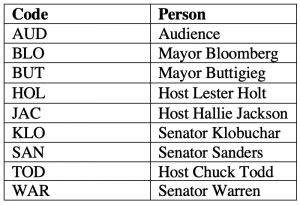
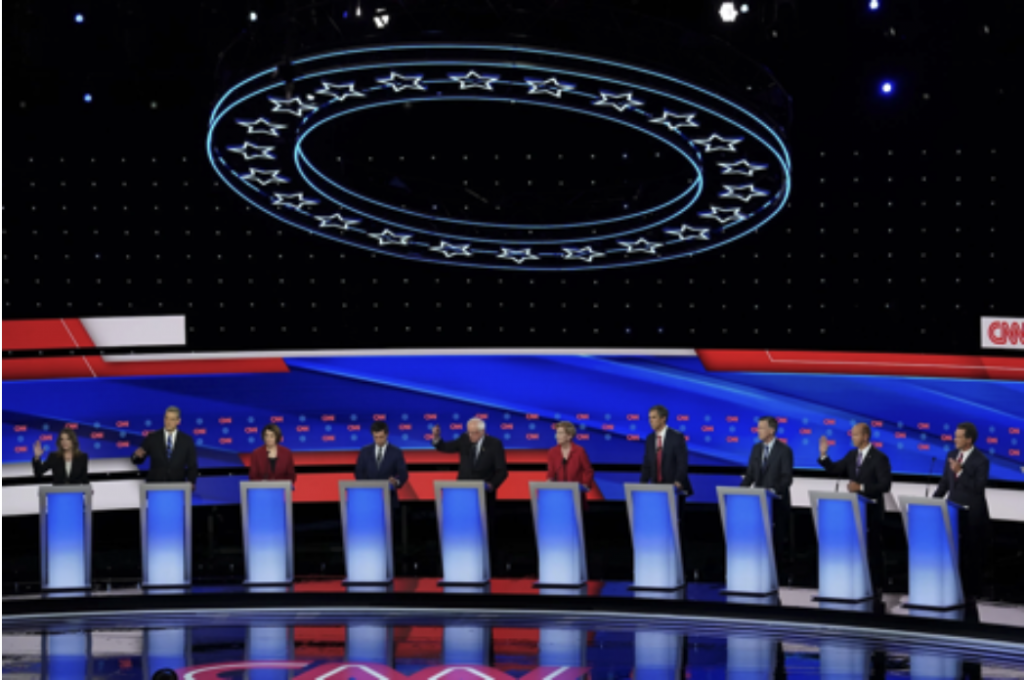
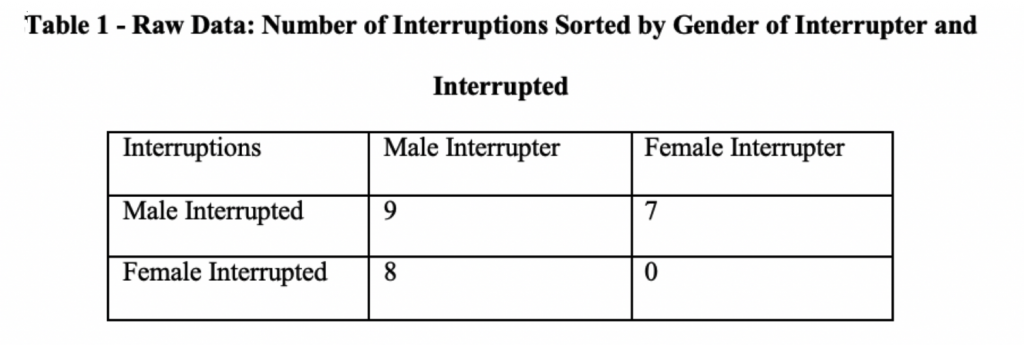
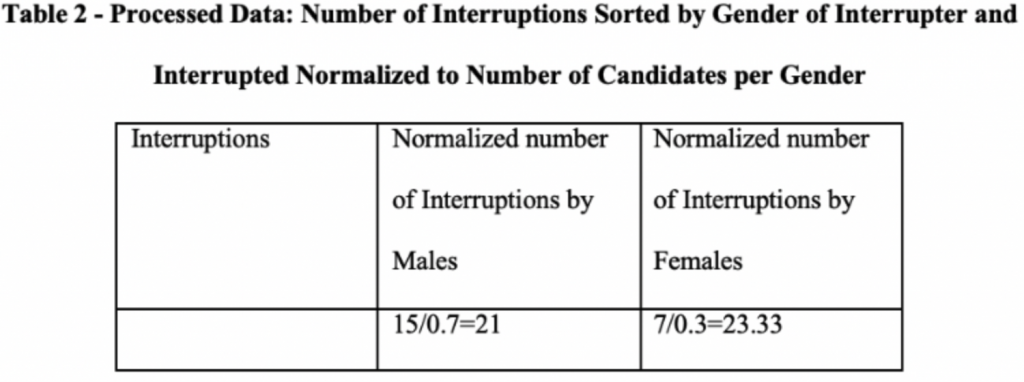
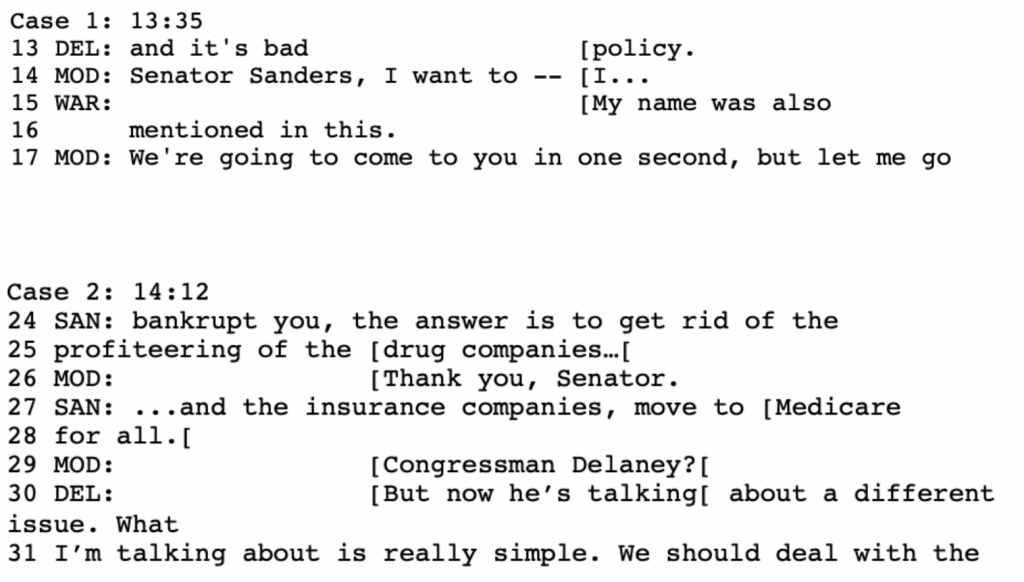
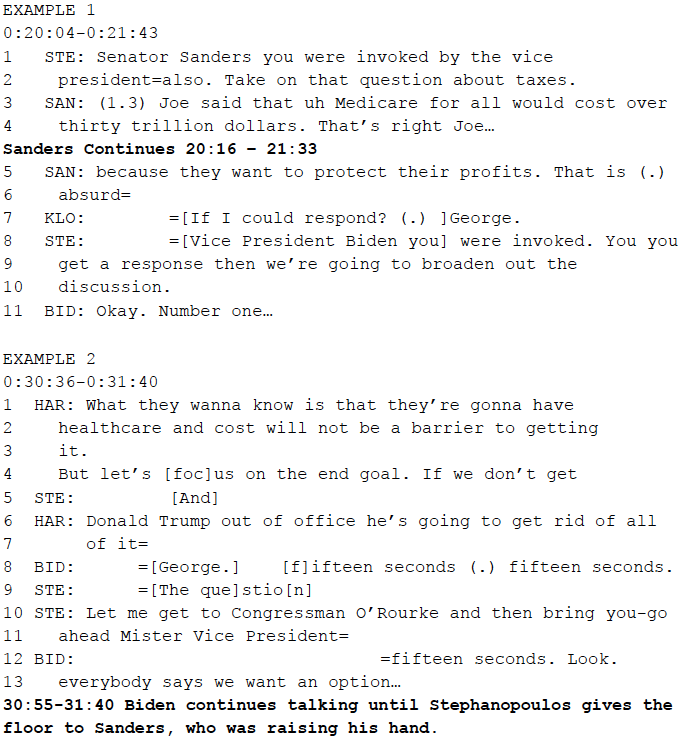
Election season is heating up,  and one of the most thrilling parts of the election is watching candidates go at each other during their debates. Whether the argument is over healthcare, gun control, immigration and so forth, there’s something about watching the most educated and successful politicians in America call each other idiots and try to talk over each other that I find very entertaining. There are always certain points of debates, during large disagreements or differences in opinion where the candidates start ignoring the moderator and going at each other. During these periods of crosstalk, there can be extensive interruption, which is surprising in this relatively structured conversation. These interruptions could be interpreted as a display of power dynamics at play, which is especially important between candidates of different genders. How does the gender of a candidate influence their role in these power-establishing interruptions in conversation? By qualitatively and quantitatively analyzing the interruptions in the Democratic National Committee’s debates, a better understanding of how the gender of a candidate influences their ability to express power in an election may be better understood.

Read more

Interruption: Is It a Men’s Thing?

Viona Sihono

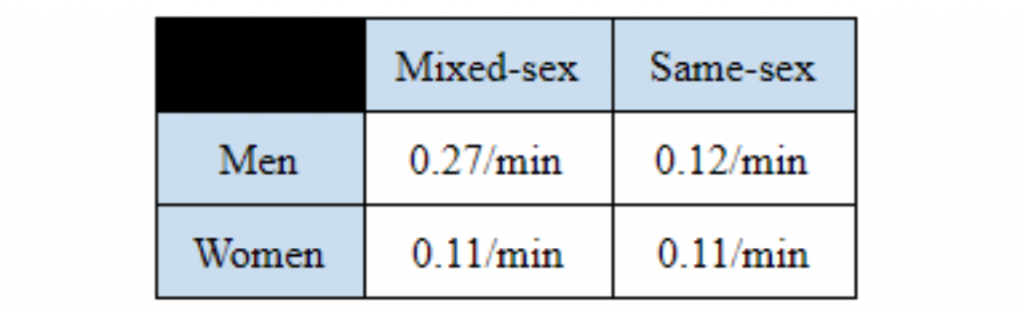
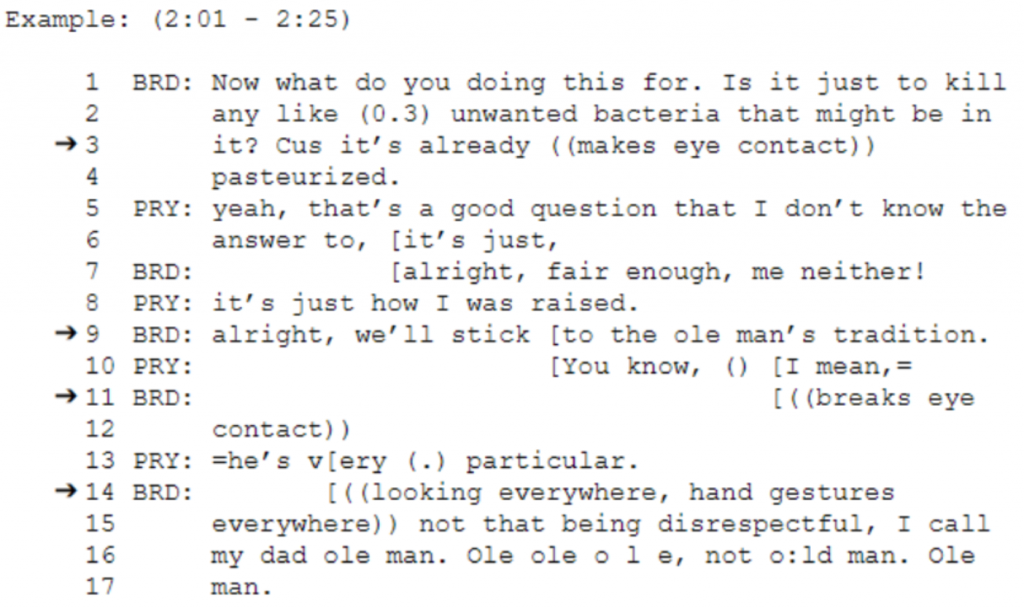
Commonly heard stereotypes regarding men’s strength is not only applicable physically but also linguistically. For instance, the idea that men are more powerful than women created this stereotype that men typically interrupt more frequently than women in a conversation due to male dominance (Eckert & McConnell-Ginet, 2013, p. 95). Though gender and interruption have been the focus of multiple types of research in the past, the results have been inconsistent as one study proves that the difference in the number of interruptions used in a conversation amongst both genders is insignificant (James & Clarke, 1993), while the other proves otherwise.

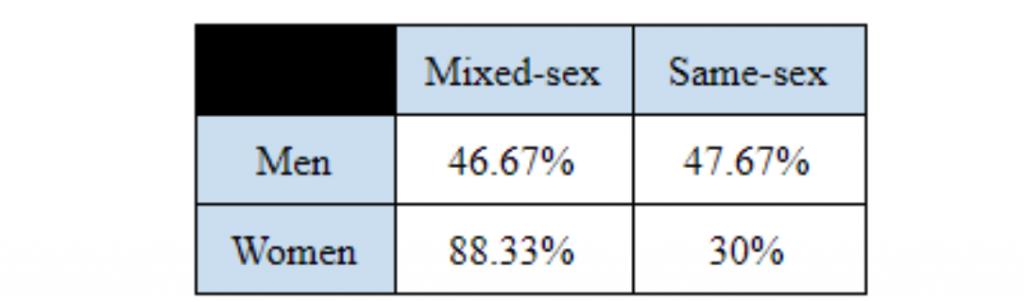
Besides proving whether or not this theory is applicable in all situations, I will also take a closer look beyond the frequency of interruptions between both genders. Since interruption is thought to occur unconsciously, I will see whether avoiding eye contact can be characterized as a gendered action while doing deep interruptions. Thus, I am going to test whether this stereotype of men dominating a discussion occurs in the community of New York chefs from the Bon Appetit Test Kitchen. Through this experiment, it is hoped that people could be more aware of each gender’s behavior in different types of interaction and eventually diminish the use of stereotypes regarding male dominance.

Read more

May I Answer Next? Politeness Strategies within Speech Overlap and Interruptions Among Presidential Hopefuls

Kaylie Sagara

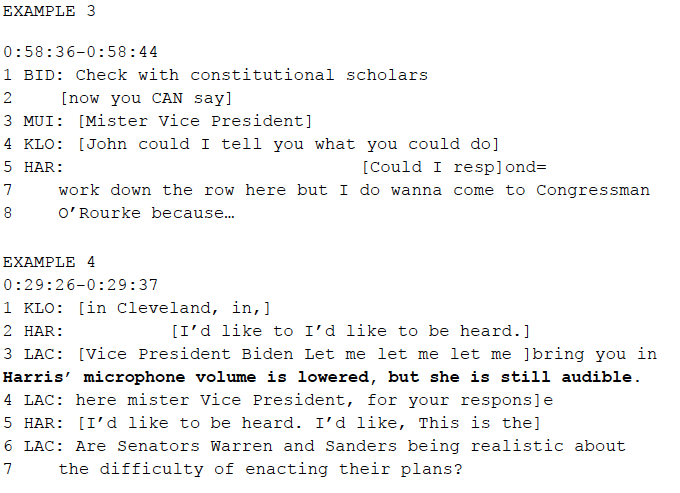
As the 2020 Presidential Election gets closer, the Democratic primary candidates are battling it out on the debate stage, which airs live to the public on National Television. While the American political system has been consistently male-dominated since the time of our Founding Fathers, recent years have shown a candidate pool that is getting closer to representing the general population, with more female candidates in the running. However, traditional gender differences illustrated in speech between men and women may affect female politicians’ ability to steal the floor during these debates. Since debates are under a strict schedule and structure, it is already difficult to squeeze in an answer between other candidates and the network moderators, so polite requests used by women are ineffective compared to the forceful demands of their male counterparts. This study analyzes and compares the turn-taking strategies employed by male and female candidates in several of the 2019 televised debates in order to interrupt or take the floor, revealing how traditional gendered forms of speech can negatively impact female politicians in this debate setting.

Read more


Um, I Wasn’t Finished: How We Undermine Female Expertise Through the Misinterpretation of Filler Phrases

Sandhya Rajkumar

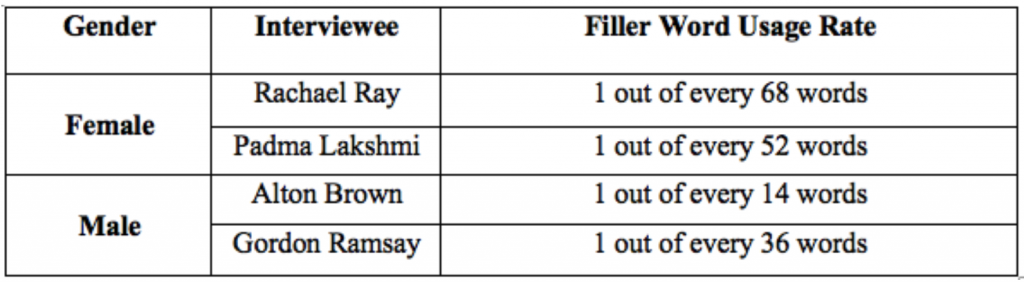
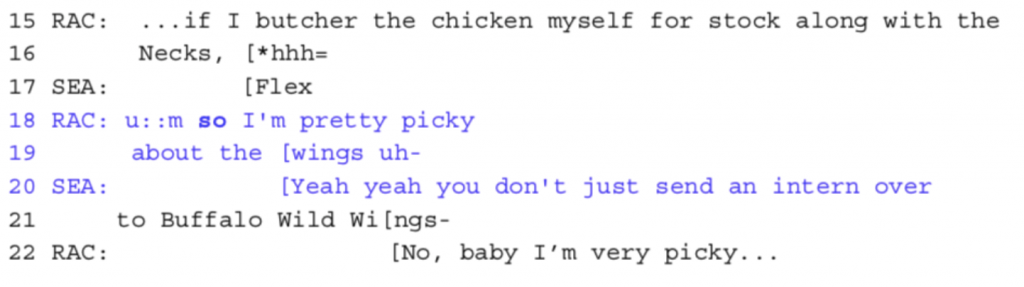
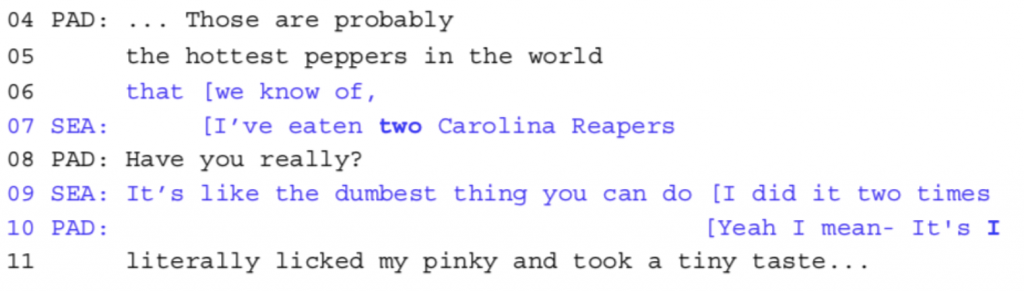
The so-called “cultural mismatch” between femininity and expertise has been pointed to as a source of the gender discrepancies in academia. However, this phenomenon has consequences that reach beyond the scope of the ivory tower, as the notion of expertise is present in nearly every field. This “cultural mismatch” is even present in the culinary field, a field that is often presumed to be free of common gender stereotypes that are present in other spheres. In order to better understand how this phenomenon is perpetuated, interviews of famous male and female culinary experts were recorded and transcribed. Portions of the interviews in which the interviewees were discussing their areas of expertise were analyzed, through which it was observed that though both men and women use filler phrases such as uh and um, women’s use of these filler phrases was more likely to be interpreted as a cue for interruption, and thereby followed by subsequent interruption, while men were able to use these phrases to hold the conversational floor. This finding may be one way through which women’s authoritative expertise and influence are undermined, thus furthering the negative stereotype of the “cultural mismatch” between femininity and expertise.

Read more

Your Voice Speaks Volumes: Linguistic Insight Into the Trauma Affiliated with Adoption

Sakina Qadir

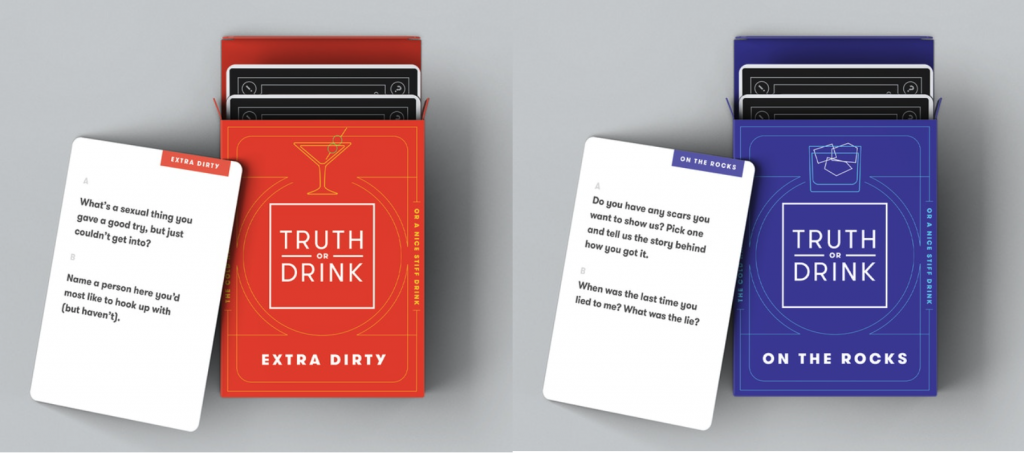
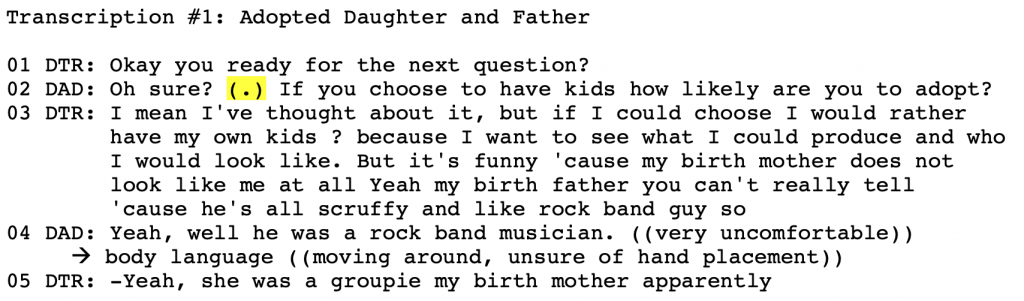
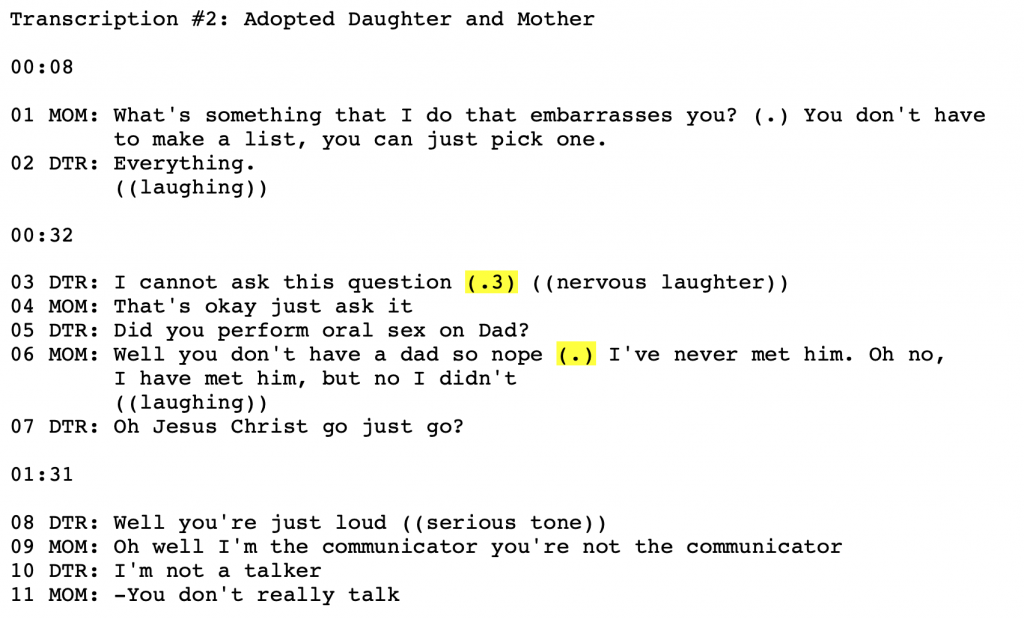
Adversity plays a large role in how one thinks, behaves, and acts. Early life experiences countlessly show both negative and positive long-term effects that can be brought out in later stages of adult hood. This study looks at how early childhood adversity can induce differences in speech patterns. Additionally, to properly measure adversity this study focuses on adopted children as subjects and transcribes interactions with parent guardians from a set of YouTube videos on the channel called “The Cut”. This study also compares gender differences between these interactions to see if male or female behaviors exist and whether they show deviant behavior. More so, two linguistic features: volume and word choice tests whether further differences exist, such as tone of pitch and vocabulary. This study will seek to determine if linguistic features and gender differences between the adopted and biological children exist in the way they communicate and whether societal pressures push children to act in a certain manner. Different identity faces give insight into how individuals react in their environment and this paper analyzes whether a child’s upbringing provides a reasonable explanation to their linguistic variances.

Read more

I’ll Make a Man Out of You: A Look at Asian American Male Interactions in a Competitive Game Setting

Anonymous Author

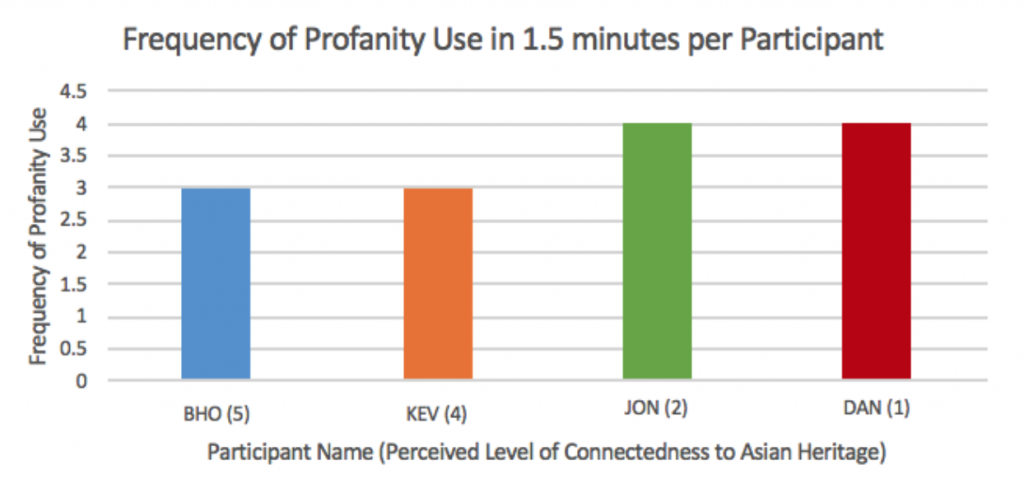
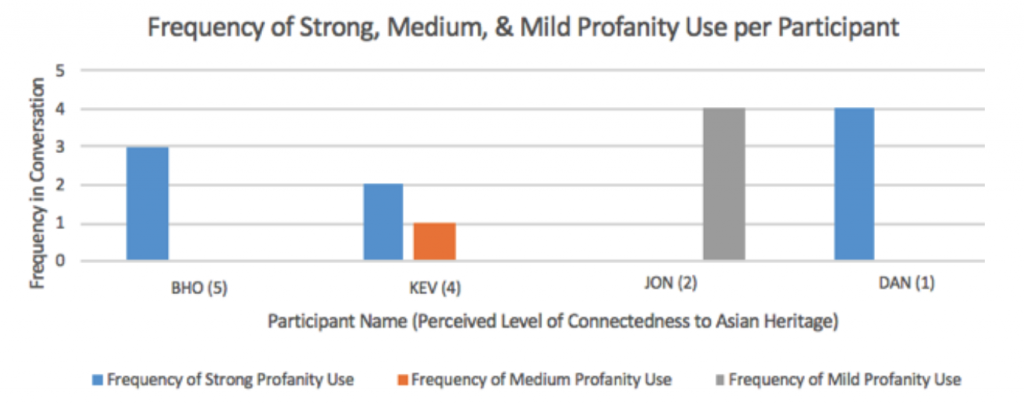
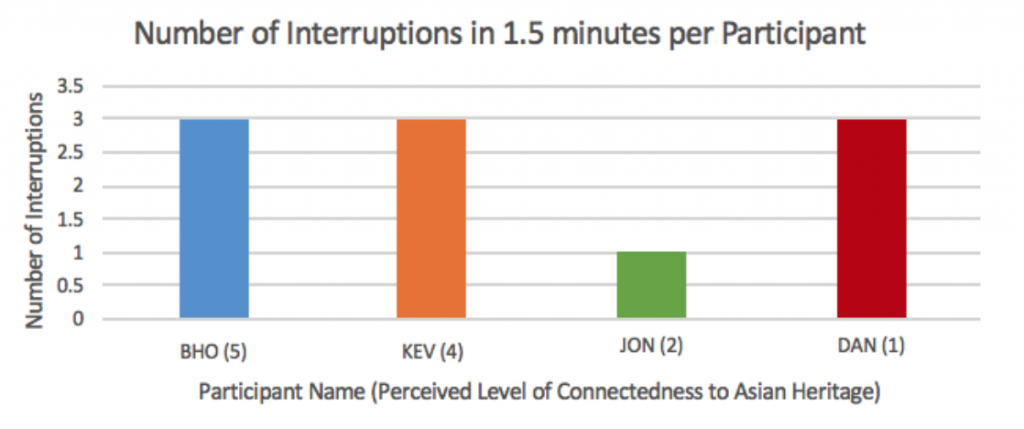
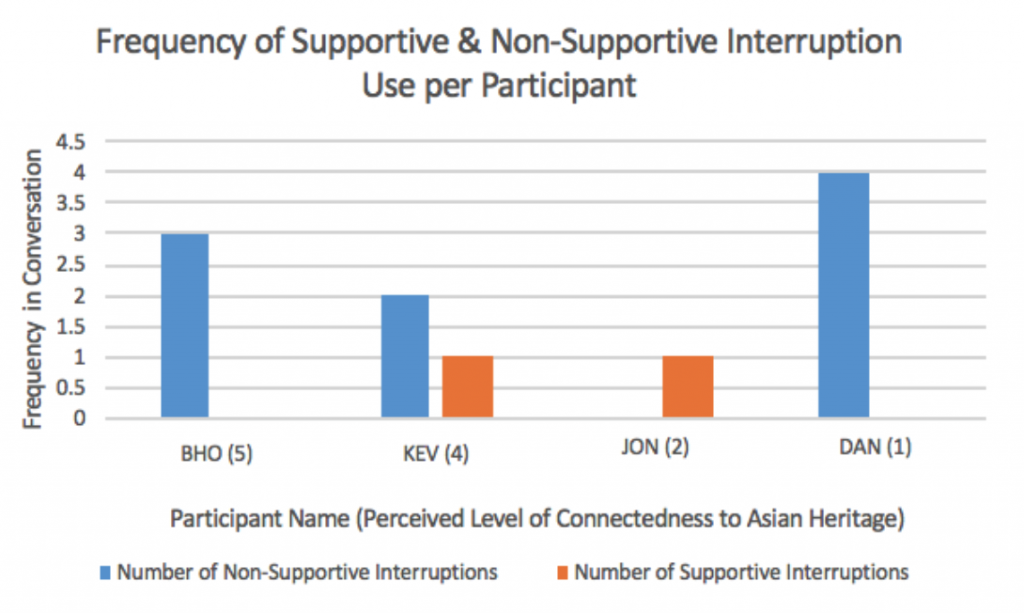
With the sudden increase in Asian representation in American media, more light has been shed on Asian culture and common stereotypes are slowly being dismissed. Nuances of Asian culture, specifically the Asian American experience have yet to be explored. Delving into such an experience reveals a historical portrayal of Asian men as often being weak and effeminate. Asian American men are subject to sociocultural expectations of gender roles dictated by a tradition of patriarchy. Masculinity, for many Asian American men is externally defined, and the strength of a male’s connection to his Asian American heritage may be indicative of the pressure he experiences to conform to such cultural expectations. This study examines male-male interactions involving Asian American men to look at how aggressive displays may inform the pressure caused by the desire to conform to sociocultural expectations that such men often experience. A transcription analysis was performed on recorded conversations between Asian American male friends during a competitive board game setting, to determine the frequency and type of both interruptions and profanity, and level of speaking volume during the interactions. Although there seems to be no direct relationship between an Asian American male’s perceived connectedness to his cultural identity and level of aggressiveness in his language use, this may indicate the likelihood of other contributing factors such as the desire for him to preserve in-group norms.

Read more

Obsessed with Men? Gender-Inclusive Language is the Answer

Maddy Doane

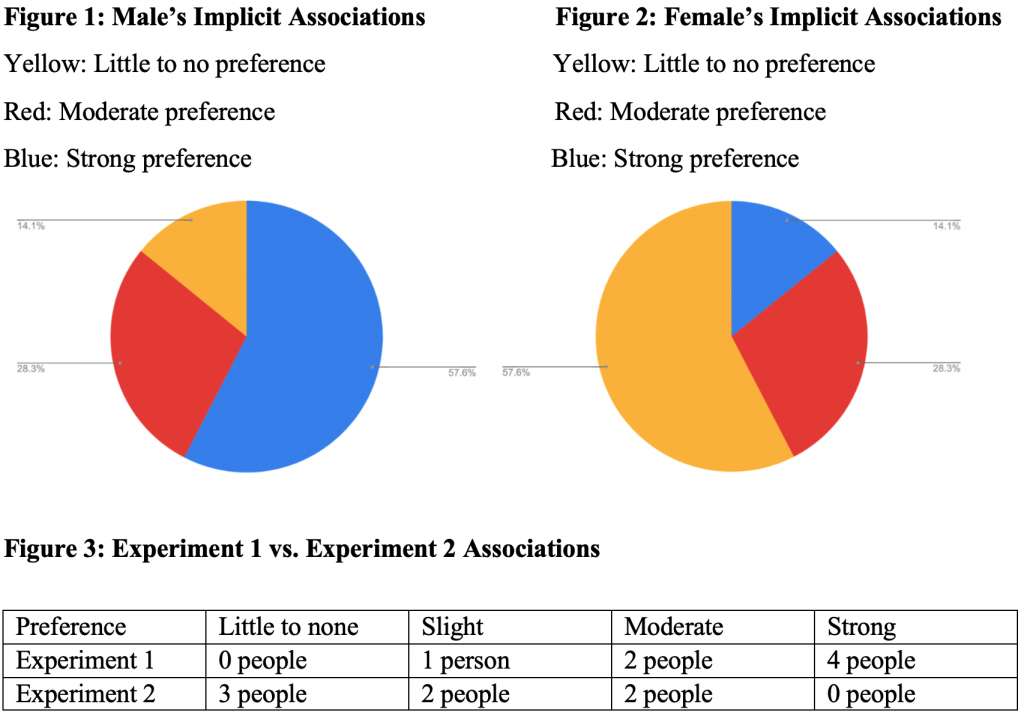
Within discourse, the observation of male implicit bias is prevalent and is often caused by words that reflect and refer to generic masculine associations. The question at hand is, does the adoption of gender-inclusive language reduce male bias and therefore, increase women’s involvement in mental associations? In two experiments, I analyze interactions between groups of people either involving gender-neutral words, or not. Afterwards, all people are asked to take an implicit bias test to see if the gender-inclusive language has an effect, if any. The participants are comprised of men and women attending UCLA, all of which are comfortable conversing with each other. In observing conversation, the use of gender-inclusive words reduces the amount of automatic male associations in the subsequent implicit bias test. Thus, explaining the importance of avoiding gender-fair words as well as including gender-inclusive language in everyday conversation. The goal of this study is to inform and educate participants and readers about the effects of adopting gender-inclusive language into common vocabulary.

Read more

Scroll to Top