Sociolinguistics

The Language of Love: Gendered Communication Patterns in Conflict

Analisa Sack, Paden Frye, Olivia Simons, Stella Kang, Jeorgette Cuellar

Our study explores the differences in how men and women express emotions in heterosexual relationships, particularly during conflict situations. The research investigates language dynamics among college-aged couples. Hypothetical conflict scenarios were used to elicit natural responses, which we then transcribed and analyzed. The findings reveal that women are more likely to use emotive language, engage in expressive communication, and employ collaborative discourse strategies during conflicts. In contrast, men tend to use direct communication styles, focusing on factual components and solution-oriented language. These results align with existing research on gendered communication patterns, supporting the hypothesis that media portrayals of emotional women and logical men have a basis in reality. This study underscores the importance of understanding gender-specific communication styles, offering insights that can enhance relationship counseling and educational programs. Future research directions include cross-cultural studies and longitudinal analyses to further explore these dynamics. The implications of this research are significant for developing tailored communication strategies in both personal and professional contexts.

[expander_maker id=”1″ more=”Read more” less=”Read less”]

Introduction and Background

We aim to investigate language dynamics and patterns within college-aged heterosexual relationships. With a specific focus on conversation, conflict, and conflict resolution. Communication styles in relationships affect conflict resolution and relational satisfaction. Prior studies have shown differences in male and female communication styles, but specific lexical patterns and their impact on conflict resolution are underexplored. We chose college-aged heterosexual relationships because this age group is shown to be especially important as shown in a study done by Sprecher (1993); typically, we see this age undergoing key developmental transitions and experiencing many situations that may be emotionally or relationally challenging. This study will analyze lexical patterns in conversations to understand gender dynamics in conflict resolution. We hypothesize that during conflict in heterosexual relationships, women are more likely than men to use emotive language, engage in expressive communication, and employ collaborative discourse strategies during conflict resolution, whereas men are more likely to use direct and assertive communication styles, focusing more on factual components of the situation and solution-oriented terms of speech.

Regarding social structures within college-aged relationships, previous research has suggested women are more emotionally active in relationships, but little applicable research has actually shown this. While women have expressed the consistency in emotions experienced being high, their expression of these emotions isn’t necessarily higher than that of men. Our study aimed to understand how men and women approach conflict resolution by looking at word choice and language use in particular (conversation analysis), evaluating how men and women use language differently to approach conflict. The language aspect we are examining is word choice (lexicon) and interaction patterns (conversation analysis) – more specifically, the use or lack of emotive language and expressive communication (Rogers, Ha, Byon, & Thomas, 2020, p. 112).

Methods

In order to collect relevant results, we thought it would be best to observe couples resolving a “natural” conflict. Since it would be nearly impossible to follow a couple around and wait for them to have a fight, we thought our best option would be to simulate a conflict and ask the couple to react to each other the way they would in real life. We understand and acknowledge that this might present flaws in our data due to self-reporting bias, where people tend to try making themselves seem “better” than they are in reality. Nevertheless, these are the hypothetical situations we presented:

  1. The first hypothetical (where the female partner is upset) is the following: “You are upset because last night you were trying to get ready for scheduled plans, but you felt rushed by the tasks that needed to be done before you left (go grocery shopping, cook dinner, wash dishes, etc..). You did several tasks alone while your partner sat on the couch and watched TV; he was aware that you were working hard and rushing because you needed to be somewhere, yet he didn’t help. You are trying to express that you feel abandoned because he wasn’t trying to help you.”
  2. The second hypothetical (where the male partner is upset) is the following: “You are upset because your partner was out late at a girls’ night and was being unresponsive to you. You knew that she would be out late; however, she didn’t text you the entire night, ignored your phone calls, and didn’t call back until she finally got home. She apologized, but made excuses about just ‘forgetting.’ You are trying to express that you feel ignored and hurt because she didn’t consider how you would feel about her silence.”

After we conducted the interviews, we analyzed the transcripts by deciding on five categories that best summed up the strategies the two participants used. These categories included justifications, connecting the argument to larger issues in the relationship, involving emotions, using logical approaches, and apologizing. We decided on a standardized way to tag parts of the dialogue with each strategy and then counted each instance of each strategy for both partners in both hypotheticals. We then created pie charts to visualize our data for both partners in both hypotheticals.

Results and Analysis

The most common strategy used by the female partner was connecting the argument to larger issues in the relationship, followed by justifications and involving emotions. For the male partner, justifications came first, followed by using a logical approach and apologizing.

After conducting controlled experiments with the implementation of two separate hypothetical situations to heterosexual college couples, it was observed that male partners exercise direct response tactics more often than females and utilize logical reasoning along with factual references in order to strengthen their argument, while also digressing at moments in order to avoid further conflict or off-track arguments. Previous studies have hypothesized that a woman’s willingness to exceed only factual comments in arguments is due to their lack of power or control in the outside world and their desire to hold more control in intimate spaces.
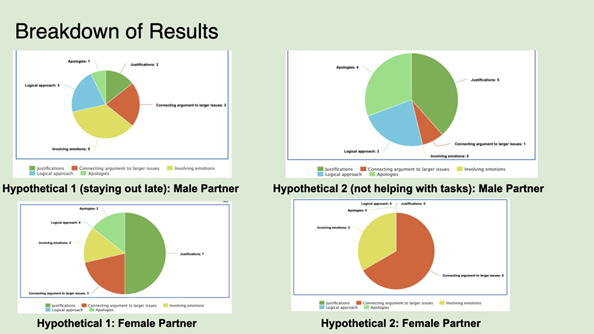
Figure 1. Results from each hypothetical separated by strategy category.

Female partners tended to use open questions and emotive language very often, expressing their feelings. Although initial questions were presented when initiating conflict resolution strategies, there were never any direct solutions posed by the female partner. Female participants also expressed a wider range of emotions, including anger, sadness, confusion, and disbelief during the conversation. Vocally, our female participant also had more shifts in tone – explicitly in words used – and differences in pitch depending on the emotions she felt at the moment. The female participant also related current conflict with previous situations where her feelings and overall well-being were disregarded, and she was forced into performing more emotionally/physically labor to make up for her partner’s negligence.

Our findings were in line with the article “Gender Differences in Perceptions of Emotionality” by Susan Sprecher used as background for the study, specifically with the idea that men will not argue as emotionally or as long as women do and tend to discuss conflicting topics without extreme emotion. We hypothesized these would be our result but ultimately gained a better understanding of the psychodynamic difference of the male versus female resolution strategy through the article’s in-depth observations.

Discussion and Conclusions

In conclusion, our hypothesis was supported by the findings of our study. We observed differences in communication during conflict resolution within heterosexual relationships. Women were more inclined to use more emotive language, characterized by a higher frequency of elements such as tag questions. This aligns with Robin Lakoff’s observations in “Language and Woman’s Place,” where tag questions – phrases like “isn’t it?” or “right?” added to the end of statements – serve to invite confirmation or agreement, thereby fostering a more inclusive and collaborative dialogue (Lakoff 54). In our research, women used tag questions seven times compared to men’s two instances. For example, in Hypothetical 1, a woman asked, “Do you trust me or my friend’s stories?” (F, 02:18), illustrating the use of tag questions to engage the listener. Conversely, men demonstrated a tendency toward a more direct communication style, often employing justifications. This logical approach focuses on explaining actions or decisions assertively. For instance, in Hypothetical 2, a man stated: “You usually just want to do stuff your own way because if I do something my way, you don’t like the way it’s done” (M, 00:49). This directness reflects a more frequent use of logical elements in his communication, aimed at justifying perspectives or actions.

Further, our results are in alignment with studies done about typical communication style differences in gender. In the article “Gender Issues: Communication Differences in Interpersonal Relationships” from Ohio State University, we learn that society has a general understanding of women having to ‘read between the lines’ in relationships: “Studies indicate that women, to a greater extent than men, are sensitive to the interpersonal meanings that lie ‘between the lines’ in the messages they exchange with their mates. That is, societal expectations often make women responsible for regulating intimacy, or how close they allow others to come” (Torppa). As we concluded from our own research, it appears that women are more inclined to connect a specific argument to the larger scope of the relationship. When something brought up in conflict triggers a larger, recurring issue, the female partner is likely to open up the conversation to what she can see by ‘reading between the lines.’

According to research done by Jessica Cindaro regarding male and female differences in communicating conflict, prior literature suggests a tendency for women to be more emotive in their communication styles, while men tend to be more direct and assertive, using emotions less. Cindaro explains that this is in part because of gender stereotypes and the environment in which men and women are raised in and the messages they receive growing up about how best to communicate (Cindaro). We see in our results that there is an even distribution involving emotions, but that the male partner takes more of a logical approach more often than the female partner.

These findings underscore the distinct communication styles of men and women, and such insights can be valuable in enhancing communication strategies across various contexts, from personal relationships to professional interactions. Also, by providing deeper insights into how communication styles differ between genders, our findings can inform relationship counseling and therapy practices, allowing therapists to develop more effective strategies that are tailored to each gender. This improved understanding can contribute to better communication and conflict resolution within relationships, ultimately supporting potentially healthier interpersonal dynamics.

In the future, our research aims to open avenues for expanding the scope of study. One possible direction is conducting cross-cultural studies to investigate whether the communication patterns we observed are consistent across different cultural contexts or if they vary significantly. This would provide a broader understanding of how cultural influences shape gender communication styles. Additionally, we could undertake longitudinal studies to track how communication styles and conflict resolution strategies evolve over time within relationships. These long-term studies can offer deeper insights into the dynamics of long-term relationships, shedding light on how communication evolves and how couples adapt their conflict resolution strategies over the years.

Another question that might be brought up in relation to our study is one of media’s influence on a person’s gender identity. In the TED Talk “Secrets of Children’s Media: Effects of Gender Stereotypes,” Rifa Momin reveals that children are influenced by the stereotypes they continuously hear as they grow up. From children’s television to storybooks, the power of media influence contributes to “children developing a sense of maleness and femaleness based off of these stereotypes and organiz[ing] their behaviors around them” (Momin). This presents a bigger question about our research: Do the stereotypes we perceive men and women to inhabit originate from their media intake? If children were not exposed to media that perpetuates gender stereotypes, would they grow up to act differently than the way society has led us to believe we’re ‘inclined’ to act?

Overall, the study we have conducted opens a wide variety of discussion topics regarding gender stereotypes, communication styles, and conflict within heterosexual college-aged relationships. While our study is not reflective of every single relationship out there, we hope we accomplished our goal of sparking conversation to further understanding about why men and women communicate differently.


References    

Cinardo, J,  (2011) Male and Female Differences in Communicating Conflict. Honors Theses. 88. https://digitalcommons.coastal.edu/honors-theses/88.

Lakoff, R. (1973). Stanford. Language and Woman’s Place. https://web.stanford.edu/class/linguist156/Lakoff_1973.pdf.

Momin, R. (2022, March). Secrets of children’s media: Effects of gender stereotypes. Rifa Momin: Secrets of Children’s Media: Effects of Gender Stereotypes | TED Talk. https://www.ted.com/talks/rifa_momin_secrets_of_children_s_media_effects_of_gender_stereotypes?language=en.

Rogers, A. A., Ha, T., Byon, J., & Thomas, C. (2020). Masculine gender‐role adherence indicates conflict resolution patterns in heterosexual adolescent couples: A dyadic, observational study. Journal of Adolescence, 79(1), 112–121. https://doi.org/10.1016/j.adolescence.2020.01.004.

Sprecher, Susan. Sexuality. SAGE Publications Inc., 1993.

Sprecher, S., & Sedikides, C. (2019, August 14). Gender differences in perceptions of emotionality: The case of close heterosexual relationships – sex roles. SpringerLink. https://link.springer.com/article/10.1007/BF00289678.

Torppa, C. B. (2010, February 25). Gender issues: Communication differences in interpersonal relationships. Ohioline. https://ohioline.osu.edu/factsheet/FLM-FS-4-02-R10.

[/expander_maker]
, , , , ,

I’m Sorry! – The Language Behind YouTube Apologies and Cancel Culture

Jessica Chen, Jean Maynard, Naomi Muñoz, Daisy Terriquez

“I’m sorry, I’m taking accountability” is a phrase that may sound familiar to those who frequent the internet. This is referencing the category of YouTube videos known as the “apology video,” where, as the name suggests, influencers post videos of themselves apologizing for actions that caused them to be “canceled.” In this blog, we examine if these apology videos share any patterns in their word choice and behavioral manners and if certain key words and phrases contained in these videos have become recognizable to audiences and associated with this style of video. This study was conducted in two parts: (1) analyzing 10 different apology videos posted to YouTube to map the commonalities found in word choice and gestures and (2) a two-part survey to deduce if participants could identify apology videos based solely on a provided comment or phrase. With this entry, we hope our findings can further the understanding of internet language, as well as promote conversations of media literacy, social advocacy, and mental health surrounding internet spaces.

[expander_maker id=”1″ more=”Read more” less=”Read less”]

Introduction and Background

With the globalization of technology, the ability to connect with a broad audience and build a large following has become readily attainable. Today social media platforms such as TikTok, YouTube, Twitter/X, and Instagram have facilitated the emergence of “influencers,” individuals who regularly post content on the internet and have managed to captivate a large following by sharing their daily lives, opinions, and thoughts. However, with such a large social media presence comes an increased possibility of every one of one’s actions being perceived and criticized by individuals who do not share similar morals or values. Consequently, it has become quite common to open social media apps to see yet another influencer on camera sighing and apologizing for an alleged act of misdemeanor they are being framed with. Essentially, this has made the online “celebrity apology” become so common; it has given rise to “cancel culture” and with it, the “YouTuber apology” category of videos.

The concept of “cancel culture” first emerged in the early 2010s and gained significant traction in the mid to late 2010s. Across social media platforms, “cancel culture” is defined as the practice where numerous people express their disapproval and withdraw support from a particular individual or brand (Roos, 2020). It encourages current supporters to “flock away” from influencers who have engaged in actions that are not deemed socially acceptable (Lewis & Christin, 2021). Cancel culture originated on Twitter/X with the intent to bring awareness and accountability to celebrities who have committed social injustices, dating back to movements like #MeToo, but has since been colloquially used to refer to the mass bullying and harassment of creators (Roos, 2020).

Cancel culture, with its “canceled” celebrities, gave rise to the category of videos on YouTube known as the “Youtuber Apology Video.” This is when a content creator records and posts a video of themselves apologizing, expressing their remorse for their misconduct, and asking their audience for forgiveness (Karlsson, 2020). As content creation is a livelihood for many of these influencers, losing monetary support due to overwhelming criticism can be a source of emotional and financial distress, motivating these influencers to release an apology video in an attempt to repair their public image (Goanta & Ranchordás, 2019).

Influencer James Charles via YouTube (Reuploaded).


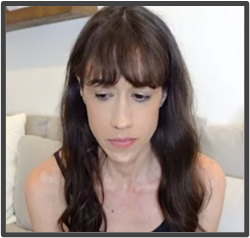
Influencer Colleen Ballinger via YouTube.

Interestingly, although the reason behind each of these videos may differ, there is reason to believe that many of them contain similar content. In their study analyzing various public celebrity apologies, Cerulo and Ruane (2014) found patterns of apology techniques that many celebrities employed in their statements. This looked like 27% of celebrity apologies containing “evasion” statements where they avoid responsibility, 29% of apologies having “action-ownership” statements where they acknowledge an action, and 32% having “mortification” statements in which the celebrity acts mortified by their own actions (p. 130-135). Though this study predates the rise of many famous YouTube apologies, it suggests a possible pattern that past celebrity apologies may have formed, which proved to be a useful foundation for our research. Although we did not utilize the same categories as Cerulo and Ruane (2014) and opted to find our own keywords, our research aimed to expand on what patterns, if any, could be found in this new form of celebrity image repair.

While research on “cancel culture” exists, our study attempts to address the research gap on both the precise language employed by YouTube content creators’ apologies, as well as how the individual viewers react to and process the content found within these videos. We believe that most research has not addressed the possible relationship between language used by the influencer and how the viewer interacts with it. This research will thus focus on the language used in influencers’ apology videos when they are being “canceled” by the general public. With a focus on Generation Z (Gen Z) and Millennials, the two generations who grew up with technology as an integral part of their daily lives (Serbanescu, 2022), the two research questions that arise are the following: First, can Gen Z and Millennial individuals tell whether an influencer is being canceled solely based on the language being used? Second, does an influencer change their speech patterns or behavioral gestures when they are being canceled? Our aim was to compare the reactions of Gen Z and millennial individuals to language and behavioral gestures used by an influencer when they are being canceled versus when they are in good standing. We hypothesize that when an influencer is aware that they are being canceled, they will engage in specific behavior and speech patterns. Further, we hypothesize that Gen Z and Millennial individuals will be able to tell without context when an individual is being canceled simply by reading comments or quotes with keywords associated with cancel culture.

Methods

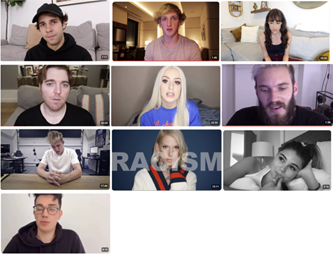
To capture commonalities among influencer apologies, we started by compiling 10 YouTube apology videos, all involving YouTube creators who had amassed at least one million subscribers at the point they were canceled (See Image A).

Image A. (left to right) David Dobrik, Logan Paul, Colleen Ballinger, Shane Dawson, Tana Mongeau, PewDiePie, Jake Paul, Jeffree Star, Olivia Jade, James Charles.

Even before this, we started by coding James Charles’ apology video titled “tati” and looked out for words and gestures that were constantly repeated. Based off that initial coding, we created a data chart with eight different keywords (“excuses,” “mistake,” “accountability,” “sorry,” “apologizing,” “um,” “disappointed,” and “idiot”) and four gestures (sighs, gulps, long pauses, and deep breaths) and continued meticulously examining and coding each video to pull out every instance of any of the keywords or gestures. In other words, each video received a tally of how many times these phrases or gestures appeared in the video. Gestures such as sighs and gulps, deep breaths, and long pauses were important in order to grasp an idea about the important factors, other than utterances, that can act as non-verbal communication methods and accompany the keywords to further emphasize the presence of “cancel culture.” Due to the important existence of gestures, we also operationalized “disappointment” as when an influencer simultaneously looks downwards and squints their eyebrows.

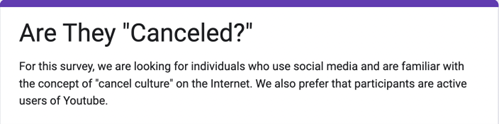
To continue our data collection, we created Survey 1, a survey that tests whether or not people know which influencer is being “canceled” based on comments from their YouTube videos (See Image B). With four survey questions in total, two contained comments from normal videos, while the other two contained comments from apology videos. These comments were chosen specifically from James Charles’ YouTube videos, as he was the initial focus for this research; however, future studies should expand to other influencers’ comments to have more variety. The comments were selected randomly, but we intentionally searched for comments that seemed more positive, had humor, and contained little context. This survey was largely utilized to supplement the overall definition of “cancel culture” by assessing Gen Z and Millennials’ topical understanding of it.

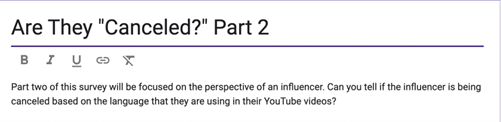
Furthermore, another survey, known as Survey 2, was created with the same test; however, it was based on utterances from both apology and normal videos of the influencers (See Image C). Among the several questions that were given in this survey, we deliberately crafted a suitable set of utterances from apology videos that involved our specific keywords to test if people associate those keywords with “cancel culture,” making it one of the most crucial parts of our data collection. By extracting quantitative data from the YouTuber apology videos and surveys, we were able to analyze what specific words and linguistic styles Gen Z and Millennial individuals deem to be associated with apologies and “cancel culture.”   

Image B. Title of Survey 1.


Image C. Title of Survey 2.

Results and Analysis

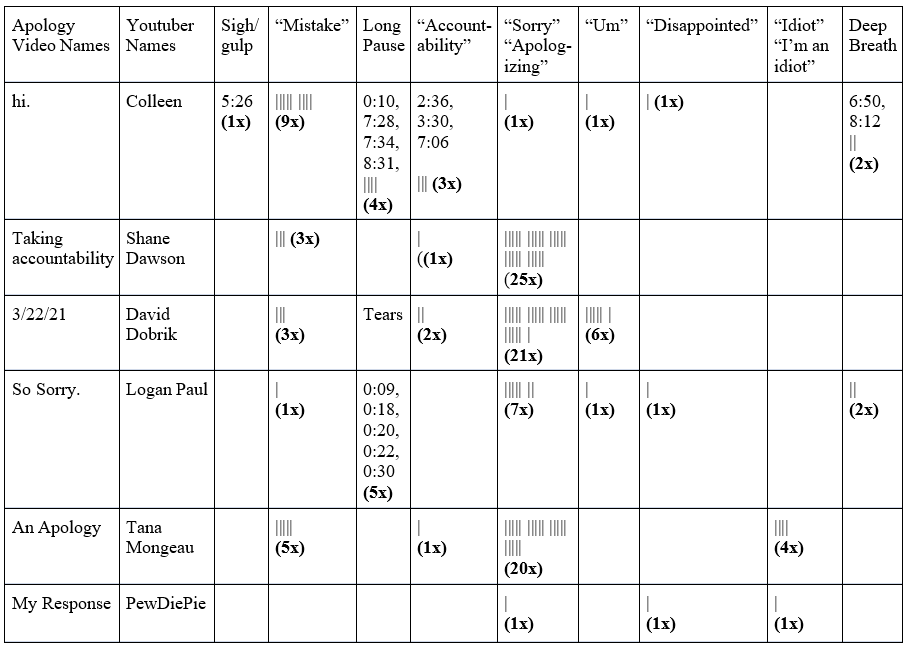
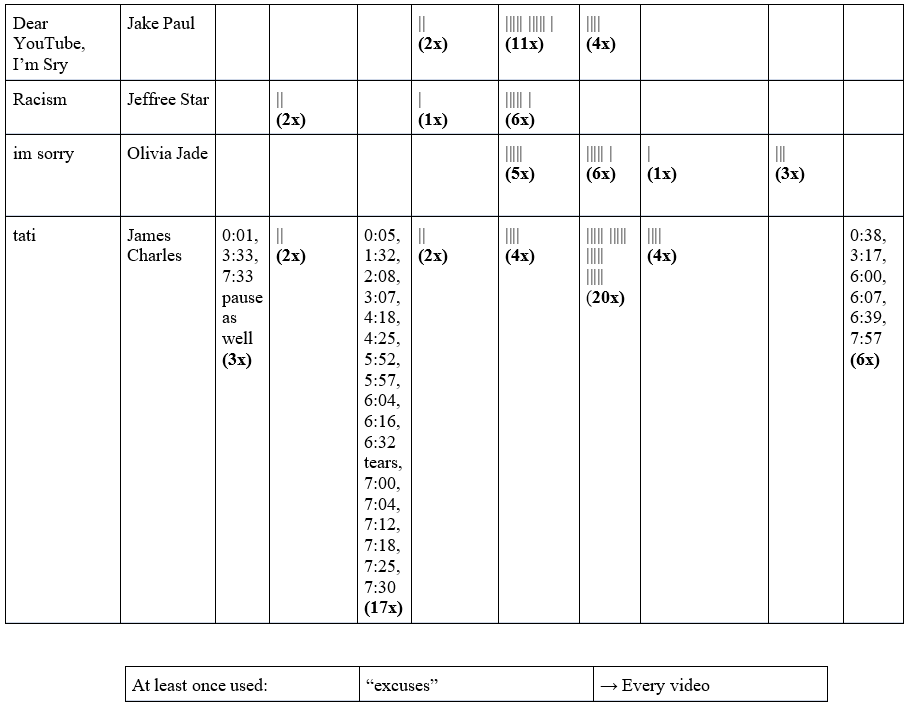
We can start by examining the data table that quantifies specific keywords uttered in the 10 apology videos and non-verbal communication methods that supplemented those keywords (see Table 1). 

Table 1. Data table with tallies of key words and gestures from each video.

Table 1 displays the heavy use of “sorry” and “apologizing” in all of the apology videos, as well as the common effort to include mentions of “accountability” and making “mistakes.” Some YouTubers occasionally described themselves as feeling “disappointed” in themselves or feeling like an “idiot.” Most importantly, it was extremely common for them to use the word “excuses” in their apology videos. As for gestures, long pauses (with occasional tears) were the most frequent and seemed to dramatize the keywords.

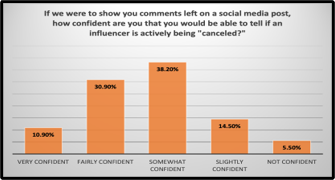
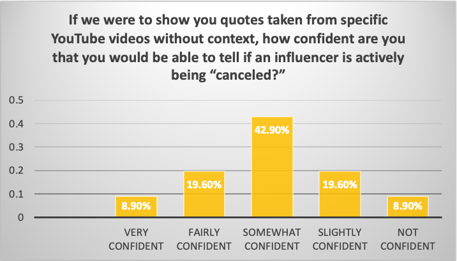
Moreover, four graphs were created to illustrate the results of Survey 1, and eight graphs were made for Survey 2. Among our 55 Gen Z and Millennial survey takers, we gauged the amount of those who felt confident in their ability to tell if an influencer is actively being “canceled,” to which most replied they were somewhat confident (See Tables 2a and 3a).

Table 2a. Survey responses to question at top of graph.


Table 3a. Survey responses to question at top of graph.

Table 2b exhibits the quantified survey results from Survey 1 that involve two comments from when an influencer was actively being “canceled” and two comments from when they were not. For Comment #1, answers were roughly split; however, there were fewer individuals who could determine that the influencer was actually actively being “canceled.” For Comment #2, #3, and #4, most individuals were able to determine the existence of “cancel culture.”

Table 2b. Results from Survey 1 on comments.

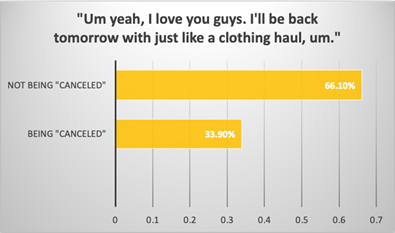
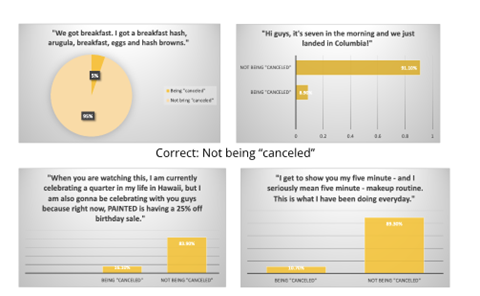
Subsequently, Tables 3b and 3c display results for Survey 2, specifically for utterances derived from our chosen apology videos and that contain our significant keywords. Individuals were more likely to be correct and be able to tell that an influencer was actively being canceled; however, Table 3c illustrates that more than half of the survey respondents were unable to determine whether an influencer was actively being “canceled” based on the keyword “um.” Individuals were also more likely to be correct when determining a normal utterance where there were no keywords present (see Table 3d).

Table 3b. Results from Survey 2 on “canceled” utterances.


Table 3c. Results for “um” in Survey 2.


Table 3d. Results from Survey 2 on normal speech from YouTube videos.

Discussion

The current investigation attempts to fill these major gaps within the research by examining cancel culture from a linguistic perspective. Data gathered from YouTube suggests that the comments left on videos where an influencer is being canceled tend to be harsh and demeaning, aiming to publicly shame and bully the creator. The negative language used in the comment section appears to prompt the creator to upload a YouTube video where their language appears to be apologetic, while their behaviors simultaneously portray disappointment and shame in themselves. Since an influencer is aware that they are being canceled, they resort to the use of language that has proven to be effective when crafting an apology.

The findings from this investigation indicate that, in what appears to be an act of desperation to put an end to negative comments and find themselves in good standing with the YouTube community, influencers often resort to the use of the keywords discussed above. Their language quickly shifts from casual everyday language to words that show that they deeply regret their actions and are willing to take accountability.

In Survey 1 (See Table 2b, #1), a comment without context was purposefully chosen in order to test what most respondents think about “cancel culture” comments off the bat. Without context, it is difficult to tell what a comment is specifically referring to. Therefore, our results suggest that there are differences in how individuals view internet language, and it in turn influences whether they think an influencer is being “canceled” or not. In other words, because Comment #1 had no negative keywords and Comment #4 did (“struggling”), it hints that people associated the negative word with “cancel culture,” and therefore, “cancel culture” has this negative linguistic connotation to it. It is also important to note context in our Survey 2 results. When choosing utterances for our survey (See Tables 3b and 3d), we intentionally included utterances about breakfast, trips, sponsorships, and makeup routines, all contexts that are far from the idea of “cancel culture” and negative linguistic aspects. The context completely juxtaposes the utterances from apology videos (See Table 3b) because they are missing the “cancel culture” keywords. A very important finding in Table 3c suggests the importance of those negative associations. In this example, the apology video utterances are more ambiguous than others, especially with the inclusion of “um.” We include the keyword “um” because although it is an extremely common human utterance, it acts as a neutral keyword and requires more context. Most people responded with “Not being canceled,” suggesting that due to the absence of an explicitly negative keyword, respondents were not naturally drawn to viewing it as an apology video utterance.

Previous studies have primarily focused on exploring the psychological effects that cancel culture has on the individual that is actively being canceled. Such studies suggest that while cancel culture originated with good intentions — to hold individuals accountable for socially unacceptable actions — the psychological effects of cancel culture are oftentimes negative and include: social isolation and loneliness, depression, low self-esteem, and constant fear and anxiety (Berryman & Kavka, 2018). Although these findings add to the existing body of research, they also highlight gaps and consequently lead to further research questions: Why does cancel culture lead to these negative psychological states of mind? Does language play a role in cancel culture? Can cancel culture be viewed from another point of view?

Essentially, examining cancel culture from a linguistic perspective adds to the existing research because these findings can be tied back to a psychological perspective and begin to answer these questions. Understanding that the language associated with cancel culture is oftentimes negative and harsh, instead of critical and constructive, allows us to understand why the influencers who are exposed to cancel culture are negatively impacted psychologically. Looking at cancel culture from different lenses can lead us to discovering new findings, but considering the importance of language to our everyday lives, a linguistic analysis is an effective way to begin.


References

Berryman, R., & Kavka, M. (2018). Crying on YouTube: Vlogs, self-exposure and the productivity of negative affect. Convergence, 24(1), 85-98. https://doi.org/10.1177/1354856517736981.

Cerulo, K. A., & Ruane, J. M. (2014). Apologies of the Rich and Famous: Cultural, Cognitive, and Social Explanations of Why We Care and Why We Forgive. Social Psychology Quarterly, 77(2), 123-149. https://doi.org/10.1177/0190272514530412.

Goanta, C., & Ranchordás, S. (Eds.) (2019). The Regulation of Social Media Influencers. Edward Elgar Publishing. Elgar Law, Technology and Society series. http://dx.doi.org/10.2139/ssrn.3457197.

Karlsson, G. (2020). The YouTube Apology; Analysing the image repair strategies and emotional labour of saying sorry online. Malmö University, School of Arts & Communication K3. https://www.diva-portal.org/smash/get/diva2:1483089/FULLTEXT01.pdf.

Lewis, R., & Christin, A. (2022). Platform drama: “Cancel culture,” celebrity, and the struggle for accountability on YouTube. New Media & Society, 24(7), 1632–1656. https://doi.org/10.1177/14614448221099235.

Roos, H. (2020). With(Stan)ding Cancel Culture: Stan Twitter and Reactionary Fandoms. Muhlenberg College. https://jstor.org/stable/community.31638145.

Serbanescu, A. (2022). Millennials and Gen Z in the Era of Social Media. In A. Atay & M. Z. Ashlock (Eds.), Social Media, Technology, and New Generations: Digital Millennial Generation and Generation Z (pp. 61-77). Lexington Books.

All Videos Used for Analysis

Ballinger, C. [Colleen Vlogs]. (2023, June 28). hi. [Video]. YouTube. https://www.youtube.com/watch?v=ceKMnyMYIMo.

Dawson, S. (2020, June 26). Taking Accountability [Video]. YouTube. https://www.youtube.com/watch?v=ardRp2x0D_E.

Dobrik, D. (2021, March 22). 03/22/21 [Video]. YouTube. https://www.youtube.com/watch?v=lB734hc89x8.

Dunsmorel, J. (2019, May 13). James Charles Tati re-upload [Reposted Video]. YouTube. https://www.youtube.com/watch?v=U3Ukl4l_LM8.

Jade, O. (2018, August 6). im sorry [Video]. YouTube. https://www.youtube.com/watch?v=LAJArLC6v70.

Kjellberg, F. [PewDiePie]. (2017, September 12). My response [Video]. YouTube. https://www.youtube.com/watch?v=cLdxuaxaQwc.

Mongeau, T. (2017, February 17). An Apology [Video]. YouTube. https://www.youtube.com/watch?v=Fazh9Lm1kDE.

Paul, J. (2017, June 3). Dear YouTube, I’m sorry…. [Video]. YouTube (min. 10:36-17:43). https://www.youtube.com/watch?v=C45-1rf65PU.

Paul, L. (2018, January 2). So Sorry. [Video]. YouTube. https://www.youtube.com/watch?v=QwZT7T-TXT0.

Star, J. (2017, June 20). RACISM. [Video]. YouTube. https://www.youtube.com/watch?v=Su6FeI7lHVg.

Related Resources

Languaged Life post: Celebrities and Controversies: What Works and What Doesn’t in Apology Videos

Interesting interactive graphic on the history and patterns of apology videos: https://pudding.cool/2020/01/apology/

[/expander_maker]

, , ,

Real Talk: Colloquialism in TV Dialogue vs. Natural Conversations

Namrata Deepak, Renee Rubanowitz, Kylie Shults, Alik Shehadeh, George Faville

Iconic TV catchphrases like “Yada-yada-yada,” “D’oh,” That’s what she said,” and “Bazinga!” have been seamlessly integrated into our everyday conversations. Such a phenomenon prompts amusing discussions and questions surrounding the relationship between real-world conversation and on-screen dialogue. While some aspects of on-screen language, like exaggerated accents or absurd dialogue, are accepted as fictional, others are more representative of natural everyday speech. This study delves into the linguistic choices made by sitcom writers to make fictitious situations more comedic and relatable, contrasting our findings with real-world conversations that lack such agendas. In examining the intentional use of linguistic choices by screenwriters to enhance comedic effects in television sitcoms, we hypothesize that scripted language possesses observably fewer contractions, first-person pronouns, second-person pronouns, present tense verbs, more prepositions, and increased word length when compared directly to natural conversation.

Expanding on Biber’s Theory of Multidimensional Analysis (1992) and Quaglio’s analysis of Friends (2009), our research deconstructs and compares the dialogues from The Office (U.S.), Modern Family, and Community with comparable, real-world conversational data obtained from the Santa Barbara Corpus of Spoken American English (Du Bois, 2000-2005). Using Biber’s Factor 1 as a measuring tool that focuses on colloquial language, we selected specific linguistic features to measure their frequency in sitcom clips versus comparable real-life conversations to obtain evidence to explore our hypothesis further.

While our findings generally align with existing evidence for our identified linguistic features, the extent of differences between scripted and natural language could have been more pronounced. Consequently, further research may also be warranted, as our hypothesis was disproved for word length and prepositions, indicating a more remarkable similarity between TV dialogue and natural conversation than expected. Nevertheless, our study contributes to ongoing discourse on the relationship between on- and off-screen language, offering valuable insights into the linguistic choices that shape perceptions of comedic situations and beloved characters.

[expander_maker id=”1″ more=”Read more” less=”Read less”]

Introduction and Background

Situational comedies, or sitcoms, tend to put relatable yet exaggerated characters in outlandish situations to prompt entertainment and humor in audiences (Simply Sitcoms; The situations that precede the comedy). Think about shows like Modern Family, where miscommunications are key to every episode, or The Office (U.S.), where the seemingly ordinary workplace is exaggerated by eccentric characters like Michael Scott. As sitcoms become more intertwined with American popular culture, a fascinating question arises: Do they accurately capture the subtleties of natural conversation?

Further inquiry into scripted banter reveals a core sociolinguistic component – screenwriters make deliberate choices about language that have implications for language learning, language evolution, and more. This study aims to analyze the linguistic differences between dialogue in U.S. sitcoms and natural conversations, focusing on specific linguistic choices that signal colloquialism.

Guided by the question – “To what extent does scripted language represent actual language in depictions of humor?” – our team hypothesizes that the screenwriters for Modern Family, The Office, and Community intentionally use linguistic choices and manipulation to augment comedic effects, resulting in dialogue dissimilar from natural conversation. Specifically, we predict that scripted language has fewer contractions, first-person pronouns, second-person pronouns, more prepositions, and shorter word lengths.

Our target population consists of the participants in the selected conversations: the characters in Modern Family, The Office, and Community, as well as the actual family members, coworkers, and friends in the recordings we used. Together, these participants form a sample of sitcom characters and a sample of the general American population, which we will contrast to test our hypothesis.

To further analyze and gather more resources to support our investigation, we turned to previous case studies exploring scripted language’s limitations compared to organic speech, including a study on the sitcom Friends (Quaglio, 2009). Additionally, we referenced Bednarek’s study on Gilmore Girls (2011), which analyzes how a show’s dialogue contributes to creating a specific kind of dialogue unique to itself and defining the genre it is a part of. Though we are expanding on past theories, we acknowledge the need for extended research on more contemporary and diverse sitcoms for the most comprehensive overview of these rich hypotheses.

Methods

Our research question led to three critical questions when designing our study: what data are we using, what linguistic features are we focusing on, and how will we collect data?

What data are we using?

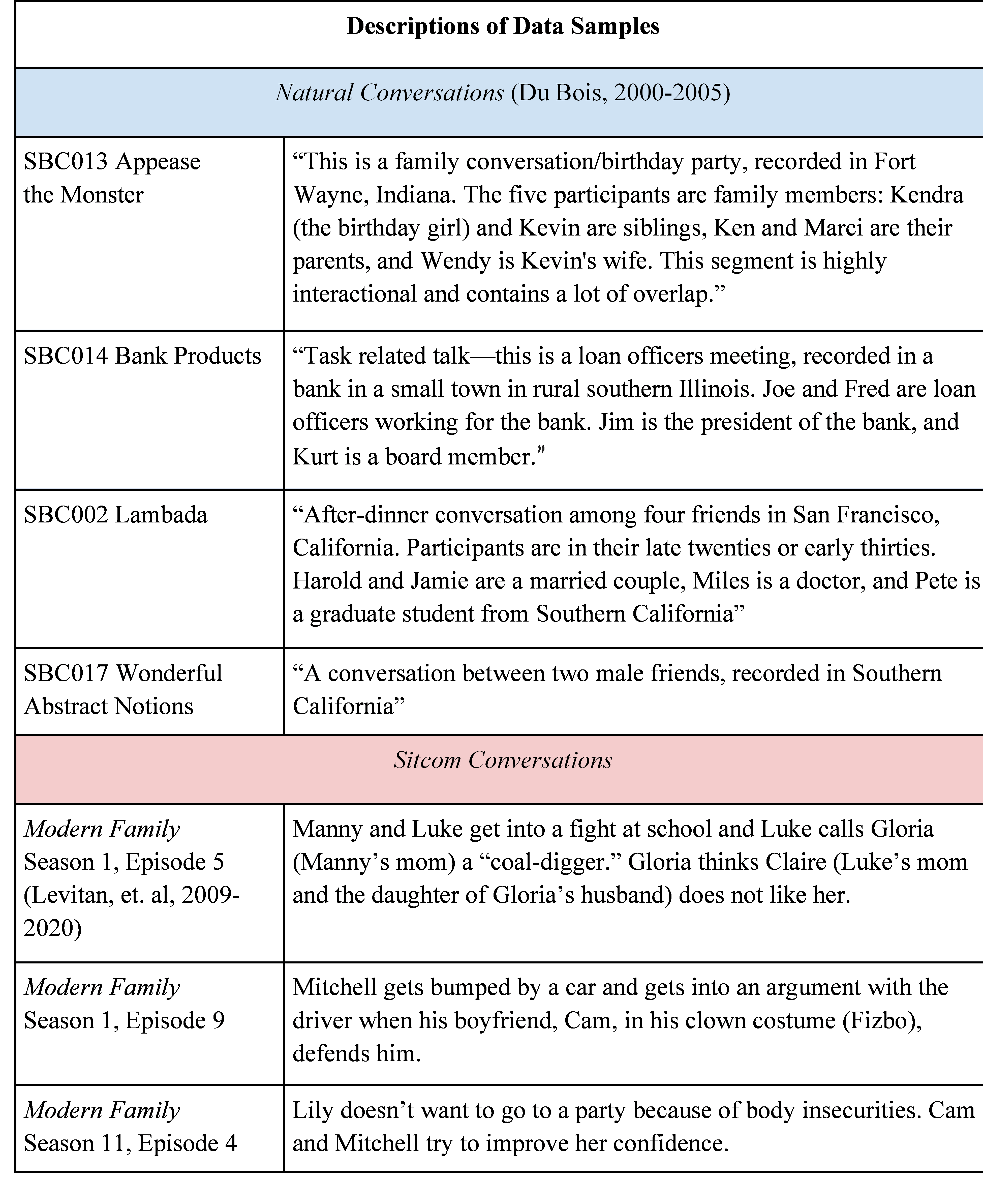
For data, we chose to look at situational comedies since they tend to mirror (and potentially exaggerate) everyday situations. We transcribed 2-3 minute conversations from the first and last seasons of Modern Family, The Office, and Community, constituting our scripted dialogue corpus. We then found contextually similar real-life conversations to each show (between family members, coworkers, and friends, respectively) from the Santa Barbara Corpus of Spoken American English and chose three 2-minute segments from each one to transcribe.

Figure 1. Descriptions of the data samples used.

What linguistic features are we focusing on?

When selecting our linguistic features, we used Factor 1 of Biber’s Multidimensional Analysis as a starting point since it was theorized to show the most significant difference between humor and natural conversation (Eberhardt, 1988). We believe a crucial reason for this difference is because of colloquialism, which is what Factor 1 measures – in real life, we are likely to be more colloquial and use less intentional language, unlike TV, where dialogue is meant to produce entertainment. We focused on contractions, first-person pronouns, second-person pronouns, present tense verbs, prepositions, and word length.

How did we collect the data?

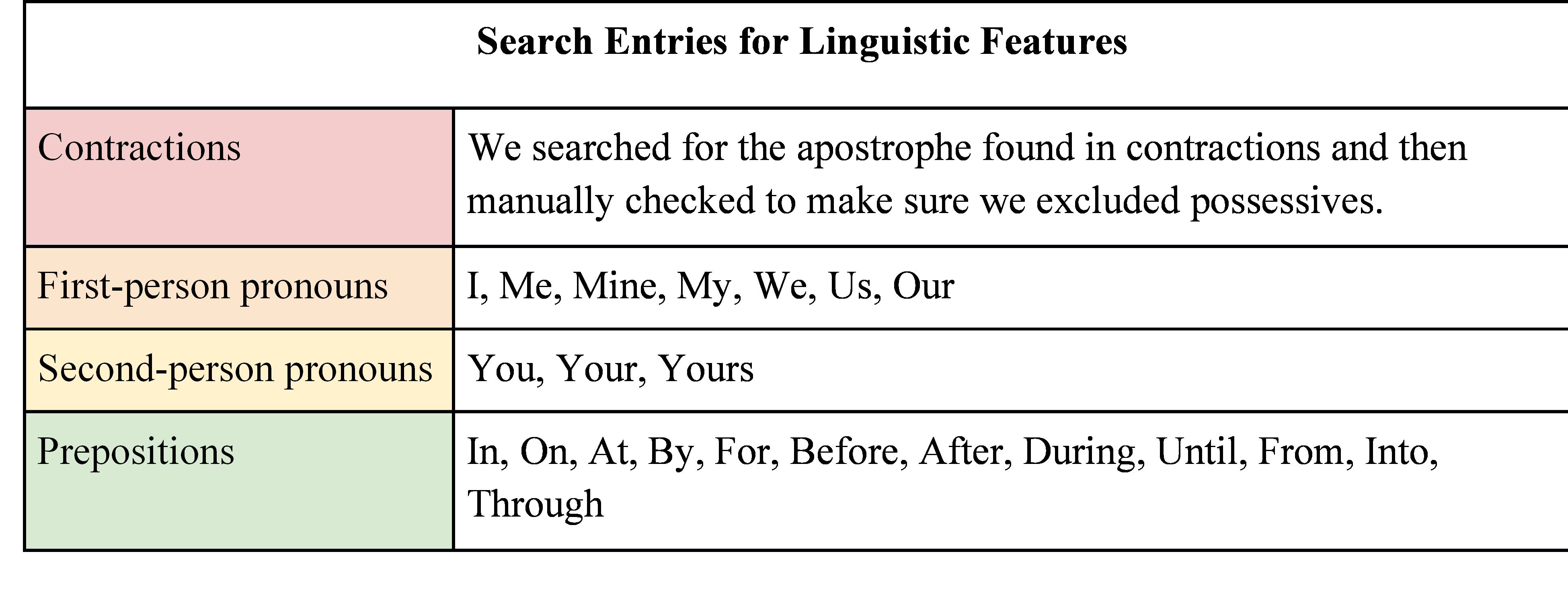
For contractions, first-person pronouns, second-person pronouns, and prepositions, we used a software called AntConc to measure the frequency of each variable within each conversation (see the figure below for the specific terms we used). We counted present tense verbs manually. For word length, we took the total number of characters within the dialogue and divided it by the number of words to produce an average character length for each word.

Figure 2. Search entries used in AntConc.

Results and Analysis

After we collected our data, we mapped it visually, with “Words Per Minute” as the y-axis and “Linguistic Features Analyzed” as the x-axis, including columns for each scenario. When analyzing and interpreting the data, we focused on the most significant disparities between linguistic features in the sitcoms and the in-person interactions. We also calculated the average number of differences across all linguistic features compared to natural conversations.

Modern Family

Below are excerpts and transcripts from a Modern Family (Levitan, et. al, 2009-2020) episode and the “Appease the Monster” family conversation from the Santa Barbara Corpus of Spoken American English (Du Bois, 2000-2005). The most apparent difference between the two sources is the degree of interruption – the natural conversation shows much more overlap. At the same time, the sitcom mostly has one line occurring at a time. This variation can mainly be attributed to the practical demands of filming a TV show, so we focused on more specific word choices to see if the actual language (rather than its delivery) also differs.

We assessed 1:45-2:30 of the Modern Family clip below:

Figure 3. Transcript of Modern Family ”Coal-Digger” conversation.

We assessed 0:00-1:00 of the “Appease the Monster” conversation here: Audio Recording of the “Appease the Monster” Conversation (0:00-1:00)

Figure 4. Transcript of the “Appease the Monster” conversation.
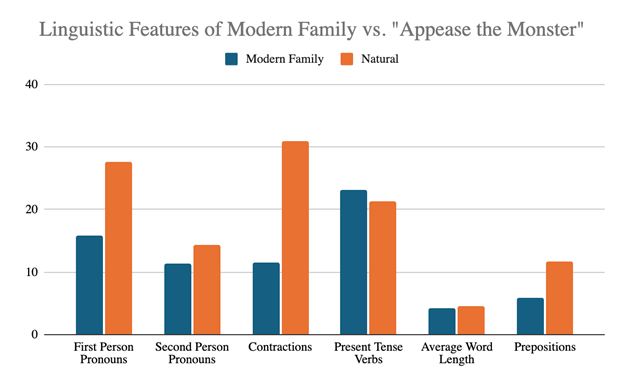
Figure 5. Linguistic comparison of Modern Family clip vs. “Appease the Monster” conversation.

After measuring our selected linguistic features within the Modern Family and “Appease the Monster” conversations, we can see in Figure 5, illustrating linguistic features on the x-axis and frequency on the y-axis, that natural conversations have more first-person pronouns, second-person pronouns, and contractions – all supporting our hypothesis. However, the remaining categories – present tense verbs, average word length, and prepositions – all display a relationship that is inverse to the predictions of our hypothesis.

The Office

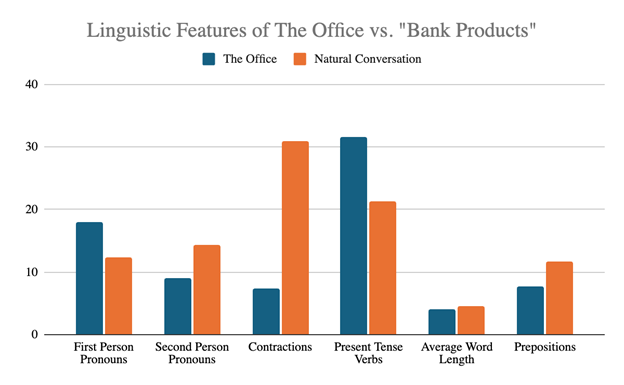
Figure 6. Linguistic comparison of The Office vs. “Bank Products” conversation.

As we hypothesized, The Office comparison chart above shows that natural conversations use more first-person pronouns, second-person pronouns, and contractions. However, the data in Figure 6 does not substantiate predictions that natural conversations would use more present tense verbs, shorter word lengths, and fewer prepositions.

Community

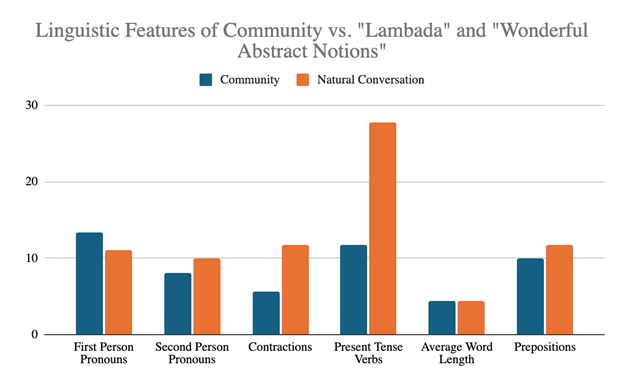
Figure 7. Linguistic comparison of Community vs. “Lambada” and “Wonderful Abstract Notions” conversations.

We can see in the Community comparison chart above that while natural conversations have more second-person pronouns and contractions, the rest of the linguistic categories display an inverse relationship to what was predicted, subsequently disproving our hypothesis. 

Synthesis

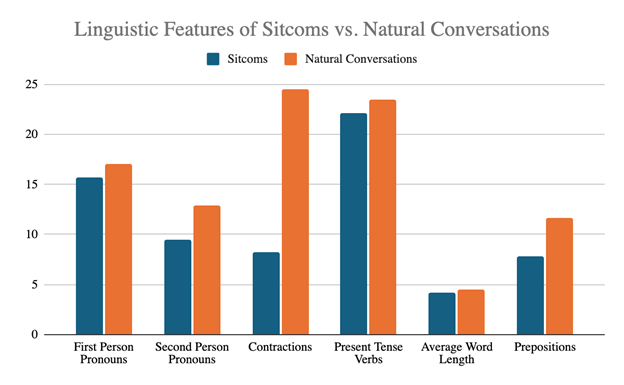
Figure 8. Average number of each linguistic feature in TV dialogues vs. in natural conversations.

Thus, Figure 8, which illustrates the average difference between all of our observed television programs and real-life conversations, demonstrates that sitcoms followed our hypothesized patterns for first-person pronouns, second-person pronouns, contractions, and present-tense verbs. However, when looking at average word length and preposition frequency, the sitcoms showed results that were opposite to what was expected, with shorter words and fewer prepositions. An important note is that, except for contractions, the differences seen are very slight.

Figure 9. Average difference in number of each linguistic feature between each show and the corresponding natural conversation(s).

To zoom in a little further, Figure 9 complicates our results as we look at the specifics of each show. Modern Family is the only show that demonstrated fewer first-person pronouns than the corresponding natural conversation. Community is the only show with fewer present tense verbs than its corresponding natural conversation, per our hypothesis. The Office appears the most natural, disobeying our hypothesis for the linguistic features of word length and prepositions. As mentioned, all three shows did not follow our hypothesized difference in average word length or prepositions, suggesting that our sitcom data is considerably closer to natural conversation than expected.

Discussion and Conclusion

From the data analysis we conducted, we concluded that while there is a slight difference between TV and natural conversations (especially for first-person pronouns, second-person pronouns, contractions, and present tense verbs), the differences are insignificant and do not indicate much deviation. Additionally, the data disproved our hypotheses around word length and prepositions; regarding these features, sitcoms were more “natural” than actual natural conversations. However, we acknowledge the fact that our investigation had limitations. Due to the narrow timeline of our project this quarter, we did not collect and analyze as much data as we would have hoped in order to find more substantial differences between scripted and non-scripted language.

Revisiting our initial research question: To what extent does scripted language represent actual language in depictions of humor?

Initially, our data may seem surprising since we found fewer differences than expected, but there might be a reason why these sitcoms tend to lean more toward natural-sounding conversations. The craft of screenwriting tiptoes on a delicate balance between accurately portraying real-life scenarios and creating humorous and engaging dialogues meant to captivate audiences. Our three Emmy Award-winning shows have achieved widespread acclaim and popularity, and part of this success can be attributed to linguistics, as their language choices play a crucial role in effectively resonating across various audiences and demographics.

TV dialogue has far-reaching linguistic influence, especially in the language learning classroom, where teachers often encourage students to use sitcoms (and other scripted content) to practice English and attain competency. The nuances of our data suggest that while the language English learners are studying has a certain degree of difference from conversational English, it still shares similarities to natural language and, thus, may serve as a helpful tool. Taking our research in conjunction with Quaglio’s study on Friends (which did find a significant difference) suggests that more research is needed to see how this could affect the language learning process and whether sitcoms are practical language learning tools (Quaglio, 2009).

Additionally, Quaglio’s findings suggest that TV dialogue is its own register of English, different from the spontaneous and natural conversation it hopes to (and is assumed to) emulate. Our data complicates this theory, indicating that this register is becoming closer and closer to standard/conversational English with our three sitcoms or that more research is needed to ferment a pattern. To read more about the role of TV in social development and cultural unity, read this blog post: “Role of Television in Sociocultural Development of a Society.” To see more concrete examples of the linguistic reach of TV, read this article about words and practices that natural conversation has borrowed from TV dialogue: 10 Ways Television Has Changed the Way We Talk.

To expand on this topic further, it would be important to attain cross-linguistic data. How do these patterns of difference occur in other languages? Due to the importance of media to culture, this would help clarify whether TV dialogue is simply a register of English or a cross-cultural phenomenon.


References

Biber, D. (1992). On the complexity of discourse complexity: A multidimensional analysis. Discourse Processes, 15(2), 133–163. https://doi.org/10.1080/01638539209544806.

Bunniefuu. (2013, May 17). 09X24/25 – finale. The Office Transcripts. https://transcripts.foreverdreaming.org/viewtopic.php?t=25498#google_vignette.  

Du Bois, J. W, et. al (2000-2005). Santa Barbara Corpus of Spoken American English | Department of Linguistics – UC Santa Barbara. UCSB Linguists. Retrieved May 20, 2024, from https://www.linguistics.ucsb.edu/research/santa-barbara-corpus.

Eberhardt, S. (1988). Identifying_Multidimensional_Patterns_across_Register_Variation. Retrieved May 6, 2024, from https://www.unibamberg.de/fileadmin/engling/fs/Chapter_21/Index.html?23DimensionsofEnglish.html.

Gervais, Merchant, et. al (Executive Producers). (2005-2013). The Office [TV Series]. Deedle-Dee Productions; 3 Arts Entertainment; Shine America; Universal Television.

Hoey, E. (2018). Conversation analysis. https://pure.mpg.de/rest/items/item_2328034_3/component/file_2328033/content.

Levitan, Lloyd, et. al (Executive Producers). (2009-2020). Modern Family [TV Series]. Steven Levitan Productions; Picador Productions; 20th Century Fox Television.

Nini, A. (2019). The Multi-Dimensional Analysis Tagger. In Berber Sardinha, T. & Veirano Pinto M. (eds), Multi-Dimensional Analysis: Research Methods and Current Issues, 67-94, London; New York: Bloomsbury Academic.

Quaglio, P. (2009). Television Dialogue and Natural Conversation: Linguistic Similarities and Functional Differences. Corpora and Discourse, 189-210. https://aogaku-daku.org/wp-content/uploads/2018/04/Television-dialog-corpora-and-discourse.pdf.

Russo, Russo, Harmon, et. al (Executive Producers). (2009-2015). Community [TV Series]. Krasnoff/Foster Entertainment; Russo Brothers Films; Harmonious Claptrap; Universal Televsion; Sony Pictures Television; Yahoo! Studios.

The Office (USA) – season 1 episode 1: “pilot. Genius. (2005). https://genius.com/The-office-usa-season-1-episode-1-pilot-annotated.  

Zago, R. (2017). English in the Traditional Media: The Case of Colloquialisation Between Original Films and Remakes. Transnational Subjects Linguistic Encounters: Selected papers from XXVII AIA Conference, 2, 91-104. https://unora.unior.it/bitstream/11574/176955/1/Atti%20AIA%20curatela.pdf#page=119.

[/expander_maker]
, , ,

Generational Speak: Investigating Sibling Language Dynamics in Spanish-Speaking Californian Families

Asher Erkin, Christine Kim, Valerie Morales, Karoline Vera, Camilla Zorzi

Why are younger siblings more likely to be excused for their lack of native language proficiency — and in turn, older siblings expected to be fluent? Following this common perception of bilingual speakers, our group hypothesized that in second-generation, Spanish-speaking households, older siblings would be less likely to produce speech errors and instances of code-switching than their younger siblings when instructed to describe scenes from a popular animated movie, Shrek. By asking sibling pairs to take our survey, transcribing their speech productions, and analyzing their differences in speech patterns in the context of sibling order and other demographic details, we showed that there was no obvious correlation between sibling order and fluency. However, based on self-reported personal experiences that participants believed had influenced their native language production, we observed that there are many more sociolinguistic factors that come into play when determining speakers’ comfort levels switching between their L1 and L2 languages.

[expander_maker id=”1″ more=”Read more” less=”Read less”]

Introduction and Background

While living in Los Angeles, the city with the largest Spanish-speaking population, we wanted to make use of this opportunity to explore the speech patterns that reside in second-generation, Spanish-speaking homes. Research indicates that older siblings often introduce English to their younger counterparts due to earlier and distinct sociolinguistic experiences (Obregon, 2011). Compared to parents, siblings tend to be more open to acquiring English and are more prone to a phenomenon called code-switching prevalent among bilinguals. Schools and jobs they go to provide more opportunities for English exposure, which then promotes bilingualism. In our study, all participants from second-generation, Spanish-speaking families expressed that Spanish is the main language used at home, whereas English is commonly spoken in public places, increasing the likelihood of code-switching. Previous studies reveal that older siblings commonly learn Spanish first at home, then later on learn English through school and friends, which helps them build a stronger Spanish foundation than their siblings due to their earlier exposure. Given that there is strong evidence that multilingual older siblings are often responsible for exposing their younger siblings to English (Obregon, 2011), we hypothesize that older siblings will have a stronger connection to their native language and will produce a more standard Spanish speech than their younger siblings. In this study, we wanted to analyze how sibling interactions in bilingual families impact language development, with key implications for approaches to learning and linguistic support in multilingual communities.        

Methods

We recruited four groups of two or more bilingual siblings from second-generation, Spanish-speaking homes in Los Angeles, California. Each sibling filled out a survey with demographic background questions (age, primary language at home, gender, etc.) and an image-based storytelling exercise showing sequences from the film Shrek. They were given a collection of ten photographs and instructed to tell a story in Spanish. They were urged to record each narration separately so that the stories might be intricate and unique. 90 audio tracks, each lasting under 60 seconds, were generated as a result of this method.

Figure 1. Survey instructions.

Figure 2. A still from a Shrek sequence presented in the survey.

The recorded narratives were transcribed, and we examined the transcripts to look for instances of speech hesitations, code-switching, and self-corrections. Participants were found to be code-switching when they alternated between Spanish and English, and speech hesitations included grammatical, vocabulary, and pronunciation instances. To find linguistic trends in each sibling, we measured how frequently these instances occurred. To see how the language use of the older and younger siblings varied, we compared the results. We reasoned that older siblings would be more comfortable and proficient in Spanish, which would be demonstrated by fewer language switches and fewer errors. On the other hand, we expected the younger sibling to exhibit more frequent code-switching to English. Our goal in doing this type of study was to learn more about how multilingual siblings maintain their Spanish proficiency in a family setting and use their languages in diverse ways.

Results and Analysis

Analyzing the data and the recordings that we transcribed, we noted older siblings had descriptive language, using words and terms that not only described the scene but also described what the characters may be thinking or feeling based on the image. If the older siblings did not know how to describe some of the words, they would use circumlocution or find other ways to describe what gaps or errors they may have in their speech. For example, one of the older siblings described a rake as “que es una escoba, pero no es una escoba.” However, the attention to detail may have led to an issue among some of the recordings. Some of the participants showed a lot of hesitation, manifesting in fillers in their recordings. Some of the younger siblings showed more examples of code-switching and overall grammatical errors from the prescriptive grammar perspective. However, they were relatively strong and capable of showing a strong grasp of the language. However, there is no consistent language use among the older siblings and the younger siblings. The only similarity was the use of the filler words, where the siblings would say “uh” or “um,” which is the English use of the filler word, in comparison to the “eh” use of the Spanish filler word. This means that the siblings were most likely comfortable in English to rely on these filler words despite speaking in Spanish.

Overall, the results of the study were inconclusive. It is clear that there was no common pattern among the older siblings and the younger siblings as described in our hypothesis. In reality, there was a scattered level of grasp in Spanish. Some of the younger sibling participants were better at speaking Spanish in comparison to the older siblings, and there were also older siblings who were more fluent in comparison to the younger siblings. This may have been due to the research design and the way participants were recruited for the experiment. There were even some speakers who stated in the self-reporting that they felt more comfortable speaking Spanglish, a language variety that combines English and Spanish. For example, one participant stated: “…I do speak more English to my siblings, while I do try to speak Spanish, but I do struggle… I speak a mixture of ‘Spanglish’ if anything.” This indicates that the sudden switch to just Spanish may be a difficult switch to trigger. We can analyze Spanglish as “setting the foundations for forming one’s identity, while simultaneously maintaining their culture” (Kaprielian, et al), or as the idea of code-switching and the idea of a language that is characterized by its switch between English and Spanish. This language use has a negative connotation due to its lack of being one language or the other. However, this notion is inherently harmful as it instead shows a unique language identity.

Figure 3. A funny comic about Spanish-English code-switching and Spanglish.

One important point of information to target is the age of the participants, where the oldest participant is 32 years old and the youngest participant is 11 years old. This is an important angle to consider in regards to the analysis. Despite being from similar households, we cannot assume that the siblings emerged in similar language experiences. Thus, this presents a level of difficulty in grasping where each sibling resides in terms of language. This is a complex issue, and we cannot fully comprehend or gather what the upbringing was like for each child, as individual experience or time spent with parents may also demonstrate some understanding in the language differences. The age range of the younger children is another important factor, as the younger children may not be fully able to give a clear analysis given that this is something outside their age range, which is something that needs to be altered in further iterations of this study.

Spanish-speaking identity is an important factor to consider when understanding why there are different levels of fluency among the Spanish speakers. As Spanish is becoming an increasingly common language in California (US Census), people’s relationship with the language is changing. Individual experiences will impact how one approaches the language, as some may feel more comfortable speaking Spanish in public. The identity of being a bilingual speaker of Spanish and English is changing, where the younger generation or the younger siblings may feel pride and adapt their Spanish speaking identity as something they are proud of in comparison to the older sibling, who may have previously rejected this identity of themselves when Spanish was a less commonly spoken language in California. It is difficult to reverse the images and associations that may have been created for the older sibling but instead may be implemented for a younger sibling whose language is beginning to develop. Their understanding of their relationship to language is different in comparison to the older sibling. However, this cannot remain consistent among all siblings and speakers of Spanish, and this will vary greatly through individual experience.

Discussion and Conclusion

We chose to analyze speech errors and instances of code switching to represent the level of fluency of each sibling pair because we primarily wanted to gauge the difference of these productions between the younger and older siblings. We had expected to find that there would be a clear increase in these behaviors for the youngest sibling, though that was not the case — the level of comfort each participant pair had with their native languages seemed to be more reliant on their self-reported levels of exposure than their sibling order. Though our study mainly sought to correlate sibling order with L1 language fluency and thus did not focus as much on objectively analyzing personal experiences and exposures, we believe that relying upon the participants to self report these aspects of their lives gives us enough of an idea of the bigger picture to determine that this was indeed a greater influence on their L1 language production than solely sibling level.

Thus, we observed that for bilingual second generation Spanish speaking households, the level of comfort that a speaker has in switching between their L1 and L2 languages is impacted by many social and cultural experiences that cannot be analyzed with a simple sibling order heuristic. In the future, we would like to perform a more rigorous analysis of participants’ backgrounds — particularly during their early language development — by redesigning our experiment. Instead of requesting a description of 10 screencaps of a popular form of media, we would have asked them to describe a smaller number of their most vivid memories of L1 language usage and learning in early stages of development. While L1 fluency is undoubtedly impacted by individual life experiences that extend beyond this period, this method would allow us to specifically correlate the impact of formative linguistic experiences with their comfort switching between their L1 and L2 languages.

Ultimately, our project idea sought to address one aspect of the stigma within bilingual communities against members who are not fluent in their L1 languages. While older siblings may be expected to be more fluent in their native language than younger siblings due to social expectations or assumptions, we concluded that fluency cannot be solely attributed to this factor. We also encourage readers to be mindful of the fact that the concept of cross-linguistic fluency exists within the rigid and colonial boundaries of natural language. The sociolinguistic factors that affect this trait are more opaque than they may seem, and fluency is simply a matter of being able to quickly categorize linguistic features between L1 and L2 on demand. We hope that this reframing of fluency and natural language shows that perceived markers such as sibling order should not be used to cast judgment upon speakers.

References

Census.gov. (n.d.). U.S. Census Bureau quickfacts: Los Angeles County, California. https://www.census.gov/quickfacts/losangelescountycalifornia.

Kaprielian, L., Santana, O., & Sadiq, S. (2024, May 27). Languaged Life. http://languagedlife.ucla.edu/bilingualism/code-switching-a-phenomenon-among-bilinguals-and-its-deeper-role-in-identity-formation/.

Obregon, N. B. (2011). Older siblings teaching language skills and early literacy skills in their play with younger siblings / Nora Briselda Obregon. University of California, Los Angeles. https://www.proquest.com/dissertations-theses/older-siblings-teaching-language-skills-early/docview/879657630/se-2?accountid=14512.

Shin, S. J. (2002). Birth Order and the Language Experience of Bilingual Children. TESOL Quarterly, 36(1), 103–113. https://www.jstor.org/stable/3588366.

Tavits, M. & Pérez, E. O. (2019). Language influences mass opinion toward gender and LGBT equality. Proceedings of the National Academy of Sciences 116(34): 16781-16786. https://pubmed.ncbi.nlm.nih.gov/31383757/.

[/expander_maker]
, , ,

Alpha Males: Talk of the Trade

Pauline Antonio-Nguyen, Elizabeth Gin, Anna James, Jennifer Padilla, Shanna Yu

An internet phenomenon: the Alpha Male. These men view the world in black-and-white gender roles steeped in misogyny, where women are not their equal and are expected to be subservient to them. This study takes the philosophies behind existing research done on conversation patterns between men and women and applies them to these alpha males. Do their beliefs and attitudes show up in how they speak? How do they navigate conversations compared to their non-alpha equivalents? While existing studies on aspects of speech like turn-taking and interruption have been largely inconclusive in the world of gender at large, we will be taking conversation analysis into the domain of alpha males in hopes of more conclusive results. What kind of language do they use to refer to those they find lesser, and do they interrupt women more than they do men? An alpha male’s word choices may reflect their misogynistic principles in potentially derogatory ways, and they may be more prone to interrupting others than a non-alpha male is.

[expander_maker id=”1″ more=”Read more” less=”Read less”]

Introduction and Background

The term “alpha male” has existed for many generations now. This term generally refers to a dominant individual, both within human social groups and animal behavior (Ludeman et. al, 2006). For further insight into exactly what an alpha male is, we recommend taking a look at this YouTube video discussing the “science” behind alpha males. The term has now evolved though, and in the internet sphere, it is generally accepted that “alpha males” are individuals who place heavy importance on being dominant, especially in terms of control over women. A good example is Andrew Tate, a self-proclaimed alpha male who took the internet by storm in 2023. We decided to look at two linguistic aspects: lexical items and conversational analysis — specifically interruption. An existing study on alpha males highlights their use of lexical pathways as a “means to further try to push their egotistical and misogynistic agenda” (Lawson, 2020). Additionally, in the eyes of an alpha male, women’s value is inherently tied to concepts like virginity and how subservient they are to the man who “owns” them. In terms of interruption, studies that cover whether men or women interrupt each other more have yielded mixed results, such as one where a “high-dominance predisposition,” a self-explanatory term established in-study, prompted men to interrupt more often than women with the same disposition (Rogers, 1975) versus another where others found that there was no significant difference between their test groups of men and women (Johnson & Aries, 1983). How exactly do alpha males interact with those around them, and does their behavior change based on which gender they speak with? Through our analysis, we look into the frequency of patterned and marked vocabulary and interruption as a way to enforce gender ideas and establish their place in a hierarchy.

Methods

Our main sources were TikTok and YouTube. We searched for videos using keywords — “alpha male podcasts,” “alpha male podcast women,” “alpha male podcast men,” etc. — to find videos. We compiled a total of 35 videos, mostly TikTok videos and some YouTube videos. The TikTok videos were used to give us our word frequency data, and both the TikTok videos and YouTube videos were used in our interruption data.

We thought the shorter TikTok videos would be a decently accurate portrayal of what alpha males would deem as “important” or “worthy” enough to emphasize because these clips were moments that editors had purposely picked out of longer episodes. We then made transcripts from the TikTok videos and used the search function to find out how many times a certain word was said in a certain context.

The four contexts were two alpha male contexts and two control contexts. We looked at when alpha male podcasters talked with other men and when they talked to women. For the control group, we looked at non-alpha male podcasters talking to other men and when they talked to women. As previously mentioned, we were also interested in the phenomenon of alpha males interrupting people in conversational settings. Therefore, we also kept track of the number of times that alpha males interrupted both the experimental and control groups.

Results and Analysis

Looking at the interruption data, we saw some interesting results. Overall, we found that both alpha male podcasters and non-alpha male podcasters were actually more likely to interrupt other men than interrupt women.

Figure 3. Results of the Alpha Male interruption data.
Figure 4. Results of the Just-a-Guy interruption data.

When we look at the breakdown of whether or not the two parties were in agreement though, we found some interesting results. We found that rather than gender being the factor that affected the average number of interruptions, the more important factor was whether or not the podcasters were in agreement with the other person. We can see this particularly clearly in the data comparing alpha male podcasters talking to other men when they agree vs. when they disagree. It was a bit hard to draw a clear conclusion because we didn’t actually have any data of alpha male podcasters agreeing with women at all. Comparing this data to the non-alpha male podcasters though, alpha male podcasters overall interrupt whoever they are talking with a lot more than non-alpha male podcasters. Also, for non-alpha male podcasters, the difference in the average number of interruptions when talking to women vs. when talking to men was much smaller.

Although we often see alpha males project their dominance over women, the projection of dominance over other men is often overlooked. In our data, we can see that projecting dominance over a man may be more important than projecting dominance over a woman. After all, an alpha male is only an alpha male if he is higher up on the hierarchy than other males. These results could also be the result of the women guests allowing the alpha male podcasters to talk for longer periods of time compared to men guests. If the women were speaking less, then there would be less opportunities for the alpha male podcaster to interrupt.

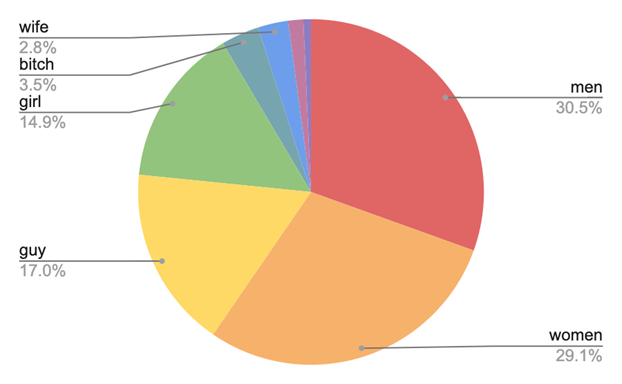
Regarding the lexical data, contrary to what we initially predicted, we did not see a high use of derogatory language towards women. Pretty substantially, the majority of words used to reference men and women were the words “men” and “women.”

Figure 1. This graph shows the breakdown of how common the words we picked were across the TikTok videos we analyzed. The two smallest slices were too small for Google Sheets to show their data. The pink slice is for the word “hoe” at 1.4%, and the purple is for the word “female” at 0.7%.

However, when looking at a breakdown of what words are used in what context, there are more interesting results.

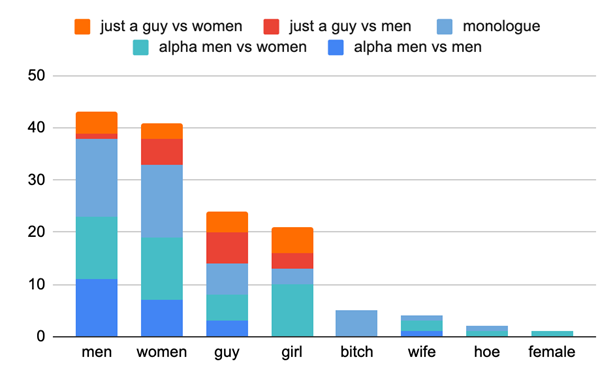
Figure 2. This graph shows the number of times each word was used across all the TikTok videos.

As we can see, alpha male podcasters use more words to refer to women than non-alpha male podcasters. The non-alpha male podcasters used only the words “women” and “girl” and didn’t use any other references when talking about women. When talking to women, alpha male podcasters almost exclusively used the word “girl.” In our data, they never used the word “girl” when talking to other men. Similarly, alpha male podcasters only used the words “hoe” and “female” when they were talking to women.

There was only one instance of an alpha male podcaster using the word “female,” and it was when he was talking to some women about cheating. The alpha male podcaster said:

What is interesting about this is that he also used the word “women” in the same sentence. He made two categories of women, “women” and “females.” When talking about the partner who receives love from a man, he used the word “women.” When he was talking about a person that a man would have sex with, he used the word “female.” This creates a dichotomy between women who are loved — “women” — and women to have sex with — “females.”

When we compiled the data, we counted both plural and singular forms for every word, and there was an overall trend of non-alpha male podcasters using singular forms, while alpha male podcasters often used the plural forms. Usually, when non-alpha male podcasters were talking about men and women, they would be talking about specific situations, while alpha male podcasters would usually be making sweeping statements about men and women in general. In general, there seemed to be an overarching pattern of alpha male podcasters talking about the general broad topic of “men and women.” On the other hand, we actually found it a little hard to find non-alpha male podcasters talking about men and women as a broad topic, and usually, they would be talking about their own personal experiences or hypothetical situations regarding romantic relationships.

Also, non-alpha male podcasters on average seemed to be younger than the alpha male podcasters, which would explain the low frequency of the word “men” by non-alpha male podcasters. It seemed that they were more comfortable referring to themselves and other men as “guys.” Interestingly though, when comparing words referencing men and women, the words “men” and “guy” were more frequent than the words “women” and “girl.” There was only a slight difference, but it is interesting to see that it was consistent that words referring to men were used slightly more than their feminine counterparts. This could also be explained by the fact that both groups of podcasters are slightly more likely to make statements relating to themselves, as they identify as men.

The most compelling data we found in the TikTok video transcripts were words that referenced men and women, and we didn’t find any other specific words that were super frequent in the videos we looked at. There was no quantitative data on other words, but overall, alpha male podcasters definitely expressed ideas of sexism and gender essentialism much more frequently than non-alpha male podcasters did.

Discussion and Conclusions

In our study, we wanted to investigate an “alpha male’s” general language and the prevalence of certain words they use. The results of our findings suggest that alpha males do try to impose and assert dominance and interrupt others when they are speaking to others. Alpha males showed intolerance when they were faced with conversations with males or females who did not agree with their point of view.

We found a lot of interesting things in our data, things that matched up with what we originally predicted and things that did not. In our lexical item results, the frequent usage of “girl” about women by alpha male podcasters is extremely interesting. Because these men often criticize women and the behaviors they associate with women when doing so, the preference for the word “girl” when talking to women directly could be taken as a form of dismissiveness towards women and their autonomy, infantilizing them and writing them off as something that needs to be taught and controlled. In the interruption results, the assertion of dominance from alpha male podcasters escalated when there was a disagreement between alphas and other men in conversations. It seems that alpha males not only want to assert their dominance over women but also other men.

Overall, these patterns that we witnessed in our research reflect underlying tactics of dismissiveness and clear tactics of dominance used by alpha males. Unlike what we thought, alpha males were more subtle in terms of low use of marked words; they instead used unmarked words, perhaps because they realized that derogatory terms are not as socially acceptable. On the other hand, something like interruption is not something that is clearly marked or visible, so alpha males seem to fully employ that tactic.

Also, some things that are important to note is that it was pretty obvious that a lot of these alpha-male podcasters were trying to “rage bait” and get a reaction out of their guests or the audience. Most of the videos that popped up were alpha male podcasters berating women about their choices on men, speaking on how women should act, etc. Due to the nature of social media algorithms, it’s impossible to randomly pick videos. However, in a way, it does show which videos are getting viewed the most and, in turn, what the average person would be more likely to come across. Something else that we did not look at specifically was sentiment analysis. If we looked more closely at what sentiments were expressed when using “girl” vs. “women,” for example, or between alpha male podcasters and non-alpha male podcasters, we might have seen more data that lined up with our original predictions. Even if alpha male podcasters did not use derogatory terms for women, they still expressed negative sentiments about women.

Alpha males are often seen as a meme or outrageous, and even though the statements they say often are, it seems that there is some kind of conscious effort to stray away from derogatory terms that would immediately be flagged by the general public. Through our analysis, we can see that there are many other factors and tactics that seem to be a part of the repertoire of alpha males. We have only looked at the surface, but hopefully, our research could serve as a starting point for investigating other factors that go into the way alpha males speak.


References

Johnson, F. L., & Aries, E. J. (1983). Conversational patterns among same-sex pairs of late-adolescent close friends. The Journal of Genetic Psychology: Research and Theory on Human Development, 142(2), 225–238. https://doi.org/10.1080/00221325.1983.10533514.

Lawson, R. (2020, January 14). Language and masculinities: History, development, and future. Annual Review of Linguistics. https://doi.org/10.1146/annurev-linguistics-011718-011650.

Ludeman, K., & Erlandson, E. (2006). Alpha Male Syndrome. Harvard Business Press.

Russell, E.L. (2021). Masculinities, Language, and the Alpha Male. In: Alpha Masculinity. Palgrave Studies in Language, Gender and Sexuality. Palgrave Macmillan, Cham. https://doi.org/10.1007/978-3-030-70470-4_2.

Roger, Derek B., Bull, Peter E., & Smith, Sally (1998). Journal of Language and Social Psychology. The development of a comprehensive system for classifying interruptions. 7:27-34.

[/expander_maker]
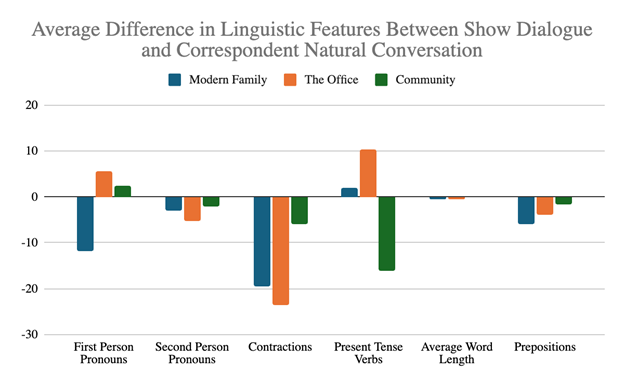
, , , , ,

Influencer Speech and Indexicality

Shogo Payne, Olivia Brown, Jade Reyes-Reid, Ricardo Muñoz, Priscella Yun

Stereotypically, people consider TikTok influencers to be vapid and unimportant. However, through our research on the language of TikTok influencers, we have found that through particular lexical choices, influencers establish their niche within the beauty industry by appealing to the emotions of viewers, becoming vessels for product promotion and marketability. Our work has proven that the greater frequency of inclusive and second-person pronouns, as well as language heavily using imagery and hyperbole, is the key to success for beauty influencers. We compare videos from five of TikTok’s most popular beauty influencers to see if our targeted lexical features can be shown to not only correlate with an increase in popularity on the platform but also to engage viewers as part of an exclusive community. Creators and brands will benefit from awareness of these linguistic tools’ ability to promote their message and products, while also giving them linguistic factors to consider in terms of marketing.

[expander_maker id=”1″ more=”Read more” less=”Read less”]

Background

In recent years, TikTok has risen to unfathomable popularity, overtaking leading social media apps. While the premise of short-form content like that of TikTok is not new – its predecessor being Vine – TikTok is different in that it has the ability to reach mass audiences and create communities centered around a person and their interests. This in turn gets heavily exploited by brands eager to hand out sponsorships in an attempt to market to these communities of interest.

Many of the larger “niches,” a term we define as a subculture of TikTok, establish themselves as bona fide online communities through a distinct style of content made to satisfy viewers’ expectations from creators. While this “style” of content is often related to the niche of interest, creators’ identities undeniably play a role in the reception of such content. Afterall, two creators in the same general niche may attract individuals with different preferences as a result of the linguistic differentiation. Thus, the language used by Tiktok creators is equally important in establishing a style which connects with audience members.

In the world we live in, we cannot escape from media information. Constantly, we endure such things as advertisements, billboards, and TikTok notifications. The amount of words and numbers we take in every day seems to be increasing, almost violently so. Think about how Instagram creators refer to their content output as their “feed,” which we interpret literally: a stream of consciousness which their followers consume. Consequently, and subconsciously, we have to be able to “filter” what knowledge we take in, that knowledge which is concerning to us. TikTok and similar social media platforms already have a system in place to expedite this. TikTok’s “For You” page, the home page, is where the app’s analytical system gathers recommended content, based on the user’s recent viewed-content activity, to show the user. Psychologically, this is what we deem as “influencer speech.” This phenomenon of speech has been noted by many including new articles, like in one by VICE, stating that it is “the perfect balance between buoyant yet flat; it gives just enough away, without really giving anything away; it keeps me from scrolling past the video” (Hall). The visual and audio content of a video needs to be attention-grabbing in a novel way to the user, in order to not be scrolled away. If the TikTok creator cannot capture the attention of the user within the first couple of sentences, it may as well be an admission of defeat. If we look at it differently, the main property that influencer speech holds is the ability to build an image or identity in your mind that psychologically indexes for a particular niche which may or may not suit us.

The duty of a TikTok influencer is to relate to audiences while also being marketable to brands for the purpose of product promotion. With the importance of strategic language in mind, we ask the question: Do TikTokers modify their speech to increase marketability? Our expected answer to this question was yes. Through observation of a collection of lexical features that we deem influencer speech, we found correlations with greater frequency of positive feedback, as well as indexation of leadership within a specific online community.

Previous investigation into social media advertising has proven social media promotion to now be more effective than traditional TV commercials (Chen, et al. 2023). This finding motivated our research in proving the importance of understanding social media advertising in this social media-driven landscape we find ourselves in. Additionally, a study conducted by Munaro et al. suggests that certain lexical items can increase audience engagement and brand partnerships (Munaro, et al. 2024). Previous research has also indicated that lexical terms act as facets of one’s identity in discourse (C.M Davis. 2020). We wanted to take this research a step further to address how particular lexical features often associated with influencer speech may help or hinder one’s marketability within the volatile landscape of TikTok influencing. It was important for us to address this question in a way that would be easy for non-linguists to understand while providing flexibility, so that any conclusions we found should not be so prescriptive as to limit the individuality inherent in casual speech.

We decided to look at the beauty community within TikTok for our data collection not only for its large scale – 1⁄3 of American adults use TikTok, with the majority of those users being women between the ages of 18-24, meaning the majority of TikTok users are likely beauty consumers (Bestataver 2024) – but because product promotion within this niche is highly prevalent and interwoven with the content. The content, as we will be focusing on it, will be the aforementioned lexical terms.

There is a common misconception and stereotype that influencer speech, particularly within the beauty community, is vapid and meaningless. However, we reject this ideology, instead asserting that beauty influencers use particular lexical features to garner engagement and increase marketability. We call this bundle of features “influencer speech”, or “I.S.” in its abbreviated form.

The features we used to define influencer speech are as follows: precision in synonyms, pronoun usage, and hyperbole. Firstly, precision is the usage of descriptive, repetitive synonyms used to build imagery for audiences that creates a psychological closeness to the product. Secondly, we examined usage of particular types of pronouns such as first-person, second-person, and inclusive pronouns (as in we and let’s) to gauge how influencers engaged with their audiences through their speech. Previous research asserts that inclusive language allows influencers to connect with and gain reputability amongst their audience (Prudencio, et al., 2023), thus inspiring us to look more closely at TikTok beauty influencers’ use of inclusive pronouns. Furthermore, in a podcast about effective persuasion, Professor Jonah Berger describes how tapping into consumer identities causes them to call to action while feeling a closeness (Jonah, 2023). Lastly, we looked at hyperbole, which we consider any speech that exaggerates a product’s quality and novelty and/or a consumer’s need for the product. We included hyperbole since research on its use within everyday speech suggests its use as ‘highly’ interactive, which emphasizes its potential power as a lexical term to connect with audiences (McCarthy & Carter, 2004). Within this category of hyperbole, we looked at phrases such as “life-changing,” “you need this product,” or influencers describing products as “the best ever.”

Methods
Previous research indicates TikTok’s immense value as a tool to gather legitimate sociolinguistic data (Alajmi, 2023). We examined the speech of five top TikTok beauty influencers by first inspecting five non-sponsored videos from each respective creator to create a baseline idea of their speech when they are not advertising a product. We then compared this data against their speech when they were advertising a product or doing a review, surveying five additional videos of this kind and recording how many of our target lexical features were used and how often. The relative frequency of each lexical item was counted in terms of categorizing every video into whether it contains more hyperbolic language, precision, or pronoun usage. This in turn would allow us to gauge a shift in influencer speech when promoting products through analysis of frequencies. Ultimately, this would allow us to determine the potential most effective aspects of influencer voice when it comes to influencing audiences.

We knew it was vital to consider the context of content creators’ backgrounds, which may lead to inherently unfair comparisons. This is why the five influencers we chose are leading American makeup creators known to innovate in products and methods of application. All five have at one point or another been looked to for advice and to dictate what the next trending item or application method would be. As all of the creators are American, we can generally consider their cultural backgrounds to be similar, therefore eliminating concern surrounding cultural differences as a factor in their speech.

On each video, we documented the number of views and likes garnered, then took a sample pool of 20 comments to evaluate whether the responses were mainly positive, negative, or neutral. Our evaluation process was this: comments expressing approval, excitement, or support for either the product, video, or creator are positive; comments unrelated to the topic or creator are neutral; comments expressing disapproval, disappointment, or disagreement with the video or creator are negative. We then compared these findings for each of the TikTokers to see what lexical features or variables are associated with influencers and how their presence affects the audience.

Results

Overall, we found that influencers generally increased their usage of second-person pronouns and synonyms across all promotional content. We also found an increase in use of inclusive pronouns, with the exception of one creator from our sample, Meredith Beauty. As for first-person pronouns and hyperbolic language, we had more inconclusive results, as usage did not shift much from promotional to non-promotional content within our sample. As seen in Figure 1.1 below, inclusive pronoun usage increased 106% in sponsored content, second-person pronouns increased 62%, and synonyms increased 141%, while first-person pronoun usage decreased slightly by 18%, and hyperbole similarly had a slight decrease by 14%.

Figure 1.1. Average lexical features used in promotional videos versus non-promotional videos.

We also observed a higher number of positive comments, views, and likes within sponsored videos. Inversely, neutral and negative comments seemed to decrease with sponsored content. Figures 1.2 and 1.3 showcase our data on the quality of comments and the levels of engagement. Positive comments were shown to increase slightly by 1% in sponsored content, indicating inconclusive results due to the miniscule amount of change from sponsored to non-sponsored content. Neutral comments decreased by 16%, and negative comments decreased by 10%. As these numbers are relatively small, we cannot draw any complete conclusions from this sample. However, a large uptick in viewership of content was noted in our data, with a 106% increase for sponsored content. Additionally, likes increased by 125% in the sponsored content we observed.

Figure 1.2. Average comments for promotional versus non-promotional videos.

Figure 1.3. Average engagement across promotional versus non-promotional content.

Overall, we found that our identified lexical features of influencer speech were used more often in promotional content, indicating a correlation between usage of influencer speech and product promotion.

Discussion and Conclusion

Our findings on influencer speech and promotional content on Tiktok carry various implications in real world application of marketing strategy and engagement. For instance, our findings suggest that certain lexical terms, when used strategically in social media content, can result in higher levels of engagement. We hypothesize that this higher engagement results from creators’ indexation of a leadership role in the beauty community through the use of lexical terms audiences connect to, aiding in the development of trust between creator and consumer. Our results also raise questions about the role of influencers in our society. Rather than just provide entertainment, there is immense value in their role as a talking head for product promotion. Our analysis could help us demystify the distinction between entertainer and advertiser. Future research could examine influencer speech outside of the beauty community to see if these findings are consistent across all online influencing communities and platforms, rather than the TikTok beauty community alone.

Results that strayed from the overall trend of the data could correlate to numerous hypotheses. Demonstrating credibility by restraining from fallacies such as hyperboles and increased use of inclusive pronouns causes viewers to believe the review of the product is credible and therefore, increases the marketability of content. There may also be differences between personal speaking styles and brand guidelines that are required when creating sponsored content, such as promises to include certain phrases or even scripts given to influencers.

We acknowledge that limitations pertaining to scope occurred throughout our research project. Due to our project’s scale, we viewed 5 different influencers with 10 videos each. All the influencers were from similar backgrounds as rich, successful, American influencers. If we had more time, we could expand our sample size to include influencers from more diverse backgrounds to see if influencer speech is still used in other cultures. This revision could determine if the trends we found are generalizable. Additionally, influencers on TikTok are able to moderate their comment section, meaning our data gathered from comment sections could be inaccurate and cherry-picked by the influencer. Finally, we did not take video length into account. However, if we had more time, analyzing video length alongside these other features could reveal patterns relating to how often features were used per second or per minute, giving an even more accurate analysis of the data.

Despite these limitations, our exploration of influencer speech has revealed intriguing insights into how code-switching within influencer speech appears to aid marketability. Our thesis predicted that influencers used influencer speech more often in promotional content in order to increase marketability. After analyzing our data, we can say that this is partially true. Inclusive pronoun, second-person pronoun, and synonym usage did increase in promotional content, though our analysis of first-person pronouns and hyperbole was inconclusive. We hope that our research can serve as a catalyst for deeper inquiry into how persuasion appears in the digital world as a sociolinguistic tool.

References

Alajmi, N. M. (2023, August 1). The Speech of Social Media Influencers in Najd: Introducing a New Source of Sociolinguistic Data. Academy Publication. https://tpls.academypublication.com/index.php/tpls/article/view/6552.

Berger, J [Social Media Examiner] (2023, March 16). The Language of Persuasion: Magic Words to Get Your Way. YouTube. https://www.youtube.com/watch?v=6teWZLgvUso.

Bestvater, Samuel. (2024, February 22). How U.S. Adults Use TikTok. Pew Research Center. https://www.pewresearch.org/internet/2024/02/22/how-u-s-adults-use-tiktok/.

Chen, G., Li, Y., & Sun, Y. (2023, February 15). How youtubers make popular marketing videos? speech…Sage Journals. https://journals.sagepub.com/doi/full/10.1177/21582440231152227.

Hall, Alice. VICE. (2023, March 29). Why does everyone on TikTok use the same weird voice?. https://www.vice.com/en/article/k7zq49/why-everyone-uses-tiktok-voice.

McCarthy, Michael & Carter, Ronald. (2004). “There’s millions of them”: Hyperbole in everyday conversation. Journal of Pragmatics – J PRAGMATICS. 36. 149-184. 10.1016/S0378-2166(03)00116-4.

Munaro, A. (2024, July). Does your style engage? linguistic styles of influencers and digital consumer engagement on YouTube. ScienceDirect. https://www.sciencedirect.com/science/article/abs/pii/S0747563224000852.

Prudencio, A. B., Sherwin, C. C., Barcelona, J. A., Niduaza, B., & Tongawan, P. F. C. (2023, July). Stylistic and discourse analysis of the language of social … IRE Journals. https://www.irejournals.com/formatedpaper/1704877.pdf.

[/expander_maker]
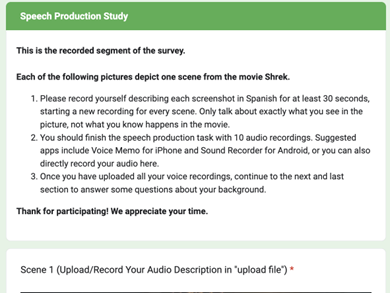
, , , ,

Gender Portrayals in Hip-Hop Lyrics

Jazmin Flores, Charlene Juarez, Javier Nuñez-Verdugo, Sofia Nyez

Hip-hop music as a genre has grown in popularity and oftentimes notoriety among younger generations for its catchy beats, the interesting artists behind them, and the relationships that come as a result of them, whether those be for better or for worse. Beyond its redeeming qualities, however, there has been a push in recent years especially to investigate the prominence of gendered violence in the form of lyricism. In this study, we analyzed the frequency with which certain gendered noun substitutions are found in the top hip-hop songs of 2023 written by men and women alike. With an emphasis on analyzing opposite-sex noun substitutions, our group found that women more often than not tend to refer to men in their music the most out of any other gender-to-gender category. Additionally, we found that women also tend to use the substitute “bitch” up to 3 times more than men do. 

[expander_maker id=”1″ more=”Read more” less=”Read less”]

Figure 1. Several songs that will be analyzed in this article.

Introduction

Hip-hop is a largely male-dominated industry that often finds itself as an entertaining medium/genre for promoting self-pride and rapper “beef” in the form of diss tracks towards other artists. However, the genre has also found itself to be associated with more negative ideas relating to arrogance, misogyny, hypersexuality, and drugs in the public eye. This study will focus on the issues of misogyny surrounding the hip-hop/rap industry, specifically on how women are portrayed in songs via the lyrics, to understand how these communities have contributed to creating a hostile environment for women in our society. In more recent years, there has been an uptick in female rappers who have aimed to take back their power (Krasse, 2019). Female rap artists have transformed targeted, derogatory phrases like “bitch,” “hoe,” and “slut” into forms of empowerment. Through their music and lyrics, they reclaim ownership of these words, reshaping them into symbols of strength and resilience. In doing so, they redefine societal perceptions and assert their power in the face of adversity. This study will mainly focus on the differences between how male and female rappers portray the opposite gender in their music, with a strong focus on how male rappers sexualize or objectify women and how women threaten men’s masculinity. Additionally, we will also take some time to address same-gender portrayals in the hip-hop genre using similar research strategies. We will be examining this through the lexical use and variation across the aforementioned categories.

Background

In recent years, there has been a glorification of this genre of music despite its content. While we are aware that misogyny is clearly present in these songs, it is interesting to analyze how it has influenced our society for better or for worse. First, we will be focusing on the language that current male and female rap artists use in their work. Music has the power to change a person’s mood or perceptions in relation to sexism (Cobb & Boettcher, 2007). Therefore, we will also comment on how the content of current male and female rap artists’ music has affected younger generations. It is important to analyze how the use of explicit language about women has affected society’s perception of them.

Figure 2. Popular rappers included in Spotify playlist ‘RapCaviar Presents: Best Hip-Hop Songs of 2023.’

In this study, we proposed the question: How has misogyny manifested itself in Hip-Hop/Rap music in 2023 comparatively between men and women, as demonstrated through their lyrics when addressing the same or opposite gender? Based on previously investigated data (Sallam & Shim, 2021), we expect to find that men describe women negatively at a higher rate than when they describe themselves, when women describe men, and when women describe themselves.

Methodology

In our study, we will be examining the descriptors of the genders (such as “wack”) and any noun substitutes (such as “hoe”). Popular artists like Gunna, Central Cee, and Travis Scott commonly use noun substitutes like “gold diggers,” ”bitches, and ”hoes” in reference to women. The use of insulting and/or derogatory language towards another on the basis of gender can be seen as a means of affirming the gender of the speaker. While the reasons behind such thoughts are nuanced, the pressing reason that we would like to highlight is gendered linguistic violence being a means of reinforcing traditional gender norms that paint men as superior to women. For a modern-day example of this, we can look no further than to the self-proclaimed “Alpha Male” influencer Andrew Tate, who was popular for a large part of 2023 for his social media content aimed at defending rather reductive and traditional views on gender (Radford, 2024). These views have the end goal of defending this idealized masculinity that celebrates male confidence and resentment towards women for apparently posing a threat to and stigmatizing such traditional gender norms.

The project design will consist of identifying and gathering 20 songs from 2023 male and female rappers. We have narrowed down the song selection to the top 10 rap songs by female rappers and the top 10 rap songs by male rappers from Spotify in 2023. As we analyze the lyrics of this genre, we will look at how men describe women, women describe men, men describe men, and women describe women through the use of lexical items. Specific lexical items include adjectives, phrases, and slurs that are used as forms of derogatory remarks towards the gender that is being described. To identify our data we looked at three categories of lyrics: those addressing women, those addressing men, and those talking about anything else. As a form of methodology, we will calculate how often slurs or insulting/provoking phrases are used in regard to an individual’s gender (Sallam & Shim, 2021).

Results and Analysis

To quantify our data, we looked at three categories across the board through the use of pie charts; one for male artists and one for female artists to help us compare our data. In order to qualify this data, we created a histogram with the most commonly used noun substitutions to get a side-by-side view of its usage by both groups of artists.

Figure 3. Pie chart to tabulate how many references MALE artists make to the following three categories – towards women, towards other men, and everything else/general language.

Figure 3 shows a greater tendency for men to refer to women at 3 times the rate than they do other men when just considering gender-to-gender ratios of speech.

Figure 4. Pie chart to tabulate how many references FEMALE artists make to the following categories – towards men, towards other women, and general language usage.

Figure 4 shows different results and serves as a contradiction to our original hypothesis, showing that women in the top songs of the 2023 hip-hop genre have almost an equal ratio to referring to other women than they do to men (19.6% vs. 19.7%, respectively).

Figure 5. Bar chart tallying the total number of times a noun-substitute to refer to the opposite or same gender was used, divided by gender. Green refers to songs written and sung by men, while pink refers to the same for women.

Figure 5 directly goes against our original hypothesis that men would refer to women negatively the most out of our aforementioned gendered categories. Instead, we see that, for example, women use the selected noun substitutions (excluding “Other”) in their music more than their male counterparts in each bar with at least a 50% or more increase. Conversely, both men and women almost utilize the same rate of “Other” gendered noun substitutes. Examples of these substitutes would be “Karen” towards women and “slow” as a general derogatory noun substitute.

Discussion

Although we originally hypothesized that male artists were to have the highest scores to their female counterparts, the findings based on the data collection were that women tend to talk about men more than men talk about men. In addition, women use profanity more often than men. Specifically, the noun substitute “bitch” is used by women 3 times more than men do, which in the early stages of our study was one of the key noun substitutions. While these findings do prove the large usage of this noun substitution, we were not anticipating it to appear under female rap artists. Relating back to the hypothesis and research question, our hypothesis was disproved, given how women speaking on men was the highest subcategory. It is important to analyze hip hop for its contributions to popular culture and therefore, the influence it has on the greater population when it specifically utilizes gendered language. Some examples were seen in the number of words that were used, for instance, in Men’s Hip-Hop Top 10: there were 6,303 words versus 5,814 words for Women’s Hip-Hop Top 10. The noun substitutions for women are a direct manifestation of misogyny in hip-hop music. In the hip-hop world, words often carry a double meaning. Is it possible that we were proven wrong? Or do the usages of “bitch,” “hoe,” and “slut” carry a double meaning? It is possible that the times we simply tally these words neglected the context of its usage in the song. In particular, there is a difference when male rap artists use certain words and when female rap artists use the same word. Let’s take a look at the importance of double meaning and context:

While male artists use the noun substitution to degrade and sexualize women, female artists use it to empower women. They redefine what “bitch” means to women. By doing so, these women are taking back their power, as they no longer give men the ability to use words as weapons.

Conclusion

We believe it would be beneficial for future research to be conducted concerning this topic, as some limitations of this study included time constraints and a need for more expansion. One area of expansion includes analyzing music from other languages that hip-hop and rap are produced in besides English, and a possible comparative analysis between English-language music and foreign languages could be beneficial as a cross-cultural study. Furthermore, a study comparing the hip-hop of earlier decades to current music could also yield significant results, as hip-hop and rap are rapidly changing cultures owing to a number of factors, as detailed in Ellen Chamberlain’s TED Talk on the history of misogyny in the hip-hop industry. While a bit broad, it could also be interesting to look into some comparisons between other genres of music in conversation with the hip hop genre.

During our presentation, we were asked if the race of the rapper had anything to do with their language use. While this is probably a factor, as we investigated during the course that every aspect of a person’s personality plays a role in the way they speak, we chose to focus on the gender of the artists instead. This is because many of the artists in the hip hop industry are African American, and thus, it would be difficult to distinguish between marks of the group or marks of the music industry. We also did not want to perpetuate the stereotype of the “violent black man” or “angry black woman” through our research and decided to stick to only the gender differences. Though, it should be noted that there are definitely more factors at play in the language use of hip-hop artists besides their gender, and it could be beneficial to study more into that topic using careful consideration.

We believe that this study can fit into the larger body of research surrounding misogyny in the hip-hop industry as displayed through linguistic elements. Though the results aren’t exactly exemplary of what has been previously displayed in the literature, we believe it opens the floor for more discussion about not just the prevalence of discrimination but the forms in which it might come. While much literature believes women to be the target of discrimination from men for the most part, our research found that women not only speak about men at a higher frequency but use derogatory terms more often as well.

All in all, while progress has been made in addressing misogyny within hip-hop, rap music, and artists, there is still much work to be done. By understanding the nuances of gender representation in lyrics and challenging harmful stereotypes, the industry can move towards a more inclusive and unprejudiced community for future artists and listeners.

References

Boettcher, W. A., & Cobb M. D. (2007). Ambivalent Sexism and Misogynistic Rap Music: Does Exposure to Eminem Increase Sexism?. Wiley Online Library. https://doi.org/10.1111/j.1559-1816.2007.00292.x.

Chery, C. (2024). RapCaviar Presents: Best Hip-Hop Songs of 2023. Spotify. https://open.spotify.com/playlist/37i9dQZF1DWZFV9Asvj1J9?si=PdIXfalHQs-tcMM0hRggZg&pi=u-Abilm4LaTuW5&preview=coverart.

de Leon, A. (2007, June 6). The complex intersection of gender and hip-hop. NPR. https://www.npr.org/2007/06/06/10783904/the-complex-intersection-of-gender-and-hip-hop.

Krasse, L. (2019, Spring). A Corpus Linguistic Study of the Female Role in  Popular Music Lyrics. https://www.diva-portal.org/smash/get/diva2:1481063/FULLTEXT01.pdf.

Neff, S. (2014, May 24). Sexism Across Musical Genres: A Comparison. Undergraduate Thesis Western Michigan University. Pp. 38. https://scholarworks.wmich.edu/cgi/viewcontent.cgi?article=3486&context=honors_theses.

Prior, J. (2017, March 1). Teachers, what is gendered language?. British Council. https://www.britishcouncil.org/voices-magazine/what-is-gendered-language.

Radford, A. (2024, March 12). Who is Andrew Tate? The self-proclaimed misogynist influencer. BBC News. https://www.bbc.com/news/uk-64125045.

Sallam, A. M., & Shim, J. Y. (2021, February). Gender-biased English language in hip hop music. ARC Publications. https://www.arcjournals.org/pdfs/ijsell/v9-i2/1.pdf.

Wayne University. (2019). Misogyny in Hip Hop. TED. Retrieved June 12, 2024, from https://www.ted.com/talks/ellen_chamberlain_misogyny_in_hip_hop.

[/expander_maker]

, , , , ,

Political Polarization: Why are you fighting in the comment section?

Kathryn Cunningham, Anna Tobey, Leia Broughton, Maya Athwal, Nicole Pacheco

Note: This article was written in Spring 2024, prior to Biden stepping down from the presidential race and Trump winning the 2024 presidential election.

Are all news headlines made equal? For our project, we analyzed the potential effects of framing in online news headlines on readership responses in the comments. Digital tools for political discourse are becoming increasingly popular, and we want to investigate how framing in the media can influence political cognition and amplify the political polarization we see in comment sections today. We hypothesized that different framings in headlines would provoke politically biased emotional responses against the opposing political party. We conducted critical discourse analysis of six different headlines pertaining to a singular political event — Michael Cohen’s testimony against Donald Trump — on two news sites from each of the following categories: left-leaning, right-leaning, and neutral. We then compared these analyses of the lexical and syntactic choices used to frame Cohen and Trump with the corresponding comments on each article. We observed high-frequency keywords and identified eight categories for different comment types, considering how each headline could have prompted the intense responses we saw. The results of this project are important in understanding the power of party framing and how it can divide us simply through subtle choices in language.

[expander_maker id=”1″ more=”Read more” less=”Read less”]

Introduction

Have you recently read a comment section that looks more like a war zone and wondered: how did we get here? In our research project, we analyzed news headlines and comments trying to find the source, and we may have part of the answer. Digital tools for political discourse are becoming increasingly popular, and we wanted to better understand how framing influences political cognition and produces the political polarization we see in comment sections today. With this goal in mind, our project explores how framing in news headlines influences reader responses in the comments. Issue framing is when an author uses certain language to subtly present their opinion on a topic, and this can appear in anything from word choice to using passive voice to minimize someone’s culpability in an event. A single event or person can be presented in many different ways, and each of those ways could influence the reader into having a different opinion on the same event (Wang 2024). We specifically focus on party framing, which is when a frame is endorsed by a particular political party; this is extremely influential in the public’s formation of opinions — even more so than regular framing techniques. People will even dismiss a certain opinion just because it comes from the opposing party (Slothuus and de Vreese 2010). We hypothesize that framing in headlines can provoke emotionally-charged comments, with more negative and extreme headlines resulting in more hostility towards members of the opposing party.

Methods

We first analyzed six headlines from news sites of varying political affiliations, focusing on articles about Michael Cohen’s testimony in Donald Trump’s trial. As a control group, we first looked at headlines from PBS NewsHour and The Associated Press, which are perceived as more neutral news sources (Knight Foundation, 2018). Our two left-leaning news sites were The New York Times and HuffPost, and our right-leaning sites were Fox News and the New York Post (AllSides Technologies, 2024). To analyze these headlines, we looked into their uses of framing in their word choice and sentence structure and how these were used to assign blame and express the sites’ own opinions on Trump and Cohen.

After analyzing the headlines, we turned to the comment sections from the left- and right-leaning sources. The neutral sources did not have attached comment sections, and we felt that they served us best remaining as the control from which to compare our other headlines. In analyzing the comment sections, our goal was to see if there was a connection between negativity and framing in the headlines and patterns of hostility and rudeness in the comments. This method limited our options, with many potential news sources pay walling their comment sections or simply not including them at all. Despite the fact that most comments are made on social media (Stroud et al. 2016), we preferred to avoid social media comments, as we felt that they would likely be less genuine and more filled with trolls and “bots.” In order to best organize our analysis, we compiled the most popular comments from each source, and then we compared them to each other to find shared patterns. We built a categorization system, shown in Fig. 11, that best captures the nuance of each comment section in comparison to the others so as to make for better comparison and more accurate connections to the headlines.

Results and Analysis

Our results from our initial analysis of each news headline showed variations in the framing of characters, actions, and descriptions involved in the news story, dependent on each news site’s lexical and syntactic choices. We observed that, despite these variations, each news site’s framing generally reflected their established political bias. For example, the syntactic choices in framing Cohen’s character varies greatly between Fig. 6, which refers to Cohen as an “ex-con”, and Fig.1, which refers to Cohen by name. These choices aligned with the political bias of each news site, thereby demonstrating a consistent correlation between the linguistic framing of each headline and political bias of each site. AP’s headline was a bit more left-leaning than expected, but it was later reposted on HuffPost, proving their left-leaning bias.

Figure 1. Annotated headline from The New York Times (Left).

The New York Times does not mention Trump by name, but it reminds readers of the power Trump once possessed as president by mentioning the Oval Office. The “hush” of “hush money” creates a negative moral judgment against Trump, but overall, this is one of the more neutral headlines.

Figure 2. Annotated headline from HuffPost (Left).

HuffPost frames Trump as an object of ridicule in this headline, granting Cohen power over him. Interestingly, it focuses on a more “gossip” style of reporting rather than things relevant to the trial. The focus on berating Trump makes this headline very biased.

Figure 3. Annotated headline from The Associated Press (Neutral).

The Associated Press features a vaguely left-leaning headline. Cohen is granted credibility with connotations of celebrity, intrigue, and duplicity. There is a clear negative morality judgment against Trump in calling it a “scheme” instead of a “trial.”

Figure 4. Annotated headline from PBS NewsHour (Netural).

This PBS NewsHour headline is the most neutral of the six. They use an actual quote from Cohen, focusing on the facts.

Figure 5. Annotated headline from Fox News (Right).

The Fox News headline frames Cohen as bumbling and spiteful. Trump becomes a victim of a hateful Cohen in this frame, creating sympathy for Trump and a distrust in Cohen.

Figure 6. Annotated headline from the New York Post (Right).

The New York Post frames Cohen as untrustworthy by describing him as an “ex-con.” Trump is a clear victim in this version of events. The headline also implies that Cohen is dredging up “old” events to ruin Trump’s 2024 campaign.

Following this, we observed the top comments received by each article with a particular focus on keywords responding to the framing effects of the headline. Firstly, we observed a larger frequency of comments about Trump, the trial, and the general political situation, rather than of Cohen and his testimony. As predicted in our hypothesis, the more polarized headlines had more drastic and emotion-filled comments than the more neutral headlines. Both political sides were firm in their stance, unwilling to budge and change their perspective, with comments typically made to degrade or vilify the other side.

Using keywords and notes from our initial observations, we identified eight key categories of comment-types which reflected similar biases that we observed from our headline analysis (Fig. 11). We created a color-coding system for analyzing our top comments according to these categories to measure the frequency of each category within each news sites’ comment section.

Figure 11. Eight categories used for comment analysis.

As we hypothesized, hostile discourse, sarcasm and animosity, and insult or threat against the opposing party were consistently apparent across all four sources. However, we observed variations between left- and right-leaning discourse styles between both comment sections, and these are potentially related to the framing of each corresponding headline. These two comment analyses below demonstrate this difference in discourse style: 

Figure 12. Comment under article from The New York Times (Left).


Figure 13. Comment under article from the New York Post (Right).

We believe that these differences are potentially related to each party’s political and moral ideologies, which were reinforced by each headline’s framing. For example, higher frequencies of deflection and victim mentality among right-leaning comments might reflect defensive language in response to Trump’s victimization in right-leaning headlines and Trump’s vilification in left-leaning headlines.

As shown in Figs. 7 and 8, we observed that hostile discourse, insult or threat, and sarcasm or animosity had the highest measure of frequency in our left-leaning sources. Figs. 9 and 10 show that hostile discourse, victim mentality, rationalization, and insult or threat had the highest measure of frequency in both our right-leaning sources. Interestingly, we also observed that supporting discourse was present in both sides, particularly in responding to others’ comments to reinforce their political beliefs. We believe that these findings show potential consequences for politically biased news headline framing that are manifested in comment sections by the reinforcement of certain political ideologies and antagonization of opposing parties, creating a sort of “echo chamber.”

Figure 7. Comment categorization for The New York Times article (Left).

The New York Times comments tend to focus on the insinuation of Republican corruption. The comments were mainly directed towards Trump, attacking and vilifying him. When Cohen was mentioned, it was typically a positive association or connotation. Comments appeared heavily moderated, or perhaps the more neutral headline resulted in less intense comments.

Figure 8. Comment categorization for the Huffpost article (Left).

The HuffPost had less serious comments heavily filled with sarcasm, mockery, and insults towards Trump. With almost no mention of Cohen, the comments were mainly full of mocking and taunting remarks, with few attempted claims of substance.

Figure 9. Comment categorization for the New York Post article (Right).

The New York Post focuses mainly on the content of the article, with strong remarks that the trial was set up by immoral Democrats. With the victimization and support of Trump, Cohen is framed as a devious liar who cannot be trusted.

Figure 10. Comment categorization for the Fox News article (Right).

The Fox News comments had a mixture of the victimization of Trump and framing Cohen as an incompetent liar. The commenters also had a strong belief that the trial was fraudulent and biased.

Discussion and Conclusions

Our findings suggest that political framing in headlines through lexical and syntactic choices does create biased responses across the political spectrum. With political polarization in media becoming increasingly prevalent, especially considering 2024 is an election year, our findings are very relevant to discussions around the impact of media on public opinion and discourse. For instance, we found that headlines considered to be more neutral, such as the New York Times, resulted in less discourse between political parties, specifically with less engagement from the right, and the more biased headlines resulted in more hostile rhetoric and discourse in the comment sections between members of opposing parties. Therefore, our findings suggest that headlines that are considered to be more biased provoke stronger, more polarized discourse. Given that our study was limited by factors such as comment moderation and paywalls, a more comprehensive study might include social media responses or a broader range of politically-affiliated news sites rather than just the six we analyzed. For future research, we believe that our ideas can be expanded into a larger study using emerging AI models to analyze larger datasets from social media, which would yield more conclusive results. Perhaps they could detect bots and trolls on social media as well, removing that from consideration.

The next time you are scrolling through the comment section on a political piece, take a moment to recognize what might cause strong feelings one way or another and how that is really affecting your perception of current events. With the tools presented, you now might be able to understand why there is so much fighting in the comment section.

References

AllSides Technologies. (2024). AllSides Media Bias Chart. AllSides. https://www.allsides.com/media-bias/media-bias-chart.

Baratta, A. M. (2008). Revealing stance through passive voice. Journal of Pragmatics, 41(7), 1406-1421. https://doi.org/10.1016/j.pragma.2008.09.010.

Boydstun, A. E., Gross, J. H., Resnik, P., & Smith, N. A. (2013). Identifying Media Frames and Frame Dynamics Within and Across Policy Issues. New Directions in Analyzing Text as Data, 27-28. https://faculty.washington.edu/jwilker/559/frames-2013.pdf.

Gligorić, K., Lifchits, G., West, R., & Anderson, A. (2021). Linguistic effects on news headline success: Evidence from thousands of online field experiments (Registered Report Protocol). PLOS ONE, 16(9). https://doi.org/10.1371/journal.pone.0257091.

Knight Foundation. (2018). Perceived accuracy and bias in the news media. Gallup. https://knightfoundation.org/wp-content/uploads/2020/03/KnightFoundation_AccuracyandBias_Report_FINAL.pdf.

Slothuus, R., & de Vreese, C. H. (2010). Political Parties, Motivated Reasoning, and Issue Framing Effects. The Journal of Politics, 72(3), 630–645. https://doi.org/10.1017/s002238161000006x.

Stroud, N. J., Van Duyn, E., & Peacock, C. (2016). Engaging News Project: News Commenters and News Comment Readers. Center for Media Engagement, Moody College of Communication, University of Texas at Austin. https://mediaengagement.org/wp-content/uploads/2016/03/ENP-News-Commenters-and-Comment-Readers1.pdf.

Wang, H. (2024). Linguistic Analysis of News Title Strategies in Media Frame—A Case Study of ‘The Mueller Investigation’ in the News Titles of The New York Times and Fox News. Journalism and Media, 5(1), 342-358. https://doi.org/10.3390/journalmedia5010023.

Zhou, Z. (2022). Discourse Analysis: Media Bias and Linguistic Patterns on News Reports. Advances in Social Science, Education and Humanities, 637, 271-277. http://dx.doi.org/10.2991/assehr.k.220131.049.

[/expander_maker]
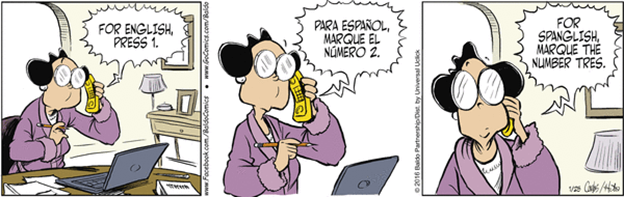
, , , , , ,

Dialogues of Fame: Unveiling Gender Dynamics in Celebrity Interviews

Elizabeth Escamilla, Penelope Hernandez, Kenzie MacDougal, Jason Ye

Human interaction is complex and, at a sociolinguistic level, can be challenging to parse. With that in mind, we chose to analyze celebrity interviews — definite and structured slices of conversation whose participants were conscious of the invisible future viewer. Informed and inspired by studies such as Julia T. Wood’s “Gendered Media: The Influence of Media on View of Gender,” Rossi and Stiver’s “Category-Sensitive Actions in Interaction,” and Tavitz and Perez’s “Language influences mass opinion toward gender and LGBT equality,” we investigate patterns of interaction and indexical shifts as they may be affected by the genders of the involved parties. Taking two-minute segments from each interview, we classified questions as personal or professional and invasive or appropriate. Anything deviating from expected interview etiquette was noted, whether that be word choice or tone of voice, as well as the reactions of any third parties. Most importantly, we classified the ways in which interviewees responded to invasive lines of questioning, specifically as one of the following: retaliatory questioning, a passive aggressive remark, a humorous deflection, a partial answer, or a direct answer. A significant trend of women receiving more invasive and personal questions quickly appeared, though our investigation suffers from a possible selection bias. Therefore, future investigations should pull from a much larger and more varied sample of interviews.

[expander_maker id=”1″ more=”Read more” less=”Read less”]

Introduction and Background

Celebrity interviews aren’t conversations that take place in a vacuum; they may be viewed by hundreds, if not thousands, of people. Additionally, the predefined question-answer format of an interview makes it easier to parse for sociolinguistic analysis. Needless to say, we found celebrity interviews to be generous data points for analyzing patterns informed by the gender identities of the involved parties.

Studies like Julia T. Wood’s “Gendered Media: The Influence of Media on View of Gender” show us how the media’s representation of men, women, and queer people may affect a viewer’s understanding of gender roles. Problematic patterns are uncovered: “men and women are portrayed in stereotypical ways that reflect and sustain socially endorsed views of gender… depictions of relationships between men and women emphasize traditional roles and normalize violence against women” (Wood, 2013). Unlike fictional movies and television shows, the interactions recorded in celebrity interviews involve real people, or at least believable personas designed with the public eye in mind. It follows that interviews with respected, famous individuals play a greater role in influencing what people deem socially acceptable behavior. Thus, when audiences watch mistreatment of women play out with little to no consequence, they may feel validated in their own experiences with misogyny, as either a perpetrator or victim.

Media is both what its creator produces and what the viewer brings to their experience with it. The manners in which interviewers and interviewees carry themselves both reflects and defines current standards for human sociolinguistic communication. Inspired by “Category-Sensitive Actions in Interaction,” we hope to identify patterns in lines of questioning and the manner in which these questions are handled. That study outlines how boundaries of social membership are exposed in ordinary interactions — “the distribution of rights and constraints to perform certain actions creates boundaries in people’s activity space, which are typically respected but sometimes exposed or even crossed” (Rossi and Stivers, 2020). As it pertains to our investigation, when an interviewee is asked an invasive question, this may be classified as a transgression of these silent boundaries.

So, we aim to contribute to a growing body of work suggesting that different behaviors and patterns of interaction vary based on the gender of the interviewee, unfortunately often at the expense of women and queer individuals.

Methodology

We chose to study a variety of variables for this project, including the frequency of personal versus professional questions, word choice and tone of voice used by the interviewer, and the methods interviewees used to navigate controversial questioning.

Upon examining an interview, we followed a set of steps to extract and prepare the data for analysis moving forward. First, it’s important to classify any questions as being professional, personal, appropriate, or invasive.  Professional questions relate strictly to the interviewee’s work, while personal questions deviate from this. Similarly, appropriate questions are given to those that are deemed socially acceptable, such as topics commonly discussed with acquaintances, while invasive questions are not. Next, we take note of any speech or tone used by either interviewer or interviewee that may deviate from the expected etiquette of interviews. From here, we classify methods used by interviewees to ease out of or address uncomfortable questioning. We chose to classify these among the following: direct answer, partial answer, humorous deflection, passive aggressive remark, or retaliatory questioning. Humorous deflection involves the use of humor in an effort to avoid responding to the question. A passive aggressive remark includes any form of snarky or sarcastic response, including those done purposefully to attack the interviewer. Retaliatory questioning is the act of answering the original question with a question of one’s own. Finally, if the selected interview happens to involve more than one interviewee, it is important to also take note of any third party reactions or interactions to awkward questioning. 

To demonstrate our methodology, we will examine an interview with Scarlett Johansson and Jeremy Renner for their film The Avengers (2012). The first question, directed at Johansson, was: “Were you able to wear undergarments [with your costume]?” This question was labeled personal and invasive. Johansson responded with a passive aggressive remark and retaliatory questioning: “I’ll leave it up to your imagination, okay, whatever you feel like I should be wearing or not wearing under that costume” (Passive Aggressive Remark) and “What is going on? What? Since when did people start asking each other about- in interviews about their underwear?” (Retaliatory Questioning). Later on in the interview, Jeremy Renner is asked a question about an injury: “I understand you got hurt pretty badly though. How’d you do that?” This was labeled as professional and appropriate, and no other notes were taken as there was no unique use of tone, word choice, or navigation methods.

Results & Analysis

In this section, we will break down the details of our results and perform analysis on each individual dataset table (interviews); let’s start with some visuals demonstrating the overall statistics.

Table 1. This table shows the totaled data from individual datasets (interviews) into one table.


Figure 1. This graph shows the number of personal vs. professional questions the interviewees received based on their respective gender.


Figure 2. This graph shows the number of appropriate vs. invasive questions the interviewees received based on their respective gender.

Just from these few charts, we can already gauge a sense of skewedness, one that seems to confirm our hypothesis: female interviewees, regardless of the gender of the interviewer, are likely to encounter more personal questions compared to male interviewees. Indeed, we can see that 61% of the questions asked to female interviewees were personal, as opposed to 41% of the questions posed to their male counterparts (49% increase). On top of that, we found 39% of the questions asked to female interviewees were also invasive in nature, while only 17% were invasive for male interviewees, which is a 129% increase, more than twice as many invasive questions. This disparity in question types based on the interviewees’ gender is alarming.

To navigate these invasive lines of questioning, we found that male and female celebrities tend to employ different methods. Female celebrities mostly used retaliatory questioning, humorous deflection, and direct answers — the first two methods being more indirect ways of signaling to the interviewer that the line of questioning was inappropriate. Male celebrities, on the other hand, mostly used direct answers and passive-aggressive remarks, which we speculate is due to men feeling more comfortable asserting themselves in these socially invasive situations.

Now, having discussed the key points of our results, we will provide additional analysis on each individual dataset (interview) separately.

Table 2. Data for The Avengers interview with Scarlet Johansson and Jeremy Renner (Male Interviewer).

This first dataset/interview was already touched on in the previous section on methodology, it suggested the same disparity in question types between the female and male interviewees. Scarlet Johansson received a disproportionate amount of personal and invasive questions and had to defend herself using mainly retaliatory questioning, while Jeremy Renner received only appropriate or professional questions.

Table 3. Data for Dan Stevens and Emma Watson interview for Beauty and the Beast (Female Interviewer).

This dataset/interview is an outlier amongst all the other datasets. First thing we noticed is the empty “Methods Used to Navigate” column; we didn’t need to fill in any. All the questions were appropriate and professional with only one personal (but appropriate still) question directed at Emma Watson. Interestingly, this is also the only interview in our entire dataset pool with a female interviewer; more evidence and data would be needed to come to any meaningful conclusions about whether the gender of the interviewer correlated with the fact there were no invasive questions.

Table 4. Data for interview with Zendaya, Mike Faist, and Josh O’Connor for Challengers (Male Interviewer).

There are two invasive questions, and both were directed at Zendaya. The note-worthy takeaway here is the fact that both her co-stars Josh and Mike came to her support/rescue with direct answers trying to further alleviate the awkward situation after Zendaya responded initially with a retaliatory question.

Table 5. Data for interview with the cast of Star Wars: The Last Jedi (Male Interviewer).

Out of the three invasive questions in this dataset/interview, two were directed at a male interviewee (certainly an outlier too in and of itself). Here, we see the use of a passive aggressive remark employed by the male celebrity and a partial answer instead of a more direct one, though the tone does not detract too much from a direct one. The female interviewee employed a humorous direct answer; though a direct answer, the tone is more of just a humorous answer without the impact of a completely direct response.

Table 6. Data for interview with Christian Bale and Anne Hathaway for The Dark Knight Rises (Male Interviewer).

Both invasive questions were directed at Anne Hathaway, and humor and deflection were used to navigate the situation. All four of the questions directed at her were personal. While the male interviewee also received only personal questions, none of them were invasive.

Circling back to our hypothesis one more time after the more detailed look into each dataset, we can establish the clear gender bias in type and appropriateness of questions posed to celebrities in interviews, with female celebrities disproportionately subjected to more personal and invasive questions — confirming our suspicions and reflecting societal attitudes and expectations around gender.

Discussion and Conclusions

Based on our findings, we can conclude that there needs to be more discussions about indexicality and societal attitudes towards celebrity culture. Our study found that female interviewees are more likely to receive personal and invasive questions compared to their male coworkers. We observed that interviewees have various strategies to navigate these invasive questions, such as using humor or redirecting the conversation. This finding aligns with our hypothesis and suggests that gender does play a significant role in the nature of questions asked in celebrity interviews.

When comparing our own study with previous research, we can view consistent results with Rossi and Stivers, Tavits and Perez, and Wood. They show that female celebrities often face questions that cross personal boundaries, contributing to the systemic stereotyping and underrepresentation of women in the media. Interestingly, in the Tavits and Perez article, they found that “the effects of feminine pronouns parallel those of gender-neutral pronouns: both heighten the salience of non-males in memory, which is then associated with people expressing more liberal opinions toward women and LGBT groups in politics” (Tavits and Perez, 2019). This article informs us of variables that affect how a viewer might perceive the interactions captured in celebrity interviews. To continue, Wood’s article on gendered media can help us to better see the media’s representation of men, women, and queer people and how that may affect a viewer’s understanding of gender roles (Julia T. Woods, 2013). Interviews play a greater role in what is acceptable and what is normalized amongst gender groups.

Our study suggests that the media continues to reinforce traditional gender roles by subjecting female celebs to more personal scrutiny. Wood did a great job at explaining this. She stated how “depictions of relationships between men and women emphasize roles and normalize violence against women” (Wood, 2013). This not only affects the celebrities themselves but also influences public perceptions of acceptable behavior towards different genders. Everything we do in the media gets translated and put into practice outside of the media. So, whatever we allow to happen online will be manifested in real life interactions.

We focused on American celebrities, but if we were to dive into other environments, we would have more evidence to contribute and offer more indications to analyze gender dynamics in media interactions. For the future, we could expand on our study by examining a more diverse range of celebrities, locations, and interview formats.

When we look at our findings holistically, we can understand how the media plays a huge role in shaping public discourse around gender. When we examine the patterns within celebrity interviews, we can see there is a large need for more equitable and respectful media strategies. In our findings, we want to emphasize and analyze these dynamics because they are crucial for social change. It is important to challenge changing media practices so they can better promote gender equality and respect for all individuals in any field of work.

In conclusion, our study not only contributes to understanding media and gender but also calls for a more conscientious and equitable approach to media representation. The media we consume online does not exist in isolation. It shapes our perceptions and behaviors in several tangible ways. Gender biases and stereotypes reinforced in digital content can manifest in real-life interactions. By promoting respectful and equitable interactions online and through interviews, we can adopt more inclusive and respectful behavior towards all genders in our everyday lives, professional or not.

References

Montiel, A. V. (2014). Media and gender a scholarly agenda for the Global Alliance on Media and gender. United Nations Educational, Scientific, and Cultural Organization.

Pewsey, G. (2021, July 13). The world owes Megan Fox an apology. Grazia. https://graziadaily.co.uk/celebrity/news/megan-fox-michael-bay/.

Rossi, G., & Stivers, T. (2020). Category-sensitive actions in interaction. Social Psychology Quarterly, 84(1), 49–74. https://doi.org/10.1177/0190272520944595.

Tavits, M., & Pérez, E. O. (2019). Language influences mass opinion toward gender and LGBT equality. Proceedings of the National Academy of Sciences, 116(34), 16781–16786. https://doi.org/10.1073/pnas.1908156116.

Wood, J. T. (2013). Gendered Media: The Influence of Media on Views of Gender. Chapel Hill, NC; Department of Communication, University of North Carolina at Chapel Hill.

[/expander_maker]
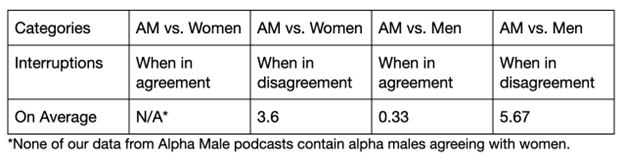
, , , ,

“Swag Toh Dekho:” Hindi-English Code-Switching in Bollywood Movies of the Last 30 Years

Krithi de Souza, Kara Bryant, Sophia Adams, Medha Kini

Bollywood! We know (and love) the films for their grand and magnificent dance sequences, epic love stories, and extra long running times. Bollywood is often referred to as the “Indian Hollywood,” and this Hindi cinema industry has a large fanbase of its own. But how much overlap is there between Bollywood and Hollywood? Is there a strong language barrier that separates them? If you’ve watched a modern Bollywood movie, you would know that English words are often scattered throughout the script or used for funny catch phrases and apologetic remarks. But has that always been the case? In our project, we analyze the code-switching in three different Bollywood movies — Kuch Kuch Hota Hai, Student of the Year, and Rocky aur Rani Kii Prem Kahaani — all made by the famous filmmaker, Karan Johar. Each movie was released in a different decade, and we wanted to know how code-switching in Bollywood movies has changed as time passed. Read more to find out about the patterns we observed as the movies became more recent!

[expander_maker id=”1″ more=”Read more” less=”Read less”]

Introduction and Background

In this project, we decided to focus on changes in code-switching from the 1990s onward in order to analyze how globalization and other factors have impacted screenwriting in Bollywood. Hindi-English code-switching has been a part of Indians’ vernaculars for over a century. Far before the advent of the internet age, British colonial rule led to English being incorporated into Hindi to indicate prestige and education (Rai, 2009). Then, as globalization increased over the last 30 years, particularly through the development of the internet as a global resource, more and more Indians gained access to English content through online means. In addition to formalized English education, the population increasingly consumed media produced in English. This came in the form of professionally developed productions such as English-language movies and television, as well as informal, interpersonal content such as social media videos coming from YouTube, Tiktok, and more. Moreover, the Indian economy liberalizing in 1991 brought more access to things such as satellite TV, social media, and other global market products (Kumar, 2013). All this likely affected how often characters code-switched in Bollywood movies.

Our hypothesis is that code-switching will increase overall as the year of release for the films progresses. In other words, as time passes, code-switching will occur more often and become more prevalent in the films as a result of increasing globalization and access to English media. To measure this, we have chosen three Bollywood movies that were produced across three decades — Kuch Kuch Hota Hai (KKHH) (1998), Student of the Year (2012), and Rocky aur Rani Kii Prem Kahaani (Rocky aur Rani) (2023) — to analyze. They are all written by the same screenwriter, Karan Johar, in an attempt to eliminate variables across different filmmakers’ tastes. They all also come from roughly the same genre, romantic comedies, for the same reason. We will use this data to draw conclusions about how much exposure the effects of globalization had on the Bollywood industry. Furthermore, we will be able to say how English use in Bollywood films reflects English use in different populations within India in real life.

Figure 1. Movie posters from KKHH, Student of the Year, and Rocky aur Rani.

Methodology

Based on existing research, we found many different ways to categorize code switches in movies. Our data collection was modeled after a study done on code-switching in three Bollywood movies from three different decades (Anttila, 2015). We categorized the code-switching into two different types: proper code-switching and loanwords. Loanwords are what we define as phrases that were otherwise incorporated into a Hindi matrix sentence, such as the sentence “तु नहिइ  educated है” or “tuu nahiiN educated hai” (Translation: “You are not educated”). “Proper” code-switching as we are defining it for this research project occurred when characters included full phrases or sentences in English, such as “How are you?” (Bali et. al, 2014).

Watch this short clip to see an example of code-switching in Rocky aur Rani.

Each film was watched by at least two members of our team to minimize errors. While watching the movie, every instance of code-switching by the main characters was tallied into one of these two categories. When multiple instances of English words were uttered in a phrase, we used our best judgment to determine its categorization. We only tallied the code-switching of two to three main characters per movie to minimize variables across character type (age, class, education) and maintain a reasonable scope for project.

Results and Analysis

The oldest movie, KKHH, focuses on a best friend duo. Between those two main characters, they produced 13 loanwords and 58 proper code switches, for a total of 71 code switches overall. The next movie, Student of the Year, was released 14 years later. We counted 193 loanwords and 135 proper code switches across three main characters, or 328 code switches overall. Lastly, Rocky aur Rani came out 12 years after that and had 328 loanwords and 290 proper code switches between two main characters, totaling 618 overall code switches. The total number of code switches across the three movies can be visualized in the bar graph below:

Figure 2. Total number of code switches.

Given the data, our hypothesis was correct. The amount of code switches steadily increased across all three movies. Notably, we focused on one fewer protagonists in Rocky aur Rani, yet it still almost doubled the number of total code switches. Thus, we see that over the last 30 years, English usage in Bollywood movies has gone up considerably.

There were several patterns we noticed while analyzing the code switches. Many of the most common instances of code-switching came from characters using popular English phrases, such as “thank you,” “I’m sorry,” or “you’re welcome.” All of these were considered proper code switches for the purposes of our study, although there was some debate of whether they should be considered a single loanword unit because of how they were tied to one meaning. For example, we never saw a code switch like “thank आप,” or “thank aap” (Translation: “thank you”).

One of the biggest changes we noticed over the years was the use of Hindi-English code-switching in songs. Most Bollywood movies are musicals regardless of genre. Music is inherent to the industry, and we counted code-switching in the lyrics of songs the same way we counted spoken lines of dialogue. KKHH has eight songs, Student of the Year has seven, and Rocky aur Rani has eleven. KKHH had no code-switching in the songs. Every song was sung exclusively in Hindi. Student of the Year had slightly more code-switching in the songs, particularly in Shanaya’s entrance song, “Gulabi Ankhen,” which included many brand names. Additionally, there was one song titled in English, “The Disco Song.” Although the title is not an exclusive indicator of English use in the song itself, it does reveal a trend that English was becoming more accepted in the music side of Bollywood. This pattern continued with Rocky aur Rani, which had two songs with some English in the title: “What Jhumka?” and “Heart Throb.” More importantly, the content of the songs throughout the movie had regular code switches. It appears that songs are more resistant to incorporating English, since KKHH had code-switching in dialogue but not songs. However, by 2024, English was heavily included in Bollywood song lyrics. code This may be related to Shet (2022)’s findings that code-switching in film songs signifies purpose in discourse rather than for “aesthetic” purposes like in dialogue.

Another pattern was the use of brand names as a form of code-switching. Given that English can be a signifier of prestige, this effect is heightened when the code-switching indexes luxury items. Characters in Student of the Year and Rocky aur Rani regularly referenced brands such as Louis Vuitton, Ferrari, Jimmy Choo, and Versace. The character Rocky in Rocky aur Rani did this the most consistently. His character is upper class and frequently mentions his possessions by brand name. Interestingly, his code-switching often indexes a superficial, vapid personality as a result. This counters what Antilla (2015) found in her assessment, that English had become a language of professionalism and accomplishment. Rocky frequently uses English slang, but since he uses it haphazardly and without formal education, he is sometimes considered an idiot by those around him. Therefore, we can surmise that not only is the amount of English code-switching changing, but that its meaning in Bollywood is changing too.

Both code-switching in songs and use of brand names can be seen in the example below, which shows three lines from the verse of the song “Heart Throb” in Rocky aur Rani.

Figure 3. Lyrics from “Heart Throb”

In just this excerpt, lasting six seconds in the song, there are five loanwords: “swag,” “heart throb” twice, “Prada,” and “Gucci.” The line roughly translates to “Look at the swag, it’s like Prada and Gucci gave birth to a son.” Thus, we see Rocky using English slang (“swag,” “heart throb”) and brand names (Prada, Gucci) to signify coolness and style.

Discussion and Conclusion

Our analysis of our three films — Kuch Kuch Hota Hai, Student of the Year, and Rocky aur Rani Kii Prem Kahaani — show a clear trend of increasing code-switching. Since these three films came out in sequential decades following the explosion of the internet age and social media usage, the data supports our hypothesis that globalization and media exposure are driving forces behind these changes. Each film demonstrates a greater frequency of English phrases and loanwords, suggesting that modern day Bollywood films are catering to an audience that is more familiar with an inclusion of English.

However, there are several limitations to our study. In future research, it would be helpful to have access to the scripts, so we can accurately count the number of code-switches used in the films. Our method of manually tallying code-switching instances while watching the movies might not have captured every instance accurately. Having access to scripts that we could read would provide a more precise count and better context for each instance of code-switching. Additionally, we focused on three films from a single filmmaker, which might not fully represent broader trends across the industry.

Future research could address these limitations by expanding our method to include films from various filmmakers and genres and collect data from multiple characters, not just the protagonists. Furthermore, it would be beneficial to perform research confirming the correlation between code-switching in Bollywood and English usage in real life. We could do this by exploring the perception of English among viewers who recently finished watching Bollywood movies. Researchers can also analyze if non-English speakers’ perception of English changes after watching a Bollywood film due to the presence of code-switching between Hindi and English. Another possibility would be to compare native Hindi speakers’ code-switching with that of the fictional characters to see if the frequency is comparable. This would be one way to determine whether Hindi-English code-switching changes when it is scripted versus non-scripted. Therefore, due to this research, researchers can discover the impact code-switching has on society.

Since our research project effectively replicated Anttila (2015)’s project studying three movies from 1988, 1996, and 2005, it will be interesting to see if the use of Hindi-English code-switching will continue to trend upward. Anttila found that code-switching increased over time across her three movies, just like we did. But if this study were performed again another ten years from now, will English in Bollywood movies continue to increase or will it eventually stagnate? Is there a “saturation point” for English usage? At a certain point, the question becomes when is the movie itself “bilingual” rather than the characters?

In conclusion, analyzing Bollywood movies can help assess how English is perceived and used in India. The findings suggest that English is steadily increasing across Bollywood. Since media is a reflection of its society, we can conclude that English access is increasing overall in India, thus reflecting trends of a globalized society and proliferation of digital media. This increase in code-switching suggests that English is becoming more ingrained in everyday society in India, not just as a symbol of prestige but also as a tool for communication. Due to the creation of the Internet and the rise in social media, there is now greater access to English across India. These platforms provided greater access to English content in the media. This creates a positive feedback loop because as more people use the Internet, their exposure to English increases, encouraging them to adopt English in their vernaculars, which in turn exposes more people to English. Our research project highlights the increasing presence of English in Bollywood films, reflecting broader societal changes driven by globalization and digital media.

References

Anttila, H. (2015). You come-come, memsaabCode-switching in Sherni (1988), Raja Hindustani (1996) and Dus (2005) (Publication No. 6357) [Master’s Thesis, University of Vaasa]. OSUVA Open Science.

Bali, K., Sharma, J., Choudhury, M., & Vyas, Y. (2014). “I am borrowing ya mixing?” An analysis of English-Hindi code mixing in Facebook. Proceedings of The First Workshop on Computational Approaches to Code Switching, 116-126. https://aclanthology.org/W14-3914.pdf.

Kumar, A. (2013). Globalization and Changing Patterns in the Hindi Cinema Industry. Journal of South Asian Studies, 29(2), 433-448

Rai, A. (2009). English in Postcolonial India: History, Politics, and Cultures. Oxford University Press.

Shet, J. P., & Premkumar G. (2022). To switch and mix or not to: Code switching and code mixing in Indian film songs. Journal of Positive School Psychology, 6(3), 1417-1430. https://www.journalppw.com/index.php/jpsp/article/view/1672.

[/expander_maker]
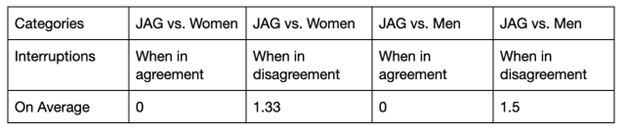
, , , , ,
Scroll to Top