Sociolinguistics

Is Gen Z Lingo Just Butchered AAVE? How Internet Culture Contributes to Appropriation

Rae Cristal, Xin Liu, Jasmine Shao, Megan Ye

In their recent skit called “Gen Z Hospital,” SNL put on a show depicting the quirky lives of an average “zoomer”, filled with internet-related troubles. At one point, the distinctly white actress Heidi Gardner utters: “If he keeps leaving us on read, he’s gonna catch these hands on gang.” How did Gen Z lingo become so distinctly African American? One consequence of the internet age is the fast-spreading of linguistic style, forms and vernaculars, and African American Vernacular English (AAVE) seems to be one of the bigger targets of this phenomenon. A problem with this is that those who use AAVE do so inappropriately and with syntactic error. Taking a language that one does not speak and using it without appreciation and knowledge is the basis of appropriation, and many Gen Z speakers are engaging in this, often without realizing that, far more than just netspeak, the forms they are appropriating belong to a full-fledged community of speakers, with grammatical rules and cultural nuances.

[expander_maker id=”1″ more=”Read more” less=”Read less”]

Introduction and Background

Language has the power to reinforce harmful racial stereotypes and to determine how marginalized groups navigate American society. These groups whose speech differs from standardized English, specifically Black communities, are viewed as lacking grammar and speaking a less sophisticated language. Despite these misinformed perceptions of AAVE, many people on social media platforms, including Twitter and TikTok, appropriate AAVE words, phrases, and stylings, claiming these features as part of Internet speech. Such phenomenon continues, despite attempts from actual AAVE speakers to denounce its harmfulness:
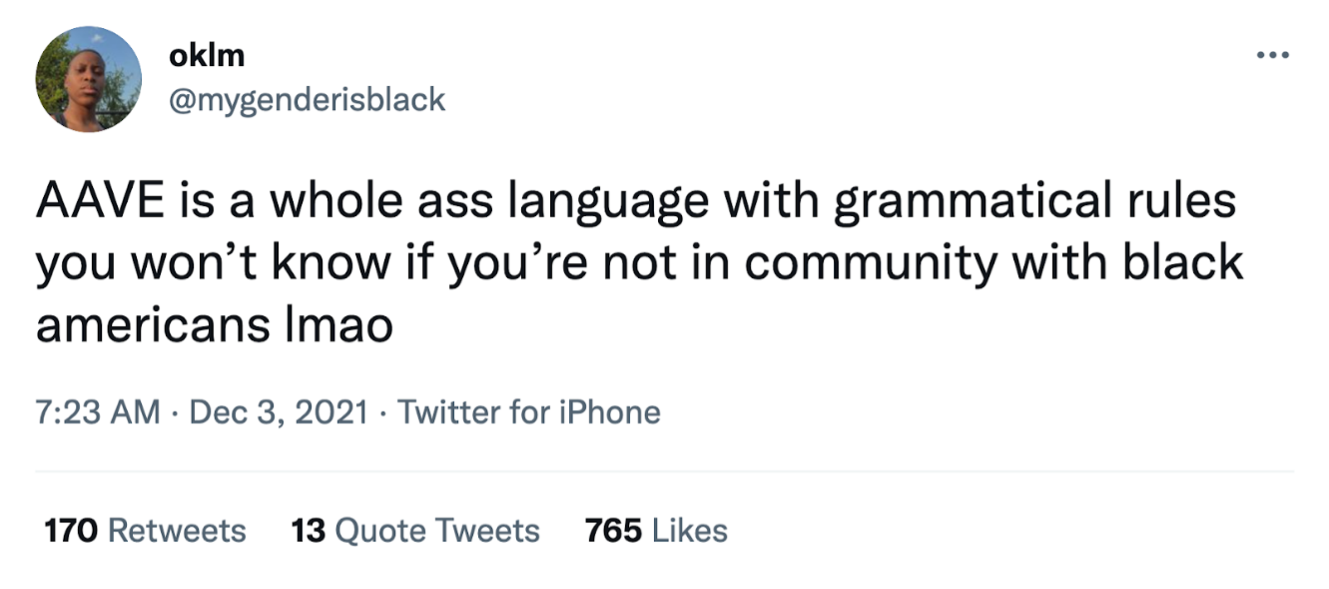
Figure 1: Twitter user explains how AAVE is an English variant

Previous studies have researched AAVE appropriation by non-speakers on modern usage; although the analysis is limited, these papers provide a framework for why and how people with different genders and sexualities appropriate AAVE. Elaine Chun did a case study on an individual Korean-American male and his usage of AAVE “slang,” theorizing that he used it to index a hypermasculine persona and separate himself from European Americans (Chun, 2001). Due to the lack of material on the LGBTQ+ community’s utilization of AAVE, we speculated that LGBTQ+ members also used it to disassociate themselves from the white mainstream and to appear hip and nonconformist. To further explore AAVE and the personas it indexes, Ilbury argues that online spaces use the orthographic representations of AAVE to embody a “Sassy Queen” persona, which relies on stereotypes of Black women (Ilbury, 2020). Furthermore, non-Black speakers perform similar stereotype-based persona construction when they “borrow” African American Language to participate in hip hop or urban youth style. Through media representation and the marketability of “Black cool,” which is the culmination of all the desirable features of Blackness: trendiness, resilience, and eloquence, many young people and influencers use AAVE to index this stereotype based on white imagination (Roth Gordan et al., 2020). Corporate companies recognize the benefits of profiting from this perceived coolness, exploiting AAVE in their marketing campaigns and their partnerships with young influencers. These articles assist us in understanding the social and financial motivations of non-Black people’s usage of AAVE and why they take on specific personas.

In light of the existing literature, we conducted a sociolinguistic study of non-Black Gen Z members by comparing their use of language in humorous and non-humourous contexts to identify how they utilize AAVE lexicon and accent to index a “funny” or “cool” persona. Also, due to the lack of research regarding the LGBTQ+ community’s usage of AAVE and the intersection of gender, our study analyzed the frequency of these linguistic features in social media influencers’ speech, particularly those who fit these categories. Overall, the usage of AAVE that became popularized through the Internet varies depending on gender, sexuality, and context. Methods We watched videos from eight non-Black, American, Gen Z influencers on YouTube and TikTok and recorded the instances in which they employed a lexical item or grammatical construction borrowed from AAVE.

Methods

We watched videos from eight non-Black, American, Gen Z influencers on YouTube and TikTok and recorded the instances in which they employed a lexical item or grammatical construction borrowed from AAVE. Our numerical analysis was based on a simple counting method. While it seems that counting a singular “instance” of grammar would be impossible in a traditional linguistic sense, this was possible because the influencers did not use any full grammatical constructions, but rather just one word in to imitate an AAVE grammatical style; e.g., “be” as in “[subject] be [verb]ing.” To determine what words and phrases were instances of AAVE, we referenced this guide, which was created by a group of Black people and non-black people of color with the intent to reduce appropriation in online communities. For words with multiple indexical meanings (such as “bitch” as a slur for women or “ain’t” as part of Southern dialect), we took their context into account to assess whether they were appropriated from AAVE. The eight influencers we examined were:
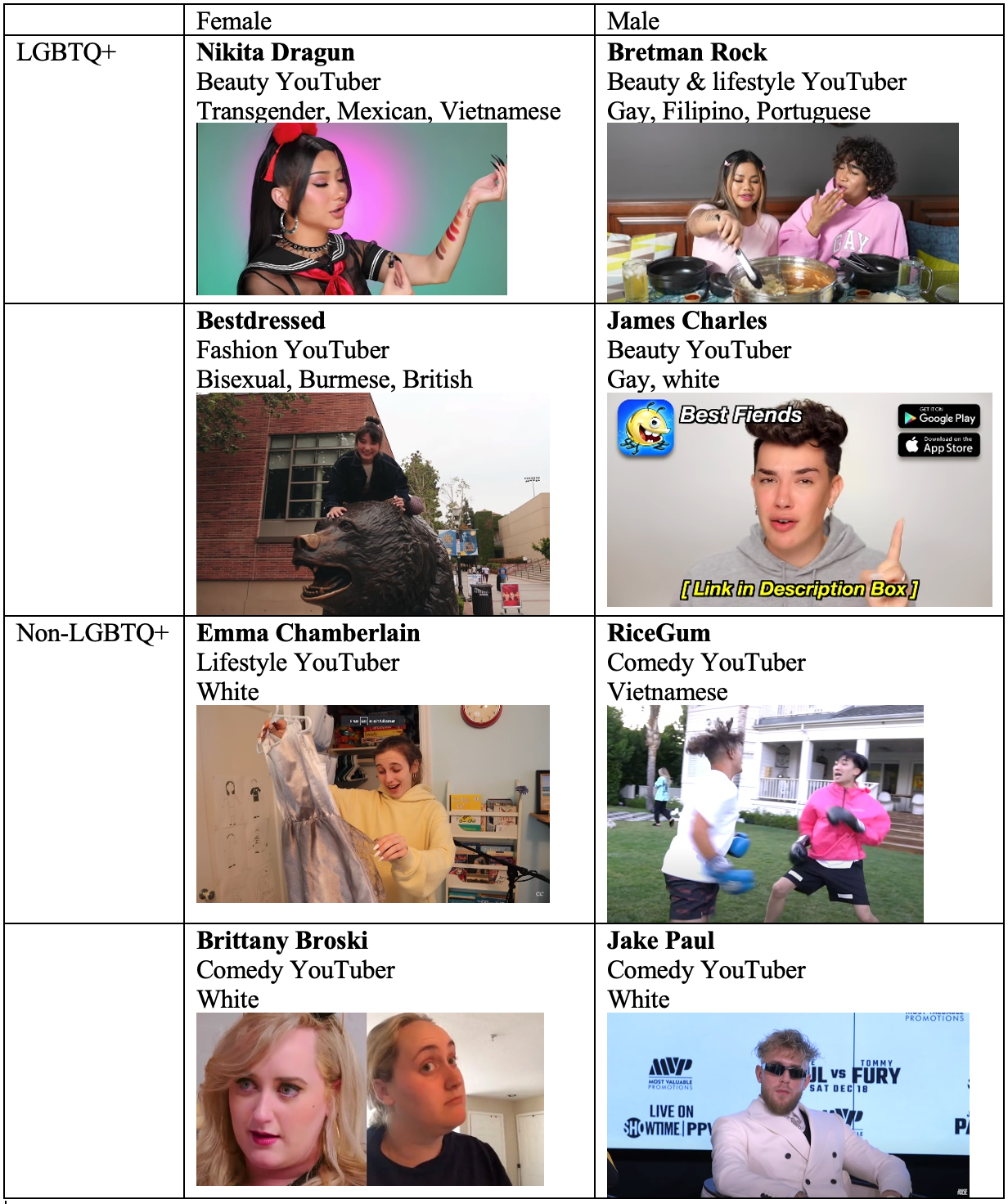
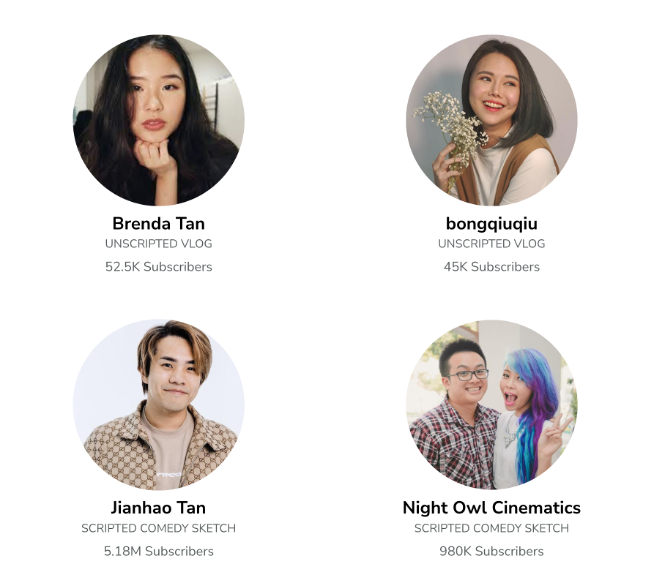
These influencers are a small group of the most popular internet users, and should not be considered a representative sample of all influencers of internet users. Rather, we intend for their selection to be a series of eight case studies examining intraspeaker differences in AAVE use. When watching the videos, we separated their content into two contexts for comparative purposes:

Non-humorous: Any segment of video or full video centered around the promotion of a product or service, such as a promotion of the influencer’s merch or a brand sponsorship

Humorous: Any other segment of video, because even those who are not solely comedy YouTubers are known to include humor in their content

We considered commercial content like sponsored segments, brand collaboration videos, and formal interviews non-humorous because influencers tend to act “professional” and remove the informal, humorous aspects of their speech in promotional contexts. If their use of AAVE is significantly higher in humorous contexts, we can assume that their use of AAVE is tied to the indexing of humor, rather than a reflection of their natural speech variety. For the LGBTQ+ speakers, usage of AAVE mostly was characterized by borrowed lexical terms that indexed sass and cheekiness. Here is an example of how we recorded and examined AAVE use. This is transcribed from a Nikita Dragun video titled “REACTING TO MY BOY VIDEOS!!”:

● [0:58] “tea” (used to describe drama and not the drink) 

● [2:13] “clock it the house honey,” 

● [3:08] “shook,” 

● [7:08] “unclockable” (derived from clock), 

● [7:31] “thick” (referring to a person’s figure and not literal thickness). 

● Total: 5 in 10 min

This is transcribed from a Bretman Rock video titled “Hugging for the first time? Catching up with my Sister”:

● [01:11-01:24] I just know they’re bomb though. I just know they’re bomb_ (bomb meaning cool/great, extremely positive connotations) we have two dishes of broth--uhm; they’re both seafood broth one is spicy and one is mild and I believe this one is kimchi. We have udon Chinese CABbage enoki mushrooms up. In. this. BITCH. (imitating AAVE grammatical structures) 

● [01:57-2:17] SIS. (used to refer to friends/peers, not literally speaker’s sister, although in this case she is) whatchu been up to? (grammatical structures) PERIOD! (used to mean “and that’s that,” a marker of finality—online may be spelled “periodt”) and we gon keep doing you. (grammatical structure) Purr. (used to express approval/satisfaction) um YEAH BITCH you’re twenty ONE we can have drinking videos now. Period. 

● [02:55-03:02] she got FUCKT! (lexical feature, -t suffix replacing -ed) UP!Perio;d that’s all that matters_ NEW age; new DICK. purr! 

● [03:37-03:39] this bitch been telling everybody (using the habitual be, e.g. is, are, am) 

● [04:15-04:17] yeah you don’t deserve. Period.

● [04:34-04:41] the thing IS she ain’t even done like celebrating her birthday (grammatical structure) yet what the <<slurred, quick>fuck’re you gonna do in LA bitch this bitch is gonna stay in my apartment 

● [04:54-05:01] bitch I always be telling you tips and tricks but you don’t even listen so it’s like you know what some people just wants to learn on their own and that’s fine 
● Total: 14 instances in 5 minutes 
● Overall, Bretman Rock’s usage tends toward leaning heavily on the “sassy Black woman” stereotype as a persona. He overutilizes—at times randomly and incorrectly— “periodt” and more commonly puts on a persona when he is interacting with women and LGBTQ+ individuals.

As for the Non-LGBTQ+ speakers, their usage of AAVE varied. Males usually used borrowed grammatical forms and lexical terms. Here’s an excerpt from Ricegum’s video titled “Meeting My Online Crush For The First Time!”:

● [00:43] - [0:45] Yo so listen, but you can’t even be sliding into dms in Tik Toks (invariant be usage) 
● [00:58] - [01:02] She’s finna just appear. It’s finna just be magic (borrowed term) 
● [05:33] - [05:35] But you don’t be hittin’ those other dudes back? 
● Overall, Ricegum ports an overall blaccent and overutilized penultimate consonant deletion. 
● Total: 10 instances in 8 minutes

For female users, their usage of AAVE varied based on their humor. In particular, one of the influencers showed signs of self-awareness and utilizes it ironically. On the other hand, Brittany Broski uses lexicon to index a sassy persona. Here’s an example from Brittany’s video titled
“Deep Diving My Angry 2013 Tumbler”:

● [0:52]-[0:58] This whole idea of stan culture on Twitter really was like the thing at the time. If you didn’t have a stan account 
● [1:00]-[1:04] So this was my stan account in high school because I never had a One Direction Twitter 
● [3:50]-[3:54] Oh my god I loved this bitch I ate this shit up 
● [4:57]-[5:00] I genuinely was like real mean don’t wear pink, swag 
● [8:44]-[8:48] Another boyfriend Harry post wow period, period 
● Total: 11 instances in 11 minutes

Results and Analysis
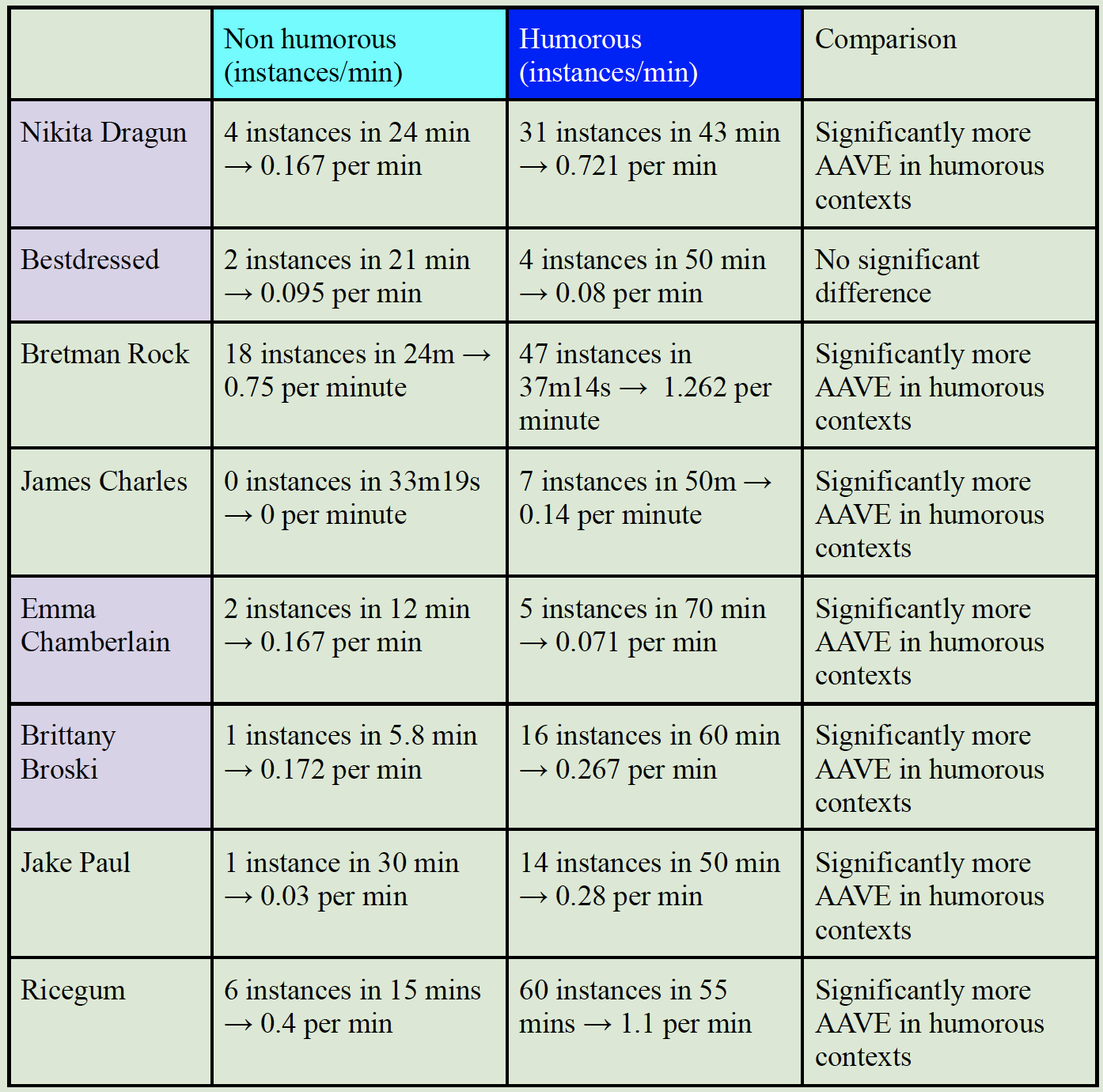
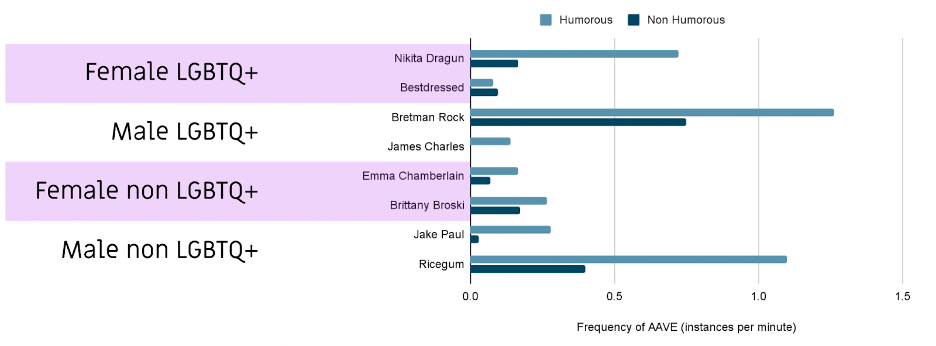
Figure 2: Instances of AAVE usage per minute for each target sample, distinguishing usage in humorous contexts versus non-humorous contexts.

Discussion and Conclusions

Most of the influencers examined here have significant differences (see Figure 1) in AAVE usage between humorous and non-humorous contexts, which confirms our hypothesis that influencers choose to change their styles for social benefits. Sexuality and gender expression also appear to have an effect on the instances of AAVE usage. LGBTQ+ influencers, especially men, tended to use AAVE to index a “sassy” persona, based on the stereotype of the “sassy Black woman.” On the other hand, non-LGBTQ+ men tended to use AAVE to index a “tough” or “masculine” persona, based on the cultural masculinization of Black people. Influencers use AAVE to index a funny, sassy, or edgy persona because of cultural stereotypes around Black people and their language. These stereotypes date back to minstrelsy in which Black people were treated as entertainment tools for white people. Today, this derogatory cultural lineage lives on in the appropriation of Black people’s language as an entertainment tool for non-Black people. These public figures’ influence leads to further spread of these speech patterns, indexed in these ways, without acknowledgement of the source and the price paid by Black people who have native fluency in AAVE. Influencers of this caliber have great potential to impact their audience, and carelessly using AAVE without acknowledging its origins will propagate the idea that AAVE is simply netspeak, which leads to the broader population of Non-Black Gen Z speakers using incorrect forms, or completely disregarding the cultural implications of knowing the language:
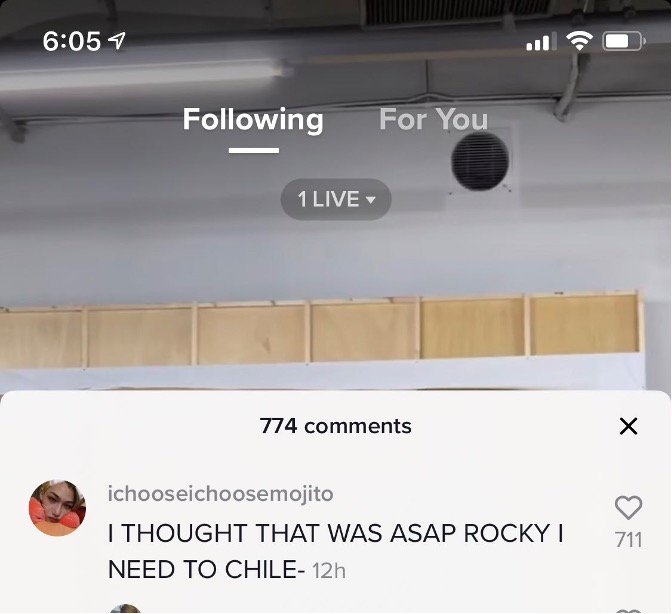
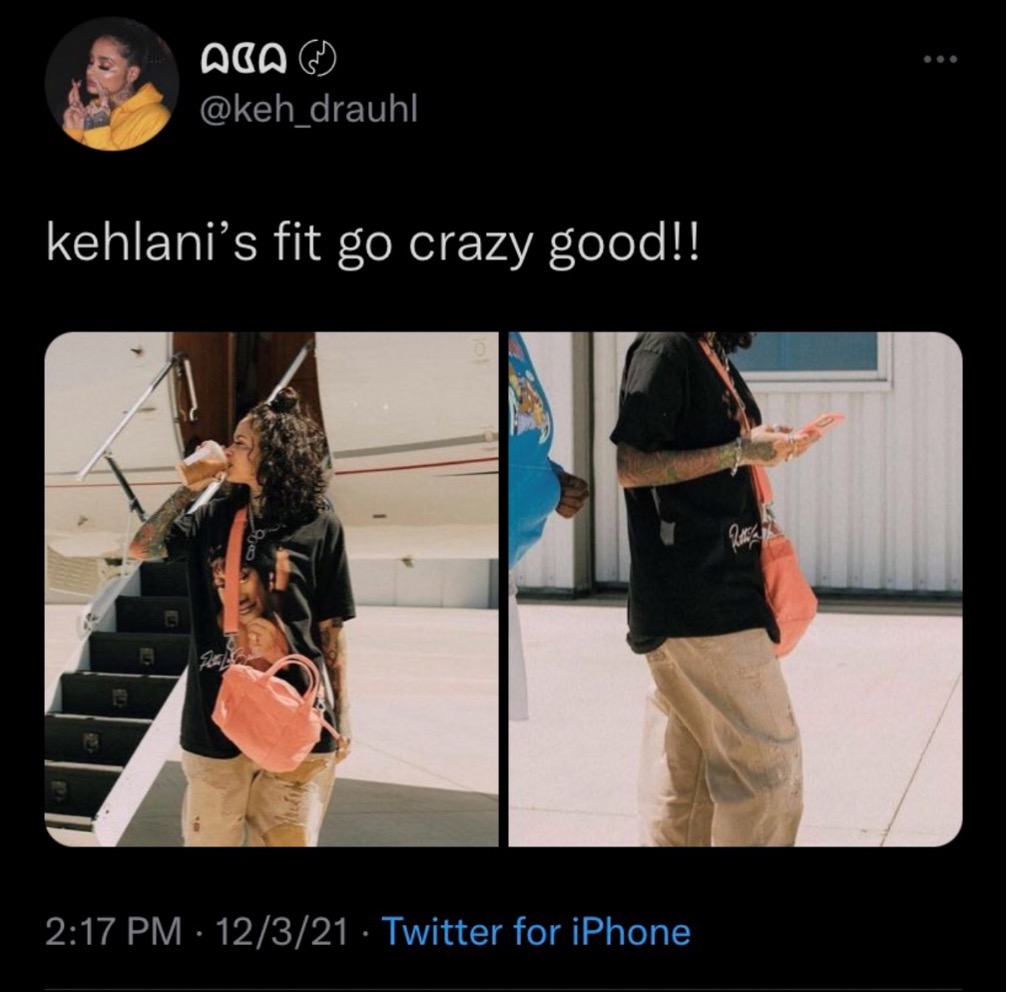
Figure 3: TikTok user borrows vocabulary term “chile” and misuses it.
Figure 4: Twitter user misuses the verb “go,” usually preceding adjective.
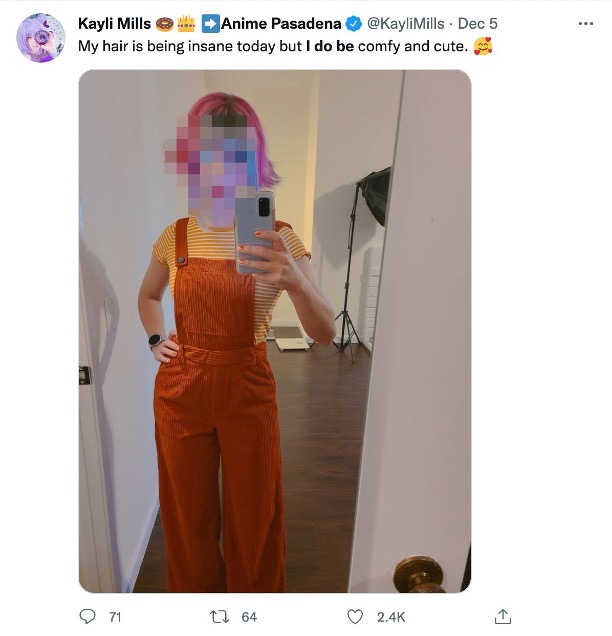
Figure 5: Twitter user misuses the invariant “be,” meant to be used before a verb to indicate habitual actions.

People tend to feel inappropriate when they incorrectly use grammar in a language they do not speak or are just beginning to learn. However, that does not appear to be the case for when non-speakers of AAVE misuse its grammar. This further contributes to the myth that AAVE is not, in fact, seen as a legitimate vernacular language of its own, and helps fuel extreme cases where people actively discredit AAVE entirely:
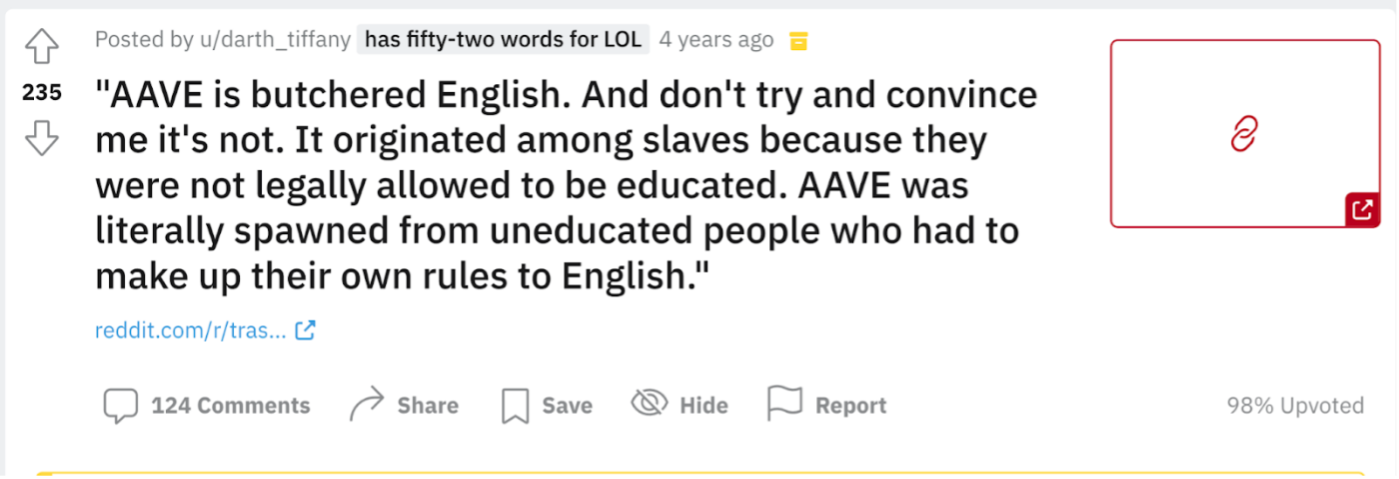
Figure 6: Reddit user’s derogatory opinion on the African American Vernacular English.

It is not inherently bad that the internet is shortening gaps between different cultures and as a consequence, languages. However it is the due diligence of every responsible internet user to ensure that they are not just passively absorbing all the information that is available to them and mindlessly replicating them. When the majority uses (and misuses) the language spoken by a minority only to express particular ideas, they, at best, contribute to the viewpoint that the variant is not legitimate, and at worst, reaffirm the racist ideologies that exist to oppress Black people (see Figure 5). When Black people use AAVE, people assume that they don’t know Standard English. However, when non-Black people use AAVE, people assume that it’s a choice—one to appeal to humor. These double standards further propagate racism towards Black people and devaluation of African American Vernacular.


References

Chun, E. W. (2001). The Construction of White, Black, and Korean American Identities through African American Vernacular English. Journal of Linguistic Anthropology, 11(1), 52–64. https://doi.org/10.1525/jlin.2001.11.1.52

Davis, Chloe. “The Language of Ballroom.” The Gay & Lesbian Review, 9 Mar. 2021, https://glreview.org/the-language-of-ballroom/

Eberhardt, M., & Freeman, K. (2015). ‘First things first, I’m the realest’: Linguistic appropriation, white privilege, and the hip-hop persona of Iggy Azalea. Journal of Sociolinguistics, 19(3), 303–327. https://doi.org/10.1111/josl.12128

Ilbury, C. (2020). “Sassy Queens”: Stylistic orthographic variation in Twitter and the enregisterment of AAVE. Journal of Sociolinguistics, 24(2), 245–264. https://doi.org/10.1111/josl.12366

Roth-Gordon, J., Harris, J., & Zamora, S. (2020). Producing white comfort through “corporate cool”: Linguistic appropriation, social media, and @BrandsSayingBae. International Journal of the Sociology of Language, 2020(265), 107–128. https://doi.org/10.1515/ijsl-2020-2105

[/expander_maker]

How We SEE Sign: The Interplay Between Sign Styles and Characteristics of Deaf Identity

Serena Gutridge, Ally Shirman, Jennifer Miyaki, Paige Escobar, Paulina Cuevas

Are the variations in sign language attributed to just a flick of the wrist? This study provides an analysis of the relationship between agents’ identities within the Deaf community and their signing style. In the United States, signers use American Sign Language (ASL) and Signed Exact English (SEE) on a continuum. These variants differ on a number of different levels concerning syntax (sentence structure), lexicon (words), and morphology (word parts with meaning). We investigated the relationship between different sociocultural factors (e.g. age, education, family) and a signer’s use of the linguistic features from these two variants (think: different choices of words or signs!) across various conversation topics related to identity. Our results suggest a correlation between using ASL features and the discussion of more personal topics, particularly those related to identity. On the other hand, SEE features were more prominent when discussing more mundane topics (e.g. errands, opinions on cars).

[expander_maker id=”1″ more=”Read more” less=”Read less”]

Big D ‘Deaf’ versus little d ‘deaf’

The Deaf (or, deaf) identity is not confined into one category. There are two distinctions often made when referring to the Deaf/deaf identity: big D ‘Deaf’ vs little d ‘deaf’.

Big D ‘Deaf’ refers to the cultural aspect of being Deaf. Those who refer to themselves as “Big D Deaf” tend to have stronger Deaf identities and participate more actively in the Deaf community. Big D Deaf people are also often people who went to Deaf schools or who were raised in Deaf households.

In contrast, “little d deaf” refers specifically to the medical condition of deafness and people who identify themselves in this way typically have a less strong Deaf identity (Lucas, 1989). They are also more often than not, people who are postlingually deaf. Postlingual deafness is deafness that occurs after the acquisition of language, so typically after the age of 6.

One of the most interesting differences between these two is their signing. People who refer to themselves as “Big D Deaf” tend to sign more on the ASL side of the spectrum, while those who refer to themselves as “little d deaf” tend to be more on the SEE side of the spectrum. But what exactly is ASL and SEE, and how are they different?

 ASL versus SEE

Like spoken languages, signed language has variations that are identified as somewhat different languages: American Sign Language (ASL) and Signed Exact English (SEE). Most people are aware of the existence of ASL because it is the standard form of sign language in the United States, but SEE is another, more informal style of sign language that is more similar to the typical expectation of how sign language works. It’s important to note that SEE is not a language in itself, but a variety of sign language modeled around English syntax (Power et al.,, 2008). ASL is its own language that has different grammatical structures than English and does not necessarily have exact equivalent signs for English vocabulary. SEE, on the other hand, is a literal translation of English into signs that uses the same linear grammatical structure as English.

There are two different typical constructions for simple sentences like “I am going on vacation tomorrow” in ASL as you can see in Table 1 below. Additionally, interrogative words (do, who, what, when…) appear at the end of sentences and are often used in rhetorical questions in place of using “because” (I went to the store why? I needed eggs).

Table 1: Examples of simple ASL grammatical constructions

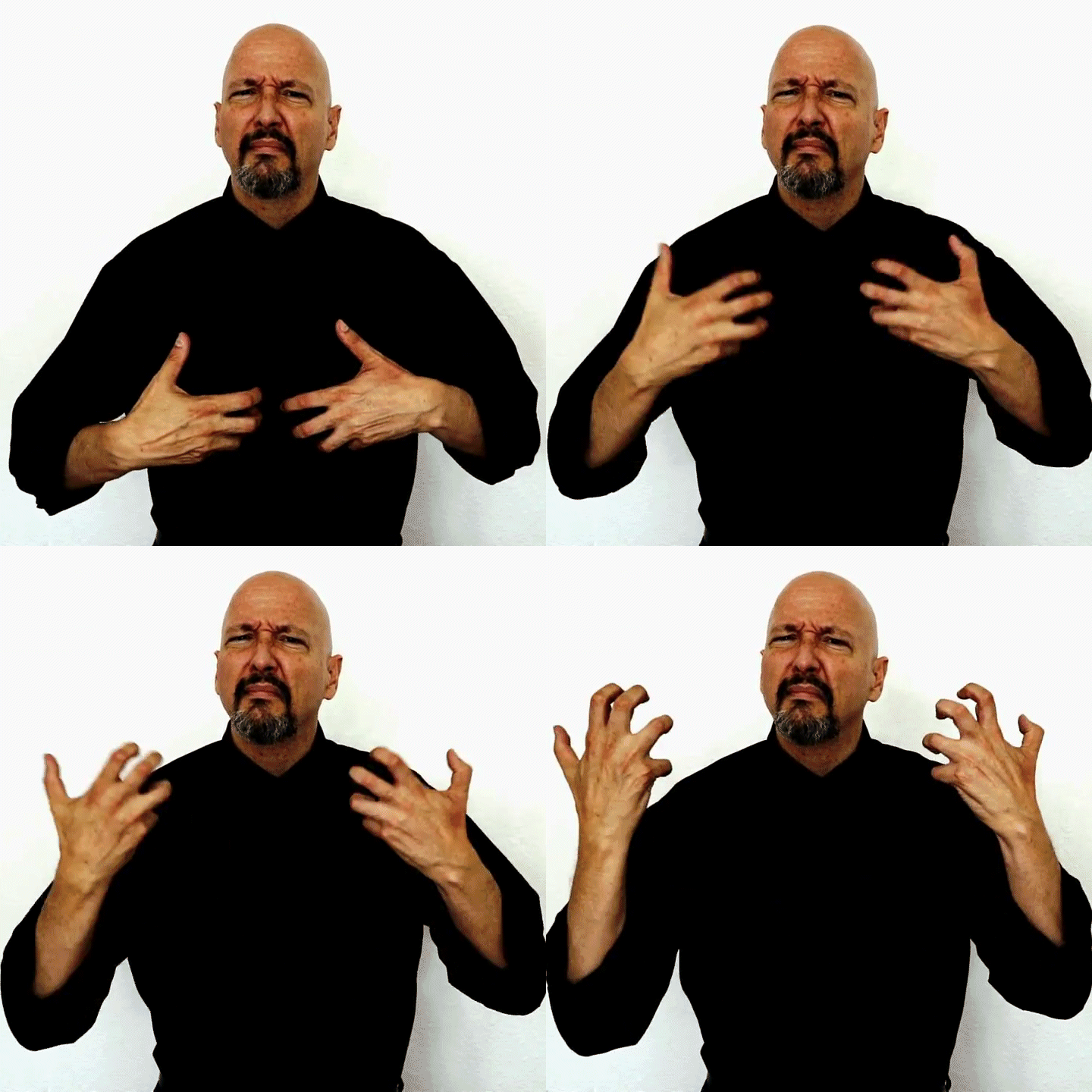
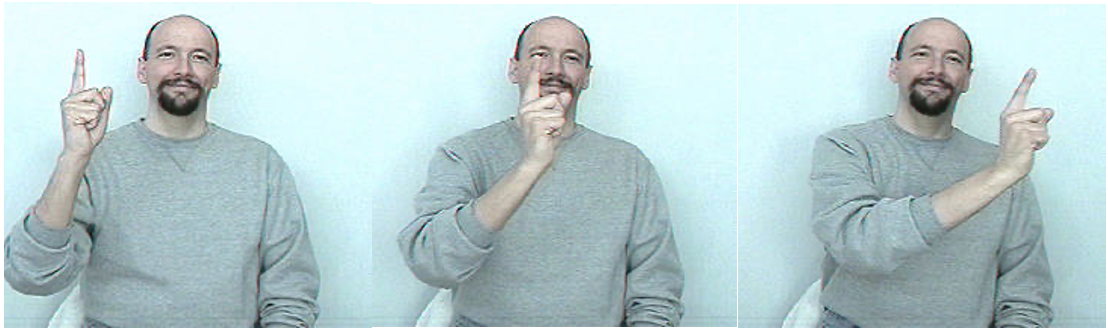
ASL is not a liner language meaning that the signs are not the only elements that are used to communicate meaning. Mouth morphemes are movements made with the mouth that convey information or add grammatical information to signs. Non-manual markers are elements of communication that aren’t hand signs, such as facial expressions, body positions (like a signer’s shoulders shifting to the left or right during signing) and head position. Mouth morphemes and non-manual markers are essential for communicating temporal aspect, distance/length, emotions, distinguishing between different signs, and various adjectives/adverbs (Valli & Lucas, 2000). You can find an example of facial expressions used as non-manual markers in Figure 1 below.

Figure 1: The sign for “angry”
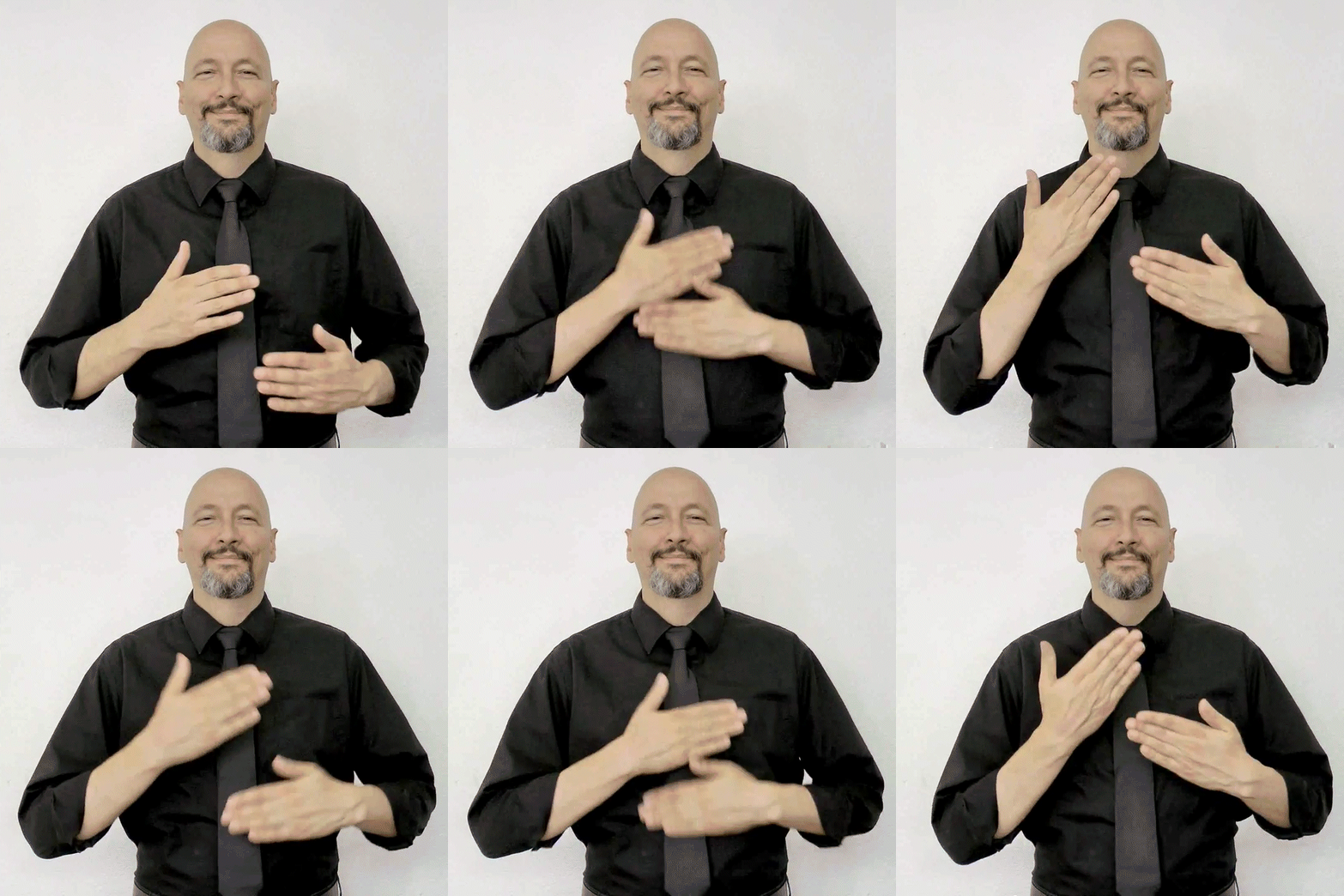
The sign for “happy” (Vicars)


On the other hand, SEE sign follows the English linear word order and uses connectors (and, because), prepositions (e.g. on, in, to, when, during, of), and articles (fingerspelling “the,” “a/an”). Because of the linear order of SEE, mouth morphemes and non-manual markers are unnecessary since the concepts they communicate are expressed with their own signs in the linear word order exactly like in English (Valli & Lucas, 2000). The following video by ASL THAT is a great example of the difference between ASL and SEE.

ASL vs. SEE Comparison | ASL – American Sign Language

ASL typically employs a “show not tell” style of communication meaning that signs often look like what they mean. This non-arbitrary connection between the sign and its meaning is similar to onomatopoeias in spoken language like “boom,” “crash” and “meow.” These iconic signs are crucial for ASL and are exemplified by signs known as iconic classifiers such as the one shown in Figure 2. Classifiers are used to show the events or actions being explained instead of explaining them using other signs in the way that we tell stories in English(Valli & Lucas, 2000) (Vicars). Think of ASL as a picture that shows something and English as the caption that explains that something.

Figure 2: A signer using the iconic classifier for “person” to explain that a person is walking (Vicars)

These types of signs are not so necessary for SEE because of literal signs. SEE will often use literal signs as if the signer was literally translating English into signs. So, people will sign “online” as “on line” using the signs for “on” and “line” but will not often use iconic classifiers.

Background

Signing style is a spectrum, meaning that no signer will sign purely ASL or purely SEE and many signers use a pidgin style of sign which combines elements of the two. There are many different aspects of life that contribute to an individual’s signing style and overall Deaf identity, including education and access to Deaf education, family, and social connections to the Deaf community.

Education is a large part of the development of an individual’s Deaf identity – such as if they were mainstreamed or if they went to an oral Deaf school. Being “mainstreamed” refers to a deaf child who goes to a non-deaf school, where an oral Deaf school is a school for the Deaf that emphasizes the use of spoken language. Often oral Deaf schools do not engage in the use of sign language at all, which can greatly influence the signing style of the individual, as well as their identity within the Deaf community (Nikolaraizi, 2006).

In addition, if the person either grew up in a Deaf or signing household can influence not only their signing style but also the development of their Deaf identity. But whether their family utilizes sign language is not the only influence family can play on an individual’s Deaf identity and signing style. Much like how school teachers and peers’ views on deafness can influence an individual, how the person’s family views their deafness can also have the same amount of influence. If people around them have a negative view of deafness then that can cause the individual to also view their own deafness as a negative.

But lastly, if the individual regularly attends Deaf events or has friends who are either Deaf themselves or who can sign can also heavily influence their Deaf identity. With all these factors influencing the development of a person’s signing style and Deaf identity it’s no wonder that not each individual views their deafness the same way. But this raises the question of whether these two factors, signing style and Deaf identity, are interrelated in any way.

The big question

Since ASL is the mainstreamed language of the Deaf community and SEE sign is the less prestigious variety, does the spectrum of sign language used by an individual directly correlate to educational background and/or a sense of identity with the Deaf community?

Methods

To answer this question, five participants were recruited through UCLA’s ASL club (Hands On) and through personal connections of the authors. The ideal participant was someone fluent in sign language, but not limited to someone who exclusively uses only ASL or only SEE. Highlighting the spectrum of SEE to ASL use is important for understanding how usage of the variations correlates with Deaf identity, so a diverse group of participants was key. For reference later on, note that the individual participants are nicknamed as colors (Aqua, Violet, Blue, Cyan, Maroon) for privacy.

Each participant filled out a survey for demographics (age, gender, and if they’re a UCLA student) and background information related to signing. Participants described their hearing capabilities; Other questions asked about language acquisition (when the participant learned to sign), family context (if family members are deaf/Deaf and sign with the participant), language use with others, as well as education history (mainstreamed, Deaf school, tutoring, etc). 

Once background information was collected, participants either submitted a recording of themselves or participated in a Zoom meeting answering a variety of questions. Note that three participants answered the prompts alone, while the remaining two participants (Cyan and Maroon) partook in this portion of the study together.

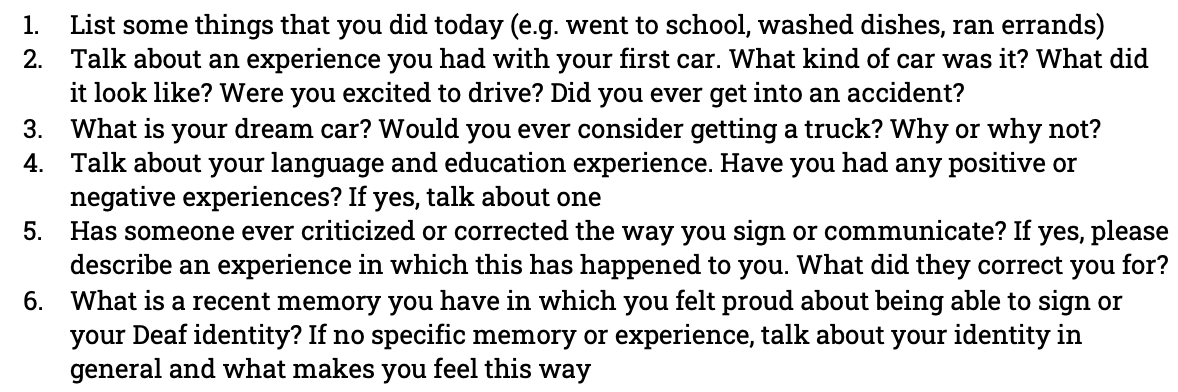
The interviews were conducted to later analyze the participants’ use of SEE and ASL – how much they used each variety and in which contexts. Listed below are the questions asked, in the order they were given to the participants:

  1. List some things that you did today (e.g. went to school, washed dishes, ran errands)
  2. Talk about an experience you had with your first car. What kind of car was it? What did it look like? Were you excited to drive? Did you ever get into an accident?
  3. What is your dream car? Would you ever consider getting a truck? Why or why not?
  4. Talk about your language and education experience. Have you had any positive or negative experiences? If yes, talk about one
  5. Has someone ever criticized or corrected the way you sign or communicate? If yes, please describe an experience in which this has happened to you. What did they correct you for?
  6. What is a recent memory you have in which you felt proud about being able to sign or your Deaf identity? If no specific memory or experience, talk about your identity in general and what makes you feel this way

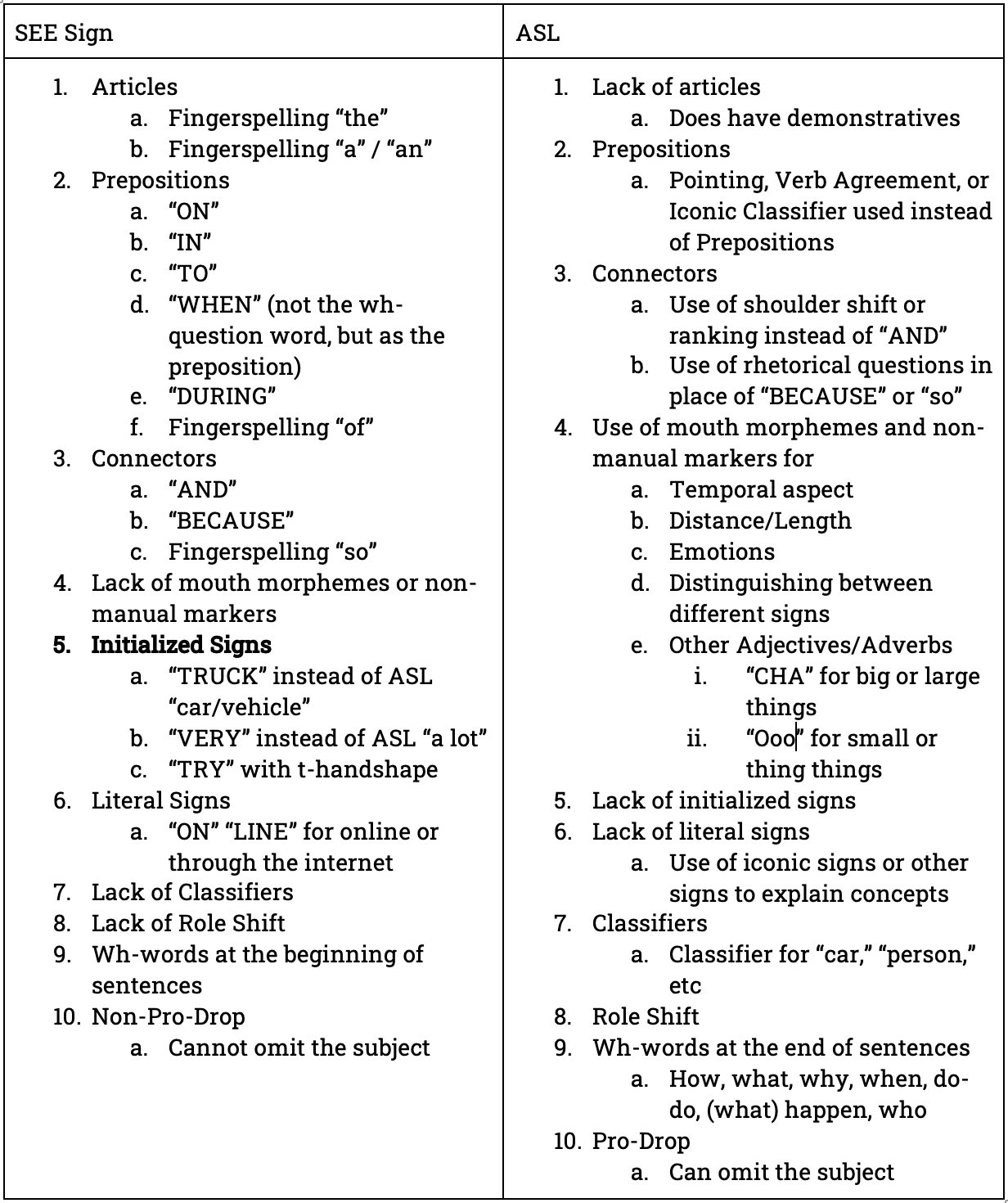
Throughout the interview, general markers of both ASL and SEE were tallied for all participants, shown in Table 2 below. Participants were only communicated with through text to ensure that participants’ varieties weren’t influenced by the type of signing from the experimenters when giving instructions.

Table 2: The main differences of SEE (left column) and ASL (right column), listed

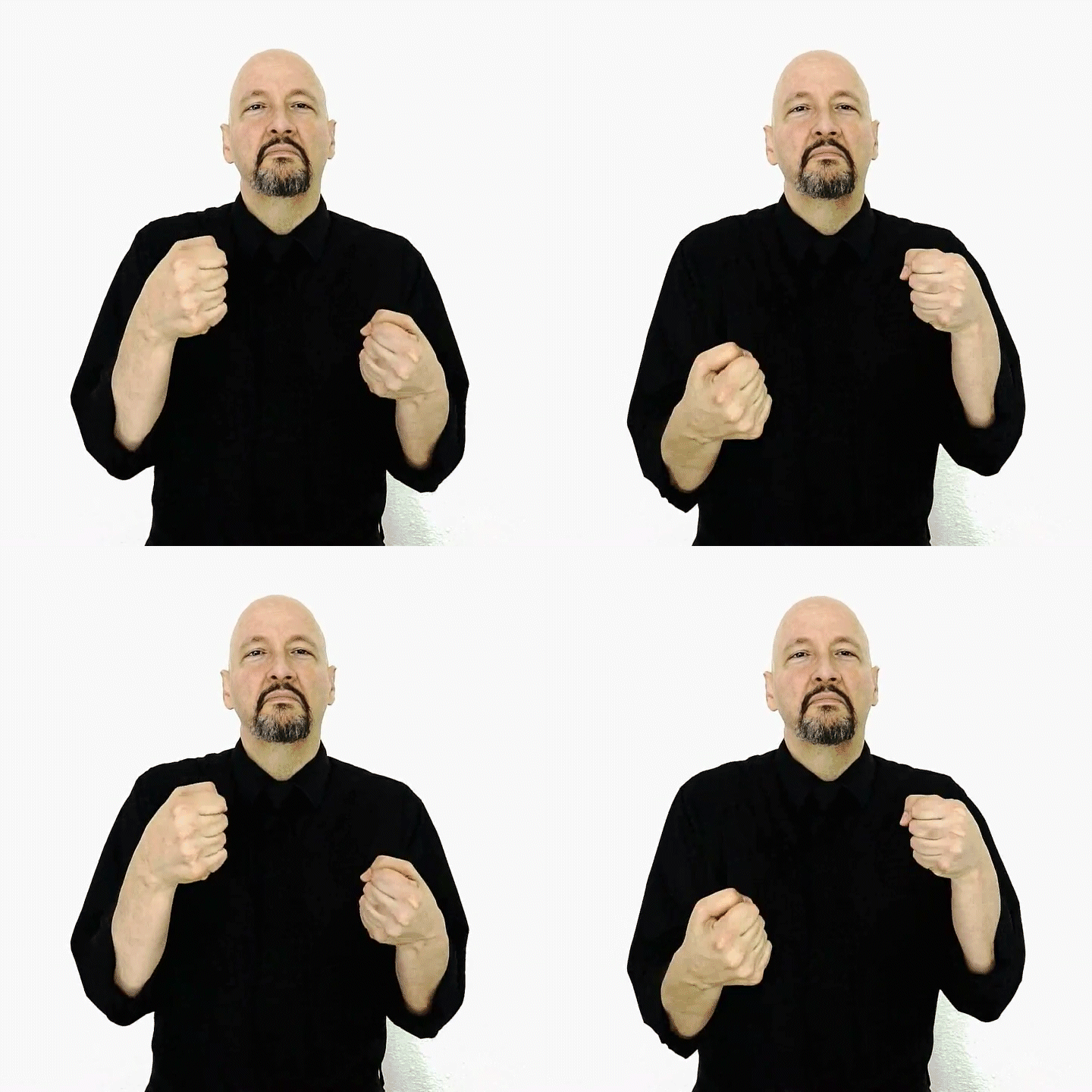
The questions were designed to trigger specific ASL or SEE marked signs. For example, Q1 prompted list making, which differs between ASL (finger ranking and shoulder shift) and SEE (using “AND” and absence of ranking and shoulder shift); Q3 asks about trucks to observe if participants would initialize the sign for “car,” (see Figure 3) holding both hands in fists and pretending to be steering, with the letter “T” to denote “truck,” or use “car/vehicle” for both cars and trucks as done in ASL.

Figure 3: the sign for “car” or more generally, “vehicle,” in ASL (Vicars)

Data Collection

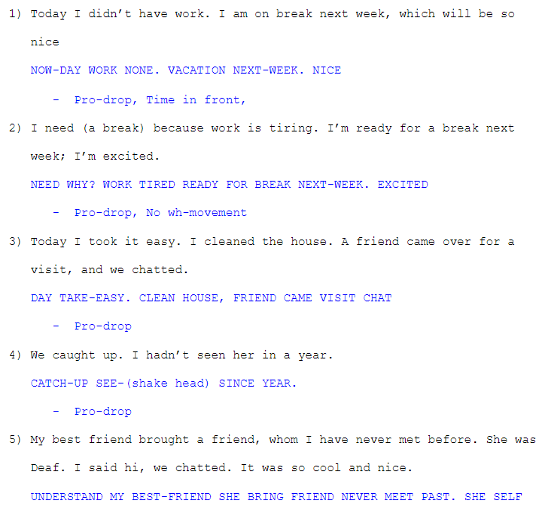
Over 80 minutes of footage of the participants signing their responses to the questions was reviewed, transcribed, and coded. See Figure 4 for an excerpt of a transcript we did.

Figure 4: Excerpt of a transcript

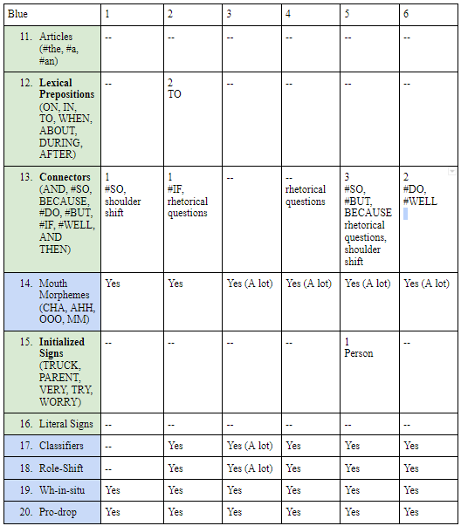
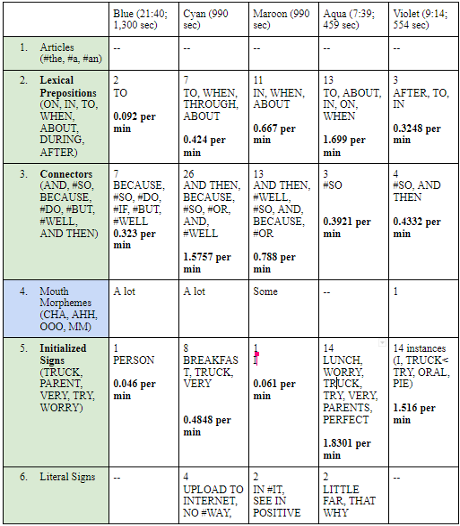
Their answers were interpreted by the researcher fluent in ASL and then translated into English. After interpreting the conversations, each feature was made note of in our charts. The charts were organized by each participant’s answers and then condensed into a larger (“mother”) chart with data from all participants. See Figure 5a for a chart done for an individual participant, and Figure 5b for an excerpt of the “mother chart.” SEE features were counted and tallied, while the frequency of ASL features were qualitatively described, since the SEE features being looked for were specific lexical items and thus, easier to count.

Figure 5a: Individual participant chart
Figure 5b: Excerpt of “mother” chart

Analysis

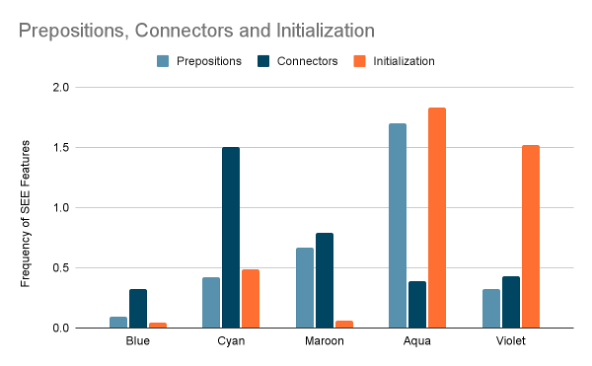
When sorted based on different categories of SEE features (e.g. prepositions vs. connectors vs. initializations), signers each had their own individual frequency of each linguistic category. Some signers utilized numerous initialized signs, but had low frequencies for connectors and prepositions. See Violet in Figure 6. Others had low frequencies for prepositions and initializations, but a high frequency for connectors. See Cyan in Figure 6. It is important to note that high instances of a certain feature were often repetition of the same sign and can be attributed to signing style, which would explain why the data is exaggerated for certain features in some signers. For instance, Cyan had high levels of ASL features (e.g. role shift, mouth morphemes) and low levels of SEE prepositions and initializations. However, she had a high use and repetition of the same connectors (e.g. fingerspelled “so”).

Figure 6: Frequency of SEE features based on category vs. participants

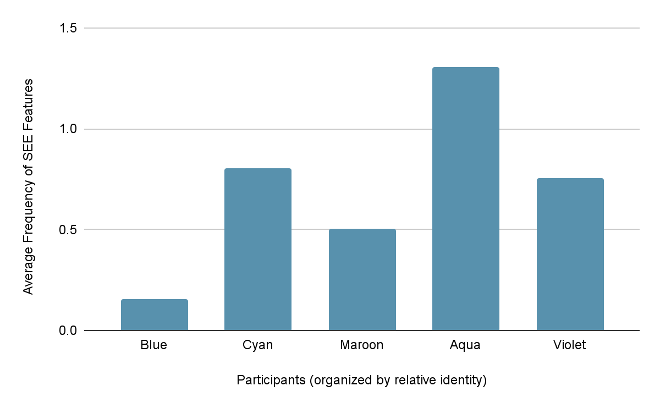
In addition, signers’ use of SEE features correlated with key factors related to Deaf identity, such as educational background, age, and family. In Figure 6 and Figure 7, participants are organized from left to right based on a subjective organization of these key factors.

Through this, we are able to make note of significant differences in the signers. Although both Blue and Violet identify with the Deaf community, educational factors contribute to their Deaf identity. In fact, Violet initialized signs 32.956 (3,295.6%) times more per minute than Blue. Violet, our oldest participant, attended an oral deaf school in her youth and was prohibited from signing in the classroom and encouraged to only speak and read lips. Blue, out of all our signers has the highest level of education in regard to ASL, having attended Gallaudet University for a master’s degree, where ASL and English are both the language of instruction. Gallaudet University is the only liberal arts Deaf university in the world. The CODA (Child of Deaf Adult) of the group, Aqua, has the lowest level of formal ASL education, but is a native signer in which their parents are both Deaf. See Figure 7 for an average frequency of SEE features for each participant. Keep in mind that Cyan’s frequency of SEE features may not be a completely accurate representation of where she falls on the ASL-SEE sign continuum, since she had a high frequency of connectors due to repetition of the same lexical items. In addition, Cyan had the second highest frequency of other ASL features, such as role-shift and mouth morphemes.

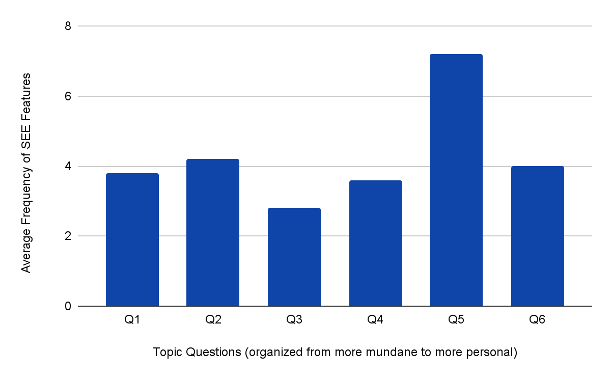
Figure 7: Average frequency of SEE features for each participant; participants organized based on relative key factors corresponding to Deaf identity

Not only was there a correlation between frequency of SEE features and relative Deaf identity, but the type of conversation topic was also a factor that influenced the frequency. See Figure 5 for average frequency across conversation topics. More mundane topics (e.g. Questions 1/2/3) had a higher degree of SEE features with the exception of Question 5. Question 5 triggered an unexpected stark increase in the frequency of SEE features as participants detailed past experiences of being criticized for their signing. This high frequency may be due to participants slipping into the variant that they were criticized for (in this case, signing more SEE over ASL). For some participants (e.g. Aqua and Violet), Question 3 did not trigger enough of a response due to lack of interest in the topic (dream car), therefore rendering a lower frequency of SEE features than expected. Considering ASL features in conjunction to the data presented in Figure 8, we witness that the topics that were more personal (Questions 4/5/6) have a lower frequency of SEE with respect to the more mundane topics, with exception to question 5 as aforementioned.

Figure 8: Average frequency of SEE features across conversation topics

Additionally, note that the two signers, who leaned more on the SEE side of the continuum, tended to correct themselves while signing. A signer would begin an initialized sign then quickly amend their sign to the ASL variety. This may have happened because they were aware of their SEE signing feature as less prestigious to ASL and made the correction as a form of meta-linguistic awareness.

Limitations & Future Research

Exemplified data does not take into consideration ASL features which would show more personal topics have less SEE features in comparison. Since the data is unable to reflect the instances of ASL features because they are not as easily countable as the lexical features of SEE, there is a low visual significance with respect to topic and sign preference.

Discussion

Though this research focuses on a very small sample size, this research is an example of how language can index identity and whether a speaker or signer chooses to use one linguistic feature over another can range depending on social context, the topic at hand, and the interlocutor. Our results suggest that certain topics can trigger different responses in which signers may shift or choose a particular identity or set of linguistic features from their linguistic repertoires they would like to showcase in that given situation. More mundane topics may trigger different linguistic features than more personal ones, especially when a particular variety has less prestige over another in a given community (in this case, the Deaf and signing community). The correlation between signing style and Deaf identity found in this study aligns with the more researched theory that language variety can index an agent’s identity and is replicable in many other sociolinguistic areas.


References

Gallaudet University – What you do here changes the world! (2021, November 15). Gallaudet University. https://www.gallaudet.edu/

Lucas, C. (1989), The Sociolinguistics of the Deaf Community. Academic Press, Inc.

Lucas, C., Valli, C., & Bayley, R. (2001). Sociolinguistic Variation in American Sign Language (1st ed.). Gallaudet University Press.

Nikolaraizi, M. (2006). The role of educational experiences in the development of deaf identity. Journal of Deaf Studies and Deaf Education, 11(4), 477–492. https://doi.org/10.1093/deafed/enl003

Power, D., Hyde, M., & Leigh, G. (2008). Learning English From Signed English: An Impossible Task? American Annals of the Deaf, 153(1), 37–47. http://www.jstor.org/stable/26234486

Stremlau, T. (2003). Language Policy, Culture, and Disability: ASL and English Rhetoric Review, 2003, Vol 22, No. 2, 184-190.

Valli, C., & Lucas, C. (2000). Linguistics of American Sign Language Text, 3rd Edition: An Introduction (3rd ed.). Gallaudet University Press.

Vicars, W. (n.d.). ASL University. Retrieved from https://www.lifeprint.com/asl101/lessons/lessons.htm

[/expander_maker]
, , , , ,

“It’s just a game”: Toxic Triggers in the Competitive FPS Valorant

David Vuong, Emma Tosaya, Jane Heathcote, Kai Garcia

If you have ever played an online game, of any variety, chances are you have run into a toxic player or two. Online gaming has a long, deep rooted history of toxicity, often attributed to many games’ violent or competitive natures. However, toxicity can stem from a variety of sources, from racism to sexism to even a player’s enjoyment of toxic environments. This article aims to find the link between toxic nature and the online first-person shooter (FPS) Valorant. From the moment it was announced, Valorant was one of the most anticipated game releases of 2020. With its release coinciding with the COVID-19 quarantine, its popularity received a drastic boost, giving it a uniquely diverse player base – including a rising number of female FPS players. Focusing specifically on female-received toxicity, randomly selected interactions between players will be analyzed based on word choice and context to study in-game triggers for toxicity.

[expander_maker id=”1″ more=”Read more” less=”Read less”]

Introduction

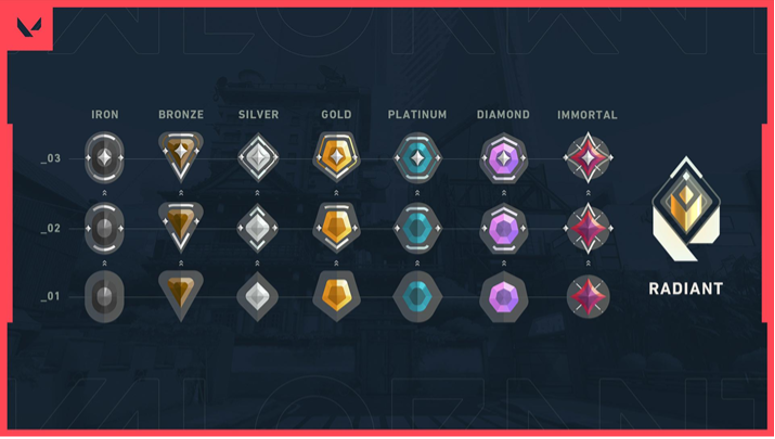
For those unfamiliar with the game, Valorant is a team based tactical shooter game, played online in teams of five. Each player is assigned a rank based on skill level (which ranges from lowest at Iron 1 to highest at Radiant) as displayed in Figure 1, and an account level (which indicates how much an individual has played the game on a particular account) as displayed in Figure 2.

Figure 1 – Valorant ranks
Figure 2 – Valorant account levels

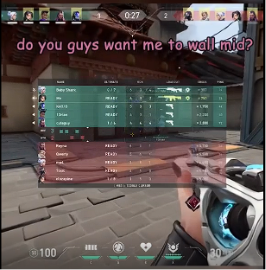
The small team sizes and hierarchical structure create easy situations to call out fellow players, and the fast-paced and competitive gameplay leads to frequent incidents of toxic behavior. Performance based toxicity is made even easier thanks to the format of in-game statistics (see Fig. 3). Players have access to both their own and the opposing team’s statistics for a particular game. Each individual player’s username is displayed next to an image of the agent they have chosen and rank, followed by KDA count (kills, deaths, and assists to kills), loadout indicating what kind of weapon they are using, and credits showing each player’s current money. All of this information is necessary for knowledgeable gameplay but makes it easy to target a specific player – such as the person with the least kills.

Figure 3 – Valorant in-game loadout menu

Riot, the developer of Valorant, has made several attempts to quash performance-based rank toxicity. Visible ranks were removed in game, meaning the rank information found next to the agent image in Figure 3 were removed. Despite these attempts, there has been no real success or documented decrease in rank toxicity.  A recent survey created by the Anti-Defamation League found that 89% of young gamers between the ages of 13 and 17 had experienced a disruptive, negative encounter in Valorant during the past six months (ADL, 2021). Toxicity in Valorant has become an expected part of the game, despite the fact that such “deviance” in games has the consequence of driving off new players and supports a reputation of toxicity (Shores et al., 2014).

In this study, we wanted to dig deeper into the linguistic phenomenon involved in this toxicity and explore how a player’s word choice and lexicon give insight into why they might feed into such a toxic environment. Analyzing the context and frequency of these toxic statements is important to better understand the triggers of toxicity in a community that is intended to promote teamwork. By looking at audio recordings and chat transcripts from a variety of sources, we predicted that gameplay-based comments would be the most common form of toxicity, but that other categories such as gender or race would have a key role in players’ decisions to make these comments.

Methods

There were two parts to our study: interaction analysis and community familiarity.

Part 1: Interaction Analysis:

Using a variety of open-source mediums, we collected random clips of toxic in-game encounters on YouTube, Twitch, and TikTok. Twitch is a platform in which people can stream their gameplay live to a virtual audience, and TikTok is a platform in which users can submit small one-minute clips or compilations. Using Twitch’s Valorant category, TikTok’s search function utilizing hashtags, and requesting clips from anonymous individuals, we analyzed 10 randomly selected clips of female Valorant players. As the demographic of Valorant players is overwhelmingly male, and considering sexism was one of our categories, we decided to focus specifically on female directed toxicity to avoid any skews in data. We looked for two instances of female-received toxicity in a single clip, which we called the primary and secondary interactions. The primary interaction was considered the first identifiable toxicity aimed at the female player after she had spoken, and the secondary was considered to be the second instance of toxicity. After creating transcripts for these interactions, we placed them into one of four categories based on the toxic word choice employed: sexism, profanity, performance, or racism. For example, an interaction where a male teammate referred to the female gamer’s bad play as a “woman moment” was placed in the “sexism” category. The primary and secondary interaction could be either the same or different forms of toxicity, and some even contained multiple types of toxicity in a singular interaction (ex. performance-based primary, sexist secondary). In the instances where there was more than one category documented, all categories noted were considered when compiling the final data.

Part 2: Community Familiarity

We also wanted to see how familiar the toxic Valorant jargon was to people outside the community of practice, as well as their thoughts and impressions on the nature of the negative interaction. To do this, we created a familiarity survey to send to several non-Valorant players. The survey consisted of one of our interaction transcripts and analysis questions. A total of 5 participants were shown the transcript – 4 female and 1 non-binary. We asked the participants to describe the nature of the interaction and to elaborate on the potential thought processes of both the female and male gamers.

The questions were kept as general as possible, and both the questions and transcript were sent via text so as to not incur any bias towards a specific category of toxicity. The first question asked was simply, “How would you describe this interaction?”. The following two questions focused on what the participants thought each of the player’s take on the interaction was, essentially asking if the participant viewed the interactions in the same way that our data collection did: sexist, racist, performance based, or straight profanity-based toxicity.

Analysis

Please note that the following video and data does include offensive language.

The video found below contains a clip from our randomly selected subjects who experienced toxicity in game.

https://youtu.be/pON7BYP6wAk

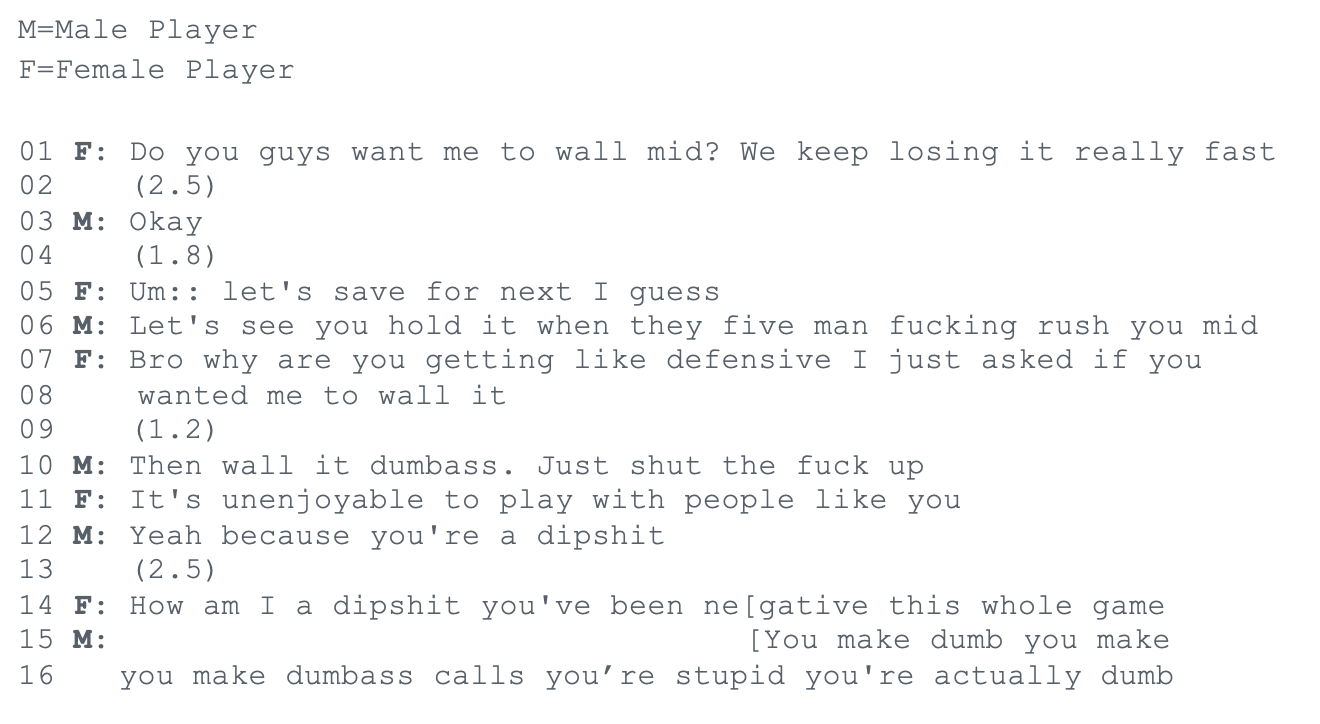
The continuing excerpt shows an example of how the project categorized terminology and phrases to collect data on types of toxicity. It is also the specific excerpt provided to subjects outside of the Valorant community for familiarity testing.

The excerpt opens with a question from the female player, targeted to her fellow teammates and related to the general game strategy. The primary toxic interaction occurs in Line 6, when the male player questions the female player’s ability to perform a game-related task (hold a site against the enemy team). The game terminology within this line flags it as performance-based toxicity according to our categorization methods. After the female player calls out his toxicity (Lines 7-8), there is a brief pause (1.2 seconds, Line 9) before he insults her and her abilities again in Line 10. This is the secondary interaction and is another example of a performance-based toxic comment.

Although the interaction continues past this point, we focused on the primary and secondary interaction, since we are only interested in the beginning trigger to the overall toxic encounter. Using the same methods as demonstrated above, we analyzed the other randomly gathered video clips and accumulated our final results.

Results

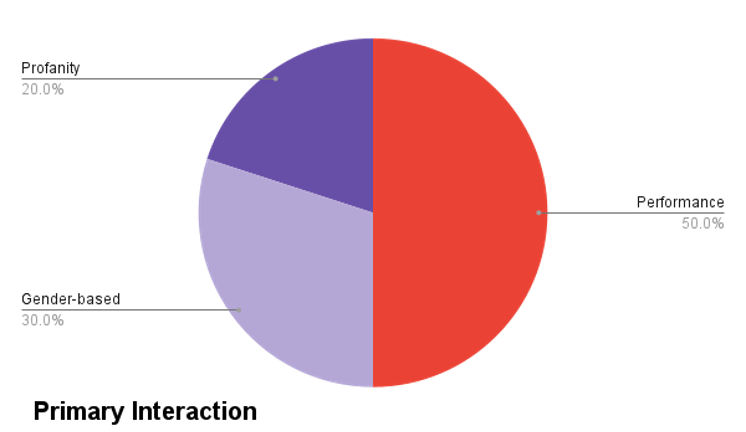
Overall, the most frequent type of toxicity encountered at the beginning of a negative interaction was performance-based insults, which aligns with our hypothesis. Figure 4 indicates that this performance toxicity appeared first in half of the videos we analyzed, followed by gender-based discrimination at 30% and general profanity directed towards the female player found in the remaining 20%.

Figure 4 – Primary interactions: type of toxicity, by frequency

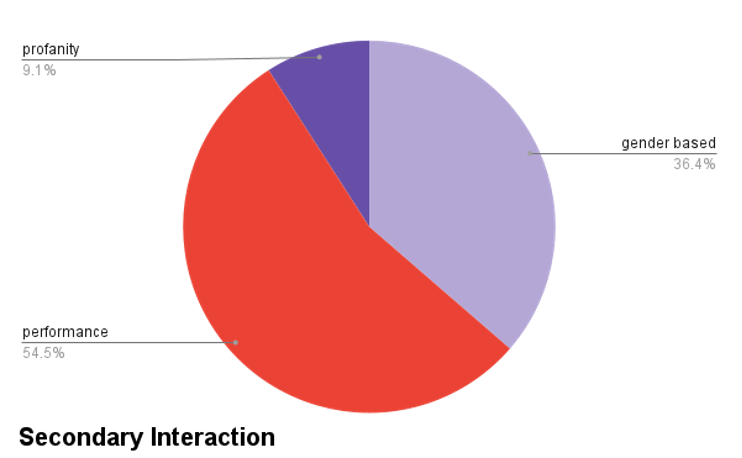
Performance was even more relevant in the secondary interaction, making up 54.5% of the comments, as seen in Figure 5. Once again, gender-based toxicity and general profanity made up the rest of the encounters studied, although both categories combined make up less than half of the interactions recorded.

Figure 5 – Secondary interactions: type of toxicity, by frequency

No encounters of racist toxicity were documented as the immediate trigger for negative encounters, even though racism remains a known issue in Valorant. We did find instances of spoken racial slurs in the videos analyzed; however, as they were not the first or second instance of toxic comments, they were not included in our analysis.

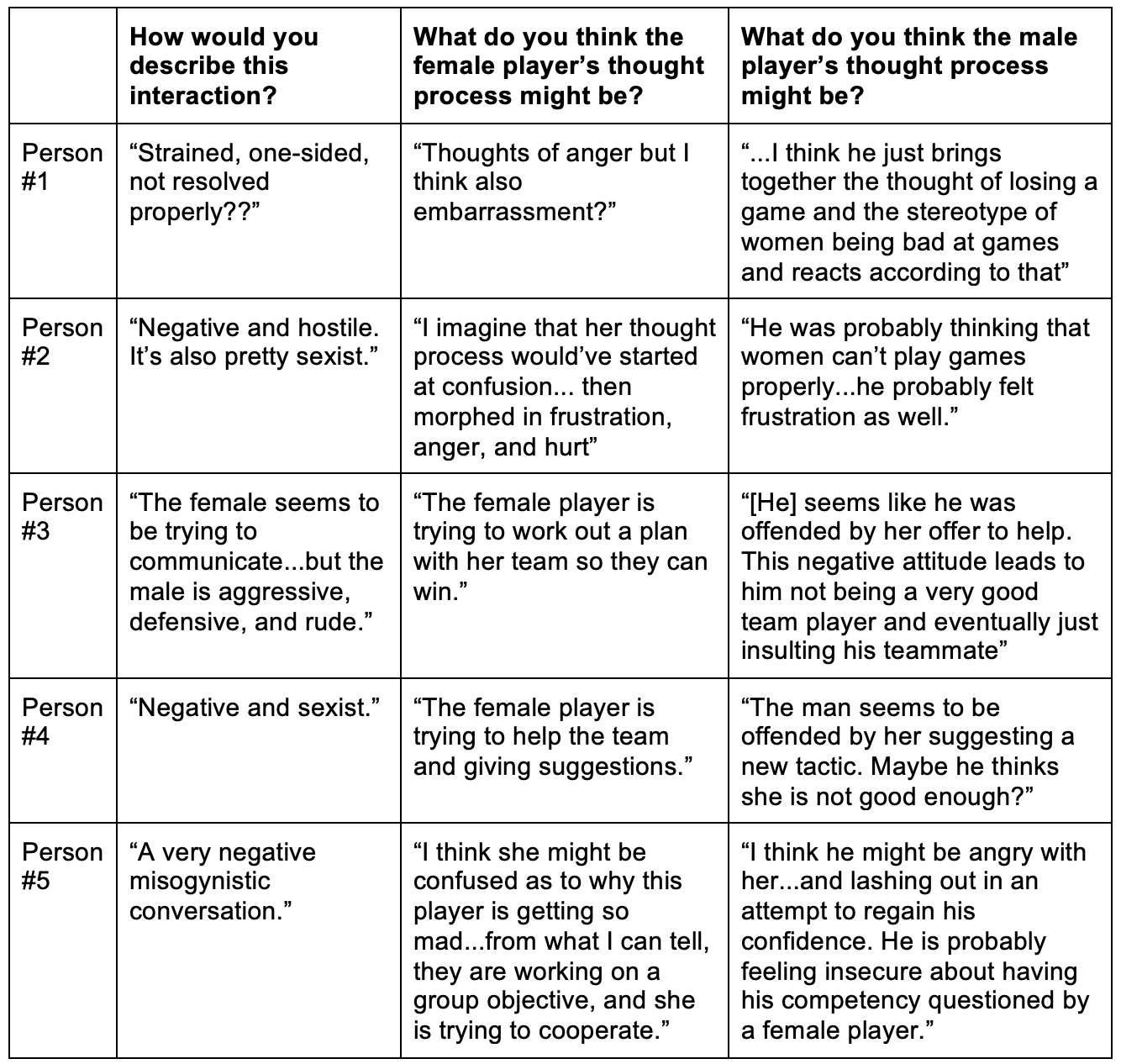
After sending the example transcript to individuals outside of the Valorant community, we were able to analyze their answers and determine if they also regarded comments as negative. As demonstrated in Figure 6, all five individuals described the interaction using words with negative connotations. When asked about the potential thought processes behind the male player’s triggered toxicity, the most common themes were gender-based stereotypes and frustration/defensiveness over game performance. This aligns with the results of our data analysis and demonstrates that individuals outside the community view game toxicity as negative.

Figure 6 – Subject responses to familiarity survey

Discussion and Conclusions

As stated above in the results section, most of the toxic comments were classified as performance-based toxicity. However, contrary to the initial hypothesis, the trigger for these particular cases of toxicity cannot simply be defined by their lexical counterparts. In the end, most of the clips collected were of toxic players who were underperforming themselves, while the receiver of toxicity was outperforming the toxic player. This suggested that the trigger for toxicity was not simply related to low performance, but other factors beyond gameplay that were playing a key role in toxic behavior. Additionally, when the comments were transcribed as part of our survey questionnaire, the participants analyzing the conversations stated that the interaction was extremely negative and had misogynistic undertones. Not only was the toxicity understandable to persons outside of the community of speech, but the responses also suggest that the survey participants believed the toxicity triggers extended beyond surface level word choice. With that in mind, we can view these comments not only as an indication of performance toxicity, but rather a demonstration of sexism as the underlying trigger for in-game toxicity.

As also noted in the results above, this project did not yield any data on racism. Despite this fact, further studies could focus on racial discrimination as a trigger to toxicity within Valorant. As there is no way to determine a player’s race in Valorant except from their voice, a different data collection method would need to be employed to study racism in-game. Possible future studies could have subjects who speak African American Vernacular English or subjects with non-standard American accents volunteer clips of their toxic interactions, instead of having a female only subject demographic. Previous research (Buyukozturk, 2016) has found that one of the major contributors to racial gaming toxicity is the obscured nature of online interaction. Toxic gamers can draw stereotype-laden conclusions about a player based solely on their voice, and they may express their toxicity more readily than they would in real life because they feel safe hidden behind a digital avatar. It would be interesting to analyze the word choice and context of racist gaming encounters and compare them to documented examples of in-person racist speech.

For other future analysis, a much larger data sample would be needed to back the current findings. A larger data set would provide not only more conclusive results but would help expand the scope of toxic behaviors beyond our focused categories (sexism, profanity, performance and racism). As Valorant is still a relatively newer game (less than 2 years old), there is much more research that could be done to help explain toxic trends. The broader implications of these findings could extend to other phenomena in society as well, such as the reasons behind toxicity towards female colleagues in male dominated work environments. Studying the triggers of this deviance has the potential to increase awareness towards harassment and general toxicity prevalent in all aspects of life.


References

Anti-Defamation League. (2021, September 15). Most U.S. Teens Experienced Harassment When Gaming Online, ADL Survey Finds. https://www.adl.org/news/press-releases/most-us-teens-experienced-harassment-when-gaming-online-adl-survey-finds

Beres, N.A., Frommel, J., Reid, E., Mandryk, R.L., & Klarkowski, M. (2021). Don’t You Know That You’re Toxic: Normalization of Toxicity in Online Gaming. Proceedings of the 2021 CHI conference on Human Factors in Computing Systems.

Buyukozturk, B. (2016). Race, Gender, and Deviance in Xbox Live: Theoretical Perspectives from the Virtual Margins. Sociology of Race and Ethnicity, 2(3), 387–398. https://doi.org/10.1177/2332649216645529

Cook C. L. (2019). Between a troll and a hard place: the demand framework’s answer to one of gaming’s biggest problems. Media Commun. 7 176–185. 10.17645/mac.v7i4.2347

Kowert R. (2020). Dark Participation in Games. Frontiers in psychology, 11, 598947. https://doi.org/10.3389/fpsyg.2020.598947

Shores, K., He, Y., Swanenburg, K.L., Kraut, R.E., & Riedl, J. (2014). The identification of deviance and its impact on retention in a multiplayer game. Proceedings of the 17th ACM conference on Computer supported cooperative work & social computing. https://dl.acm.org/doi/10.1145/2531602.2531724

[/expander_maker]


, , , , ,

Could you pass the salt-juseyo? A Comparison of Politeness Strategies in American English and Korean

Verania Amaton, Kimberly Maynard, YueYan Kong, Yi Wang

BTS. Gangnam Style. K-dramas. Korean culture has been steadily making its way into the United States’ mainstream culture leading to more contact between the cultures and languages. Any fan of Korean media knows that Korean has built-in formality tiers, a tricky part for native speakers of English to master when learning Korean. But does the English language really lack levels of formality just because they aren’t built into its grammar? In this study, we look into alternate ways of expressing politeness in both American English and Korean. By looking at how speakers of both languages make requests, refusals, and apologies, we were able to find what types of strategies they use outside of the expected word choice and grammar. Based on our data, there are more similarities than one might expect in terms of how speakers of these languages use politeness strategies. Continue reading to learn more about how we approached a cross-cultural comparison of the politeness strategies in the U.S. English and Korean!

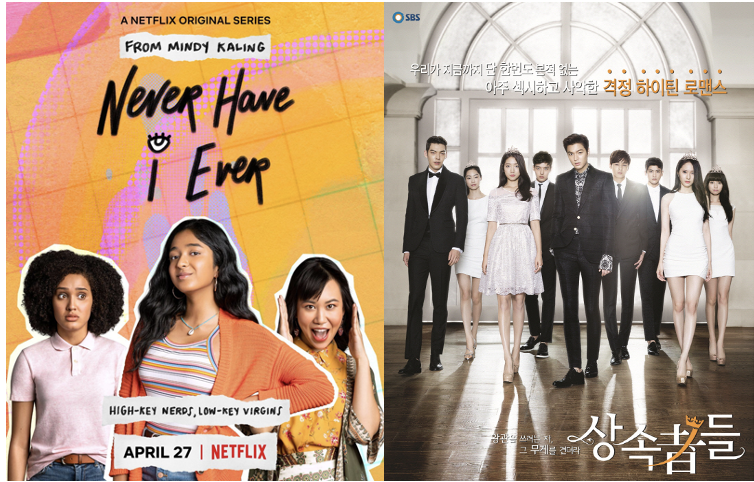
Figure 1 and 2: The TV series posters for Never Have I Ever, an American show, and Inheritors, a Korean drama.

[expander_maker id=”1″ more=”Read more” less=”Read less”]

Introduction and Background

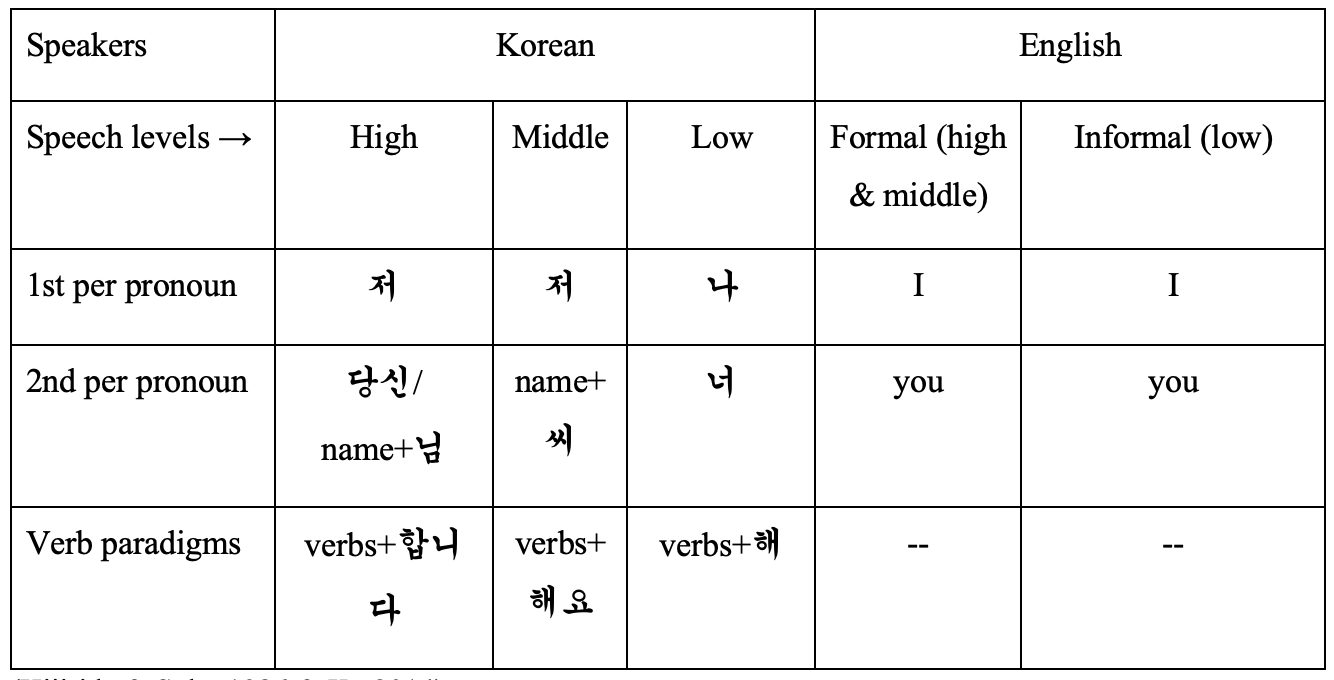
With the rise of popularity of Korean media in the United States, more Americans are being exposed to Korean language and culture. One of the most notable differences between the English and Korean languages is the idea behind formality tiers which don’t exist as clearly in English. It would be unfair to presume English speakers are inherently impolite because they don’t have a built-in formality system, so we expect they would have other strategies they could use to be polite. This leads to the next question of whether Korean would also have other strategies outside of grammar to express formality and how those strategies might compare to ones used in English. First, we looked into pre-existing research on these languages and cultures to give us an idea of what we could expect.

Table 1: A comparison chart between Korean and English formality tiers (adapted from Hijirida & Sohn (1986) and Ku (2014)).

Korea is considered a collectivist-low-context culture which means that Koreans have a strong emphasis on group harmony and using context more so than words to convey messages. On the other hand, America is an individualistic-high-context culture in which there is a stronger focus on individuality and more responsibility falls on speakers to explicitly state their point (Cho, 2010). This significant difference in language culture feeds into unique styles to express politeness. The two major linguistic ways one can express politeness are through positive politeness, making the receiver feel good about themselves, and negative politeness, an apologetic stance to interaction based on the assumption that one is intruding on the listener (Brown and Levinson, 1987).

Given the contrasting cultures of communication, we would expect Koreans to be more vague overall and utilize more negative politeness in order to avoid being imposing while Americans would be more direct in their politeness, thus leaning towards more positive politeness strategies.

Methods

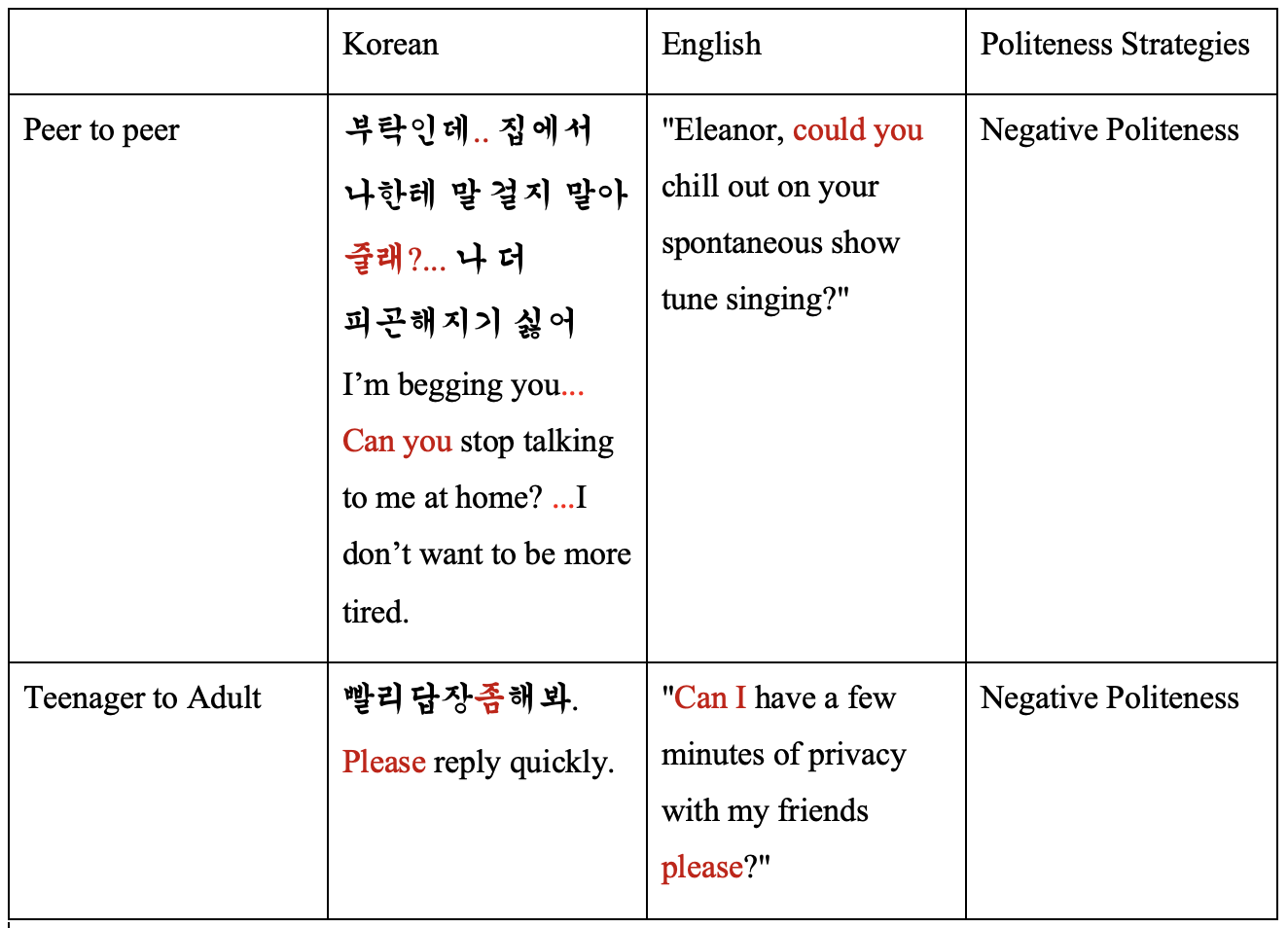
We know from intuition that regardless of culture, both American and Korean teenagers are expected to change their speech style when addressing their peers versus adults in their lives. That is why we chose to focus on collecting data from two TV series: Never Have I Ever (American English) and Inheritors (Korean), which mainly focus on the lives of teenagers. For data collection we focused on gathering pieces of dialogue that we thought could show how these characters were expressing politeness in different situations. We categorized the data into three specific speech acts (requests, refusals, and apologies) to know how politeness theory would be displayed in English and Korean. We also split this data according to the participants, specifically into peer-to-peer and student-to-adult categories1. The analysis was primarily focused on instances of positive and negative politeness, but we kept an eye out for other strategies.

Results/Analysis

We organized our data into separate sections depending on the language, participants, and speech act. We’ll cover a couple examples for each speech act and show them in a table with some color coding to show politeness strategies used. Any negative politeness will be written in red text and positive politeness will be written in green text. At the end of this section, we will show a table that has the numbers that encompass all the data. The first speech act we looked at was requests.

Table 2: Table on Requests in Korean and English.

In Korean we noticed the use of negative politeness strategies both between peers and between the student and adult. In the case of the peer-to-peer request shown above, there was some pausing before making the request and before explaining why the request was made. They also formatted the request as a question using “줄래? jullae?” or “Can you…” which is one way to decrease imposition or make the request feel less intrusive, thus falling into the category of negative politeness. This is similar to the use of “좀 jom” or “please” when the student is making a request to the adult, once again decreasing imposition. Something that we noticed from these Korean examples is that speakers were generally more direct than expected. In the peer-to-peer request, the student making the request explains her reasoning as her “not wanting to become more tired” which is directly related to her own wants/needs. Typically, we would expect explanations in Korean to be more vague and related to a third party or some uncontrollable situation (Lyuh 1992, p.115). Furthermore, in the student to adult example, the student used “빨리 ppalli” and “해봐 haebwa” which create a sense of urgency and is also said informally as according to Table 1. This is unexpected with a teenager approaching an adult, but we deduced that since this student was talking to her mother, the closeness of their relationship overrode the need to be more formal or polite when speaking to someone older.

While we expected more positive politeness from English speakers, surprisingly we saw a high rate of negative politeness in English requests as well. As can be seen in the examples above, English speakers tended to format their requests as questions, using forms such as “Could you…?” and “Can I…?” and again in the student to adult request we see the use of “please” to further decrease imposition. Altogether, both English and Korean showed high rates of negative politeness in their requests. In looking at the additional data, there were some instances of positive politeness in peer-to-peer requests in both languages, but it wasn’t used nearly as often in the overall data for requests.

Table 3: Table on Refusals in Korean and English.

The general trend found in Korean for refusals between students is that peers are more direct and use less positive politeness when declining something. Our example in the chart above points to the use of positive politeness in using the phrase “I appreciate your offer,” but instances such as these were uncommon across our data. Between students and adults, there was more indirect speech with an absence of positive politeness as well. One of our best examples showed the use of “I have somewhere I need to go today” from a Korean student in order to decline an invitation from his mother. Unlike in our data for Korean requests, in this instance we did see the type of vagueness or reference to an outside force when providing an explanation for something, as expected of collectivist cultures. We analyzed this as the absence of positive politeness because while it was expected he would follow up with something like thanking his mother for the invitation, he focused on his lack of time. On the other hand, we found that English was much more direct across this speech act. There are instances of both positive and negative politeness, and it varies with the speaker, context, and social distance between the interlocutors (people engaging in a conversation). In the peer-to-peer example given in Table 3 for English, the speakers are friends while the teenager-to-adult interaction is between strangers. The peer-to-peer refusal was softened by the phrase “as appealing as that date sounds,” which we categorized as positive politeness because it exaggerated how much she liked the proposed idea by her peer even if she didn’t want to accept his invitation. In the English data, the first refusal is more euphemistic and the second is more direct, but both are clearly refusals.

Table 4: Table on Apologies in Korean and English.

In the case of apologies, both languages behaved opposite from what we expected based on our hypothesis. In Korean, there was a much lower rate of politeness strategies being used overall. For example, in peer-to-peer, there was no use of negative politeness strategies. Even in the example given in the table, we were not able to identify any particular strategies being used. The apology was simple and straight-forward. We do believe it is worth noting that our data for the Korean apology section was scarce in sample size and could have had more examples, which may contribute to the low numbers we are seeing. In the case of student to adult apologies however, we did see more use of negative politeness strategies. As seen in the table, the student used “그냥 geunyang” or “just” with a slight pause during her apology. This is an example of hedging, a negative politeness strategy where one delays or lengthens their statement. In terms of positive politeness strategies, we saw them only being used in peer-to-peer apologies in Korean.

In English, the rates of both positive and negative politeness were higher than expected, leading us to conclude that in this particular speech act, English speakers may employ more outside help to achieve the purpose of their apologies. In one of our English examples for peer-to-peer, a speaker says “I don’t expect you to just forgive me” as a negative politeness strategy to emphasize that the receiver does not owe them their forgiveness.

Outside of politeness strategies we observed that in both languages there was a pattern for emphasizing the aspect of self-blame across apologies. This was achieved by explaining their wrongdoings within the apology in order to bring awareness to their guilt.

In cross comparing our data for both languages overall, we found that there was no significant difference between the rates of politeness strategies used across the three speech acts we observed. English had a 37.5% rate of politeness strategies employed overall while Korean had a similar rate of 34.9%. However, an interesting trend we could identify was that while Korean teenagers did not necessarily use more negative politeness, they did demonstrate a wider variety of it while American teenagers stuck to using the same forms in their negative politeness strategies.

Table 5: Politeness Strategy Rates in Korean.


Table 6: Politeness Strategy Rates in English.


Discussion and Conclusions

After we had collected all the data above, we found that some of our data was consistent with our hypothesis while other data went against expected politeness patterns. We concluded that the Korean language does use negative politeness more often than positive politeness. Still, English also had a lot of unexpected evidence of negative politeness.

In addition, the importance of politeness strategies goes beyond vocabulary and grammar. It can also be expressed through strategies such as hedging and pausing in interaction. Despite the lack of a formality system in English, English speakers can change formality and politeness through the use of these identified positive and negative politeness strategies.

Based on what we concluded above, this study could be helpful for cross-cultural interlocutors to gain a deeper understanding of the language and communication styles of different cultures. For example, it could help politicians who need to conduct diplomatic affairs and business workers of international companies. Language learners would also benefit because memorizing phrases isn’t always enough to fully understand the underlying nuances of a language. Being able to properly understand the politeness strategies used by someone else and being able to apply them yourself can help greatly decrease misunderstandings.

In the early stage of collecting data, we also encountered some problems. Since we had yet not narrowed down the speech acts to requests, refusals, and apologies at the beginning, the initial data collection and analysis was not smooth. In future research, those interested in this topic can narrow down the scope of speech acts before collecting their data and perform future studies with more reliable sources. Our data results were affected by a relatively small sample size as we could not watch entire seasons of our shows, but future studies should consider collecting data from entire seasons if time allows. Future researchers of this topic could improve the source material by utilizing questionnaires, naturalistic observations, real person interviews, a wider variety of TV shows, or unscripted YouTubers’ speech patterns to collect data for their studies.


Extended Data Table:

Our data for requests, apologies, and refusals in English and Korean.


References

Brown, P., & Levinson, S. C. (1987). Politeness: Some universals in language usage. Cambridge University Press.

Cho, S. E. (2010). A cross-cultural comparison of Korean and *American social network sites: Exploring cultural differences in social relationships and self-presentation (Order No.3397528). Available from ProQuest Dissertations & Theses A&I; ProQuest Dissertations & Theses Global. (305224890). pp. 23-25

Ku, Jeong Yoon. “Korean Honorifics: A Case Study Analysis of Korean Speech Levels in Naturally Occurring Conversation.” ProQuest Dissertations Publishing, 2014. Print. P.7.

Kyoko Hijirida & Ho‐min Sohn (1986) Cross‐cultural patterns of honorifics and sociolinguistic sensitivity to honorific variables: Evidence from English, Japanese, and Korean, Research on Language & Social Interaction, 19:3, 365-401, DOI: 10.1080/08351818609389264) p. 370.

Lyuh, I. (1992) The art of refusal: Comparison of Korean and American cultures. ProQuest Dissertations & Theses A&I; ProQuest Dissertations & Theses Global. pp. 87-117

Mindy, K., Fisher, L., Klein, H., Miner, D., Shapeero, T. (Executive producers). (2020-present)

Never Have I Ever [TV series]. Kaling International, Inc.

Yoon, H. (Executive Producer). (2013). Inheritors [TV series]. Hwa & Dam Pictures.

[/expander_maker]
, ,

THE GAY PONDER: Closeted Sapphic Celebrities Deciding How To Talk About Their Private Lives

Kayla Cardoso, Van Hofmaister, Jamie Jiang, Clarissa Sie, Rainey Williams

In 2016 a 1979 interview with Jodie Foster resurfaced on the internet and instantly took hold in the meme community. When asked about a potential boyfriend, Jodie smirks, licks her lips, and raises her eyebrows in a manner that gives the impression she knows something that her interviewer does not. The label [gay silence] was given to this instance and it has become a part of gay culture and  the LGBT community as an identifying feature of closeted individuals. With this in mind, our study takes a sociolinguistic approach to analyzing and examining the idea of a sapphic/lesbian code. Coded sapphic speech is not well studied in sociolinguistics, and while the community itself is able to identify markers of such, there has been little to no substantial research on identifying features present in sapphic language. In analyzing the speech and body language of sapphic celebrities, we seek to provide evidence and tools to identify linguistic markers.

[expander_maker id=”1″ more=”Read more” less=”Read less”]

Introduction and Background

If you’re a particularly online or memelord-y queer person, you might have seen the “gay silence” meme by now. A young Jodie Foster, who now publicly identifies as lesbian, stares off-camera at her interviewer with a slight knowing smile and a strained look in her eyes. The subtitles characterize her contribution to the conversation as “gay silence.”

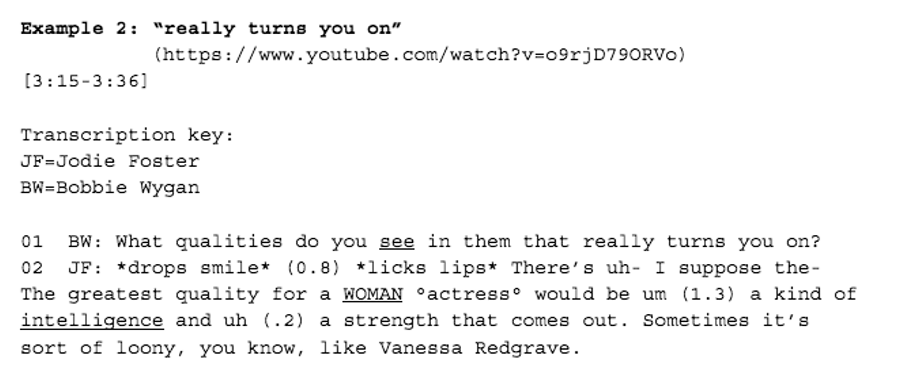
The image comes from a 1979 interview with 17-year-old Jodie Foster on the Macneil/Lehrer Report. Clips of the interview resurfaced a couple years ago and caught the attention of the sapphic community (“sapphic” is an inclusive term referring to any person, woman or otherwise, who identifies as lesbian). In the clip, Foster answers awkward questions about the kind of boyfriend she would like and the qualities in actresses that “turns” her on.

Foster is generally seen as early lesbian “icon”. One YouTube comment about the interview jokes: “Jodie Foster founded Lesbianism. She’s like the final boss”. Another viewer writes: “the gay energy in this is immaculate.” Most viewers point out Foster’s subtle subversion of the heternormative questions. Another commenter points out how young Foster’s mannerisms match contemporary codes of lesbianism – “Every mannerism she has is now lesbian code. Funny, right? (Way of sitting, way of taking the cup of tea, way of talking).”

Coded sapphic speech is not well studied in sociolinguistics. While the community itself is able to identify lesbian markers, as demonstrated by the commenters above, there has been very little empirical research on those markers in language. One commentary by April Jackson published in a feminist journal called “Bringing Lesbian Language Out of the Closet” claims lesbians do not have a collective public language. Nothing in the literature we found could support this claim, but the literature pool is already small. Most studies on sapphic speech are conducted on lesbian acoustic features under the stereotype-driven fallacy that gay women are the acoustic mirror of gay men, otherwise known as “Gender Inversion Theory” (Kachel 2017).

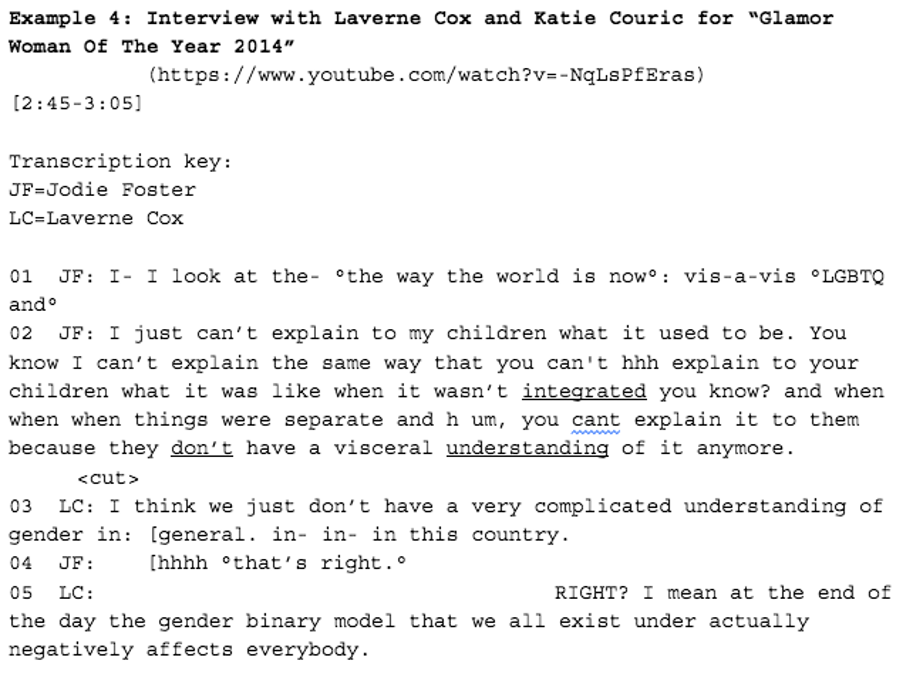
Our study aims to fill this gap with a thorough study of “out” sapphic speech. Specifically, we provide two case studies, lesbian and sapphic icons Jodie Foster and Kristen Stewart, characterizing the way sapphic celebrities speak about love, family, and sexuality before and after coming out.

Methods and Transcription Notation

Our hypothesis was that these women will behave differently depending on if they know the interviewer – and by extension, the greater audience – is aware of their identity or not.

With particular interest given to observing lesbian speech in environments where responses are elicited by another individual in regard to matters of romance, personality, and private life, we performed conversation analysis on queer women Jodie Foster and Kristen Stewart from the existing canon of interviews in the public record. We analyzed interviews on a scale of “outness” – before publicly coming out, in more “out” settings, and after publicly coming out – in order to draw comparisons and see if different aspects of their employed speech changed after they perceived members of their audience as aware of their identity.

Using conversation analytic methods, that data was examined for prosodic changes, i.e. hesitations, silences, breathiness, emphasis, and volume fluctuations. Particular attention was paid to: potential pauses[1] between utterances (the question and the intended response), employment of gendered versus gender-neutral words, and perhaps instances where the subject avoids the topic altogether. Furthermore, although more paralinguistic than overtly linguistic in nature, physical movements and posturing of the body in response to different questions allowed further insight into an interviewee’s response. Comparing this with later interviews where a given celebrity’s identity is public knowledge gave us an idea of whether or not these linguistic and paralinguistic choices were simply personality quirks. 

[1] In conversational analysis, a pause conveys meaning. The amount of time after an utterance is spoken may reflect different attitudes in a speaker. Such length after a pause can be interpreted as a few things, including hesitancy, disagreement, lack of interest, or that the speaker is having a hard time thinking of how to respond. We will be actively taking note of the length of any pauses within interviews in order to gauge how the speaker might be feeling in response to some interview questions.

Special attention was given to the interviewer’s demeanor, attitude, and in what context the celebrity was being asked these questions, as well as the content of the questions being asked, and whether those questions became more invasive once an interviewer knows they are asking someone who is lesbian. We tested for the possibility that our subjects were simply exhibiting discomfort while answering personal romantic questions, no matter their sexuality. As a method of control, the study includes conversation analysis on Brooke Shields and Amanda Seyfried; two heterosexual women who are contemporaries with Jodie Foster and Kristen Stewart respectively.

Transcription Notation:

  • [Overlap Bracket: Left brackets mark the point at which the current talk is overlapped by other talk.
  • Stressed Syllables: Underlined letters are used to indicate an emphasis on a word.
  • ° Low Volume: A degree sign indicates that talk it precedes is low in volume
  • Silence: Numbers in parentheses mark silences in seconds and tenths of seconds
  • Increased Volume: Upper case indicates increased volume.
  • Breathiness: An (h) indicates plosive aspiration, which could result from events such as breathiness, laugher, or crying
  • Noticeable Pauses: A period between two parentheses is used to indicate (short) pauses.

Results and Analysis

Brooke Shields

In order to have a point of comparison to Jodie Foster (one might say, hetero to Jodi’s homo), we chose to do conversational analysis on acclaimed actor and model Brooke Sheilds. Shields has been in the public eye as a famous figure her entire life, given her assimilation into the acting and model industry from a very young age (Shields was doing model jobs as an infant). Shields was also considered a very attractive individual, and given the subject matter she starred in (one example being the controversial–and in this writer’s opinion, very gross–film “Pretty Baby”) became a “sex symbol” in her teenage years.

This mindset of the public in regard to Shields led to her interviews being riddled with topics circulating towards: sex, men, crushes, boys, and other sexually or romantically charged vocabulary.

Given the frequency of such words as well, it provides viewers a good point of reference to how Shields would respond to questions that were deemed more harmless (crushes) to those that are more inappropriate (sex). For our study in particular, having interviews where the interviewer had the pre-existing mindset that Shields is someone her fans “desired” is a good control for Foster’s behavior. This way, we  can look into similarities and differences with regards to how invasive a question is without any distinction made between sexuality. Sometimes the things people are asked, point blank, make them uncomfortable.

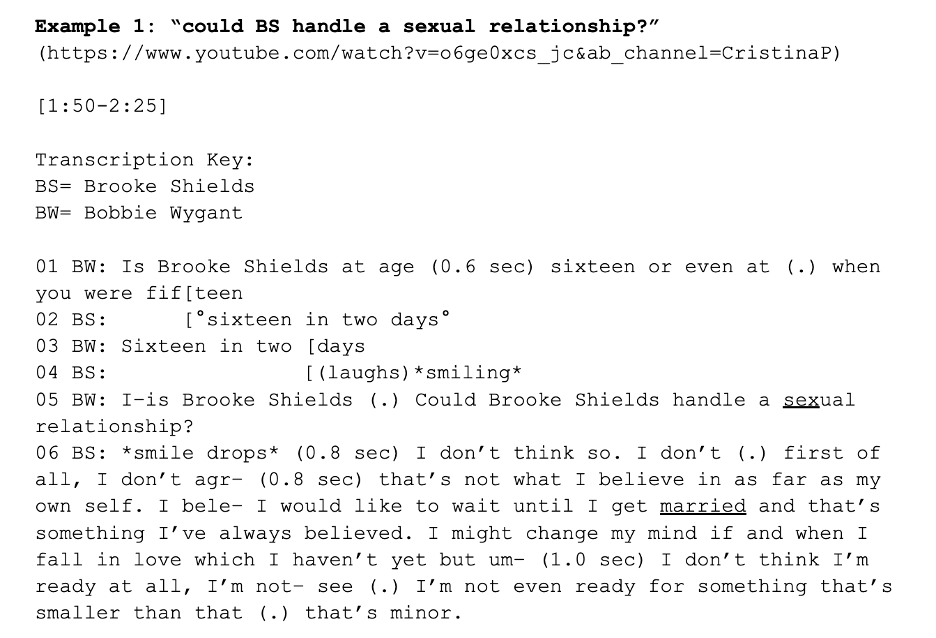
The first conversational analysis performed was on an interview in 1981 by the interviewer Bobbie Wygant (who also interviewed Foster two years prior). In the interview Wygant asked Shields many questions about sex, rather than the plot of the film she was in at the time. Wygant  asked things like whether or not she thought that young girls are able to have sexual relationships, later leading to her question to Sheilds, herself, about whether she could handle a sexual relationship or not. Shields at the time was 15 and seated between two of her adult male co-stars in the film “Endless Love”.

Some of the aspects of Shields’ response that were particularly noteworthy was her use of laughter towards the beginning of the interview, as well as the significant pauses she evokes after Wygant asks her the invasive question. Shields also stutters slightly, and has more pauses as she gathers her thoughts together in order to construct what people in the comments of the interview called “classy” or “graceful” despite the question’s probing content . Overall, the biggest instance of perceived discomfort for Shields’ responses to questions was found in this interview where the topic itself was something deeply personal and invasive to ask anyone.

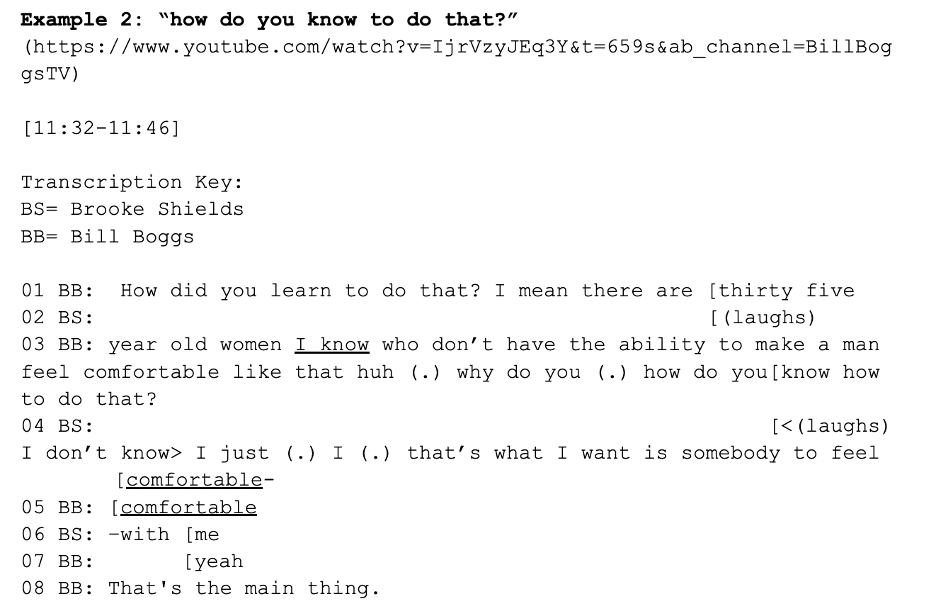
The second interview of import was conducted by Bill Boggs around a similar time in Shields’ life. Contrary to the Wygant interview, Boggs interview doesn’t explicitly ask Shields about sexual relationships, some of it is implied however. At one point in the interview Boggs asks Shields about her ability to make men feel “comfortable” with her. He even compares her ability to “thirty five year old women” he knows who aren’t capable of the same thing. Such a question, to an observer, seems off, especially considering the comparison between fully grown adult women and Shields, who was only a teenager at the time.

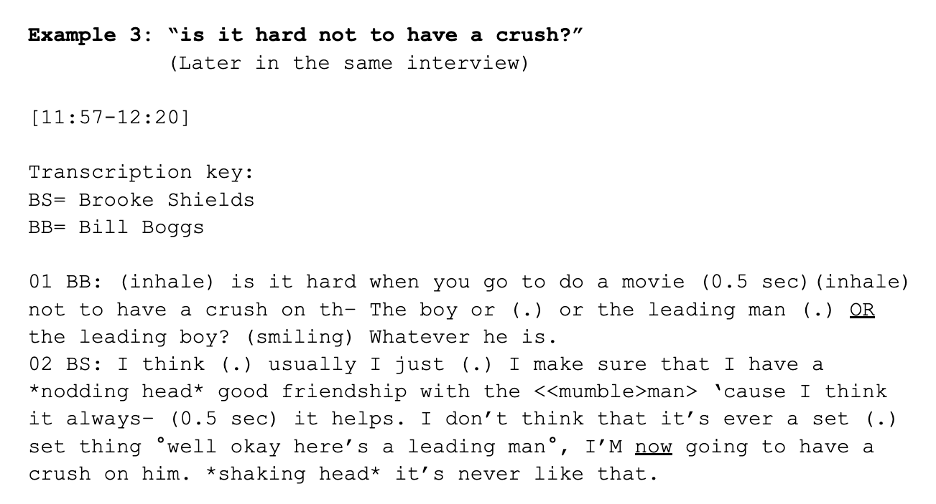
Similar to the previous interview there is evidence that Shields uses laughter as a response to a question that has some degree of romantically charged backing. In the later part of the interview Boggs asks Shields about the difficulty of not getting a crush on her male counterpart in a film.

Shields doesn’t hesitate to use masculine pronouns to refer to the recipient of her hypothetical crush, and although she does include a pause, it is more similar to her gathering her thoughts than being read as uncomfortable as it was in the first interview example (comparing a 0.5 second pause to the 0.8 or solid 1.0 seconds in the interview with Wygant). The only instance in which there is some aspect of her response that could portray uncomfort is when she mumbles the word “man,” however this is much more likely to be attributed to the fact that she was still a teenager at the time and her co-stars were more often than not older than her by a decently large margin.

Shields also has open body language in her interviews, where she smiles back at the interviewer, nods or shakes her head, and most noticeably laughs as a response to various questions.

Jodie Foster

Results from conversational analysis on Jodie Foster stood out from conclusions we drew on her heterosexual contemporary, Brooke Shields, in four ways:

(1) Foster used “the gay silence” when closeted;

(2) Foster used gender-nonspecific terms when closeted;

(3) Foster played with gender roles more often in a more “out” setting than in a closeted one;

(4) Foster was a more supportive and intimate conversation partner in an “out” setting.

In the interviews we analyzed discussing romance and sexuality, Shields responds to interviewers using laughter 50% of the time. By contrast, Foster used “the gay silence”. In a 1979 interview with Bobbie Wygan, Foster responded to heteronormative questions about her love life with several pregnant pauses.

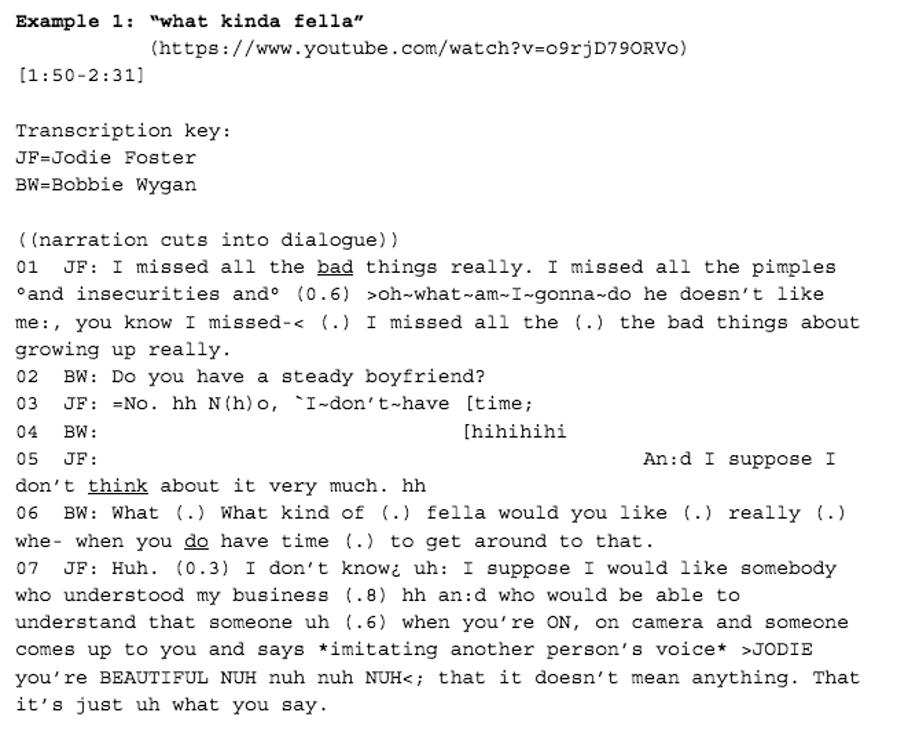
Foster’s silences came to an average of 0.49 seconds overall, twice using a 0.8-second silence during clips from the 1979 interview. Her longest silence occurred after the interviewer asked an awkwardly phrased question – what qualities in a female actress “turns” Foster “on” – a total of 1.3 seconds. This is the longest silence of any interviewed subject in our research.

Foster also used gender non-specific terms when closeted and avoided giving pronouns to potential romantic partners. In Example 1, Foster expresses a desire to date “somebody who understood my business” when the interviewer specifically asked about a “fella.”

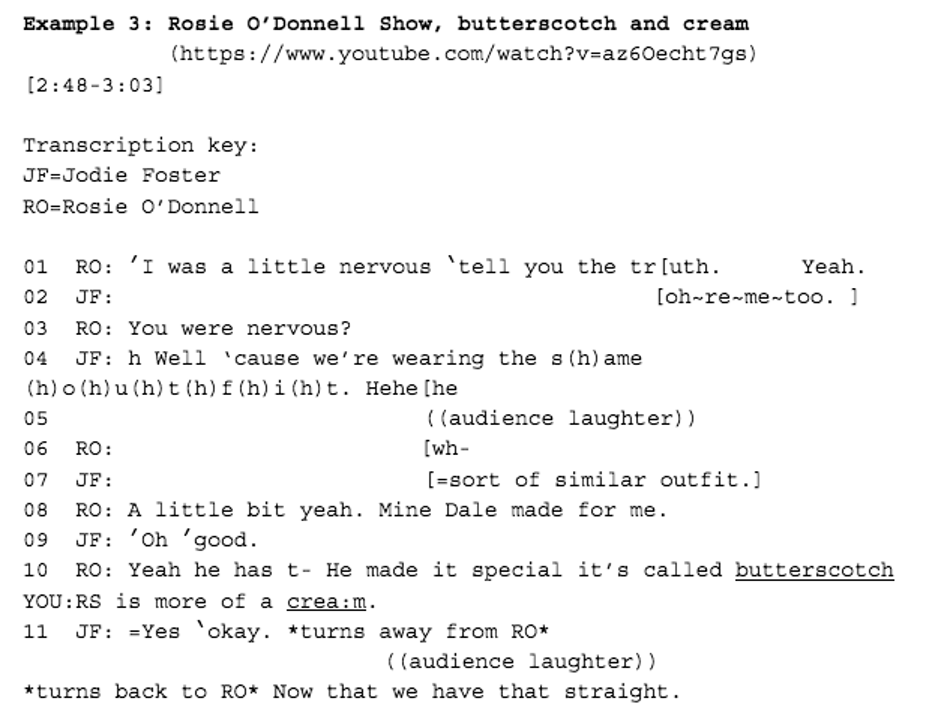
We classified an interview with fellow closeted lesbian Rosie O’Donnell as a slightly more “out” setting than other interviews, even though the public was still largely unaware of her sexuality. The brash show host with a deliberately comedic style, O’Donnell played with gendered language and perceived gender roles during her conversation with Foster, prompting the same subversive gendered language in Foster.

Robin Lakoff (1973) hypothesized that “women’s language” (WL) incorporated more color vocabulary than non-WL. The performance and nonperformance of WL in this interview highlights how queer women subvert gender in liminal “out” spaces. In Example 3, O’Donnell prompts audience laughter by drawing an exaggerated distinction between “butterscotch” and “cream” clothing. She appropriates highly feminine language (pointing out shades of difference in clothing colors) while highlighting her less prestigious New York accent (perceived as “rough” and “lower class” and therefore masculine). The joke results in a clash between feminine language and masculine presentation.

Foster responds by rejecting the feminine language and instead adopting a masculine disinterest in the color difference. She turns away from O’Donnell to look at the audience before ironically saying, “now that we have that straight.” This presents another clash in gender presentation and therefore subversion of gendered language.

We analyzed another “out” setting in which Foster comfortably indexed her queer identity in an interview. In 2014, Foster presented the “Glamour Woman Of The Year” prize to transgender icon and friend Laverne Cox. This was only a year after Foster publicly “came out” in the public sphere. Foster and Cox’s interview with Katie Couric after the awards ceremony displays Foster’s intimacy and vulnerability while speaking about her family and the state of queer liberation in 2014.

Foster speaks quietly and slowly, with heavy and personal emphasis, while speaking about the progression of LGBTQIA+ liberation. In the next cut, Foster indexes her intimate friendship with Cox as well as her solidarity with Cox’s experiences through supportive interruption (Tannen, 1993). Foster cuts in with a positive response (chuckling in line 04) and affirms Cox’s experiences. Cox, in turn, acknowledges the support in line 05.

Contrast this interaction with a far more disastrous interview from 2007 in which a straight male interviewer made an inappropriate joke about Foster’s lesbianism. In that interview, we found Foster speaking in extremely high pitch, laughing, stuttering, and backing away from engaging with her interviewer on several topics of conversation. In the next appearance Foster made on the show, the interviewer joked that Foster didn’t like him; perhaps alluding to her uncomfortable retreat from their last interview. 

Amanda Seyfried

Amanda Seyfried was chosen as Kristen Stewart’s heterosexual counterpart because of her similar exposure to fame. Amanda’s breakout roles in Mean Girls (2004) and Mama Mia (2008) lead to a surge of interviews in the young actress’s life, just as Stewart’s breakout role in Twilight (2008) spawned a plethora of interviews. Seyfried’s dating activity has always been accessible to the public, whether that be through social media posts from the actress herself or public interviews. In our chosen interview Seyfried is being interviewed by Ellen on daytime television, with the topic of conversation being Seyfried’s recent vacation with then boyfriend Justin.

After Ellen’s initial question of how long she has been with Justin, Seyfried pauses and is unsure of her answer. She continues to build on her thoughts and answers Ellen’s question fully with sincerity across lines 04-08. When Seyfried says in line 06 that it feels like a LIFEtime, she make a contrast between the short time they’ve been together and the potential romantic exaggeration of saying “lifetime,” making the line come out as almost a mocking joke, but her follow-up with sincerity, saying they “do everything together” in line 08 confirms the truthful tone of her latter statement.

Kristen Stewart

Kristen Stewart is an actress who has stated that she has never felt truly “closeted” – in the sense that she never attempted to hide her attraction to women, and even before any official statements about her sexuality, or public appearances with female/nonbinary partners, she has shown obvious interest in women. When analyzing her speech, it’s important to keep this in mind, because it may inform interpretations of her answers to certain questions.

Stewart is an interesting subject to study, particularly because of her strong presence in the public eye as a romantic lead in Twilight. Conveniently, during filming of the Twilight series, she also appears as Joan Jett in The Runaways, where she has an on-screen romance with female co-star, Dakota Fanning. Comparing her reactions to prying questions in context of both Twilight and The Runaways gives us a way of judging her comfort level without confounding variables such as age or level of fame, since they take place in the same timeframe.

Stewart is a person who has been classified as shy, guarded, or introverted, mostly in response to questions about her romantic life, and such discomfort can be seen in several interviews where an interviewer will ask her about her relationship with Twilight co-star, Robert Pattinson. In one interview, an interviewer questions Kristen on filming a particular kissing scene with Pattinson.

Previously fluid and casual, Stewart begins to stutter, use filler words, and make speech errors, as well as take significant pauses in her speech. Most notably, she also avoids the question entirely, choosing instead to mark on the filming process and vampirism as a concept, rather than her chemistry with Pattinson. Similar reactions can be found in several other interviews on the same subject, where solicitations of romantic involvement with Pattinson are met with stuttering and subject avoidance. In one interview with Oprah, the host even remarks on Stewart’s publicly-known coyness on the subject, directing the question to Pattinson himself only for him to similarly dodge the question, albeit in a more humorous and comfortable way.

Alternatively, Stewart’s shyness did not seem to extend with her onscreen romance with Fanning, and in interviews with similar questioning, responded with confidence, humor, and ease.

Rather than avoid the subject, she leans into it and encourages more conversation. When questioned about the “best kisser” in the context of her Twilight love triangle, she responds with “Dakota” in several different instances. This lack of trepidation is consistent among a number of interviews, with and without Fanning next to her.

Later in her life, Stewart began making her romantic involvement with women more public, and announced an engagement with her fiancée, Dylan Meyer. The same ease, confidence, and positive language can be observed when she talks about Meyer in an interview with Jimmy Fallon.

She no longer stutters, she uses objectively positive language discussing her partner, and has an open and relaxed posture. Additionally, Kristen in line 02 begins to laugh as she says “thanks” causing a break in her voice. This is her first observed initiation of laughter, possibly displaying increased confidence (compared to previous interviews where she only mimics laughter after someone else has initiated it).

Discussion + Conclusions 

This study rebukes previous literature that claims sapphic people do not index their identities in their speech or that sapphic mannerisms should be mirrored counterparts of gay mannerisms. Our study of famous sapphic celebrities and “icons”, juxtaposed with their heterosexual contemporaries, show us that those sapphic individuals speak very differently in “out” settings than in “closeted” settings (whether they are completely closeted, in the presence of other sapphic people without being out to a larger audience, or completely out and discussing matters of love and sexuality). They exhibited a marked difference in comfort level, gender role performance or subversion, and positive or more intimate interlocutory behaviors.

Our results show that Foster in “out” settings, unlike her contemporary Shields, tends to subvert gender roles more often in interviews. Additionally, “out” Foster acts more supportive towards LGBTQIA+ interlocutors than towards heterosexual interlocutors. “Out” Foster speaks personally and intimately about matters of queer liberation, whereas closeted Foster becomes greatly uncomfortable and withdrawn when confronted with the question of her sexuality.

Additionally, unlike Shields (who used laughter as a frequent form of response), closeted Foster tends to display discomfort about probing personal questions with the “gay silence,” a knowing silence that avoids an admission of homosexuality but also tends not to display overt heterosexual enthusiasm.

Amanda Seyfried’s playful but overall sincere comments on her current partner can be compared to a closeted Kristen Stewart’s reaction to questions about heterosexual romantic scenes with long silences and avoidant interlocutory behaviors. Contrasting these behaviors with “out” Kristen Stewart’s speech, we find a marked positivity and confidence, given her newfound laughter initiation and active gesturing (“knocking” it out of the park) when speaking on subjects engaging in her sexuality.

Our research adds to Kachel 2017’s work by further providing evidence that Sapphic speech cannot be indexed in the binary of heterosexual women vs. homosexual women. Rather, our results show that the psychological states and conscious identifications of these individuals (awareness of interlocutors’ sexuality, awareness of audience’s knowledge about their sexuality, comfort level with indexing non-normative gender or sexuality identities) are much more important factors in whether or not sapphic speech surfaces.

This research also marks one of the first uses of CA in individual case studies to examine the use of Sapphic speech. We recommend that further research follow our direction of case studies and examine larger corpuses of data from one Sapphic subject in “out” and closeted settings to corroborate our findings about gender performance, “gay silence”, and comfort level. Additionally, we recommend further conversation analysis studies performed on sapphic individuals’ conversations within the sapphic community and compare those results with sapphic-heterosexual conversations. Finally, we recommend more robust research into the sapphic community’s online language to better understand how sapphic speech may have developed in recent years.

Additional References 

We have included an assortment of different links below used to draw conclusions and make connections between our research topic and other sources. The type of links vary from articles from pop culture media, to youtube links of different interviews conducted with celebrities.

Vice – Lesbian Culture Has Had a Major Update

(an article briefing “additions” to lesbian culture form the year 2018)


Interviews (including the interviews where conversational analysis was done and those where it wasn’t)

Jodie Foster

Famous Jodie interviews

https://www.youtube.com/watch?v=mqxkA46eIOI

https://www.youtube.com/watch?v=DiCwI4Xdvrk- https://www.youtube.com/watch?v=ct3UPiWPKS8


Jodie and gender

https://www.youtube.com/watch?v=X7p25iyvmsg&t=298s

https://www.youtube.com/watch?v=aTmjZf2NH3c

https://www.youtube.com/watch?v=ity8XVVSdI0

https://www.youtube.com/watch?v=kQQrlGjeHIM


Jodie and sexuality

https://www.youtube.com/watch?v=-NqLsPfEras

https://youtu.be/243NYLOn6WE?t=122


Kristen Stewart

Heterosexual Interactions and “Chemistry”

https://www.youtube.com/watch?v=sE0fPDIKGD8

https://www.youtube.com/watch?v=NhlS_TikKXE

https://www.youtube.com/watch?v=fREjpeShur0


On Sexuality

https://www.youtube.com/watch?v=GUMHSDzLBy4


Discussing Engagement

https://youtu.be/P7jsmfpF82M

https://www.youtube.com/watch?v=ItTWGCJGTeA


Homosexual Indications

https://www.youtube.com/watch?v=ZxvrV5UH2NE

https://www.youtube.com/watch?v=nU6gCC3DTCc


Amanda Seyfried

About her boyfriend

https://www.youtube.com/watch?v=-GSou1Dk0hc


On her Marriage and Homelife

https://www.youtube.com/watch?v=TbRtVJYUADs


Brooke Shields

On matters of sex and sexuality

https://www.youtube.com/watch?v=J31pcI3ZgN4&ab_channel=MervGriffinShow

https://www.youtube.com/watch?v=o6ge0xcs_jc&ab_channel=CristinaP

https://www.youtube.com/watch?v=aTSSBJ6xyi4&ab_channel=TheDianeRehmShow


Romance

https://youtu.be/IjrVzyJEq3Y?t=659

https://www.youtube.com/watch?v=3QWQ4gN3j4E&ab_channel=WatchWhatHappensLivewithAndyCohen

https://www.youtube.com/watch?v=htnMcHxr-Dw&ab_channel=MichaelMYoung


On Motherhood

https://www.youtube.com/watch?v=A9j2ZPcSCR4&ab_channel=BobbleheadConan


References

Clayman, Steven and Virginia Gill  (2012).  “Conversation Analysis.”  In James P. Gee and Michael Handford, (Eds.)  The Routledge Handbook of Discourse Analysis. London, Routledge: 120-134.

jackson, april. (1994). Semantic Space: Bringing Lesbian Language Out of the Closet. Off Our Backs, 24(10), 13–13.

Jacobs, G. (1996). Lesbian and Gay Male Language Use: A Critical Review of the Literature. American Speech, 71(1), 49. doi:10.2307/455469

Jones, L. (2018). ‘I’m not proud, I’m just gay’: Lesbian and gay youths’ discursive negotiation of otherness. Journal of Sociolinguistics, 22(1), 55-76. doi:10.1111/josl.12271

Kachel, S., Simpson, A. P., & Steffens, M. C. (2017). Acoustic correlates of sexual orientation and gender-role self-concept in women’s speech. The Journal of the Acoustical Society of America, 141(6), 4793-4809. doi:10.1121/1.4988684

Kulick, D. (2000). Gay and Lesbian Language. Annual Review of Anthropology, 29(1), 243-285. doi:10.1146/annurev.anthro.29.1.243

Lakoff, R. (1973). Language and women’s place.Language in Society, 2, 45–80.

Shrikant, N. (2014). “It’s like, ‘I’ve never met a lesbian before!’”. Pragmatics. Quarterly Publication of the International Pragmatics Association (IPrA) Pragmatics / Quarterly Publication of the International Pragmatics Association (IPrA) Pragmatics, 24(4), 799-818. doi:10.1075/prag.24.4.06shr

Sidnell, Jack (2013). “Basic Conversation Analytic Methods.” In Sidnell and Stivers, Handbook of Conversation Analysis, pp. 77-99.

Tannen, D. (Ed.). (1993). Gender and conversational interaction. Oxford University Press.

[/expander_maker]
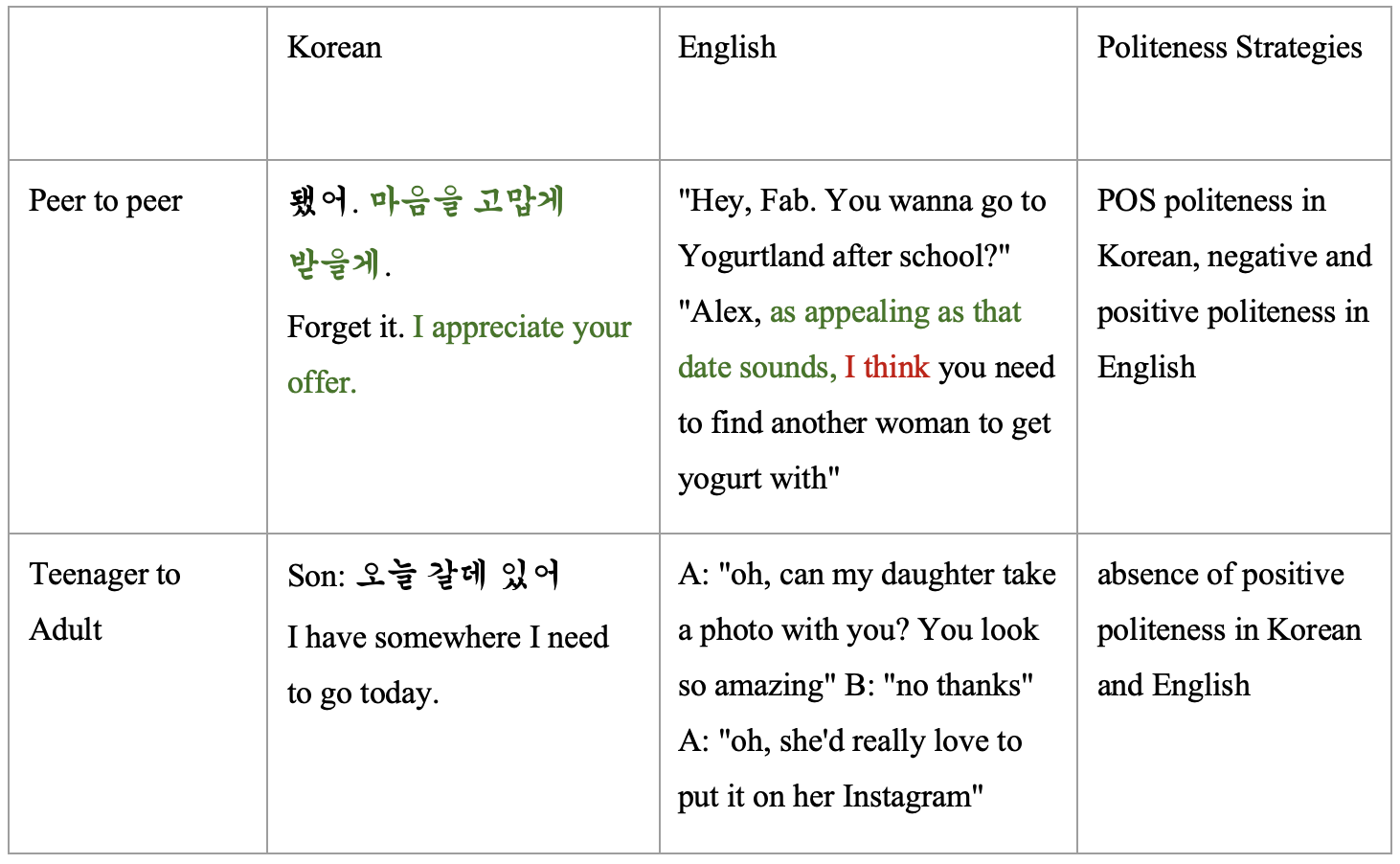
, , ,

“I like going to the bitch”: Konglish (Korean-English) and Perception

Chen Chang, Jennifer Eom, Kanghyun Lee, Lavinia Lee, Cynthia Ortiz

“I can make the PowerPoint, but, uhmm…can you do the oral presentation for me?”

Due to pronunciation unfamiliarities in the English language, ESL (English as Second Language) speakers may sometimes develop apprehensiveness and insecurities towards their oral speaking skills. This is not an intrinsic response but rather an extrinsic consequence — people in the United States tend to perceive ESL speakers as less credible and less intelligent compared to standard American-accented English speakers. As the number of Korean international students in the United States increases over time, it is observed that some of the Korean ESL speakers are facing such discrimination as well. Hence, this project contains two parts of survey to serve the purpose of collecting and analyzing data relating to how Korean ESL speakers in the United States are being perceived; as well as to demonstrate the difference in credibility and intelligence level that “having an accent” can cause. Although this research project may be conducted on a relatively small scale and there exist some limitations and potential biases; the results may come out to be less significant than it is projected to be — there is little difference between a native speaker and a Korean ESL speaker in terms of perceived intelligence level and credibility; however, the scale of such inequity currently happening in this society is inevitably, very substantial.

[expander_maker id=”1″ more=”Read more” less=”Read less”]

Introduction

The U.S. is a concoction of many distinct cultures and languages as a result of settlement by non-natives and international students (Wharton University of Pennsylvania, 2017). There are also a variety of different English accents found in the U.S as a result of the people all over the world that are learning English. As of fall 2018, the percentage of public school students in the United States who were English as a second language speakers was 10.2 percent or 5.0 million students (National Center for Education Statistics). However, this does not mean that the U.S is free from prejudice and bias.

Sometimes accented speeches are harder to process and understand. When people are perceiving accented speech, they encounter difficulties that will reduce the “processing fluency”, as reported by Lev-Ari et al. (2010). Yet instead of simply perceiving the accented speech as harder to understand, people tend to perceive it as less truthful. One of the major groups of speakers affected by this is Korean speakers who grew up in a Korean-speaking environment. They tend to speak Korean-accented English due to not having been as exposed to standardized English (Linguistic Society of America). And so, the ESL Korean speakers could be perceived as less credible and intelligent, simply because they struggle with pronouncing some sounds in English and causing native speakers to have a harder time processing their speech.

The present study seeks to better understand how Korean ESL speakers who have Korean-accented pronunciation may be treated differently than standard American English speakers. This study explores whether listeners will perceive Korean accented English speakers as less favorable when compared to standard American accented English speakers.

Background

In Rickford & King’s (2016) study, a leading prosecution witness who spoke in African American Vernacular Accent (AAVE) had her crucial testimony dismissed. What led to this is that her speech was deemed incomprehensible and not credible. Unfortunately, this is not an unfamiliar experience for many people, including ESL Korean speakers. There are more than 81,000 Korean students studying in the United States, which accounts for 7% of the US’s international students population as stated by the United States Homeland Security (2015). Any non-native English speaker could face prejudice and unfair experiences in our society due to certain linguistic features that ESL speakers have (Lippi-Green, 2012). 

How was this study designed?

This research project focused on two parts: how non-English speakers are perceived socially about their intelligence level and credibility, and the perception of English speakers on Korean ESLs. The research was done by Google survey, and since our group members are all UCLA students, the participants were recruited on the campus. The survey was in two parts. The first part of the survey is generally asking the participants’ demographics and any experiences of racial discrimination. In the second part of the survey, the first thing that we did was ask their pre-existing bias about specific jobs’ credibilities and intelligence levels. To collect these data, we used the Likert scale to rate how they feel about teachers, lawyers, and doctors generally about their credibility/ intelligence level should be. Then we asked the participants to listen to three different recordings of reading English scripts by three different accents: Native English speaker, Korean ESL speaker who has a lot of Korean accent in it, and the third speaker who is fluent in English, has an American-ish accent, but have trouble pronouncing certain words. After listening to each recording, they were asked to rate how likely they would hire each recording’s voice as their teacher, lawyer, or a doctor. We selected these job fields because teachers, lawyers, and doctors are known to have high-intelligent, high credibility. The ratings were done on an interval scale of 1 (less likely) to 5 (most likely), and the ratings were done only after they listened to each recording.

Results & Analysis

Table 1
Table 2

From Table 1 and 2, we can see that most participants agree that the three professions—lawyers, teachers, and doctors— intelligence level and credibility lie between 4 or 5 on the Likert scale, which indicates that they agree the intelligence level and credibility of these professions are relatively high.

The data were run with two major systems: ANOVA and Post Hoc test. ANOVA gave an idea of whether there is a significant relationship between all three speakers, whereas the Post Hoc test compared each individual relationship between the three speakers. The following tables demonstrated the results of the ANOVA test as well as the Post Hoc test in terms of intelligence level and credibility. Note that speaker 1 represents the native speaker, speaker 2 represents the Korean accented speaker, and speaker 3 indicates the 3rd speaker.

Table 3

The means of intelligence level of the three speakers are presented in Table 1. The native speaker has a mean of M = 3.01, the Korean accented speaker has a mean of M = 3.30, and the 3rd speaker has a mean of M = 3.55.

Table 4

According to Table 1, the ANOVA test in terms of intelligence level demonstrated a p-value of less than o.oo1. It is known that a p-value less than 0.05 rejects the null hypothesis and indicates that it is statistically significant. Since we found statistically significant results by computing the ANOVA, we also ran a Post Hoc test to determine where the differences come from. The Post Hoc test suggested the mean differences of intelligence level between a native speaker and a Korean-accented speaker being 0.293; between a native speaker and 3 being 0.543; and between Korean-accented speaker and 3 being 0.250. The largest difference in means occurred between a native speaker and 3rd speaker with a native speaker mean of M=​​3.01 and a 3rd speaker mean of M=3.55 words. Although we found a significant relationship among the three speakers, the data does not support our hypothesis as we hypothesized that the Korean accented speaker’s intelligence level will be rated as the lowest, but the results suggest that the native speaker is rated as the lowest.

Table 5

The means of credibility of the three speakers are presented in Table 3. The native speaker has a mean of M = 3.27, the Korean accented speaker has a mean of M = 3.25, and the 3rd speaker has a mean of M = 3.34.

Table 6

Although in terms of credibility, the Korean accented speaker has the lowest rating compared to others, the ANOVA test in Table 2 demonstrated a p-value of p > o.05, which indicates that there are no significant differences. This result shows that the rate of credibility among the three speakers is similar, and thus reject our hypothesis that the Korean accented speaker will be perceived as less credible.

The results contradict our hypothesis. Our results suggest that Korean accented speakers are not perceived as less favorable in terms of both intelligence level and credibility.

Discussion

This research aimed to investigate how non-English speaking Koreans perceive socially and how others’ perspectives were. The ratings of credibilities and intelligence level were not as expected, and we are assuming that is due to the slower speaking pace that the native speaker recorded in the recording. Moreover, the ratings of Korean ESL speakers were not as expected and disconfirmed our hypothesis, which was that Korean ESL speakers were often treated less credible and less intelligent. However, there was a significant main effect on the intelligence level ratings between the three speakers. The third speaker with an American-ish accent was rated highest among other speakers, suggesting a third variable of speaking pace since the third speaker spoke at a fast speaking speed.

There are some more limitations in the study, such as gender bias—we only used voice recordings of male speakers. So we might want to include female recordings to avoid gender bias. Secondly, there might be a participant bias, meaning participants might assume what our study was about and rate accordingly. We also see some tendencies in the job fields; for instance, teachers were not rated as expected in the pre-rating survey. They were rated not highly enough than our expectation on both credibility and intelligence level. Since the recording was quite long, there might be selective attrition. Participants might feel bored and drop out during the experiment and rate every Likert scale as 3, which is neutral. Lastly, the sample size used was very small. Most participants were UCLA liberal arts students, and most of them were our friends who are also Korean ESL speakers. Since the participants are our friends, they could recognize our voice recordings during the experiment, which could affect the ratings. Moreover, since the sample size was small and limited, the study cannot generalize all Korean ESL students. We hope further research will consider speaking pace for future directions—for example, the relation of speaking speed and one’s perception. Or removing the slow speaking rate and making all the recording speakers talk about the same speaking pace. Moreover, to investigate further, we suggest using a Latin square counterbalanced 2×2 factorial design to see the interaction between gender and accented speech in the perception of credibility and intelligence level. So the first Independent variable would be gender (male, female), and the second Independent variable would be the accent with two levels: accented speech and non-accented speech. Further research would need more diverse participants in age and demographic. And hoping the further study could research other East Asian ESL speakers, not only limited to Korean ESL speakers.

References

English Language Learners in Public Schools. National Center for Education Statistics. (n.d.). Retrieved November 12, 2021, from https://nces.ed.gov/programs/coe/indicator/cgf.

FAQ: Why Do Some People Have an Accent? Linguistic Society of America. (n.d.).

Retrieved November 12, 2021, from https://www.linguisticsociety.org/resource/faq-why-do-some-people-have-accent.

Lev-Ari, S., & Keysar, B. (2010, June 25). Why don’t we believe non-native speakers? the influence of accent on credibility. Journal of Experimental Social Psychology. Retrieved November 12, 2021, from https://www.sciencedirect.com/science/article/pii/S0022103110001459

Lippi-Green, R. (2012). English with an accent: Language, ideology and discrimination in the United States. Routledge.

Rickford, J.R., & King, S. (2016). Language and linguistics on trial: Hearing Rachel Jeantel  (and other vernacular speakers) in the courtroom and beyond. Language 92(4), 948-988. Doi: 10.1353/lan.2016.0078.

‘speaking American’: Regions, accents and the subtleties of language. Knowledge@Wharton. (2017, January 18). Retrieved November 12, 2021, from https://knowledge.wharton.upenn.edu/article/speaking-american-regions-accents-and-thesubtletis-of-language/.

[/expander_maker]
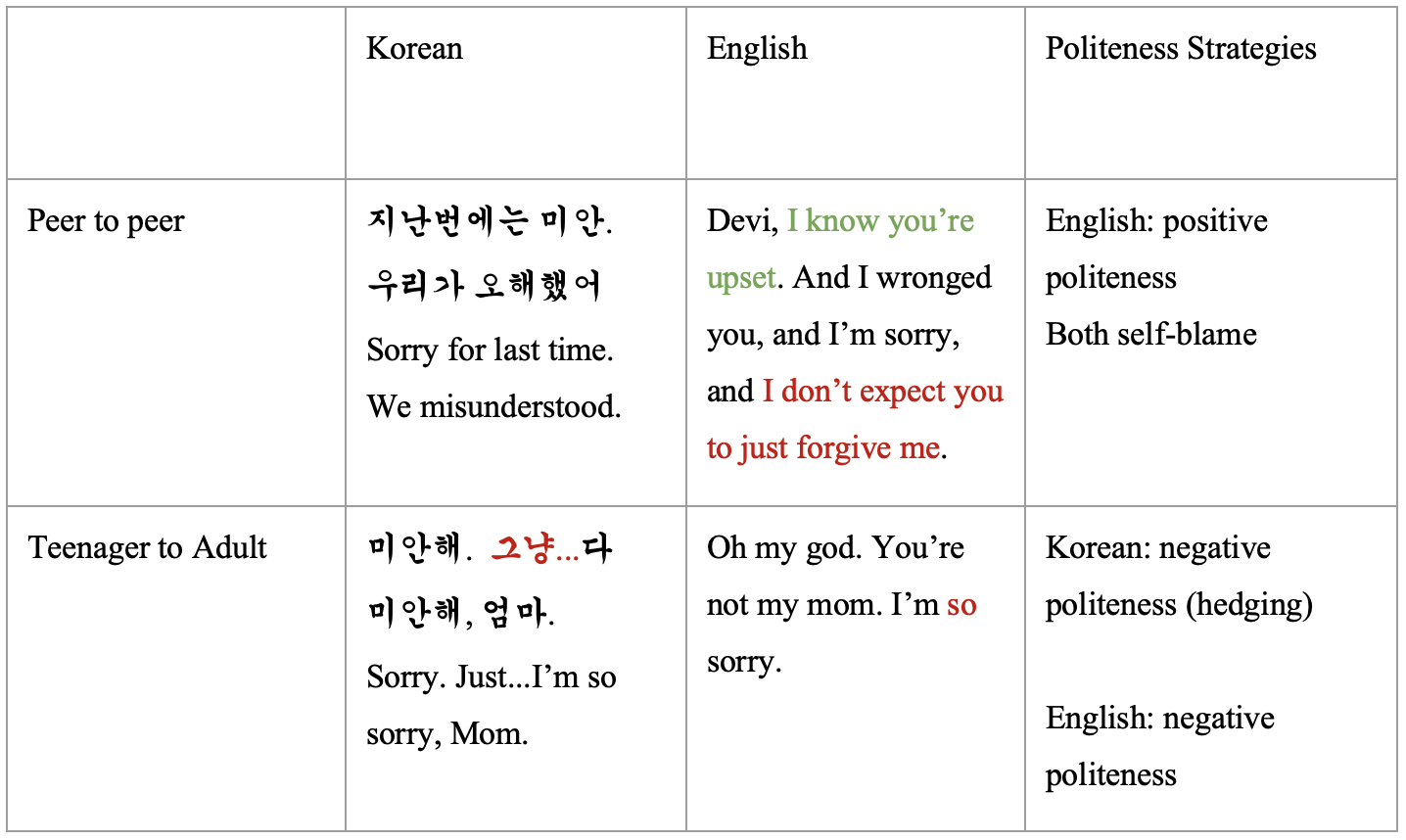
 

Males and Females, Are We Really That Socially Different? An Exploration of Same-Sex Friendship Dynamics

Shirley Yao, Sabrina Meyn, Viktoria Hovhannisyan

The friendship dynamics that males and females form with the same-sex differ in how they bond homosocially: either vertical or horizontal. Homosocial bonds are those that are non-romantic social bonds between those of the same-sex. Historically, these two types of homosocialities are used to regulate how people perform gender. Vertical homosociality, also known as hierarchical homosociality, is relationally tied to males, and horizontal homosociality with females. Vertical is centered on building power socially, whilst horizontal captures non-profitable aspects of social bonds. Research has shown that heterosexual males tend to be hypersensitive to their sexuality being misinterpreted in homosocial contexts, whilst females are presumed not to be. This has been previously attributed to female homosocial bonds being defined as desexualized relations and their intimate relations as being friendly or as a sexual display for the heterosexual male gaze. However, in the literature there is room to explore female’s friendship and social dynamics and obtain updated information on male homosocial friendship dynamics by comparison. Using a comprehensive questionnaire that aimed to gather data on participant’s homosocial friendship dynamics, we found that both females and males exercise homosociality similarly.

*Disclaimer: Gender and sex are not interchangeable terms, as gender refers to something people do or perform socially, and sex is what you are biologically. The participants in this study identified their sex as either being male or female.

[expander_maker id=”1″ more=”Read more” less=”Read less”]

Introduction and Background

From “bros” to “babes,” males and females tend to have different friendship dynamics. The topics of sex, friendships, and homosociality has been widely studied. Homosociality is a phenomenon between people of the same-sex with a “nonsexual attraction” to each other (Bird, 1996, p. 121). Through a study to determine the type of homosociality practiced between males and females, we aim to better understand the friendship dynamics across sex. Specifically, our target population includes straight males and straight females in college who form close-knit homosocial circles, tracking homosocial situations where homosexual intentions may be incorrectly perceived within friendships.

Historically, homosociality comes in two strokes: vertical (hierarchical) and horizontal. Vertical homosociality is “a means of strengthening power and of creating close homosocial bonds to maintain and defend hegemony” and as a result, it has strong ties with hegemonic masculinity (Hammarén & Johansson, 2014, p. 1,5). Hegemony is related to structural social power dynamics. Hegemonic masculinity is built on an archaic conception of masculinity rooted in institutionalized practices that value males and devalue females (Bird, 1996, p. 1-2, Rose, 1985, p. 63-4). Horizontal homosociality is defined as being built on “emotional closeness, intimacy, and a nonprofitable form of friendship” and has strong ties to female homosociality (Hammarén & Johansson, 2014, p. 1,5). Most studies conducted that explore homosociality are focused on heterosexual males. There is little research on female homosociality, especially those that do not have a heteronormative foundation (Sanders, 2015, p. 887). In addition, data on male homosociality is outdated. Rose (1985) performed a study on cross-sex and same-sex preferences in homosocial bonds (p. 83). It was found that males and females have the same expectations in same-sex friendships, while expecting less help and loyalty in cross-sex or heterosocial friendships (Rose, 1985, p. 63). Friendship formation and maintenance were found to differ for same-sex and cross-sex friendships between the sexes as well (Rose, 1985, p. 63). Bird (1996) claims gender is relational – where a person will perform gender in accordance with either vertical or horizontal homosociality (p. 122). Bird (1996) also identified how hegemonically masculine ideals are perceived as being the socially ideal form of masculinity (celebrates emotional detachment, competition, and the sexual objectification of females) (p. 121). Studies have found that homosexual people can have their own language, especially specific vocabulary words (Kulick, 2000, p. 243). We will review data on the usage of homosexually charged nicknames between the sexes in results.

This study is a step towards more representational and up-to-date data on both male and female homosocial tendencies and in particular, friendship dynamics. Based on previous research, the foreground expectation is for the data to show that gender is relational, where, a person’s sex will predict the type of homosociality present in their friendship dynamics. In particular, males will overcompensate for their fear of being perceived incorrectly as having homosexual intentions, projecting an overly masculine persona and using linguistic features to create social distance. Comparatively, females will embrace the idea of receiving incorrect perceptions. They will prioritize emotional closeness in their friendships, and exhibit no particular linguistic behaviors different from their everyday conversations.

Methods

To test our hypothesis we gathered data from ​​16 college students, ages 17 to 25, which included 8 females and 8 males, 14 straight and 2 bisexual. We asked them to fill out a questionnaire that was designed to test their beliefs, lexicon, and conversational content as it relates to their homosocial friendships. We used multiple choice, short answer, checking boxes, and rating comfort levels on Google Forms to collect information from anonymous participants. The survey included five parts aiming to gather: ​​biographical information, ideological beliefs (to test for horizontal or vertical beliefs), short answer questions directed towards the conversational content, a section directed towards investigating a person’s lexicon to see what phrases and nicknames are used to create or lessen social distance and a section directed towards investigating reactions to inappropriate/appropriate language use or behavior. Vertical answers emphasize emotional detachment, sexual objectification of females, sport, competition, and deny horizontal things such as gossip, feelings, etc.

Examples – An example of a question that was asked is the following: “friendships are important to my social standing” this question was intended to answer with either “yes” or “no.” A yes or affirmative to a vertically loaded question would result in adding a point to a person’s vertical homosociality score, and a negative would add a point to a person’s horizontal homosociality score, and vice versa for horizontally loaded questions. Examples of horizontally loaded questions would be: “being emotionally close to my friends is important to me” or “intimacy is important to my friendships.” In the short answer sections, horizontally loaded answers would receive a point per question, and same for vertically loaded responses. Comfortability scores over 5 for a particular type of question would result in a point being added as well depending on the question category.

Results and Analysis

Results

DEMOGRAPHICS

16 participants ages 17 to 25, 8 female, 8 male, 14 Straight, 2 Bisexual

IDEOLOGICAL

We found that both females and males are ideologically more horizontally homosocial leaning.

Examples of questions included: if friendships were important to social standing, maintaining the patriarchy, if it was acceptable to use friends as a means to an end, if they observed people in their homosocial circles discuss, disparage, or use the opposite sex to gain social status, as well as if they individually believed it was acceptable to do so. About ½ of participants observed this happen, but ¾ of the responses said they felt it was unacceptable. Surprisingly, over 90% said it was false that friends should not have romantic feelings for one another and friends should not have feelings in general for each other, and that it was true that being emotionally close was important.

Figure 1: Ideological Homosociality Scores: Comparing Males and Females
Table 1: Ideological Homosociality Scores- Ratio of Vertical Scores to Horizontal Scores

FEAR OF MISINTERPRETATION OF SEXUALITY

Ideologically speaking, 25% of the males surveyed are afraid of their sexuality being misinterpreted, and 12.5% of females are afraid of their sexuality being misinterpreted.

Figure 2: Fear of Misinterpretation of Sexuality by Males
Figure 3: Fear of Misinterpretation of Sexuality by Females

FRIENDSHIP FORMATION AND MAINTENANCE

Similar to the results of the Rose study, friendship formation and maintenance differed between the sexes. The homosociality scores for both males and females were overwhelmingly more horizontally leaning, but females were approximately 85.36% more horizontally homosocial than males.

Figure 4: Friendship Formation and Maintenance Homosociality Scores: Comparing Males and Females


Table 2: Friendship Formation and Maintenance Homosociality Scores – Ratio of Vertical Scores to Horizontal Scores

NICKNAMES

Although a percentage of males and females who are afraid of their sexuality being misinterpreted, we found females use more homosexually charged nicknames and pet names than males by approximately 39.13%.

Figure 5: Usage of Homosexually Charged Nicknames: Comparing Males and Females


Table 3: Usage of Homosexually Charged Nicknames: Comparing Males and Females

CONVERSATIONS (appropriate vs. inappropriate topics)

We found that both females and males are a combination of vertical and horizontal, and marginally lean one way or the other.

Examples – For conversations participants rated their comfortability and indicated if they did talk about a range of topics with their same-sex friends that ranged from: school, business, social status, sexual activities, sexual conquests or accomplishments, to test for vertical homosociality, to topics which do not make for a profitable exchange like gossip, feelings, saying “I love you,” worries, morals, etc. We also asked about topics they do not think are acceptable to be discussed with their same-sex friends and the responses ranged from nothing being off limits, to family drama, insecurities, sexual life, politics, religion, weight, romantic relationships, etc.

Figure 6: Conversations Homosociality Scores: Comparing Males and Females
Table 4: Conversation Homosociality Scores – Ratio of Vertical Scores to Horizontal Scores

REACTIONS  (to inappropriate topics and/or actions)

Here we were looking for their reactions to various topics and actions that would lead to a misinterpretation of their sexuality. We found that both males and females have horizontal homosocial tendencies in reaction to behavior which may be perceived as having homosexual intentions.

Examples – We asked participants to rate comfortability, and express what they might be met with or observe if any of the following topics or actions would come up: compliments, hugging, kissing friends, cuddling with friends, holding hands, platonic feelings for same-sex friend, romantic feelings for same-sex friend, actions/words which are perceived as having homosexual undertones, actions/words which may be perceived as having homosexual undertones, saying “I love you” to your same-sex friend.

Figure 7: Reactions (to inappropriate topics/actions) Homosociality Scores: Comparing Males and Females


Table 5: Reactions (to inappropriate topics/actions) Homosociality Scores – Ratio of Vertical Scores to Horizontal Scores

OVERALL MALE HOMOSOCIALITY SCORES

The majority of our male participants had horizontally leaning homosociality scores, while only one male participant was more vertical leaning by 1pt (approximately 0.037%).

Figure 8: Homosociality Scores: Comparing Male Participants

OVERALL FEMALE HOMOSOCIALITY SCORES

All of our female participants scored more horizontally leaning homosociality scores.

Figure 9: Homosociality Scores: Comparing Female Participants

OVERALL HOMOSOCIALITY SCORE COMPARISON: MALES VS. FEMALES

Overall, females and males were found to be overwhelmingly horizontally leaning, with a combination of vertical and horizontal homosocial tendencies and beliefs. Their overall vertical scores are also similar, with females scoring approximately 8.4% more vertical than males, and 6.7% more horizontal than males, with a minimal overall margin of difference of 0.71.

Figure 10: Homosociality Scores: Comparing Males and Females
Table 6: Males and Females Overall Homosociality Scores – Ratio of Vertical Scores to Horizontal Scores

Our results show that both females and males have a combination of vertical and horizontal homosocial tendencies and beliefs, with an overwhelming slant towards horizontal homosociality. What this means is that the homosocial tendencies of females and males are similar. Since they were found to be a combination, this means that females and males don’t just correspond to one kind of homosociality over the other. This disproves the idea that gender and homosociality are strictly relational since males did not score strictly vertically, and females did not score strictly horizontally.

Discussion and Conclusion

Discussion

While sex does not determine the type of homosocial friendship present, it plays a factor in understanding different interactions within homosocial friendships. With no significant statistical difference between vertical and horizontal scores, gender is overall not relational, meaning horizontal and vertical homosociality scores do not reflect the predicted homosociality of males and females. In fact, both sexes have a relatively higher horizontal score compared to their vertical scores in total.

However, when looking into each of the four topics individually, observations about the different friendship dynamics arise – with areas worthy of further exploration. The most distinct difference occurs in the area of friendship formation and maintenance. With ratio score comparisons of 70.73 and 22.36, males and females are strikingly different when it comes to building and sustaining homosocial friendships. Comparatively, females are more likely to form and maintain friendships horizontally than males – using intimacy and closeness as their powers to reach out and establish connections. In the real world, males tend to strengthen relationships by participating in activities together, and females tend to do so by sharing feelings and talking about various things. Linguistically, females are also more likely to use linguistic features that are indicative of intimacy and closeness, reflecting horizontal homosociality through their everyday conversations. Through the use of specific lexicon such as the homosexually charged pet names of “sugar mama” and “sugar baby,” females are unafraid – and even embrace – the idea of their sexuality being incorrectly perceived.

Ideologically speaking, most males and females have similar ideological beliefs about homosocial friendships, with nearly identical ratios between their ideological vertical and horizontal scores. As the sample is composed of college and high school students, it is understandable for many to have a similar group mindset to find social circles and fit in. The COVID-19 pandemic may have exacerbated the isolation anxiety for many to feel eager to belong. The societal norm also values honesty and friendships and paints betrayals and loneliness as traits that should be avoided. The topic of conversational content also reveals similarity between males and females. Though females have lower vertical and horizontal scores compared to those of males respectively, the ratio between the two is still similar across sex, meaning males and females have similar shares of vertical and horizontal conversations. Looking into conversational content linguistically, many responses include talking about school and friends, regardless of gender, mainly because of the social setting within colleges to define conversational topics. It is interesting to note that females are more likely to talk about males, whereas males have a higher tendency to talk about careers and the future – further demonstrating the foundation of female homosexuality to be rooted on the exchange of intimate facts and truth compared to male homosexuality.

Last but not least, the examination of reactions to incorrect perceptions between males and females also prompt similar homosociality scores. However, as predicted, males are relatively more likely to be afraid of receiving incorrect perceptions regarding sexuality. Interestingly, 12.5% of the females surveyed are afraid of being perceived incorrectly in terms of sexuality – a higher percentage than expected. While reasons behind this relatively surprising number need further investigation, it is worth noting that the sample is small and localized.

Conclusion

In conclusion, the study establishes a step towards understanding both male and female homosociality. Despite its limited participant tool, the small localized sample creates an in-depth and cohesive look under a college setting, recognizing specific characteristics and linguistic features in context to better understand homosocial friendship dynamics. Furthermore, the four particular areas reflect the fundamental concepts between vertical and horizontal homosociality. For example, females are more likely to form friendships horizontally and use lexicon reflective of emotional closeness compared to males, providing specific observations worthy of analyzing between the two genders.

The study needs further investigations to capture the essence of homosociality between sexes. One future direction is to acquire larger sample sizes for a more holistic understanding of homosocial friendship dynamics. It includes surveying a much bigger and more inclusive target population. Expanding the survey pool to more college participants can help further research the underlying patterns that a smaller sample size may fail to show. A more diverse target population should also be considered, such as surveying varying ages and occupations across different generations of gender. Different age groups may prompt different responses to incorrect perceptions of sexuality, taking into consideration the context under which they grew up and the societal ideals toward homosexuality at that time. Both of these paths of research are worth exploring for the future, whether to dig deep into the college setting or to grow to a broader population.

Another future direction of this research is to expand the sexuality of the pool of participants. This research aimed to study heterosexual male and female participants within homosocial friend groups. However, studying homosexual males versus heterosexual males or homosexual females versus heterosexual females can lead to new directions. When participants are all of one sexuality within a homosocial friend group, how would their responses differ compared to when participants are of varying sexualities? Would those in friend groups with varying sexualities be comparatively more accepting and inclusive? Would more lexicon related to homosexuality be used without fear? These questions open up new paths of research, further honing down on the topic of sexuality in terms of homosociality and sex. Whether it’s the “bros” or the “babes,” male and female homosocial friendship dynamics are densely packed. While the overall homosocial friendship dynamics for males and females in this study reveal no significant difference, their relative scores and specific responses establish the distinction between how males and females perceive, build and maintain intimacy linguistically.

References

BIRD, S. R. (1996). Welcome to the Men’s Club: Homosociality and the Maintenance of Hegemonic Masculinity. Gender & Society, 10(2), 120–132. https://doi.org/10.1177/089124396010002002

Hammarén, N., & Johansson, T. (2014). Homosociality: In Between Power and Intimacy. SAGE Open, 4(1), 215824401351805–. https://doi.org/10.1177/2158244013518057

Kulick, D. (2000). GAY AND LESBIAN LANGUAGE. Annual Review of Anthropology, 29(1), 243–285. https://doi.org/10.1146/annurev.anthro.29.1.243

Rose, S. M. (1985). Same- and cross-sex friendships and the psychology of homosociality. Sex Roles, 12(1-2), 63–74. https://doi.org/10.1007/BF00288037

Sanders, K. (2015). Mean girls, homosociality and football: an education on social and power dynamics between girls and women. Gender and Education, 27(7), 887–908. https://doi.org/10.1080/09540253.2015.1096921

[/expander_maker]
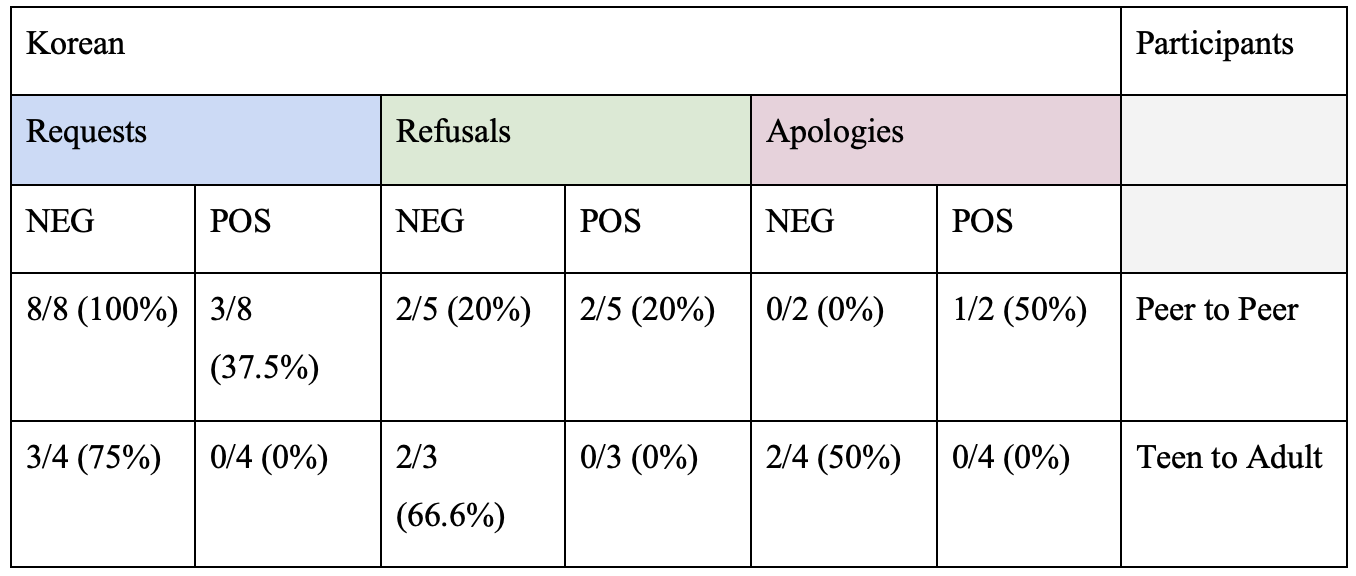
, , ,

Different Ways that Male and Female Streamers Behave on Valorant Streams

Kevin Kim, Kota Tsukamoto, Guorang Zhang, Cindy Zheng

For our experiment, we analyzed Twitch streamers playing Valorant. Twitch, or Twitch.TV, is an online streaming platform popular among gamers. Valorant is a popular first-person shooter (FPS) game created by Riot Games in 2020. Valorant, as of 2021, has an estimated 12 million players, peaking at 15 million in July (Dexerto 2021). The game has a diverse range of players in various regions of the world. Contrary to other FPS games that are very heavily male-dominated, Riot Games has made an effort to increase the number of women in Valorant, resulting in 30-40% of Valorant players being women (VentureBeat 2021). Furthermore, Riot Games has even implemented an all females league as well as pro esports teams such as Cloud9 (known as C9 White) who recruited women for their Valorant teams earlier this year (PC Gamer 2021).

The experiment examined both male and female streamers to compare their vocabulary choices- while the study can incorporate more genders than just male and female, due to the demographic of streamers being mostly male or female, as well as time constraints, we only focused on those two genders.

One particular feature that we analyzed was the amount of provocative language that is done by streamers. The usage of swearing from male or female streamers was recorded in particular situations such as dying, insulting, and having disagreements with another player. We were aware of language most commonly used by gamers such as frags, ace, bait, boosted, clutch, flank, etc that could be more commonly used by one gender than the other (Çakır 2021).

[expander_maker id=”1″ more=”Read more” less=”Read less”]

Streamers in our research

This experiment revolved around three male streamers and three female streamers. The three male streamers who were analyzed were: AverageJonas, itsRyanHiga, and Ethos and the three female streamers are Kyedae, Ploo, Tiffae. These six streamers were chosen due to their popularity/recognition, skills, and various personalities.

 The male streamers are around 30 years old, and the females are around 20. They are mostly all of white or East Asian descent and are English speakers. To be more specific, AverageJonas is a 32-year-old Norwegian English-speaking streamer, itsRyanHiga is a 31-year-old Japanese American English-speaking streamer, and Ethos is of unknown age and is an Asian American English speaking streamer. Kyedae is a 19-year-old Japanese Canadian English-speaking streamer, Ploo is a 22-year-old Asian American English-speaking streamer, and Tiffae is a 27-year-old Taiwanese English-speaking streamer.

What we already know

Based on gender stereotypes, men are perceived to be louder, more aggressive, and curse and insult more, and also since gaming is seen as a “male-dominant” space, we also thought gaming terms would be more male-gendered as well. Because of that, we decided to analyze vocabulary reactions to certain game events by gender.

We also analyzed the vocabulary differences by comparing streamers in an all-male team and a mixed-gender team. Previous research states that men in an all-male friend group played into male stereotypes in their group interactions more than those who had their girlfriend or female friend in their groups (Cameron 1997). In our experiment, we thought that these previous findings could suggest that female streamers may also feel pressure to conform to their male teammates and speak in a more stereotypically male manner, so that was an aspect we decided to look at.

We decided to analyze streamer and fan interactions between genders. Previous research stated that women communicate to build relationships, so we thought we would see that when observing how streamers interact with their viewer’s donations (Van Herk, 2012).

Methods

For the experiment, we watched six streamers for key vocabulary words in their speech and their chat interactions. The streamer’s vocabulary choices were analyzed when they reacted to these three events: donations from fans, winning a game, and losing a game. The reactions to those events were grouped by event and gender- for example, one group would be “Vocabulary in reaction to winning a game from a male streamer.” Then the groups would be compared across the same event and against opposite genders. An example comparison would be comparing reactions to winning by male streamers against responses to winning by female streamers. We watched each streamer stream for an average of 2 to 3 hours in total.

While we were watching the stream, we noted down some vocabulary and phrases used by the streamer. Then we sorted phrases between each scenario and compared the differences. After we sorted the words and phrases, we looked at the difference between streamers and gender. We also decided to analyze our overall results of vocabulary choice based on the gender of the streamer’s teammates.

Thesis

We found a clearer divide in the vocabulary when we compared streamers that played with all-male team and streamers that played in a mixed-gender team. Through our results, we can conclude that while there were differences in a streamer’s vocabulary due to the streamer’s gender, the main differences relied more on the gender of their teammates. Streamers with all-male teammates used more gaming-specific terms, insults, and cursed more. But as for the streamer’s own gender, we found that females were more likely to negatively refer to themselves in the face of a negative event, while males would blame the game and enemy team. We also found that females were more likely to initiate and maintain friendly interactions with their viewers and team.

Results / Analysis

Win reactions based on streamer’s own gender

To start off, we compared the vocabulary that females used when they won a game versus the vocabulary used by males when they won a game.

Female wins

As you can see from the word cloud generated from the data across the three female streamers, we identified that female streamers didn’t use any swear words in the situation of a win. Female streamers tended to comment on the win as the group’s achievement, using phrases that begin with the subject “we”. Two out of the three streamers used different variations of the phrase “oh my god” which is commonly associated with the regional marker of valley girls. Male wins

Looking at the result of the male streamers, we saw that male streamers would swear after a win. One of the male streamers, Ryan Higa used the Sh-word after a win. Overall, when commenting on a win, the male streamers tend to phrase the comment as talking about the game and not how well they played as a group(we).

Through these word clouds, we can see that there’s gendered language – the females kept their female gender identity through speech reminiscent of valley girls, despite being in a male-dominated space, and males, true to our hypothesis, used more crude language.

Loss reactions based on streamer’s own gender

Next, we analyzed the reactions of losses by females and by males.

Female loss

The word cloud on the right shows the utterances of the female streamers when facing the scenario of a loss. Unlike the result from utterances after wins, we saw swear words. The F-word was used in the phrase “oh my f**king god”. Another commonality noticed between the female streamers is that they tend to address the loss of the team as their responsibility, using the subject “I” when commenting on the loss, for example, “I messed up” or “I can’t win a game”.  Female streamers also used encouraging phrases such as “that was a very nice try” to show support towards teammates.

Male loss

The male players also used swear words after a loss, for example, the F-word was used in the phrases. In general, they form their phrases without criticizing the loss as their responsibility or their team’s responsibility. Instead, they use phrases that begin with “that”, “they” or “this girl” to address the game or the other team/team member. 

The main difference between female reactions to losses and male reactions was not what we expected- we saw both genders swear (but males to a greater degree). The biggest difference was actually the target of negative or aggressive language. The females tended to blame themselves for the loss and put themselves as the target of any negative descriptors or words. Males would blame the game or the enemy team. We also saw that females, to further put the blame solely on themselves, would congratulate their teammates.

Donations / subscriptions interactions based on streamer’s own gender

We then looked at reactions from females and males to donations and subscriptions by their fans. We mainly looked at the manner in which the streamers interacted with their fans, and we found that all-male streamers used the same phrase for all their donations and subscriptions: Thank you XXX (viewer’s name) for the donation/subscription. Two of the female streamers also used this format; however, one of the female streamers interacted with the audience by asking about their life and would reciprocate the viewer telling her “Peace and love” by saying “Peace and love” back. This indicates that female streamers demonstrate a rapport style and make an effort to build relationships in their communicative behavior. This agrees with Deborah Tannen’s claims, suggesting that women are more likely to use language to build and maintain relationships while men are more likely to use language to communicate factual information (Van Herk, 2012).

Overall vocabulary results based on teammate’s gender:

While we conducted our research, we noticed that there seemed to be a divide in gendered terms not by the gender of the streamer, but by the gender of the teammates that the streamer played with. We aggregated our vocabulary results and split them by the gender of their teammates, resulting in the bar chart below.

Streamers playing with all-male gamers said many more swear words (f*** words, sh** in particular) and gamer terms (frags, bait, camp, pick, etc), while streamers playing with a mixed-gender team did not say any swear words from our analysis and fewer gamer terms. This is due to in particular how male streamers feel the need to act more masculine and also use more common lexical entries when with other male teammates only. However, when female streamers were with female gamers or mixed gendered teammates, they tend to overall be calmer and use more relaxed language.

Another difference that was noticed was the patterns that male streamers and female streamers exhibit during the same scenarios were unexpected. For example, when male streamers and female streamers make the call-out that the enemies were attacking the B site, Kyedae says “They’re going B, right?” and Ethos says “They’re going B, they’re going B.” Kyedae said this scenario to a teammate in more of a questioning, unsure manner even though the enemies were clearly rushing B site. Ethos, however, said his callouts in a confident, command-like manner. Furthermore, what was interesting was that even if the call-out was wrong, female streamers tend to speak in a safer question-like manner, but male streamers spoke in confident manners then apologize when they were wrong.

Conclusion

Since we analyzed male and female speech in a heavily male-dominant space, we believe that our findings could apply to other male-dominant spaces. We looked at references to a similarly male-dominated industry- the sports entertainment industry. In Eastman & Billings (2000), they found that the tone used by commentators when describing male athletic wins was “enthusiastic…but derogatory” towards women’s athletic wins. This seems to relate to our findings that female streamers were more negative towards themselves and could suggest a larger connection to how derogatory attitudes towards women’s achievements in male-dominated spaces prevails and can even permeate to the women themselves. Also considering that E-Sports is still an emerging field, it’s plausible to say that the previous biases that existed in older male-dominated industries like the sports entertainment one examined in Eastman & Billings have been long established and continue to reappear today.

As for future directions, we looked mainly at the gender of streamers and controlled on popularity, the game played, and the scenarios reacted to. But through our study, we found that there were a lot more factors that could be confounding. For example, the players had varying skill levels that could have swayed our results, so we could better control for that. Another factor we saw was the gender of the teammates our streamers played with. We saw a stronger correlation between the gender of the teammates and gendered lexical entries. It would be an interesting follow-up study to analyze the interactions of an all-female team such as Cloud9 White, versus an all-male team’s interactions.


References

Çakır, G. (2021, March 5). Twitch slang and common terms explained. Dot Esports. Retrieved November 12, 2021, from https://dotesports.com/streaming/news/twitch-slang-and-common-terms-explained

Cameron, D. (1998). Performing gender identity. Language and gender: A reader.

Clayton, N. (2021, February 24). Valorant wants more women and ‘minority genders’ competing at its highest levels. pcgamer. Retrieved November 12, 2021, from https://www.pcgamer.com/valorant-wants-more-women-and-minority-genders-competing-at-its-highest-levels/

Eastman, S.T., & Billings, A.C. (2000). Sportscasting and sports reporting: The power of gender bias. Journal of Sport and Social Issues, 24, (2), 192-213

How many people play valorant? player count tracker (2021). Dexerto. (2021, October 4).         Retrieved November 12, 2021, from    https://www.dexerto.com/valorant/how-many-people-play-valorant-player-count-tracker-2021-1668158/.

Messner, M.A., Duncan, M.C., & Jenson, K. (1993). Separating the men from girls: The gendered language of televised sports. Gender and Society, 7 (1), 121-137

Nakandala, S. (2016, November 22). Gendered Conversation in a Social Game-Streaming Platform. Gender Conversation in a Social Game-Streaming Platform . Retrieved from https://www.researchgate.net/profile/Supun-Nakandala/publication/310611118_Gendered_Conversation_in_a_Social_Game-Streaming_Platform/links/5839c31808aef00f3bfbbbf1/Gendered-Conversation-in-a-Social-Game-Streaming-Platform.pdf.

Pellicone, A. J. (2017, May 6). The game of performing play: Understanding streaming as Cultural Production. Retrieved November 12, 2021, from http://library.usc.edu.ph/ACM/CHI%202017/1proc/p4863.pdf

Takahashi, D. (2021, June 14). How riot games will ensure that Valorant’s esports stars include women. VentureBeat. Retrieved November 12, 2021, from https://venturebeat.com/2021/06/14/how-riot-games-wants-to-ensure-that-valorants-esports-stars-include-women/

Van Herk, G. (2012). What is sociolinguistics? (Vol. 6). John Wiley & Sons.

[/expander_maker]
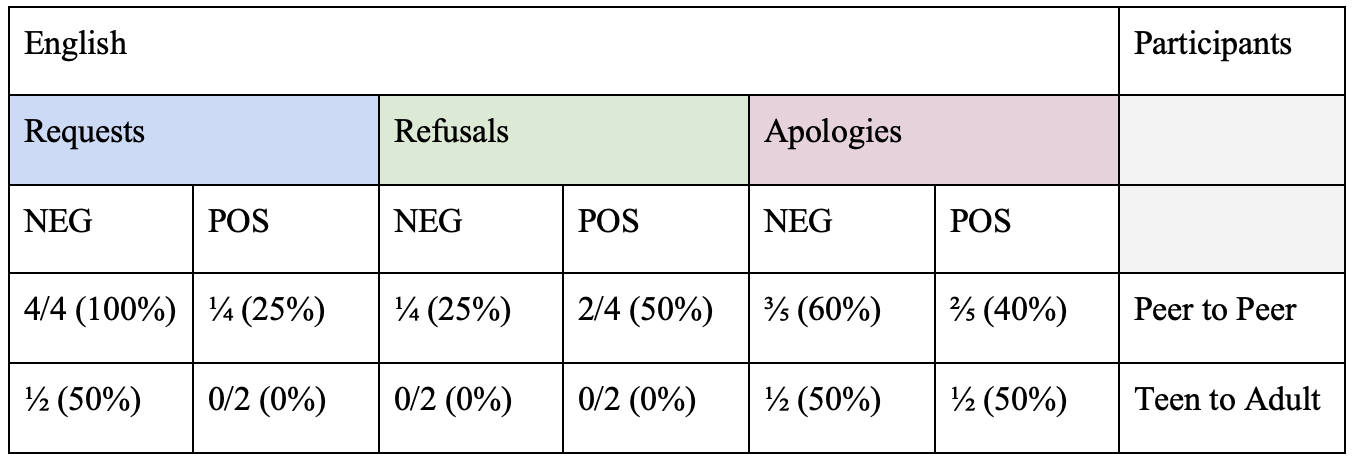
“I scared he eat, then the stomach explode!”: Missing Tense and the Standardization of Singlish

Hannah Chu, Trevor Htoon, Youchuan (Aaron) Hu, Ann Mayor, Grace Yao

Can we detect language change right as it’s happening? As a result of nearly a century of colonial handoffs, the Southeast Asian Island of Singapore developed its own, unique variety of English: Singapore Colloquial English, more commonly known as Singlish. There is reason to hypothesize, though, that Singlish may be progressively becoming closer to standard English and losing some of its distinctive linguistic features. The following article attempts to identify whether an assimilation to standard English is currently taking place among Singlish speakers, and if so, which categories of speakers are leading the change. The study focuses on one particular feature of Singlish: missing (or “dropped”) tense words, including copular verbs and tense auxiliaries. In order to collect data on this phenomenon, a survey and subsequent transcript analysis of eight YouTube videos from four young Singaporean content creators was conducted to identify tense word dropping rates for various Singlish speakers over time.

[expander_maker id=”1″ more=”Read more” less=”Read less”]

Introduction and Background

Singapore has long been the converging point of various languages and cultures, having spent the better part of 100 years shifting from British to Japanese to Malaysian control before gaining its independence in 1965. With four official languages—English (which serves as a lingua franca and facilitates cross-ethnolinguistic interaction), Malay, Mandarin, and Tamil—it’s no surprise that Singapore eventually developed a unique variety of English that pulls features from the three other languages. Today, Singapore Colloquial English (commonly known as Singlish) has “a distinctive phonology, syntax and lexicon” (Lim, 2004) that were created at the hands of the city-state’s bustling multilingual population. 

One recognizable aspect of Singlish, for instance, is the absence of tense marking in a sentence. Missing tense words are a replication of Mandarin Chinese syntax, in which elements like copular verbs are optional and often dropped (Tan, 2017). The Eton Institute demonstrates how tense is dropped in the sentence She is scared, instead giving She scared in Singlish (5 Unique Features of Singlish, 2021).

The usage of Singlish has not always, however, been without controversy on the Southeast Asian Island. In 2000, the Singaporean government launched the Speak Good English Movement (SGEM) “in a bid to delegitimize and eliminate Singlish” (Tan, 2017). The campaign, ongoing as recently as 2019, “often [featured] Singlish as an example of ‘bad English’,” (Tan, 2017) and has started a push for Singlish speakers to adopt standard English speech features. Along with the recent expansion of global platforms like YouTube that expose Singlish speakers to broader audiences of standard English speakers, this raises the question of whether Singlish may actually be in the process of becoming closer to standard English and losing some of its distinctive linguistic features.

The following research focused on missing (or “dropped”) tense words in Singlish syntax, attempting to detect whether this Singlish feature is becoming less frequent in favor of tense word inclusion, which is typical in standard English. Through investigating the speech of millennial and Gen Z (20- to 30-year-old) Singlish speakers of varying registers, the study hoped to identify whether Singlish appears to be assimilating to standard English and which groups of Singaporeans (within what sociolinguistic context and/or from what social category) are at the center of the change.

 Study Design

To collect data on missing tense words—specifically, copular ‘be’ and tense auxiliaries ‘be’, ‘do’, and ‘have’—we conducted an analysis of recorded Singlish speech from the videos of four popular Singaporean YouTube channels: Jianhao Tan, bongqiuqiu, Brenda Tan, and Night Owl Cinematics. Each of the creators falls in the 20’s to 30’s age range, consistent with the hypothesis that any potential language change is happening currently and as a result of recent developments in the past two decades, such as the SGEM.

Image 1: Our subject pool consisted of four popular YouTube channels, run by young Singaporean content creators. Half of the channels were styled as unscripted vlogs, while the other half produced scripted comedy sketch videos.

Two potential motivating factors of language change were considered in the study’s design: speaker agency and recency.

First, we divided our four YouTube channels into two categories that represent two registers of speech, which we called “Scripted” and “Unscripted.” Jianhao Tan and Night Owl Cinematics, who produce comedy content like skits and sketches, fell into the Scripted category. Meanwhile, bongqiuqiu and Brenda Tan, who produce lifestyle and vlog-type content, were chosen for the Unscripted category. By watching videos from channels with opposing content styles, we hoped to compare tense word dropping across differing language contexts.

Additionally, we wanted to capture potential language shifts over time, independent of Scripted and Unscripted categorizations. We chose two videos to analyze from each of the four YouTube channels (for a total of eight videos): one from 2021 (the year of the study) and one from five or more years ago.

For each video, we edited and annotated auto-generated or provided speech transcripts. Relying on our intuition as native speakers of a standard variety of English, we marked each instance of tense word dropping or inclusion on the transcripts. We then reported the number of clauses with tense word droppings as a percentage of the total spoken clauses that would require tense word inclusions in standard English. More tense droppings would indicate a closer association with Singlish features, while fewer would indicate a closer association with standard English.

Image 2: An example spreadsheet of how we collected data for a video. Dropped tense words were added to the transcript in blue parentheses where we deemed them necessary, while pronounced tense words were highlighted in red.

As we began collecting data, we expected to see that our Scripted YouTubers would show lower tense word dropping rates than our Unscripted ones. With the ability to pre-plan dialogue, we thought that they would be more conscious of their language use and exercise larger agency over their speech. We also expected that recent videos from the past year would show lower rates of tense word dropping than older examples, demonstrating an ongoing progression of Singlish adopting standard English features.

Results and Analysis

Out of four YouTube channels and eight videos, we found Night Owl Cinematics—a Scripted channel—to consistently show the highest rates of tense dropping (Figure 1), with over 50% of applicable clauses missing tense words. Brenda Tan—an Unscripted channel—showed the lowest rates, consistently having a less than 4% tense word drop rate.

Figure 1: Table of data on the percentage of dropped tense words per video, as well as raw data on the number of dropped tense words and total applicable clauses.

A closer look at our data revealed unexpected results. For instance, the average tense word dropping rate observed in Scripted videos ended up over three times higher than that in Unscripted videos (Figure 2). In other words, the content creators who we thought would make the most use of speaker agency to hide a Singlish feature like missing tense actually exhibited the feature much more frequently, on average.

Figure 2: Average percentage of tense word droppings in videos by category of register (Scripted vs. Unscripted).

There also seemed to be a slight difference when we compared tense word dropping rates in recent and older videos. Tense word dropping occurred more frequently by roughly 5 percentage points in recent videos, contrary to our hypothesis that the Singlish feature of missing tense would be fading as time went on.

Figure 3: Average percentage of tense word droppings in videos by category of time (older vs. recent videos).

However, we noted that since our data came from a small sample size of just four YouTube channels, it wasn’t immediately obvious whether this increase was particularly significant. We decided to take another qualitative look at our data.

First, we noticed that within the categories of speech register that we chose (Scripted and Unscripted), the percentage of tense word dropping was highly varied. For instance, Night Owl Cinematics and Jianhao Tan both represented our Scripted category; while Night Owl Cinematics’ videos showed missing tense in over half of all applicable clauses, Jianhao Tan essentially did not drop tense words at all (Figure 4). This suggested to us that there was little to no pure correlation between the Scripted factor alone and tense word dropping.

Interestingly, the tense word dropping rates did not vary significantly within a YouTube channel’s own content. The frequency of missing tense did show a relative increase in the more recent videos for three out of the four channels (Figure 4), which was possibly indicative of a more general trend in Singlish. However, the small sample size of our study made it unrealistic to definitively conclude whether time was a significant influencer of tense word dropping rates and whether missing tense is actually becoming more frequent in Singlish as time goes on.

Figure 4: Percentage of tense word droppings for each video analyzed, by YouTube content creator and by category of time (older vs. recent).

These results led us to formulate a few possible explanations for what we observed. For instance, tense word dropping rates may be more closely correlated overall with the language background you came from (perhaps where in Singapore you grew up or in which language or ethnic community) or personal linguistic style. This would explain why each individual speaker’s missing tense rates were relatively consistent all in all, while comparing two different speakers (even across the same Scripted or Unscripted category) showed larger variation. These seem to be more plausible factors than year or speaker agency, as we originally thought.

We also noted, for example, that Night Owl Cinematics specifically brands themselves as a “Singaporean humour” channel—their content specifically hopes to showcase Singaporean culture and life. This might explain why, though they have strong agency over and can pre-plan dialogue, Night Owl Cinematics showed prominent tense word dropping: they have a motivated interest in sharing the unique characteristics of Singaporean language use.

Discussion, Conclusion, and Expansion

Ultimately, there is not enough evidence in our data to claim that Singlish is becoming closer to standard English and adopting its features. In fact, many of our results appeared to suggest otherwise.

There are a few points in our research that, if modified, could lead to more conclusive descriptions of the current landscape of Singlish’s evolution. It should be kept in mind, for instance, that we surveyed a limited subject pool of four content creators and a small sample size of two videos for each creator. We also looked only at online personalities with large audiences not just from Singapore, but elsewhere around the globe. This may, consequently, have resulted in the Hawthorne effect, where speakers alter their usual speech when under the conscious observation of an audience.

Further research into this topic could be focused on looking at potential influences of Singlish on Singaporeans who are attempting to learn or speak a more standard variety of English, such as Singaporean international students or Singaporean nationals living and working in the United States. Additionally, investigating the speech of local Singaporeans rather than just that of online and public figures would provide a more holistic picture of how Singlish is adopting (or not adopting) standard English features. Surveying a larger sample size of videos that span a more extended time scale would give better insight on Singlish languages changes over time. Studying other features, beyond missing tense or even beyond syntax, could also provide a more well-rounded idea of how Singlish is shifting over time.

Finally, although our findings did not line up with our hypothesis, we were able to make other interesting observations based on the data collected.

It appears, first of all, that our speakers showed a clear awareness of the difference between standard and Singlish English features at times. For instance, take the following Night Owl Cinematics video from 2021, “Types of Online Shoppers”. While the written subtitle reads, “How many do you want?” (Image 3), the speaker actually pronounces the following utterance: “How many you want?” This seems to show a conscious acknowledgement of what is typical in standard English syntax, in striking juxtaposition to what was natural to the Singlish speaker.

Image 3: A screenshot from Night Owl Cinematics’ 2021 video, “Types of Online Shoppers”.

Moreover, we were able to confirm from our data that tense word dropping appears to be not random but systematic and motivated (part of Singlish grammar; not randomly distributed) in Singlish, as Lim (2004) had suggested was the case with phonological, syntactical, and lexical features of the variety. We can review a few examples (Image 4), which show two systematic instances of tense word dropping. We firstly see that the feature of missing tense seems to appear in conjunction with the Singlish particle ‘one’; in both a Night Owl Cinematics and a bongqiuqiu video, the speakers use the particle at the end of the clause and drop that same clause’s earlier copular verb. In a similar phenomenon, the missing of the tense auxiliary ‘are’ appears in conjunction multiple times with the auxiliary ‘gonna’, where the utterance of the latter seems to trigger the dropping of the tense auxiliary immediately before it.

Image 4: Evidence for systematic tense word dropping in Singlish, taken from three analyzed videos. Posited tense dropping “triggers” are marked in green; dropped tense words are marked in red parentheses.

So, is Singlish becoming more and more like standard English? It’s hard to say. What seems to hold is that Singlish has unique and systematic features, of which the distribution varies among its diverse speakers. The tangible influence that campaigns like the Speak Good English Movement have on non-standard varieties and their assimilation to standard forms of a language remains to be seen.


References

5 Unique Features of Singlish. Eton Institute. (2021, May 24). Retrieved October 15, 2021, from https://www.etoninstitute.com/wp/2021/05/24/5-unique-features-singlish/.

Gopinathan, S. (1979). Singapore’s Language Policies: Strategies for a Plural Society. Southeast Asian Affairs, 280-295.

Leimgruber, J. R. E. (2013). Singapore english: Structure, variation and usage. Cambridge University Press. https://www.jstor.org/stable/27908382.

Lim, L. (Ed.). (2004). Singapore English: A grammatical description (Vol. G33). John Benjamins.

Tan, Y. (2017). Singlish: An Illegitimate Conception in Singapore’s Language Policies? European Journal of Language Policy 9(1), 85-104. https://www.muse.jhu.edu/article/657324.

[/expander_maker]
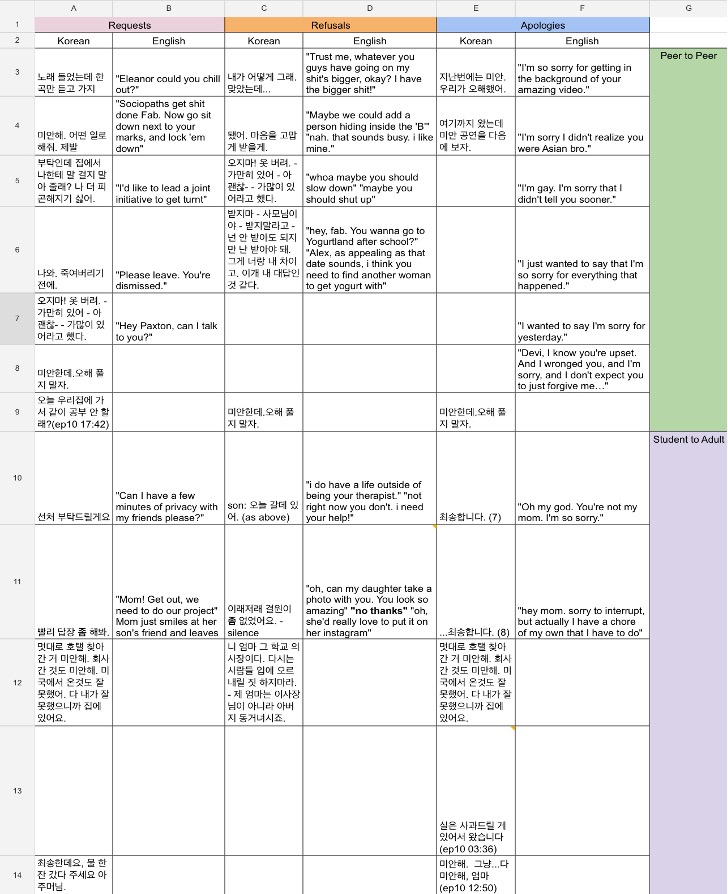
, , ,

Beyond the Binary: Analyzing Vocal Pitch of Non-Binary Celebrities

Megan Fu, Rowan Konstanzer, Erin Kwak, and Kimberly Gaona

Examining the speech of nonbinary individuals allows a better understanding of how different speech acoustic features such as vocal pitch, quality, and tempo are used to help construct gender identity. By investigating the speech acoustic features of non-binary celebrities, this study investigates whether coming out would cause their vocal pitch, tempo, and quality to be more divergent from cis-female and cis-male speakers. This was done by analyzing the celebrities’ pitches in their neutral interviews both before and after they publicly came out. It was hypothesized that the nonbinary individuals’ pitches would fall between the cis-female and cis-male pitches based on prior studies and research. Though this was supported by the data, a concrete conclusion was unable to be found as the differences were minor. However, an important takeaway was that a person’s pitch did not necessarily correlate with their gender identity and that there can and should be more research that includes the nonbinary community.

[expander_maker id=”1″ more=”Read more” less=”Read less”]

Key Words:

  • Non-binary (or genderqueer): an umbrella term for gender identities that are neither male nor female‍, and identities that are outside the gender binary which fall under the LGBTQ+ community.
  • Cisgender: a person whose gender identity is the same as their sex assigned at birth.
  • Vocal Pitch: the low and high frequencies of a sound. Vocal pitch is determined by the degree of tension in the vocal folds of the larynx, which itself is influenced by complex and nonlinear interactions among the laryngeal muscles.

Introduction + Background:

Where there is a plethora of research regarding the vocal pitch ranges of cis-women and cis-men, there is inadequate research on the vocal pitch of non-binary individuals. We noticed this lack of information and decided to attempt to fill it. It is important to note that there are some studies that have delved into the concept of vocal pitch differences in non-binary individuals, but none that we could find that was exclusively devoted to the fact.

Using the findings from similar studies, most notably Bradley and Schmid’s 2019 study on non-binary vocal pitch and speech patterning, we were able to piece together what we thought we could expect from the results of our study. As was found in Bradley and Schmid’s study, “the non-binary group of participants had an average F0 in between the cis-men and cis-women and had intonation not patterning like the cis-women nor the cis-men—instead patterning with a mixture of both feminine and masculine traits” (Bradley & Schmid, 2019, p. 2688). While this study also looked into the vocal frequencies of cis-men, cis-women, and non-binary peoples, it focused more on the speech patterning of those individuals.

From this study and others, we were able to derive that we should expect a similar result from our research. Based on this, we hypothesized that the vocal pitch of non-binary individuals will fall somewhere in between the average F0 of women and the average F0 of men. More specifically, in the individuals that we chose to examine, the assigned female at birth (afab) individuals’ vocal pitches will deepen/lower after coming out and the assigned male at birth (amab) individuals’ vocal pitches will rise after coming out.

Methods:

In order to test our hypothesis, we chose to examine six individuals who identify as non-binary. The individuals we chose to look at where the following celebrities: Sam Smith (AMAB), Nico Tortorella (AMAB), Jonathan Van Ness (AMAB), Amandla Stenberg (AFAB), Brigette Lundy-Paine (AFAB), and Demi Lovato (AFAB). We chose to examine these celebrities because there is heavy documentation before and after they have come out, making a more thorough analysis possible. However, it is important to note that all of the chosen individuals identify as queer and that Sam Smith is British. This could have had an effect on the results and was kept in mind while conducting our research. Other confounding variables included anxiety level, heightened emotion (based on topic sensitivity), sexuality, interview setting, and level of professionalism. Thus, interviews about neutral topics were chosen, such as albums, hair, skincare routine, and TV shows. Examples of non-neutral topics that were avoided as much as possible were those about them coming out, trauma, and politics.

Two interviews before coming out and two interviews afterward were chosen for each celebrity and analyzed. After cutting the videos to exclude other speakers, audience reactions, and sound effects, the interviews were uploaded to Praat to observe the average, minimum, and maximum pitches. The minimum and maximum pitches were checked to ensure that they were from the actual subjects and not the host, audience, background music, or any other disturbances. Because there were two interviews each, the averages of the findings were utilized to compare the pitch data before and after coming out with each individual and with each other. This information was also compared to the average pitches of cisgender individuals from outside research.

Results/Analysis:

The following table and graph showcase a summary of our main findings.

Figure 1 illustrates the vocal pitches (in Hertz) of the six celebrities before and after coming out as non-binary in comparison to the female and male cisgender averages (Pépiot, 2014, p. 305). **Note that the cisgender averages do not exhibit any change before versus after.

Figure 1: Average Vocal pitches (Hz) of celebrities before and after coming out.

Figure 2 depicts the same data as Figure 1 but in the form of a scatter plot so one can better visualize the change in pitch of each celebrity and see them compared against one another plus the cisgender controls. The horizontal or x-axis shows the name of the celebrities. The y-axis or the vertical axis shows the frequencies in Hertz.

Figure 2: Scatter plot, vocal pitches of celebrities.

Although all the celebrities exhibited some degree of change in vocal pitch, the difference was insignificant across all six individuals (the dots for most of them are overlapping). To summarize, two out of the three assigned-male-at-birth celebrities had a (slightly) higher pitch after coming out, and two out of the three assigned-female-at-birth celebrities had a (slightly) lower pitch after coming out. Even though these findings support our original hypothesis. However, the difference for each person was only a matter of <10 Hertz. For reference, with each jump in octave, the Hertz doubles. Therefore, a difference of 5 Hertz is negligible and would be indistinguishable to the human ear. Because of this minute difference in the celebrities’ vocal pitch before versus after coming out, we would say our findings were ultimately inconclusive.

We can attribute this to many different confounding variables. First, non-binary is an umbrella term so all the individuals we analyzed could fall very differently on the broad spectrum of gender identity. Because non-binary people vary in how they express their gender (or lack thereof), this could account for why the celebrities did not exhibit much change in vocal pitch after coming out. Moreover, we only analyzed six celebrities and took a small sampling of their speech patterns which limits the scope of our conclusions. Therefore, due to the small data set and population, it would be unwise to make any generalizations about the community as a whole based on these six individuals alone. Although we opted to look at celebrities’ interviews in order to get their natural speech patterns rather than elicited ones, being in a formal interview setting could have altered their pitches alone. Even though we aimed to keep the subject matter of the interviews neutral, we could not account for the individual’s mood or emotions that particular day which also could have altered their pitch. The passage of time between each set of interviews could have also had an effect on their pitch—especially considering these celebrities are on the younger side (Gen-Z and millennials), their voices could have simply matured in the time between each interview. Lastly, it is also important to note that all of the celebrities we analyzed identify as queer. Therefore, their sexual orientations could have also been a contributing factor to any deviations from the cisgender averages.

Discussions and Conclusions:

Even though we could not fully confirm our hypothesis or make any concrete conclusions there are still some worthwhile takeaways from our findings. Most importantly, one cannot make assumptions about vocal pitch based on someone’s gender expression alone. Just because someone has a higher vocal pitch does not mean they need to present more feminine or align themselves with a female identity. The same goes for a lower pitch not necessitating a masculine identity. In summary, our findings matter as they support the idea that vocal pitch is not an accurate marker of gender identity. In addition, these results combat preconceived stereotypes about the connection between vocal pitch and gender identity.

Due to the limited scope of our research, some possible future directions we thought of include doing a long-term study following non-binary individuals on their coming out journey and closely documenting any changes in pitch. Another version of this study could entail analyzing a larger population or data pool such as college students and collecting data firsthand so the environment can be more controlled since there were external factors we could not control such as background noise and interference in the celebrity interviews.

By looking at the speech acoustic features of non-binary celebrities in their interviews before versus after coming out, we were able to see analyze how their vocal pitches diverged from cis-female and cis-male speakers. Notably, researching vocal pitch differences plays a role in understanding human interaction and expression. The voice serves as a mode of personal expression for one’s identity: “the voice is a form of communication in which people form relationships with one another, show vulnerability, and show geographical linguistic features” (Mills et al., 2017, pg. 13). With this in mind, creating a study analyzing the non-binary community helps create a better understanding of the LGBTQ+ community’s expression of identity through speech acoustic features.

Through our findings, we hope to provide greater insight into the non-binary community and serve as a starting point in seeing how gender norms also play an important role in pitch production rather than assuming biology is the sole reason. Overall, we believe our research still has a purpose in opening the floor to more linguistic research into the non-binary community which often gets overlooked or glossed over.

Further Reading and Watching:

 Vocal Branding: How Your Voice Shapes Your Communication Image — The voice is one of the most important factors for creating a social group, an image of oneself, and your perception of others. The different aspects of vocal pitch such as intensity, inflection, rate, frequency, and quality can say a lot about a person’s current emotional state such as being angry, sad, embarrassed, anxious, confident, happy, and so on. This is called a voice brand and helps describe a person’s personality or overall persona.

Queer Speech: Real or Not? – Languaged Life — In this blog post, you can read more about language as an identifier for sexuality. In this blog post, Dao et. al explore if there’s a difference between queer and straight women’s speech or if it is just a stereotype.

From Uptalk to Vocal Fry, Women Are Prolific Language Innovators — In this podcast, the hosts of Spectacular Vernacular engage with recent vocal trends for English speakers and how women are driving this change. Listen to find out more about the connection between communication, perception, and identity.

Watch Do I Sound Gay? | Prime Video — This 2014 documentary directed and starring David Thorpe explores the link between vocal quality and perceived sexual orientation. While entertaining, the film also explores the existence and accuracy of stereotypes about the speech patterns of homosexual men.


References:

Bucholtz, M., & Hall, K. (2005). Identity and interaction: A sociocultural linguistic approach. Discourse Studies 7: 585–614.

Butler, J. (1988). Performative acts and gender constitution: An essay in phenomenology and feminist theory. Feminist Theory Reader, 519–531. https://doi.org/10.4324/9781315680675-71

Erwan, P.  (2014). Male and female speech: a study of mean f0, f0 range, phonation type and speech rate in Parisian French and American English speakers. Speech Prosody 7, 305-309.

Gratton, C. (2016). “Resisting the Gender Binary: The Use of (ING) in the Construction of Non-binary Transgender Identities,” University of Pennsylvania Working Papers in Linguistics: 22(2) , Article 7.

Gratton, C. (2015). “Recreating gender”: The linguistic construction of Non-binary Gender Identities. Poster presented at the LSA Institute 2015: University of Chicago. Work in progress.

Mills, M., & Stoneham, G. (2017). The Voice Book for Trans and Non-Binary People: A Practical Guide to Creating and Sustaining Authentic Voice and Communication. https://books.google.com/books?id=N9rADQAAQBAJ

Schmid, M., & Bradley, E. (2019). Vocal pitch and intonation characteristics of those who are gender non-binary. 2019 International Congress of Phonetic Sciences. https://doi.org/10.13140/RG.2.2.17233.68961

[/expander_maker]
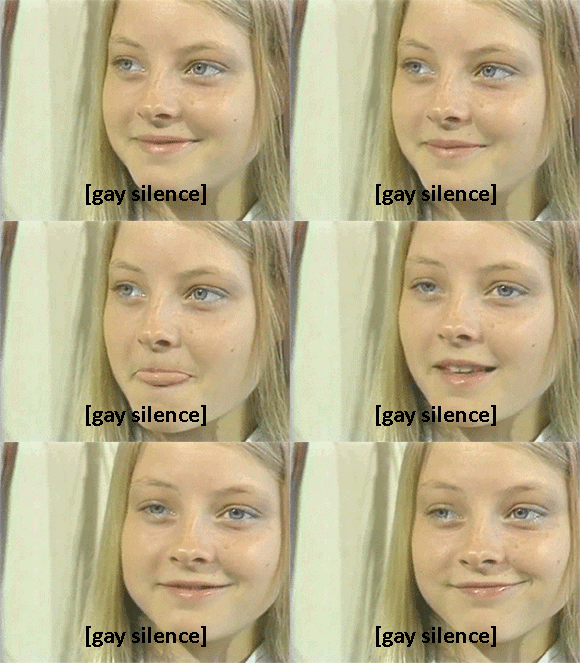
, , ,
Scroll to Top