Bilingualism

Political Polarization: Why are you fighting in the comment section?

Kathryn Cunningham, Anna Tobey, Leia Broughton, Maya Athwal, Nicole Pacheco

Note: This article was written in Spring 2024, prior to Biden stepping down from the presidential race and Trump winning the 2024 presidential election.

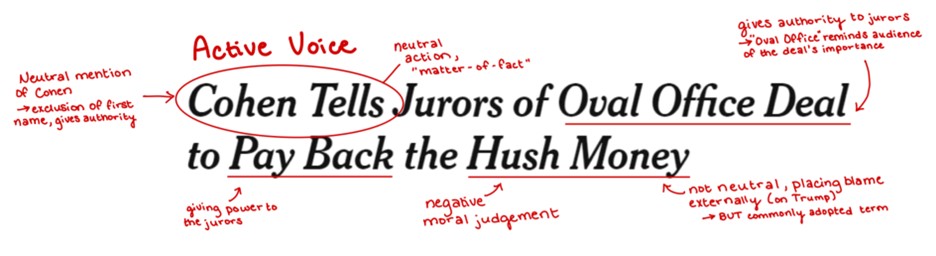
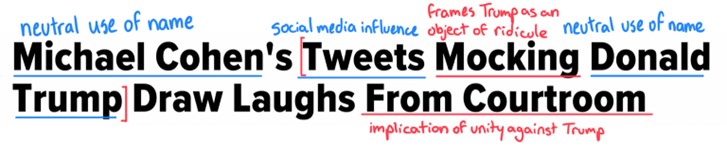
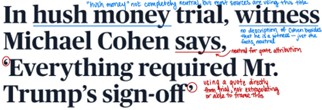
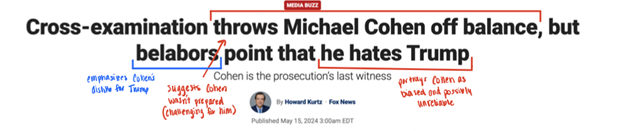
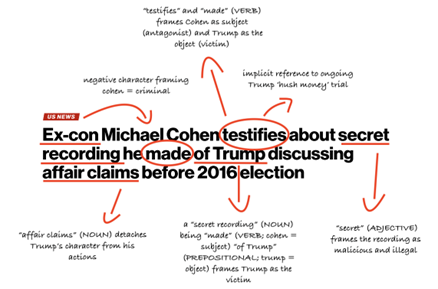
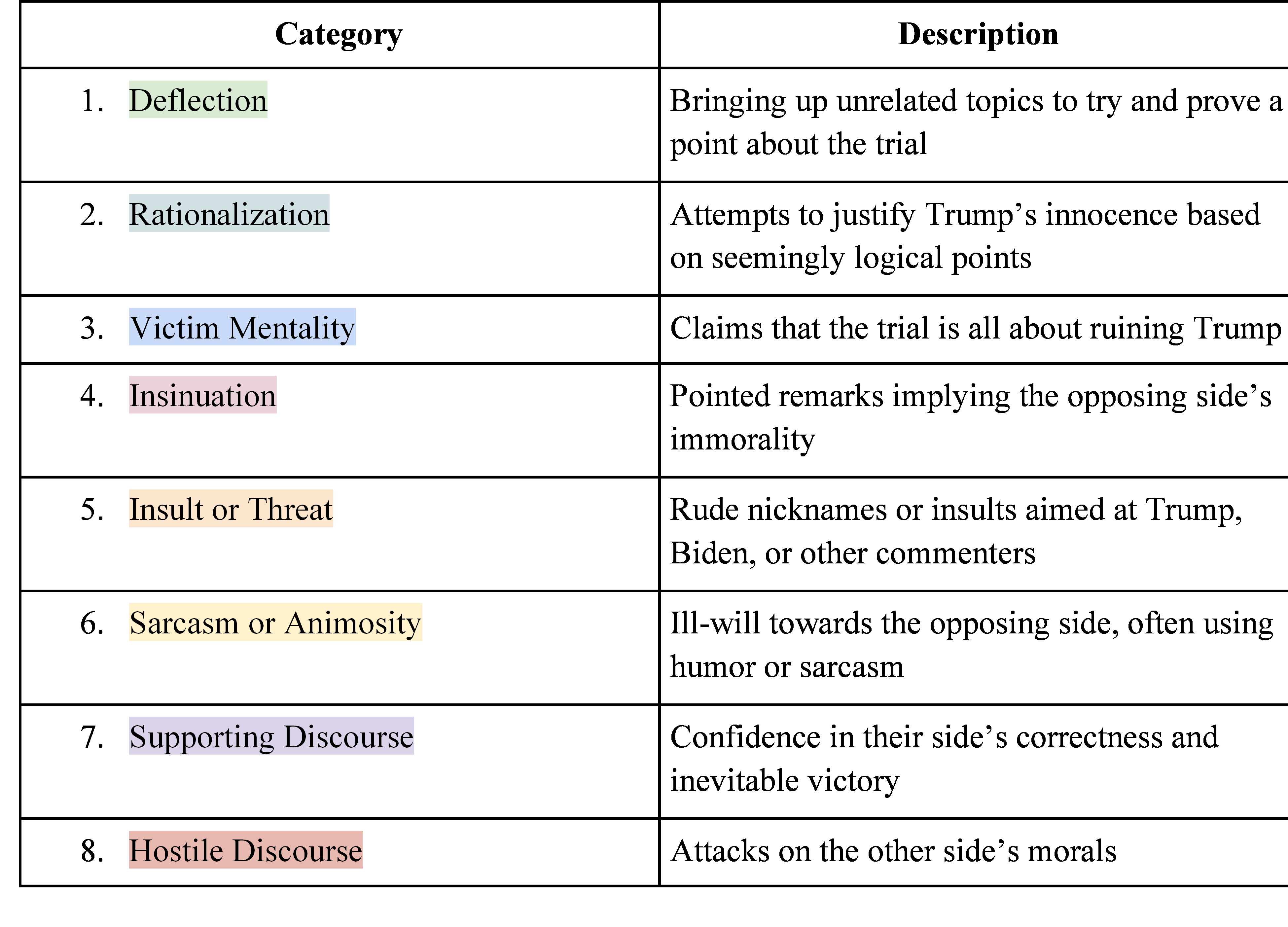
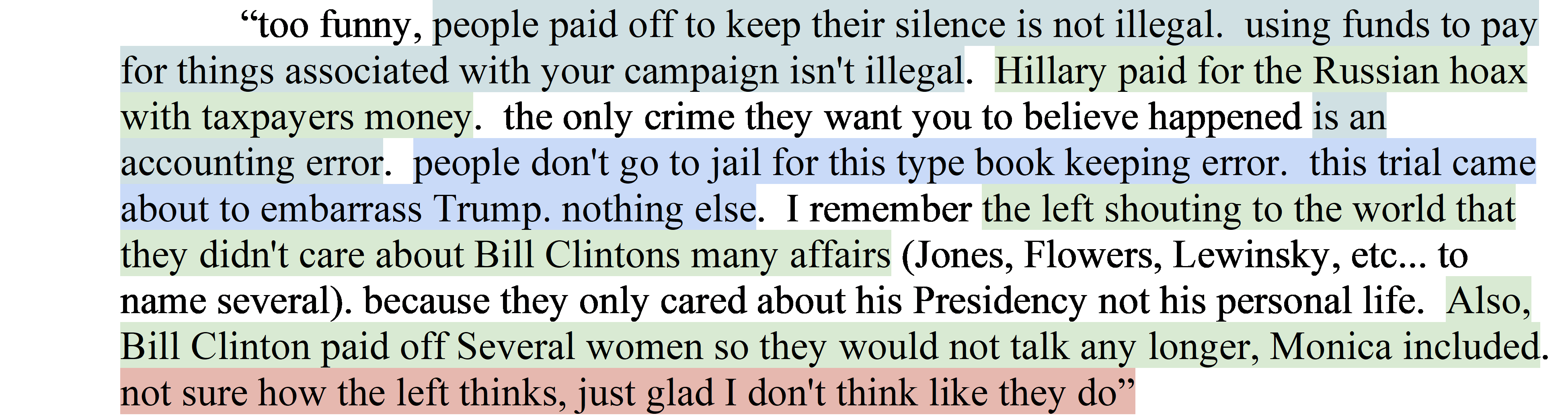
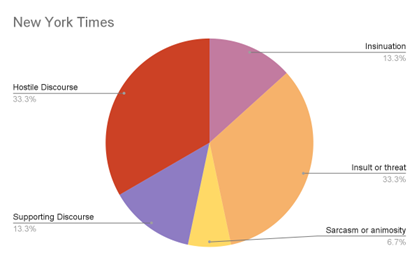
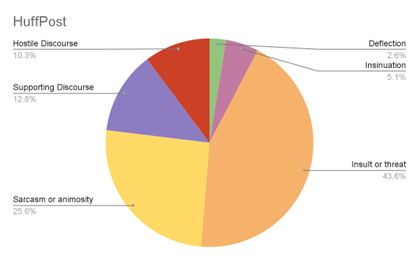
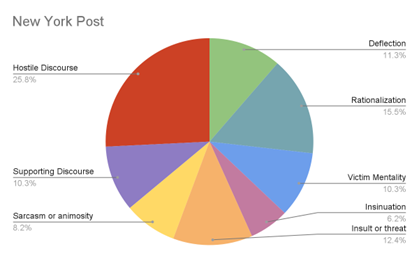
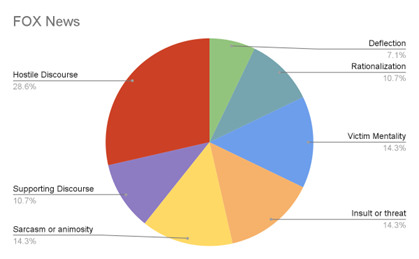
Are all news headlines made equal? For our project, we analyzed the potential effects of framing in online news headlines on readership responses in the comments. Digital tools for political discourse are becoming increasingly popular, and we want to investigate how framing in the media can influence political cognition and amplify the political polarization we see in comment sections today. We hypothesized that different framings in headlines would provoke politically biased emotional responses against the opposing political party. We conducted critical discourse analysis of six different headlines pertaining to a singular political event — Michael Cohen’s testimony against Donald Trump — on two news sites from each of the following categories: left-leaning, right-leaning, and neutral. We then compared these analyses of the lexical and syntactic choices used to frame Cohen and Trump with the corresponding comments on each article. We observed high-frequency keywords and identified eight categories for different comment types, considering how each headline could have prompted the intense responses we saw. The results of this project are important in understanding the power of party framing and how it can divide us simply through subtle choices in language.

Read more

, , , , , ,

Political Polarization: Why are you fighting in the comment section? Read Post »

Dialogues of Fame: Unveiling Gender Dynamics in Celebrity Interviews

Elizabeth Escamilla, Penelope Hernandez, Kenzie MacDougal, Jason Ye

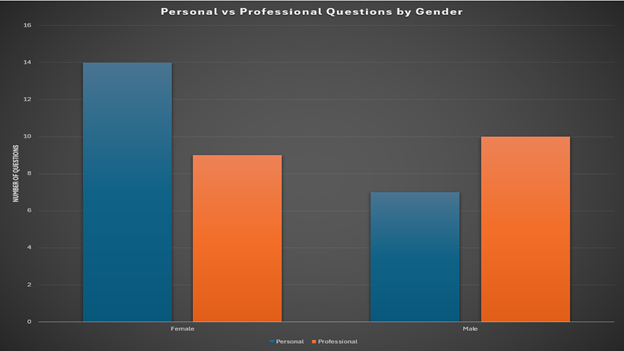
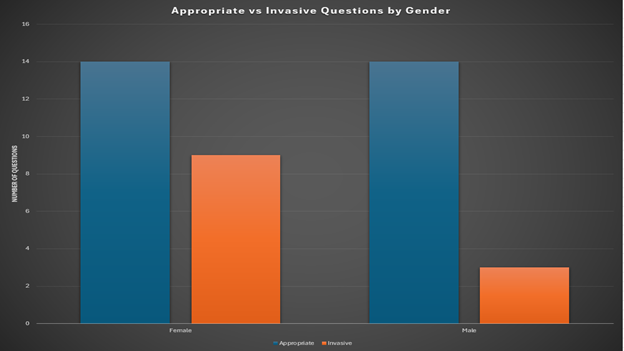
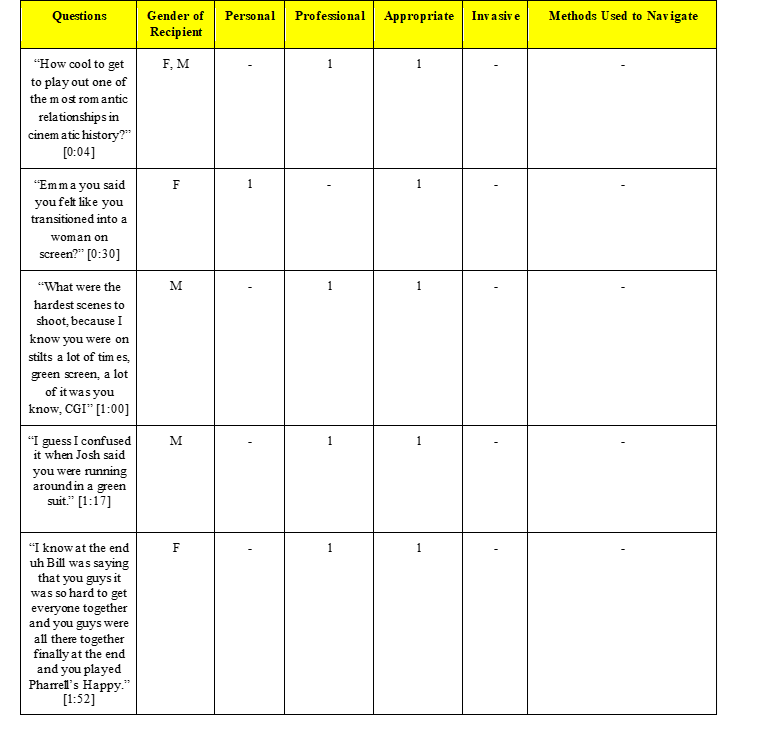
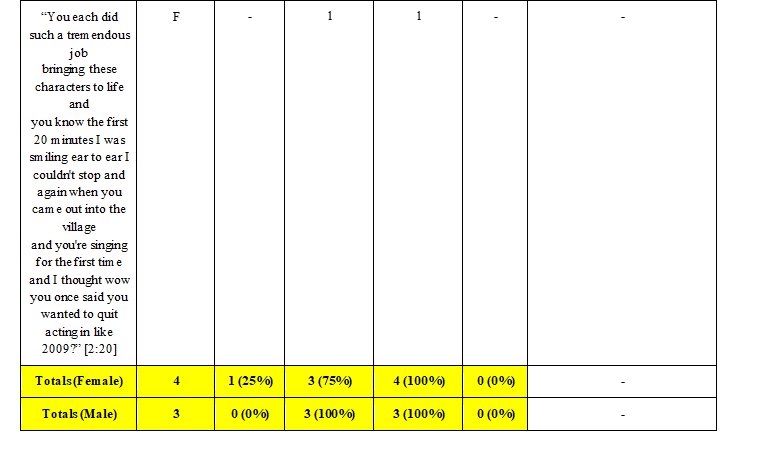
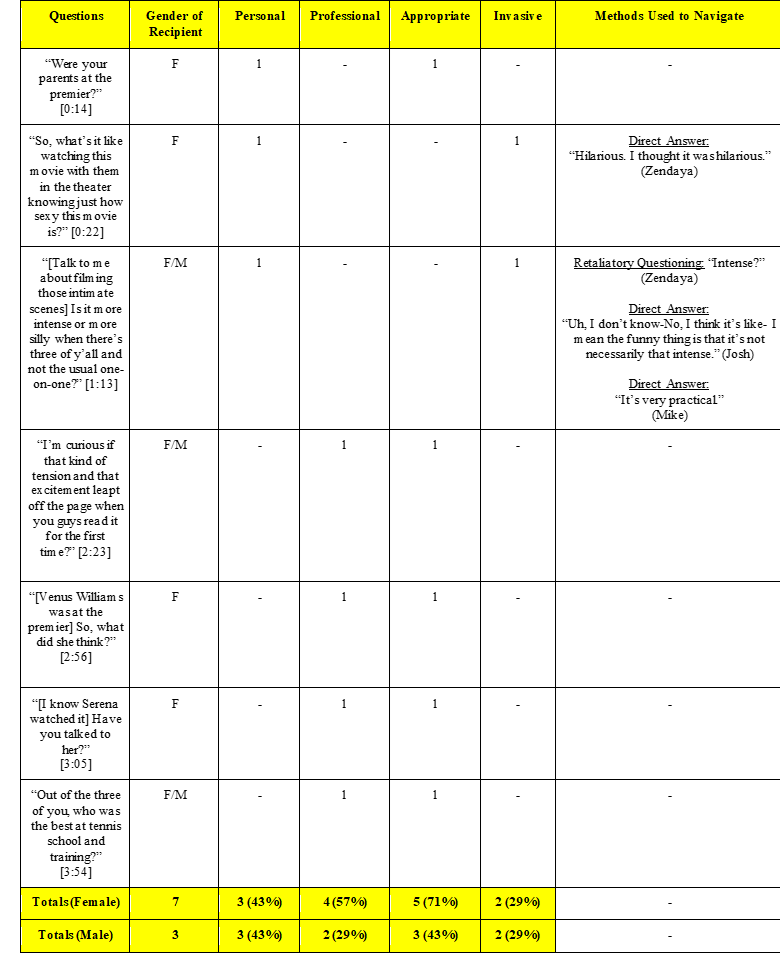
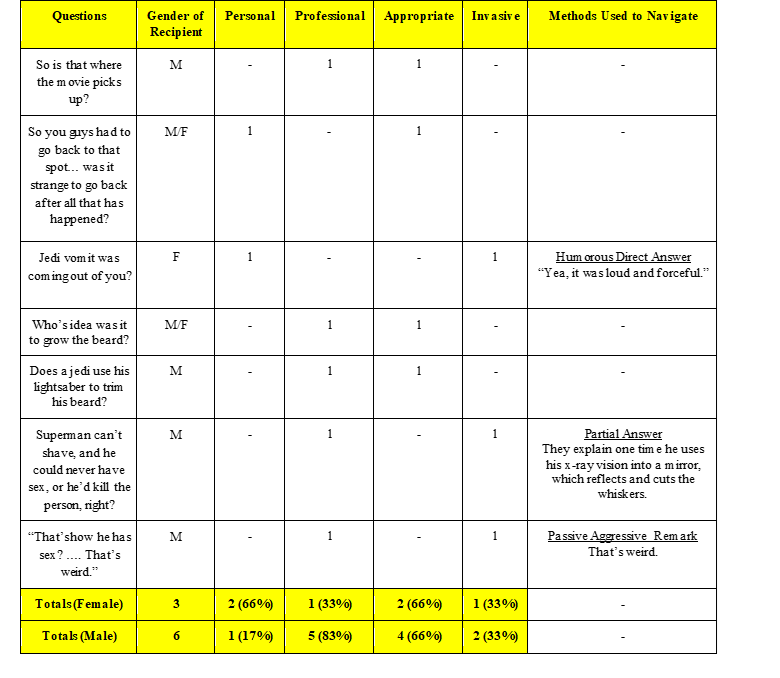
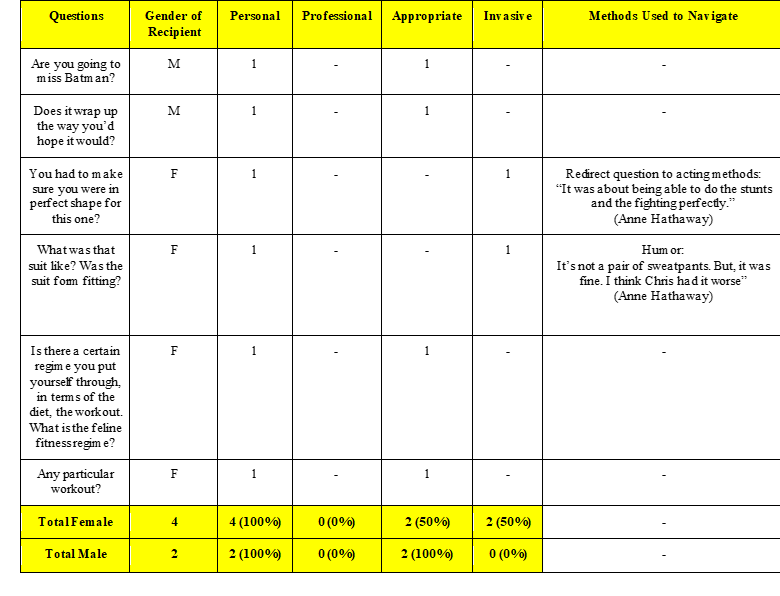
Human interaction is complex and, at a sociolinguistic level, can be challenging to parse. With that in mind, we chose to analyze celebrity interviews — definite and structured slices of conversation whose participants were conscious of the invisible future viewer. Informed and inspired by studies such as Julia T. Wood’s “Gendered Media: The Influence of Media on View of Gender,” Rossi and Stiver’s “Category-Sensitive Actions in Interaction,” and Tavitz and Perez’s “Language influences mass opinion toward gender and LGBT equality,” we investigate patterns of interaction and indexical shifts as they may be affected by the genders of the involved parties. Taking two-minute segments from each interview, we classified questions as personal or professional and invasive or appropriate. Anything deviating from expected interview etiquette was noted, whether that be word choice or tone of voice, as well as the reactions of any third parties. Most importantly, we classified the ways in which interviewees responded to invasive lines of questioning, specifically as one of the following: retaliatory questioning, a passive aggressive remark, a humorous deflection, a partial answer, or a direct answer. A significant trend of women receiving more invasive and personal questions quickly appeared, though our investigation suffers from a possible selection bias. Therefore, future investigations should pull from a much larger and more varied sample of interviews.

Read more

, , , ,

Dialogues of Fame: Unveiling Gender Dynamics in Celebrity Interviews Read Post »

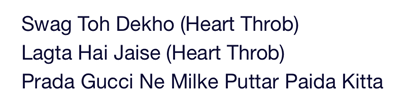
“Swag Toh Dekho:” Hindi-English Code-Switching in Bollywood Movies of the Last 30 Years

Krithi de Souza, Kara Bryant, Sophia Adams, Medha Kini

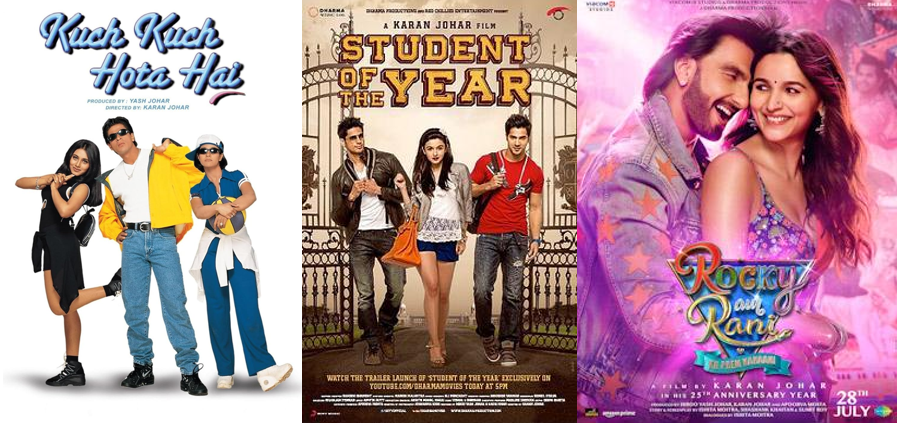
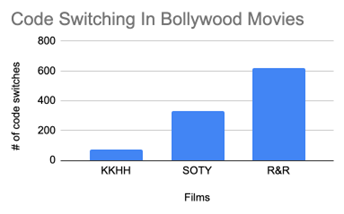
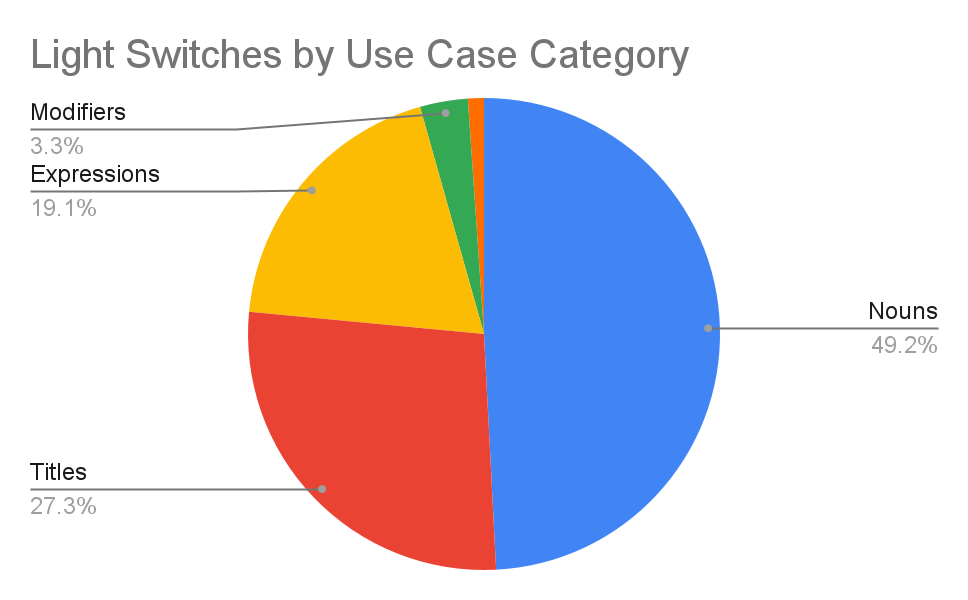
Bollywood! We know (and love) the films for their grand and magnificent dance sequences, epic love stories, and extra long running times. Bollywood is often referred to as the “Indian Hollywood,” and this Hindi cinema industry has a large fanbase of its own. But how much overlap is there between Bollywood and Hollywood? Is there a strong language barrier that separates them? If you’ve watched a modern Bollywood movie, you would know that English words are often scattered throughout the script or used for funny catch phrases and apologetic remarks. But has that always been the case? In our project, we analyze the code-switching in three different Bollywood movies — Kuch Kuch Hota Hai, Student of the Year, and Rocky aur Rani Kii Prem Kahaani — all made by the famous filmmaker, Karan Johar. Each movie was released in a different decade, and we wanted to know how code-switching in Bollywood movies has changed as time passed. Read more to find out about the patterns we observed as the movies became more recent!

Read more

, , , , ,

“Swag Toh Dekho:” Hindi-English Code-Switching in Bollywood Movies of the Last 30 Years Read Post »

Media & Reality All at Once: How ‘Everything Everywhere All at Once’ is doing its best to exemplify our code-switched conversations

Jacqueline Aguirre, Josiah Apodaca, Kaitlyn Khoe, Mason Uesugi, Wonjun Kim

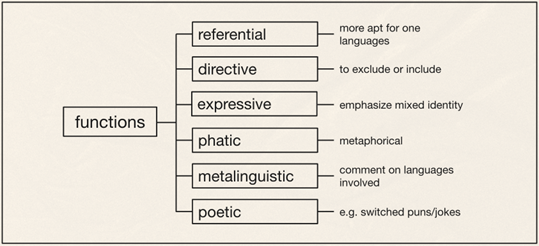
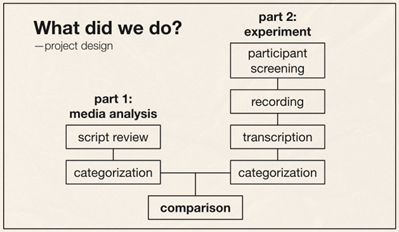
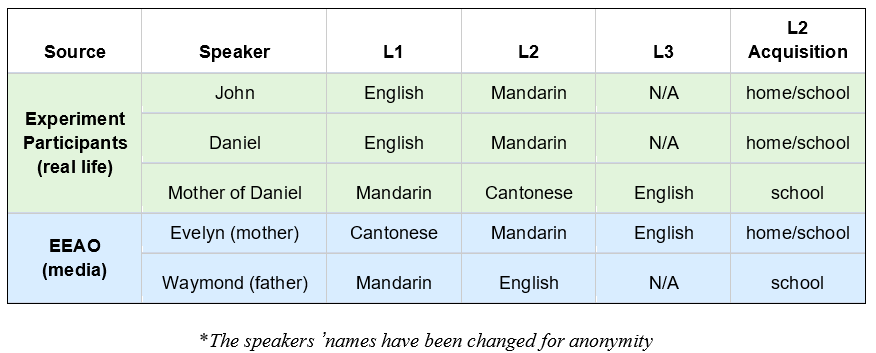
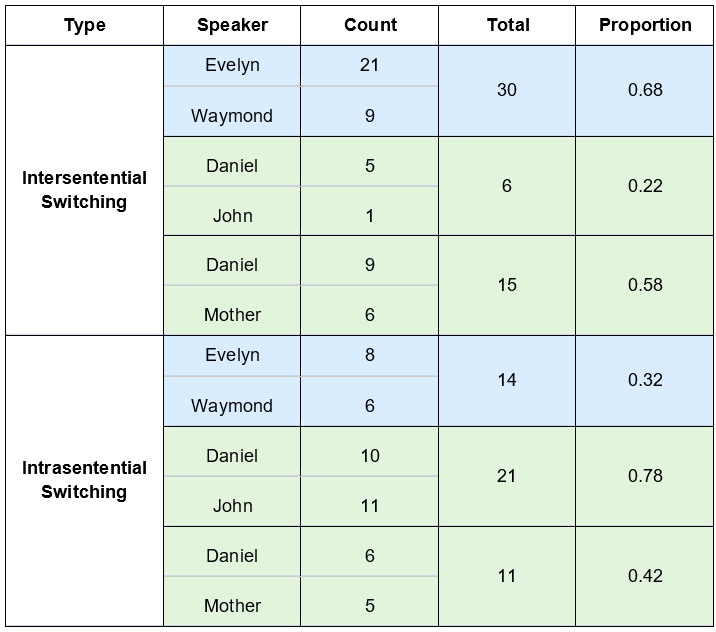
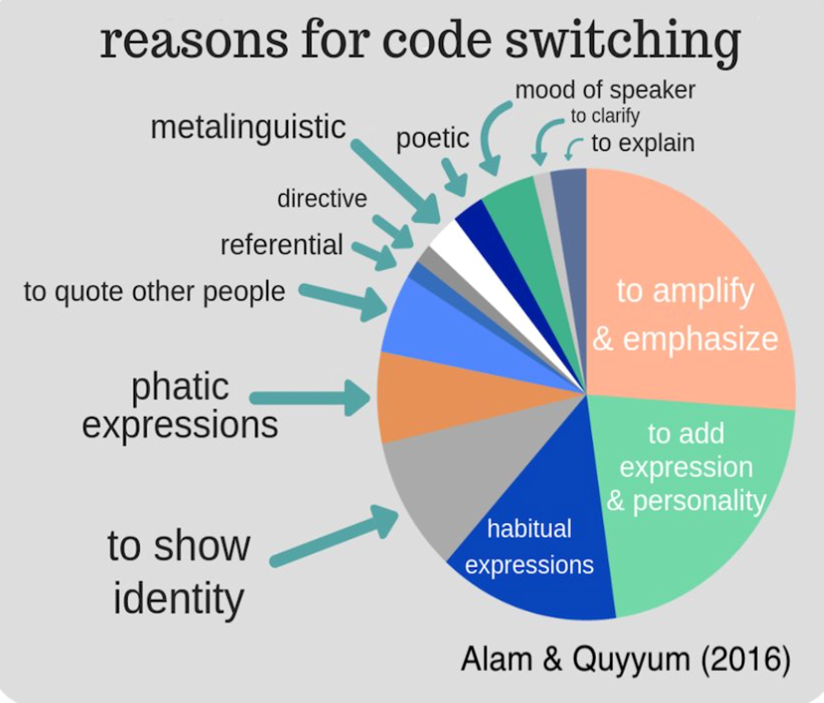
Code-switching, or the use of more than one language, dialect, or code in an utterance or conversation, can be a way to signal identity. This study compares two sources of code-switching — conversations from media, specifically Everything Everywhere All at Once (2022), and conversations in real life — by categorizing utterances and types of code-switching. This study investigates the representation of code-switching in bilingual media and the similarities and differences to code-switching in daily life. The real life conversations were conducted with Mandarin-English bilinguals, and the two conversations ran for 8 and 10 minutes. The findings demonstrated that intersentential switching occurred more often in this particular media, while intrasentential switching was preferred by the real-life speakers. The various types and functions of code-switching were present in the media, which was expected given the larger sample size and production resources and timelines. Nonetheless, both case studies demonstrated significant levels and mannerisms of code-switching, aligning with the proposed variables and categories. Further studies could utilize other syntactic properties, pitch contours, and tonal articulations in order to auditorily represent accuracies and behaviors of code-switches as more bilingual media makes its way into the American entertainment landscape.

Read more

, , , ,

Media & Reality All at Once: How ‘Everything Everywhere All at Once’ is doing its best to exemplify our code-switched conversations Read Post »

Phonological Variation and Identity in L.A. Spanish: The Case of /s/ Debuccalization

Nicholas Guymon, Jafarri Nocentelli, Amanda Tai, Brian Cifuentes

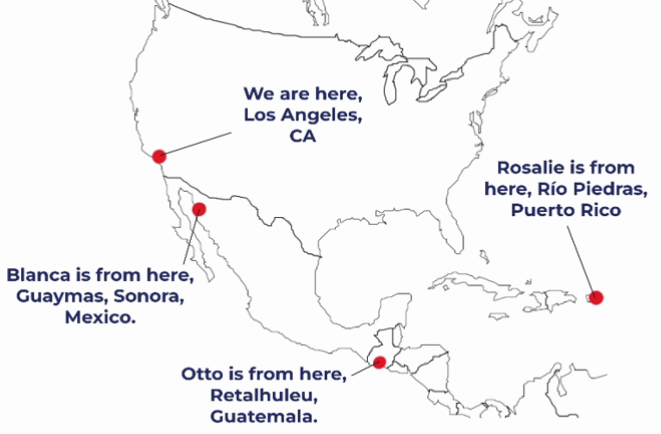
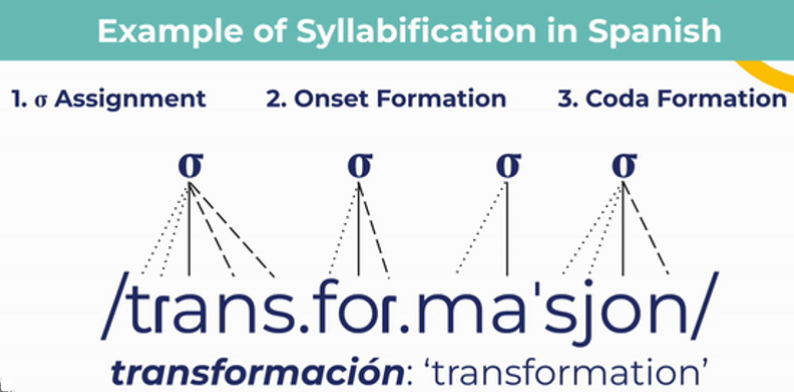
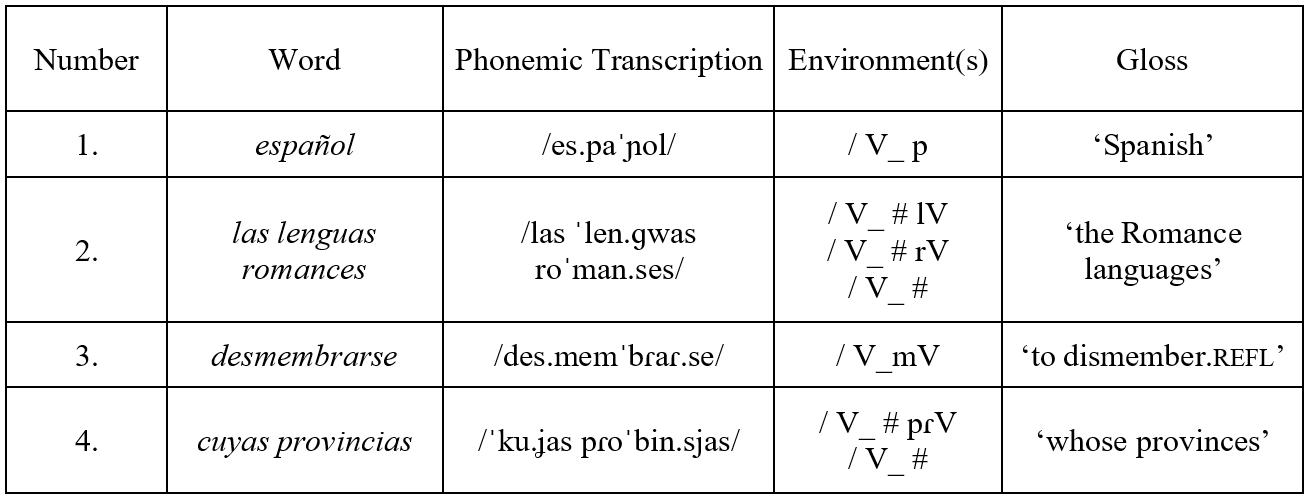
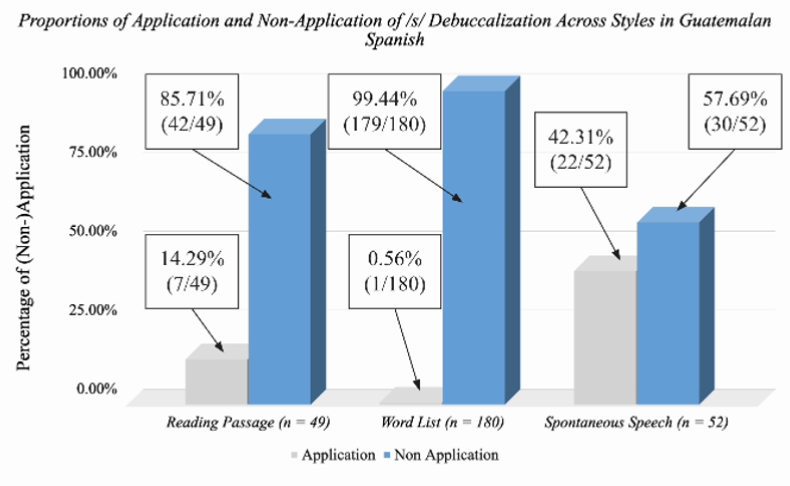
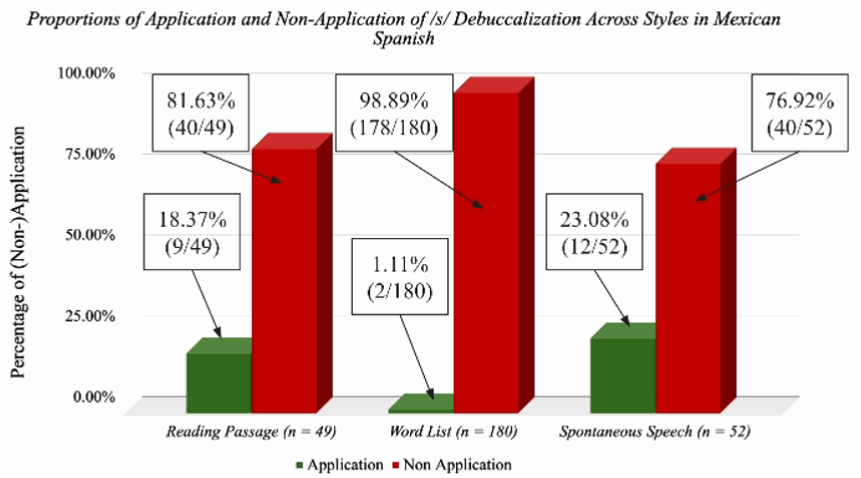
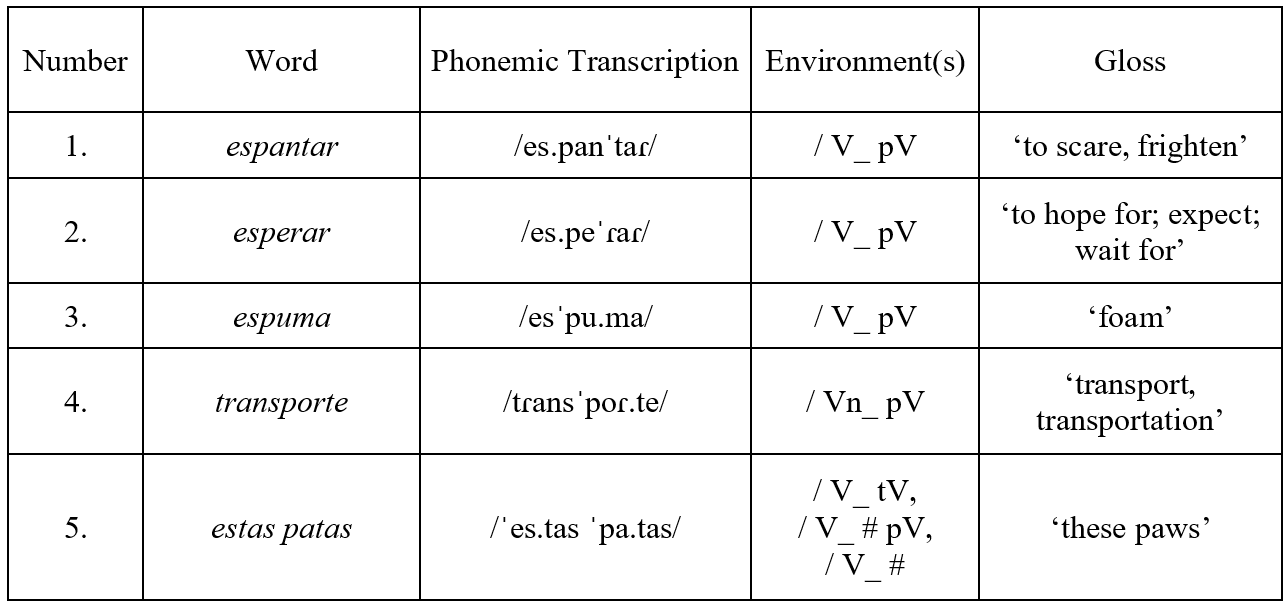
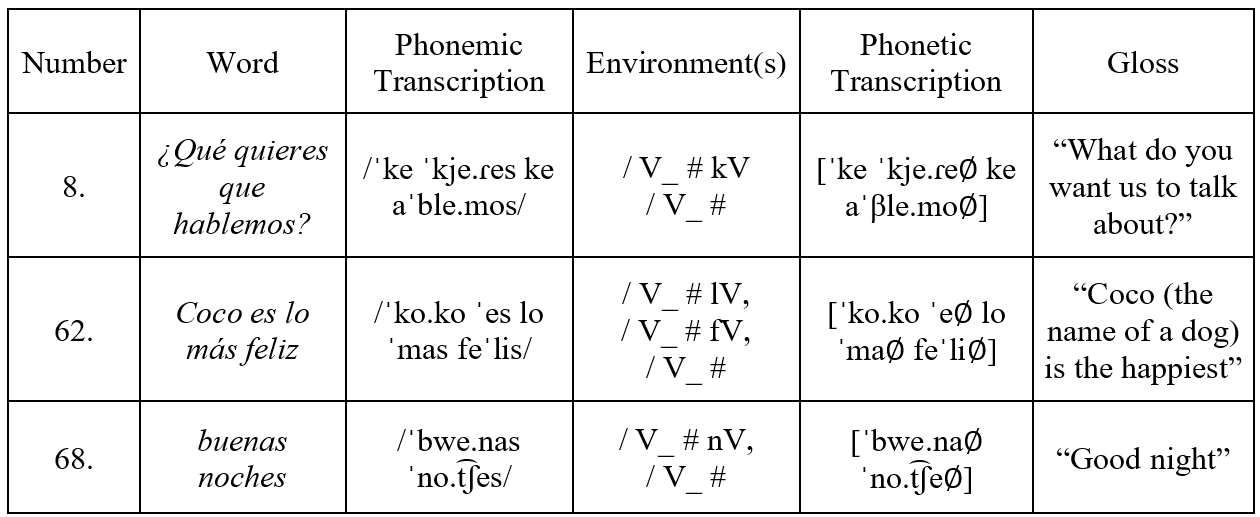
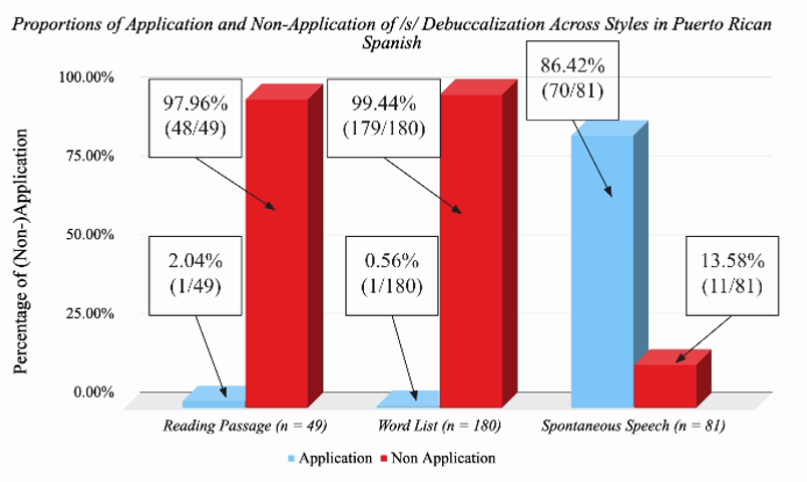
In this study, we investigate how native speakers of Puerto Rican, Guatemalan, and Mexican dialects of Spanish use /s/ debuccalization, a phonological process which targets /s/ in the coda position and yields either [h] or [∅] through complete deletion, to signal informal speech in Los Angeles. By examining the national origin, age, gender, linguistic background, and education of these three consultants who currently reside in Los Angeles but hail from elsewhere; the phonological characteristics of their native dialects; and the characteristics and use of Español Vernáculo de Los Ángeles (EVLA), the preeminent variety of Spanish spoken in Los Angeles, we identify /s/ debuccalization as a significant sociolinguistic marker across formal and informal registers. Indeed, we argue that the (non-)application of /s/ debuccalization across formal and informal registers reflects one facet of our speakers’ adaptation to the diglossic environment of Los Angeles, where the prestigious variety, EVLA, influences informal speech practices and how this phonological variation contributes to the construction of identity in multicultural urban settings.

Read more

, , , , ,

Phonological Variation and Identity in L.A. Spanish: The Case of /s/ Debuccalization Read Post »

The Linguistic Portrayal of Social Mobility in Bollywood Cinema through Hinglish

Hashim Baig, Siuzanna Shaanian, Georgia Lewis, Jacob Cook, Christian Atud

The rise of English as the global lingua franca has had profound effects on multiple cultures worldwide. One such spot is the Indian subcontinent, especially with the emergence of India from centuries of colonial rule. This paper looks at how Hindi-English code-switching (popularly called Hinglish) in Bollywood films post-2000 both reflects and constructs social identities. It analyzes five contemporary Bollywood films and argues that the increase in Hinglish usage corresponds with characters’ social mobility, still signifying English as a potent symbol of prestige. This research aims to unearth the interplay of dynamics between language usage and perceived social standing in contemporary Indian cinema.

Read more

, , , , , ,

The Linguistic Portrayal of Social Mobility in Bollywood Cinema through Hinglish Read Post »

The Gender Playbook of Stand-Up Comedy

Shaveon Sisson, Daria Avtukh, Chelsea Garcia, Frieda Lopez Mesina

When it comes to humor, women are typically criticized for being less funny or for trying too hard to be funny. There is a sense of discrimination and inequality when it comes to comedy and gender. Asking the questions, how do sex differences have an effect on comedic styles during stand-up comedy? And, to what extent do female comedians adopt male mannerisms and verbal expressions in their performances? We believed that in order for women to be taken seriously in comedy they possibly had to take up certain character roles in order to fit into their male-dominated industry. Believing that female comedians mimic male comedians, through mimicking in body language, word choice, and pragmatics like pitch in order to be seen as monetarily successful in humor and in the industry, which then phases out as they acquire more experience on stage. Through video observations of 3 different pairs of comedians that include various ethnicities and one sample from male and female groups, we were able to make a discovery about our theory that we did not expect.

Read more

Introduction

Aayushi Sanghavi (2019) highlights that gender norms and perceptions of femininity have significantly prevented women from being recognized as “funny.” Historically, patriarchal systems have positioned men superior, including in humor. Research indicates that women’s speech is often perceived as tentative and powerless due to their use of tag questions, uptalk, and diminutive adjectives, while men are more direct and assertive, which applies to humor. This has led to the fallacy that women are not capable of exhibiting aggressive comedy. Most research in this area, conducted by men and focused on men, resulted in a bias associating masculinity with humor. In an industry where ‘funny men’ are celebrated but ‘funny women’ are merely tolerated, the question arises: Do female comedians need to adapt their communication style and stage presence to appear more masculine to be accepted and marketable? Our research focuses on comedians with less than ten years (newbies), ten to fifteen years (mid-career), and fifteen to twenty years (late-career) of professional experience. We will examine a woman and a man in each category, randomizing race, keeping track of filler words, body language, uptalk/pitch, and laughter by observing their performances and analyzing recorded material to gather data for our research.

Methods

To properly analyze comedians’ stand-up videos, we addressed the following questions: How do sex differences affect comedic styles during stand-up? To what extent do female comedians adopt male mannerisms and verbal expressions in their performances? Does this affect audience engagement? Are there differences in body language and vocal delivery between male and female comedians? Our group studied 6 comedians (3 female, 3 male), varying in experience (<10 years, 10-15 years, >20 years) collecting 1 hour of data per person. We watched two Youtube videos to study Ralph Barbosa and Andrea Jin, one Amazon Prime special and one Netflix special to study Mo’Nique, and 6 Netflix specials for Bill Burr, Taylor Tomlinson, and John Mulaney (two/each comedian)1. We analyzed vocal techniques, physical performance, joke content, structure, and timing. Inspired by Weitz’s “Sex differences in nonverbal communication” (1976), we focused on how sex roles affect each comedian’s profession. We identified differences in their rising voice intonation, fillers, body language, and laugh tracks based on their years of experience in the comedy industry. Our research indicates that the longer a comedian is in the industry, the less likely women are to adopt male mannerisms to fit into a male-dominated field, slightly contradicting our initial hypothesis.

Results

Vocal techniques.

  • Andrea Jin and Ralph Barbosa’s vocal shift was at a steady pace throughout the entireshow and I did not observe any shift between these two comedian styles.
  • Tomlinson often uses vocal fry and change in pitch to portray characters. Mulaney usesaccents and volume shifts to differentiate characters instead.
  • Monique uses code-switching and regional dialects from the South and East Coasts of theUnited States, while Bill employs a British accent. Both use uptalk/rising terminal, pitch,

    and volume shifts to portray different characters and emphasize the punchline. Physical presence.

  • Jin’s stage presence was frankly odd; she stayed in one spot throughout the whole show, in which she occasionally moved and showed the same presence. I recognize a similar behavior with Barbosa in which he was very stiff throughout the whole show, stayed in one spot, and once in a while he would sway back and forth.
  • Tomlinson remains mostly stationary, relying heavily on facial expressions, and only moves when portraying other characters. Mulaney uses his entire body, utilizing the entire stage, even when the joke doesn’t require it.
  • Mo’Nique seldom remained stationary; she favored a confident stride while she paced. Additionally, she utilizes gestures with her free hand approximately 95% of the time during her spoken communication. Bill Burr uses many gestures, such as kneeling, lunging, using the mic stand as a prop, and mimicking a blow-up doll, as well as utilizing gestures like strangling and kicking to depict violence. Bill accompanies his speech with hand gestures and is in motion about 80% of the time

Jokes content

  • Jin’s jokes were about personal stories, gender topics, and her transition from China. Barbosa particularly displayed his jokes about drugs, smoking, personal stories, and ethnic background. I noticed that both comedians shared a lot in common with their jokes.
  • Tomlinson jokes about sex, failed romantic relationships, gender differences, and religious trauma. Mulaney jokes about drug addictions and tells long autobiographical stories. Neither of the two used an excessive amount of filler words.
  • Mo’Nique incorporates camaraderie into her jokes about her numerous husbands, weight, being Black in Caucasian spaces, her career, and her experiences as a student in special education. Burr displayed traits from the feminine speech community while discussing male feminism, cultural appropriation, cancel culture, white male privilege, and family dynamics. In two hours, he used 115 filler words, 13 discourse markers, and 82 tag questions. They both use a significant amount of expletives. 

Structure

  • Jin’s structure of her jokes was very rushed, she didn’t give the audience a chance to soak in the jokes and moved along very quickly. I did notice that Jin had a lot of extra sentential switches which at the end of every joke she would say “uhhhuh” to let the audience know that she was done. Barbosa on the other hand was slow with his jokes but gave he the audience a chance to soak in the jokes with frequent pauses.
  • Tomlinson’s jokes are presented in separate sections with noticeable transitions. Mulaneytreats his performance as one long story with many sub stories.
  • Monique and Burr presented jokes in separate sections. Mo’Nique engages with thecrowd, while Burr uses “ahhh” and “alright” as transitions. Timing.
  • As I mentioned before Jin rushed her transition between topics in which the structure of her jokes didn’t follow through and there were multiple awkward pauses in between her transitions. Barbosa on the other hand had noticeable transitions but did take a long time to finish a joke.
  • Both comedians used more pauses later in their careers. Tomlinson would use “anyway”, “so yeah”, “and uh…” right after delivering the punchline to seem nonchalant or to possibly prepare in case the joke doesn’t “land”. Mulaney took noticeably long, dramatic pauses to let the audience laugh.
  • Although Burr’s timing varies with choppiness, short pauses, and speeding through the jokes, Monique, on the other hand, takes fewer pauses and delivers a slowly timed punchline. 

Discussion

The observed patterns have supported our hypothesis only minimally. In early career comedians, Andrea Jin did fit the style of a hypothesis, appearing to have a masculine style. She used arm motions to dissociate body parts, joked about typical gender issues to connect with the female audience. Barbosa, however, maintained a neutral approach, which did not support our gender-based hypothesis. Mid-career comedians Taylor Tomlinson and John Mulaney showed more contrasting styles, Tomlinson being more timid and scripted, while Mulaney was more relaxed and confident. However, surprising findings include Tomlinson’s prevalence in sex-related jokes compared to Mulaney. Our findings possibly suggest that women feel more restricted in their performances, while men have greater confidence to take up more space. However, we soon found contradicting evidence, with Mo’Nique’s performance challenging this idea, since this late-career comedian embraced her feminine sexuality through her attire, confident struts on the stage, and bold delivery of jokes. Contrary to the existing literature on usage of filler words between genders (Laserna, Seih, and Pennebaker), we found that filler words were not used by women, with seasoned comedian Bill Burr using them the most, while others hardly used them. Observing both of the late-career comedians raised questions on whether Mo’Nique felt the need to compensate by her spectacular presentation since she is a double minority as a black woman, and if being a part of a majority (white male) influences the comedic style of a comedian.

Our content study challenges the notion that female comedians must adopt male mannerisms to be seen as competent in the field. While gender norms play a role, factors like parenting styles, personal choices and branding, past experiences, and social conditioning are also influential. Our hypothesis was partially supported as less experienced female comedians showed more masculine behavior, and this decreased after 10 years in the field. Females in their mid-career and late career often joked about sex and porn, unlike beginner female comedians and male comedians. Notably, Bill Burr who has been in the industry for 30 years, used many filler words, compared to beginner performers who instead used more awkward sounds. Future studies should explore larger samples, longer time frames, and in-person observations to provide deeper insight. We found that female and male comedians viewed certain topics differently with women feeling more comfortable joking about sex. While our hypothesis was minimally supported, comedy styles seem to be shaped by socio-cultural background, personal styles, and past experiences, rather than by gender mimicry. Further research is needed to assess how gender dynamics evolve in a comedian’s career trajectory.

References

Binder, M. (Director). (2022). Bill Burr: Live at Red Rocks [TV Special]. Netflix. https://www.netflix.com/

Binder, M. (Director). (2019). Bill Burr: Paper Tiger [TV Special]. Netflix. https://www.netflix.com/

Lakoff, R. (1975). Language and woman’s place. Harper And Row.

Laserna, C. M., Seih, Y.-T., & Pennebaker, J. W. (2014). Um… Who Like Says You Know: Filler Word Use as a Function of Age, Gender, and Personality. Journal of Language and Social Psychology, 33(3), 331-340.

Mercado, K. (Director). (2022). Taylor Tomlinson: Look at You [TV Special]. Netflix. https://www.netflix.com/

Mizejewski, L. (2014). Pretty/Funny. University of Texas Press.
Raboy, M. (Director). (2020). Taylor Tomlinson: Quarter-Life Crisis [TV Special]. Netflix.

https://www.netflix.com/
Ritchart, A., & Arvaniti, A. (2013). The use of high rise terminals in Southern Californian

English. The Journal of the Acoustical Society of America, 134(5), 4198–4198.

https://doi.org/10.1121/1.4831401

Frazier, L. (Director). (2023). Mo’Nique: My Name Is Mo’Nique [TV Special]. Netflix. https://www.netflix.com/

Sanghavi, A. (2019). The Effects of 21st Century Digital Media On the Changing Perceptions of Women’s Humour and Female Comedians. https://doi.org/10.33422/6th.icrbs.2019.07.430

Small, L. (Director). (2004). Mo’Nique: One Night Stand [TV Special]. Amazon. https://www.amazon.com/

8

Timbers, A. (Director). (2023). John Mulaney: Baby J [TV Special]. Netflix. https://www.netflix.com/

Timbers, A. (Director). (2018). John Mulaney: Kid Gorgeous at Radio City [TV Special]. Netflix.https://www.netflix.com/

Kallstig, A. (2021). Laughing in the Face of Danger: Performativity and Resistance in Zimbabwean Stand-up Comedy. Global Society : Journal of Interdisciplinary International Relations, 35(1), 45–60. https://doi.org/10.1080/13600826.2020.1828295

Weitz, S. Sex differences in nonverbal communication. Sex Roles 2, 175–184 (1976). https://doi.org/10.1007/BF00287250

Appendix A.

“Andrea Jin: Comedy Central Stand up” (2024).” Youtube. “Bill Burr: Live at Red Rocks” (2022). Netflix Special. “Bill Burr: Paper Tiger” (2019). Netflix Special.
“John Mulaney: Baby J” (2023). Netflix Special.

“John Mulaney: Kid Gorgeous at Radio City” (2018). Netflix Special. “Mo’Nique: My Name is Mo’Nique” (2023). Netflix Special. “Mo’Nique: One Night Stand” (2004). Amazon Special.
“Ralph Barbosa: Comedy Central Stand up” (2023). Youtube.

“Taylor Tomlinson: Look At You” (2022). Netflix Special. “Taylor Tomlinson: Quarter-Life Crisis” (2020). Netflix Special.


, , , ,

The Gender Playbook of Stand-Up Comedy Read Post »

Differences in Gender Expressions Online

Antoinette Woodson, Sydney Hesel, Paolo Barrientos, Amar Ebrahim, Nada Gad

Our research project functions to explore the different communication patterns and tendencies between males and females on social media. More specifically how these gender dynamics influence the communication styles. Our motivations for the research stem from our own personal experiences with gender stereotypes on social media. Additionally, we wanted to understand the potential sources of miscommunication between generations to further shed light on the different ways individuals express themselves on social media.

Existing studies have provided insight into how gender dynamics influence communication behavior. Differences in language use, emotional expression, and interaction frequency between genders have been shown to be factors influencing communication preference and understanding. To address these questions, the research team collected data from social media posts and comments made by Gen-Z individuals, both celebrities and non-celebrities, across different gender combinations. To further address these areas, our research group collected data from social media posts including comments, gender of commenters, and gender of posters for both celebrities and non-celebrities and across different gender combinations. We analyzed language choice, emoji usage, and patterns in interactions to identify common trends and tendencies within online communication.

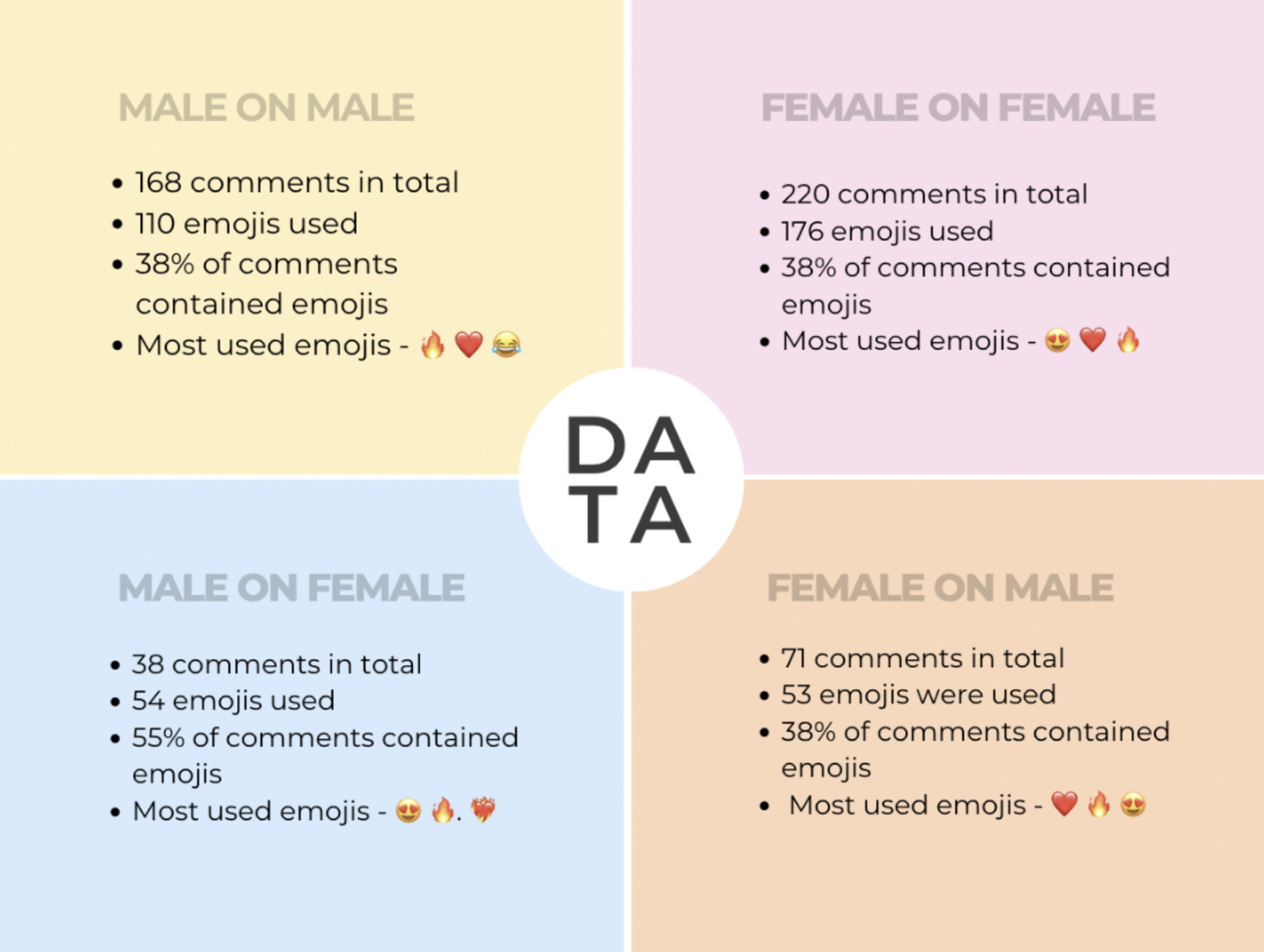
Our results revealed definite communication patterns among gendered groups. Females were more likely to use affectionate/emotionally expressive language and frequently compliment physical appearance or express admiration. Males were commonly more rational and material in their communication style as they focused on achievements and tangible qualities. The red heart and fire emojis were the most commonly used among all groups in the study.

Read more

Introduction

This project researches differences in how people express themselves online depending on their gender, specifically through examining lexical variation on the social media platform Instagram. The population we are targeting are young adults, male and female ages 18-25, who are active users on the social media platform, Instagram. Our research will focus on studying the communication pattern differences between men and women on Instagram. Many sources and research findings show that men and women express themselves differently online, specifically in lexical variation. In online communication, lexical variation refers to word choice, emoticon use, hashtags, and phrases in interactions with people. We will observe the word choice and variation in expressions depending on the gender of the user, and also observe how it can change depending on what gender they are interacting with. We seek to analyze the differences in the context of comments on self-presentation posts through the comments on these posts, excluding business or advertisement posts. Our central focus is to study the relationship between gender and lexical variation on people’s Instagram. The goal of this study is to determine the difference in how males and females interact and express themselves online.

Background

The target population of the research belongs to the older segment of Generation Z. People belonging to this generation grew up with the internet, constantly communicating through consuming and creating digital media. Research indicates that Gen Zs are more comfortable using technology to communicate, even over face-to-face communication (Bredbenner, 2020). The most commonly used form of communication for this generation is through social media, which influences social norms between the genders. (Ridgeway, 1999). Our research looks at the relationship between gender and language variation, specifically on social media. Literature exploring the language variations in Instagram captions suggests that women were more likely to use polite phrases while men used more assertive language (Sari et al, 2020). The lexical variation between men and women suggests that women use more pronounced, emotional and expressive terms, kinship terms, and hesitation words, while men use more swear and taboo words, and friendship terms (Bamman, 2012). The differences between how men and women communicate online can even be seen through their use of emoticons, with women using emoticons to express feeling and support, while men used them primarily for teasing and sarcasm when in their own gender groups (Wolf, 2004). When both genders were interacting with each other in the same group, the men adopted the female standard of expressing more emoticons (Wolf, 2004). Furthermore, gender differences in lexical variation, more specifically in hashtag selection are mainly in part due to women’s higher levels of self-expression and more emotional interpersonal communication (Ye et al., 2017). Contrarily, men are more oriented toward goals and more inclined to share rational and objective information (Ye et al., 2017).

Methods

In approaching the study we first identified the most efficient way to collect data without skewing the results, while also collecting as much data as possible in order to decrease the likelihood of the results being distorted by a small sample size. To do so, we tasked each member working on the study to find a set of 20 posts from a pool of Gen-Z male and female celebrities, and Gen-Z male and female colleagues/friends. After each member found the posts, they were then tasked with identifying the top 5 comments and the gender of the user posting said comment, totaling to 500 data points. Those data points were then entered into a document, which allowed for the facilitation of isolating groups by gender of the poster and the commenter. With the data now isolated, the team identified patterns that could be used to prompt Chat-GPT-4 to search through the data. The data was then inserted into the model which calculated the quantities of the common keywords and emojis. The organized data provided allowed for convenient and efficient analysis based on the number of tendencies within each demographic. We double-checked 10% of the data to ensure accuracy in counting, and to ensure misspellings or slang versions of words were accounted for.

Results

After completing our data collection and graph, we found that both genders commented more on posts made by their same gender. We also found that females commented the most out of all the user groups with 44% of the data being women commenting the most on other posts done by women. The graph shows the total number of male-on-male comments was 168 with 110 emojis used. The female-on-female comments had a total of 220 and 176 emojis were used. We can see that females use more emojis than males, but males spread their emojis out more throughout comments, whereas women typically stack their emojis more in one comment. The male-on-female comments showed much less interaction with only 38 comments in total but 54 emojis were used. Lastly, the female on male also contained much less engagement with 71 comments and 53 emojis used. The results show that females still engage and interact more with both males and females in online comments on Instagram. We also looked at the top three emojis used by males and females. The most commonly used emojis by females were the heart eyes, heart, and fire emoji, and the male’s most common emojis were heart, laughing, and fire emoji when commenting on males, and heart eyes, heart, and fire emoji when commenting on females. Males tended to adopt the heart-eyes emoji when talking to females.

One of the main subjects we decided to observe and quantify in the data was word choice, and in what contexts words were used most frequently. When females commented on other female’s posts, the most commonly used words were emotional compliments. For example, words expressing feelings of admiration and compliments, such as “beautiful,” “pretty,” “gorgeous,” “stunning,” and, “cute”, appeared in 33% of comments. Additionally, “love” and “lovely” appeared in 22% of comments. The use of “love” only appeared 5 other times in another category, females commenting on male posts. When females commented on male posts, their compliments began to exclude words such as “beautiful,” “pretty,” “gorgeous,” and “stunning,” and were more likely to use “cute” as an emotional compliment. While we cannot prove the cause of why this would happen, we can infer that the level of emotional expression is being limited. Other commonly used words were “ate,” “best,” and “serving,” all of which lean towards a more material expression of admiration, used to express that someone is stylish or confident. Additionally, a tendency that stood out among female commenters was their tendency to add letters onto words. We infer that this is done to add emphasis, for example, “Elllie_rose” comments ”the cat pic you are kiddinggggggg” on a post by user “Rubylyn”, having the same effect as drawn-out words in verbal dialogue. This was done in 8% of all comments made by female users, and only 2% by male users.

When males commented on other males’ posts, they used adjectives that were less emotional, being more material, and more rational. For example, some of their top used words were “fit” and “fitted”, which express praise for the poster’s outfit, which is inherently material.

Additionally, words such as “winning” and “mid”, a slang term expressing mediocracy, exemplify compliments utilizing rational words, rather than emotional words. These comments are still supportive, however lean towards observations suggesting achievement rather than forward admiration. However, this changed when males commented on female’s posts, with their top words changing to “gorgeous,” “cute,” and, “queen”. These words were not used at all on other males’ posts, so male users are more overtly changing their lexical choices when commenting on female posts. This is a contrast to the female commentators, who seem to have dialed back their compliments but did not change their word choice as overtly.

Discussion

Our findings indicate some lexical variation dependent on gender on social media. Females utilize a more expressive and emotional communication style, especially when engaging with other females. Their comments consist of affectionate compliments that boost confidence. This behavior shows the supportive nature of female interactions on digital platforms. Their style changes slightly when commenting on male posts, dialing back the emotional strength of the compliments. Additionally, the language and emojis used by women tend to amplify the emotional intensity of their interaction. Males tend to imply that something is cool or impressive, using more material terms. However, when interacting with women’s posts, men use more affectionate communication. Our findings could be interpreted to reveal how current gender norms and stereotypes influence digital communication. Males’ interactions often center around achievements, while females’ interactions are rich in compliments. Despite our findings, we find it difficult to make concrete conclusions given the limited size of our data. The data could have been skewed by unknown factors, thus any concrete conclusions from this data require further studies of Gen-Z’s tendencies within comment sections on Instagram. Our research into

Instagram comments adds to the understanding of how males and females communicate online, and what changes occur during cross-gender interactions. That being said, we hope our findings and study are able to set the stage for future research to help understand gender norms.

References

Bamman, D., Eisenstein, J., & Schnoebelen, T. (2012). Gender identity and lexical variation in social media. Journal of Sociolinguistics, 18(2), 135–160. https://doi.org/10.1111/josl.12080

Bredbenner, Jamie, and Lisa M. Parcell. “Generation Z: A Study of Its Workplace

Communication Behaviors and Future Preferences.” Generation z: A Study of Its Workplace Communication Behaviors and Future Preferences, Wichita State University, 2020.

Ridgeway, C. L., & Smith-Lovin, L. (1999). The gender system and interaction. Annual Review of Sociology, 25(1), 191–216. https://doi.org/10.1146/annurev.soc.25.1.191

Sari, I. P., Gunawan, W., & Sudana, D. (2020). Language variations in Instagram captions.

Proceedings of the 4th International Conference on Language, Literature, Culture, and Education (ICOLLITE 2020). https://doi.org/10.2991/assehr.k.201215.053

Wolf, A. (2004). Emotional expression online: Gender differences in emoticon use. CyberPsychology &amp; Behavior, 3(5), 827–833. https://doi.org/10.1089/10949310050191809

Ye, Z., Hashim, N. H., Baghirov, F., & Murphy, J. (2017). Gender differences in Instagram hashtag use. Journal of Hospitality Marketing &amp; Management, 27(4), 386–404. https://doi.org/10.1080/19368623.2018.1382415

Differences in Gender Expressions Online Read Post »

An Examination of Code-Switching Patterns: Who is More Prone to Code-Switching, Males or Females?

Jessica Chou, Kelly Yatsko and Alexandra Flores

Every Black, Indigenous and person of color (BIPOC) in America has likely code-switched in social interactions, either consciously or unconsciously. Code-switching, or the practice of alternating between two languages or varieties of language, is common amongst people of color when speaking to other BIPOC individuals as opposed to white Americans in order to reduce stereotypes. Motivated by this notion as well as previous studies on code-switching in young adults, we sought to discover the effects of gender on code-switching frequency in young adults. We examined YouTube videos from channels such as “Cut” and “Jubilee” to examine how often young adults from diverse backgrounds code-switch when discussing a variety of topics, both serious and lighthearted. Our project initially attempted to confirm previous findings which indicate that young women tend to code-switch more frequently than their male counterparts. However, our data revealed that the young men in these videos code-switched as often and even more frequently than young women in certain videos. Our findings reflect the idea that all BIPOC individuals feel the need to code-switch regardless of gender. Acknowledging this finding can aid in breaking down racial and gender stereotypes and improve communication among young adults of different identities.

Introduction and background

Our research project explores the frequency of code-switching amongst young people in an informal setting based on two aspects of their identity. Code-switching is defined as a practice where people alternate between two languages or varieties of language in a given conversation. Our team was motivated by the notion that people of color tend to code-switch between more informal language when speaking to other people of color, otherwise known as their in-group, versus the use of more formal and standardized language with white Americans, or their out-group. We then decided to go further and examine the frequency of code-switching based on gender. Similarly to racial stereotypes, people of different genders often speak differently in accordance with the demeanor they wish to present to others. Through this study, we hope to better understand the effects of both racial and gender stereotypes that can affect young people’s communication styles and the variety of language they choose to use amongst their peers.

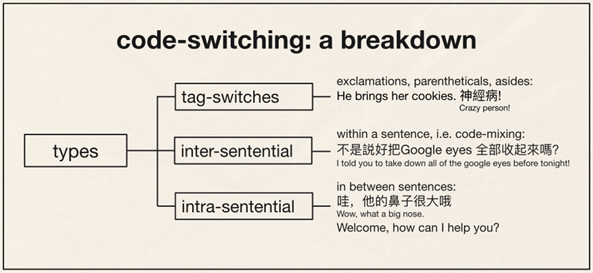
It has been previously discovered that people of color tend to alter their language patterns when speaking to white people as a form of social preservation (Baugh 2002). This is part of the problem that motivated our team to examine code-switching in informal social situations amongst peers. In a previous study, it has also been found that code-switching amongst young people is a way to facilitate conversation, switch from topic to topic, and build rapport (Muthusamy 2010). Code-switching was also found on social media when young people are unable to translate between languages, strengthening the idea that code-switching is common amongst young people on informal channels, even those that are written rather than verbal (Almoaily 2023). Additionally, we hoped to study the differences in code-switching between men and women. In a previous study on gender differences in code-switching, it was discovered that while both genders frequently code-switch when speaking to their peers, women generally tended to use code-switched forms of language 5% more frequently than their male counterparts (Kane 2020). Kane also defines two different forms of code-switching: inter-sentential, which is code-switching between sentences, and intra-sentential, which is code-switching within a sentence. These are the two forms of code-switching we decided to search for when gathering data. In line with these studies, we initially sought to prove that when speaking to other young adults about a variety of topics, women code-switch more frequently than their male counterparts.

Methodology

Our team analyzed code-switching among BIPOC young adults communicating with one another in YouTube videos, examining if males or females engage in code-switching more than the other. We hypothesize that females will code-switch more than males due to what we have learned in Communication 188B, such as how Tannen (1990) found that women are more agreeable and potentially more sub-consciously adaptable when communicating due to “rapport”. Additionally, studies have pointed to women being more susceptible to standardizing their speech such as one conducted in America and Britain by Eckert (2012). Our hypothesis is also based on our shared experience of a “white/valley girl” voice many young adults adopt in Los Angeles as college students at UCLA.

Our data comes from YouTube channels, “Jubilee” and “Cut”. These YouTube channels produce content that often examines and confronts identity-based differences between opposing social groups. We have selected these videos because they have high production value, allowing them to source their participants from a broad range of backgrounds. Their videos focus on asking thought-provoking questions that appropriately juxtapose the behaviors of people with different backgrounds and address hard-hitting topics. We analyzed the language and communication styles that young adults participating in the videos use, particularly observing how BIPOC communication style changes when they are speaking with members of their ingroup. In attempts to reduce or weaken stereotypes against themselves, BIPOC individuals will often utilize more formal language and speaking patterns, such as a more assertive/skillful tone, in conversation with their White counterparts, rather than speaking colloquially, or using non-standard grammar patterns. We specifically looked for aspects of language including formality of speech, usage of slang words, and tone.

Results and analysis

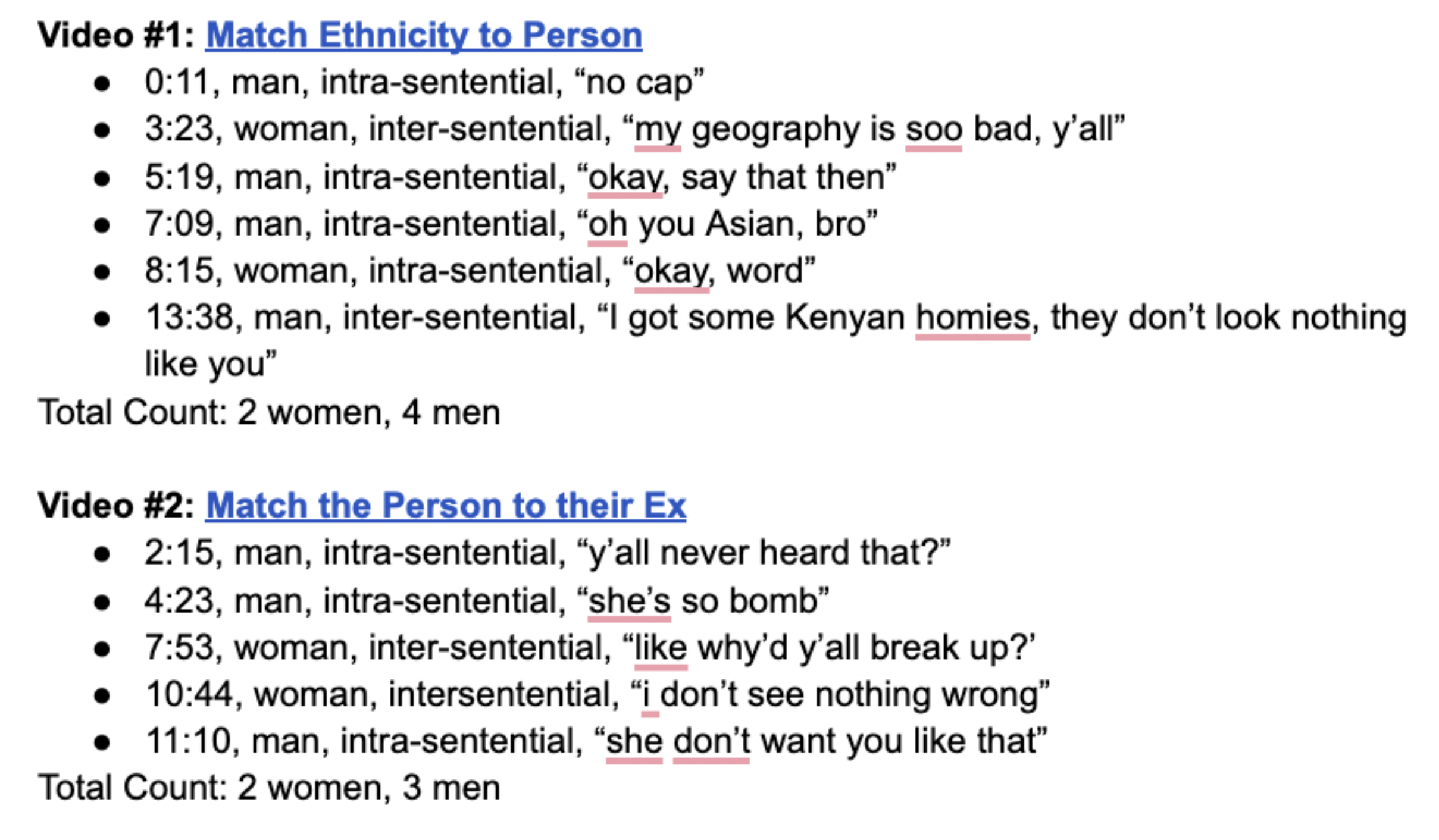
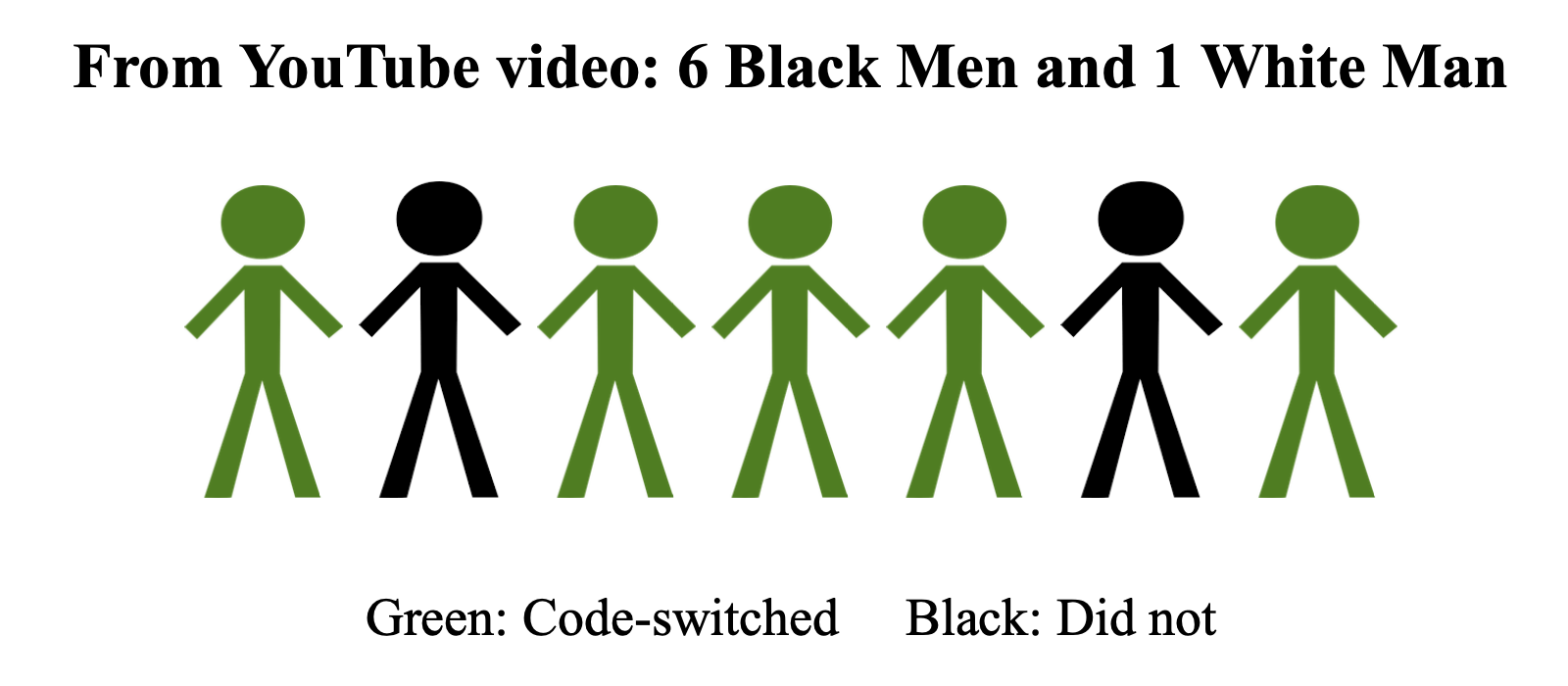
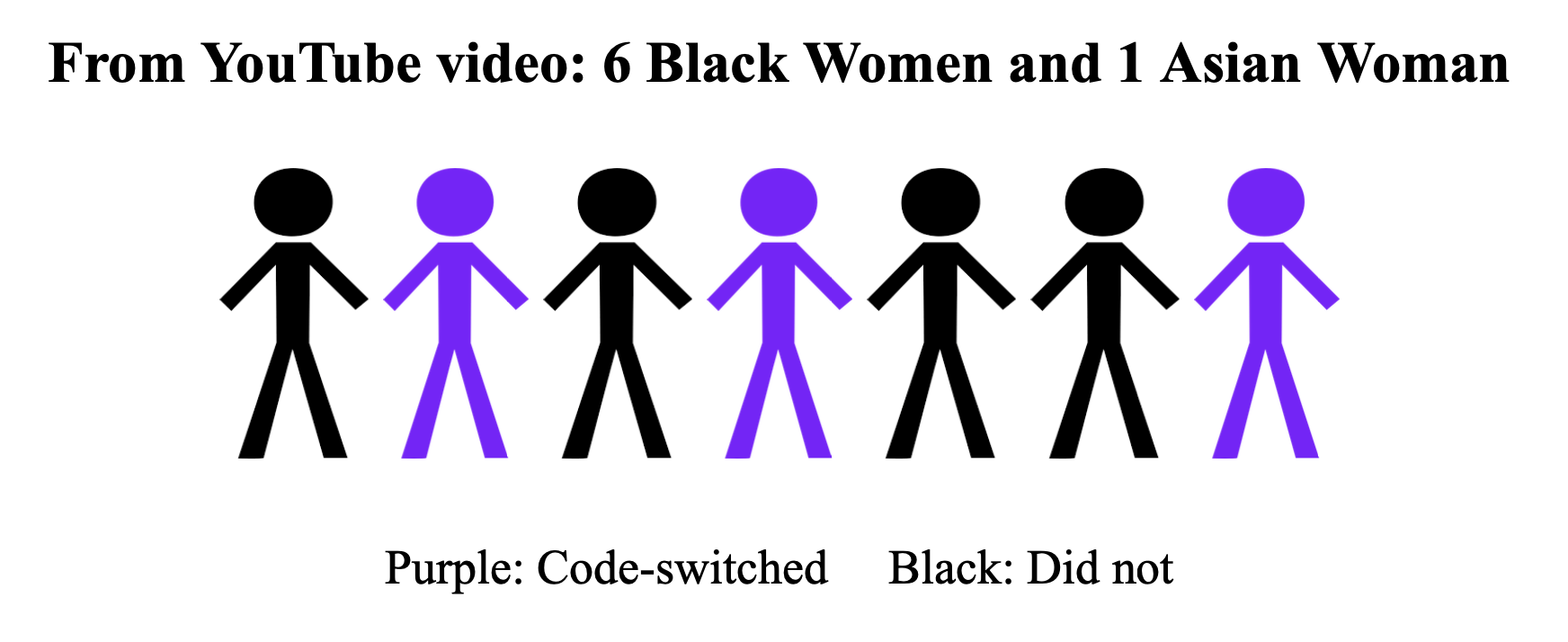
In one video we found that 4 men code-switched whereas only 2 women code-switched when interacting with BIPOC. In another video, 4 men code-switched intra-sentially and 2 women code-switched inter-sentially. In two other videos where participants were blindfolded and in a group of their gender only on camera, men still code-switched more than women. In the video, 6 Black women and 1 Asian woman, the women shared having to speak in a “customer service voice” which supports how women are more susceptible to standardization but may maintain their standardized language on camera when communicating with other BIPOC. The video of 6 Black men and 1 White man showed the men voting off the only openly gay man as the secret white man, this could be due to how although he used Black Vernacular English (BVE), he spoke in a softer tone and pitch overall. The differences in code-switching exhibited by the men and women in these communities are partially due to the demeanor they wish to present; men are more likely to use these forms of code-switching to stimulate more of a camaraderie-like environment, while women foster more of a connecting or empathetic one. Our findings did not support our hypothesis and concluded that males code-switch more than females. However, we must acknowledge that the unique setting of the videos may have impacted our conclusion. Further research may clarify other factors in code-switching, including sexuality and gender expression or diverse settings.

Discussion and conclusions

Our findings lead us to suggest that men will code-switch just as much if not more than women definitely reaffirms the presence of this negative stereotype against women suggesting that they are the leaders in exhibiting this behavior. Particularly, we found that men are more likely to use intrasentential forms of code-switching, while women will gravitate more towards intersentential code-switching. Some of the differences in code-switching exhibited by the men and women in these communities is partially due to the demeanor they wish to present; men are more likely to use these forms of code-switching in order to stimulate more of a camaraderie-like environment, while women foster more of a connecting or empathetic one. Understanding that these behaviors are associated with specific genders provides us with some further insight on how language is used to navigate the social world and belonging, in addition to negotiating identity and power dynamics.

In understanding this behavior in both genders, and being mindful of this information, one can supplement it as the call to action by altering their actions in a positive light. This can help break misconceptions about gendered communication behaviors and reduce the stigma associated with code-switching, especially for women who have been unfairly criticized for it in the past. By refuting this stereotype, and refuting the connection between code-switching and femininity or masculinity, we can help promote gender equality. If we are more aware of this, we can foster stronger interpersonal relationships in various social settings, like work, school, etc., because they are operating off less fear of judgment, and more on trust/empathy.

Confidence and authenticity in expression and identity can lead to inclusive communication patterns and practices where people feel validated in being themselves. In attempts to reduce or weaken stereotypes against themselves, BIPOC individuals will often utilize more formal language and speaking patterns, such as a more assertive/skillful tone in conversation with their White counterparts, rather than speaking colloquially or using varying grammatical patterns, such as African American Vernacular English. Since code-switching for BIPOC can be considered a negative stereotype because of the cultural identity conflict and linguistic insecurities that come with it, especially in more marginalized areas, embracing this idea also validates BIPOC individuals; changing this concept into a positive one can be beneficial for them to navigate different linguistic and cultural arenas.

References

Almoaily, M. (2023). Code-switching functions in online advertisements on Snapchat. PLOS ONE, 18(7). https://doi.org/10.1371/journal.pone.0287478

Baugh, J. (2002). Black Linguistics: Language, Society, and Politics in Africa and the Americas. Routledge; 1st edition, 8, 155-168.

Eckert, P. (2012). Three Waves of Variation Study: The Emergence of Meaning in the Study of Sociolinguistic Variation. The Annual Review of Anthropology

Kane, H. (2020). Language Variation: A Case Study of Gender Differences in Wolof-French Codeswitching. International Journal of Language and Linguistics, 8(4), 122-127. https://doi.org/10.11648/j.ijll.20200804.11

Muthusamy, P. (2010). Codeswitching in Communication: A Sociolinguistic Study of Malaysian Secondary School Students. Pertanika Journal of Social Sciences and Humanities, 18(2), 407-415.

Tannen, D. (1990). You Just Don’t Understand: Women and Men in Conversation. Social Interaction in Everyday Life Contemporary.

An Examination of Code-Switching Patterns: Who is More Prone to Code-Switching, Males or Females? Read Post »

Lights, Camera, Flirtation: An Analysis of Male and Female Verbal Flirting Techniques, As Represented in 5 Romantic Comedies from 1989–2023

Sherry Zhou, Amo O’Neil, Jared Ramil, Juliana Rodas, Thalia Rothman

Our paper seeks to analyze the ways in which flirting and romantic communication has changed, in regards to both gender and societal norms. In doing so, we collected and analyzed data regarding the frequencies and distribution of flirting between main characters of five different romantic comedy movies. We collected data pertaining to four variables: frequency of compliments, pitch change from, sexual jokes, and meaningful questions. Our analysis of the data revealed a number of observations indicative of s in present day society. Most significantly, we observed an increase of female or more female presenting characters initiating flirtation over time, a reflection of changing gender norms in society. With the rise of digital media and the Internet, online content such as movies have become more impactful to the way society processes social norms. Our study calls for continued analysis of the reflections of media representations and narratives onto society, and vice versa.

Read more

Introduction and Background

The societal obsession with flirtation and romance permeates modern life at every level. It is the subject of conversations with friends, podcasts, television, books and social media posts. When it comes to how exactly to flirt, most resort to clichés like batting eyelashes and using bad pickup lines. Our research aims to analyze the ways in which the media portrays successful romance, specifically in romantic-comedy movies. Through study, we sought to understand societal shifts in romantic dynamics as portrayed in popular media and their potential implications on real-life interactions.

Flirting is a broad category of physical and verbal communication, and men and women often favor very different strategies. Gender divides in courtship can be traced through time — a study of 19th century love letters showed men expressing their passion through poetic language and elaborate vocabulary while women were expected to be reserved and polite (Wyss 2008). Modern studies showed women tend to have a more reserved flirting style, and men tend to be more playful (Hall and Xing 2015). Women were also found to be more polite with the opposite gender (Cabrera 2022), and had more interest in men’s personality traits, while men focused on women’s physical appearance (Apostolou and Christoforou 2020). Finally, gender roles were found to be strongly predictive of flirtation styles among men and women, though men were also strongly influenced by sexual orientation (Clark, Oswald, and Pedersen 2021).

Our research delves into the evolution of verbal flirting styles between male and female characters depicted in enemies-to-lovers romantic comedies from 1989 to 2023. We hypothesized that time would reveal a less strict gender divide in flirting methods; in particular, we expected female leads to be more direct with sexual comments and male leads to give more personality-related compliments and ask more questions.

Methods

Our research seeks to answer the following question: How have male and female verbal flirting styles portrayed in romantic comedies changed over time? In doing so, we watched and analyzed five different romantic comedies that spanned several decades ranging from the 1980s to the 2020s: When Harry Met Sally (1989), 10 Things I Hate About You (1999), The Proposal (2009), Set It Up (2018), and Red, White, and Royal Blue (2023) (LGBTQ+ case study).

While watching these films individuals, we noted the frequencies and distribution of four specific verbal flirting approaches, our variables, expressed by the romantic leads:

  1. Compliments: Film scenes containing romantic leads complimenting each other based on physical attractiveness or personality.
  2. Voice Pitch Changes: Noticeable pitch changes among the romantic interests were documented (i.e., whether a character’s voice went lower or higher), excluding natural vocal changes.
  3. Sexual Comments: Scenes where characters exchanged sexual remarks to each other. (e.g. lewd remarks, provocations)
  4. Questions: Questions that were asked, as a means for the romantic leads to familiarize each other (e.g. discussions of one’s past life, interests)

Our study we utilized the content analysis research method to quantify the occurrence of these four variables between the main characters of each film. Using the criteria above, we documented the frequency of each variable, and labeled which characters expressed them. Next, we determined which flirting style was mostly preferred by either men or women, as well as examining how these patterns have evolved over time. In the case study of “Red, White, and Royal Blue,” the romantic lead, Prince Henry, is portrayed as a “bottom,” indicating his flirting techniques as more feminine. The data from this film was analyzed to determine whether flirting patterns translated to heterosexual relationships.

To visualize our results, we formulated our data into two types of pie charts, both in percentages. As can be seen in Figure 2, the first chart documented gender based distribution in flirting: how frequently each character utilized all flirting styles throughout the film. The second chart, Figure 3, depicted variable distribution, showing how regularly each of the four flirting techniques that we observed was used in each film.

Results and Analysis

The results of our study on the evolution of verbal flirting styles in romantic comedies from 1989 to 2023 reveal significant trends that reflect broader societal shifts. The total instances of verbal flirting varied significantly across the movies, with “Red, White, and Royal Blue” (2023) having the highest number of recorded instances (56), followed by “When Harry Met Sally” (1989) with 42.

Figure 1: Rates of Female Leads Flirting Over Time

As can bee seen in Figure 2, Men consistently had higher instances of flirting than women in heterosexual relationships, indicating a persistent gender disparity. For example, Harry had 30 recorded instances compared to Sally’s 12, and Andrew had 17 instances versus Margaret’s 14. Although there was a slight increase in the ratio of women’s flirting over time, as can be seen in Figure 1, men still dominated the number of recorded instances. “Red, White, and Royal Blue” (2023) stands out as an exception, with a nearly equal distribution of flirting instances between the male leads, Alex and Henry, who had 29 and 27 instances, respectively.


Figure 2: Gender Based Distribution of Flirting


Figure 3: Variable Distribution of Flirting

Our study also revealed trends in the types of flirting used. As can be seen in both figures 2 and 3, meaningful questions (MQ) showed fluctuating popularity, with men generally asking more questions than women. Harry asked the most questions (18), while Andrew asked the fewest (1). Among women, Sally stood out with 11 MQs, the highest recorded for female characters. The use of sexual comments increased over time, becoming more prevalent in films like “The Proposal” andRed, White, and Royal Blue.” Physical compliments saw a decline, with women rarely complimenting men’s appearances. Sally was the only woman who did so, once, while men also showed a decreasing trend. Conversely, personal compliments became more popular, with “Set It Up” having the highest number of personal compliments among the movies analyzed. The use of pitch changes as a flirting method varied, showing no clear trend over the years.

A closer examination of the data reveals some nuanced patterns. For instance, in “10 Things I Hate About You” (1999), Patrick had 27 total recorded instances of verbal flirting, while Kat had 9. Patrick’s flirting included a mix of MQs, sexual comments, physical and personal compliments, and pitch changes. Kat’s flirting style included MQs and pitch changes, with no recorded sexual comments or physical compliments. In “The Proposal,” Andrew had 17 instances of verbal flirting, with a significant use of sexual comments and pitch changes, while Margaret had 14 instances, using more MQs and pitch changes.

In “Set It Up” (2018), Charlie had 23 recorded instances of verbal flirting, using MQs, sexual comments, and a significant number of personal compliments. Harper had 12 instances, also using MQs and pitch changes, with a balanced mix of flirting styles. “Red, White, and Royal Blue” showed a unique pattern with Alex and Henry almost equally splitting their flirting instances. Both characters used MQs, sexual comments, physical and personal compliments, and pitch changes, reflecting a more balanced and modern portrayal of romantic interactions.

Overall, the study indicates a shift towards more balanced and diverse representations of flirting styles in romantic comedies. While traditional gender roles are still evident, the increasing representation of women engaging in flirting and the balanced portrayal in “Red, White, and Royal Blue” suggest a trend towards more equal interactions. The rise in sexual comments and personal compliments points to a trend towards more open communication in romantic relationships. These results largely reflect the shift in societal gender norms, which have, in recent years, changed to emphasize female empowerment and gender equality. Our results also reflect the ways in which modern day society has become more accepting of previously frowned upon topics, such as homosexuality and sexual intercourse.

Discussion and Conclusion

Our research delves into the evolution of verbal flirting styles in romantic comedies from 1989-2023, revealing significant trends and changes that reflect broader societal shifts. Understanding these changes is crucial because media representations influence real-life perceptions and behaviors. Relationships are fundamental to our lives— they shape our experiences, influence our well-being, and give us a sense of connection and belonging. As media consumers, it is essential to be vigilant about the content we consume and the messages they convey. By critically engaging with media, we can protect our relationships from being impacted by unrealistic or harmful portrayals.

Additionally, these findings can benefit various groups. In the entertainment industry, writers, directors, and producers can use our insights to create more authentic romantic interactions that resonate with modern audiences. By understanding these evolving trends, they can develop characters and storylines that better reflect contemporary relationships. To improve communication and foster healthier romantic interactions, media professionals should strive for authenticity and diversity in portraying relationships— avoid falling back on outdated gender stereotypes and instead, reflect on the complex, evolving nature of modern romance. Educators in gender studies, communication, and media studies can build on our research to explore further how media influences societal perceptions of gender roles and relationships. They should integrate discussions of media representation into curricula on gender and communication, using film examples to illustrate the impact of societal changes on interpersonal dynamics. Our findings provide a foundation for examining the interplay between media representation and real-life communication styles. Individuals can benefit from this research by reflecting on their own communication styles and the societal norms they perpetuate. Increased awareness can foster more inclusive and egalitarian interactions in personal relationships. Additionally, recognizing and challenging the stereotypes depicted in films can help audiences consider how stereotypes might influence their own perceptions and behaviors in relationships.
By leveraging these insights, we hope to contribute to a more nuanced understanding of romantic communication and support the ongoing evolution towards more inclusive and representative portrayals of relationships in media. This not only enriches the storytelling in romantic comedies, but also promotes healthier perceptions of romance and interpersonal relationships in real life.

References

Apostolou, M., & Christoforou, C. (2020). The art of flirting: What are the traits that make it effective?. Personality and Individual Differences, 158, 109866. https://doi.org/10.1016/j.paid.2020.109866

Cabrera, L. (2022). Quantitative and qualitative analysis of politeness and gender effects in romantic comedies [Doctoral dissertation, Trinity College Dublin]. Trinity’s Acess to Research Archive, Centre for Language and Communication Studies (Theses and Dissertations).

Clark, J., Oswald, F., & Pedersen, C. L. (2021). Flirting with gender: The complexity of gender in flirting behavior. Sexuality & Culture, 25(5), 1690-1706. https://doi.org/10.1007/s12119-021-09843-8

Hall, J.A., Xing, C. (2014). The verbal and nonverbal correlates of the five flirting styles. Journal of Nonverbal Behavior, 39(1), 41–68. https://doi.org/10.1007/s10919-014-0199-8

Wyss, Eva. (2008). From the bridal letter to online flirting: Changes in text type from the nineteenth century to the internet era. Journal of Historical Pragmatics, 9(2), 225-254. https://doi.org/10.1075/jhp.9.1.04wys.

, , ,

Lights, Camera, Flirtation: An Analysis of Male and Female Verbal Flirting Techniques, As Represented in 5 Romantic Comedies from 1989–2023 Read Post »

Scroll to Top