2024

Media & Reality All at Once: How ‘Everything Everywhere All at Once’ is doing its best to exemplify our code-switched conversations

Jacqueline Aguirre, Josiah Apodaca, Kaitlyn Khoe, Mason Uesugi, Wonjun Kim

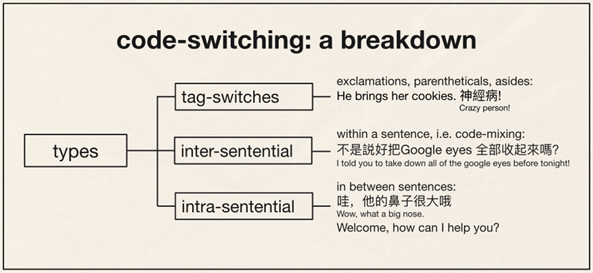
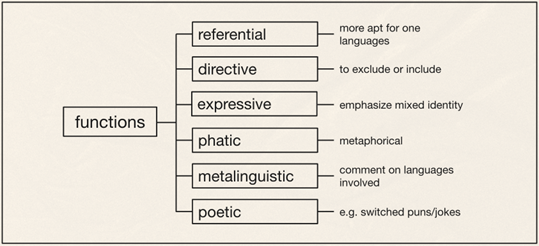
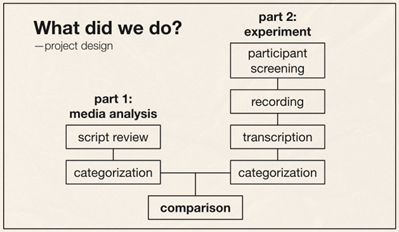
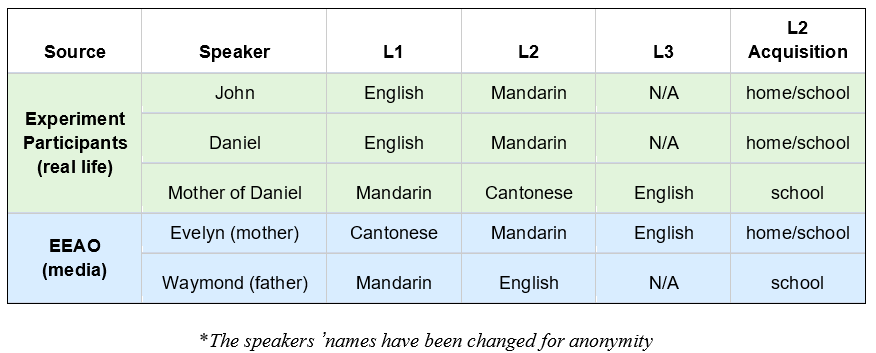
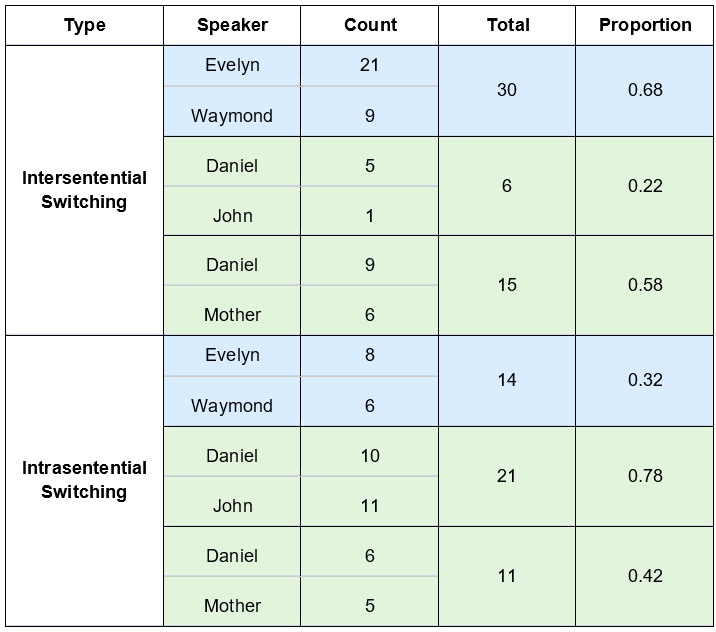
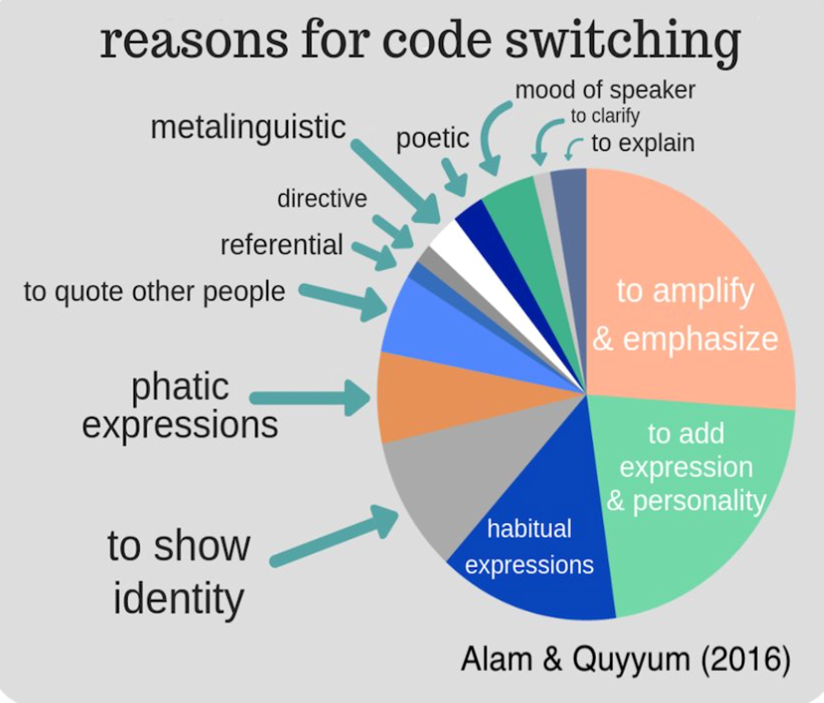
Code-switching, or the use of more than one language, dialect, or code in an utterance or conversation, can be a way to signal identity. This study compares two sources of code-switching — conversations from media, specifically Everything Everywhere All at Once (2022), and conversations in real life — by categorizing utterances and types of code-switching. This study investigates the representation of code-switching in bilingual media and the similarities and differences to code-switching in daily life. The real life conversations were conducted with Mandarin-English bilinguals, and the two conversations ran for 8 and 10 minutes. The findings demonstrated that intersentential switching occurred more often in this particular media, while intrasentential switching was preferred by the real-life speakers. The various types and functions of code-switching were present in the media, which was expected given the larger sample size and production resources and timelines. Nonetheless, both case studies demonstrated significant levels and mannerisms of code-switching, aligning with the proposed variables and categories. Further studies could utilize other syntactic properties, pitch contours, and tonal articulations in order to auditorily represent accuracies and behaviors of code-switches as more bilingual media makes its way into the American entertainment landscape.

Read more

, , , ,

Phonological Variation and Identity in L.A. Spanish: The Case of /s/ Debuccalization

Nicholas Guymon, Jafarri Nocentelli, Amanda Tai, Brian Cifuentes

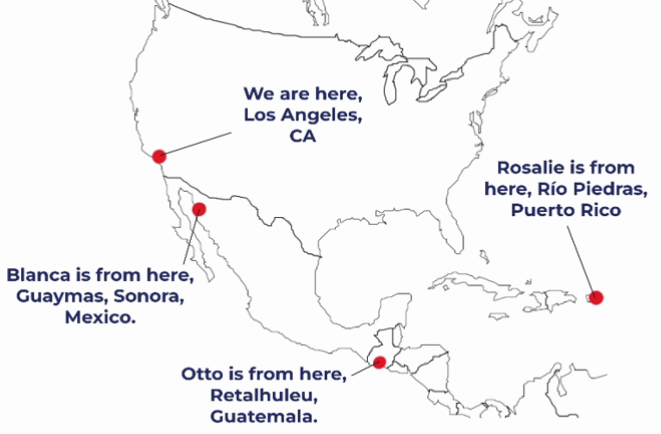
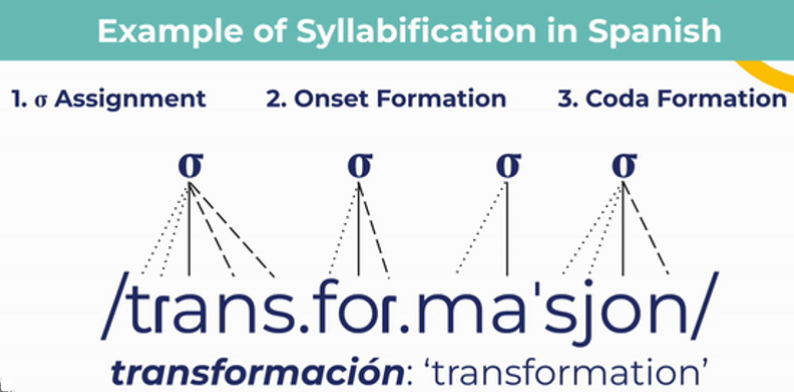
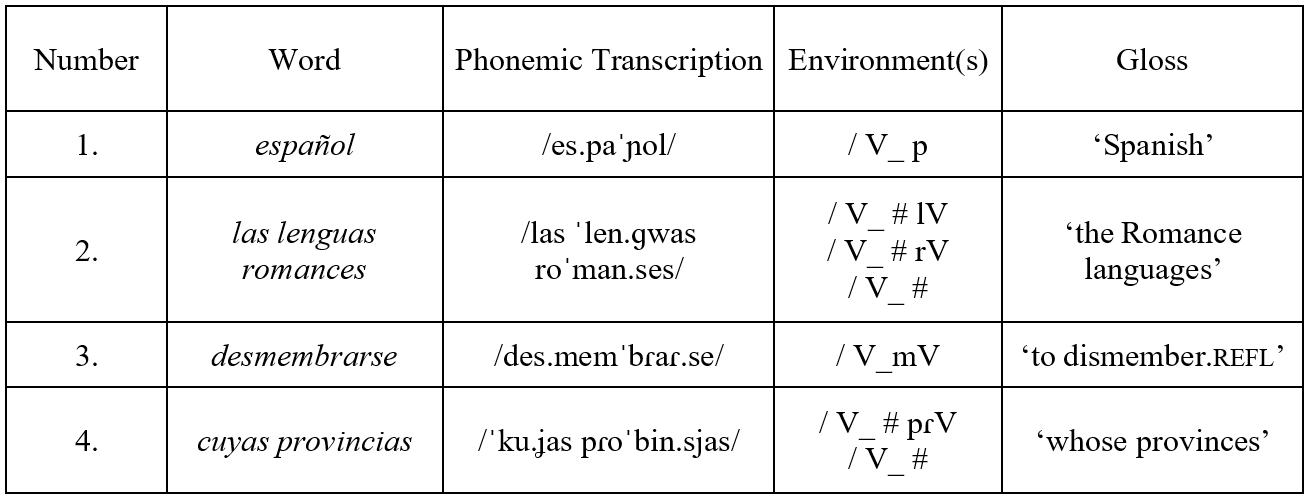
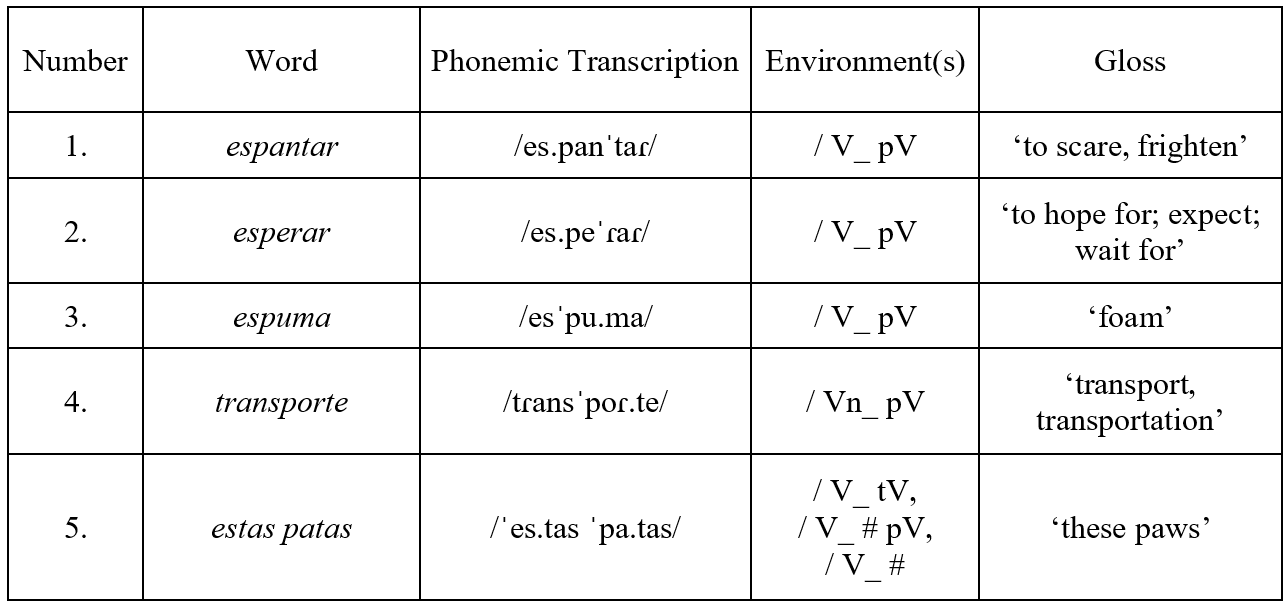
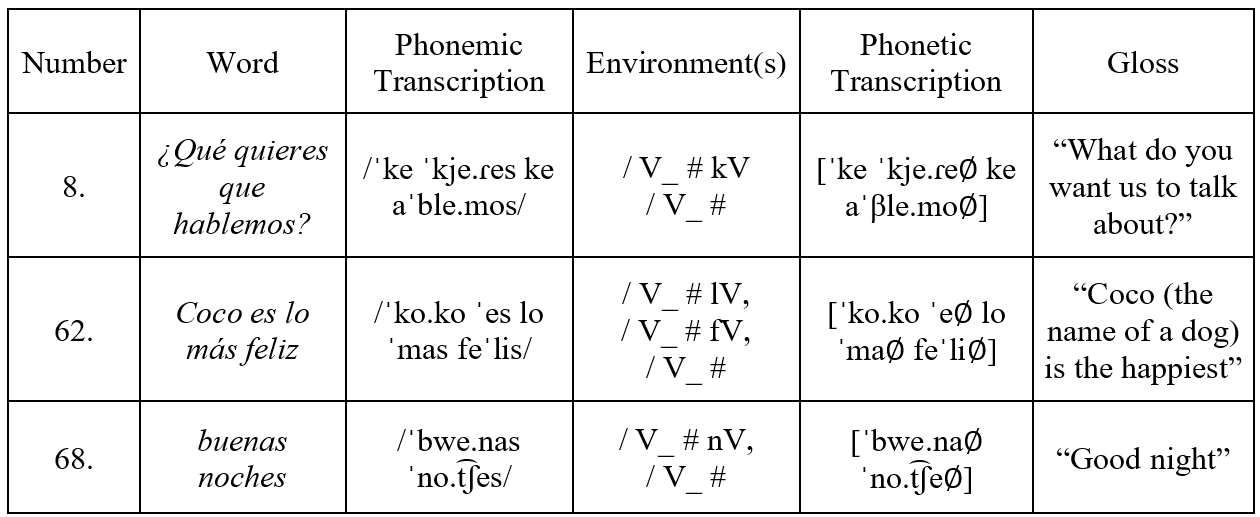
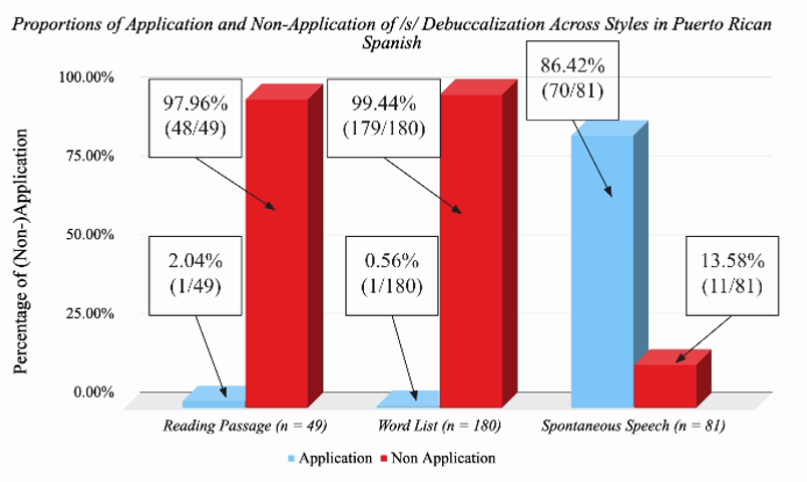
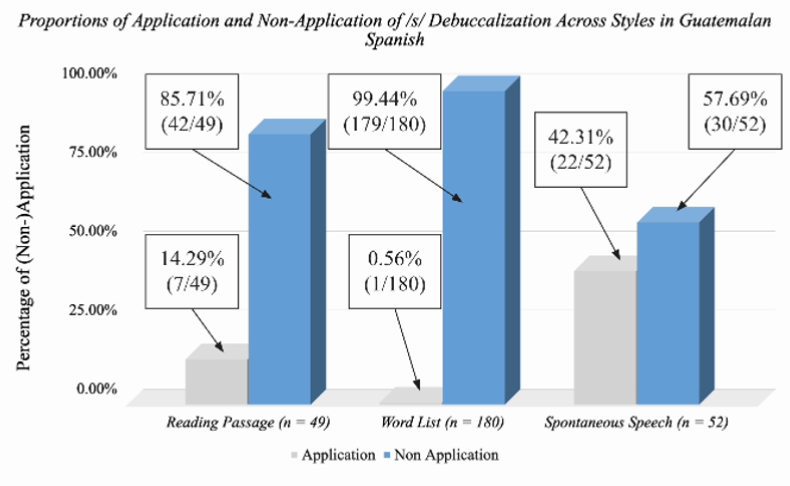
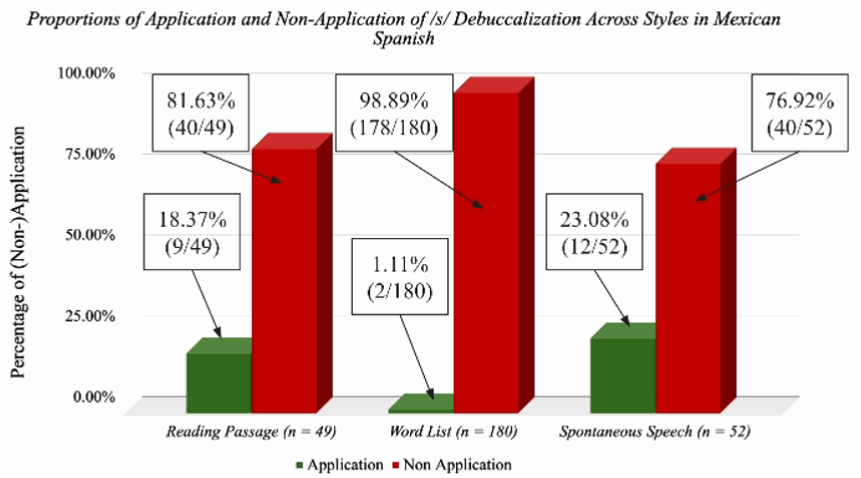
In this study, we investigate how native speakers of Puerto Rican, Guatemalan, and Mexican dialects of Spanish use /s/ debuccalization, a phonological process which targets /s/ in the coda position and yields either [h] or [∅] through complete deletion, to signal informal speech in Los Angeles. By examining the national origin, age, gender, linguistic background, and education of these three consultants who currently reside in Los Angeles but hail from elsewhere; the phonological characteristics of their native dialects; and the characteristics and use of Español Vernáculo de Los Ángeles (EVLA), the preeminent variety of Spanish spoken in Los Angeles, we identify /s/ debuccalization as a significant sociolinguistic marker across formal and informal registers. Indeed, we argue that the (non-)application of /s/ debuccalization across formal and informal registers reflects one facet of our speakers’ adaptation to the diglossic environment of Los Angeles, where the prestigious variety, EVLA, influences informal speech practices and how this phonological variation contributes to the construction of identity in multicultural urban settings.

Read more

, , , , ,

The Linguistic Portrayal of Social Mobility in Bollywood Cinema through Hinglish

Hashim Baig, Siuzanna Shaanian, Georgia Lewis, Jacob Cook, Christian Atud

The rise of English as the global lingua franca has had profound effects on multiple cultures worldwide. One such spot is the Indian subcontinent, especially with the emergence of India from centuries of colonial rule. This paper looks at how Hindi-English code-switching (popularly called Hinglish) in Bollywood films post-2000 both reflects and constructs social identities. It analyzes five contemporary Bollywood films and argues that the increase in Hinglish usage corresponds with characters’ social mobility, still signifying English as a potent symbol of prestige. This research aims to unearth the interplay of dynamics between language usage and perceived social standing in contemporary Indian cinema.

Read more

, , , , , ,

Linguistic Features between University Students in California and New York: Reddit Version

Clyde Villacrusis, Sydnie Yu, Monique Tunnell, Michelle Kim

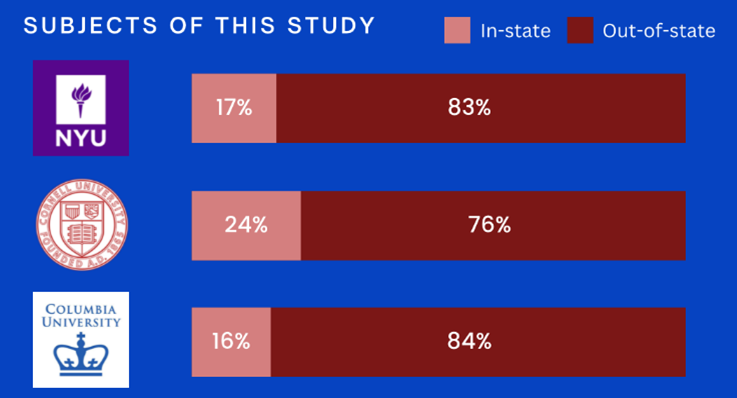
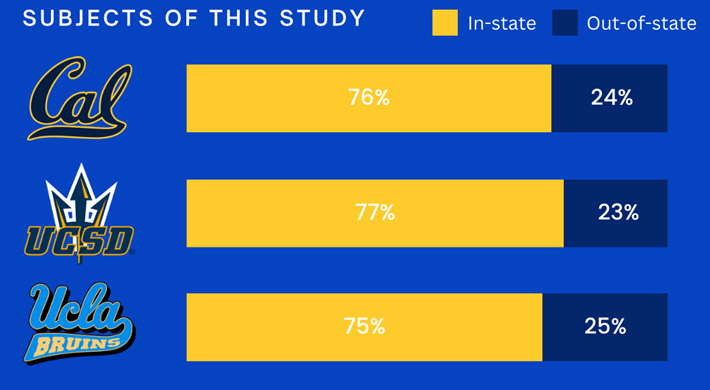
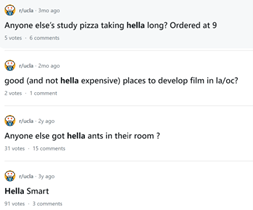
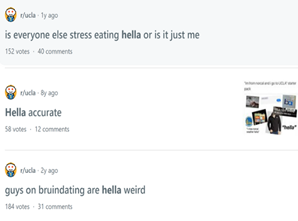
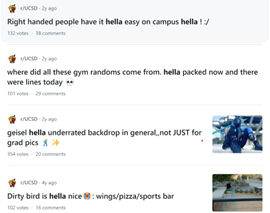
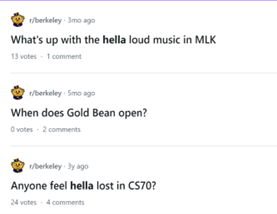
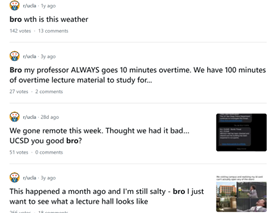
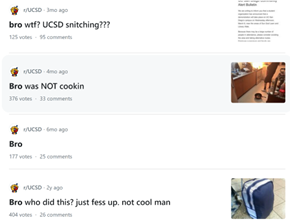
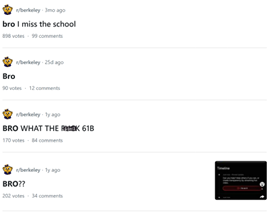
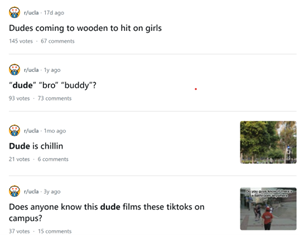
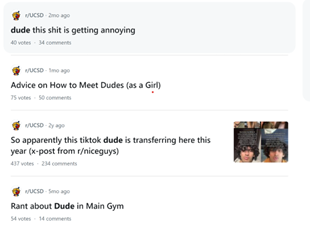
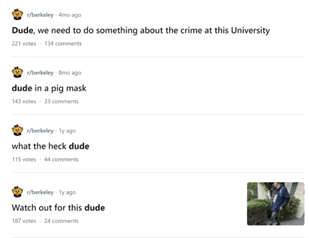
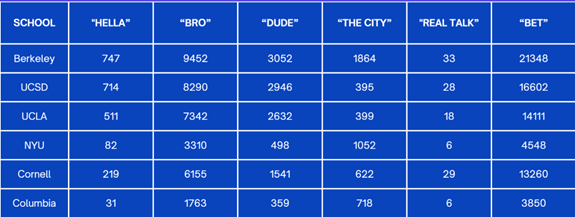
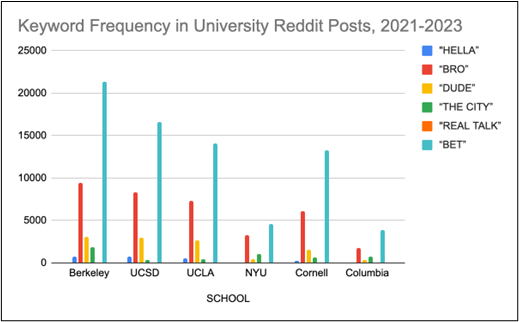
How often do you find yourself saying “hella” or “bet?” How does this differ for people across different regions? The research project discussed in this blog article compares linguistic markers, particularly slang, in Reddit communities of universities in New York and California. Using basic forms of natural language processing, we analyzed posts from multiple university-specific Reddit pages to identify regional slang differences. Results show distinct slang patterns reflecting local cultures — New York slang influenced by its diverse linguistic environment, and California slang shaped by surf and tech cultures. In addition, New York university students have shown that they are less susceptible to slang and jargon, as most of them are out-of-state students and therefore, grew up in a community where it is harder for them to immerse in NY culture and its language. For California students, it is easier for them to immerse in the language culture because most are in-state students. These findings highlight the role of language in forming regional identities in digital spaces, offering insights for sociolinguistic research and digital communication strategies.

Read more

, , , ,

Tech Bros and Tech Woes: A Perspective on Gendered Sociolinguistics in the Tech Industry
Jenny Wang, Madhavi Vivek, Rajana Chhin, Audrey Chung

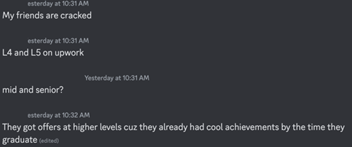
In the expanding realm of technology, language serves as more than just a communication tool — it is a powerful marker of identity and belonging. Our study delves into gendered linguistic practices within the tech industry, focusing on “tech bro” culture and its impact on female experience and career advancement in this male-dominated field. Through interviews with male and female tech students and analysis on social media content, podcasts, and scholarly articles, we uncovered lexical variations and interactional patterns unique to the tech community. Utilizing a blend of qualitative and quantitative methods, we observed terms like “tech debt,” distinct pitch variations, and exaggerated “urban” accents during conversation. Our findings reveal that females in tech often adapt their language to conform to the hyper-masculine expectations of the tech workplace, further reinforcing clear gender biases and stereotypes within the industry. By highlighting these subtle linguistic barriers that perpetuate gender biases, we aim to emphasize the need for a more inclusive and supportive tech environment for all individuals.

Read more

, , , , ,

The Power of Language in Human-Animal Relationships

Armine Mkrtchyan

Language is not merely a tool for communication but a fundamental factor that shapes our understanding of the world around us. The words we use when speaking about our surroundings, the symbols we attach to them, and then the meanings we impart play a profound role in sculpting our perceptions. This intricate process of assigning meaning extends notably to our interactions with non-human animals where the language we use plays a significant role in how we perceive, categorize, and consequently treat them. Whether in scientific settings, on farms, or in casual conversations, our choice of language can either humanize or devalue these creatures. It is a complex procedure that bears more weight than many realize. Through the lens of symbolic interactionism, specific linguistic categorizations, and inherent anthropocentric biases, it is clear how language shapes the views of non-human animals and reinforces human superiority within societal hierarchies, ultimately leading to their exploitation. It becomes evident that language is not just a conduit for casual expression but a driving force that molds our views and actions towards the non-human inhabitants of our shared world.

Read more

, , ,

The TikTok Influencer Voice: Do Sociolinguistic Features Influence the Success of TikTok Videos?

Natalia Adomaitis, Lam Hoang, Maryam Shama, Sydney Trieu, Kristina Zhao

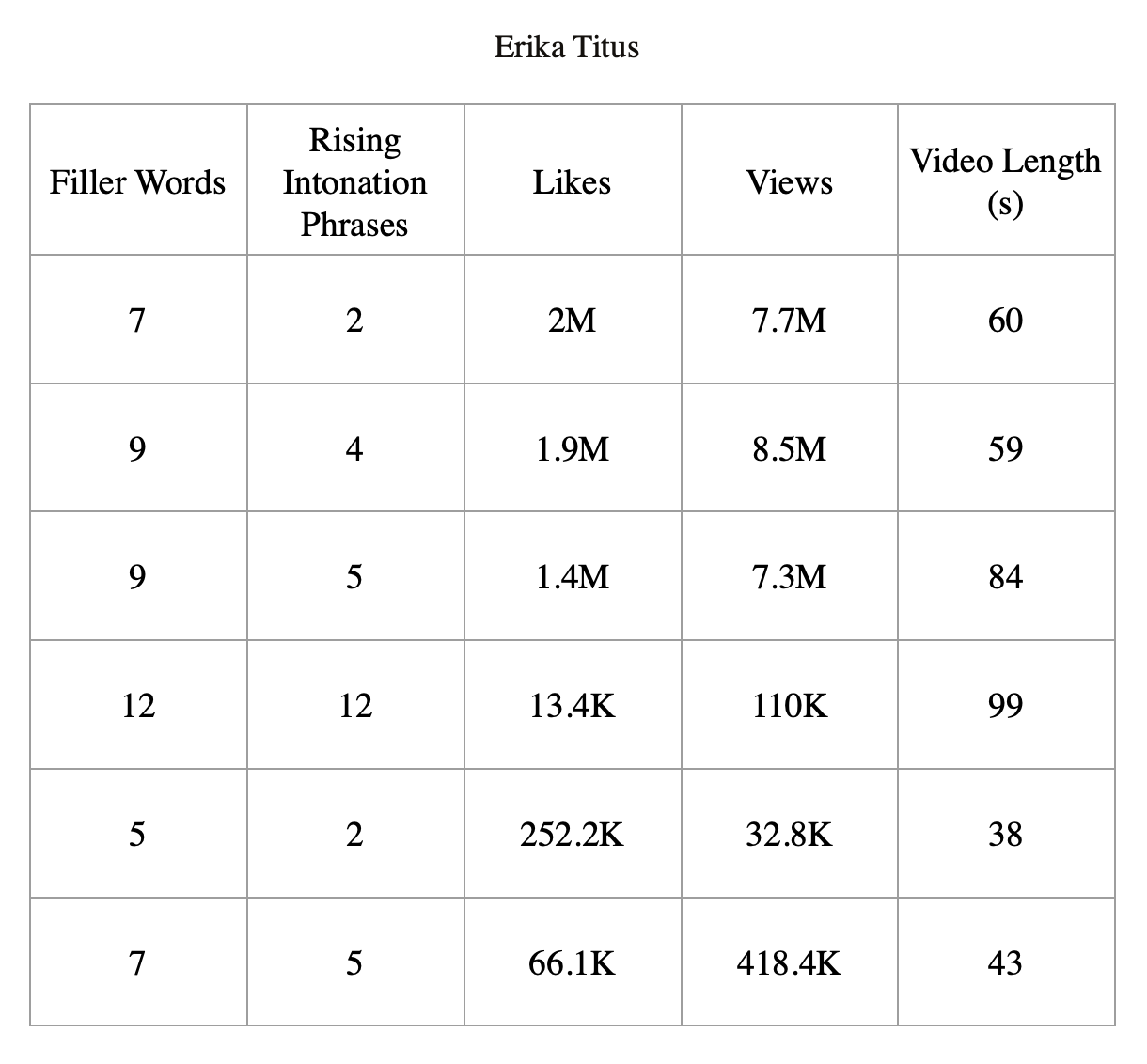
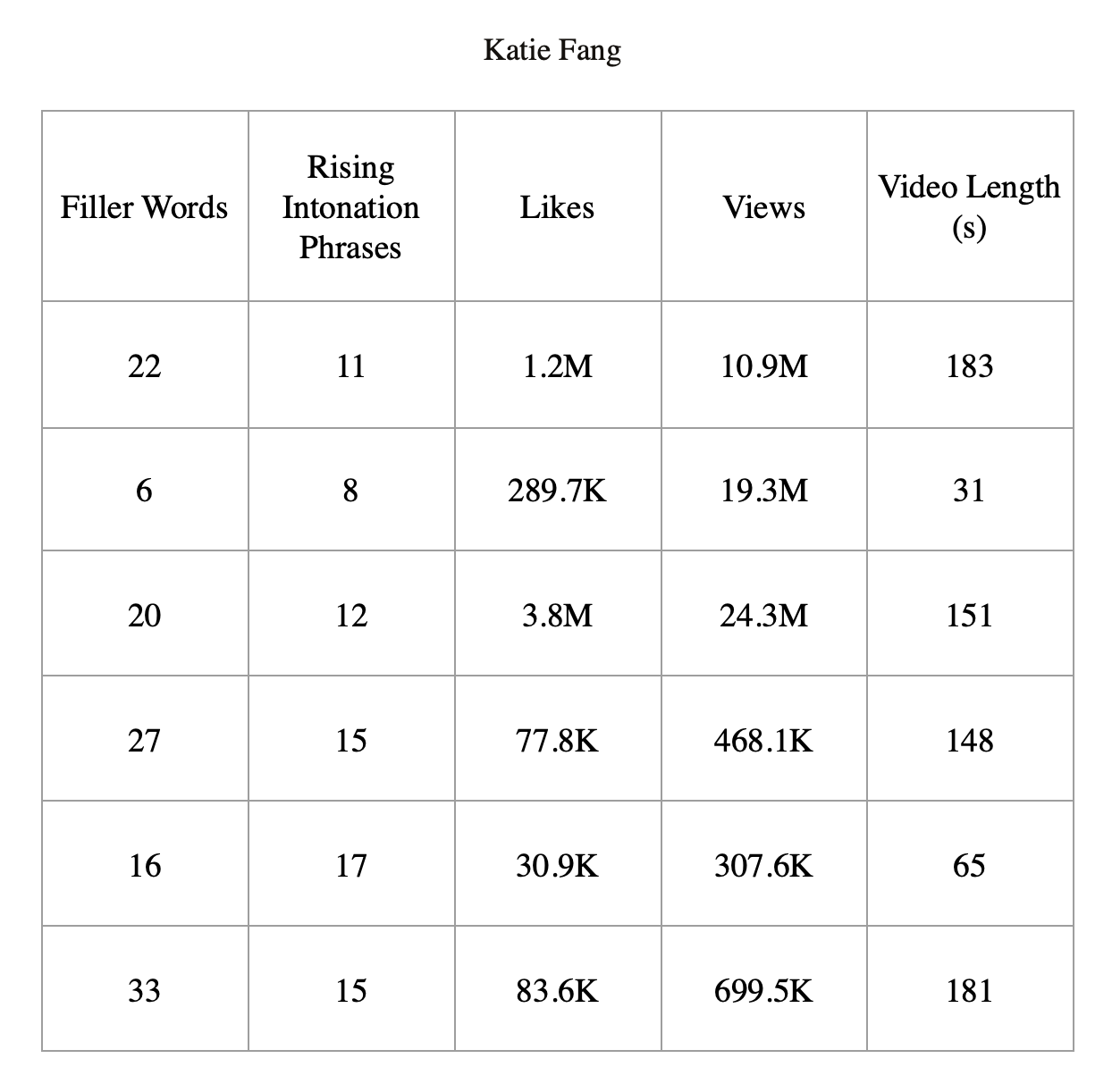
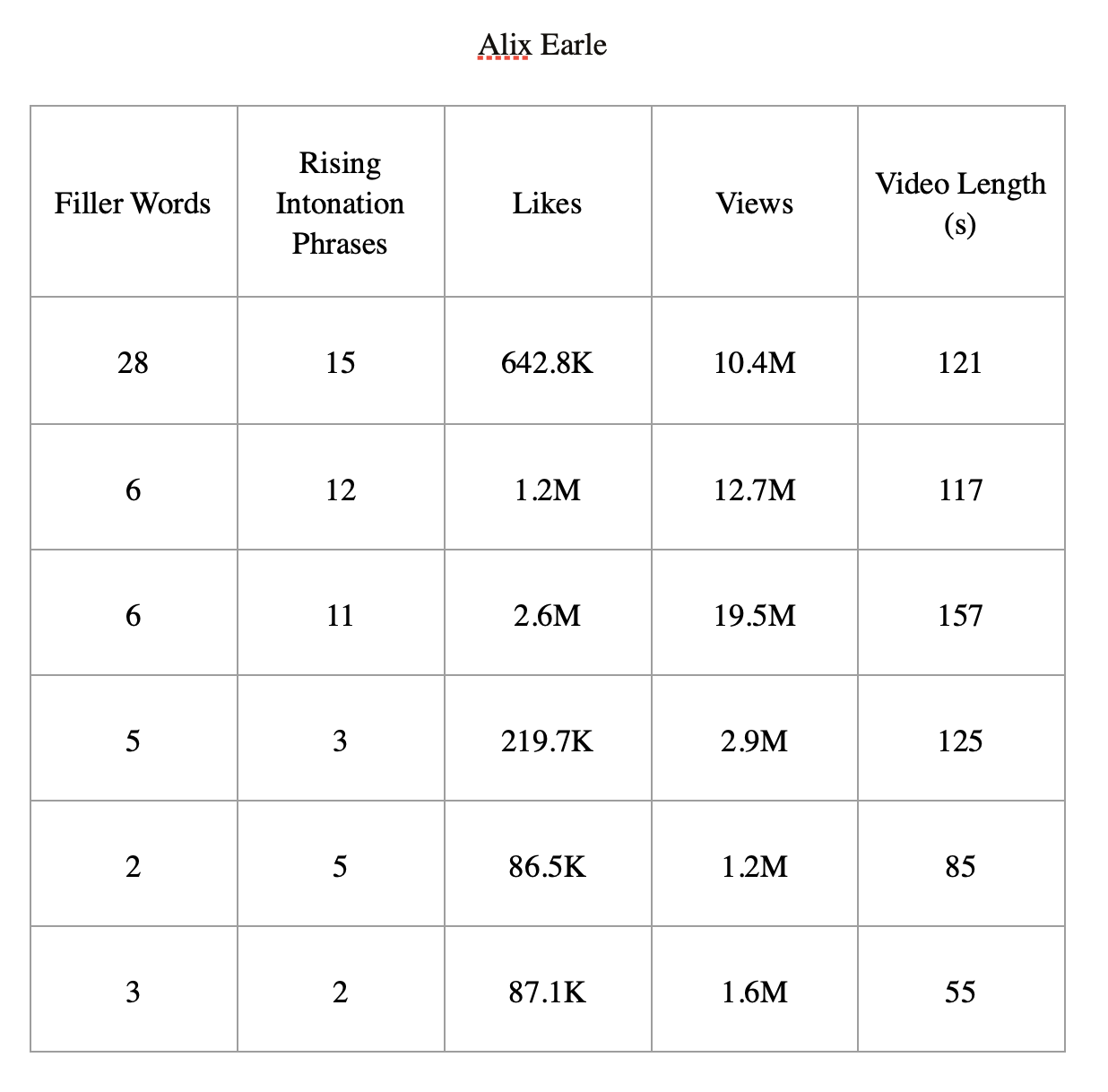
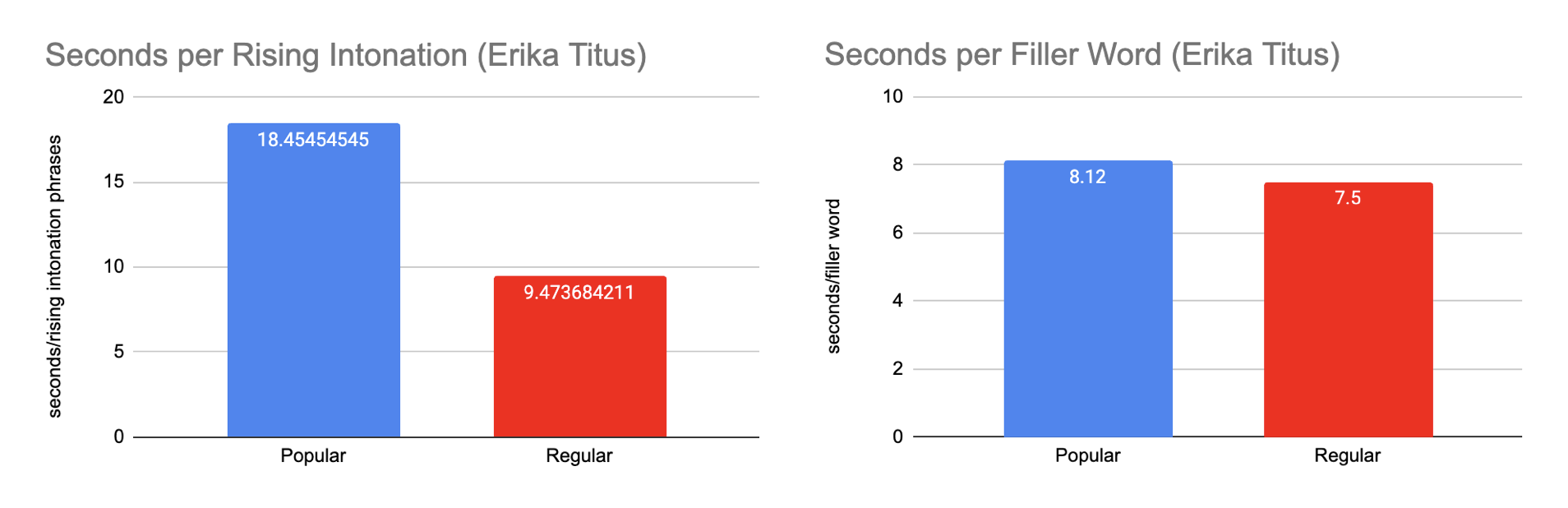
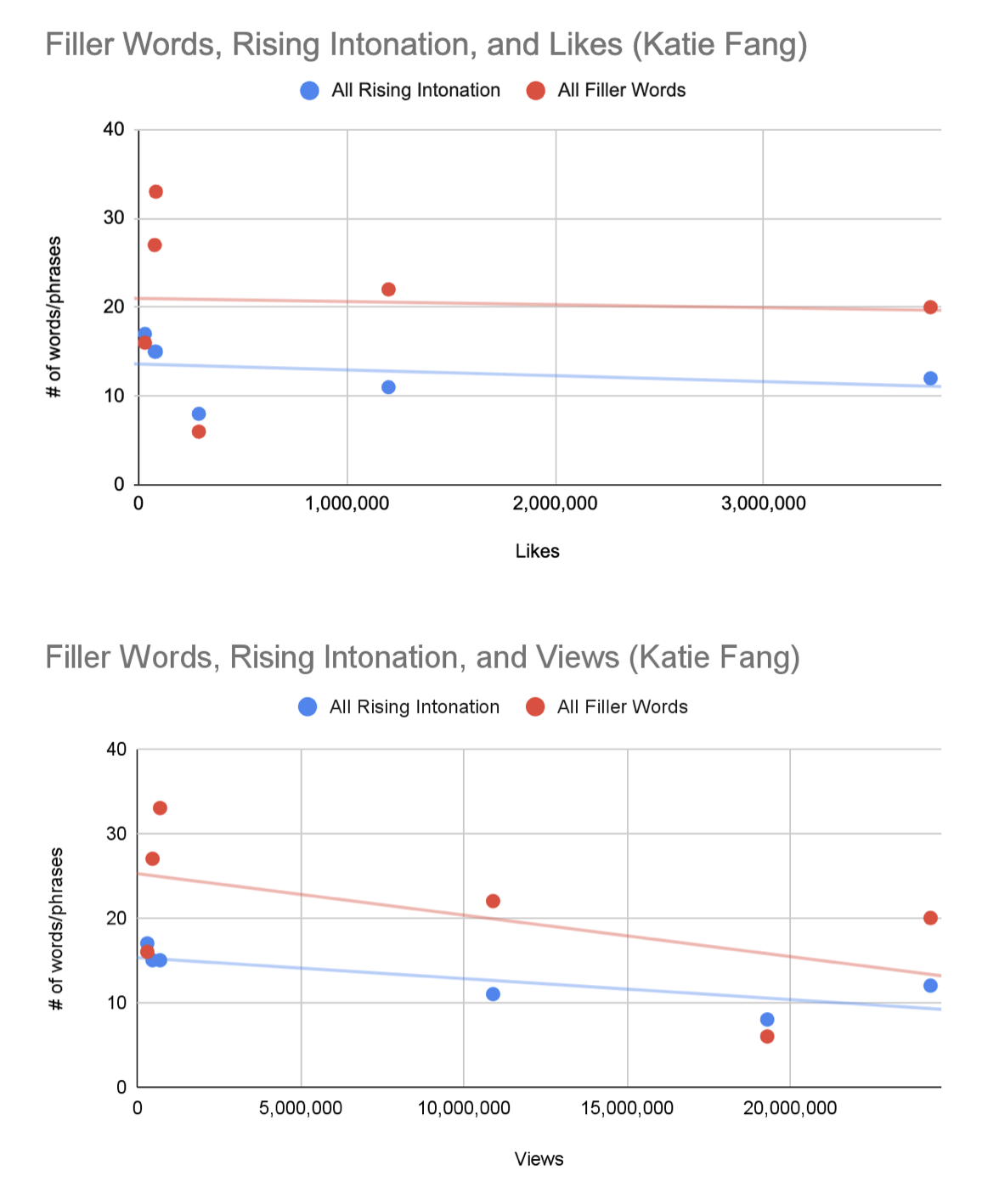
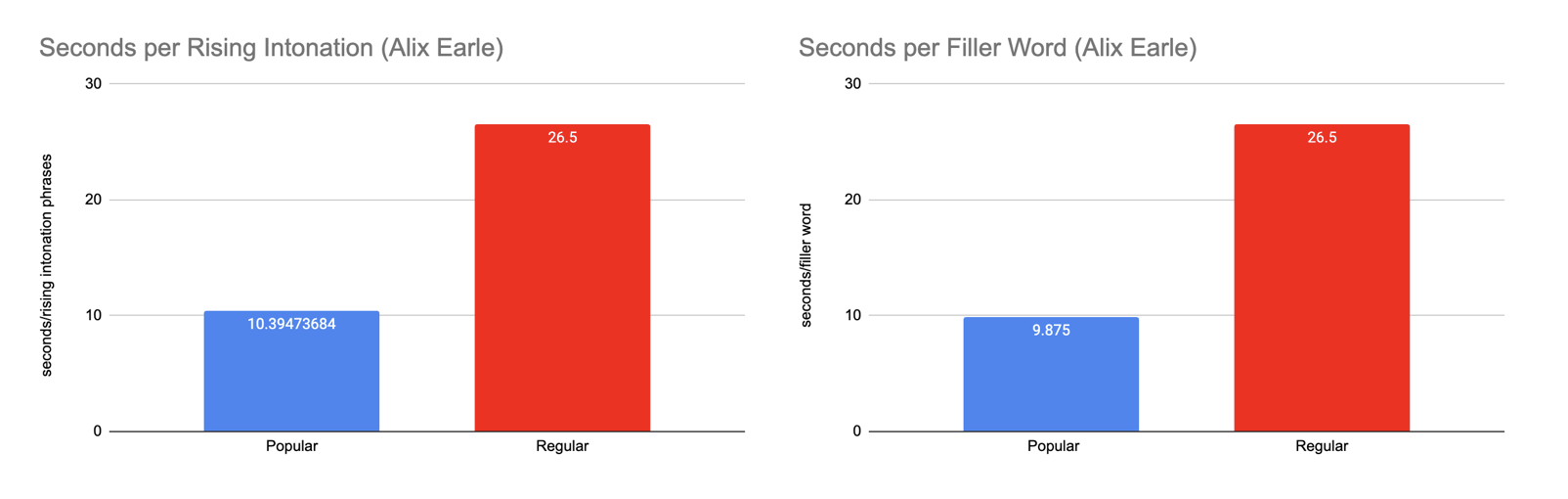
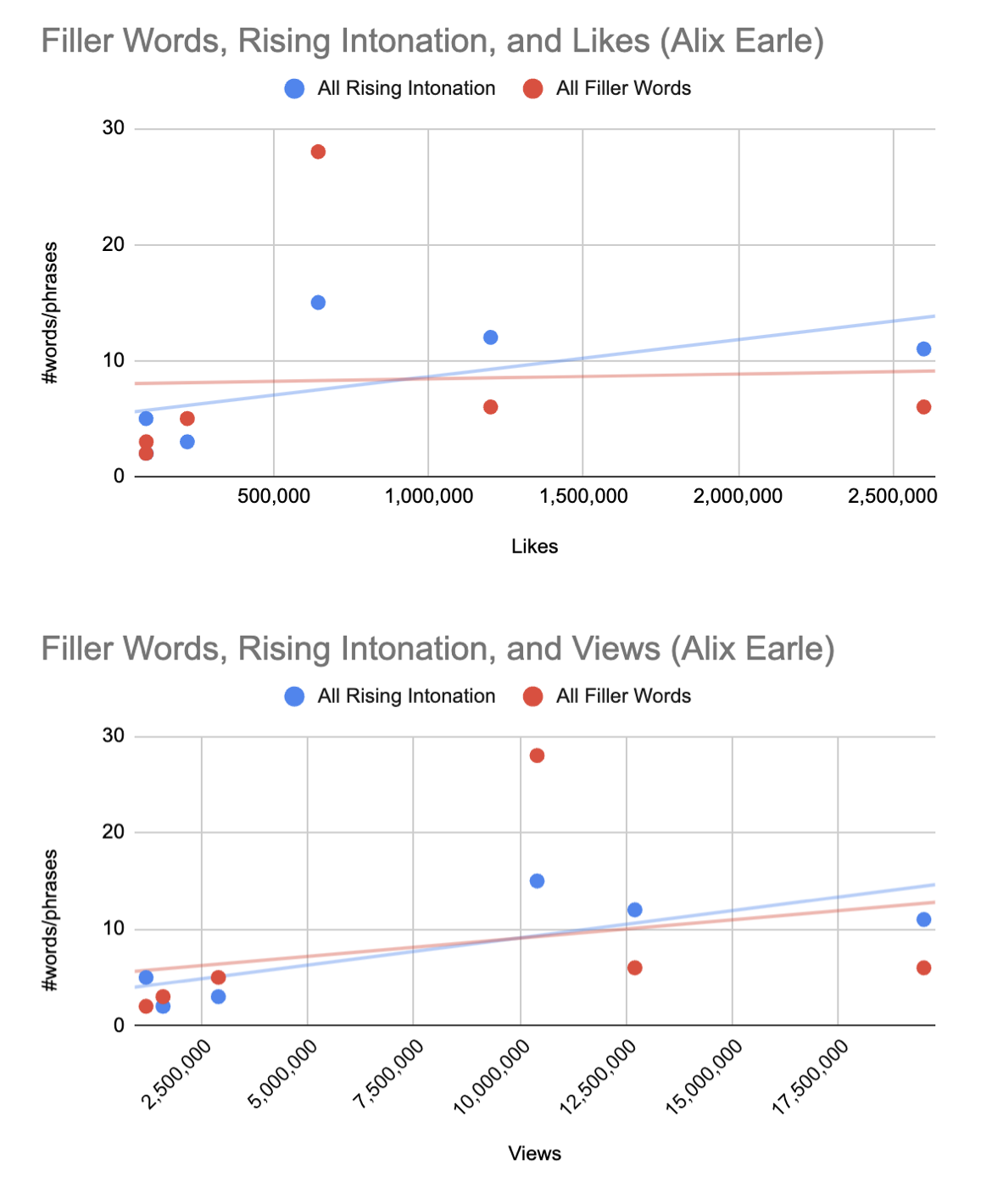
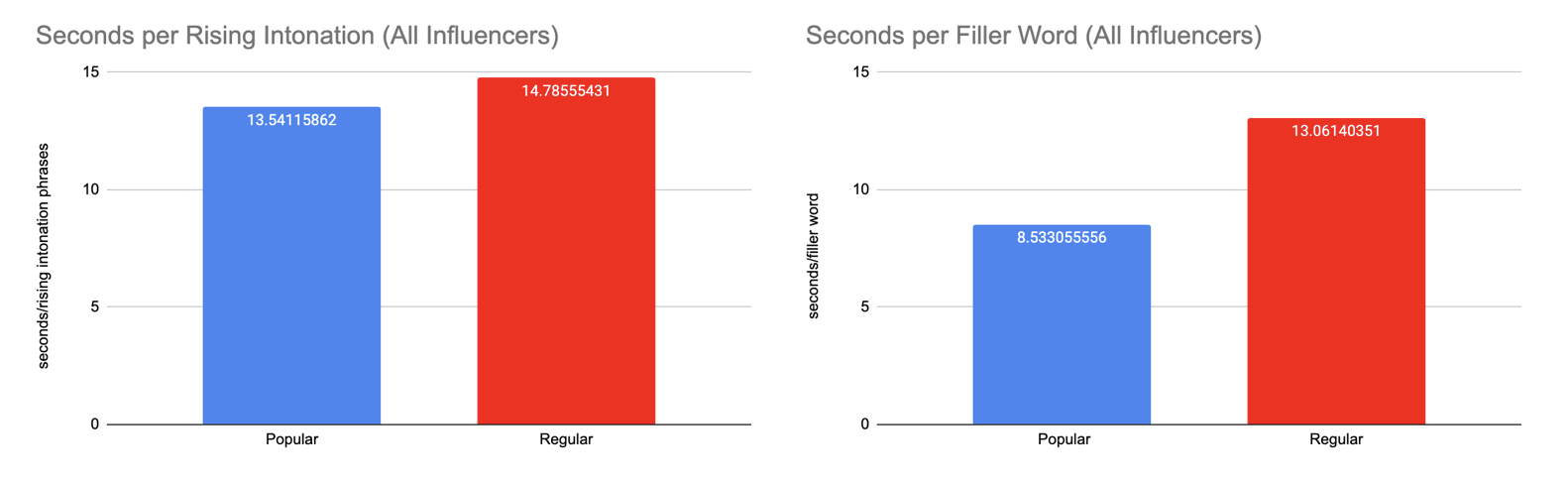
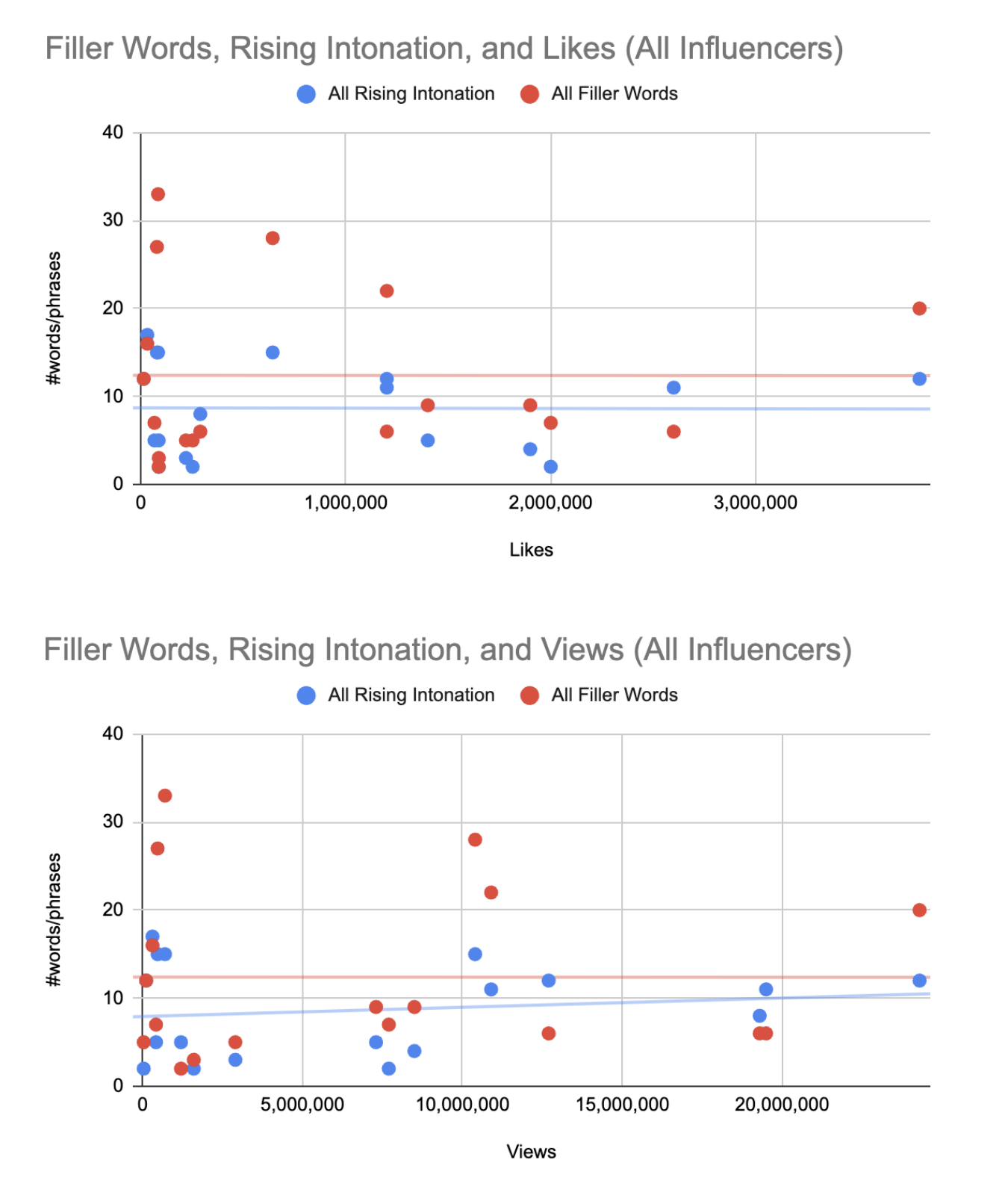
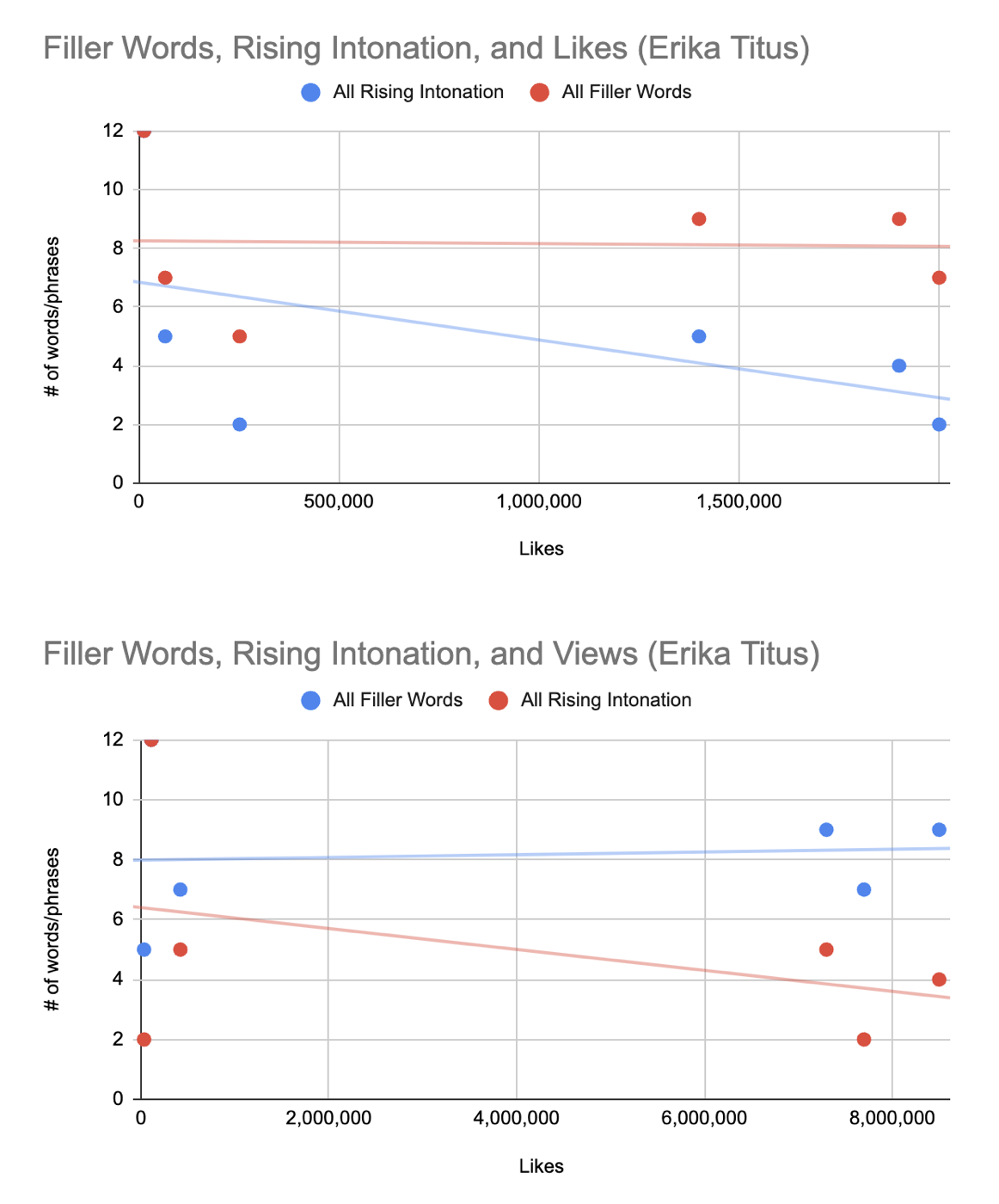
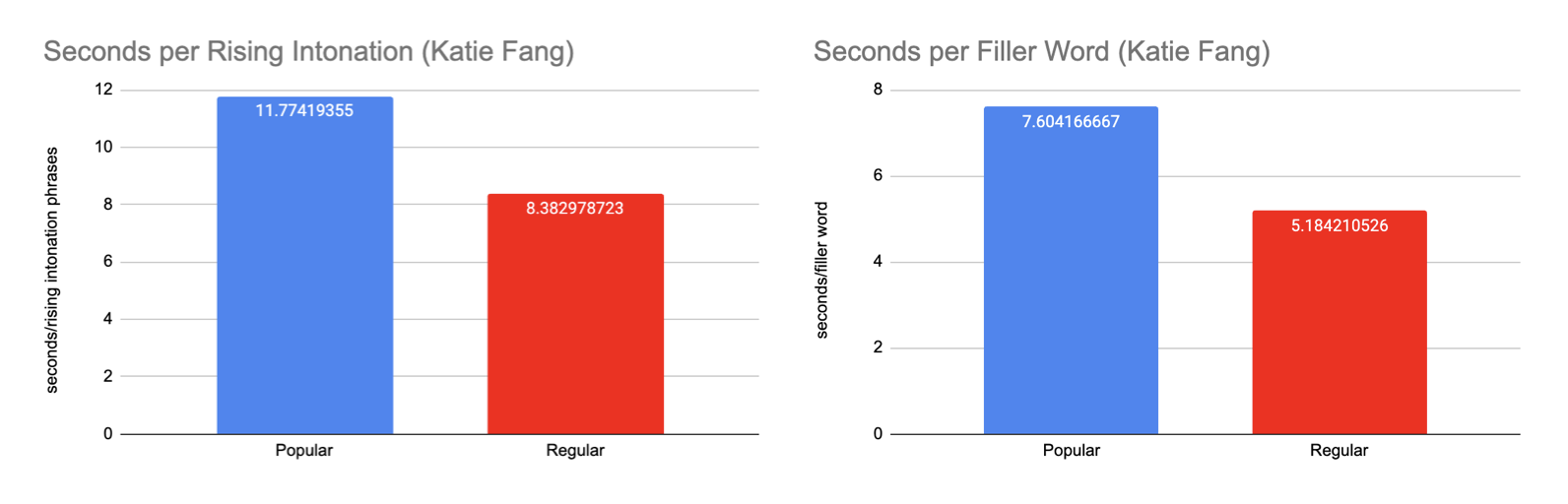
TikTok is a growing social media platform that launched in 2016 and since has gained 1 billion monthly active users, 60% of which are a part of the Gen Z demographic. Many influencers have rapidly grown in popularity, leading to social changes due to trendsetting by these influencers. In our study, we analyzed linguistic features used by three TikTok influencers: Erika Titus, Katie Fang, and Alix Earle. Our goal was to analyze how the use of two linguistic features: filler words and rising intonation (uptalk) by female Gen Z TikTok influencers impact engagement. We gathered data by comparing analytics of 6 videos from each of the three influencers, 3 of which being their most popular videos and 3 being of average performance. We tracked the number of times rising intonation and filler words were used per video along with video length and amount of views and likes. We hypothesized that influencers incorporate these specific linguistic elements to better relate with their audience, which ultimately leads to an increase in video engagement.

Read more

, , , , , , , , , ,

In-Person vs. Digital Communication Styles Among Classmates

Megu Kondo, Devina Harminto, Yixing Wang, Yinlin Xie, Batool Al Yousif

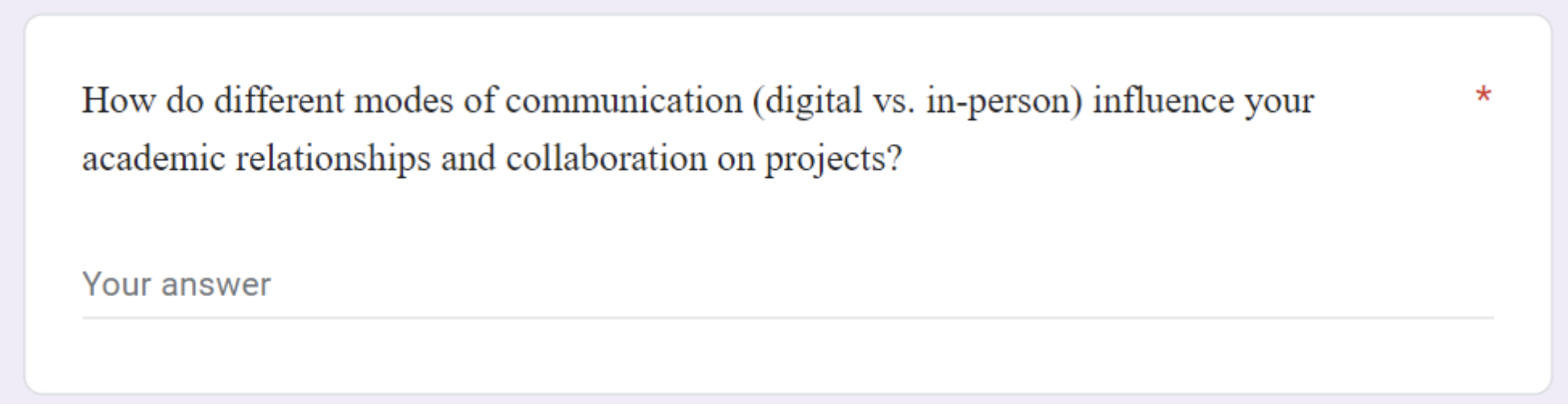
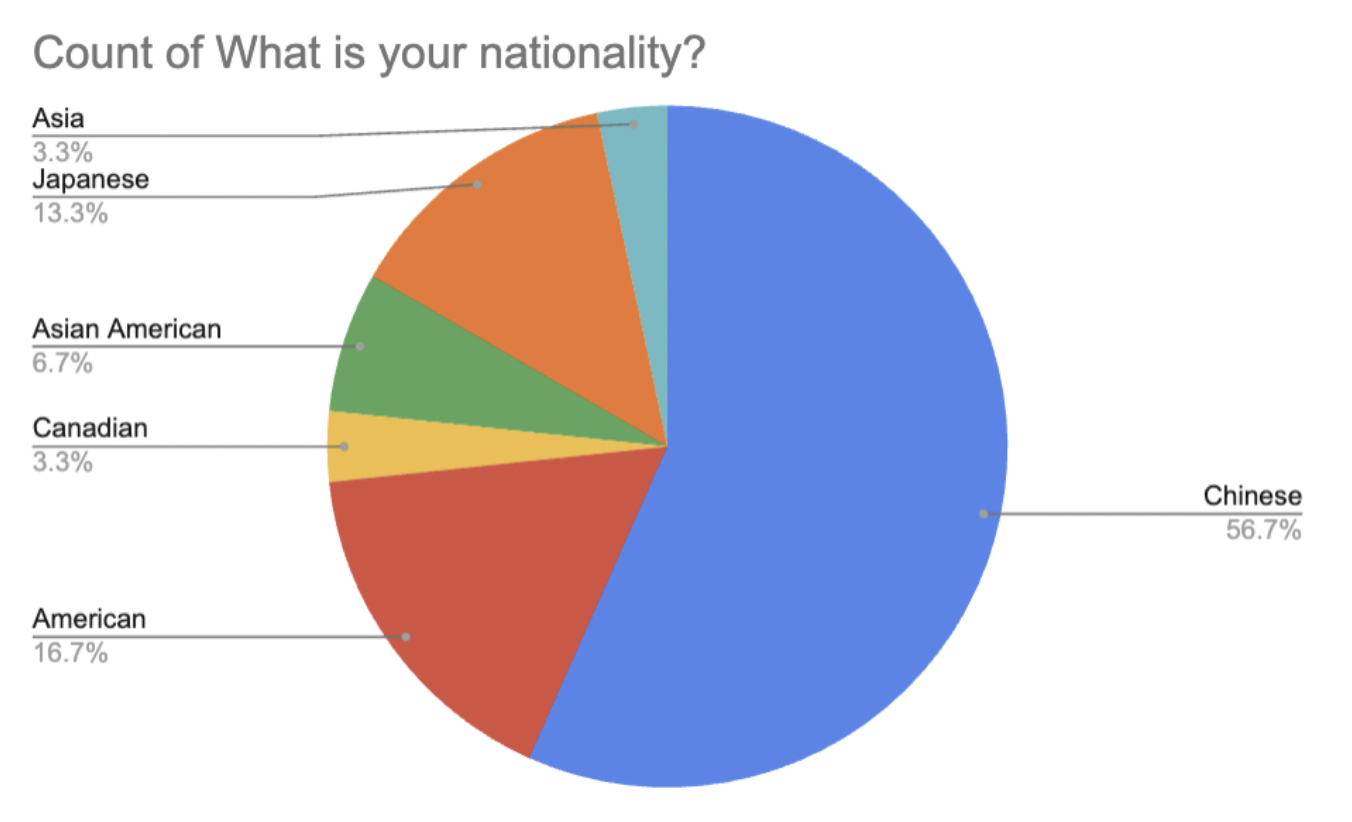
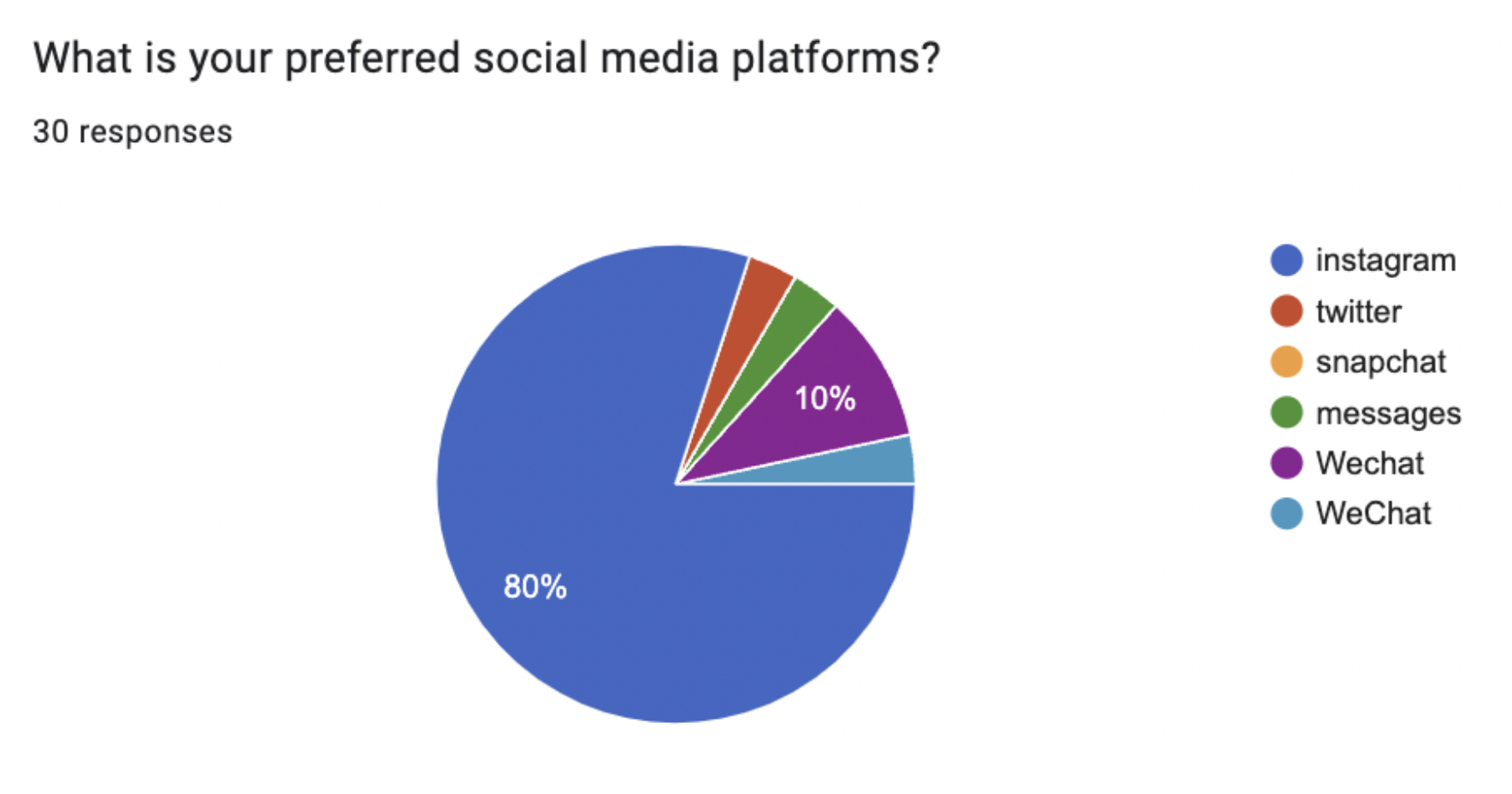
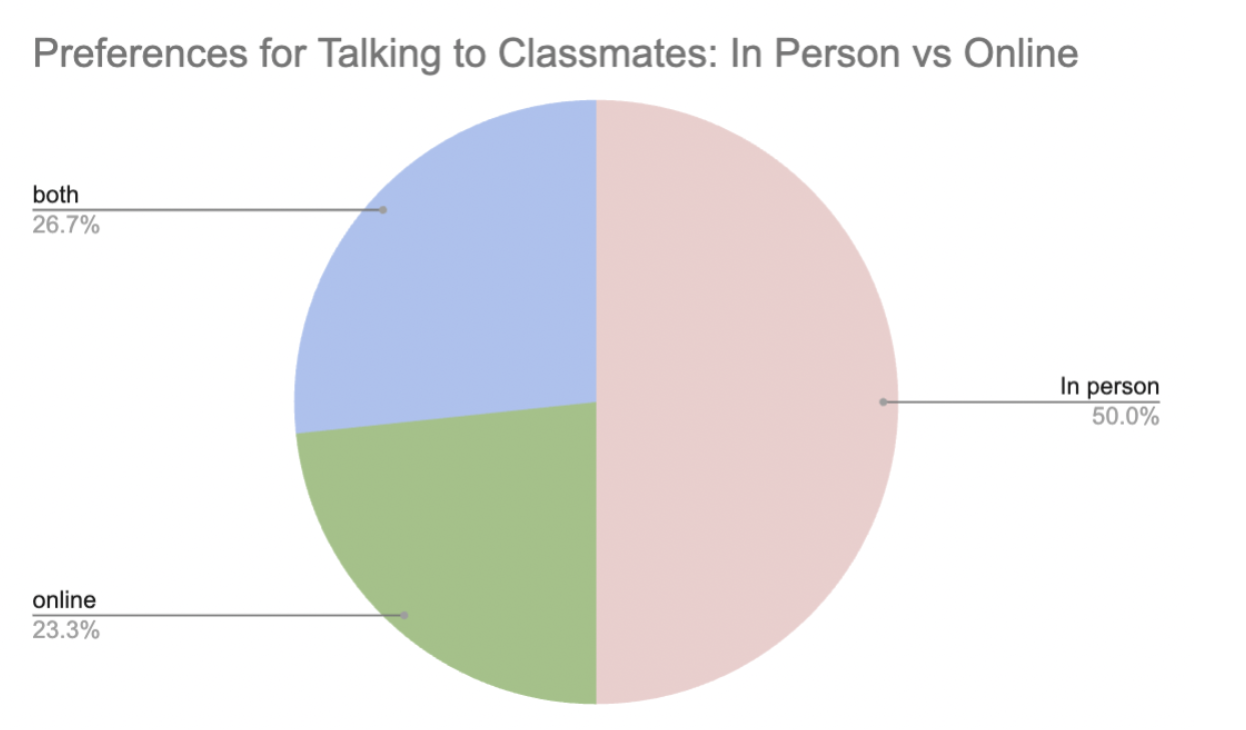
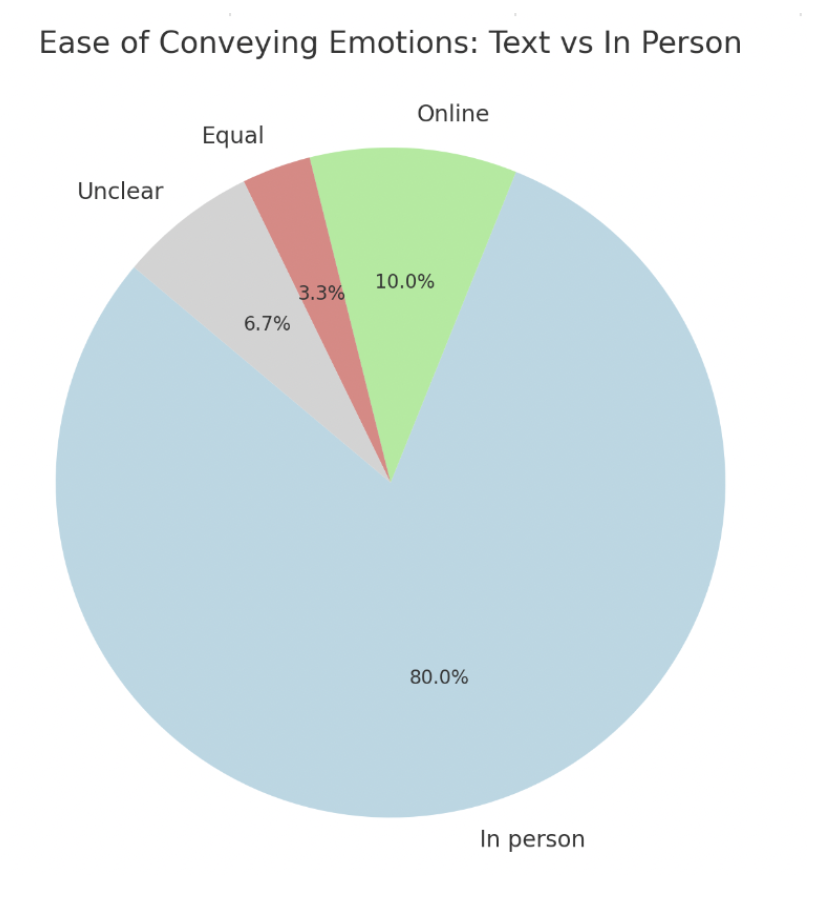
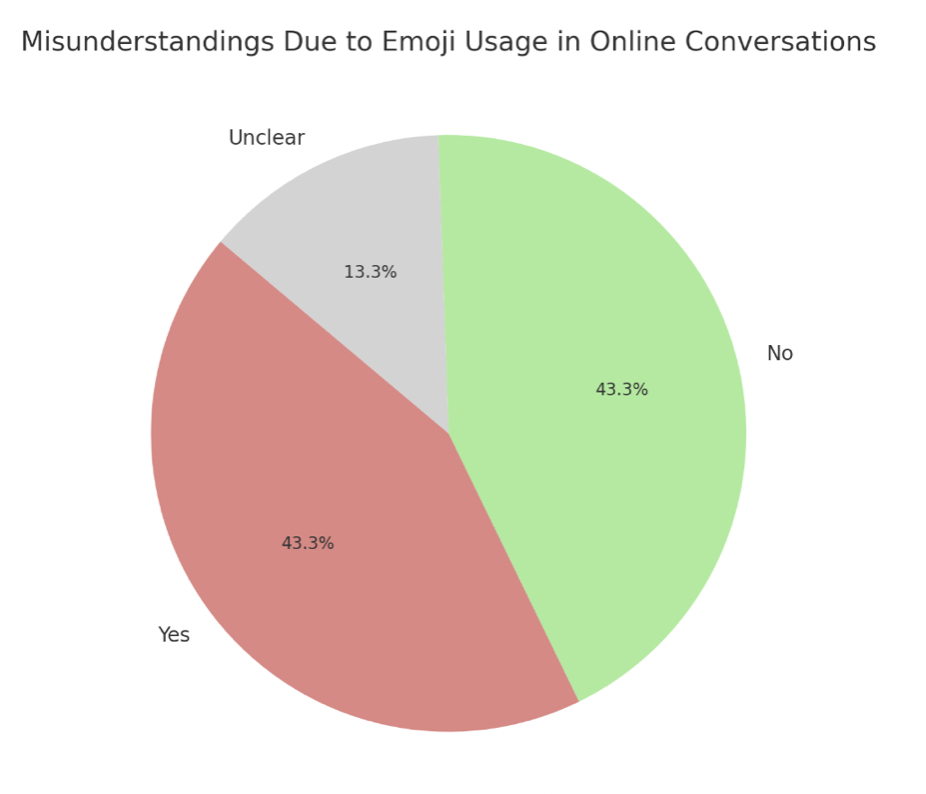
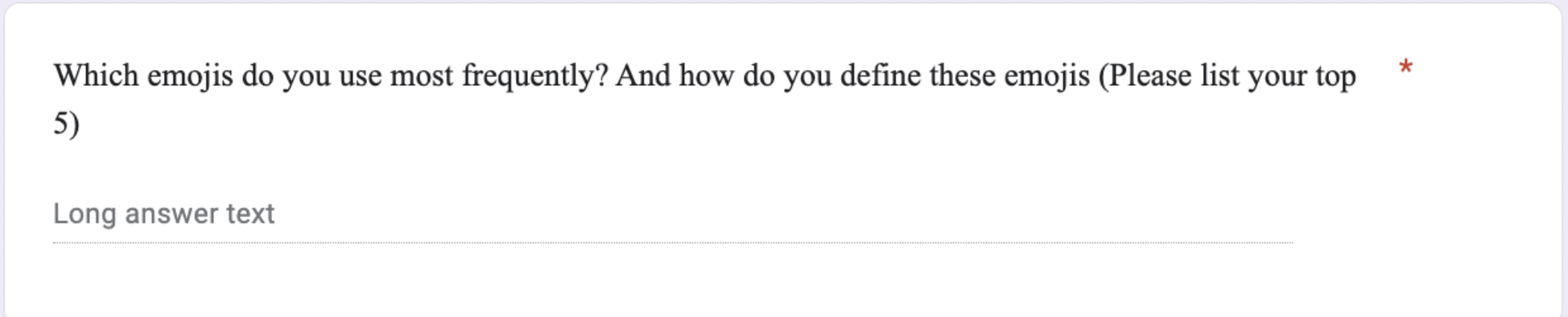
In the rapidly evolving landscape of communication, the distinction between in-person and digital communication has become a focal point of linguistic and sociocultural studies. This project delves into the nuanced differences in language use, expression, and understanding across these two modes of communication. The purpose of this study is to investigate how individuals adapt language styles, tones, and dialects between in-person and digital communication. Additionally, our study aims to explore these preferences specifically among classmates, shedding light on the nuances of their communication choices. By examining various linguistic features such as informality, use of emojis, turn-taking, and the adaptation to the absence of non-verbal cues in digital platforms, this study illuminates how digital communication often necessitates a shift from traditional language norms observed in face-to-face interactions. We designed a survey using Google Forms for accessibility and ease of distribution and collected data from 30 college students (18-22 years old) who engage in both in-person and digital communication.

Read more

, , , , ,

Social Media Use Among College Students

Jasmin Carranza, Andres Guzman, Luwuam Haile, Armine Mkrtchyan, Tzlil Pinhassi

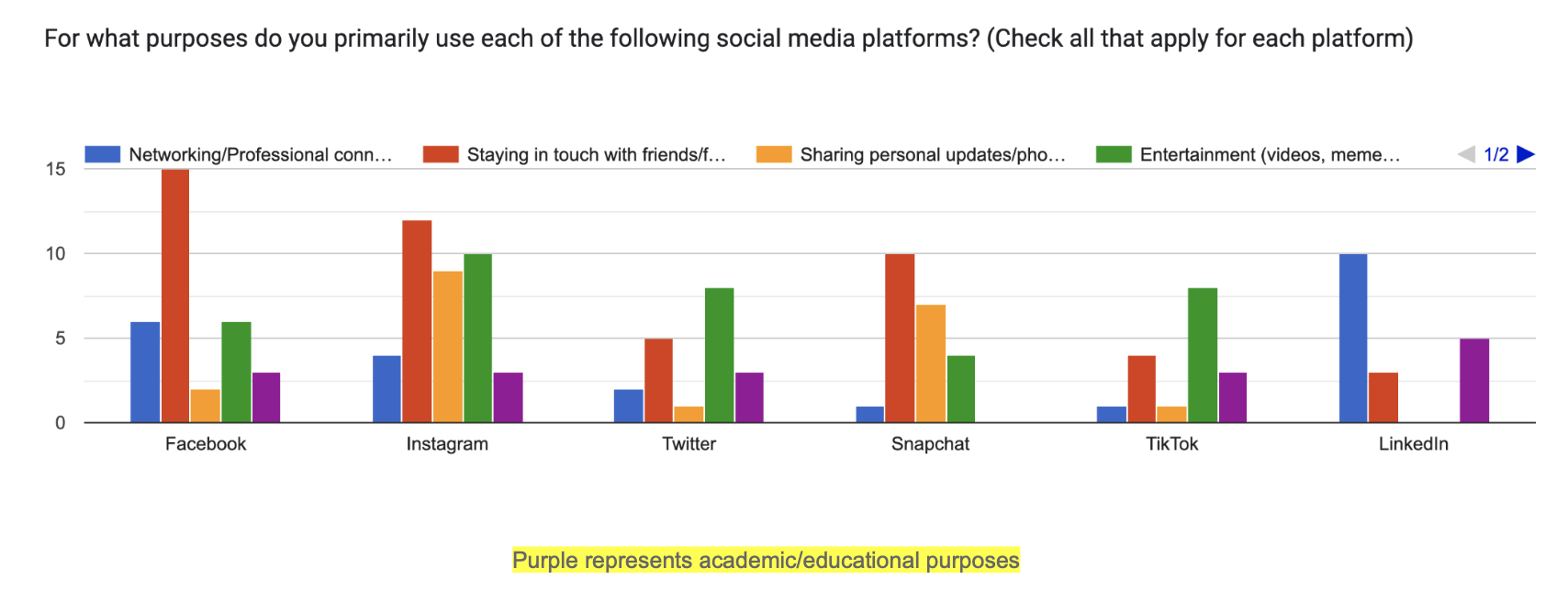
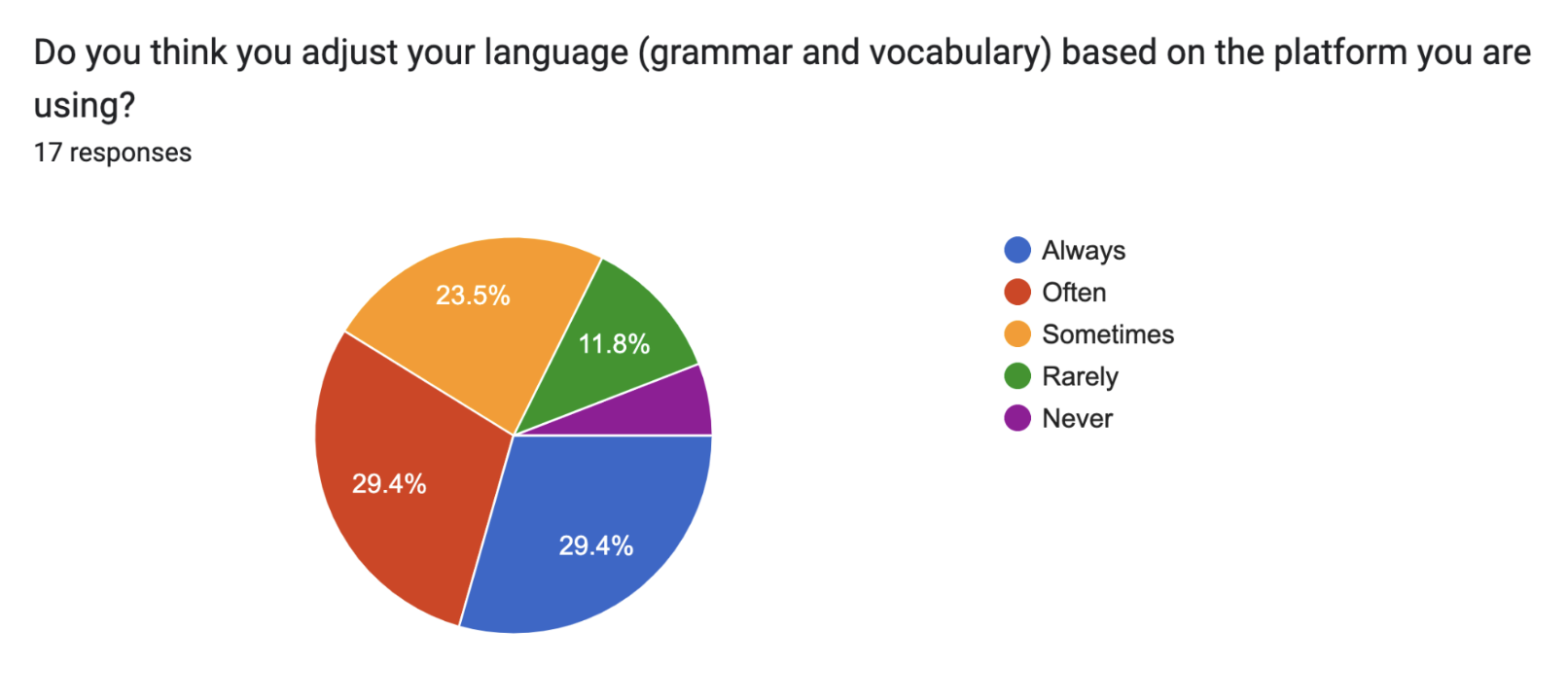
Social media plays a significant role in the lives of college students, shaping how they connect, communicate, and express themselves. Given its pervasive influence, it is natural to assume that they would have an understanding of their own language use online. This study works to uncover just that. It specifically explores the linguistic features of grammar and vocabulary use among college students on various social media sites and examines their self-awareness of these patterns. We conducted a survey asking students about their social media usage and perceptions of their language, then analyzed their interactions through provided screenshots. Our findings confirm that students adapt their language to fit the platform’s context: Snapchat and TikTok are characterized by informal language and relaxed grammar, while LinkedIn and Facebook maintain higher formality with complex grammatical structures. Students’ perceptions of their language use closely align with their actual usage, indicating a high level of self-awareness. On platforms like Twitter and Instagram, students correctly estimate their use of informal vocabulary and abbreviations while recognizing the formality of their language on LinkedIn. This research highlights the dynamic nature of language use by college students across social media platforms, showcasing their ability to navigate different communication environments effectively. Our findings underscore students’ awareness of the distinct linguistic norms required by various social networks, adjusting their language accordingly with minimal discrepancy between self-perception and actual use.

Read more

Introduction and Background

In today’s dynamic digital age, social media is a premier medium for immediate conversation and communication, significantly influencing how individuals interact and express themselves (Merchant, 2006). Platforms like Instagram, Facebook, Snapchat, Twitter, TikTok, and LinkedIn serve as tools for social interaction and spaces where unique linguistic patterns emerge. While existing research highlights variations in language use across social media, a notable gap exists in understanding how these linguistic features manifest among college students (Kemp et al., 2021). Additionally, there is limited exploration into how these students perceive their language use across different platforms and whether their perceptions align with their usage patterns. This study addresses these gaps by examining grammar and vocabulary use among college students across various social media platforms. By analyzing formality, vocabulary, use of slang, and emoji frequency, this research aims to uncover the differences in language use. Furthermore, it investigates the self-awareness of college students regarding their language use, comparing their perceptions to their actual linguistic behaviors. Thus, our research question is: How do linguistic features, specifically grammar and vocabulary use, vary across the social media platforms of college students, and how do these students’ perceptions of their language use align with their actual usage?

Methods

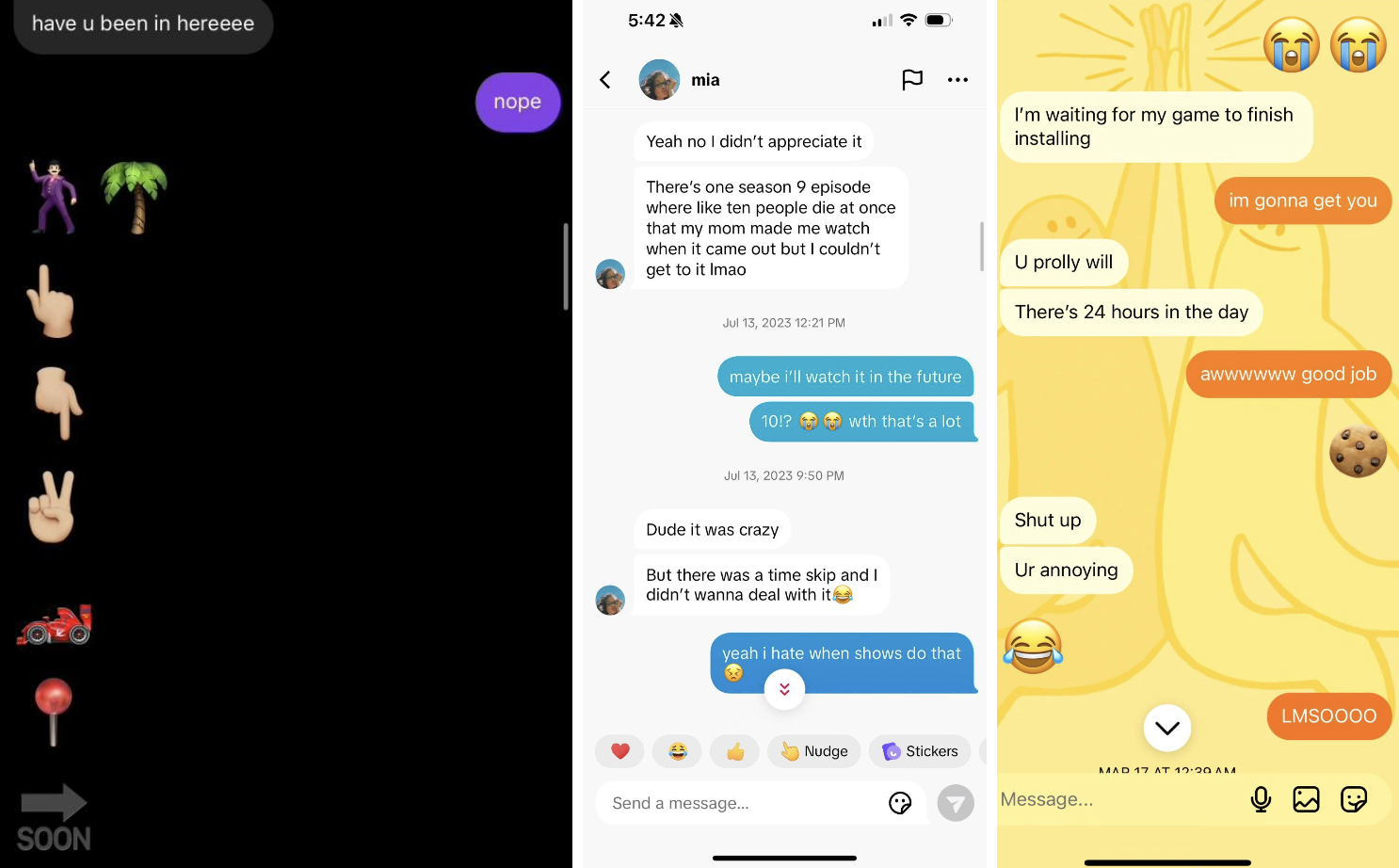
To explore the linguistic features and self-awareness of language use among college students on various social media platforms, our study employed a mixed-methods approach, combining quantitative surveys with qualitative content analysis. To start, we sent out a survey to students of UCLA who self-reported their language on various social media platforms. Then, participants were asked to provide screenshots of their interactions on each of the social media sites. This allowed for a direct comparison between self-reported data and actual language use. With this information, we were able to confirm or deny each student’s self-perceptions of their online language usage. The provided screenshots were anonymized to protect participants’ privacy.
Building on previous research by Skierkowski & Wood (2012) and Kemp & Clayton (2017), we hypothesized significant variations in vocabulary use, syntax, emoticon usage, and adherence to communication norms across different social networks. By investigating aspects of text messaging, including textese density and response times, for example, we provided a comprehensive understanding of language adaptation within different social circles. Ultimately, the study contributes to the broader comprehension of communication dynamics in the digital age, offering insights into how language is utilized and adapted within college students’ social networks.

Results and Analysis

The results are important in providing insight into the nature of the linguistic choices, not only consciously but also subconsciously, by young adults in digital communication. Taking a deeper dive, we analyze the results from each platform we considered — LinkedIn, Twitter, and Instagram—and provide examples to illustrate these trends.

LinkedIn: Formal Language Use

Appearance in LinkedIn, the professional networking site, invited a thicker coat of calcified tongue for student use of semi-formal scholarly language. This meant, simply: full sentences, big words, industry talk or just a professional sheen to it overall. Analysis revealed students’ self-reports on the language they used were consistent with their actual posts.

Example: In a typical post, a student wrote, “I am thrilled to announce that I have accepted an internship position at Boeing, where I look forward to contributing to the innovative team and developing my professional skills further.”

This example underscores the formal, structured language typical of LinkedIn, reflecting the professional nature of the platform.

Twitter: Casual and Expressive Language

On Twitter, where brevity and timeliness reign, a similar but distinct trend was apparent. Students frequently used slang, abbreviations, and emoticons with whom they clearly identified, as they later recognized and reported in their questionnaires. The students were able to note the spontaneity and personal expression that helped keep their informal tone, well, informal.

Example: A tweet from one of the participants read, “Just saw the weirdest episode of my fave series ever! 😱🤣 Can’t believe what just happened… #mindblown #bingewatching.”

This tweet is representative of the casual and expressive language that defines Twitter, complete with emoticons and hashtags that add a personal touch.

Instagram: Visual and Informal Communication

Instagram, a visually rich platform, also is a part of the informal text conversation game. In sharing their pictures, students were juxtaposing the images with very informal language, often with self-deprecating serializations, and using all sorts of creative text styling. Once again, students’ perceptions of their language use and the actual content analyzed were highly correlated.

Example: An Instagram caption accompanying a beach sunset photo stated, “No filter needed for this sunset 🌅 🌊  #sunsetvibes #beachlife.”

The use of emojis and hashtags enhances the visual experience, reflecting the informal and personal communication style prevalent on Instagram.

The consistency across different platforms suggests that students possess a clear understanding of the appropriate linguistic forms for each social media context. This was particularly evident in their ability to adapt their language to match the formality of the platform, whether in professional settings like LinkedIn or more personal spaces like Twitter and Instagram.


These findings are crucial for understanding the impact of digital communication on college student’s language use and identity construction in the digital age. By demonstrating how students adeptly navigate the linguistic landscapes of various social media, this research contributes significantly to broader discussions about digital literacy and the dynamic nature of language in social media settings.

Discussion and Conclusions 

The study aimed to explore the linguistic features of grammar and vocabulary use among college students on various social media platforms and examine their self-awareness of these patterns. Our findings provide valuable insights into how social media environments shape language use and how aware students are of their linguistic behaviors online. One of the key findings of our research is the adaptability of college students’ language based on the context of the platform. On platforms like LinkedIn, which are perceived as professional and formal, students consistently used structured, complex sentences and formal vocabulary. This indicates a clear understanding of the expectations and norms of professional communication. Conversely, platforms such as Twitter and Instagram, known for their casual and expressive nature, saw students employing informal language, including slang, abbreviations, emoticons, and hashtags. Snapchat and TikTok, which emphasize spontaneity and visual content, also reflected relaxed grammar and informal vocabulary. These variations in linguistic styles underline the students’ ability to navigate different communication environments effectively.

Another significant aspect of our study was the alignment between students’ perceptions of their language use and their actual usage. The survey results, paired with the analysis of online interactions, revealed that students accurately estimated their use of informal vocabulary and grammar on platforms like Twitter, Snapchat, TikTok, and Instagram. Similarly, they recognized the formality required on LinkedIn and Facebook. This high level of self-awareness suggests that students are not only aware of the different linguistic norms across social media platforms but also consciously adjust their language to fit these norms. This could be attributed to the fact that social media has a great presence in the lives of college students, making it easy to be familiar with and adapt to its expectations.

The findings of this study also help us understand how digital environments influence social interactions among young adults. The fact that college students are able to alter and modify their languages to fit several different social media platforms demonstrates a form of digital code-switching. There is a clear navigation between linguistic styles and norms, which mirrors larger societal practices of adapting communication styles in several social settings. Students are not only enhancing their digital literacy but also building their online identities that correspond to their desired social persona. As such, this adaptability in language use shows a larger phenomenon of identity formation and management in today’s digital age, where college students as well as other individuals curate their self-presentation across different platforms in online environments.

In conclusion, this research highlights the dynamic nature of language use by college students across social media platforms. Students demonstrate a keen awareness of the distinct linguistic norms required by various social networks and adjust their language accordingly. The minimal discrepancy between their self-perceptions and actual usage underscores their proficiency in navigating digital communication landscapes. These insights contribute to a broader understanding of communication dynamics in the digital age, emphasizing the importance of digital literacy. As social media continues to evolve, further research could explore how these linguistic adaptations and self-awareness develop over time and across different demographic groups. Understanding these patterns can help educators and policymakers create more effective communication skills in digital contexts, preparing students for the multifaceted nature of online interactions.

References

Kemp, N., & Clayton, J. (2017). University students vary their use of textese in digital messages to suit the recipient. Journal of Research in Reading, 40(December 2017), S141–S157. https://doi.org/10.1111/1467-9817.12074

Kemp, N., Graham, J., Grieve, R., & Beyersmann, E. (2021). The influence of textese on Adolescents’ perceptions of text message writers. Telematics and Informatics, 65, 101720. https://doi.org/10.1016/j.tele.2021.101720

Merchant, G. (2006). Identity, Social Networks, and Online Communication. E-Learning and Digital Media, 3(2), 235-244. https://doi.org/10.2304/elea.2006.3.2.235

Raccanello, Paul J. (2011) “Social networking texts among college students: identity and imagination online”. Doctoral Dissertations. 216. https://repository.usfca.edu/diss/216

Skierkowski, D., & Wood, R. M. (2012). To text or not to text? The importance of text messaging among college-aged youth. Computers in Human Behavior, 28(2), 744–756. https://doi.org/10.1016/j.chb.2011.11.023

, , ,

The Gender Playbook of Stand-Up Comedy

Shaveon Sisson, Daria Avtukh, Chelsea Garcia, Frieda Lopez Mesina

When it comes to humor, women are typically criticized for being less funny or for trying too hard to be funny. There is a sense of discrimination and inequality when it comes to comedy and gender. Asking the questions, how do sex differences have an effect on comedic styles during stand-up comedy? And, to what extent do female comedians adopt male mannerisms and verbal expressions in their performances? We believed that in order for women to be taken seriously in comedy they possibly had to take up certain character roles in order to fit into their male-dominated industry. Believing that female comedians mimic male comedians, through mimicking in body language, word choice, and pragmatics like pitch in order to be seen as monetarily successful in humor and in the industry, which then phases out as they acquire more experience on stage. Through video observations of 3 different pairs of comedians that include various ethnicities and one sample from male and female groups, we were able to make a discovery about our theory that we did not expect.

Read more

Introduction

Aayushi Sanghavi (2019) highlights that gender norms and perceptions of femininity have significantly prevented women from being recognized as “funny.” Historically, patriarchal systems have positioned men superior, including in humor. Research indicates that women’s speech is often perceived as tentative and powerless due to their use of tag questions, uptalk, and diminutive adjectives, while men are more direct and assertive, which applies to humor. This has led to the fallacy that women are not capable of exhibiting aggressive comedy. Most research in this area, conducted by men and focused on men, resulted in a bias associating masculinity with humor. In an industry where ‘funny men’ are celebrated but ‘funny women’ are merely tolerated, the question arises: Do female comedians need to adapt their communication style and stage presence to appear more masculine to be accepted and marketable? Our research focuses on comedians with less than ten years (newbies), ten to fifteen years (mid-career), and fifteen to twenty years (late-career) of professional experience. We will examine a woman and a man in each category, randomizing race, keeping track of filler words, body language, uptalk/pitch, and laughter by observing their performances and analyzing recorded material to gather data for our research.

Methods

To properly analyze comedians’ stand-up videos, we addressed the following questions: How do sex differences affect comedic styles during stand-up? To what extent do female comedians adopt male mannerisms and verbal expressions in their performances? Does this affect audience engagement? Are there differences in body language and vocal delivery between male and female comedians? Our group studied 6 comedians (3 female, 3 male), varying in experience (<10 years, 10-15 years, >20 years) collecting 1 hour of data per person. We watched two Youtube videos to study Ralph Barbosa and Andrea Jin, one Amazon Prime special and one Netflix special to study Mo’Nique, and 6 Netflix specials for Bill Burr, Taylor Tomlinson, and John Mulaney (two/each comedian)1. We analyzed vocal techniques, physical performance, joke content, structure, and timing. Inspired by Weitz’s “Sex differences in nonverbal communication” (1976), we focused on how sex roles affect each comedian’s profession. We identified differences in their rising voice intonation, fillers, body language, and laugh tracks based on their years of experience in the comedy industry. Our research indicates that the longer a comedian is in the industry, the less likely women are to adopt male mannerisms to fit into a male-dominated field, slightly contradicting our initial hypothesis.

Results

Vocal techniques.

  • Andrea Jin and Ralph Barbosa’s vocal shift was at a steady pace throughout the entireshow and I did not observe any shift between these two comedian styles.
  • Tomlinson often uses vocal fry and change in pitch to portray characters. Mulaney usesaccents and volume shifts to differentiate characters instead.
  • Monique uses code-switching and regional dialects from the South and East Coasts of theUnited States, while Bill employs a British accent. Both use uptalk/rising terminal, pitch,

    and volume shifts to portray different characters and emphasize the punchline. Physical presence.

  • Jin’s stage presence was frankly odd; she stayed in one spot throughout the whole show, in which she occasionally moved and showed the same presence. I recognize a similar behavior with Barbosa in which he was very stiff throughout the whole show, stayed in one spot, and once in a while he would sway back and forth.
  • Tomlinson remains mostly stationary, relying heavily on facial expressions, and only moves when portraying other characters. Mulaney uses his entire body, utilizing the entire stage, even when the joke doesn’t require it.
  • Mo’Nique seldom remained stationary; she favored a confident stride while she paced. Additionally, she utilizes gestures with her free hand approximately 95% of the time during her spoken communication. Bill Burr uses many gestures, such as kneeling, lunging, using the mic stand as a prop, and mimicking a blow-up doll, as well as utilizing gestures like strangling and kicking to depict violence. Bill accompanies his speech with hand gestures and is in motion about 80% of the time

Jokes content

  • Jin’s jokes were about personal stories, gender topics, and her transition from China. Barbosa particularly displayed his jokes about drugs, smoking, personal stories, and ethnic background. I noticed that both comedians shared a lot in common with their jokes.
  • Tomlinson jokes about sex, failed romantic relationships, gender differences, and religious trauma. Mulaney jokes about drug addictions and tells long autobiographical stories. Neither of the two used an excessive amount of filler words.
  • Mo’Nique incorporates camaraderie into her jokes about her numerous husbands, weight, being Black in Caucasian spaces, her career, and her experiences as a student in special education. Burr displayed traits from the feminine speech community while discussing male feminism, cultural appropriation, cancel culture, white male privilege, and family dynamics. In two hours, he used 115 filler words, 13 discourse markers, and 82 tag questions. They both use a significant amount of expletives. 

Structure

  • Jin’s structure of her jokes was very rushed, she didn’t give the audience a chance to soak in the jokes and moved along very quickly. I did notice that Jin had a lot of extra sentential switches which at the end of every joke she would say “uhhhuh” to let the audience know that she was done. Barbosa on the other hand was slow with his jokes but gave he the audience a chance to soak in the jokes with frequent pauses.
  • Tomlinson’s jokes are presented in separate sections with noticeable transitions. Mulaneytreats his performance as one long story with many sub stories.
  • Monique and Burr presented jokes in separate sections. Mo’Nique engages with thecrowd, while Burr uses “ahhh” and “alright” as transitions. Timing.
  • As I mentioned before Jin rushed her transition between topics in which the structure of her jokes didn’t follow through and there were multiple awkward pauses in between her transitions. Barbosa on the other hand had noticeable transitions but did take a long time to finish a joke.
  • Both comedians used more pauses later in their careers. Tomlinson would use “anyway”, “so yeah”, “and uh…” right after delivering the punchline to seem nonchalant or to possibly prepare in case the joke doesn’t “land”. Mulaney took noticeably long, dramatic pauses to let the audience laugh.
  • Although Burr’s timing varies with choppiness, short pauses, and speeding through the jokes, Monique, on the other hand, takes fewer pauses and delivers a slowly timed punchline. 

Discussion

The observed patterns have supported our hypothesis only minimally. In early career comedians, Andrea Jin did fit the style of a hypothesis, appearing to have a masculine style. She used arm motions to dissociate body parts, joked about typical gender issues to connect with the female audience. Barbosa, however, maintained a neutral approach, which did not support our gender-based hypothesis. Mid-career comedians Taylor Tomlinson and John Mulaney showed more contrasting styles, Tomlinson being more timid and scripted, while Mulaney was more relaxed and confident. However, surprising findings include Tomlinson’s prevalence in sex-related jokes compared to Mulaney. Our findings possibly suggest that women feel more restricted in their performances, while men have greater confidence to take up more space. However, we soon found contradicting evidence, with Mo’Nique’s performance challenging this idea, since this late-career comedian embraced her feminine sexuality through her attire, confident struts on the stage, and bold delivery of jokes. Contrary to the existing literature on usage of filler words between genders (Laserna, Seih, and Pennebaker), we found that filler words were not used by women, with seasoned comedian Bill Burr using them the most, while others hardly used them. Observing both of the late-career comedians raised questions on whether Mo’Nique felt the need to compensate by her spectacular presentation since she is a double minority as a black woman, and if being a part of a majority (white male) influences the comedic style of a comedian.

Our content study challenges the notion that female comedians must adopt male mannerisms to be seen as competent in the field. While gender norms play a role, factors like parenting styles, personal choices and branding, past experiences, and social conditioning are also influential. Our hypothesis was partially supported as less experienced female comedians showed more masculine behavior, and this decreased after 10 years in the field. Females in their mid-career and late career often joked about sex and porn, unlike beginner female comedians and male comedians. Notably, Bill Burr who has been in the industry for 30 years, used many filler words, compared to beginner performers who instead used more awkward sounds. Future studies should explore larger samples, longer time frames, and in-person observations to provide deeper insight. We found that female and male comedians viewed certain topics differently with women feeling more comfortable joking about sex. While our hypothesis was minimally supported, comedy styles seem to be shaped by socio-cultural background, personal styles, and past experiences, rather than by gender mimicry. Further research is needed to assess how gender dynamics evolve in a comedian’s career trajectory.

References

Binder, M. (Director). (2022). Bill Burr: Live at Red Rocks [TV Special]. Netflix. https://www.netflix.com/

Binder, M. (Director). (2019). Bill Burr: Paper Tiger [TV Special]. Netflix. https://www.netflix.com/

Lakoff, R. (1975). Language and woman’s place. Harper And Row.

Laserna, C. M., Seih, Y.-T., & Pennebaker, J. W. (2014). Um… Who Like Says You Know: Filler Word Use as a Function of Age, Gender, and Personality. Journal of Language and Social Psychology, 33(3), 331-340.

Mercado, K. (Director). (2022). Taylor Tomlinson: Look at You [TV Special]. Netflix. https://www.netflix.com/

Mizejewski, L. (2014). Pretty/Funny. University of Texas Press.
Raboy, M. (Director). (2020). Taylor Tomlinson: Quarter-Life Crisis [TV Special]. Netflix.

https://www.netflix.com/
Ritchart, A., & Arvaniti, A. (2013). The use of high rise terminals in Southern Californian

English. The Journal of the Acoustical Society of America, 134(5), 4198–4198.

https://doi.org/10.1121/1.4831401

Frazier, L. (Director). (2023). Mo’Nique: My Name Is Mo’Nique [TV Special]. Netflix. https://www.netflix.com/

Sanghavi, A. (2019). The Effects of 21st Century Digital Media On the Changing Perceptions of Women’s Humour and Female Comedians. https://doi.org/10.33422/6th.icrbs.2019.07.430

Small, L. (Director). (2004). Mo’Nique: One Night Stand [TV Special]. Amazon. https://www.amazon.com/

8

Timbers, A. (Director). (2023). John Mulaney: Baby J [TV Special]. Netflix. https://www.netflix.com/

Timbers, A. (Director). (2018). John Mulaney: Kid Gorgeous at Radio City [TV Special]. Netflix.https://www.netflix.com/

Kallstig, A. (2021). Laughing in the Face of Danger: Performativity and Resistance in Zimbabwean Stand-up Comedy. Global Society : Journal of Interdisciplinary International Relations, 35(1), 45–60. https://doi.org/10.1080/13600826.2020.1828295

Weitz, S. Sex differences in nonverbal communication. Sex Roles 2, 175–184 (1976). https://doi.org/10.1007/BF00287250

Appendix A.

“Andrea Jin: Comedy Central Stand up” (2024).” Youtube. “Bill Burr: Live at Red Rocks” (2022). Netflix Special. “Bill Burr: Paper Tiger” (2019). Netflix Special.
“John Mulaney: Baby J” (2023). Netflix Special.

“John Mulaney: Kid Gorgeous at Radio City” (2018). Netflix Special. “Mo’Nique: My Name is Mo’Nique” (2023). Netflix Special. “Mo’Nique: One Night Stand” (2004). Amazon Special.
“Ralph Barbosa: Comedy Central Stand up” (2023). Youtube.

“Taylor Tomlinson: Look At You” (2022). Netflix Special. “Taylor Tomlinson: Quarter-Life Crisis” (2020). Netflix Special.


, , , ,
Scroll to Top