No Güey, Spanish Social Media is a Language Unto Itself
Social media is the vehicle that carries much of our communication and culture across the internet nowadays. Unquestionably, its relevance to today’s society is irrefutable and its ability to be used across multiple languages is something to be studied. The focus of this article looks into whether social media influences Spanish speakers in their everyday use of Spanish like how popular trends across English social media does. This study observed popular trends in Spanish social media and slang often included in posts across popular platforms like Facebook, YouTube, Twitter (X), and Instagram. Then, surveyed UCLA students and high school students discussed their use of social media and whether they use slang learned from social media in their everyday interactions. Respondents showed that while the slang and language they pick up does match what is often seen in social media, they instead stated that they primarily picked up new words from people they talk to often, like friends and family, not social media. Our findings suggest that while social media is a strongly influential phenomenon on individuals, for the Spanish speaker it is more so a reflection of changes in their language rather than being the influencer.
Introduction and Background
Our research examined the dynamic interactions that occur between Spanish-speaking people and the constantly changing social media environment. Our main goal was to investigate the complex linguistic trends and shifts in Spanish that are made possible by Internet communication. We aimed to investigate how Spanish-speaking users’ word choices and phrases have changed as a result of digital communication platforms by closely examining the impact of social media culture on language use.
Social media platforms are vibrant centers of language exchange in today’s digitally connected world, where users participate in a variety of communication activities, from chats to formal discourse. Our goal in conducting this research was to clarify how this digital world has affected the development of Spanish language usage. Determining if linguistic patterns seen in online encounters result in changes to people’s face-to-face conversational styles was one of the main goals of our research.
The various ways that social media culture affects language use in Spanish-speaking populations are clarified by our findings. As people crossed the digital environment using a combination of traditional language rules and modern terms, we saw fascinating patterns of language creation and adaptation. Additionally, our research demonstrated the close connection between language use in online contexts and physical communication styles, emphasizing the interdependence of virtual and real-world interactions.
Recognizing the subtle aspects of language change on social media platforms is essential for understanding bigger societal transformations and cultural dynamics in today’s digital world. Our research sheds light on the constantly changing nature of language and communication in modern society by exploring the linguistic changes caused by online engagement.
Methods
Our research project embarked on an in-depth exploration, delving into the dynamic evolution of the Spanish language facilitated by the pervasive influence of social media platforms. Targeting Spanish-speaking users, particularly high school and college students, our study aimed to comprehensively understand linguistic trends and shifts induced by internet culture. Specifically, we sought to discern whether users’ word choice on social media platforms diverged from their conversational language usage. Our methodology encompassed two primary approaches: social media analysis and surveys conducted among high school and college-aged Spanish speakers.
To dissect linguistic patterns prevalent on social media, we undertook a meticulous examination of word choice employed by Spanish-speaking users across platforms such as TikTok, X, and Instagram. This process involved deploying conversational analysis techniques to scrutinize the content and language structure evident in user-generated posts, comments, and interactions. Through this methodological approach, our aim was to unearth prevailing trends in language use, encompassing the prevalence of slang and informal speech styles within these digital spaces. Simultaneously, we administered surveys to high school and college students who self-identified as Spanish speakers. These surveys were thoughtfully designed to ascertain the vocabulary and language preferences of students in their online interactions. By comparing the linguistic behaviors observed on social media with those reported in the surveys, we sought to elucidate any disparities or consistencies across different communication mediums. Furthermore, qualitative interviews conducted with a subset of participants provided additional insights into how social media platforms influence language use among Spanish-speaking youth, thereby shedding light on potential shifts towards either more informal or formal speech patterns.
Overall, our research endeavors were dedicated to unraveling the intricate relationship between social media culture and language evolution within the Spanish-speaking community, with a particular focus on high school students as a pivotal demographic in this evolving digital landscape.
Results and Analysis
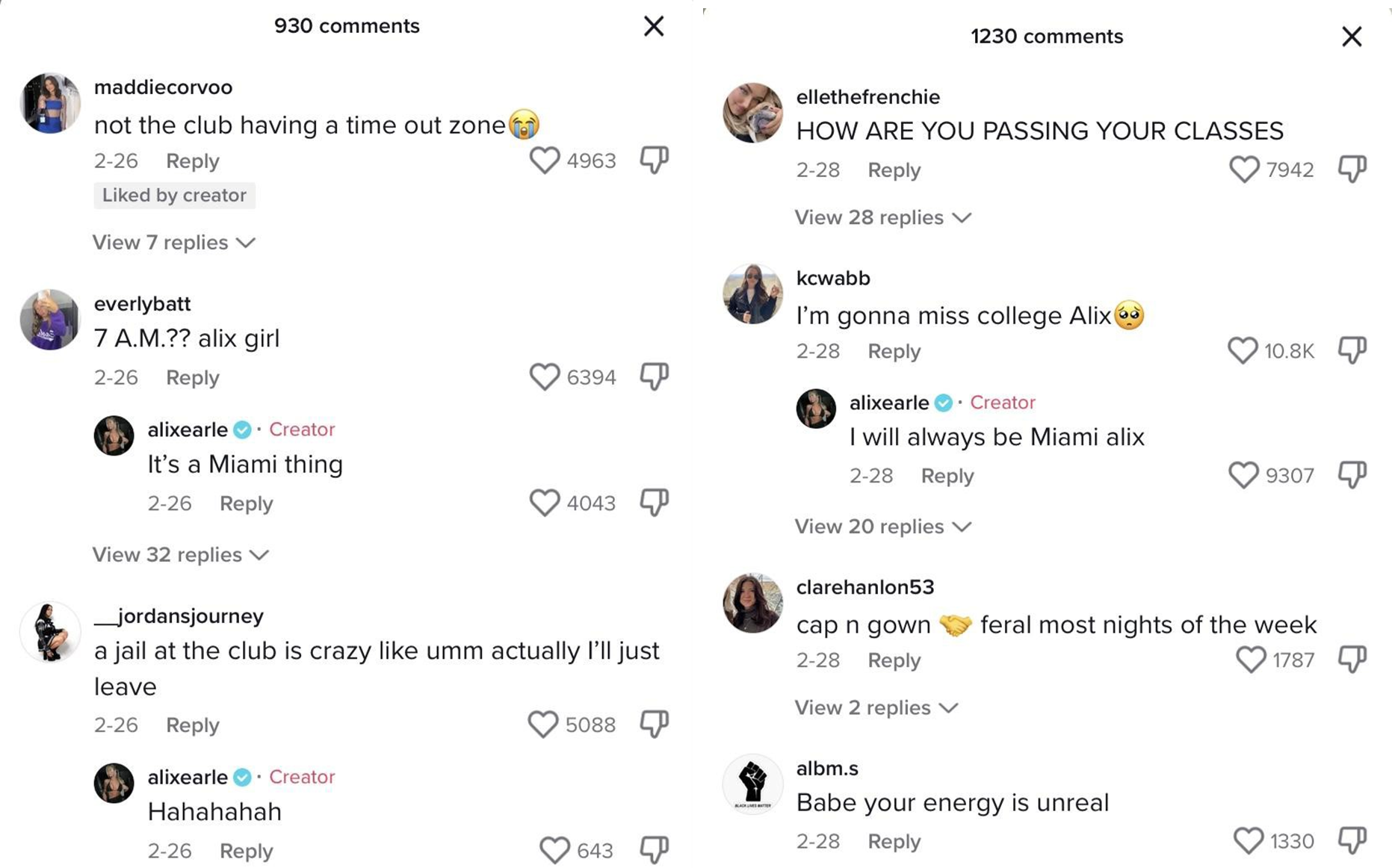
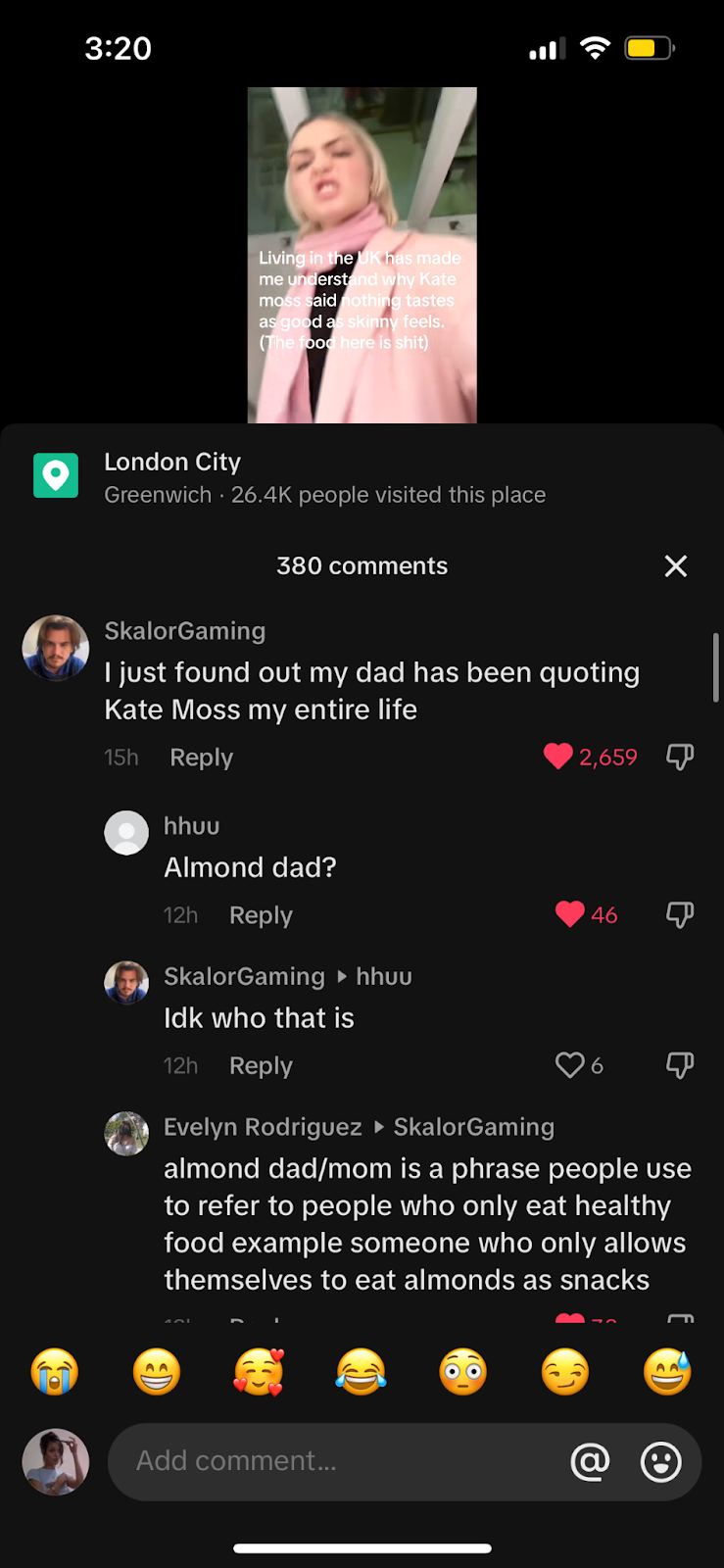
Our observational data showed that Spanish-speaking online users, such as influencers from top-liked posts, frequently used slang or informal words in Spanish when recording a video. The most common words throughout the posts were the following: “no mames” (no way), “bichota” (a female drug lord or female empowerment), and “de veras” (really). For example, this line with “no mames” from a YouTube video with over a million views, has become a voiceover used by other influencers across social media platforms.
However, only 8 out of 22 participants from our survey data reported learning about “no mames” and “deveras” from social media, while more than half explained learning these and other Spanish words from their family and friends. No one reported learning about “bichota” and 3 participants reported learning about abbreviations, such as “que,” “porque,” and “te quiero mucho” from social media, which contrasted from our observational data.
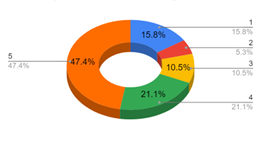
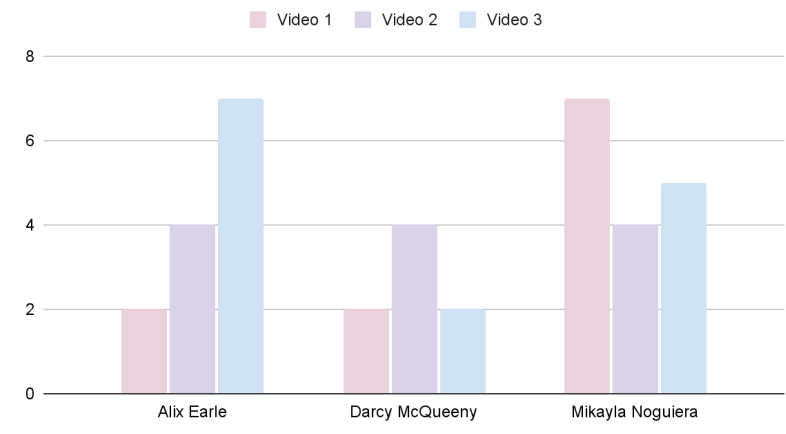
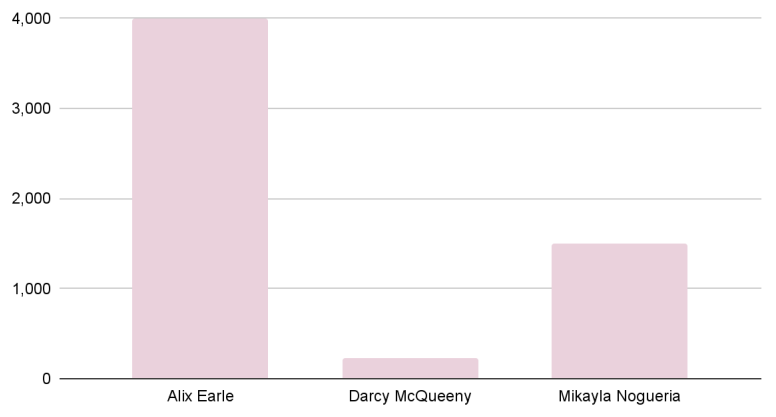
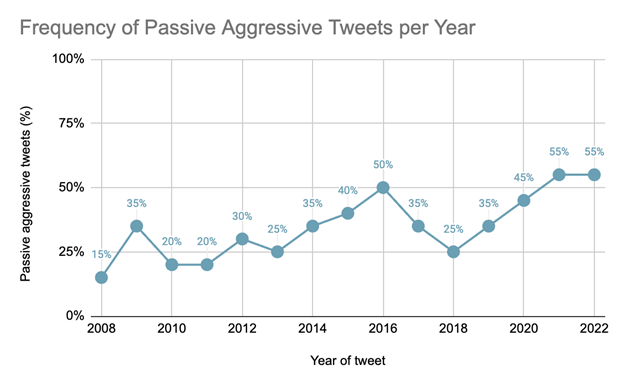
Additionally, Figure 1 shows that about 60 % of participants reported “not at all” or “rarely” using Spanish words learned through social media compared to the 40 % who “sometimes” or “very often” use these Spanish words in everyday conversation.
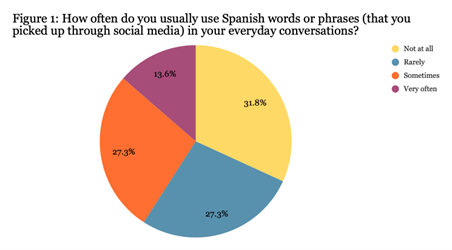
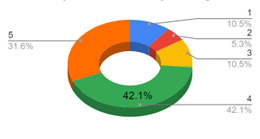
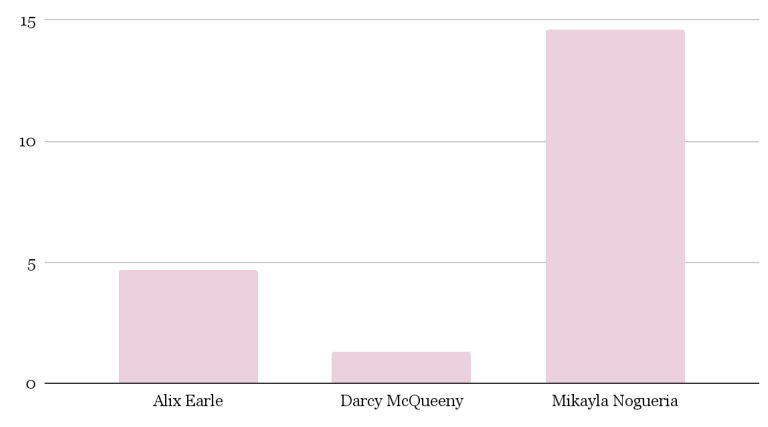
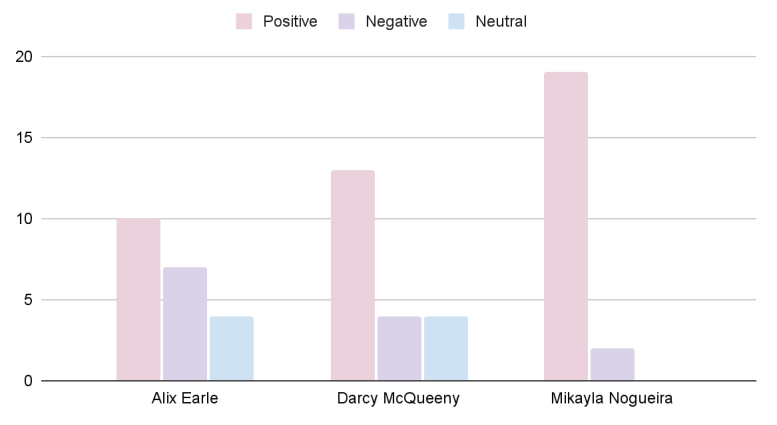
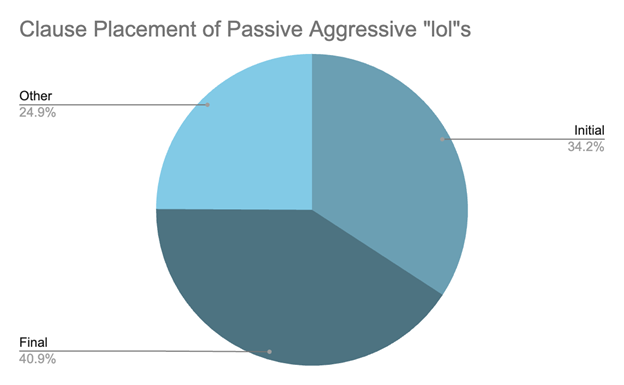
Figure 2 illustrates the Spanish language proficiency of the participants to confirm that they were from Spanish-speaking communities when making our analysis.
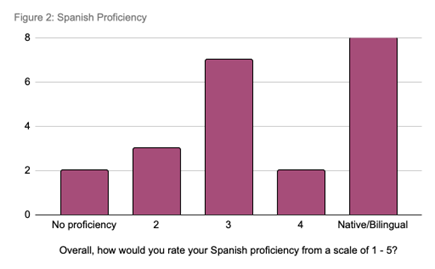
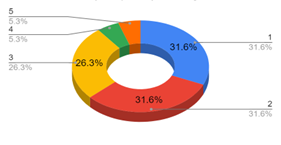
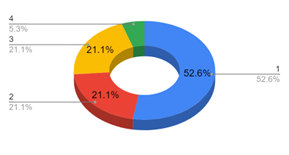
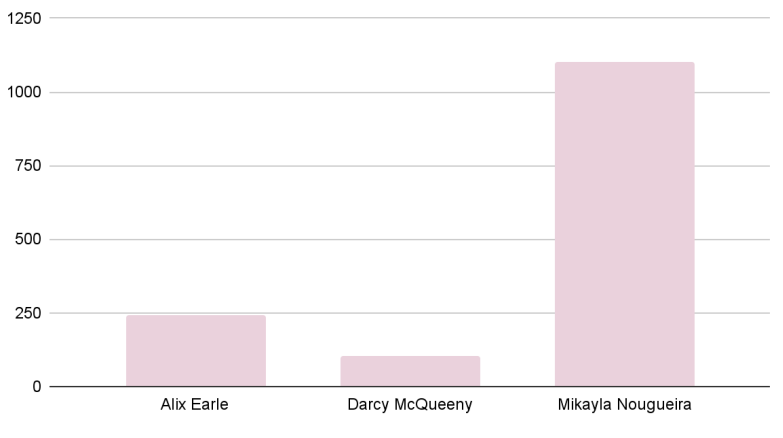
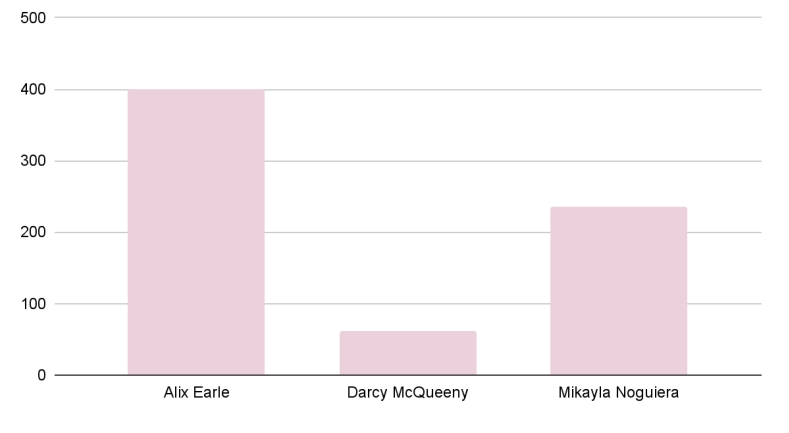
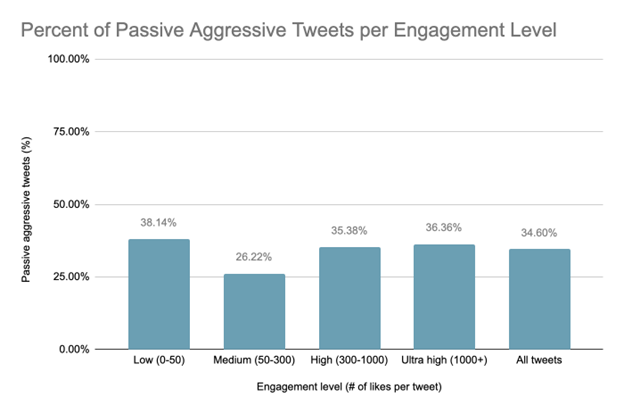
Figure 3 summarizes the participants’ reasoning for using Spanish words from social media as “trendy/cool,” “funny,” and helpful when communicating with other Spanish speakers.
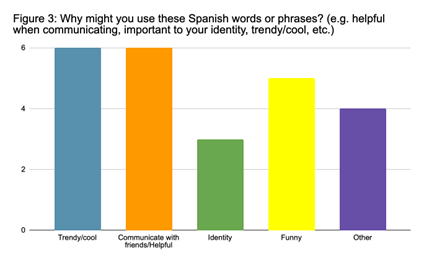
So, while an individual can use slang in social media and in everyday conversation, they will actively choose based on who they are talking to, which may not match what they encounter or see on social media.
Discussion and Conclusions
Our research ventured into the vibrant intersection of social media and the Spanish language, revealing intriguing insights about linguistic evolution in digital spaces. Despite the prevalent use of slang and informal expressions by Spanish-speaking influencers on platforms like TikTok, X, and Instagram, our findings suggest a nuanced relationship between online language trends and everyday speech. Contrary to our initial hypothesis, the majority of surveyed Spanish speakers did not attribute their linguistic repertoire to social media influences. Instead, personal interactions with friends and family emerged as the primary sources for acquiring new slang and expressions. This indicates a significant degree of linguistic autonomy among Spanish speakers, who navigate between the informal lexicon of digital spaces and the colloquial language of real-life conversations.
While social media undoubtedly shapes contemporary discourse, its role in directly influencing everyday Spanish language use appears limited. Our participants demonstrated a discerning approach to language adoption, selectively integrating social media slang into their conversations based on context and audience. This selective assimilation underscores the adaptive nature of language use, where individuals tailor their speech to suit specific social settings and relationships.
Our study sheds light on the complex dynamics of language evolution among Spanish speakers in the age of social media. While digital platforms offer a rich tapestry of linguistic innovation, the essence of language change remains deeply rooted in human interaction and social networks. Social media, therefore, serves more as a mirror reflecting ongoing linguistic shifts rather than the primary catalyst for change.
References
Alim, H. S. (2005). Hearing What’s Not Said and Missing What Is: Black Language in White Public Space
Cycyk, L. M., & De Anda, S. (2021). Media exposure and language experience: Examining associations from home observations in Mexican immigrant families in the US. Infant Behavior & Development, 63, 101554. https://doi.org/10.1016/j.infbeh.2021.101554
Gonçalves, B., & Sánchez, D. (2016). Learning about Spanish dialects through Twitter. Revista Internacional de Lingüística Iberoamericana, 14(2 (28)), 65–75. http://www.jstor.org/stable/26379776
Gottfried, J. (2024, January 31). Americans’ Social Media Use. Pew Research Center: Internet, Science & Tech. https://www.pewresearch.org/internet/2024/01/31/americans-social-media-use/
Kircher, Ruth, and Ethan Kutlu. “Multilingual Realities, Monolingual Ideologies: Social Media Representations of Spanish as a Heritage Language in the United States.” Applied Linguistics, vol. 44, no. 6, Jan. 2023, pp. 1077–99. https://doi.org/10.1093/applin/amac076.
Li, C., & Liu, J. (2017). Effects of using social networking sites in different languages: Does Spanish or English make a difference? Computers in Human Behavior, 74, 257–264. https://doi.org/10.1016/j.chb.2017.04.031
Majors, A. L. (2017) Social Media and Discourse: A Comparative Study of English and Spanish Apologies. LSU Master’s Theses. 4425.
Ramirez, N. J., Hippe, D. S., & Lindekugel, K. (2022). Electronic media and social features of language input in bilingually-raised Latinx infants. Infant Behavior and Development, 68, 101740, ISSN 0163-6383. https://doi.org/10.1016/j.infbeh.2022.101740.