Bilingualism

How Slang Creates and Perpetuates Gendered Power Dynamics in Greek Life

Alexa Waldman, Teresa Humbert, Morgan Moseley, Luke Kim

Prior to joining greek life, I was exposed to the stereotype that sorority girls were mean and hierarchical whereas fraternity boys were friendly and laid back. I was told to be prepared for girls to make comments that impose their superiority to make me feel small. However, during rush, I found that I was addressed with respect in every conversation. The girls always made sure to use words like “affordable” instead of “cheap,” and constantly parroted that slang phrase “Panhel love,” which means that each sorority chapter has love and respect for the rest.

On the other hand, boys who had gone through fraternity recruitment expressed that they were not treated with respect and that the older members made sure to establish power imbalances. They would use words like “facey”, meaning that someone is good looking enough to be in the fraternity and “moldable”, meaning that someone has good traits but can become better if he joins the fraternity. They used these terms in front of the potential members to impose their authority.

In our project, we studied slang used by sorority and fraternity members in order to determine how patterned language usage has the power to create and perpetuate gendered power imbalances and interorganizational hierarchies.

Read more

Introduction and Background

Greek Life, which dates back to the 18th century, is a significant part of campus communities all across America. While many individuals see Greek life as a way to gain friendships and connections, the portrayal of Greek life in media, such as film and on social platforms, has suggested power imbalances within the institution and has casted a negative light on the organizations. Many stereotypes portray sorority girls as snobby and clicky, and portray fraternity members as inclusive and laid back. Our group was interested in investigating if there is truth behind these narratives.

We addressed the gap in patterned slang use between sorority and fraternity members to determine how speech can point to and maintain power imbalances. We predicted that because members of each individual organization share common language patterning, slang could be used to reinforce group identities. Moreover, we predicted that differences in communication practices between fraternities and sororities (as seen through slang) reflect and reinforce underlying gender power imbalances.

When taking a closer look, we found that there are flaws in the stereotypes surrounding Greek Life. In fact, our preconceived notions that sorority girls are clicky and enforce power imbalances, and that fraternity members are more inclusive and have less of a hierarchical structure were not supported by our evidence. Instead, by analyzing speech patterning in these

institutions, we found that fraternity members use slang to create a hierarchical structure within their chapter, compete with other fraternities, and facilitate gender imbalances of power between sororities and fraternities. On the other hand, we found that sorority members tend to have a symmetrical power dynamic within their chapters and promote friendship and inclusion with the other sororities through their use of slang. Overall, our research challenges the stereotypes that surround Greek life, revealing the flaws in common narratives about the power dynamics within Greek Life communities

Methods

Our research was conducted in sorority and fraternity houses over the course of a month. Each person in our group sat down with members of Greek Life for interviews that lasted about 20-30 minutes each. The interviewer asked open-ended questions in order to allow the sorority and fraternity members to freely explain their experiences. In the interviews, we asked questions such as “can you describe the slang words used most in your chapter? How does slang suggest/ create power imbalances? What topics does your slang refer to the most?” Some questions differed for sorority and fraternity members as we wanted to understand how each institution perceived the other. We asked sorority members what slang they thought fraternity members use the most and what topics they believed this slang surrounded. We asked fraternity members the same questions about sorority members.

We also focused on understanding relationships within and between sororities as well as within and between fraternities. For this reason, we interviewed people from different grades, from different chapters, and with different positions of power. For example, we questioned the president of a fraternity along with a sophomore and a freshman. We similarly talked to members on the executive boards of different sororities, and interviewed seniors, juniors, sophomores, and freshmen in these same organizations. We interviewed people in different positions/ grades in two fraternities and three sororities.

Interviewing a diverse range of people within multiple chapters of both sororities and fraternities gave us a multifaceted picture of the contexts in which slang is used, how slang is used, why slang is used, and the effect of slang. This researching process specifically gave us insights into how slang has different purposes and effects when used by sororities and fraternities.

Results and Analysis

Our research demonstrates how sorority members harness slang to facilitate an environment of inclusion and harmony within and between sorority chapters. On the other hand, we found that fraternity members utilize slang to create power imbalances within chapters, between chapters, and between fraternities and sororities. Many fraternity brothers discussed that power imbalances within their organization were especially evident in the difference of social status between new members and brothers that had already been initiated into the chapter. For example, new members are called “pledges” in every fraternity. This slang word is

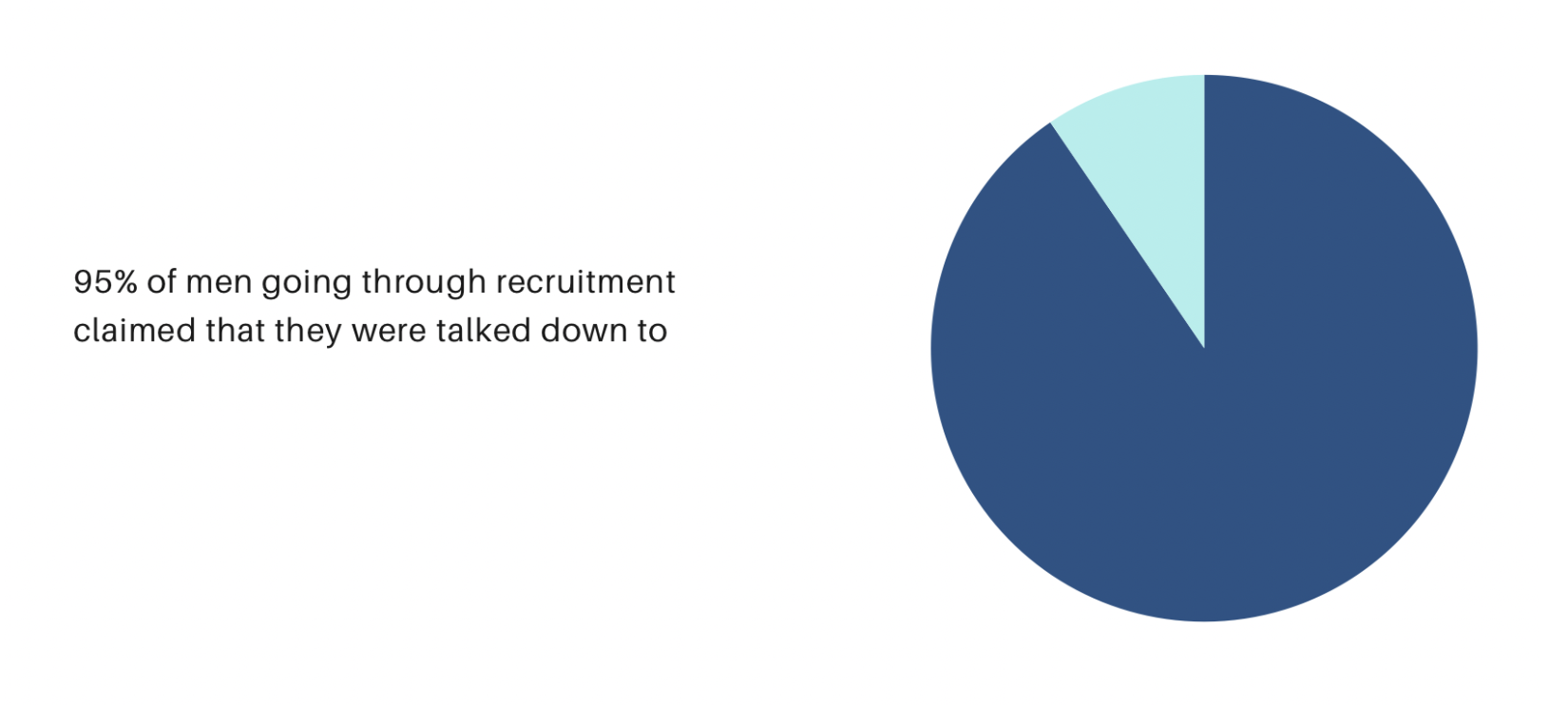
used to emphasize their inferiority to the rest of the boys in the chapter. In one chapter, new members are collectively called “the stinkys” to signify that they smell bad, a further example of how official members degrade their new members. 95% of the fraternity members we interviewed said that they had experienced being talked down to while they were going through the recruitment process.

Figure 1
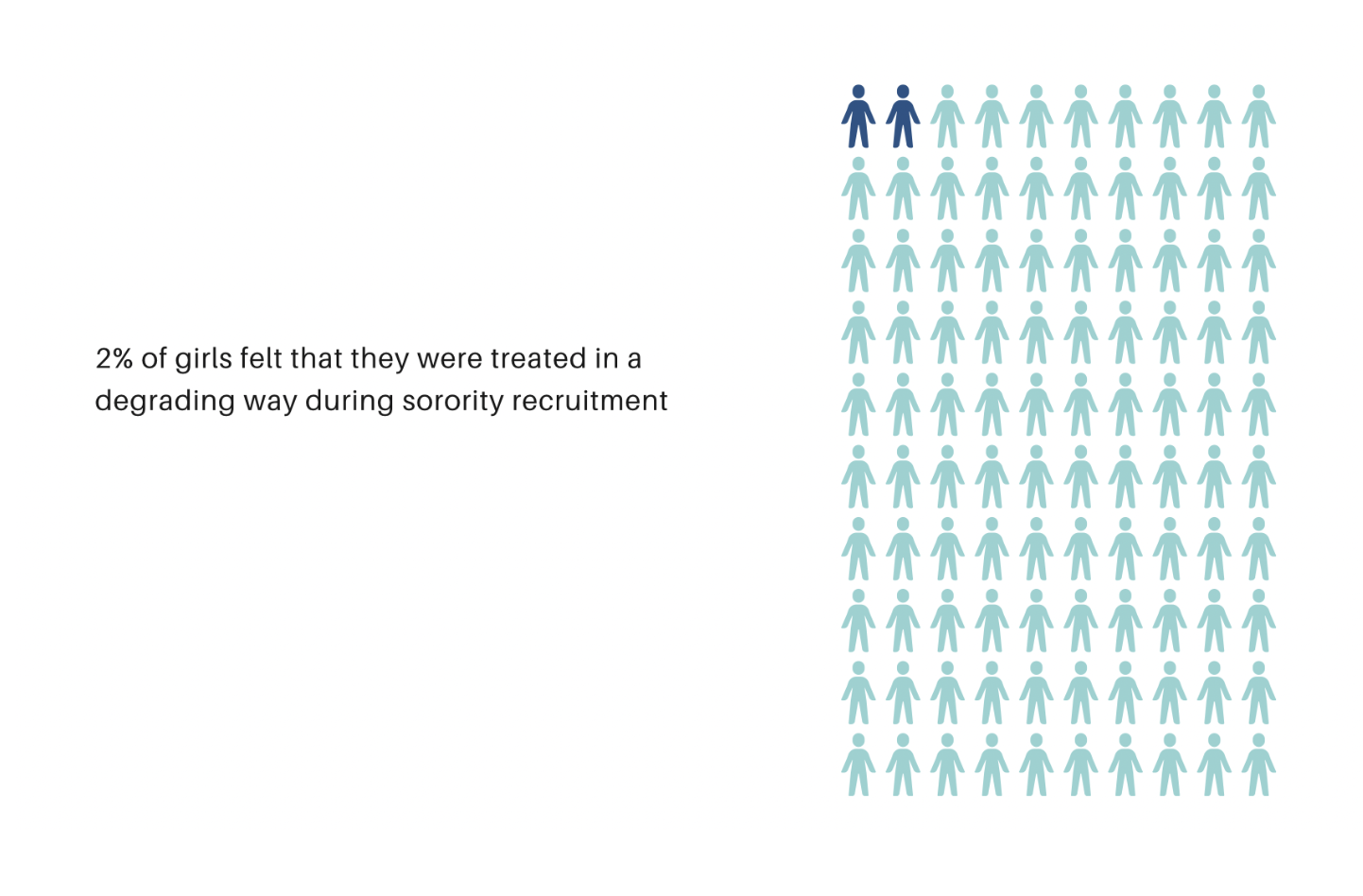
On the other hand, many sorority members expressed how they did not feel the pressure of power imbalances during recruitment or within their chapter. For example, active members in the sorority Alpha Phi were calling the new members “Phisters” – a chapter-specific slang word for “sisters” — from the moment that they got their bid. Furthermore, even though new members are typically called “pledges,” which has connotations of inferiority, sororities are in the habit of abbreviating “pledge class” to “PC” in order to rid the slang of its power to demean new members. While fraternity brothers relinquish the title of “pledge” the moment they are initiated as members, sorority members continue to refer to their “PC” in terms of the community and cohesiveness of each group that joined the sorority at the same time. In interviewing sorority sisters, we found that only 2% of members felt that they were talked down to during recruitment.

Figure 2
Through our interviewing process, we also encountered slang that perpetuated gendered power dynamics between sororities and fraternities. Our data suggested that this type of slang is used mainly by fraternity men towards or about sorority members. For example, fraternity men use derogatory slang words such as “ran through ” and “been around” to describe women that they want to demean for being (what they consider to be) overly sexually active. Sorority women expressed that when fraternity men act in the same way, it is considered normal and there are no slang words used to discuss them in a negative light. This example demonstrates how slang is used to perpetuate power imbalances that are prevalent throughout the country within gender-specific institutions.

Discussion and Conclusions

Overall, our research suggests that sororities have a more egalitarian and encouraging culture whereas fraternities have a clear hierarchical structure and competitive environment. These findings add to our understanding of gendered power dynamics in social organizations. The hierarchical nature of fraternity culture is reflected in the slang they use, which highlights the competitive environment and the importance of rank and authority.

Our research indicates that these organizations’ internal cultures are significantly shaped by their communication patterns as members of fraternities and sororities speak in ways that both reflect and perpetuate their respective power structures. Fraternity men use slang to enforce power imbalances which produces a feedback loop: the more slang is used to create imbalances, the more imbalances exist, and thus the more this slang is used. On the other hand, sorority women utilize slang to establish a cohesive and inclusive environment, and this environment breeds further use of unifying speech patterning. Additionally, our study emphasizes how crucial it is to evaluate media representations of social groupings and prejudices as our research contradicts a widely held presentation of these organizations.

Our research is important in bringing awareness to power imbalances and injustices that go unnoticed or are simply accepted by fraternity members. Our findings may incite fraternity members to evaluate their slang usage and strive to use language that facilitates a more equal, safe, and positive environment in the future. One possible solution is the implementation of workshops and training sessions focused on inclusive and respectful communication within Greek organizations. Educating members about the impact of language can foster a more supportive atmosphere, reducing hierarchical behaviors in fraternities and enhancing the positive dynamics in sororities.

References

Appalachian State University. (2024). Fraternity and sorority life. History of Fraternities/Sororities. https://fsl.appstate.edu/history-of-greek-life

Handler, L. (1995). In the Fraternal Sisterhood: Sororities as Gender Strategy. Gender and Society, 9(2), 236–255. http://www.jstor.org/stable/189873

Izmaylova, G. A., Zamaletdinova, G. R., & Zholshayeva, M. S. (2017). Linguistic and social features of slang. International Journal of Scientific Study, 5(6), 75-78. 10.17354/ijssSept/2017/016

McLemore, C. A. (1991). The pragmatic interpretation of English intonation: Sorority speech (Order No. 9128305). Available from ProQuest Dissertations & Theses A&I; ProQuest Dissertations & Theses Global. (303946119).https://www.proquest.com/dissertations-theses/pragmatic-interpretation-en glish-intonation/docview/303946119/se-2?accountid=14512

Morgan, Emma, “Losing Yourself: Cults, Greeks, and Sociological Theories of Self and Identity” (2021). Honors Program Theses. 138. https://scholarship.rollins.edu/honors/138

Rowan University. (2024). “Benefits.” Benefits of Greek Life. https://sites.rowan.edu/oslp/greekaffairs/benefits/

Scott, John Finley. (1965). “The American College Sorority: Its Role in Class and Ethnic Endogamy.” American Sociological Review, vol. 30, no. 4, pp. 514–27. JSTOR, https://www.jstor.org/stable/2091341

Thompson, Bailey Airs. (2017). “#Sorority girl: The Sorority Socialization Process through the Construction and Maintenance of the Individual and Chapter Sorority Identity.” DSpace Repository, 1-15. ttu-ir.tdl.org/items/742e3cc2-4d41-4b94-9efe-018b9bf98f54.
The Sexist Side of Hollywood Interviews

Emily Chinn, Kai Wang, Soleil Danico, and Takuma Sato

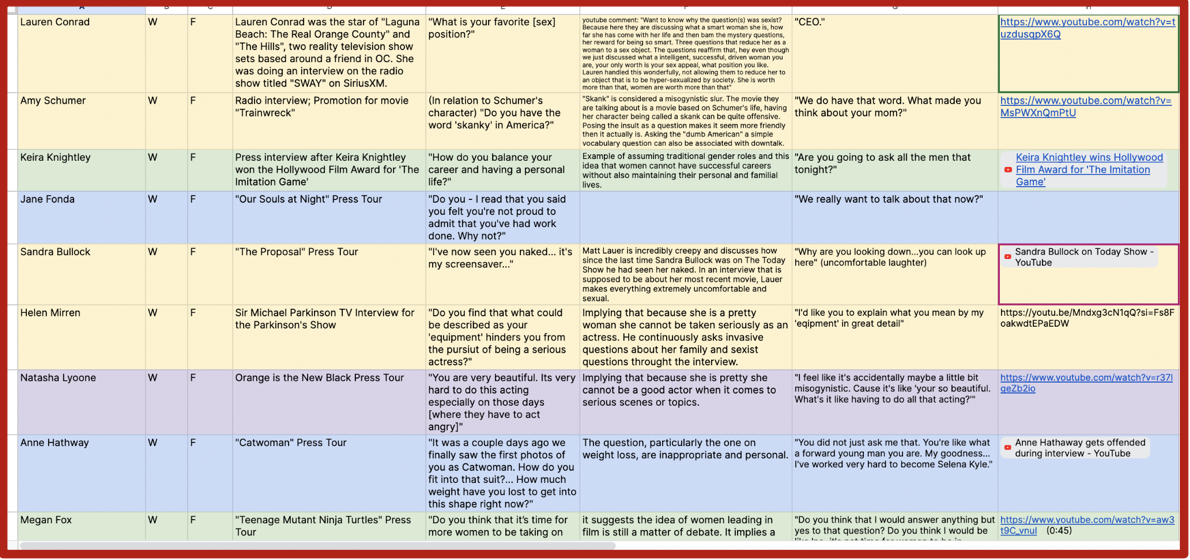
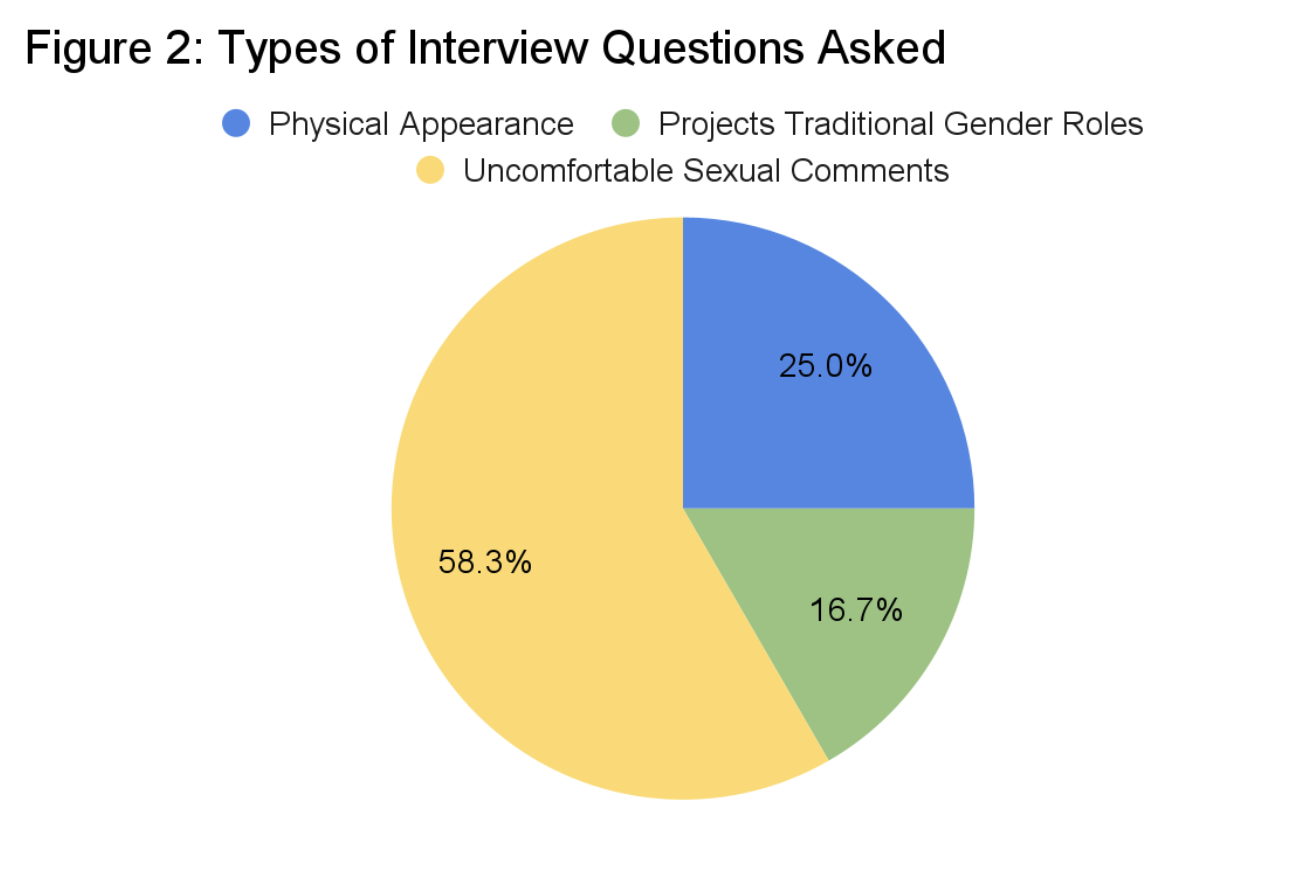
In order for a movie to become a blockbuster, it needs to be properly promoted. Press tours are some of the most common tactics for garnering attention for an upcoming film and give the actors the platform to showcase their passion and personality. Still, the differentiation of questions and communication between actors and actresses is undoubtedly prevalent.  The present article focuses on identifying the distinct patterns of gendered communication evident in celebrity press tour interviews. By viewing and analyzing the press tour interviews of actresses, we found a common pattern of questions that focus on physical appearance, project traditional gender roles, or are uncomfortable and unnecessarily sexual. Our results led us to the conclusion that there is a distinct gendered difference in the word choice and questions of actresses and actors, prompting the urge for more equitable questions and proper training in the entertainment industry.

Read more

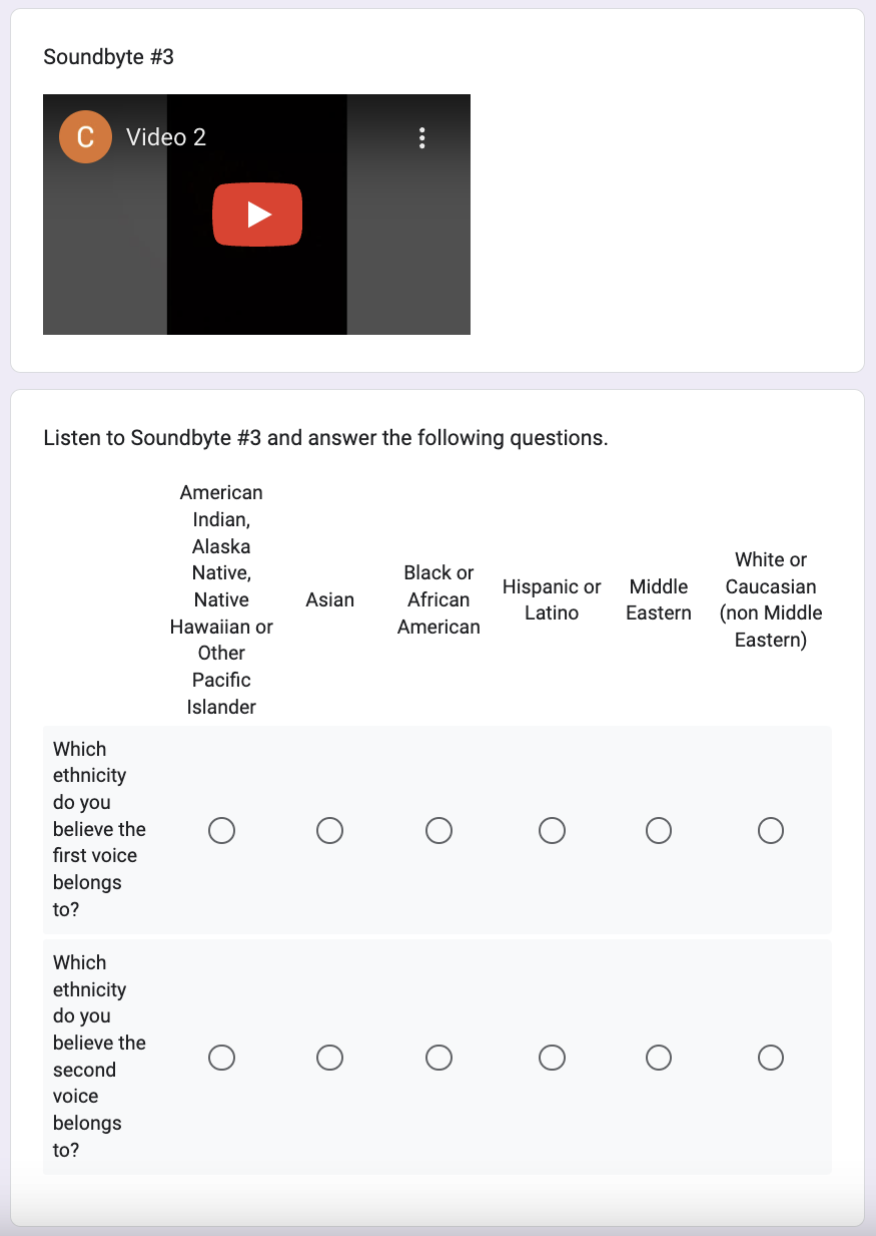
To Hear or Not To Hear: Identifying Speaker Ethnicity By Auditory Clips

Caroline Breckling

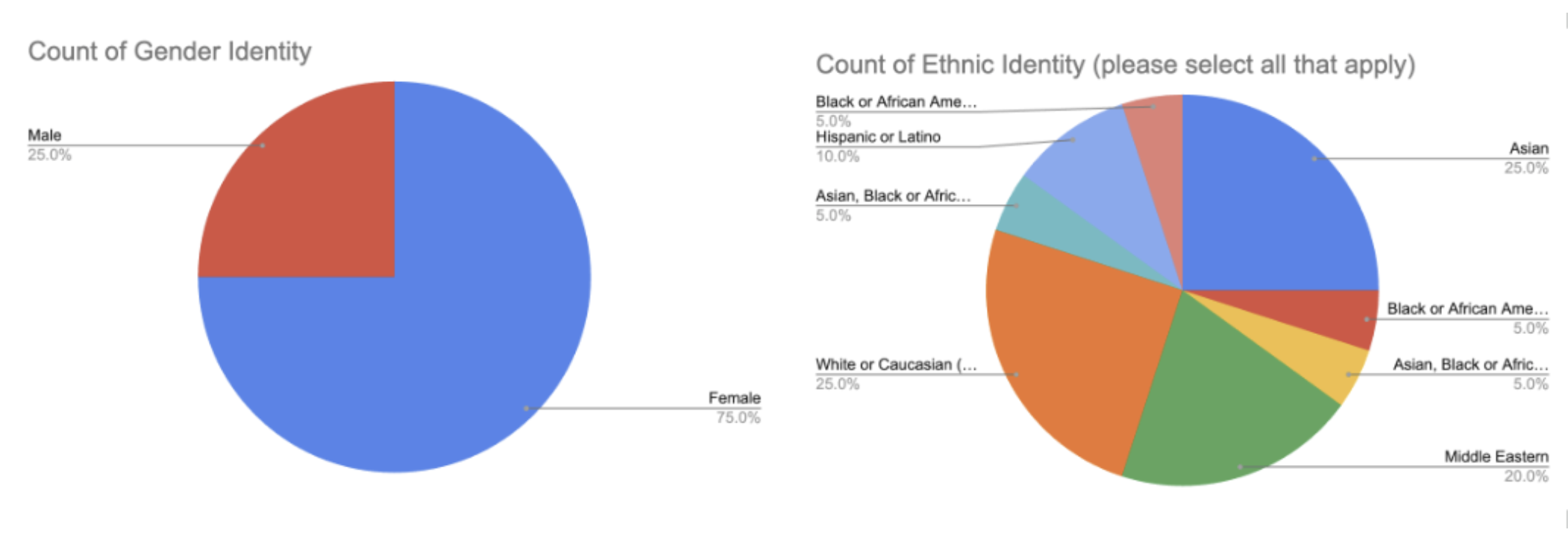
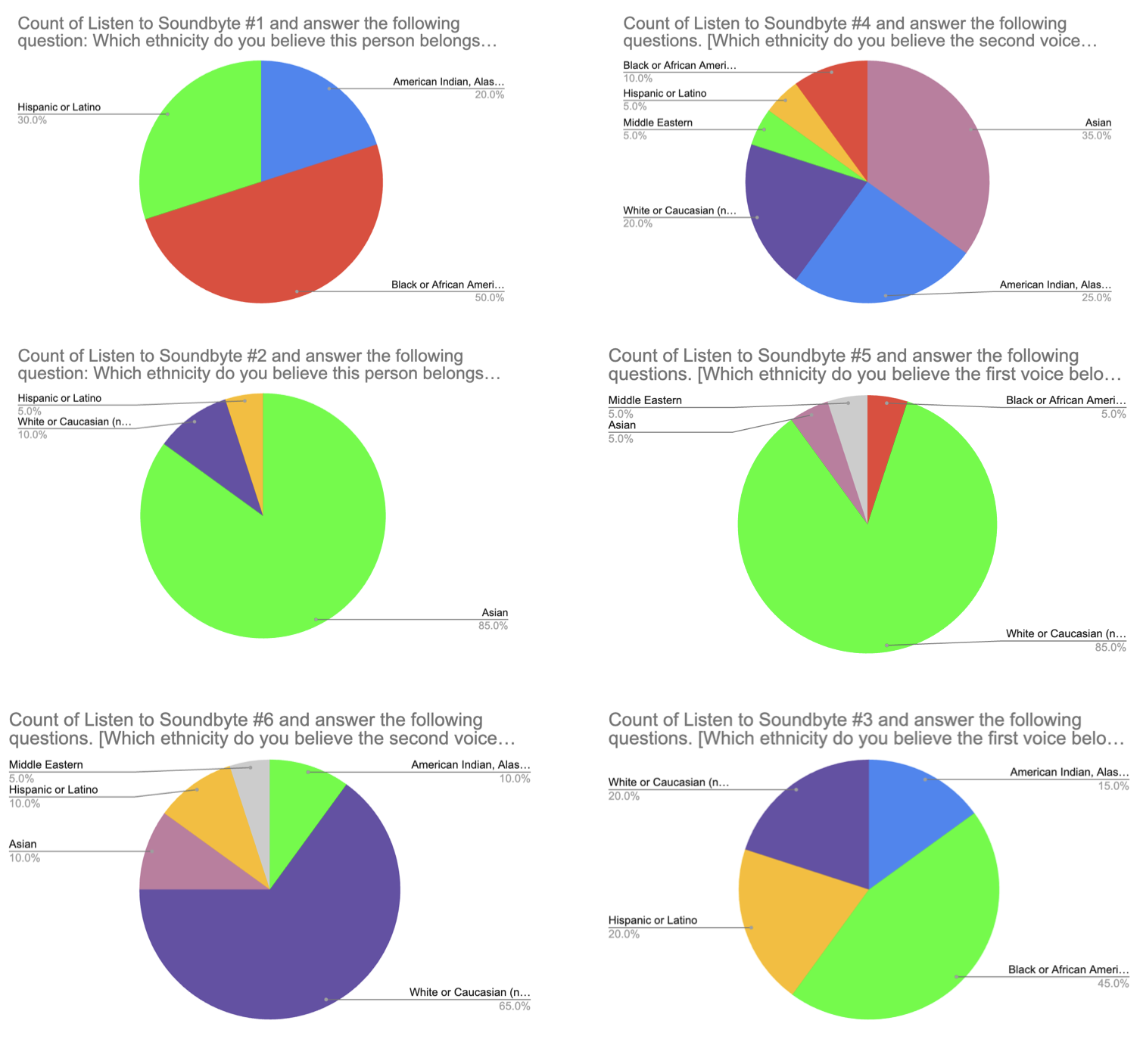
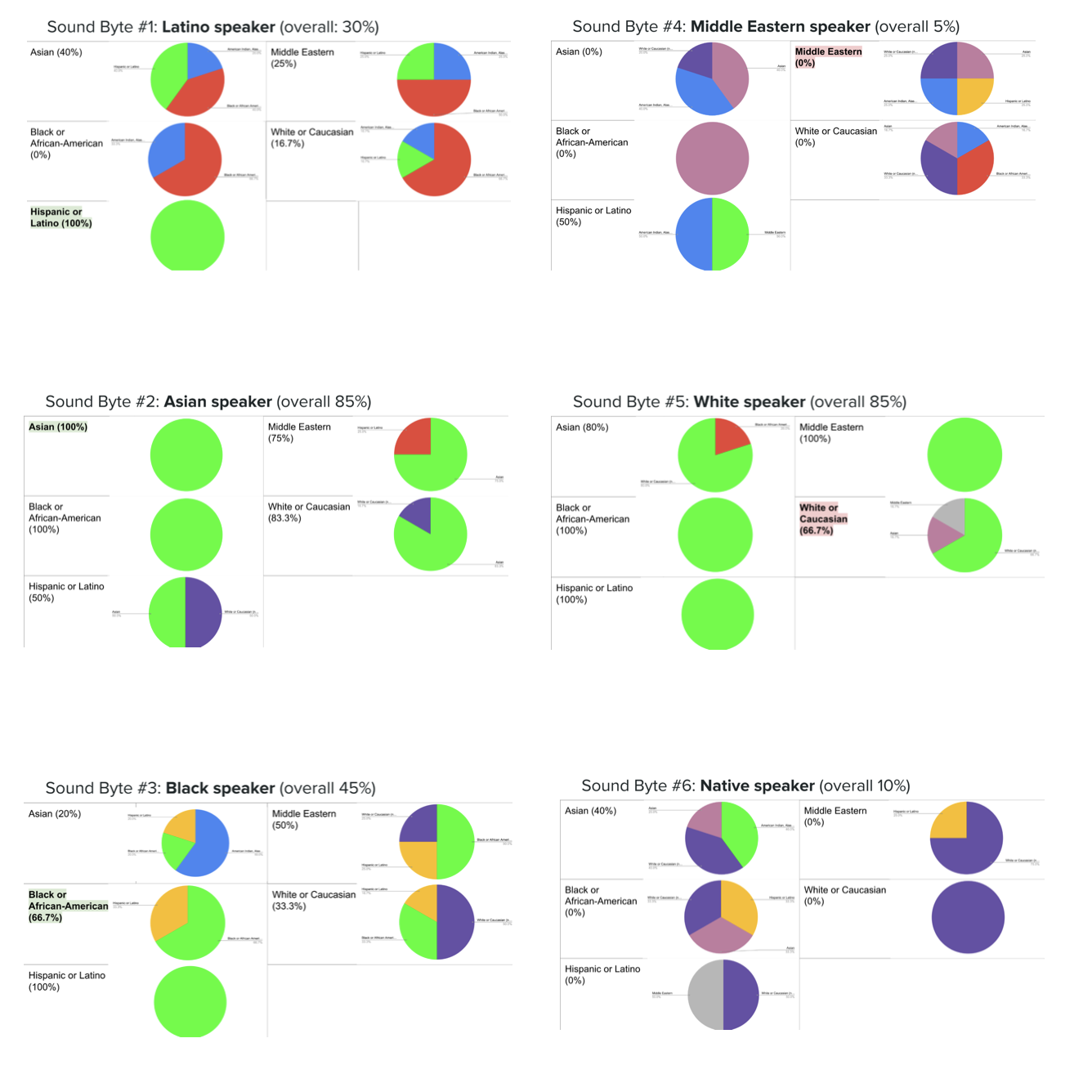
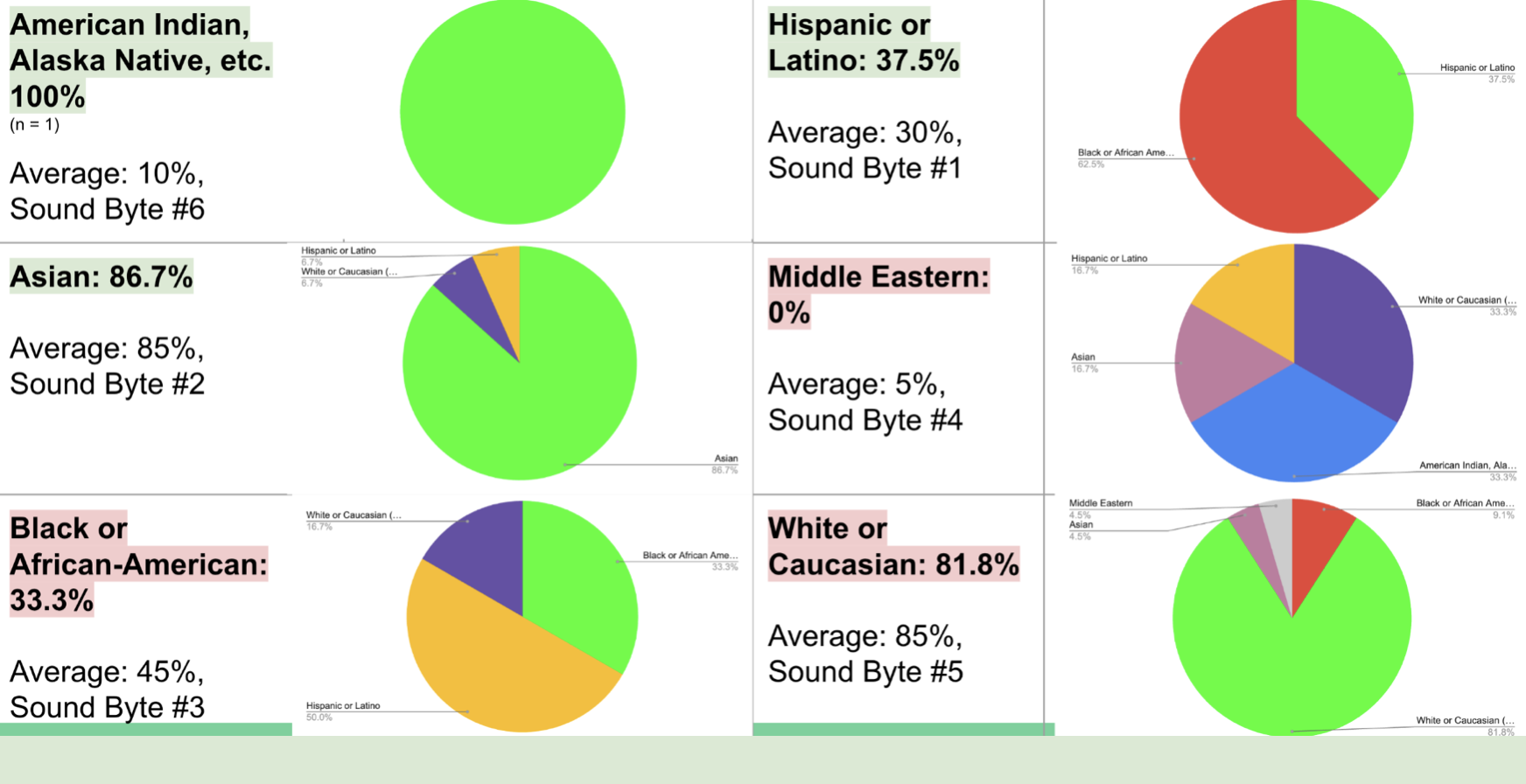
This study investigates to what extent individuals are able to identify a person’s ethnicity based solely on the sound of their voice. Expanding on previous research demonstrating humans’ relative accuracy in recognizing ethnicities by voice, this investigation aims to explore whether a listener’s own ethnicity or familiarity with other ethnicities affects their accuracy in this identification. My survey, conducted with 20 participants from diverse backgrounds, asked individuals to identify the ethnicity of speakers in six different audio clips. Results indicated that participants could identify the speaker’s ethnicity with an overall accuracy of 43.3%, significantly higher than random chance, and a majority of the time, this level of accuracy went up when the guesser was from the same ethnicity group as the speaker featured in the sound bite. However, familiarity with an ethnic group did not reliably improve rates of accurate identification. These findings reflect humans’ existing ability to recognize in-group members through minimal auditory information, reflecting the lingering effects of socialization for survival in human history.

Read more

Friendships For the Mono- and Bi-Lingual College Student: Does The Language You Speak Make A Difference in How You Make Friends?

In the course of our research, we endeavored to examine the difference in the social life of UCLA college students, their capacity to make friends, and satisfy their need for social support with fellow students based on their status as a monolingual or bilingual speaker of English. Drawing on support from previous research dealing with different student populations, we concluded that the way bilingual students are treated and form communities is different from the way monolinguals do, whether because of “othering” by speakers who did not understand their language or culture or because they sought out connections with those who shared their ethnic or linguistic ties. It was almost universal in our interviews where bilingual speakers had a bias towards others who spoke their non-English language, and many of the monolinguals admitted to preferring the company of those who shared their language and culture. Not every speaker who our team interviewed had an exactly identical experience, however- none of our bilingual speakers derived from the same culture or spoke the same language- and there were a few interesting perspectives and outliers.

Read more
, , , , ,

Gendered Language Word Perception: On the Primary Language Acquisition in Los Angeles Adolescents

Lily Eun, Maya Gibson-Ott, Desirae Barrios, Katherine Sandoval 

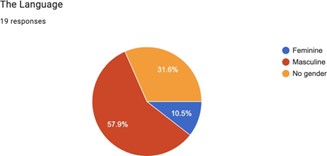
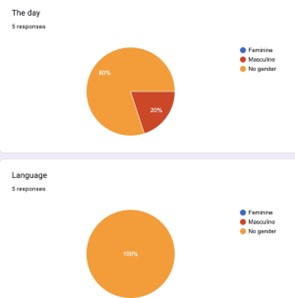
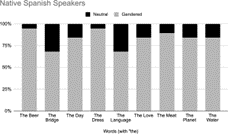
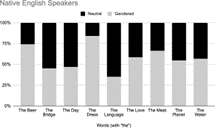
The Theory of Language Relativity suggests that an individual’s primary language shapes their perceptions and worldviews. Our research dives into how a gendered language like Spanish can affect object perception. The research focused on Spanish-speaking university students in Southern California; through surveys and interviews, the research illustrates how native Spanish speakers will assign gender to English words. Our research also included monolingual English-speaking participants as ‘control’ participants and native English speakers who were also bilingual in Spanish; this allowed our researchers to examine the patterns between bilingual and monolingual participants. Our findings illustrate that native Spanish speakers will assign genders to English words based on their Spanish equivalents; these findings indicate that primary languages have a strong linguistic influence on an individual’s perception regardless of their environment’s language. Our results highlight the importance bilingual assessments could have in the educational field. Accurately gauging students’ true intellect and advocating for inclusive language practices in fundamental education will be beneficial for educators to better provide the necessary resources to aid in a bilingual child’s learning. Our study highlights the implications of cross-cultural communication and the necessity of a change of assessment to be more linguistically sensitive for bilingual students.

Read more
, ,

CODE SWITCHING!: A phenomenon among bilinguals and its deeper role in identity formation

Leon Kaprielian, Octavio Santana, Sahil Sadiq

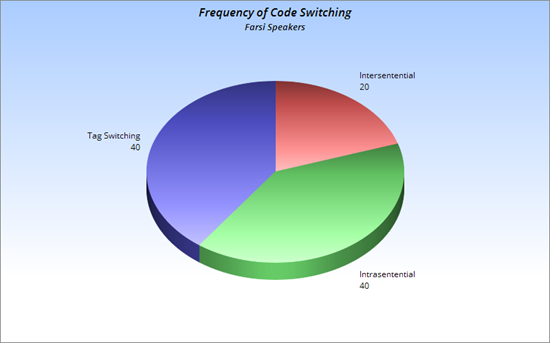
In an era marked by globalization and multiculturalism, the phenomenon of code-switching has emerged as a crucial aspect of language dynamics and identity formation among bilinguals. The complexities of code-switching, its popularity, and its deeper ramifications for people navigating many linguistic and cultural domains are explored in this research. We examine how code-switching is used in immigrant communities as a tool for social interaction, identity negotiation, and effective communication through a multidisciplinary lens that takes into account linguistic, cognitive, cultural, and social factors. Based on naturalistic observations and interviews with Farsi, Spanish, and Arabic bilingual speakers, we investigate the complex patterns of code-switching in various age groups and social circumstances. Our research shows that code-switching is a reflection of complex social dynamics, such as social hierarchy, respect for elders, and the maintenance of cultural identity, rather than just a linguistic issue. This study emphasizes how crucial it is to comprehend language practices in a multicultural and globalized world by shedding light on the significance of code-switching in forming people’s identities and social structures.

Read more

, , , , , ,

The Power of Bilingualism: Cultural Identification Amongst LA Bilinguals

Marnie Cavanaugh, Reese Gover, Ethan Lee, Elisa Marin, Eva Reyman

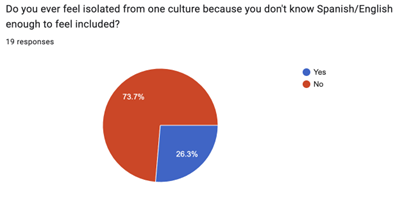
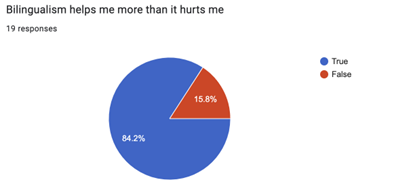
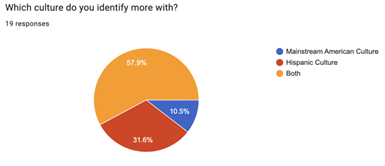
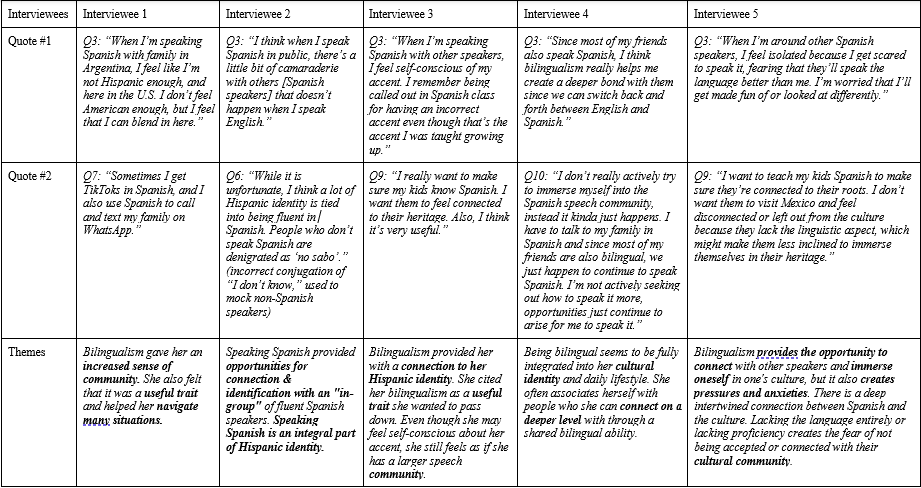
Did you know that Los Angeles is the second most bilingual city in the US? Intrigued by the relevance of this topic, we were interested in taking a deeper dive into how the bilingual experience in LA shapes cultural identification and belonging, focusing on bilingual Spanish speakers. Although bilingualism can allow someone to connect to a broader range of people, we hypothesized at the beginning of our research that English-Spanish bilinguals in LA may feel cultural isolation. Feeling too American to connect to Hispanic culture, but with the knowledge of the Spanish language, too Hispanic to fit into American mainstream culture. However, our research concluded that being bilingual does not hinder one’s ability to connect with multicultural communities. Rather, bilingualism enhances it. Bilingualism helps thousands in the LA area connect with their Hispanic culture through the use of Spanish and American mainstream culture through their knowledge of English. Speech communities become expanded through their understanding of two or more languages. Cultural identification does not have to mean choosing one culture over the other. Many bilingual individuals choose to identify cross-culturally. Bilingualism in the LA area seems to be a tool to form greater connections rather than a tool that inhibits one’s ability to understand their cultural identification.

Read more

, , , ,

Spanglish – The Art of Code-Switching

Devan, Jessica Jary, Malia Salgado, Mao Mao, Valeria Carreon

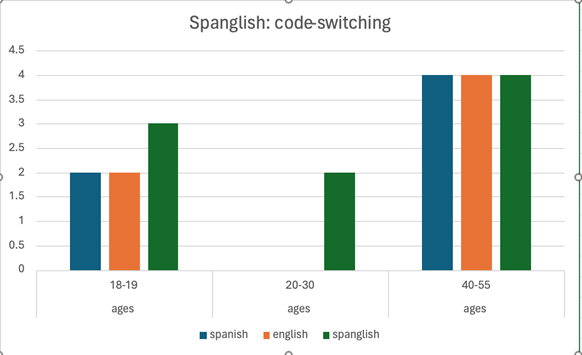
In Hispanic neighborhoods, “Spanglish”— a linguistic practice that combines Spanish and English—has gained popularity as a way to communicate, even if some people do not realize that it involves code-switching. While the Chicanx and Latinx community is made up of people from a wide range of backgrounds, most of them are Spanish-English bilingual. In this research project, our group sought to investigate that when they are being interviewed, whether the Spanglish bilingual individuals would tend to code-switch, or rely heavily on one specific language while still understanding the other. We chose this research focus because we believe that studying the connection between the mixing of languages and the topic of conversation, as well as finding how often speakers code-switch, can help other Spanish-English bilingual speakers learn the semantics behind each individual code switch, thus breaking language barriers. We hypothesized that because of the participants’ daily reliance on both English and Spanish, code-switching via Spanglish would be prevalent in the interviews we conducted.

Read more

, ,

Bilingual Investigation

Hana Almony, Lauren Campsey, Hannah Her, Ariana Cheng, Madeline Flood

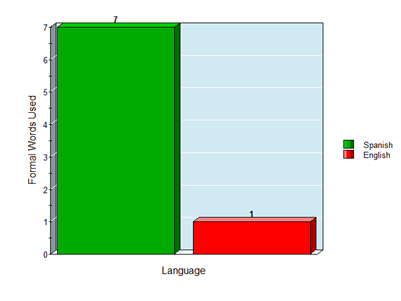
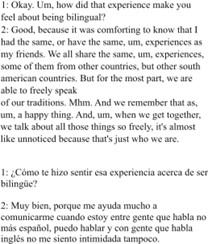
In everyday discourse, language is influential in how we speak and engage with others. Specifically, looking at bilingual native Spanish, second language English speakers was explored in this study because the question we sought to answer was does an individual’s native language have an influence on a second language? To investigate this question, we hypothesized that it indeed does, and the language that one speaks will impact responses to the same interview questions in both Spanish and English. In conducting this research, agents of socialization were considered because the participants were native Spanish speakers with English as a second language so interview questions were geared towards the significance of language in relation to identity and self-expression. Moreover, this relates to the idea of linguistic relativity as this shows that one’s particular language use is correlated with one’s perception and idea of reality. In this study, linguistic relativity was evident when analyzing bilingual female individual participants in which we found similarities and differences in responses of each respective language. The goal of this study is to inform about the effects of language use through the modality of bilingual speakers and how language choice through one’s thinking may connect to specific conversations and everyday discourse.

Read more
, , , ,

Fluency Ideologies Amongst Undergraduate Bi- and Multilinguals

Kendall Vanderwouw, Rachel Liu, Julia Tran, Nessa Laxamana, Thalia Rothman

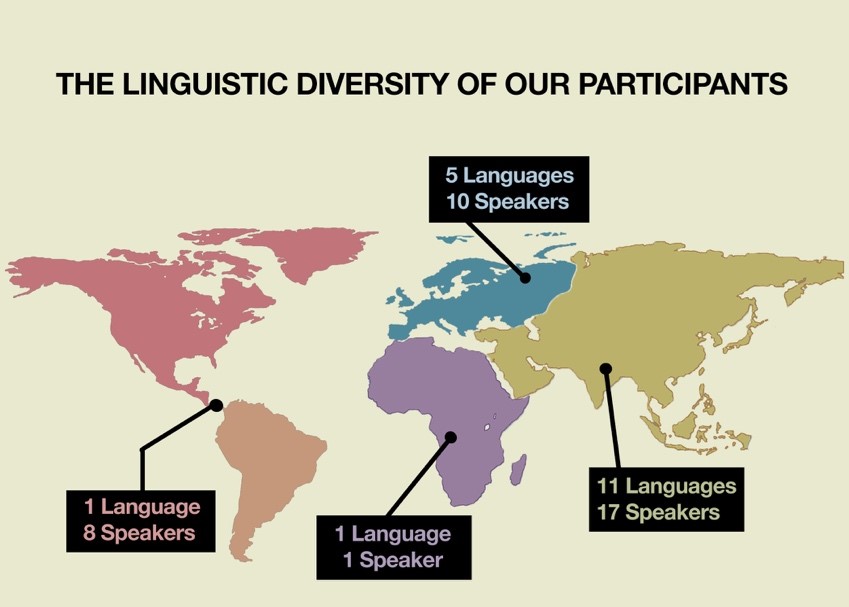
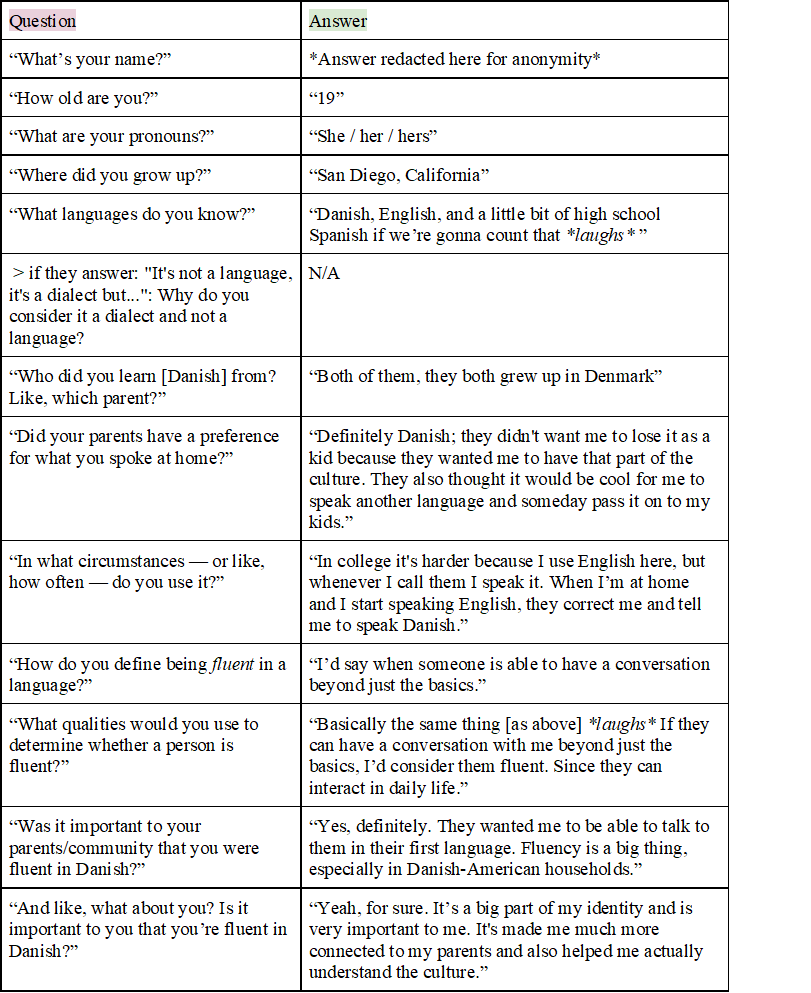
UCLA is an incredibly diverse institution, with over 5,000 international students and 100 nations being represented. It is no surprise, then, that they boast a variety of cultural and linguistic backgrounds. From this wealth of information, we sought to explore fluency ideologies amongst bi- and multilingual undergraduates, aged 18 to 22. Through this course and personal experiences, it’s become evident that the definition of fluency is in constant flux. A largely self-defined term, fluency could encompass everything from native-level repertoire to conversational proficiency. Thus, we aimed to investigate whether linguistic background impacted self-perception of fluency.

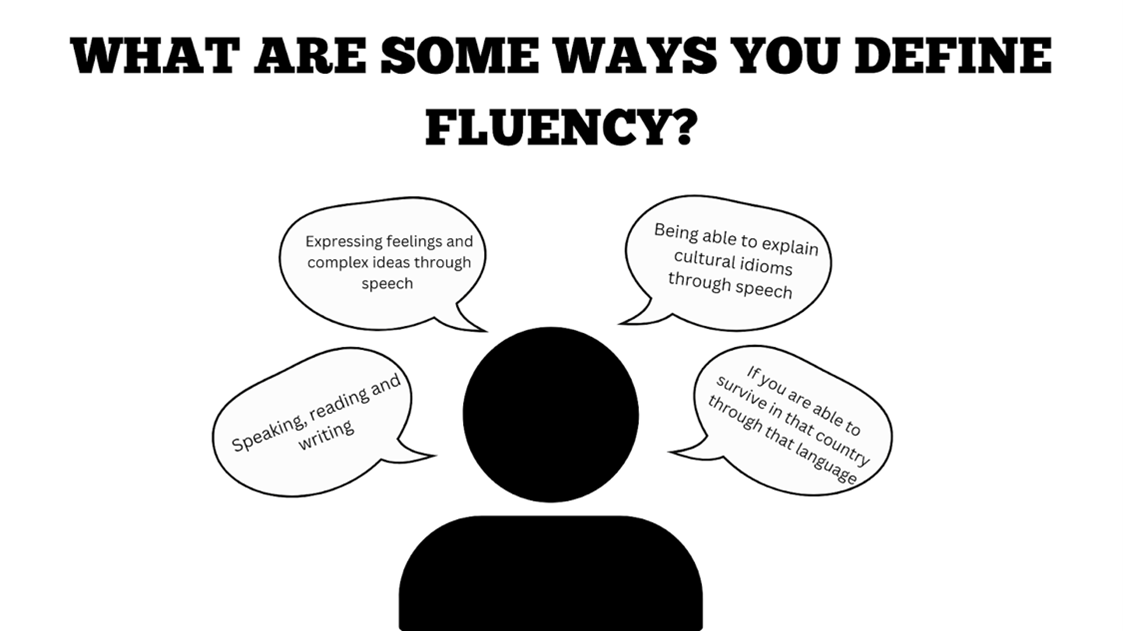
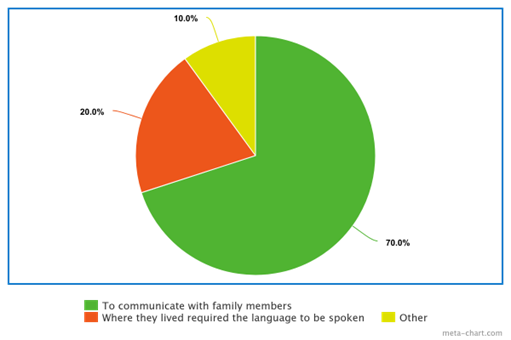
We engaged in semi-structured interviews with 30 undergraduates to explore this phenomenon and its implications amongst different languages. As we dove deeper, however, we observed little variation in how different languages defined fluency. Rather, most participants revealed similar definitions, centering around, “the ability to express feelings and complex ideas.” Instead, participants expressed a positive relationship between self-perceived fluency and a sense of familial or cultural connection. This finding and others ultimately led us to a new research question that targeted whether an individual’s fluency in a language, upbringing, environment, and cultural background can influence linguistic identity.

Read more
, , , , , ,
Scroll to Top