Celebrities and Controversies: What Works and What Doesn’t in Apology Videos
In today’s high society of “cancel culture,” apologizing has become a language that has diversified. This study dives deep into the world of online apologies, exploring how the majority of our influential figures today, celebrities, use language in public apology videos to mend what’s been broken and rebuild trust with their audience. The emotions, words, and actions can all seem like an act crafted for the cameras. Through the analysis of 15 apology videos, we navigate the comments and perceptions made in the landscape of the online audience to decide whether a public apology is genuine or insincere. Using digital ethnography and discourse analysis to give us insight into solving this issue, we translate the visual and verbal cues that aren’t in the spotlight – the tone, the gestures, and the choice of words, which shape the perceptions of authenticity. But it’s not just about dissecting these apologies. We also evoke what characteristics make for a genuine apology– the unscripted words, raw emotions, and simple background. By differentiating successful apologies from those that were unsuccessful, we reveal candor in the meaning of language that is displayed in front of a public audience. Beyond what the surface entails, we explore the morality behind celebrity apologies. They can be a mirror reflecting societal values, fluctuations in power, and the road to redemption. This research is not for mere insight, but also offers a deeper understanding of what it truly is like behind the screens in this digital age. There is much power in how we express ourselves; dictating how we shape relationships, rebuild trust, and craft a shared narrative.
Introduction
Growing up, we are taught from a very young age that an apology consists of the words, “I’m sorry.” Is that all it takes as we grow up? In society today, apologies have become very normalized and with the rise of social media in place, it appears highly important to delve into the study of online public apologies by influential people, focusing on the linguistic features chosen to elicit successful apologies throughout crisis communication (Loisa, 2021). As social influencers carry much power, it is important to hold them accountable for their wrongdoings and not allow them to manipulate the public into thinking that something is okay when it is not. Through analysis, we found that sincerity and genuineness are key to carrying out a successful apology video. By having a good understanding of linguistics and the different meanings certain words and phrases obtain, we analyzed the linguistic repair strategies influencers use when creating online apology videos, validating a successful apology or a manipulative one. Through our analysis, our main concern focused on the language strategies used by content creators and celebrities in apology videos to convey sincerity and repair their image. On the contrary, we also focused on why some apology videos completely flop and are seen as manipulated tactics to convey an insincere apology.
Methods
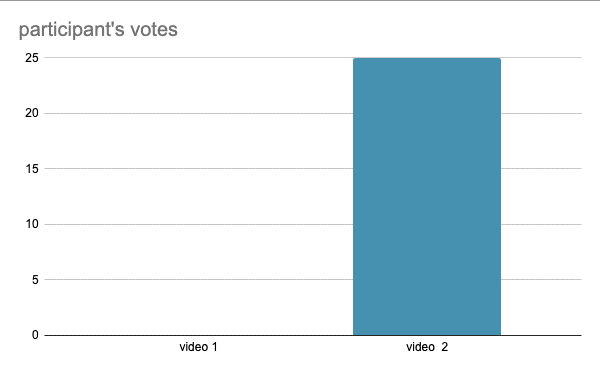
To better understand apology videos, we decided to watch some of them. We selected 15 apology videos from a selection of prominent celebrities and content creators with over 1 million subscribers on YouTube at the time of their controversy (some lost subscribers due to their controversies and are now below 1 million subscribers as a result). We chose creator apologies resulting from major controversies that had an impact on both fans and people outside of their fan community. Critical to our study was selecting videos with varied audience responses, including, positive, negative, and mixed responses in order to gauge which strategies led to successful apologies and which ones didn’t.
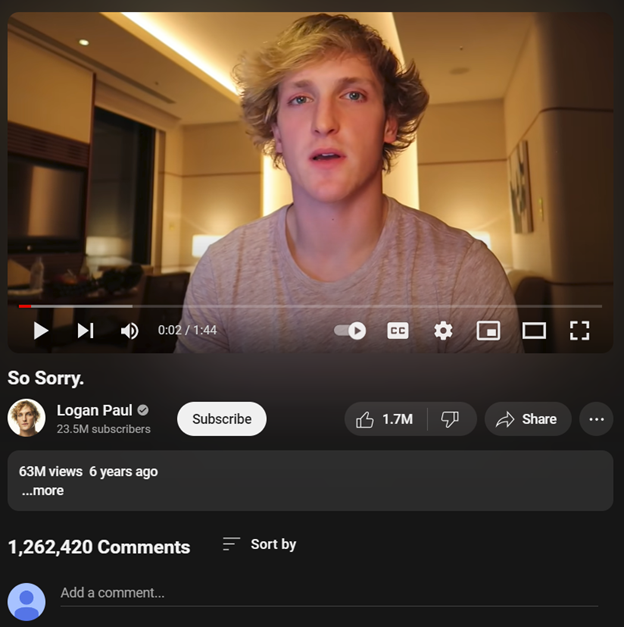
We fully submerged ourselves in the virtual worlds where these apologies occurred in order to gain a comprehensive understanding of the surrounding context. Our digital ethnography involved analyzing the situations that necessitated an apology and the characteristics of the individuals giving the apology. We performed discourse analysis on spoken and unspoken communication in the films, assessing elements such as intonation, physical gestures, and vocabulary selection. To comprehend audience responses, we meticulously observed the comments that garnered the highest number of likes as an indicator of public sentiment, noting which strategies succeeded or fell flat. The inquiry did not focus on the more technical parts of discourse analysis, such as specific language frameworks and computer methods, which have been covered well in previous studies (Sandlin and Gracyalny, 2018). Our analysis, however, concentrated on overarching themes and tactics deemed significant in determining perceptions of sincerity and the effectiveness of apologies.
Results
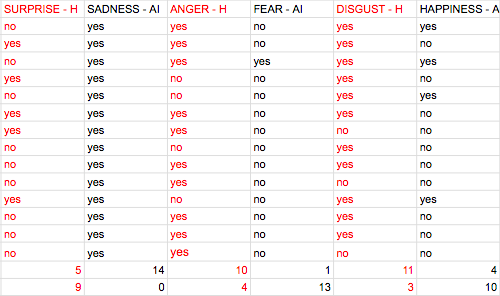
Our research yielded a variety of results on the nature of apology videos and the success or lack thereof of various apology strategies. We noted the development of a unique speech register in apology videos, something that has been expounded upon previously (Choi, 2021). Similar filming choices emerge, including directly facing the camera from the shoulders or neck up, maintaining a plain personal appearance, and setting the video in a lightly colored, simple, domestic room. Despite an uncomplicated backdrop and a lack of extravagant accessories being intended to index sincerity, we found that these decisions had no real effect on the apology’s perception.
We found three major strategies: apologizing, refuting the need to apologize and defending oneself, and apologizing while defending and minimizing one’s actions. Genuine apologies with the use of the word “Sorry” and assumption of responsibility or well-evidenced, thorough rebuttals of accusations were well-received, but poorly-evidenced or incomplete rebuttals were criticized. Fans want natural speech with an unscripted tone, criticizing apologies they perceive as stilted or relying on a script, but still want meticulous, well-thought-out responses, while also wanting concise apologies that allow anyone to grasp the core message without delving extensively into the subject matter, a high and somewhat contradictory standard. Musical apologies like Colleen Ballinger’s ukulele song apology or Sienna Mae’s interpretive dance apology were seen as bizarre and inappropriate, especially in response to accusations of grooming minors and sexual assault respectively. Sympathy-baiting distractions, like TmarTn doing baby-talk to his dog in his apology, were also heavily criticized.
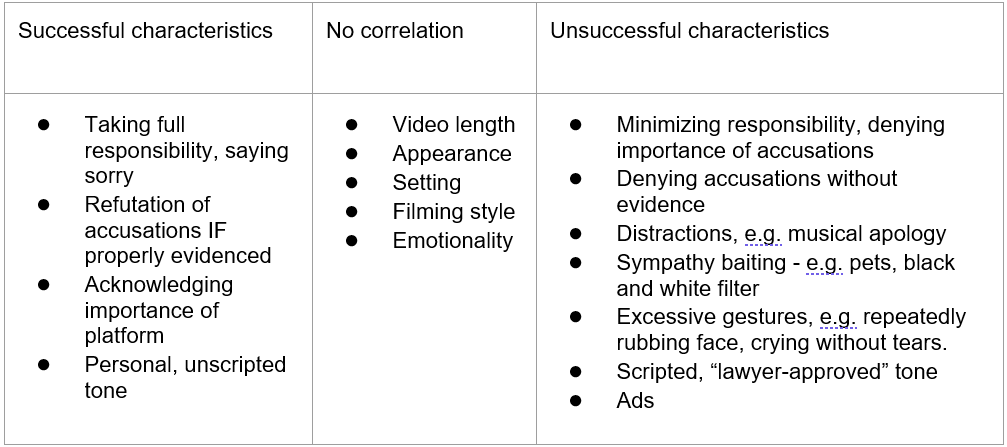
Gaming and commentary YouTuber PewDiePie’s apology gives us an example of some strategies being successfully employed. In his succinctly titled “My Response”, PewDiePie was praised for directly apologizing and not excusing his behavior. His acknowledgment of his status as a role model and influential figure and his need to be better, particularly due to his other recent controversies, were appreciated by fans.
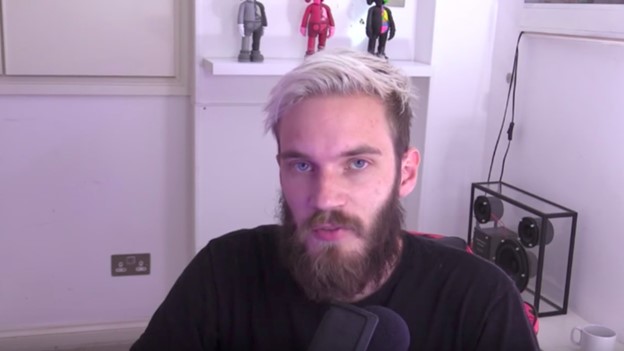
PewDiePie’s apology was favorably compared to later apology videos, particularly for its lack of forced emotion or other forms of sympathy-baiting. Fans derived sincerity from a lack of attempted markers of sincerity, feeling like they were not being tricked but allowed to judge only the content of the apology.
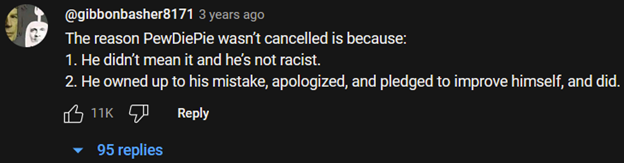
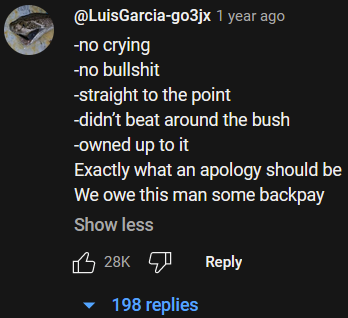


In contrast, hip-hop artist Travis Scott’s apology video gives us an example of how an apology video and its strategies can backfire. Scott was mocked for his “over-dramatic” black-and-white filter, along with the frequency with which he rubbed his face. While his frequent blinking and facial rubbing could indicate crying and remorse, viewers noted his lack of tears or an actual “I’m sorry”. It is advisable to maintain an emotional equilibrium, effectively conveying genuine emotion appropriate for the video without being excessive or appearing to force it for sympathy.
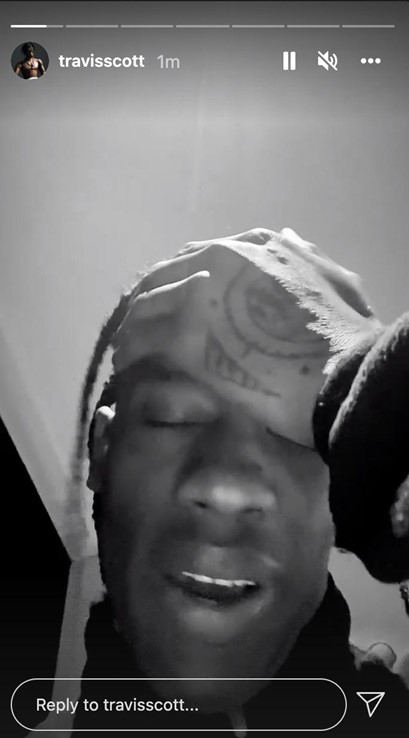
His lack of concern and failure to stop his concert while his fans were being crushed to death in the crowd contrasted with this sudden change of heart two days later seemed dishonest. Scott’s apology was widely labeled as disingenuous, something advised by lawyers or publicists to shore up his image while refusing to actually accept responsibility for legal reasons.
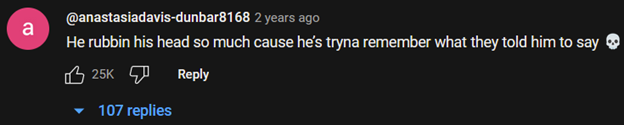

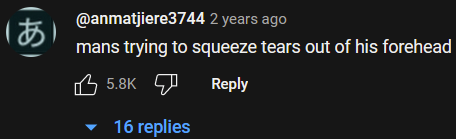
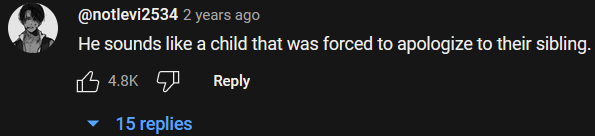
When actions that typically index sincerity seem forced or incongruent with the context of the apology, it becomes a target for accusations of insincerity and dishonesty, which can be crippling to any apology (Hope, 2019). It is not enough to perform actions and apology video tropes that might be perceived to index sincerity (e.g. a plain appearance, emotionality); the content and tone of the apology and their appropriateness in relation to the inciting event are more important. While some strategies are more successful than others, how they are used is most important.
Discussion and Conclusions
Studying celebrity public apologies is essential for understanding how individuals in the public eye navigate accountability and redemption. These apologies offer valuable insights into the complex strategies of communication and public relations. We can gain a better understanding of celebrities’ relationships with their fans and what each party feels they owe each other through apologies and celebrities’ motivations for apologizing (Matheson, 2023). Language, tone, and framing play pivotal roles in shaping public perception and reception of these apologies. Celebrities employ linguistic devices to manage their image and reputation, illustrating the significant impact of language on social influence. Moreover, celebrity apologies serve as cultural artifacts, reflecting broader societal values and norms. Analyzing these apologies unveils the nuanced dynamics between language, culture, and public opinion. They provide a lens through which we can explore themes such as ethics, power dynamics, and identity. Furthermore, studying celebrity apologies offers insights into psychological processes like guilt, remorse, and forgiveness. Language becomes a medium through which individuals convey sincerity, empathy, or deflect responsibility. By dissecting these linguistic choices, we gain a deeper understanding of human behavior and interpersonal dynamics. In essence, celebrity apologies serve as rich sources for examining the intersection of language, culture, psychology, and social influence. They highlight the intricate ways in which language shapes and reflects our understanding of accountability, redemption, and societal values.
Related resources:
- The best way to apologize (according to science)
- The Power of the Apology Video (And Why So Many Fail)
- How YouTubers Turned the Apology Video Into a Genre
- Language Strategies in Apology Videos
References
Battistella, Edwin L. Sorry about That: The Language of Public Apology / Edwin L. Battistella. Oxford University Press, 2014.
Choi, G. Y., & Mitchell, A. M. (2022). So sorry, now please watch: Identifying image repair strategies, sincerity and forgiveness in Youtubers’ apology videos. Public Relations Review, 48(4), 102226. https://doi.org/10.1016/j.pubrev.2022.102226
Croley, MacKenzie. “A Linguistic View of a Twitter Apology.” Journal of Student Research (Houston, Tex.), vol. 10, no. 2, 2021, https://doi.org/10.47611/jsr.v10i2.1230.
Hope, Jessamyn. “Seven Steps to a Successful Apology.” The Hopkins Review, vol. 12, no. 1, 2019, pp. 60–80, https://doi.org/10.1353/thr.2019.0007.
Loisa, J. (2021).” I’m just letting everyone know that I’m an idiot”: Apology Strategies in YouTubers’ Apology Videos (Master’s thesis, Itä-Suomen yliopisto).
Matheson, Benjamin. “Fame and Redemption: On the Moral Dangers of Celebrity Apologies.” Journal of Social Philosophy, 2023, https://doi.org/10.1111/josp.12510.
Sandlin, J. K., & Gracyalny, M. L. (2018). Seeking sincerity, finding forgiveness: YouTube apologies as Image Repair. Public Relations Review, 44(3), 393–406. https://doi.org/10.1016/j.pubrev.2018.04.007